
lovethailand home >Northeastern Travel Attractions >Kalasin Travel Attractions >Muang Kalasin >Lam Pao > Lam Pao Wildlife Conservation Promotion and Develo..
TL;DR: Lam Pao Wildlife Conservation Promotion and Development Station is located at Eastern Side Of Lam Pao Dam Reservoir, Lam Pao Subdistrict, Mueang Kalasin District, Kalasin Province, Thailand, open Daily, hours 07.00 – 18.00.

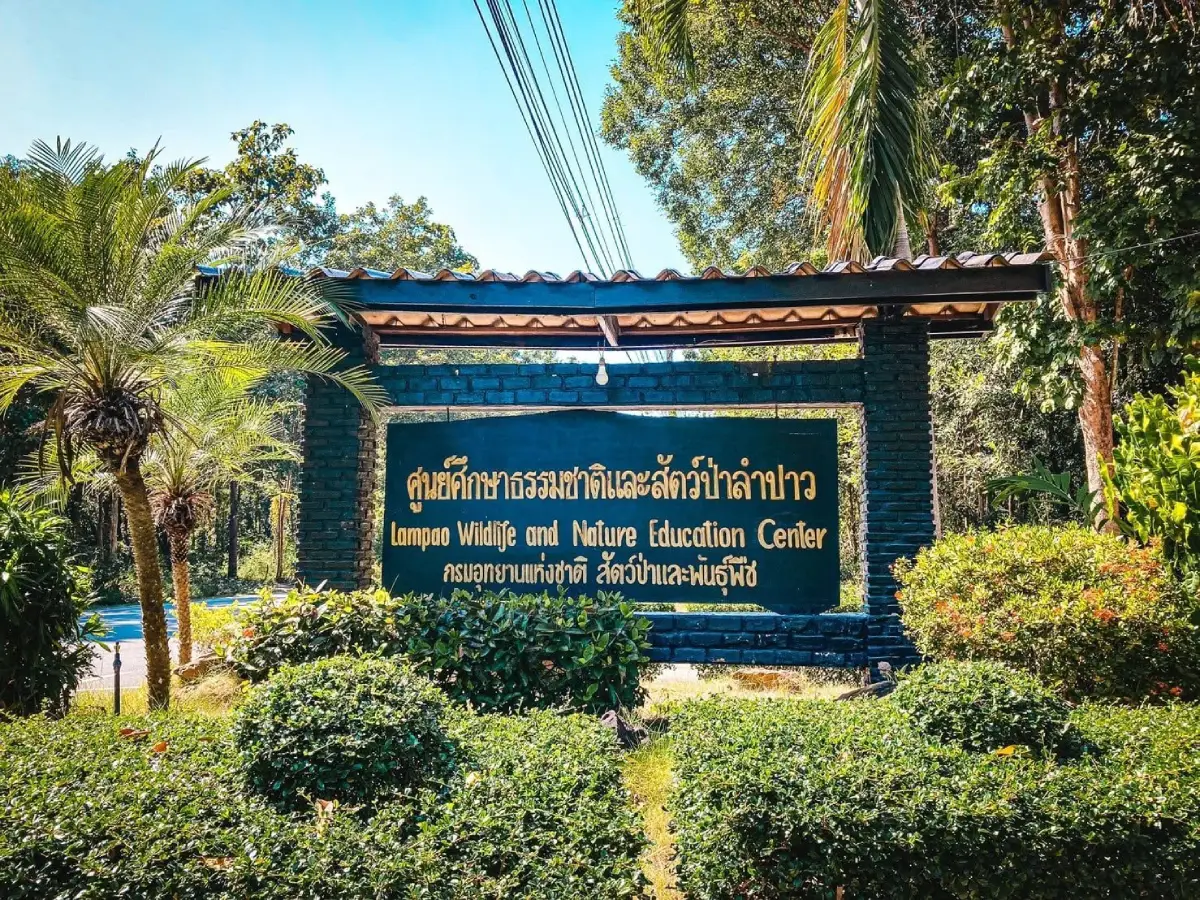
Lam Pao Wildlife Conservation Promotion and Development Station
Open Days: Daily
Opening Hours: 07.00 – 18.00
Lam Pao Wildlife Conservation Promotion and Development Station, also known as Suan Sa-on, is one of Kalasin Province’s most important nature-learning destinations. Located on the eastern side of Lam Pao Dam Reservoir, the station covers about 1,420 rai and preserves a relatively healthy dry dipterocarp forest, locally known as pa teng rang or pa daeng. The site functions as an open wildlife area, a nature study station, a recreational place near the reservoir, and a learning center where visitors can understand the relationship between wildlife, forest, water, and conservation in northeastern Thailand.
The most iconic animal at Suan Sa-on is the banteng, known in Thai as wua daeng. More than 130 banteng live in the area, making them the symbol of the site. For foreign travelers, seeing banteng in an open wildlife setting is a memorable experience because this rare wild cattle species is not commonly seen in ordinary travel routes. Their strong bodies, reddish-brown coats, pale lower legs, and graceful horns make them visually impressive, while their presence also reflects the long-term conservation role of this station.
Suan Sa-on is not simply a place to look at animals. It is designed as a place where visitors can learn how wildlife depends on suitable habitats, food sources, water, and quiet surroundings. The area includes open forest, grassland-like feeding zones, bird habitats, nature trails, and reservoir-side landscapes. These elements help visitors understand that wildlife conservation is not only about protecting individual animals, but also about protecting the ecosystem that allows them to survive.
The dry dipterocarp forest at Suan Sa-on is another important feature. This forest type is common in northeastern Thailand and is adapted to seasonal dryness. During the rainy season, the forest becomes greener and more active, while during the dry season, many trees shed their leaves and the landscape changes color. This seasonal rhythm is part of the beauty of the site. Visitors who walk through the nature trail can observe forest structure, local plants, birds, insects, and the way wildlife uses the landscape.
In addition to banteng, Suan Sa-on is home to other animals such as gibbons, monkeys, and many kinds of birds. Some birds are kept within the learning area, while others visit naturally according to season. This makes the station suitable for families, students, teachers, birdwatchers, and travelers who want a quiet educational stop near Lam Pao Dam. The diversity of animals allows visitors to learn about behavior, movement, sound, habitat, and the importance of not disturbing wildlife.
For children and young visitors, Suan Sa-on is especially valuable. Many students learn about animals and ecosystems from books, but seeing real animals and walking through a real forest makes the lesson clearer and more memorable. Children can learn why animals need space, why forests and water are connected, why feeding wild animals is harmful, and why conservation areas must be treated with respect. A visit here can turn a simple family trip into a meaningful outdoor classroom.
The nature trail is one of the best ways to experience Suan Sa-on. Visitors can walk quietly through the dry dipterocarp forest, listen to birds, observe plants, and look for small signs of wildlife. This activity does not require heavy trekking, but it does require calm behavior and attention. Visitors should stay on designated paths, avoid picking plants, avoid making loud noises, and never feed animals. A respectful walk allows the forest atmosphere to remain undisturbed and makes the visit more rewarding.
The overall atmosphere of Suan Sa-on is different from a large commercial zoo. The focus is on learning, conservation, and nature rather than entertainment shows. Animals may not always stay in one place, and the most interesting moments often come from patient observation. Visitors may see banteng grazing, birds moving through trees, or sunlight passing through the forest in the morning or late afternoon. This slower travel rhythm is part of the site’s appeal.
The best time to visit is in the morning or late afternoon. The weather is cooler, animals are often more active, and the natural light is better for photography. Morning visits are good for walking the nature trail and watching birds, while late afternoon is suitable for enjoying the forest atmosphere and reservoir-side breeze. During the rainy season, visitors should wear comfortable shoes and be careful of slippery ground. During the dry season, drinking water, a hat, and sun protection are important.
Suan Sa-on also provides accommodation and camping areas for visitors who wish to stay overnight. However, overnight stays must be arranged in advance with the station or responsible authorities. Staying inside a conservation area is different from staying in a hotel. Guests must follow rules carefully, avoid loud noise, keep the area clean, and respect wildlife. The accommodation and camping facilities are suitable for student groups, nature-study groups, youth camps, and travelers who want a simple nature-based experience near Lam Pao Dam.
Visitors who wish to use the station’s accommodation or camping area should contact the station in advance or send a formal request to the head of Lam Pao Wildlife Conservation Promotion and Development Station, P.O. Box 120, Mueang District, Kalasin 46000. Advance coordination helps officers manage visitor numbers, safety, and use of the conservation area properly, especially for schools, organized groups, and weekend activities.
The station is also important in the wider ecological context of Lam Pao Dam. The reservoir is not only a water-management site; it also creates a landscape where forest, water, birds, mammals, and people interact. The forested area near the reservoir provides habitat, shade, and feeding grounds for wildlife, while the nearby water landscape supports birds and other living organisms. Visiting Suan Sa-on helps travelers see Lam Pao Dam from an ecological perspective, not only as a scenic or recreational reservoir.
Compared with other attractions around Lam Pao Dam, such as Hat Dok Ked, the dam viewpoint, or Thep Suda Bridge, Suan Sa-on has a different identity. Hat Dok Ked is known for recreation and freshwater beach activities, while Thep Suda Bridge is known for scenery and transportation across the reservoir. Suan Sa-on is the place to learn about wildlife, forest ecology, and conservation. A well-planned trip around Lam Pao Dam can include all these experiences: nature study in the morning, reservoir relaxation in the afternoon, and sunset scenery in the evening.
Responsible behavior is essential inside Suan Sa-on. Visitors should not feed animals because human food can harm wildlife and change their natural behavior. They should not shout, chase animals, throw objects, or move too close to wildlife. Trash should be taken out of the area, and pets should not be brought into sensitive wildlife zones. The best way to see animals is to observe quietly from a safe distance and respect the living space of each species.
For photographers, Suan Sa-on offers many subjects: banteng in open areas, dry dipterocarp forest, birds, nature trails, reservoir-side scenery, and educational activities. Wildlife photography should be done carefully. Do not use flash at close range, do not disturb animals to make them move, and do not leave designated paths for a better angle. Good photographs from this site should communicate the beauty of nature and conservation rather than place pressure on animals.
Suan Sa-on is suitable for several types of travelers. Families can bring children to learn about animals and forests. Schools can use the station as an outdoor classroom. Nature lovers can enjoy the forest trail and birdwatching. Travelers exploring Lam Pao Dam can add Suan Sa-on to their route to make the trip more meaningful. The site has tourism value, but its deeper value lies in education, awareness, and the long-term protection of wildlife.
Getting There can be done by two main routes. The first route follows the road to Lam Pao Dam; after reaching the dam, continue along the dam crest road for about 4 km. The second route uses the Kalasin–Sahatsakhan road, Highway 227, for about 19 km, then turns left for about 5 km toward Suan Sa-on. Traveling by private car is the most convenient option because visitors can combine the trip with other nearby attractions such as Lam Pao Dam, Hat Dok Ked, Thep Suda Bridge, and Sirindhorn Museum.
Before visiting, travelers should prepare drinking water, a hat, sun protection, mosquito repellent, comfortable walking shoes, and a camera. Families with children should explain basic wildlife-viewing rules before arrival: do not feed animals, do not run after animals, do not make loud noise, and stay on the designated paths. These simple preparations help make the visit safer, more respectful, and more educational.
Overall, Lam Pao Wildlife Conservation Promotion and Development Station, or Suan Sa-on, is one of the most meaningful nature attractions in Kalasin. Its banteng, forest trails, dry dipterocarp ecosystem, birds, educational areas, and location near Lam Pao Dam make it much more than an open zoo. It is a place where visitors can understand the relationship between people, forest, wildlife, and water. With respectful behavior and careful observation, Suan Sa-on remains a valuable learning destination for both local residents and travelers from outside Kalasin.
| Name | Lam Pao Wildlife Conservation Promotion And Development Station (Suan Sa-on) |
| Location | Eastern Side Of Lam Pao Dam Reservoir, Lam Pao Subdistrict, Mueang Kalasin District, Kalasin Province, Thailand |
| Contact Address | Lam Pao Wildlife Conservation Promotion And Development Station, P.O. Box 120, Mueang District, Kalasin 46000, Thailand |
| Highlights | An open wildlife learning area in dry dipterocarp forest near Lam Pao Dam, known for more than 130 banteng, nature trails, and wildlife education |
| Distinctive Features | A 1,420-rai conservation area with relatively healthy dry dipterocarp forest, wildlife viewing areas, birdwatching opportunities, nature trails, and reservoir-side scenery |
| Important Wildlife | Banteng, gibbons, monkeys, and various bird species, including resident and seasonal birds |
| Importance | A wildlife conservation site, nature-learning center, and educational area for understanding dry dipterocarp forest ecology near Lam Pao Dam |
| Travel Information | There are 2 main routes: travel to Lam Pao Dam and continue along the dam crest road for about 4 km, or use Highway 227 on the Kalasin–Sahatsakhan route for about 19 km, then turn left for about 5 km toward Suan Sa-on. |
| Current Status | Open as a nature-learning center, open wildlife area, and conservation-based attraction in Kalasin Province |
| Open Days | Daily |
| Opening Hours | 07.00 – 18.00 |
| Fees | No Admission Fee |
| Facilities | Nature trail, wildlife viewing areas, birdwatching areas, accommodation, camping area, parking area, and reservoir-side relaxation space |
| Main Areas / Zones | Open Wildlife Area Banteng Viewing Area Gibbon And Monkey Area Birdwatching And Seasonal Bird Area Dry Dipterocarp Nature Trail Forest And Plant-Learning Area Accommodation And Camping Area Lam Pao Dam Reservoir-Side Relaxation Area |
| Caretaker | Lam Pao Nature And Wildlife Education Center / Lam Pao Wildlife Conservation Promotion And Development Station, Department Of National Parks, Wildlife And Plant Conservation |
| Main Contact Number | 081-749-7063, 088-561-6582 |
| suansaon_@hotmail.com | |
| On-Site Accommodation / Camping | Accommodation and camping areas are available by advance permission from the station or responsible authorities |
| Nearby Tourist Attractions | 1. Lam Pao Dam, About 4 km 2. Hat Dok Ked, Lam Pao Dam, About 8 km 3. Lam Pao Dam Viewpoint, About 8 km 4. Thep Suda Bridge, About 22 km 5. Dino Road, Sahatsakhan, About 24 km 6. Sirindhorn Museum, About 28 km |
| Nearby Restaurants | 1. Jae Aoy Grilled Fish And Grilled Prawn, Hat Dok Ked & Lam Pao Dam, About 8 km, Tel. 088-552-4862, 083-084-3302 2. Lam Pao Dam Viewpoint Restaurant, About 8 km, Tel. 090-288-2160 3. Klin Lamduan Grilled Prawn Restaurant, About 10 km, Tel. 089-285-3247 4. Thor Grilled Prawn Kalasin, About 10 km, Tel. 083-240-7964 5. Dok Ket Seafood, About 8 km 6. Por Noi Soi Doem, About 9 km |
| Nearby Accommodations | 1. On-Site Accommodation And Camping Area, Advance Booking Required, Tel. 081-749-7063, 088-561-6582 2. Phu Aree Resort, About 10 km, Tel. 095-178-0562 3. Rich Lam Pao Resort, About 15 km, Tel. 091-575-4507 4. Ban Suan Khwam Hak Resort, About 16 km, Tel. 082-117-9083 5. Miss Love Poolvilla Sahatsakhan Kalasin, About 17 km, Tel. 086-041-6065 6. Sukwan Boutique Home Resort, About 18 km, Tel. 094-540-2607 |
Frequently Asked Questions (FAQ)
Q: Where Is Suan Sa-on Located?
A: Suan Sa-on is located on the eastern side of Lam Pao Dam Reservoir in Lam Pao Subdistrict, Mueang Kalasin District, Kalasin Province. It is a nature and wildlife learning area near Lam Pao Dam.
Q: What Are The Opening Hours Of Suan Sa-on?
A: Suan Sa-on is open daily from 07.00 to 18.00.
Q: Is There An Admission Fee?
A: No. Visitors can enter Suan Sa-on free of charge during opening hours.
Q: What Is Suan Sa-on Best Known For?
A: It is best known for its open wildlife area in dry dipterocarp forest, especially more than 130 banteng, along with gibbons, monkeys, birds, and nature trails.
Q: Can Visitors Stay Overnight Or Camp At Suan Sa-on?
A: Yes. Accommodation and camping areas are available, but visitors must contact the station and obtain permission in advance.
Q: How Can Travelers Get To Suan Sa-on?
A: Travelers can go via Lam Pao Dam and continue along the dam crest road for about 4 km, or use Highway 227 on the Kalasin–Sahatsakhan route for about 19 km and turn left for another 5 km toward Suan Sa-on.
Q: Is Suan Sa-on Suitable For Children And Students?
A: Yes. It is very suitable for children and students because they can learn about wildlife, dry dipterocarp forest, ecosystems, and conservation from real outdoor experience.
Q: What Should Visitors Prepare Before Going?
A: Visitors should bring drinking water, a hat, sun protection, mosquito repellent, comfortable walking shoes, and a camera. They should also follow conservation rules, avoid feeding animals, avoid loud noise, and keep the area clean.
 Category: ●Entertainment and Agricultural
 Group: ●Animal camps and shows
Last Update : 2 MonthAgo
 Last Update : 2 MonthAgo
 Click to Access the Navigation Map GPS
Lam Pao Wildlife Conservation Promotion and Development Station Map

 Art, Culture and Heritage
 Historical Sites and Monuments(2)
 Landmarks and Memorials(3)
 Art, Craft Centres, Tradition(4)
 Museums(3)
 Art Gallery(1)
 Educational Places
 Educational Gardens, Farm(1)
 Places of Worship
 Temple(21)
 Other Sacred Sites(6)
 Suburban Living
 Village, Community(3)
 Nature and Wildlife
 National Parks and Marine Reserves(3)
 Mountain (Doi)(2)
 Dam, Reservoir, Lake(5)
 Waterfalls(4)
 Caves(2)
 River, Canal(3)
 Bays and Beaches(1)
 Other natural attractions(2)
Animal camps and shows(1)
Other natural attractions(2)
Animal camps and shows(1)
 Farms, Parks and Ecotourism(2)


