
lovethailand home >North Travel Attractions >Lampang Travel Attractions >Mueang Lampang >Sop Tui > Hor Pum Lakhon Museum
TL;DR: Hor Pum Lakhon Museum is located at Former Lampang Municipality Office Building, Mueang Lampang District, Lampang Province, open Tuesday – Sunday, hours Approximately 09.00 AM – 04.30 PM.
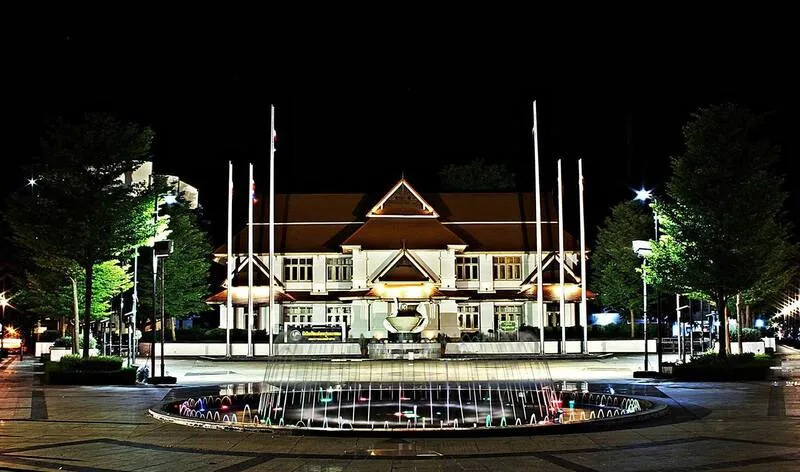
Hor Pum Lakhon Museum
Open Days: Tuesday – Sunday
Opening Hours: Approximately 09.00 AM – 04.30 PM
Hor Pum Lakhon Museum is one of the most important historical and cultural learning centers in Lampang Province. Located inside the former Lampang Municipality Office building, the museum was renovated and transformed into a modern exhibition space dedicated to preserving and presenting the history, legends, and cultural identity of Lampang. The name “Hor Pum Lakhon” refers to a place that records and preserves the stories and historical memories of the ancient city once known as “Lakhon.”
The museum building itself holds historical significance because it formerly served as the administrative headquarters of Lampang Municipality for many years. Rather than demolishing the structure, the city chose to preserve and adapt it into a museum so that future generations could continue learning about Lampang’s rich cultural heritage.
Lampang is one of northern Thailand’s oldest cities and possesses a long and fascinating history connected to the Lanna Kingdom, regional trade, teak concessions, and local traditions. Throughout different periods, the city developed its own unique identity shaped by religion, architecture, transportation, forestry, and multicultural influences. Hor Pum Lakhon Museum was established to gather and present these stories in a comprehensive and accessible way.
The museum is divided into two floors. The ground floor serves as a temporary exhibition area where rotating exhibitions are organized throughout the year. These exhibitions may focus on local art, community culture, historical topics, handicrafts, or special events related to Lampang and northern Thailand.
The upper floor contains the permanent exhibition galleries, which are considered the museum’s main attraction. This section presents the story of Lampang through five thematic zones designed to guide visitors through the city’s historical development and cultural transformation.
One of the exhibition zones introduces the origins and legends of Lampang, including stories associated with the ancient city of Lakhon and the legendary traditions connected to Queen Chamathewi and the Lanna Kingdom. This section helps visitors understand the historical foundations of the city and its place within northern Thai history.
Another gallery explains Lampang’s development through various historical periods, including the Lanna era, Burmese influence, and the Rattanakosin period. During these times, Lampang played an important role as both a strategic frontier city and an economic center of northern Thailand.
One of the museum’s most popular sections focuses on the traditional lifestyle of Lampang residents in earlier times. Through old photographs, models, multimedia displays, and recreated scenes, visitors can explore traditional houses, local markets, clothing styles, food culture, and daily life in old Lampang.
Another important exhibition zone highlights the teak logging and teak trading era, a period when Lampang became one of northern Thailand’s wealthiest cities. The museum presents information about foreign logging companies, elephant labor, teak transportation, and the economic prosperity that transformed Lampang during the early twentieth century.
Lampang has long maintained a strong connection with elephants because they played a vital role in transporting teak logs from forests to rivers and trading centers. Historical photographs and exhibits inside the museum clearly demonstrate the importance of elephants to Lampang’s economy and identity.
Another section of the museum focuses on Lampang’s cultural identity, including local traditions, language, handicrafts, and artistic heritage. Visitors can learn about northern Thai customs as well as Lampang’s famous ceramic industry, which later became one of the province’s best-known products.
Hor Pum Lakhon Museum is particularly notable for using modern presentation techniques to explain historical topics. Multimedia systems, audiovisual effects, interactive displays, and creative exhibition design help make local history engaging and accessible for visitors of all ages.
In addition to permanent exhibitions, the museum also functions as a cultural activity center for the community. Educational workshops, special exhibitions, cultural events, and local learning activities are organized regularly to encourage public participation and historical awareness.
Many schools and universities bring students to the museum for educational visits because the exhibitions provide valuable information about Lampang’s social, economic, and cultural history. The museum effectively connects classroom learning with real historical evidence and local heritage.
The atmosphere inside the museum is calm and welcoming. Although the exhibitions are modern, the building still preserves much of its original architectural character, allowing visitors to appreciate both the historical structure and the stories displayed inside.
One of the museum’s most distinctive qualities is its emphasis on storytelling rather than simply displaying historical objects. Visitors experience Lampang’s history as a continuous narrative, moving from ancient legends through the teak trade era and into the modern city.
The museum also plays an important role in preserving Lampang’s identity in the modern era. As urban life changes rapidly, spaces like Hor Pum Lakhon Museum help younger generations understand the roots of their community and appreciate the importance of preserving local culture.
Travelers interested in Lanna culture and northern Thai history often consider this museum an excellent introduction to Lampang because it presents comprehensive information about religion, trade, community life, architecture, and cultural traditions.
Because the museum is located within Lampang’s old town district, visitors can easily continue to nearby attractions such as Kad Kong Ta Walking Street, Ratsadaphisek Bridge, Wat Sri Rong Mueang, and the Thai Bank Museum. Together, these attractions create a rich historical and cultural travel route through the city.
Photography enthusiasts also enjoy visiting the museum because the old municipal building retains many attractive architectural details, including wooden staircases, windows, balconies, and decorative features characteristic of early municipal architecture in northern Thailand.
Although not a very large museum, Hor Pum Lakhon plays an extremely important role in preserving the memory of Lampang and connecting the city’s past, present, and future through historical education and cultural preservation.
Getting There is convenient because the museum is located in central Lampang within the municipal district. Visitors can travel easily by private car, local transportation, or Lampang’s traditional horse carriage service.
Hor Pum Lakhon Museum therefore remains one of Lampang’s most valuable cultural attractions, preserving the city’s stories, legends, traditions, and historical identity for future generations and visitors from around the world.
| Place Name | Hor Pum Lakhon Museum |
| Location | Former Lampang Municipality Office Building, Mueang Lampang District, Lampang Province |
| Main Characteristic | Historical and cultural museum presenting the stories and legends of Lampang |
| Historical Background | Renovated from the former Lampang Municipality Office into a cultural learning museum |
| Building Floors | 2 Floors |
| Ground Floor Exhibition | Temporary rotating exhibitions related to local history and culture |
| Second Floor Exhibition | Permanent museum exhibitions divided into 5 thematic zones |
| Main Highlights | Lampang legends, Lanna lifestyle, teak trading history, and local culture |
| Managed By | Lampang Municipality |
| Open Days | Tuesday – Sunday |
| Opening Hours | 09.00 AM – 04.30 PM |
| Entrance Fee | Not Specified |
| Travel Information | Accessible by car, local transportation, or traditional Lampang horse carriage |
| Contact Number | 054-237237 |
| Nearby Tourist Attractions | 1. Kad Kong Ta Walking Street, About 500 m 2. Ratsadaphisek Bridge, About 700 m 3. Wat Sri Rong Mueang, About 2 km 4. Thai Bank Museum, About 1 km 5. Dhanabadee Ceramic Museum, About 4 km |
| Nearby Restaurants | 1. Wiang Lakon Restaurant, About 1 km, Tel. 054-222111 2. Baan Phraya Suren by Madame Musur, About 700 m, Tel. 054-314899 3. Long Jim New York Pizza, About 800 m, Tel. 095-4465959 4. Krua Nuea Hom Lampang, About 2 km, Tel. 054-019899 5. Tik Jaew Hon Lampang, About 2 km, Tel. 054-223799 |
| Nearby Accommodations | 1. Wiang Thong Hotel Lampang, About 1 km, Tel. 054-218561 2. Regent Lodge Lampang, About 1 km, Tel. 054-323111 3. Hop Inn Lampang City Center, About 2 km, Tel. 052-081777 4. The Coconut Hotel, About 3 km, Tel. 054-821999 5. Lampang River Lodge, About 7 km, Tel. 054-209999 |
Frequently Asked Questions (FAQ)
Q: What is Hor Pum Lakhon Museum?
A: It is a museum dedicated to the history, legends, and cultural heritage of Lampang.
Q: What was the building originally used for?
A: The building originally served as the Lampang Municipality Office before being renovated into a museum.
Q: What can visitors see inside the museum?
A: Visitors can explore exhibitions about Lampang legends, Lanna lifestyle, teak trading history, and local culture.
Q: How many floors does the museum have?
A: The museum has two floors, with rotating exhibitions downstairs and permanent exhibitions upstairs.
Q: What makes the museum special?
A: The museum focuses on storytelling and uses modern exhibition techniques to explain Lampang’s history.
Q: Who would enjoy visiting the museum?
A: It is ideal for visitors interested in Lanna culture, local history, and educational tourism.
Q: How can visitors travel to the museum?
A: Visitors can reach the museum easily by car, local transportation, or traditional horse carriage.
Q: Is photography allowed inside the museum?
A: Photography is generally allowed, but visitors should follow museum regulations.
 Category: ●Art, Culture and Heritage
 Group: ●Museums
Last Update : 5 MonthAgo
 Last Update : 5 MonthAgo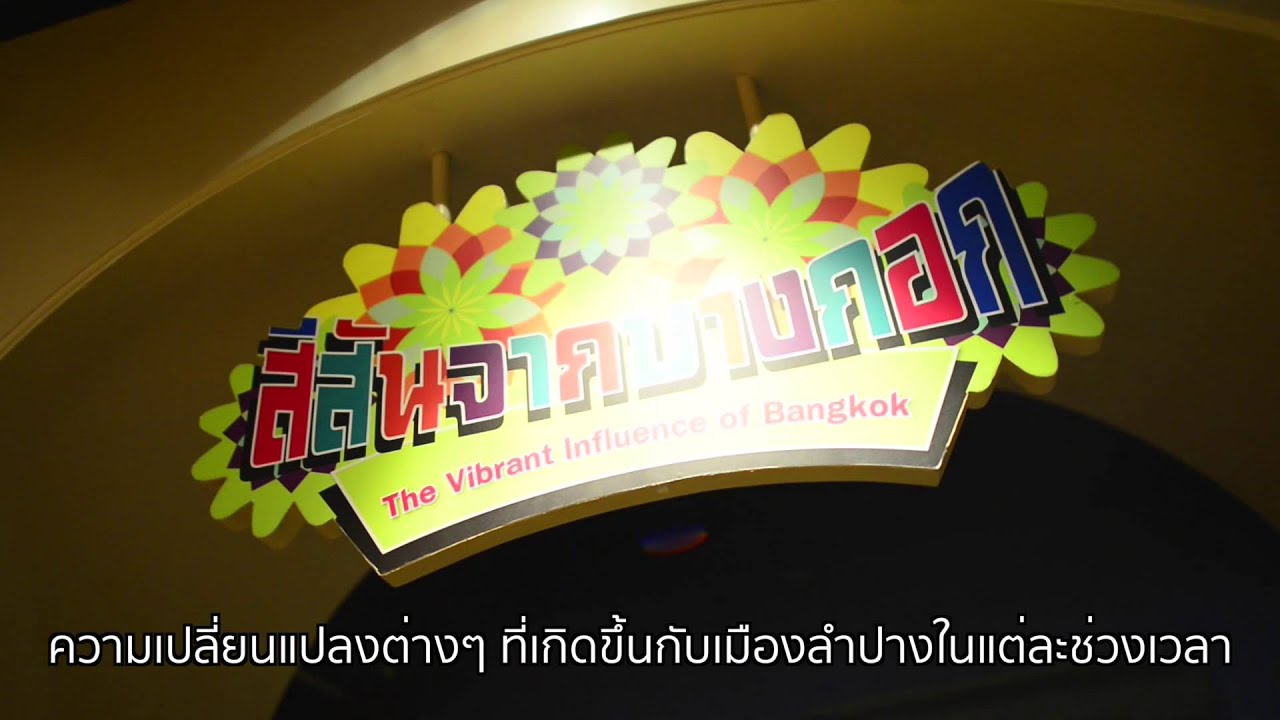
 Click to Access the Navigation Map GPS
Hor Pum Lakhon Museum Map
Gellery
Recommend

 Historical Sites and Monuments(2)
 Landmarks and Memorials(5)
 Art, Craft Centres, Tradition(10)
Museums(4)
Art, Craft Centres, Tradition(10)
Museums(4)
 Historic Homes and Cities(1)
 Places of Worship
 Temple(86)
 Other Sacred Sites(9)
 Research and Development
 Royal Project(2)
 Suburban Living
 Village, Community(3)
 Local Market(2)
 Nature and Wildlife
 National Parks and Marine Reserves(5)
 Mountain (Doi)(4)
 Dam, Reservoir, Lake(11)
 Waterfalls(15)
 Hot Springs(1)
 Caves(12)
 Flower Field(1)
 River, Canal(1)
 Bays and Beaches(1)
 Other natural attractions(4)
 Entertainment and Agricultural
 Animal camps and shows(1)
 Farms, Parks and Ecotourism(2)
 Outdoor and Adventure Activities(2)
 Shopping
 Shopping and Night Market(2)
 Spas and Wellness
 Spas and Wellness(1)


