
lovethailand home >North Travel Attractions >Phitsanulok Travel Attractions >Muang Phitsanulok >Tha Pho > Naresuan University Art and Culture Gallery
TL;DR: Naresuan University Art and Culture Gallery is located at Naresuan University, Mueang Phitsanulok District, Phitsanulok Province, open Monday-Friday, hours 09.00 – 16.00.
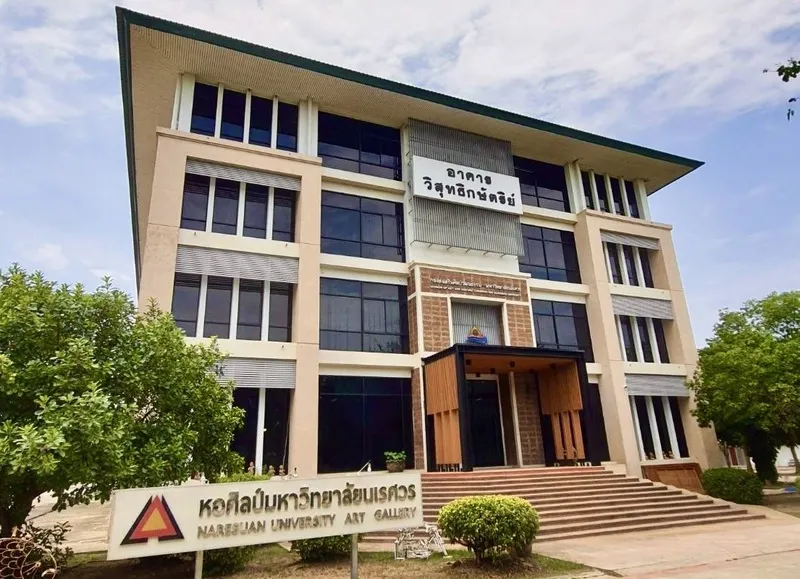
Naresuan University Art and Culture Gallery
Open Days: Monday-Friday
Opening Hours: 09.00 – 16.00
Naresuan University Art and Culture Gallery in Phitsanulok Province is one of the most important learning spaces for art, culture, and local heritage in lower northern Thailand. Located within Naresuan University, the gallery serves not only as an art exhibition venue but also as a cultural learning center that brings together Thai visual art, works by major Thai artists, community heritage, traditional tools, and the cultural memory of the region. For visitors who want to understand Phitsanulok beyond temples and historical landmarks, this gallery offers a meaningful introduction to the artistic and cultural identity of the lower north.
In simple terms, Naresuan University Art and Culture Gallery is a recommended cultural attraction for travelers interested in Thai art, works by National Artists, local ways of life, traditional tools, and the cultural heritage of northern communities. Inside the gallery, visitors can see more than 100 works by important Thai artists, including several National Artists in the field of visual arts. The gallery also presents exhibitions on the lifestyle of lower northern communities, allowing visitors to understand both artistic creativity and the everyday wisdom behind local culture.
The main purpose of the gallery is to promote, preserve, and pass on Thai art and culture. It transforms art and heritage from something found only in textbooks or academic discussions into a direct experience that visitors can see, observe, and interpret. This makes the gallery accessible to many kinds of visitors, including students, researchers, art enthusiasts, families, Thai travelers, and international visitors who want to gain a deeper understanding of Thai culture.
One of the most valuable features of Naresuan University Art and Culture Gallery is its collection of works by prominent Thai artists. These include well-known names such as Sawasdi Tantisuk, Phoon Ketjamrat, Prayoon Uluchata, Pratuang Emjaroen, and Chavalit Soemprungsuk, together with other major Thai artists and National Artists. Their works reflect different techniques, ideas, experiences, and interpretations of Thai society. Visitors therefore do not simply look at paintings or sculptures; they encounter the development of Thai creative thought across generations.
The works displayed in the gallery include paintings, prints, sculptures, and other visual art forms. This diversity helps visitors understand that Thai art is not limited to a single style. It has evolved through experimentation, social change, personal expression, and dialogue with the world around it. Some works focus on nature, some on human emotion, some on society, and others on color, line, form, rhythm, and abstraction. Together, they provide a broad picture of Thai visual art.
For art students and anyone interested in visual culture, seeing works by major artists in one place is highly valuable. Visitors can compare how different artists use color, line, shape, space, symbolism, and composition. Some artists use bold colors to express energy, while others use delicate lines or abstract forms to convey deeper meanings. Some works are rooted in Thai life and landscape, while others explore more universal human concerns. This experience shows that art is a language through which people communicate thought, emotion, memory, and identity.
Beyond the art collection, the gallery is also known for exhibitions on the lifestyle and traditions of lower northern communities. These exhibitions present tools, household objects, agricultural equipment, basketry, craft materials, and other items connected with local livelihoods. Such displays are important because they connect art with everyday life. They show that culture is not found only in formal paintings or sculptures, but also in the tools people use, the work they do, the materials they choose, and the knowledge they pass down through generations.
The traditional tools and objects displayed in the gallery reveal the wisdom of local communities. Some items may look simple at first, but they reflect deep knowledge of materials, environment, and practical use. Basketry demonstrates skill in selecting and shaping natural materials. Agricultural tools reveal relationships between people, land, water, and seasons. Craft objects show patience, technique, and local aesthetics. These objects function like cultural documents, recording the ways people lived, worked, and solved problems without relying on written words.
The focus on lower northern community life is especially meaningful in Phitsanulok. The province has long been a meeting point between northern, central, and local cultural zones. Its identity is therefore layered and diverse. By presenting traditional tools, occupations, and ways of life, the gallery helps visitors understand Phitsanulok not only as a travel destination or historic city, but also as a region of farmers, craftspeople, artists, and communities that have continuously shaped their own cultural identity.
The gallery also serves as a place of inspiration. Walking through art exhibitions in a quiet atmosphere gives visitors time to observe, think, and interpret. For students, the artworks may become models of technique and creativity. For travelers, they may open a new path into Thai culture. For older visitors, traditional objects may bring back memories of earlier ways of life. For children, the colors, shapes, objects, and stories can become an engaging gateway into cultural learning.
Naresuan University Art and Culture Gallery also supports teaching and research within the university. It connects knowledge from many fields, including fine arts, history, anthropology, cultural studies, design, tourism, and education. Students can use the gallery as a field classroom, observing real objects and artworks rather than relying only on images in books. Researchers can use the exhibitions as a starting point for studying cultural change, heritage preservation, and the relationship between art and society.
As a travel destination, the gallery is suitable for visitors who want to explore Phitsanulok in a deeper way. Many travelers know the province for Wat Phra Si Rattana Mahathat, the Phra Buddha Chinnarat image, Chan Palace, the Nan River, and natural attractions outside the city. This gallery adds another dimension: Thai art, National Artists, and the cultural memory of the lower north. It can easily be included in a city itinerary together with museums, temples, and riverside areas.
The gallery is appropriate for many types of visitors. School students can learn through real objects and visual displays. University students can study artistic techniques and cultural interpretation. General travelers can enjoy the exhibitions in a calm setting. International visitors can learn about Thai heritage through paintings, sculptures, traditional tools, and stories of local life. A visit does not require advanced knowledge of art; curiosity and time are enough to make the experience rewarding.
For foreign travelers, Naresuan University Art and Culture Gallery offers a view of Thailand that goes beyond temples, food, markets, and landscapes. It introduces modern and contemporary Thai artistic expression alongside traditional community culture. This combination helps visitors understand that Thai culture is both ancient and evolving. It is preserved through heritage objects and also reinterpreted through the work of modern artists.
Visitors should allow at least 1-2 hours to explore the gallery at a comfortable pace. Student groups may want additional time for note-taking, discussion, or guided learning activities. The exhibitions can support many learning topics, including Thai visual art, the role of National Artists, local occupations, cultural memory, traditional technology, and the changing relationship between people and their environment.
The atmosphere of the gallery is best experienced slowly. Visitors should spend time with selected works rather than rushing through every display. Looking carefully at color, line, form, texture, material, and composition can reveal the intention of each artist or curator. Good art viewing is not about seeing everything quickly; it is about allowing certain works to create questions, feelings, or reflections.
The cultural exhibitions should be viewed with the eyes of an observer. Every tool and household object has a story behind it. Some objects speak about labor, some about seasons, some about gender roles, some about agriculture, and some about the relationship between people, forests, rivers, fields, and local materials. When viewed carefully, these objects reveal the structure of everyday life in earlier communities.
Visitors interested in photography should check the gallery’s rules before taking photos inside the exhibition areas. Some artworks may have restrictions on flash photography or close-up shooting. Respecting these rules is important because artworks and heritage objects require proper care. Visitors should not touch the artworks, lean on displays, or disturb other visitors.
Getting There is convenient from Phitsanulok city. The gallery is located within Naresuan University and is connected with the university’s Division of Art and Culture Promotion. Travelers can reach the area by private car, local transport, or ride-hailing services. If traveling from Phitsanulok Railway Station or Phitsanulok Airport, it is best to allow enough travel time and check the opening hours before visiting, especially during special exhibitions or university activities.
The gallery can be combined with other cultural attractions in Phitsanulok. A full cultural route may begin at Naresuan University Art and Culture Gallery, continue to Sgt. Maj. Thawee Folk Museum for local wisdom and community objects, then proceed to Wat Phra Si Rattana Mahathat to pay respect to Phra Buddha Chinnarat, and end at the Nan River area or a local restaurant in the city. This route gives travelers a rounded view of Phitsanulok through art, religion, history, and everyday culture.
The gallery also reflects the role of a university in society. Naresuan University does not only provide formal education; it also helps preserve knowledge, memory, and culture. By collecting artworks, organizing exhibitions, supporting cultural activities, and opening learning spaces to the public, the university connects academic work with the wider community.
In a time when many traditional ways of life are changing due to economic, technological, and social shifts, a gallery like this helps record and transmit knowledge that might otherwise fade. Some traditional tools may no longer be widely used, but when displayed with context, they become evidence of how earlier generations used skill, resources, and creativity to live with their environment.
From a conservation perspective, Naresuan University Art and Culture Gallery acts as a bridge between past, present, and future. The past appears through artworks, tools, and local stories. The present appears through exhibitions, visitors, and educational activities. The future is created when younger generations receive inspiration and carry the knowledge forward. Conservation is therefore not only about keeping objects; it is about keeping meaning alive.
Travelers who are interested in Thai culture should give this place enough time. The gallery expands the meaning of travel in Phitsanulok. Instead of focusing only on famous temples and historical monuments, visitors can also see the province as a place of learning, creativity, cultural preservation, and local wisdom.
In summary, Naresuan University Art and Culture Gallery is a complete learning destination for anyone interested in Thai art and the culture of lower northern Thailand. It presents works by important Thai artists, exhibitions on community life, traditional tools, and cultural activities that encourage deeper learning. The gallery is suitable for students, researchers, travelers, families, and foreign visitors who want to understand Thai culture beyond the surface. A visit here is not only about viewing art; it is a journey into memory, wisdom, creativity, and the cultural identity of Thai society.
| Name | Naresuan University Art And Culture Gallery |
| Location | Naresuan University, Mueang Phitsanulok District, Phitsanulok Province |
| Address | Wisutkasat Building, Naresuan University, 99 Tha Pho Subdistrict, Mueang Phitsanulok District, Phitsanulok Province 65000 |
| Highlights | More than 100 artworks by important Thai artists, a National Artists honor room, and exhibitions on lower northern community life |
| History / Importance | A cultural learning center of Naresuan University dedicated to promoting Thai art, local culture, and the wisdom of lower northern communities |
| Related Artists | Sawasdi Tantisuk, Phoon Ketjamrat, Prayoon Uluchata, Pratuang Emjaroen, Chavalit Soemprungsuk, and several Thai National Artists in visual arts |
| Distinctive Features | Thai art exhibitions, rotating exhibitions, a National Artists honor room, traditional tools, and cultural objects reflecting community life |
| Travel Information | Accessible from Phitsanulok city by private car, local transport, or ride-hailing service. Visitors traveling from the railway station or airport should allow enough time and check the latest opening information before visiting. |
| Current Status | A cultural learning center of Naresuan University and Phitsanulok Province |
| Open Days | Monday-Friday |
| Opening Hours | 09.00 – 16.00 |
| Fees | Free Admission |
| Facilities | Exhibition areas, National Artists room, cultural learning areas, gallery building, and university facilities |
| Main Areas / Zones | Rotating Exhibition Area On The 1st Floor, National Artists Honor Room On The 2nd Floor, Lower Northern Community Life Exhibition Area, And Art And Culture Activity Spaces |
| Caretaker / Local Authority | Division Of Art And Culture Promotion, Naresuan University |
| Main Contact Number | General Affairs Tel. 055-961143, 055-961148 Art And Culture Affairs Tel. 055-961201, 055-961202 Learning Resource Unit Tel. 055-961207 |
| Official Website / Official Page | Division Of Art And Culture Promotion, Naresuan University And Naresuan University Art Gallery |
| Nearby Tourist Attractions | 1. Sgt. Maj. Thawee Folk Museum, about 5 km 2. Wat Phra Si Rattana Mahathat Woramahawihan, about 8 km 3. Wat Nang Phaya, about 8 km 4. Chan Palace, about 9 km 5. Nan River And Phitsanulok Old Town Area, about 8 km |
| Nearby Restaurants | 1. Krua Restaurant, Sanam Bin Road, about 2 km 2. Coffee Time’s, Phitsanulok Airport, about 2 km, Tel. 083-6208939 3. Thap Fah Cafe, Wing 46 Area, about 2 km 4. Thong Beef Noodle Restaurant, about 3 km 5. Restaurants And Cafés Around Phitsanulok Airport Area, about 2 km |
| Nearby Accommodations | 1. Mayflower Grande Hotel Phitsanulok, about 4 km 2. Hotel No. 8, about 4 km 3. Moraj Hotel Phitsanulok, about 5 km 4. Hop Inn Phitsanulok Mittraphap Road, about 5 km 5. The Harmony Ville, about 8 km, Tel. 097-923-4272, 055-241-188 |
Frequently Asked Questions (FAQ)
Q: Where is Naresuan University Art and Culture Gallery located?
A: It is located within Naresuan University in Mueang Phitsanulok District, Phitsanulok Province, and serves as an important art and cultural learning center.
Q: What can visitors see inside the gallery?
A: Visitors can see works by important Thai artists, a National Artists honor room, rotating exhibitions, and displays about the lifestyle of lower northern communities.
Q: When is the gallery open?
A: It is open Monday to Friday from 09.00 to 16.00. Visitors should check the latest information before visiting during special exhibitions or university events.
Q: Is there an admission fee?
A: No. Admission is free, making it suitable for students, families, travelers, and anyone interested in Thai art and culture.
Q: Who should visit this gallery?
A: It is suitable for art lovers, culture travelers, students, researchers, families, Thai visitors, and foreign travelers who want to understand Thai culture in greater depth.
Q: What nearby attractions can be combined with a visit?
A: Visitors can combine the gallery with Sgt. Maj. Thawee Folk Museum, Wat Phra Si Rattana Mahathat, Wat Nang Phaya, Chan Palace, and the Nan River area.
Q: How much time should visitors spend at the gallery?
A: Visitors should allow around 1-2 hours to view the artworks, cultural exhibitions, and traditional tools at a comfortable pace.
Q: What should visitors know before entering the exhibition areas?
A: Check the opening hours, allow enough time, follow gallery rules, do not touch artworks, and avoid flash photography if restricted by the exhibition space.
Tel : 055230720
 Tel : 055230720
 Category: ●Art, Culture and Heritage
 Group: ●Art, Craft Centres, Tradition
Last Update : 2 MonthAgo
 Last Update : 2 MonthAgo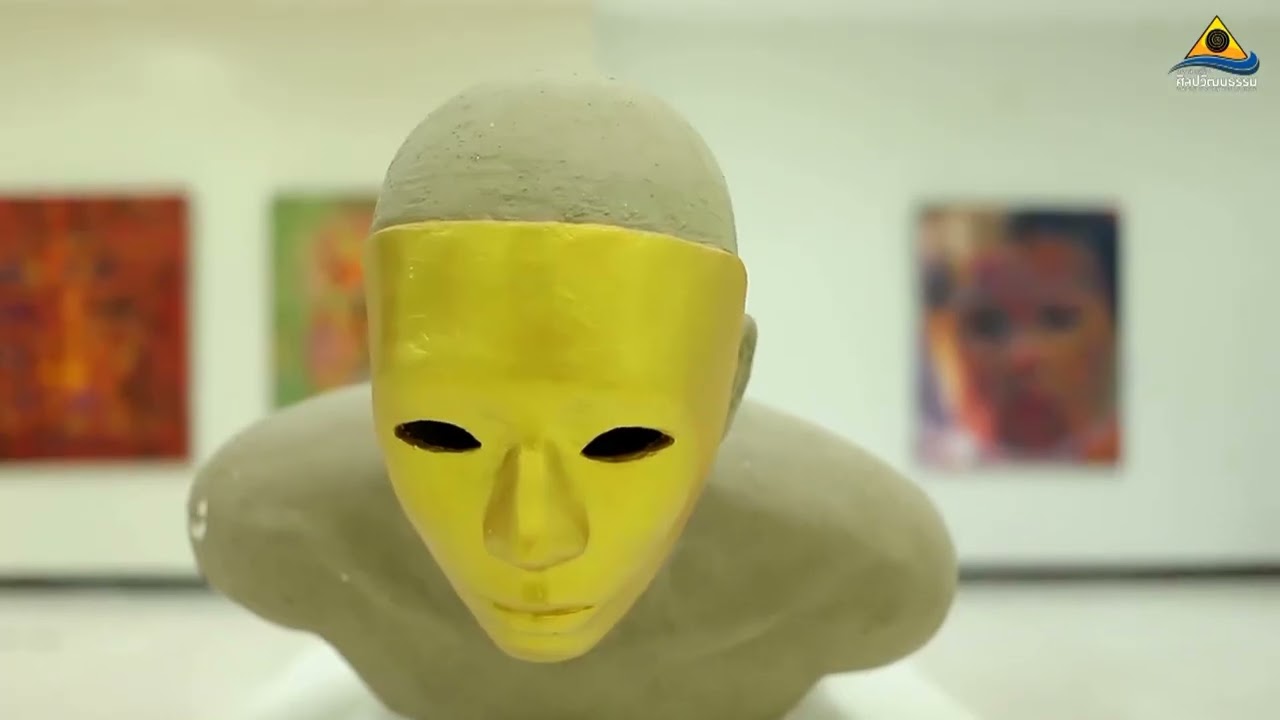
 Click to Access the Navigation Map GPS
Naresuan University Art and Culture Gallery Map
Recommend

 Historical Sites and Monuments(1)
 Landmarks and Memorials(2)
Art, Craft Centres, Tradition(3)
Landmarks and Memorials(2)
Art, Craft Centres, Tradition(3)
 Museums(3)
 Educational Places
 Educational Gardens, Farm(1)
 Places of Worship
 Temple(29)
 Mosque(1)
 Other Sacred Sites(3)
 Research and Development
 Royal Project(1)
 Suburban Living
 Village, Community(1)
 Nature and Wildlife
 National Parks and Marine Reserves(7)
 Mountain (Doi)(4)
 Dam, Reservoir, Lake(5)
 Waterfalls(19)
 Caves(3)
 River, Canal(9)
 Other natural attractions(1)
 Entertainment and Agricultural
 Farms, Parks and Ecotourism(2)
 Outdoor and Adventure Activities(1)


