
lovethailand home >North Travel Attractions >Phitsanulok Travel Attractions >Noen Maprang >Noen Maprang > Tham Pha Tha Phon Non-Hunting Area
TL;DR: Tham Pha Tha Phon Non-Hunting Area is located at Ban Mung Subdistrict, Noen Maprang District, Phitsanulok Province, open Daily, hours Open until 16.30.

Tham Pha Tha Phon Non-Hunting Area
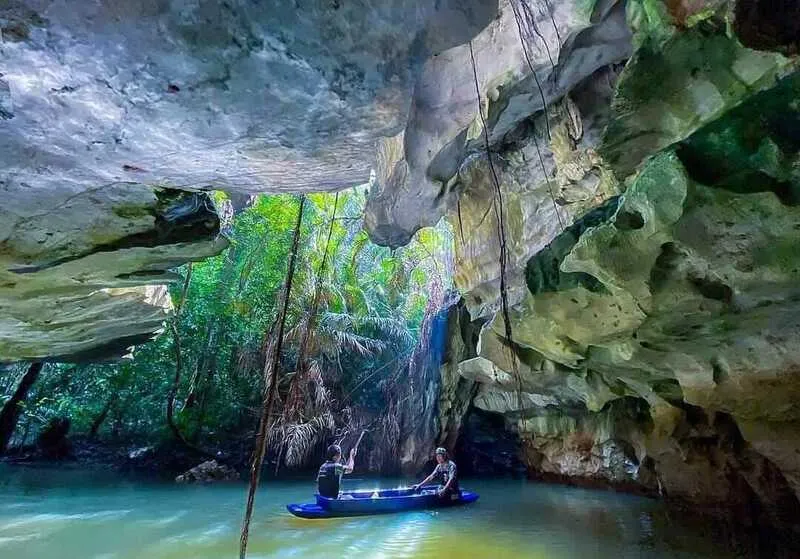
Open Days: Daily
Opening Hours: Open until 16.30
Tham Pha Tha Phon Non-Hunting Area in Phitsanulok Province is one of the most meaningful nature-based learning destinations in Noen Maprang District. The area combines limestone caves, forest ecology, geological evidence, prehistoric traces, and rural landscapes into one compact but highly valuable destination. Covering approximately 1,755 – 1,775 rai, it is located around Ban Mung Subdistrict in Noen Maprang District, about 85 kilometers from Phitsanulok city. Its most distinctive features include limestone mountains, natural caves, stalactites and stalagmites, prehistoric rock paintings, fossils of shells and corals, and nature study routes that help visitors understand how geology, wildlife, forests, and ancient human activity are connected.
This destination is ideal for travelers who want more than a quick scenic stop. A visit to Tham Pha Tha Phon is a journey into a landscape that reveals the long history of the earth through rock layers, fossils, cave formations, and limestone cliffs. When travelers arrive in Noen Maprang, they will immediately notice a landscape different from the flat urban areas of Phitsanulok. Limestone mountains rise above rice fields, villages, and forest patches, creating one of the most iconic rural views in this part of the province.
Tham Pha Tha Phon is formed by large limestone hills shaped by rainwater, underground streams, and long-term geological processes. Over time, these natural forces created caves, passages, stalactites, stalagmites, and unusual rock walls. Several caves in the area are well known, including Naresuan Cave, Ruea Cave, and Lot Cave, along with smaller caves that contain their own geological character. Naresuan Cave is known for its beautiful stalactites and stalagmites. When torchlight shines on mineral-rich rock surfaces, the cave appears mysterious and impressive. Ruea Cave contains rock forms that resemble a boat, while Lot Cave is especially interesting because visitors can walk through the mountain to the other side, making the cave visit feel like a small adventure.
The geological value of Tham Pha Tha Phon is one of the area’s strongest attractions. Fossils of shells and corals found in the rock layers indicate that this landscape was once under the sea in the distant past. Later, movements of the earth’s crust lifted the ancient seabed and transformed it into the limestone hills seen today. This makes the site an excellent place for learning about geological change. Visitors are not simply looking at caves and rocks; they are seeing evidence of natural processes that took place over millions of years.
The area is also important for archaeology. Prehistoric rock paintings found on limestone shelters reflect the presence of ancient humans in this region. Red hand images on the rock surface suggest traces of early human life, belief, or ritual practice. These cultural remains allow travelers to imagine how people once used this landscape as shelter, a gathering place, or a symbolic space. Because of these traces, Tham Pha Tha Phon is not only a natural attraction but also a place where nature and human history meet.
Within the non-hunting area, forest habitats and wildlife remain part of the visitor experience. Limestone terrain creates special growing conditions for plants that adapt to thin soil, rock crevices, slopes, and shaded areas. Along the nature study routes, visitors may observe local plants, shrubs, medicinal plants, and trees that grow in this challenging environment. Wildlife signs such as bird calls, nests, animal tracks, and small reptiles add life to the forest experience and remind visitors that this is a protected habitat, not only a sightseeing site.
The designation of this area as a non-hunting area is important for conservation. It reduces disturbance to wildlife, protects natural habitats, and provides a safer environment for animals that rely on caves, cliffs, and forest edges. Limestone caves are often important shelters and nesting places for several animal groups, especially birds and bats. Bats are particularly important to ecosystems because they help control insects and disperse seeds. Visitors should therefore travel quietly, avoid disturbing animals, and respect all conservation rules while exploring the area.
Suitable activities at Tham Pha Tha Phon include cave exploration, nature study walks, geology learning, plant observation, landscape photography, archaeology-based learning, and educational field trips. The site is well suited for students, families, nature travelers, photographers, and anyone interested in geology, archaeology, and conservation tourism. Visitors should bring a torch or flashlight, wear secure walking shoes, and choose comfortable clothing, as some parts of the route include rock surfaces, uneven ground, and darker cave interiors.
Although the area can be visited throughout the year, travelers should avoid periods of heavy continuous rain. During the rainy season, some dirt-road sections may become slippery, and some cave areas may not be suitable for entry. Visitors planning group activities, overnight stays, or deeper cave visits should contact local staff in advance. Checking conditions before arrival helps ensure a safer and more responsible trip.
The surrounding atmosphere is one of the greatest charms of Noen Maprang. Limestone mountains rise beside rice fields and Ban Mung community, forming a peaceful rural landscape. Early morning and late afternoon are especially beautiful, when soft light touches the mountain ridges. During the rainy season or after fresh rainfall, mist may float around the limestone peaks, creating a quiet and romantic atmosphere that is excellent for photography and slow travel.
Tham Pha Tha Phon can also be combined with other attractions around Ban Mung and Noen Maprang. Travelers may include Phra Wang Daeng Cave, Ban Pha Rang Mi, Ban Mung Bat Viewpoint, Ban Mung village, and nearby areas connected to Thung Salaeng Luang National Park. This kind of route offers a broader picture of limestone landscapes, rural communities, local life, and natural diversity. The Ban Mung Bat Viewpoint is especially popular in the evening, when large numbers of bats emerge from caves and fly across the sky.
Getting There from Phitsanulok city, travelers can take Highway 12 toward Wang Thong District for about 20 kilometers, then turn right onto Highway 11 toward Sak Lek District for about 38 kilometers. After that, turn left onto Highway 1115 and continue toward Noen Maprang for about 17 kilometers. Near Noen Maprang Sueksa Witthaya School, about 2 kilometers from the district area, there is a side road leading to Tham Pha Tha Phon for about 10 kilometers. Some final sections are dirt roads, so during the rainy season a suitable vehicle or four-wheel-drive vehicle is recommended.
Travelers using private cars should plan their timing carefully because the destination is about 85 kilometers from Phitsanulok city and the final access route requires attention. It is advisable to prepare enough fuel before entering the Ban Mung area, bring drinking water, a flashlight, personal medicine, and footwear suitable for cave and forest walking. Those unfamiliar with the route should use a map application together with advice from local residents or staff, as rural roads may not always have frequent directional signs.
Responsible behavior is essential when visiting caves and protected areas. Visitors should stay on designated routes, avoid writing on cave walls, never touch prehistoric paintings, never break or collect stalactites or stalagmites, avoid loud noise inside caves, do not disturb wildlife, and take all waste out of the area. These practices are not just general rules; they protect natural and archaeological resources that took thousands or millions of years to form. Even small damage can permanently affect resources that cannot be restored within a human lifetime.
Photographers should prepare suitable equipment. Cave interiors are dark, so a torch or portable light is useful, but light should not be used continuously in a way that disturbs animals. When photographing prehistoric rock paintings, visitors should keep a respectful distance and avoid touching the rock surface. For limestone landscapes, rice fields, and village views around Ban Mung, morning and evening light provide the best depth and atmosphere.
Families traveling with children can use Tham Pha Tha Phon as an outdoor learning site. However, children should be supervised closely because some areas include rocks, uneven surfaces, narrow paths, and dark cave sections. Children can learn directly about cave formation, fossils, ancient human traces, wildlife conservation, and the importance of protecting natural resources. A visit here can help build environmental awareness through real experience rather than classroom learning alone.
For travelers who want to stay overnight in Noen Maprang, there are homestays, resorts, and camping areas around Ban Mung and nearby villages. Staying in the community allows visitors to experience the quiet rural atmosphere surrounded by limestone mountains. A practical itinerary is to visit Tham Pha Tha Phon during the day, watch the bats at Ban Mung in the evening, and stay overnight before continuing to other attractions in Noen Maprang the next morning.
Overall, Tham Pha Tha Phon Non-Hunting Area is a well-rounded destination for meaningful nature travel. It brings together limestone mountains, caves, stalactites and stalagmites, fossils, prehistoric paintings, forest habitats, wildlife, and local community life. Visiting this place is not only about collecting photographs; it is about understanding nature and history in a deeper way. With good preparation, respect for local rules, and responsible travel behavior, a trip to Tham Pha Tha Phon can become one of the most memorable experiences in Phitsanulok Province.
For foreign travelers exploring northern Thailand beyond the better-known tourist routes, Tham Pha Tha Phon offers a distinctive experience. It is quieter, more educational, and deeply connected to the landscape of Noen Maprang. The combination of caves, limestone peaks, rural scenery, ancient evidence, and conservation value makes it a destination worth including in a Phitsanulok travel itinerary.
| Name | Tham Pha Tha Phon Non-Hunting Area |
| Location | Ban Mung Subdistrict, Noen Maprang District, Phitsanulok Province |
| Address | Village No. 6, Ban Mung Subdistrict, Noen Maprang District, Phitsanulok 65190, Thailand |
| Highlights | Limestone mountains, natural caves, stalactites and stalagmites, prehistoric rock paintings, fossils, and nature study routes |
| History | A limestone landscape containing shell and coral fossils that indicate the area was once under the sea, along with prehistoric rock paintings on limestone shelters |
| Distinctive Features | Limestone hills approximately 236 – 240 meters high, with notable caves such as Naresuan Cave, Ruea Cave, and Lot Cave |
| Travel Information | About 85 km from Phitsanulok city via Highway 12, Highway 11, and Highway 1115. The final section includes some dirt-road segments, so a suitable vehicle is recommended during the rainy season |
| Current Status | Open as a nature attraction and learning area for geology, archaeology, and ecology in Noen Maprang District |
| Open Days | Daily |
| Opening Hours | Open until 16.30 |
| Facilities | Non-hunting area office, staff contact point, nature study routes, and areas for educational activities arranged with prior permission |
| Main Areas / Zones | Naresuan Cave, Ruea Cave, Lot Cave, prehistoric rock painting shelter, limestone mountain area, nature study route, and limestone forest habitat |
| Caretaker | Tham Pha Tha Phon Non-Hunting Area Office under the Department of National Parks, Wildlife and Plant Conservation |
| Main Contact Number | 097-511-9952 |
| Nearby Tourist Attractions | 1. Phra Wang Daeng Cave, about 1 km 2. Tham Pha Tha Phon Cave, about 1 km 3. Ban Pha Rang Mi, about 4 km 4. Ban Mung Bat Viewpoint, about 7 km 5. Ban Mung Village, about 7 km 6. Thung Salaeng Luang National Park, Ban Mung Ranger Unit, about 18 km |
| Nearby Restaurants | 1. The Mountain Deer View Lodge & Hashery Ban Mung, about 7 km 2. Suki Ee Nai Noen Maprang, about 7 km 3. Na Mung Cafe, about 7 km 4. Ban Mung Steak House, about 8 km 5. Hug Cafe Noen Maprang, about 7 km 6. Jae Waen Ban Mung, about 7 km 7. Kuay Tiew Pa Nang, about 7 km |
| Nearby Accommodations | 1. Ban Mung & House, about 6 km 2. Pa Siw Siw Homestay, about 7 km, Tel. 085-270-5063 3. Im Suk Resort Ban Mung Noen Maprang, about 7 km 4. Nong Phak Bung View Camp, about 8 km, Tel. 062-825-5355 5. Rose Resort Rooms, about 20 km 6. Thunwa The Campsite, about 36 km |
Frequently Asked Questions (FAQ)
Q: Where is Tham Pha Tha Phon Non-Hunting Area located?
A: It is located in Village No. 6, Ban Mung Subdistrict, Noen Maprang District, Phitsanulok Province, about 85 kilometers from Phitsanulok city.
Q: What is Tham Pha Tha Phon known for?
A: It is known for limestone mountains, natural caves, stalactites and stalagmites, prehistoric rock paintings, fossils, and nature study routes.
Q: Which caves are important in the area?
A: Notable caves include Naresuan Cave, Ruea Cave, and Lot Cave. Each cave has its own character, from rock formations to walk-through cave passages.
Q: What should visitors prepare before going?
A: Visitors should bring a flashlight, suitable walking shoes, drinking water, a hat, insect repellent, and should contact staff in advance during the rainy season or for group visits.
Q: Is the road to Tham Pha Tha Phon difficult?
A: The site is about 85 kilometers from Phitsanulok city. Some final sections are dirt roads, so a suitable vehicle or four-wheel-drive vehicle is recommended during the rainy season.
Q: Who is Tham Pha Tha Phon suitable for?
A: It is suitable for nature travelers, students, families, photographers, and visitors interested in geology, archaeology, and conservation tourism.
Q: What nearby places can be combined with this trip?
A: Nearby places include Phra Wang Daeng Cave, Ban Pha Rang Mi, Ban Mung Bat Viewpoint, Ban Mung Village, and Thung Salaeng Luang National Park’s Ban Mung area.
Q: What should visitors avoid inside the caves?
A: Visitors should not write on cave walls, touch prehistoric paintings, break cave formations, disturb wildlife, make loud noise, or remove natural objects from the area.
 Category: ●Nature and Wildlife
 Group: ●National Parks and Marine Reserves
Last Update : 4 MonthAgo
 Last Update : 4 MonthAgo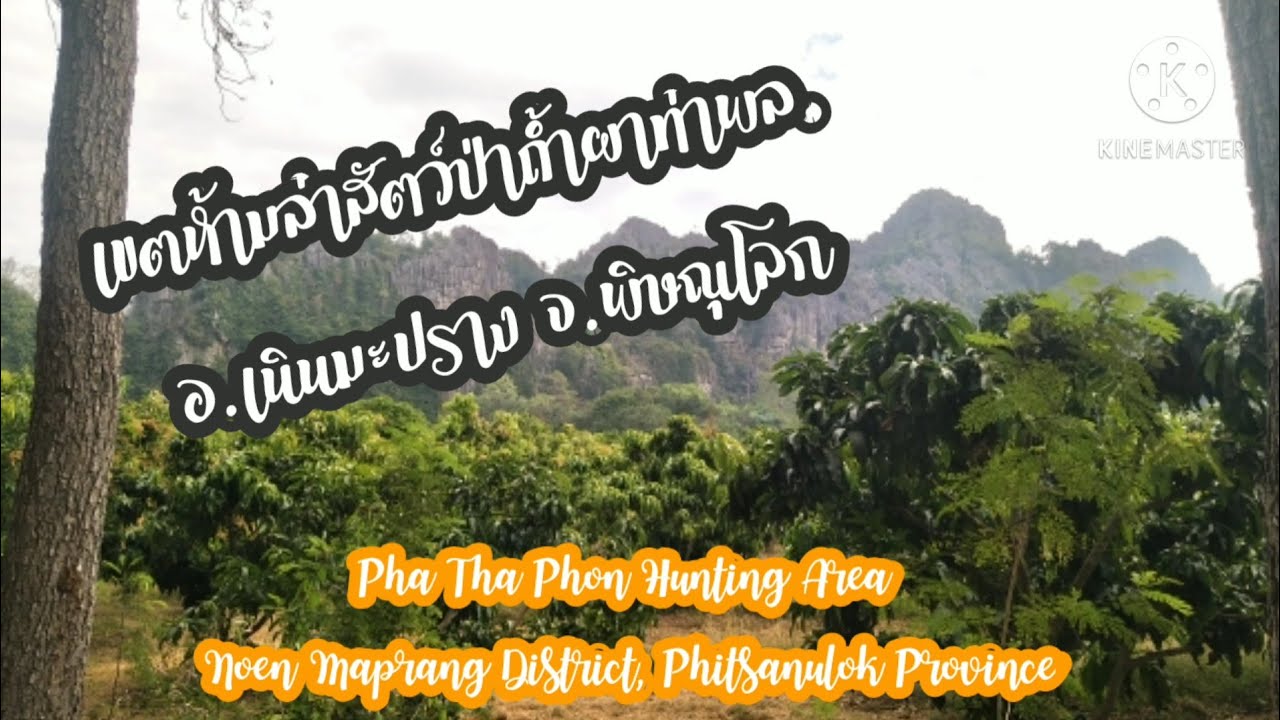
 Click to Access the Navigation Map GPS
Tham Pha Tha Phon Non-Hunting Area Map
Recommend

 Art, Culture and Heritage
 Historical Sites and Monuments(1)
 Landmarks and Memorials(2)
 Art, Craft Centres, Tradition(3)
 Museums(3)
 Educational Places
 Educational Gardens, Farm(1)
 Places of Worship
 Temple(29)
 Mosque(1)
 Other Sacred Sites(3)
 Research and Development
 Royal Project(1)
 Suburban Living
 Village, Community(1)
National Parks and Marine Reserves(7)
Village, Community(1)
National Parks and Marine Reserves(7)
 Mountain (Doi)(4)
 Dam, Reservoir, Lake(5)
 Waterfalls(19)
 Caves(3)
 River, Canal(9)
 Other natural attractions(1)
 Entertainment and Agricultural
 Farms, Parks and Ecotourism(2)
 Outdoor and Adventure Activities(1)


