
lovethailand home >North Travel Attractions >Phitsanulok Travel Attractions >Wat Bot >Khan Chong > Khwae Noi Bamrung Daen Dam
TL;DR: Khwae Noi Bamrung Daen Dam, Phitsanulok attractions : Nature and Wildlife, Dam, Reservoir, Lake.

Khwae Noi Bamrung Daen Dam
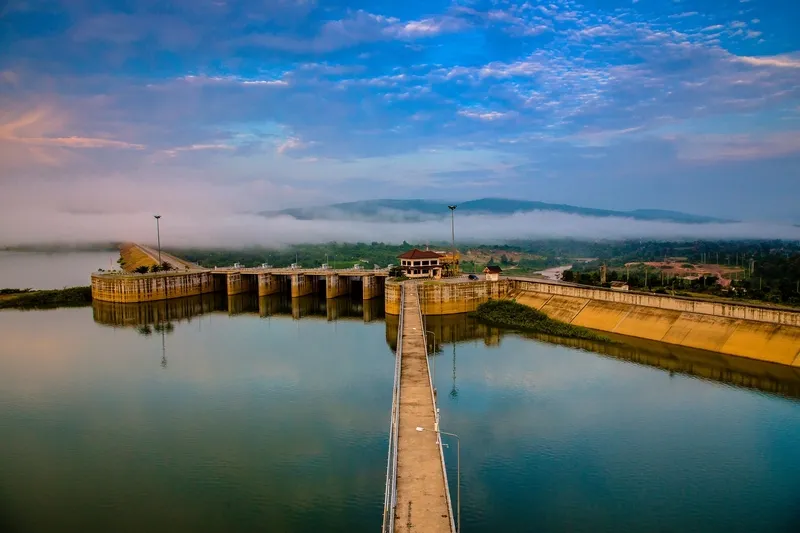
Open Days: Contact the Khwae Noi Bamrung Daen Operation and Maintenance Project before visiting the site
Opening Hours: Contact the Khwae Noi Bamrung Daen Operation and Maintenance Project before visiting the site
Khwae Noi Bamrung Daen Dam in Phitsanulok Province is one of the most important large-scale irrigation and water-management projects in Thailand’s lower northern region. Located in Khan Chong Subdistrict, Wat Bot District, the dam is surrounded by mountains, forested scenery, and a wide reservoir that gives the area a calm, lake-like atmosphere. For foreign travelers, this destination offers more than beautiful views. It is a place to understand Thailand’s royal development projects, irrigation engineering, agricultural water security, flood mitigation, local recreation, and the relationship between water and community life.
The dam was developed as a royal initiative project to solve long-standing water problems in the Khwae Noi River Basin and surrounding agricultural areas. Before the project, local communities often faced two opposite challenges: flooding during the rainy season and water shortages during the dry season. Farmers depended heavily on seasonal rainfall, which made agricultural planning uncertain. Khwae Noi Bamrung Daen Dam was therefore designed as a major reservoir to store water, regulate water flow, support agriculture, and reduce the impact of both floods and droughts.
The name “Khwae Noi Bamrung Daen” carries a meaningful message. It refers to a dam on the Khwae Noi River that helps nourish and develop the surrounding land. The project was originally known as the Khwae Noi Dam under royal initiative before receiving its current name. This name reflects the dam’s larger purpose: not only storing water, but also improving livelihoods, strengthening agricultural production, and supporting more efficient water use in the region.
The dam is located around Ban Khao Hin Lat and the Khan Chong community in Wat Bot District. It is managed by the Khwae Noi Bamrung Daen Operation and Maintenance Project under Regional Irrigation Office 3, Royal Irrigation Department. Because it is an active irrigation facility, some areas are operational zones. Visitors should contact the project office before entering restricted or working areas and should follow official instructions for safety.
One of the most distinctive features of Khwae Noi Bamrung Daen Dam is that it consists of 3 main dam structures working together: the low saddle dam, Khwae Noi Dam, and San Takhian Dam. The low saddle dam is an earth-fill dam approximately 16 meters high and 640 meters long. Khwae Noi Dam is a concrete-faced rockfill dam approximately 75 meters high and 681 meters long, blocking the Khwae Noi River. San Takhian Dam is a rockfill dam with a clay core, approximately 80 meters high and 1,270 meters long, blocking Huai San Takhian. These structures work together to store and manage a large volume of water according to the natural topography of the area.
This combination of 3 dams makes the project highly interesting from an engineering perspective. It is not a single wall built across a river, but a system of dam structures designed to fit valleys, watercourses, and surrounding ridgelines. Each dam has a specific role in supporting water storage, reducing seepage, maintaining structural stability, and regulating the reservoir. Visiting the dam therefore provides a real-world introduction to how large irrigation projects are planned around actual terrain.
The reservoir itself is one of the main reasons travelers visit Khwae Noi Bamrung Daen Dam. The wide water surface, surrounding hills, and open sky create a scenic landscape that feels like a mountain lake. In the morning, sunlight reflects softly on the water, creating peaceful views ideal for photography. In the late afternoon, the light becomes warmer and the breeze from the reservoir makes the area pleasant for slow sightseeing and relaxation. These times are the best for visitors who want beautiful photographs and a calm atmosphere.
Beyond scenery, the dam plays a crucial role in supporting agriculture. Stored water is distributed for farming, household use, and irrigation management. This helps farmers plan crop production more effectively, reduces risks from dry spells, and strengthens local food security. While travelers may see only a beautiful reservoir and mountain views, the system behind the dam supports the livelihoods of many people in Phitsanulok and nearby areas.
Khwae Noi Bamrung Daen Dam also helps mitigate seasonal flooding. During the rainy season, the reservoir can store and regulate water, reducing the intensity of downstream runoff. During the dry season, stored water can be released to support irrigation and community use. This dual role makes the dam important in both wet and dry periods. It is an example of how water infrastructure can reduce disaster risk while supporting long-term agricultural development.
The surrounding environment also benefits from the reservoir landscape. The water body, nearby forest, hills, and shoreline areas create habitats for birds, aquatic life, and plants. Nature lovers may enjoy observing birds around the reservoir and photographing the changing light over the water. Responsible tourism is important here because the reservoir remains an important water resource. Visitors should avoid littering, disturbing wildlife, or doing anything that could affect water quality.
For travelers, Khwae Noi Bamrung Daen Dam offers several forms of recreation. Visitors can enjoy reservoir viewpoints, take photos from the dam area, join sightseeing routes when available, have a picnic in permitted areas, visit seasonal downstream water recreation zones, and eat at local restaurants. The downstream water-play area is especially popular during hot periods, with bamboo shelters, riverside platforms, and food services available during official opening periods. Visitors should check updated announcements before traveling because service periods may vary according to water levels, season, and local management.
The dam crest and viewpoint areas are among the most memorable parts of a visit. From higher viewpoints, visitors can see the large reservoir, surrounding mountains, and dam structures more clearly. Some periods may offer shuttle or vehicle services to help visitors reach scenic areas safely. Seeing the reservoir from above gives a stronger sense of the project’s scale and helps travelers understand why this dam is both an important water-management system and a growing nature tourism destination.
Khwae Noi Bamrung Daen Dam is also suitable for educational travel. Students, families, engineers, environmental learners, and travelers interested in water management can learn about why the dam was built, how different dam types function, how water is stored and released, and how irrigation projects support communities. The site combines engineering, geography, agriculture, environment, and tourism in one destination.
Getting There is most convenient by private car or rental vehicle. From Phitsanulok City, travel toward Wat Bot District, then continue to Khan Chong Subdistrict and the Khwae Noi Bamrung Daen Dam project area. The site can be visited as a day trip from Phitsanulok City or as part of an overnight trip in Wat Bot District. First-time visitors should check the route in advance, prepare drinking water, and contact the project office for current visitor information.
Families can enjoy the dam as a relaxed nature trip. The reservoir scenery, viewpoints, local food services, and seasonal downstream recreation areas make it suitable for groups with different interests. Visitors with children or elderly family members should choose easy-access resting areas and avoid slippery or risky water zones. Photographers should visit early in the morning or late in the afternoon for the best light.
The dam can also be combined with nearby attractions such as the downstream water recreation area, Wat Khan Chong, Khwae Noi National Park, Wat Bot District, and Phitsanulok City. With 2 days and 1 night, travelers can stay near Khan Chong, explore local nature, enjoy riverside food, and learn about the community around the dam. This makes the destination flexible for both quick day trips and slower rural travel.
Before visiting, travelers should prepare drinking water, sun protection, comfortable walking shoes, a camera, a personal trash bag, and cash for local services. Those planning to visit the downstream water-play area should bring extra clothes, a towel, and footwear suitable for wet surfaces. It is also important to check updated information about water levels, opening periods, and safety rules before departure.
Visitors should follow all safety guidelines. Do not enter restricted areas, do not climb dam structures, do not swim in unauthorized areas, do not litter, and do not disturb project operations. Since the dam is an active irrigation facility, tourism must be conducted with care and respect. Responsible behavior helps keep the area safe, clean, and available for future visitors.
In summary, Khwae Noi Bamrung Daen Dam is a destination that combines natural beauty, royal initiative, irrigation engineering, agriculture, flood mitigation, environmental value, and local recreation. Its wide reservoir, mountain scenery, dam crest, viewpoints, and seasonal water recreation areas make it suitable for nature lovers, families, photographers, and travelers interested in Thailand’s water-management systems. For anyone who wants to see Phitsanulok beyond temples and city attractions, this dam is a meaningful and worthwhile place to visit.
| Name | Khwae Noi Bamrung Daen Dam |
| Location | Khan Chong Subdistrict, Wat Bot District, Phitsanulok Province |
| Address | Khwae Noi Bamrung Daen Operation and Maintenance Project, 221 Moo 1, Khan Chong Subdistrict, Wat Bot District, Phitsanulok Province 65160 |
| Coordinates | 17.183333, 100.416667 |
| Caretaker / Local Authority | Khwae Noi Bamrung Daen Operation and Maintenance Project, Regional Irrigation Office 3, Royal Irrigation Department |
| Main Contact Number | Khwae Noi Bamrung Daen Operation and Maintenance Project Tel. 055-316542 |
| khwaenoi@mail.rid.go.th | |
| Highlights | Large reservoir, mountain scenery, dam crest, viewpoints, seasonal downstream water-play area, and irrigation learning site |
| History | A royal initiative irrigation project completed in March 2009 and developed as a major water-management project in the Khwae Noi River Basin |
| Name Origin | The royal name means a Khwae Noi dam that nourishes and brings development to the surrounding land |
| Distinctive Features | The project consists of 3 main dams: the Low Saddle Dam, Khwae Noi Dam, and San Takhian Dam, working together to store and manage water |
| Structural Details | The Low Saddle Dam is an earth-fill dam about 16 meters high and 640 meters long; Khwae Noi Dam is a concrete-faced rockfill dam about 75 meters high and 681 meters long; San Takhian Dam is a clay-core rockfill dam about 80 meters high and 1,270 meters long |
| Travel Information | Travel from Phitsanulok City toward Wat Bot District, then continue to Khan Chong Subdistrict and the dam project area. Private car or rental car is recommended. |
| Current Status | An active large reservoir and irrigation dam under the Royal Irrigation Department, also serving as a nature-based attraction in Wat Bot District |
| Facilities | Road access, viewpoints, local food services around the seasonal downstream recreation area, rest areas, and nearby accommodation in Khan Chong and Wat Bot District |
| Main Areas / Zones | Dam crest, reservoir, viewpoints, Low Saddle Dam, Khwae Noi Dam, San Takhian Dam, downstream area, and Khan Chong community |
| Nearby Tourist Attractions | 1. Downstream Water Recreation Area at Khwae Noi Bamrung Daen Dam, about 2 km 2. Wat Khan Chong, about 3 km 3. Khwae Noi National Park, about 10 km 4. Wat Bot District Center, about 25 km 5. Wat Phra Si Rattana Mahathat Woramahawihan, about 50 km |
| Nearby Restaurants | 1. Khrua Dee No, about 3 km 2. Local Food Stalls at the Downstream Recreation Area, about 2 km 3. Local Restaurants in Khan Chong Community, about 3 km 4. Café Amazon - DD2176 Wan Wela Energy Station, about 45 km 5. Restaurants in Wat Bot District, about 25 km |
| Nearby Accommodations | 1. Khanchong Kawana, about 5 km, Tel. 085-0498332 2. Khwae Noi National Park Accommodation / Tent Area, about 10 km, Tel. 055-316605, 084-8201422 3. Local Accommodations in Khan Chong, about 5 km 4. Accommodations in Wat Bot District, about 25 km 5. Hotels in Phitsanulok City, about 50 km |
Frequently Asked Questions (FAQ)
Q: Where is Khwae Noi Bamrung Daen Dam located?
A: It is located in Khan Chong Subdistrict, Wat Bot District, Phitsanulok Province, around the Ban Khao Hin Lat and Khan Chong community area.
Q: Why is Khwae Noi Bamrung Daen Dam important?
A: The dam stores water, supports irrigation, helps reduce flood and drought impacts, and serves as a nature-based attraction and irrigation learning site in Phitsanulok.
Q: How many main dams are included in the project?
A: The project consists of 3 main dams: the Low Saddle Dam, Khwae Noi Dam, and San Takhian Dam.
Q: Who manages Khwae Noi Bamrung Daen Dam?
A: It is managed by the Khwae Noi Bamrung Daen Operation and Maintenance Project under Regional Irrigation Office 3, Royal Irrigation Department.
Q: Can tourists visit the dam crest viewpoint?
A: Visitors can access permitted areas, but they should contact the project office before traveling and follow staff instructions.
Q: When is the best time to visit?
A: Early morning and late afternoon are best for sightseeing and photography. The downstream water-play area should be checked in advance because opening periods vary by season and water conditions.
Q: Are there accommodations near the dam?
A: Yes. There are accommodations around Khan Chong, Khwae Noi National Park, Wat Bot District, and Phitsanulok City. Advance contact is recommended, especially on holidays.
Q: What should visitors prepare before traveling?
A: Visitors should bring drinking water, sun protection, a camera, comfortable walking shoes, cash, and should check current access, water-play, and safety announcements before departure.
 Category: ●Nature and Wildlife
 Group: ●Dam, Reservoir, Lake
Last Update : 4 MonthAgo
 Last Update : 4 MonthAgo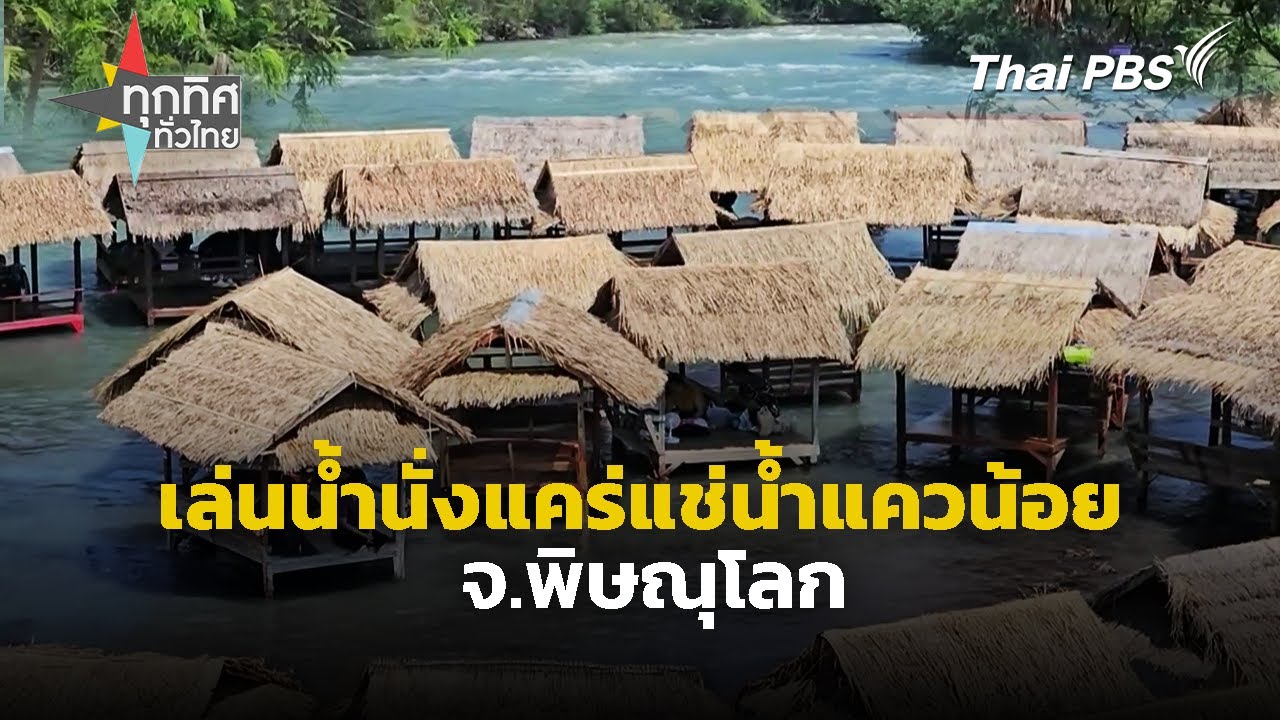
 Click to Access the Navigation Map GPS
Khwae Noi Bamrung Daen Dam Map
Recommend

 Art, Culture and Heritage
 Historical Sites and Monuments(1)
 Landmarks and Memorials(2)
 Art, Craft Centres, Tradition(3)
 Museums(3)
 Educational Places
 Educational Gardens, Farm(1)
 Places of Worship
 Temple(29)
 Mosque(1)
 Other Sacred Sites(3)
 Research and Development
 Royal Project(1)
 Suburban Living
 Village, Community(1)
 National Parks and Marine Reserves(7)
 Mountain (Doi)(4)
Dam, Reservoir, Lake(5)
Mountain (Doi)(4)
Dam, Reservoir, Lake(5)
 Waterfalls(19)
 Caves(3)
 River, Canal(9)
 Other natural attractions(1)
 Entertainment and Agricultural
 Farms, Parks and Ecotourism(2)
 Outdoor and Adventure Activities(1)


