
lovethailand home >North Travel Attractions >Phitsanulok Travel Attractions >Muang Phitsanulok >Nai Muang > King Naresuan the Great Shrine
TL;DR: King Naresuan the Great Shrine is located at Chan Royal Palace area, Wang Chan Road, Nai Mueang Subdistrict, Mueang Phitsanulok District, Phitsanulok Province, Thailand, open Tuesday – Sunday, hours 09.00 – 16.00.
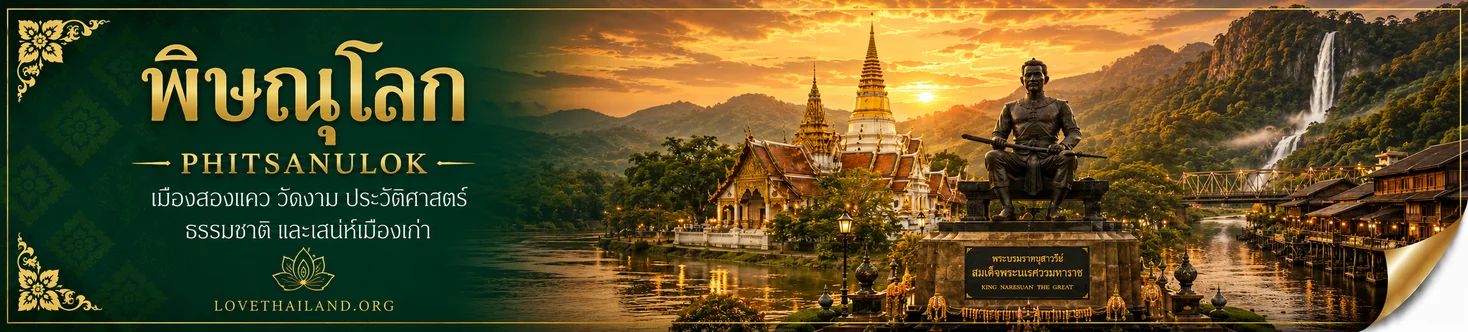
King Naresuan the Great Shrine
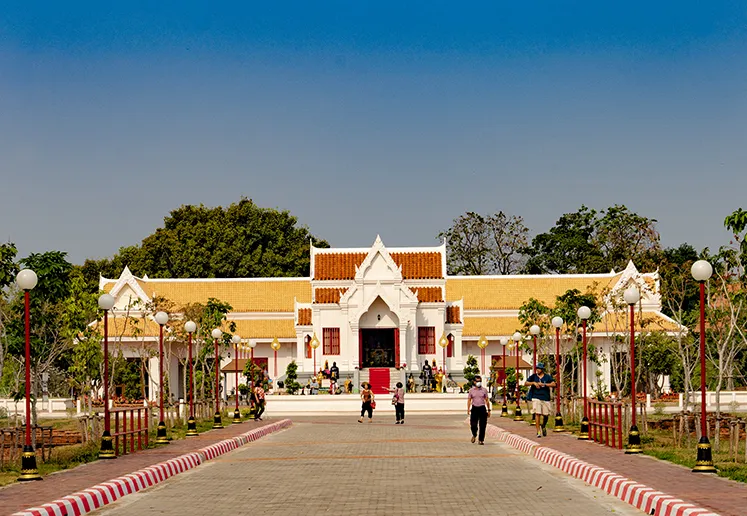
Open Days: Tuesday – Sunday
Opening Hours: 09.00 – 16.00
King Naresuan the Great Shrine in Phitsanulok is one of the most important historical and cultural sites in the city. Located within the Chan Royal Palace area on Wang Chan Road, Nai Mueang Subdistrict, Mueang Phitsanulok District, the shrine honors King Naresuan the Great, one of Thailand’s most revered monarchs and a national hero remembered for restoring Siamese independence. For Thai visitors, the shrine is a place of deep respect. For foreign travelers, it is a meaningful introduction to Thai royal history, national memory, and the historical identity of Phitsanulok.
The shrine is not an isolated monument. It stands within the historic grounds of Chan Royal Palace, a former royal residence associated with the history of Phitsanulok and King Naresuan. The area was also once the location of Phitsanulok Pittayakhom School, adding another layer of educational and civic memory to the site. Today, visitors can pay respect at the shrine and learn about the wider historical landscape of Chan Royal Palace through the nearby historical center and archaeological areas.
For travelers with limited time in Phitsanulok, King Naresuan the Great Shrine is a highly recommended stop because it is located in the city and can easily be combined with Wat Phra Si Rattana Mahathat, Wat Nang Phaya, the City Pillar Shrine, Phitsanulok Railway Station, and the Nan River area. A visit here gives a broader understanding of Phitsanulok beyond temples and markets. It connects the city with royal history, military leadership, national independence, and cultural remembrance.
The architecture of the shrine is in the form of a traditional Thai pavilion with three projecting gables, known in Thai as a tri-muk style pavilion. The structure is elegant, dignified, and appropriate for housing the royal image of a monarch who holds an important place in Thai history. The pavilion’s traditional form creates a ceremonial atmosphere and encourages visitors to approach the shrine with respect and composure.
Inside the shrine is a life-sized royal image of King Naresuan the Great. The image shows the king seated while holding a golden water vessel, known as Phra Suwan Phingkhan, in the posture associated with the declaration of independence at Mueang Khraeng. This posture is one of the most powerful symbols in Thai historical memory. It represents determination, courage, strategic wisdom, and the decisive moment when King Naresuan declared Siam’s independence from Hongsawadi authority.
The golden water vessel in the king’s hand carries strong ritual meaning. The act of pouring water symbolizes a solemn declaration and an unshakable vow. In the context of the declaration of independence at Mueang Khraeng, it represents a turning point in Thai history. The royal image therefore helps visitors understand a major historical event through a clear and memorable visual form, even if they are not familiar with Thai chronicles.
King Naresuan the Great is closely connected with Phitsanulok. The city is one of the key places associated with his early life and royal history, and Chan Royal Palace is part of that memory. For this reason, the placement of the shrine within the palace area is highly appropriate. It allows history to remain connected with a real place where people can visit, pay respect, and learn, rather than being limited to textbooks or museum displays.
Chan Royal Palace itself is an important historical site. In the past, it served as a royal residence and a center of authority in Phitsanulok. Over time, the site was abandoned, reused, and later rediscovered and restored. The Fine Arts Department has played an important role in studying and conserving the area, helping return Chan Royal Palace to public awareness as a historical learning site. King Naresuan the Great Shrine is therefore part of a wider restoration of memory and heritage.
In cultural practice, the shrine is a place where people come to pay respect, ask for blessings, and remember the king’s contribution to the nation. Offerings often include flowers, incense, candles, garlands, and sometimes rooster figurines. The rooster offerings are associated with popular stories about King Naresuan’s skill and memory in Thai cultural tradition. These practices show how royal history, folk belief, and personal devotion continue to interact in contemporary Thailand.
Every year on 25 January, a ceremony is held to pay homage to the royal image of King Naresuan the Great. This annual observance is important for Phitsanulok because it brings together government agencies, students, local communities, and visitors to commemorate the king’s bravery and achievements. Other memorial ceremonies related to King Naresuan’s life and passing are also observed in the province, reflecting the continuing importance of his legacy.
The shrine is also an important educational site. Students, history enthusiasts, and cultural travelers can learn how a historical figure, a royal residence, a monument, and a modern city are connected. Visiting the shrine gives learners a chance to experience history through place, architecture, ceremony, and public memory. This kind of learning is more vivid than reading about the past only through written sources.
Visitors can also combine the shrine with the Chan Royal Palace Historical Center, which presents information about the palace, Phitsanulok’s history, and significant figures associated with the site. Seeing both the shrine and the historical center helps explain why this area matters and why King Naresuan remains deeply respected in Phitsanulok. Travelers interested in history should allow enough time to walk around the area rather than treating the shrine as a quick photo stop.
The atmosphere around the shrine is calm and suitable for reflection. Some visitors come to pray, some come to pay respect, some bring children to learn history, and others come to explore the wider palace grounds. This range of visitors makes the shrine a living cultural site rather than a static monument. It continues to function as a place of public memory and national respect.
For foreign visitors, King Naresuan the Great Shrine is especially useful for understanding Thai history. The royal image in the declaration-of-independence posture provides a direct visual explanation of a major historical theme: the struggle to preserve sovereignty. It shows that Thai heritage is not only about temples and Buddha images, but also about kingship, warfare, diplomacy, independence, and collective memory.
A typical visit to the shrine may take about 30 minutes to 1 hour. If combined with the Chan Royal Palace Historical Center and the surrounding archaeological area, visitors should allow 1–2 hours. Modest and respectful dress is recommended. Although the shrine is not a Buddhist temple, it is a place of royal commemoration and public reverence. Visitors should keep quiet, avoid climbing on the base of the royal image, and avoid touching the image or placing offerings outside designated areas.
Getting There is easy because the shrine is located in central Phitsanulok. Visitors can set their destination to Chan Royal Palace or Chan Royal Palace Historical Center on Wang Chan Road. From Wat Phra Si Rattana Mahathat, the shrine is only a short drive away. Travelers arriving by train can take a local vehicle, taxi, motorcycle taxi, or ride-hailing service from Phitsanulok Railway Station to the palace area.
A recommended city route begins at Wat Phra Si Rattana Mahathat, where visitors can pay respect to Phra Phuttha Chinnarat, then continues to Wat Nang Phaya, the City Pillar Shrine, Chan Royal Palace, and King Naresuan the Great Shrine. Travelers with more time can continue to Sgt. Maj. Thawee Folk Museum, the Nan River area, local restaurants, and city hotels. This route gives a balanced view of religion, royal history, local culture, and urban life in Phitsanulok.
The area near the shrine is convenient for visitors because it is close to attractions, restaurants, hotels, and transport points. During public holidays or important memorial ceremonies, visitors should plan for parking and crowd levels in advance. Those who prefer a quieter experience should visit on regular weekdays during the morning or early afternoon.
King Naresuan the Great Shrine brings together several layers of value: historical value through its connection with Chan Royal Palace, cultural value through the annual homage ceremony, educational value as a learning site, and emotional value as a place where Thai people remember a national hero. A meaningful visit should include time to read the information, observe the architecture, pay respect, and walk through the surrounding historical area.
In summary, King Naresuan the Great Shrine in Phitsanulok is a must-visit site for travelers interested in Thai history, royal culture, and the identity of Phitsanulok. The traditional Thai tri-muk pavilion, the life-sized royal image in the declaration-of-independence posture, the Chan Royal Palace setting, and the annual ceremony on 25 January all make this shrine a powerful symbol of courage, loyalty, and national memory.
| Name | King Naresuan the Great Shrine |
| Location | Chan Royal Palace area, Wang Chan Road, Nai Mueang Subdistrict, Mueang Phitsanulok District, Phitsanulok Province, Thailand |
| Address | Wang Chan Road, Nai Mueang Subdistrict, Mueang Phitsanulok District, Phitsanulok Province 65000, Thailand |
| Coordinates | R7M3+VPR, Mueang Phitsanulok District, Phitsanulok Province |
| Highlights | Traditional Thai tri-muk pavilion, life-sized royal image of King Naresuan the Great holding a golden water vessel in the declaration-of-independence posture, and the historic Chan Royal Palace setting |
| History | Located within Chan Royal Palace, a former royal residence associated with Phitsanulok’s history and King Naresuan the Great. The shrine was created by the Fine Arts Department and was completed in 1861 BE according to tourism records. |
| Name Origin | Named in honor of King Naresuan the Great, the Thai monarch remembered for declaring independence and restoring Siamese sovereignty |
| Distinctive Features | A historical royal shrine within Chan Royal Palace that connects King Naresuan’s legacy, Thai traditional architecture, and Phitsanulok’s historical identity |
| Travel Information | Located in central Phitsanulok. Visitors can travel by private car, local taxi, motorcycle taxi, or ride-hailing service. Set the destination to Chan Royal Palace Historical Center on Wang Chan Road. |
| Current Status | Open as a place of worship and historical learning within the Chan Royal Palace area |
| Open Days | Tuesday – Sunday |
| Opening Hours | 09.00 – 16.00 |
| Fees | Free Admission |
| Facilities | Worship area, parking area, walking area around Chan Royal Palace, and Chan Royal Palace Historical Center nearby |
| Main Areas / Zones | King Naresuan the Great Shrine, the royal image of King Naresuan, Chan Royal Palace grounds, and Chan Royal Palace Historical Center |
| Caretaker / Related Authority | Fine Arts Department and Chan Royal Palace Historical Center |
| Main Contact Number | 055-247-304, Chan Royal Palace Historical Center |
| Official Website / Official Page | Chan Royal Palace Historical Center | Phitsanulok |
| Annual Ceremony | Annual homage ceremony for the royal image of King Naresuan the Great on 25 January, along with other commemorative ceremonies related to his royal legacy |
| Nearby Tourist Attractions | 1. Chan Royal Palace Historical Center, about 0 km 2. Wat Phra Si Rattana Mahathat / Wat Yai, about 2 km 3. Wat Nang Phaya, about 2 km 4. Phitsanulok City Pillar Shrine, about 2 km 5. Phitsanulok Railway Station, about 3 km 6. Sgt. Maj. Thawee Folk Museum, about 4 km |
| Nearby Restaurants | 1. Pae Phitlok Restaurant, about 2 km, Tel. 055-252-097 2. Kuai Tiao Hoi Kha Rim Nan, about 2 km 3. Ton Tan Restaurant Phitsanulok, about 3 km 4. Jameelah Halal Food, about 3 km, Tel. 089-460-6397 5. Baba Halal, about 3 km, Tel. 086-932-6446 |
| Nearby Accommodations | 1. Golden Grand Hotel Phitsanulok, about 2 km, Tel. 082-770-6995, 082-209-8811 2. Topland Hotel Phitsanulok, about 2 km 3. Grand Riverside Hotel Phitsanulok, about 3 km 4. Boutique Family Room Phitsanulok, about 3 km 5. Hop Inn Phitsanulok, about 5 km |
Frequently Asked Questions (FAQ)
Q: Where is King Naresuan the Great Shrine located?
A: King Naresuan the Great Shrine is located within the Chan Royal Palace area on Wang Chan Road, Nai Mueang Subdistrict, Mueang Phitsanulok District, Phitsanulok Province, Thailand.
Q: Why is King Naresuan the Great Shrine important?
A: The shrine honors King Naresuan the Great and stands within Chan Royal Palace, a historic royal site connected with his life and the history of Phitsanulok.
Q: What posture is the royal image of King Naresuan shown in?
A: The life-sized royal image shows King Naresuan seated while holding a golden water vessel in the posture associated with the declaration of independence at Mueang Khraeng.
Q: What are the opening days and hours?
A: The Chan Royal Palace Historical Center area is open Tuesday to Sunday from 09.00 to 16.00 and is closed on Mondays.
Q: Is there an entrance fee?
A: No. Admission is free for visitors who wish to pay respect and explore the Chan Royal Palace historical area during opening hours.
Q: Why is 25 January important at the shrine?
A: An annual homage ceremony is held on 25 January to commemorate the royal achievements and bravery of King Naresuan the Great.
Q: What nearby attractions can be visited on the same trip?
A: Nearby attractions include Chan Royal Palace Historical Center, Wat Phra Si Rattana Mahathat, Wat Nang Phaya, Phitsanulok City Pillar Shrine, Phitsanulok Railway Station, and Sgt. Maj. Thawee Folk Museum.
 Category: ●Places of Worship
 Group: ●Other Sacred Sites
Last Update : 4 MonthAgo
 Last Update : 4 MonthAgo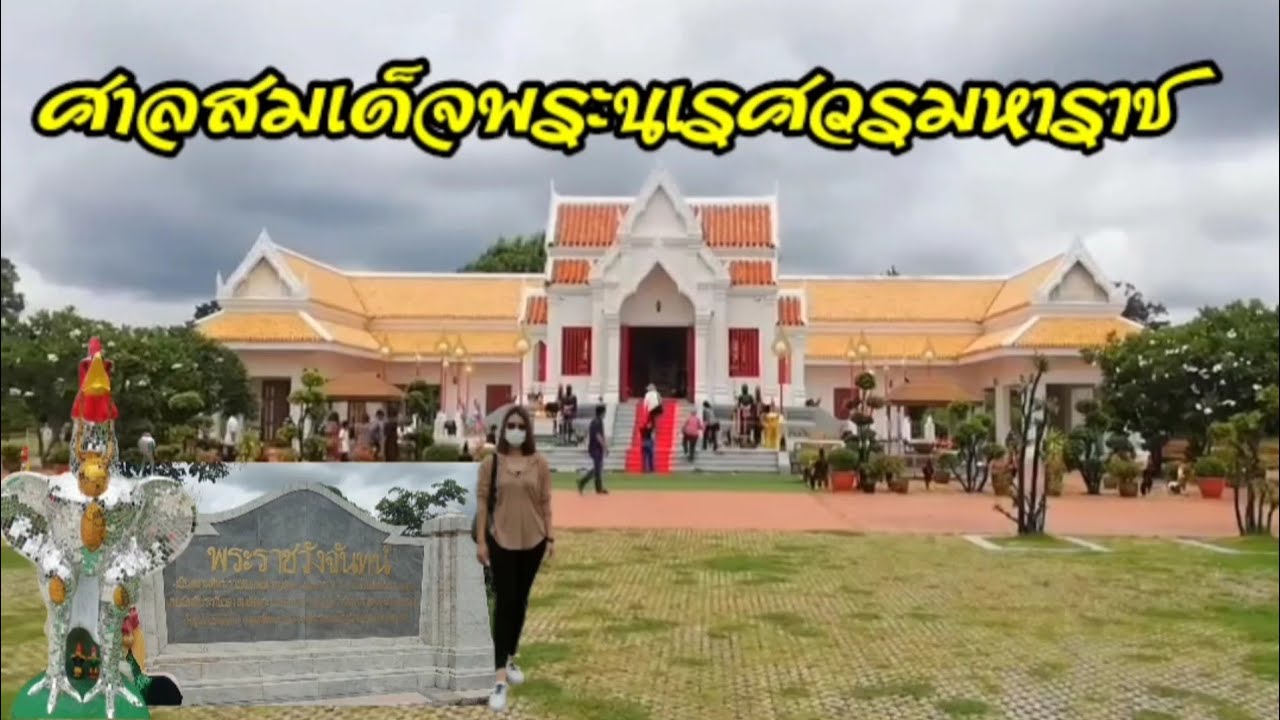
 Click to Access the Navigation Map GPS
King Naresuan the Great Shrine Map
Recommend

 Art, Culture and Heritage
 Historical Sites and Monuments(1)
 Landmarks and Memorials(2)
 Art, Craft Centres, Tradition(3)
 Museums(3)
 Educational Places
 Educational Gardens, Farm(1)
 Temple(29)
 Mosque(1)
Other Sacred Sites(3)
Mosque(1)
Other Sacred Sites(3)
 Research and Development
 Royal Project(1)
 Suburban Living
 Village, Community(1)
 Nature and Wildlife
 National Parks and Marine Reserves(7)
 Mountain (Doi)(4)
 Dam, Reservoir, Lake(5)
 Waterfalls(19)
 Caves(3)
 River, Canal(9)
 Other natural attractions(1)
 Entertainment and Agricultural
 Farms, Parks and Ecotourism(2)
 Outdoor and Adventure Activities(1)


