
lovethailand home >Central Travel Attractions >Lop Buri Travel Attractions >Muang Lop Buri >Thale Chup Son > Thepsatri Rajabhat University
TL;DR: Thepsatri Rajabhat University, Lop Buri attractions : University, Rajabhat University.
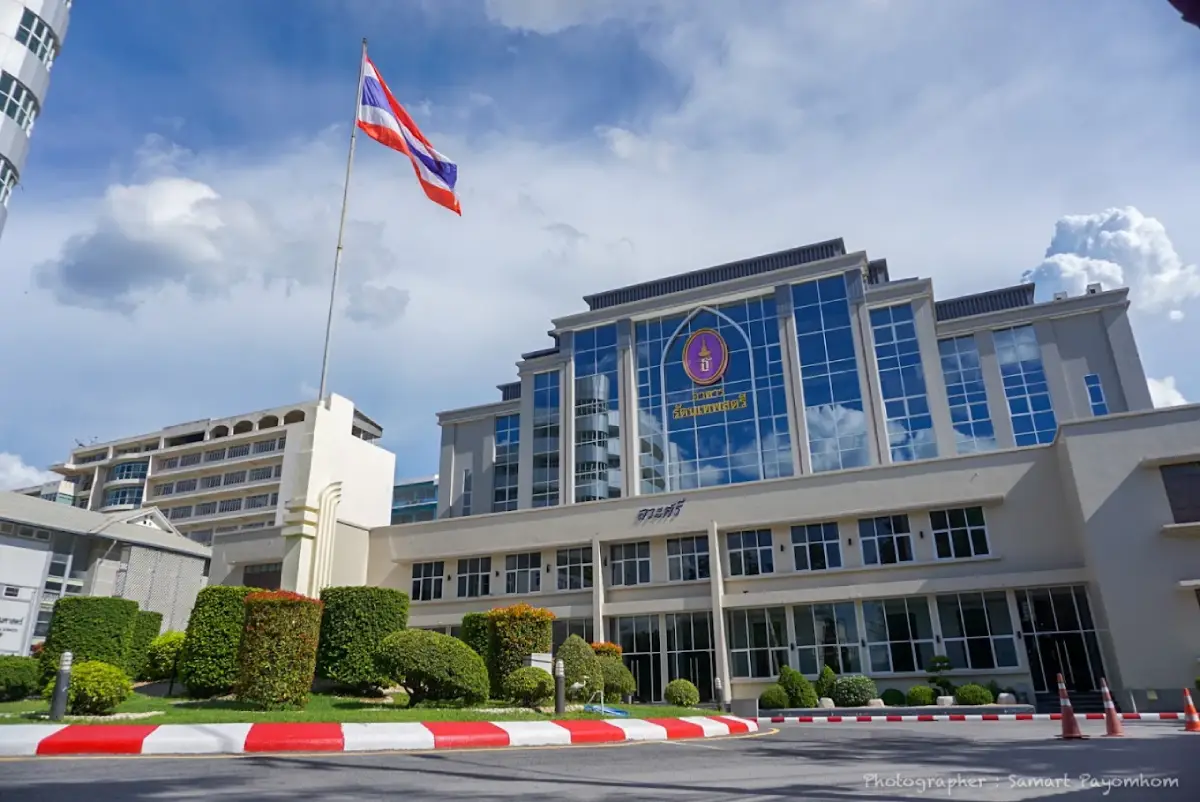
Thepsatri Rajabhat University
Open Days: Monday–Friday for General Administrative Services, Excluding Public Holidays and University-Announced Closures
Opening Hours: The Office of Academic Resources and Information Technology operates Monday–Friday, 07:30 – 16:30, and Saturday–Sunday, 08:00 – 16:30, excluding public holidays and announced closures. Other offices and campus facilities may have different service hours.
Thepsatri Rajabhat University (TRU) is a public university located at 321 Narai Maharat Road, Thale Chup Son Subdistrict, Mueang Lop Buri District, Lopburi Province 15000, Thailand. Its history began on September 21, 1920, with the establishment of Lawasri School, an educational institution for girls that initially operated in Chanthara Phisan Hall within King Narai's Palace. The school gradually developed into a women's teacher-training institution, Thepsatri Teachers College, Thepsatri Rajabhat Institute, and finally Thepsatri Rajabhat University under the Rajabhat University Act of 2004. Today, the university comprises six faculties: Education, Humanities and Social Sciences, Science and Technology, Management Science, Information Technology, and Industrial Technology. Its academic mission encompasses teacher preparation, professional education, research, cultural preservation, and sustainable regional development. In 2026, the institution celebrated 106 years since its original establishment.
Thepsatri Rajabhat University is distinguished by its long association with women's education and teacher training in provincial Thailand. Its origins are closely connected with Lopburi, a historically important city whose heritage spans several periods, including Dvaravati civilization, Khmer cultural influence, and the Ayutthaya Kingdom. Lopburi became especially significant during the reign of King Narai the Great, when it served as an important royal and diplomatic center. The university's development is therefore closely interwoven with the city's educational, social, and cultural history.
The main university campus stands on Narai Maharat Road, a major thoroughfare in Lopburi city. It lies west of the Si Suriyothai Roundabout and relatively close to the historical district, where many important monuments and museums are located. The campus contains academic buildings, administrative offices, laboratories, meeting facilities, library services, and student activity spaces. Its urban location allows students and visitors to access transport connections, public services, and historical learning resources.
The institution's significance extends beyond its present role as a public university. Over more than a century, it has experienced major transformations in Thailand's educational system. What began as a school for girls developed into a teacher-training institution and eventually a multidisciplinary university. Each stage reflects changing educational priorities, particularly the expansion of women's education, the professionalization of teacher training, and the increasing demand for higher education in regional communities.
The university's history began on September 21, 1920, when Lawasri School was established. Its first temporary classrooms were located in Chanthara Phisan Hall, within the historic King Narai Palace complex. At that time, educational institutions often had limited purpose-built facilities. The use of a historic palace building enabled the school to begin providing education to girls in Lopburi before permanent premises became available.
Lawasri School initially operated as a provincial girls' school, offering primary education before expanding to secondary classes. Both the teachers and students were women during its early years. This reflected an educational system in which boys' and girls' schools often operated separately. The school consequently played an important role in making formal education more accessible to girls and young women in Lopburi Province.
In 1921, Lawasri School moved from King Narai Palace to a location on Wichayen Road in Tha Hin Subdistrict. The move provided a more suitable setting for its growing academic activities. As educational demand increased, the school gradually expanded secondary-level teaching and adapted its curriculum to the changing requirements of Thailand's education system.
A major milestone occurred in 1936, when the institution became Lopburi Women's Teacher Training School. It began admitting female teacher trainees, establishing the foundations of its long-standing contribution to teacher education. This transition gave the institution a clearer professional purpose and prepared students to teach in schools throughout Lopburi and neighboring provinces.
Teacher education was becoming increasingly important as Thailand expanded schooling in provincial communities. Training institutions needed to prepare qualified personnel capable of teaching children, organizing classrooms, and supporting local educational development. Lopburi Women's Teacher Training School contributed to these efforts by providing professional preparation for female teachers.
In 1940, the institution developed into Satri Lopburi School, known in association with the name Thepsatri Wittayalai. The name Thepsatri became part of the institution's identity during this period. On March 29, 1955, the school was renamed Thepsatri Wittayalai School and began offering a Certificate in Education program, marking another stage in the formal development of its teacher-training curriculum.
In 1957, Thepsatri Wittayalai School introduced the Higher Certificate in Education program, providing an additional qualification for future teachers. The expansion of professional programs reflected the increasing need for educators with more advanced training as the national education system became more structured and comprehensive.
On May 1, 1958, the institution was upgraded to Thepsatri Teachers College. This transformation established it more firmly as a regional higher-level teacher-training institution. Its academic and administrative systems gradually expanded, forming the basis for the faculties and educational services that would develop in later decades.
Thepsatri Teachers College continued to broaden its programs. In 1967, it introduced a primary teacher certificate program, and in 1974 it began offering Bachelor of Education degrees in Geography and Biology. The establishment of undergraduate teacher education marked an important step in preparing graduates with higher academic qualifications.
The Teachers College Act of 1975 further expanded the institution's responsibilities. In addition to providing undergraduate teacher education, the college became involved in research, the professional development of working teachers, and academic services for surrounding communities. These functions helped transform teachers colleges into regional centers of knowledge rather than institutions concerned solely with classroom instruction.
In 1984, amendments to the legislation governing teachers colleges allowed them to provide programs beyond teacher training. Thepsatri Teachers College consequently expanded into scientific, liberal arts, and other professional fields. This change laid the foundation for the multidisciplinary educational model that later became central to Thepsatri Rajabhat University.
On February 14, 1992, King Bhumibol Adulyadej, Rama IX, graciously bestowed the name Rajabhat Institute upon teachers colleges throughout Thailand. Following the Rajabhat Institute Act of 1995, Thepsatri Teachers College officially became Thepsatri Rajabhat Institute. Its mission broadened to include advanced academic and professional education, research, technology development, cultural preservation, and academic services supporting regional progress.
Graduate education also expanded during the Rajabhat Institute period. In 2000, the institution introduced a master's-level program in Educational Administration, followed in 2002 by programs in Development Strategy and Curriculum and Instruction. These developments reflected its growing role in preparing educational leaders, researchers, and professionals beyond the undergraduate level.
Another decisive transformation occurred when the Rajabhat University Act of 2004 came into force on June 15, 2004. Thepsatri Rajabhat Institute thereby became Thepsatri Rajabhat University, with responsibilities for higher education, teacher preparation, research, academic services, technology development, and the preservation of arts and culture. Local development remained a fundamental part of its institutional mission.
University status provided a more comprehensive framework for managing academic programs and developing new professional disciplines. Over time, TRU expanded teaching and research in digital technology, business, communication, natural sciences, industrial technology, and teacher education. These fields enabled the university to respond to the changing economic and educational needs of Lopburi and the surrounding central region of Thailand.
On September 21, 2026, Thepsatri Rajabhat University completed 106 years since the founding of Lawasri School in 1920. It had also completed 22 years since achieving university status in 2004. Both dates are important because the institution's educational heritage began long before the establishment of the modern Rajabhat university system.
In 2026, the university marked its 106th anniversary under the theme “106 Years of Development, Creating Value for Sustainable Local Development.” Anniversary activities included academic discussions and exchanges addressing learner competencies, curriculum innovation, and the improvement of teaching and learning. These events reflected the university's commitment to educational quality and the practical application of knowledge for community benefit.
During the latter part of 2026, Assistant Professor Jintana Wetchami served as Acting President of Thepsatri Rajabhat University while the university conducted its presidential selection process. The university's administration continued to oversee academic development, personnel management, research, community services, and institutional activities supporting regional progress.
The university's official emblem incorporates the royal seal of King Bhumibol Adulyadej, Rama IX. Its symbolic elements represent the monarchy, intellectual development, and the educational heritage of the Rajabhat universities. The emblem is an important expression of institutional identity and a source of pride for students, staff, and graduates.
The university's official colors are navy blue and green, while its symbolic flower is the peacock flower. These visual symbols are associated with the university's institutional identity and appear in official publications. They also help strengthen the sense of belonging shared by students, personnel, and alumni across different generations.
Thepsatri Rajabhat University consists of six faculties: the Faculty of Education, Faculty of Humanities and Social Sciences, Faculty of Science and Technology, Faculty of Management Science, Faculty of Information Technology, and Faculty of Industrial Technology. Each faculty contributes to the university's broader mission through undergraduate education, professional development, research, and community engagement.
The Faculty of Education is closely connected with the university's historical foundations in teacher training. Its academic programs develop knowledge of teaching methods, educational psychology, learning assessment, classroom management, and professional practice. In the 2026 academic year, undergraduate admissions included Early Childhood Education, Physical Education, Psychology and Guidance, and Elementary Education.
Early Childhood Education focuses on children's development and learning in the early years, while Elementary Education prepares teachers for foundational schooling. Physical Education combines knowledge of movement, sports, health, and teaching practice. Psychology and Guidance addresses student development, counseling, and educational support. These fields are essential to improving the quality of education in regional schools.
The Faculty of Humanities and Social Sciences offers disciplines including Chinese, Japanese, English, Visual Arts, Public Administration, Law, Music Education, Thai Education, and Social Studies Education. Its academic scope covers language and communication, arts and culture, public-sector administration, legal knowledge, and the preparation of teachers in humanities-related subjects.
Language education supports communication in international contexts, while Public Administration and Law develop understanding of governance and legal systems. Music Education, Thai Education, and Social Studies Education contribute to the development of future teachers with specialist knowledge and an appreciation of Thai cultural and historical contexts.
The Faculty of Science and Technology combines basic scientific knowledge with applied learning. Its 2026 undergraduate admissions included Science, Agriculture and Innovation, Food Science and Technology, Environmental Management, Mathematics Education, General Science Education, and Chemistry Education. These programs connect scientific knowledge with practical applications in agriculture, food production, environmental sustainability, and school education.
Lopburi Province has important agricultural and food-related economic activities, making applied science education relevant to local development. Knowledge of crop production, food processing, environmental management, and technological innovation can contribute to improving productivity, product quality, and the responsible use of natural resources.
The Faculty of Management Science provides programs related to Business Administration, Logistics Management, Human Resource and Organizational Management, Digital Marketing, Business Computing, Accounting, Digital Communication Arts, and Tourism and Hospitality. Its educational mission includes preparing graduates for careers in public institutions, private organizations, service businesses, and entrepreneurial ventures.
Logistics Management examines the movement of products and resources, while Human Resource Management focuses on personnel and organizational development. Digital Marketing and Business Computing connect management with modern technologies. Digital Communication Arts and Tourism and Hospitality are particularly relevant to communication-intensive industries and Lopburi's growing opportunities in heritage tourism and services.
The Faculty of Information Technology has an important role in preparing graduates for the digital economy. Academic fields include Multimedia Technology, Digital Technology, and Computer Education, together with areas of specialization in Computer Science and Information Technology. These disciplines develop knowledge relevant to software, digital content, information systems, and the use of technology in organizations.
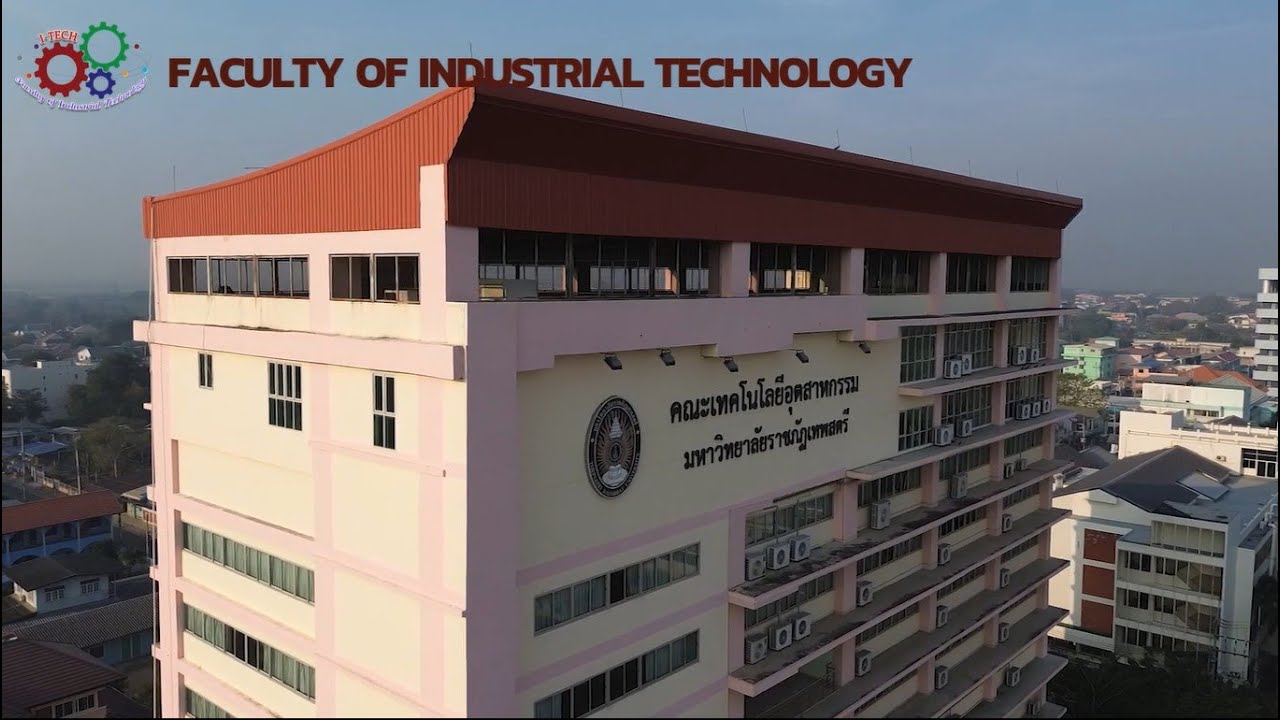
The Faculty of Industrial Technology focuses on applied engineering and industrial practice. Its academic offerings include Industrial Technology with specializations in Industrial Electrical Technology, Mechanical Technology, Industrial Management, and Product Design Technology. The faculty also offers Communication and Information Engineering and Industrial Arts Education.
Industrial Technology education connects theoretical knowledge with equipment, machinery, design, and practical production processes. Product Design Technology supports creative approaches to developing goods, while Communication and Information Engineering relates to the infrastructure and technical systems used in modern industries. These programs provide pathways toward technical and industrial professions.
At postgraduate level, the university offers academic pathways in Educational Administration, Curriculum and Instruction, Business Administration, and Public Administration. Admissions are announced separately according to academic term and study format. Graduate education enables teachers, educational administrators, business professionals, and other learners to develop specialized academic and professional expertise.
Educational quality development remains a major institutional priority. During 2026, the university conducted academic activities addressing curriculum documentation and the development of program and course learning outcomes. These processes help academic staff establish learning goals, evaluate educational effectiveness, and align teaching with higher education standards.
Research and innovation are closely connected with the university's commitment to local development. The Research and Development Institute supports scholarly work, academic collaboration, and the practical use of research findings. Within the Rajabhat university mission, research is particularly valuable when it addresses community needs, improves economic opportunities, and contributes to a better quality of life.
Lopburi has a diverse regional economy encompassing agriculture, manufacturing, trade, services, and historical tourism. These sectors provide opportunities for the university's faculties to collaborate with local organizations through product development, digital technology applications, teacher development, environmental projects, and cultural heritage initiatives.
The university's Office of Arts and Culture contributes to the preservation and promotion of local artistic and cultural heritage. This mission is especially relevant in Lopburi, where ancient monuments, royal buildings, religious landmarks, and regional traditions reflect a long and complex history of cultural exchange.
Lopburi was particularly important during the reign of King Narai the Great, when it became a major royal and diplomatic center of the Ayutthaya Kingdom. Historical landmarks such as King Narai Palace, Ban Wichayen, Phra Prang Sam Yot, and Wat Phra Si Rattana Mahathat provide valuable settings for learning about history, architecture, religious traditions, and intercultural relationships.
University traditions and activities include student orientation, teacher appreciation ceremonies, Rajabhat Day commemorations, university anniversary activities, and graduation-related ceremonies. These occasions strengthen relationships among students, academic staff, personnel, and alumni while preserving the institutional culture inherited from earlier educational periods.
Teacher appreciation ceremonies allow students to express gratitude and respect toward their teachers, an important tradition in Thai education. Student orientation activities help new students understand the university's academic system, regulations, and community expectations. Together, these experiences encourage cooperation, responsibility, and participation in campus life.
In September 2026, the university organized the “TRU FUN SPORT” internal sports event to encourage physical activity, teamwork, and friendly competition. Students and staff participated in recreational competitions and parade activities, helping strengthen connections among the six faculties.
Important campus facilities include the Lawasri Building, Rattanathepsatri Building, academic and administrative buildings, the Office of Academic Resources and Information Technology, the Office of Arts and Culture, and sporting facilities. The Lawasri Building accommodates administrative and meeting activities, while the Rattanathepsatri Building is an important venue for conferences and larger university events.
The Rattanathepsatri Building includes conference facilities such as the Phra Narai Meeting Room. These spaces support administrative meetings, academic conferences, graduation preparations, and faculty activities. They play an important role in organizing events involving both the university community and external organizations.
The Office of Academic Resources and Information Technology supports learning through books, information resources, electronic databases, and academic services. It also organizes activities such as library orientation for first-year students, helping them learn to locate information, use research tools, and develop independent study skills.
The Office of Academic Resources and Information Technology publishes regular service hours of 07:30–16:30 on weekdays and 08:00–16:30 on weekends, excluding public holidays and announced closures. From September 1, 2026, parts of the facility on the first and third floors were temporarily closed for improvement work. Visitors should therefore check current library announcements before planning to use specific areas.
The university also operates the Demonstration School of Thepsatri Rajabhat University, which contributes to education below university level and the broader university learning network. Its presence reflects the institution's continuing historical commitment to teacher education and educational quality development.
In addition to the main campus on Narai Maharat Road, the university has a history of operating educational centers and supporting facilities in several provinces, including Sing Buri, Suphan Buri, and Nakhon Sawan. These locations have been associated with expanding educational access and academic services beyond the main campus. Anyone planning to attend activities at an external center should confirm its current operations and exact venue with the university.
The location of the main campus near Lopburi Old Town makes educational tourism especially appealing. Visitors can combine university activities with visits to Phra Prang Sam Yot, San Phra Kan Shrine, King Narai Palace, Ban Wichayen, and Wat Phra Si Rattana Mahathat. These attractions offer different perspectives on the region's architecture, religious traditions, political history, and cultural heritage.
Phra Prang Sam Yot is one of Lopburi's most recognizable historical landmarks. Its three connected towers reflect Khmer architectural influence and form an important part of the city's visual identity. San Phra Kan Shrine is another prominent cultural landmark associated with local beliefs and the historic character of Lopburi.
King Narai Palace, also known as Phra Narai Ratchaniwet, was developed during the reign of King Narai the Great. The palace complex now houses the Somdet Phra Narai National Museum, which presents important historical and archaeological collections. It is particularly meaningful to the history of Thepsatri Rajabhat University because the institution's predecessor, Lawasri School, began teaching within Chanthara Phisan Hall in the palace compound.
Ban Wichayen is associated with diplomatic and international contacts during King Narai's reign. Wat Phra Si Rattana Mahathat, located near Lopburi Railway Station, contains important architectural remains representing different periods of Lopburi's history. Together, these sites demonstrate the city's role in regional politics, religion, and cultural interaction.
Students, applicants, visiting academics, and conference participants can find restaurants and accommodation throughout central Lopburi. Dining options include traditional Thai and Thai-Phuan food, Japanese restaurants, and cafés, while accommodation ranges from small hotels in the historic district to properties serving business and educational visitors. Choosing accommodation close to the actual event venue and a suitable transport connection can make a university visit more convenient.
Prospective students can obtain admission information from the university's Division of Educational Services. The university publishes announcements covering regular undergraduate programs, special study formats, and postgraduate admissions. Each intake has its own application dates, eligibility conditions, and available programs, so applicants should consult the announcement for the relevant academic year and admission round.
Getting There from Bangkok by private car is possible via Phahon Yothin Road through the central region toward Lopburi. After entering the city, continue along Narai Maharat Road to the university at No. 321, Thale Chup Son Subdistrict. An updated navigation map is recommended to select the best route for current traffic conditions.
Rail travelers can take a suitable service on Thailand's Northern Railway Line to Lopburi Station and continue by hired vehicle or local transportation to the university. Travelers arriving by intercity bus can reach Lopburi city and arrange an onward journey to Narai Maharat Road. Checking current public transport schedules and pickup points in advance will help avoid unnecessary delays.
Visitors arriving by rail may also take advantage of the university's proximity to the historic district. A visit can be combined with sightseeing at nearby monuments and museums, although sufficient time should be allowed for travel between sites. University visitors attending meetings or examinations should confirm the exact building and entrance before departure.
For general inquiries, Thepsatri Rajabhat University can be contacted at +66 36 427 485. The Division of Educational Services provides additional admission and registration contact channels through its official announcements. Educational visits, departmental appointments, and access to specialized teaching facilities should be arranged with the relevant university office in advance.
Over 106 years, Thepsatri Rajabhat University has evolved from a provincial girls' school into a teacher-training college and a multidisciplinary public university. This history reflects the gradual expansion of educational opportunities in Thailand and the continuing importance of regional universities in preparing qualified graduates for professional and public service.
Thepsatri Rajabhat University remains significant as both an institution of higher education and a part of Lopburi's historical identity. Its contributions to teacher preparation, science, technology, business, cultural preservation, research, and local development demonstrate how a university rooted in a historic provincial city can continue adapting to new educational and societal needs.
| University Name | Thepsatri Rajabhat University |
| Thai Name | มหาวิทยาลัยราชภัฏเทพสตรี |
| Abbreviation | TRU |
| Institution Type | Public University, Rajabhat University System |
| Location | Thale Chup Son Subdistrict, Mueang Lop Buri District, Lopburi Province, Thailand |
| Full Address | 321 Narai Maharat Road, Thale Chup Son, Mueang Lop Buri, Lopburi 15000, Thailand |
| Original Establishment Date | September 21, 1920 |
| University Status Granted | June 15, 2004 |
| Institutional History in 2026 | 106 Years Since the Establishment of Lawasri School |
| Institutional Development | 1. Lawasri School, 1920 2. Lopburi Women's Teacher Training School, 1936 3. Satri Lopburi School / Thepsatri Wittayalai, 1940 4. Thepsatri Wittayalai School, 1955 5. Thepsatri Teachers College, 1958 6. Thepsatri Rajabhat Institute, 1995 7. Thepsatri Rajabhat University, 2004 |
| Historical Significance | Originally a Girls' School Established in Chanthara Phisan Hall within King Narai Palace, Later Developing into a Teacher-Training Institution and a Public University |
| Acting University President in Late 2026 | Assistant Professor Jintana Wetchami |
| University Colors | Navy Blue and Green |
| Symbolic Flower | Peacock Flower |
| Faculties | 1. Faculty of Education 2. Faculty of Humanities and Social Sciences 3. Faculty of Science and Technology 4. Faculty of Management Science 5. Faculty of Information Technology 6. Faculty of Industrial Technology |
| Educational Locations and Supporting Facilities | Main Campus on Narai Maharat Road; Historical Off-Site Educational Locations and Supporting Facilities in Lopburi, Sing Buri, Suphan Buri, and Nakhon Sawan |
| Academic Strengths | Teacher Education, Languages and Social Sciences, Applied Science, Agriculture, Food Technology, Business Administration, Digital Technology, and Industrial Technology |
| Important Campus Facilities | 1. Lawasri Building 2. Rattanathepsatri Building 3. Phra Narai Meeting Room 4. Office of Academic Resources and Information Technology 5. Office of Arts and Culture 6. Faculty Academic Buildings 7. University Sports Grounds 8. Demonstration School of Thepsatri Rajabhat University |
| Major Traditions and Activities | University Foundation Day, Teacher Appreciation Ceremonies, Rajabhat Day, Student Orientation, Graduation Ceremonies, and University Sports Activities |
| General Administrative Open Days | Monday–Friday, Excluding Public Holidays and University-Announced Closures |
| Library Opening Hours, Weekdays | 07:30 – 16:30 |
| Library Opening Hours, Weekends | 08:00 – 16:30, Excluding Announced Closures |
| Visitor Access | Academic Visits and Entry to Specialized Facilities Should Be Arranged with the Responsible University Office in Advance |
| Transportation | Drive from Bangkok via Phahon Yothin Road Toward Lopburi and Continue to Narai Maharat Road, or Take a Train to Lopburi Station and Arrange Local Transportation |
| Nearby Tourist Attractions | 1. Phra Prang Sam Yot 2. San Phra Kan Shrine 3. King Narai Palace and Somdet Phra Narai National Museum 4. Ban Wichayen 5. Wat Phra Si Rattana Mahathat, Lopburi |
| Restaurants and Cafés in Central Lopburi | 1. Hashi Teriyaki by Aroi Jang, Tel. +66 93 192 2323 2. MadMeee Thai-Phuan Restaurant, Tel. +66 36 612 387 3. Takeshi Izakaya, Tel. +66 62 397 7408 4. Ryoko Premium Buffet, Tel. +66 82 449 4426 5. Pang Khang Prang Café, Tel. +66 90 945 1873 |
| Accommodation in Central Lopburi | 1. Theptani Place, Tel. +66 62 590 8428 2. Nett Hotel 3. Windsor Park & Resort 4. Lopburi City Hotel, Tel. +66 87 333 3444 5. Ma Relax Place, Tel. +66 96 874 1549 |
| University Telephone | +66 36 427 485 |
| Division of Educational Services | +66 36 427 485, Extensions 11114 and 11819; +66 36 422 473 |
| Library Telephone | +66 36 412 783 |
| saraban@lawasri.tru.ac.th | |
| Official Website | https://www.tru.ac.th/ |
| Current Status | Operating Public University |
Academic Programs and Fields of Study at Thepsatri Rajabhat University, Academic Year 2026
| Faculty / Academic Unit | Academic Programs and Fields of Study |
| Faculty of Education | Bachelor's Degree Programs 1. Bachelor of Education in Early Childhood Education 2. Bachelor of Education in Physical Education 3. Bachelor of Education in Psychology and Guidance 4. Bachelor of Education in Elementary Education Master's Degree Programs 5. Master of Education in Educational Administration 6. Master of Education in Curriculum and Instruction |
| Faculty of Humanities and Social Sciences | Bachelor's Degree Programs 1. Bachelor of Arts in Chinese 2. Bachelor of Arts in Japanese 3. Bachelor of Arts in English 4. Bachelor of Fine Arts in Visual Arts 5. Bachelor of Public Administration in Public Administration 6. Bachelor of Laws 7. Bachelor of Education in Music Education 8. Bachelor of Education in English 9. Bachelor of Education in Thai 10. Bachelor of Education in Social Studies Master's Degree Program 11. Master of Public Administration in Public Administration |
| Faculty of Science and Technology | Bachelor's Degree Programs 1. Bachelor of Science in Science 2. Bachelor of Science in Agriculture and Innovation 3. Bachelor of Science in Food Science and Technology 4. Bachelor of Science in Environmental Management 5. Bachelor of Education in Mathematics 6. Bachelor of Education in General Science 7. Bachelor of Education in Chemistry |
| Faculty of Management Science | Bachelor's Degree Programs 1. Bachelor of Communication Arts in Digital Communication Arts 2. Bachelor of Arts in Tourism and Hospitality 3. Bachelor of Business Administration in Business Administration, with Specializations in Logistics Management, Management, Human Resource and Organizational Management, Digital Marketing, and Business Computing 4. Bachelor of Accountancy in Accounting Master's Degree Program 5. Master of Business Administration in Business Administration |
| Faculty of Information Technology | Bachelor's Degree Programs 1. Bachelor of Science in Multimedia Technology 2. Bachelor of Science in Digital Technology, with Specializations in Computer Science and Information Technology 3. Bachelor of Education in Computer Education |
| Faculty of Industrial Technology | Bachelor's Degree Programs 1. Bachelor of Industrial Technology in Industrial Technology, with Specializations in Industrial Electrical Technology, Mechanical Technology, Industrial Management, and Product Design Technology 2. Bachelor of Engineering in Communication and Information Engineering 3. Bachelor of Education in Industrial Arts |
Frequently Asked Questions (FAQ)
Q: Where is Thepsatri Rajabhat University located?
A: The university is located at 321 Narai Maharat Road, Thale Chup Son Subdistrict, Mueang Lop Buri District, Lopburi Province 15000, Thailand, near the historic district of Lopburi.
Q: What are Thepsatri Rajabhat University's opening days and hours?
A: General administrative services operate on weekdays, excluding public holidays. The Office of Academic Resources and Information Technology publishes hours of 07:30–16:30 on weekdays and 08:00–16:30 on weekends, subject to announced closures.
Q: When was Thepsatri Rajabhat University founded?
A: Its history began with the establishment of Lawasri School on September 21, 1920. The institution became Thepsatri Rajabhat University on June 15, 2004.
Q: How old was Thepsatri Rajabhat University in 2026?
A: The institution celebrated its 106th anniversary in September 2026, counting from the establishment of Lawasri School in 1920. It also marked 22 years since becoming a university in 2004.
Q: How many faculties does Thepsatri Rajabhat University have?
A: The university has six faculties: Education, Humanities and Social Sciences, Science and Technology, Management Science, Information Technology, and Industrial Technology.
Q: What is Thepsatri Rajabhat University known for?
A: The university has a long history of women's education and teacher training. It now offers multidisciplinary education in languages, social sciences, science, digital technology, business, and industrial technology, with an emphasis on regional development.
Q: What is the historical connection between the university and King Narai Palace?
A: Lawasri School, the university's predecessor, began teaching in 1920 in temporary classrooms inside Chanthara Phisan Hall at King Narai Palace.
Q: Can visitors reach Thepsatri Rajabhat University by train?
A: Yes. Travelers can take a train to Lopburi Station and continue by hired vehicle or local transportation to the university on Narai Maharat Road.
Q: What are the main historical attractions near Thepsatri Rajabhat University?
A: Important nearby attractions include Phra Prang Sam Yot, San Phra Kan Shrine, King Narai Palace, Ban Wichayen, and Wat Phra Si Rattana Mahathat, all of which are associated with Lopburi's historical and cultural heritage.
 Category: ●University
 Group: ●Rajabhat University
Last Update : 5 DayAgo
 Last Update : 5 DayAgo
 Click to Access the Navigation Map GPS
Thepsatri Rajabhat University Map
Recommend

 Art, Culture and Heritage
 Historical Sites and Monuments(5)
 Landmarks and Memorials(3)
 Royal Palace(1)
 Art, Craft Centres, Tradition(7)
 Museums(11)
 Historic Homes and Cities(1)
 Public university(1)
Rajabhat University(1)
 Places of Worship
 Temple(25)
 Other Sacred Sites(3)
 Suburban Living
 Village, Community(4)
 Floating Market(1)
 Nature and Wildlife
 National Parks and Marine Reserves(2)
 Mountain (Doi)(3)
 Dam, Reservoir, Lake(4)
 Waterfalls(5)
 Hot Springs(1)
 Caves(2)
 Flower Field(1)
 Entertainment and Agricultural
 Zoos and Aquariums(2)
 Farms, Parks and Ecotourism(4)
 Outdoor and Adventure Activities(1)
 Travel Articles, Recipes
 Travel Review, Food Review(1)


