
lovethailand home >Central Travel Attractions >Lop Buri Travel Attractions >Chai Badan >Na Som > Phrommalok Cave
TL;DR: Phrommalok Cave is located at Wat Tham Phrommalok, Moo 6, Nong Yai To Subdistrict, Chai Badan District, Lopburi Province 15130, Thailand, open Daily, hours Please check with the temple before visiting.
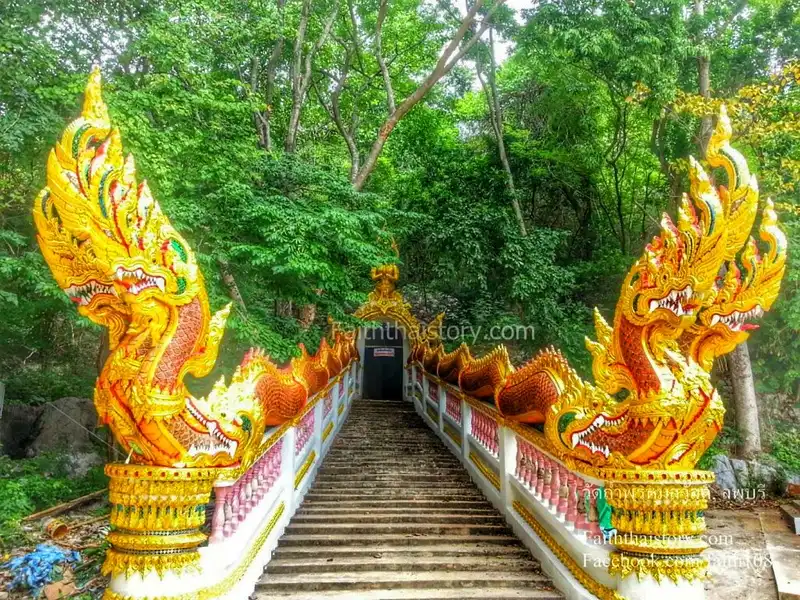
Phrommalok Cave
Open Days: Daily
Opening Hours: Please check with the temple before visiting
Phrommalok Cave in Lopburi Province is a limestone cave distinguished by its natural beauty, religious importance, and deep-rooted local beliefs. Inside the cave is a sacred Buddha image worshipped by local people, especially “Luang Pho Yai,” a standing Buddha image made of wood and fully covered in gold leaf. For a long time, this image has served as a spiritual center for people in the area. The site is valuable not only as a natural attraction, but also as a peaceful place closely connected with meditation practice and the belief that it protects the surrounding forests and mountains.
Phrommalok Cave is a naturally formed limestone cave located within the limestone mountain range of Chai Badan District. This kind of landscape is highly significant in geological terms, because the mountain system has changed over a long period of time until cavities, caves, and underground waterways developed. As soon as visitors step inside, they can clearly feel that the air is cooler than outside. The natural humidity of the limestone and the stillness of the space create an atmosphere completely different from the outside world, making this place especially suitable for those seeking both physical and mental calm.
The most important feature inside the cave is “Luang Pho Yai,” a standing Buddha image made of wood and covered entirely in gold leaf. This is the distinctive element that sets Phrommalok Cave apart from ordinary cave attractions. The Buddha image is not merely a religious object, but something with deep spiritual meaning for the local community. Villagers believe that Luang Pho Yai is sacred and helps protect the forests, mountains, and surrounding area, bringing peace and safety. Because of this belief, a visit to Phrommalok Cave is not just about sightseeing or admiring nature, but also about paying respect, making merit, and honoring one of Lopburi’s sacred places.
The atmosphere inside the cave is remarkably peaceful. The echo within the rock chamber and the cool air naturally help visitors feel relaxed. It is therefore not surprising that Phrommalok Cave is regarded as an ideal place for meditation, Vipassana practice, and quiet reflection away from the pressures of daily life. The simplicity of the site is in fact one of its greatest charms, because there are few distractions, allowing visitors to remain fully present in the tranquility of the cave.
In terms of history and archaeology, Phrommalok Cave is more significant than many people might expect. The grounds of Wat Tham Phrommalok and the nearby area are part of a zone where scattered archaeological finds have been discovered within Khao Somphot Non-Hunting Area. These include polished stone axes from the late Stone Age, pottery and bronze spearheads from the Metal Age, as well as carved wooden Buddha images believed to date from the late Ayutthaya period to the early Rattanakosin period. These findings show that Phrommalok Cave is not only a sacred site in the present day, but also a place connected with human history in this area stretching back thousands of years.
Beyond its religious and archaeological importance, Phrommalok Cave also exists within a rich natural setting. The surrounding area forms part of Khao Somphot Non-Hunting Area, a limestone forest landscape featuring cliffs, caves, spring sources, and an ecosystem of major significance to Lopburi Province. The belief that Luang Pho Yai protects the forests and mountains reflects a profound relationship between the community and nature. In other words, sacredness in the eyes of local people is not separated from the mountains, forests, and water sources, but merged into a single landscape that deserves respect and protection.
Today, Phrommalok Cave has attracted increasing attention from travelers who appreciate quiet destinations, Buddhist travel, and places that offer more than photography alone. Although it is not a mainstream tourist site in the urban center, its special character lies in its genuine atmosphere, genuine faith, and genuine natural surroundings. Those who visit can experience the physical dimension of the limestone cave, the spiritual presence of Luang Pho Yai, and the cultural dimension preserved in local belief.
Getting There to Phrommalok Cave is best done by private vehicle, as the temple is located in the natural area of Nong Yai To Subdistrict, Chai Badan District, Lopburi Province. The final stretch of the route leads into the temple and mountain area. Visitors should check directions in advance and plan to arrive during daylight hours for greater convenience and safety, rather than entering or leaving after dark. Because the area is mountainous and forested, preparing the vehicle properly and allowing enough travel time are important.
Upon arriving at the temple grounds, visitors should dress respectfully and behave appropriately, as this is both a temple and a sacred site. Inside the cave, some sections may have low light and uneven ground, so comfortable walking shoes are recommended and extra care should be taken, especially by elderly visitors or those traveling with children. If the intention is to meditate or practice Dhamma, it is best to visit when there are fewer people so the atmosphere remains as peaceful as possible.
For travelers who enjoy linking several destinations in one route, Phrommalok Cave can be combined with visits to Wat Khao Somphot, Wat Tham Khao Prang, and natural sites in the Chai Badan area. This makes one trip more varied in terms of religion, nature, and the limestone mountain scenery of Lopburi. Even so, the true essence of Phrommalok Cave remains its peace and sacredness, so it is a place best appreciated slowly and mindfully.
Overall, Phrommalok Cave in Lopburi Province is a place that brings together several kinds of value in a single destination: the beauty of a limestone cave, the cool and soothing atmosphere within, the sacred presence of Luang Pho Yai, and the archaeological and natural importance of the surrounding area. For those seeking a destination that offers more than outward beauty and wishing to experience faith, tranquility, and nature on a deeper level, Phrommalok Cave is truly a place worth visiting.
| Name | Phrommalok Cave |
| Overview | A limestone cave within Wat Tham Phrommalok in Chai Badan District, Lopburi Province. Inside is Luang Pho Yai, a standing wooden Buddha image covered in gold leaf. It is a sacred place and well suited for meditation practice. |
| Highlights | A peaceful and cool limestone cave housing Luang Pho Yai, a standing Buddha image made of wood and covered in gold leaf, believed to protect the forests and mountains in the area. |
| History / Era | Wat Tham Phrommalok is a local temple under the Dhammayut order, established in 1928. Archaeological evidence found around the temple includes late Stone Age artifacts, Metal Age remains, and wooden Buddha images from the late Ayutthaya to early Rattanakosin period. |
| Current Abbot / Caretaker | Phra Udomsilakhun (Boonlert Apipunyo) / Phra Khru Akkathamdhari |
| Address | Wat Tham Phrommalok, Moo 6, Nong Yai To Subdistrict, Chai Badan District, Lopburi Province 15130, Thailand |
| Getting There | Private transportation is recommended. Travel to Chai Badan District, then continue into Nong Yai To Subdistrict via local rural road Lopburi 3005. Visiting during daylight hours is recommended for convenience and safety. |
| Open Days | Daily |
| Entrance Fee | No confirmed information on an entrance fee |
| Facilities | Temple grounds for worship and meditation, meditation spots inside the cave, and temple contact point |
| Zones | 1. Wat Tham Phrommalok Zone 2. Cave Interior with Luang Pho Yai Shrine 3. Meditation and Quiet Practice Area inside the Cave 4. Natural Area near Lan Hin Phut and Khao Somphot Zone |
| Nearby Attractions | 1. Wat Khao Tambon (approx. 2 km) 2. Wat Singharam (approx. 6.9 km) 3. Wat Khao Somphot (approx. 7.9 km) 4. Wat Jongko (approx. 8.2 km) 5. Wat Nong Ri (approx. 10.3 km) |
| Nearby Restaurants | 1. Ya Tong Noodle Shop, Nong Yai To Subdistrict Tel: 063-575-6020 2. My House Lam Narai Tel: 098-256-8900 3. Krua Sumalee Tel: 098-440-0411 4. Joke Bangkok, Lam Narai Branch Tel: 089-524-6261 5. Patra cafe & eatery Tel: 090-913-7272 |
| Nearby Accommodations | 1. Narai Grand Hotel Tel: 036-631-137-9 2. Ton Palm Inn Hotel Tel: 036-632-309-10 3. Paiwarin Resort Tel: 089-082-9997 4. Chai Badan Resort Tel: 094-552-0888 5. Pasak Hillside Resort Tel: 036-792-441 |
| Main Contact Number | 036-451-194 |
Frequently Asked Questions (FAQ)
Q: Where is Phrommalok Cave located?
A: Phrommalok Cave is located within Wat Tham Phrommalok, Moo 6, Nong Yai To Subdistrict, Chai Badan District, Lopburi Province.
Q: What is the highlight of Phrommalok Cave?
A: Its highlight is the peaceful and cool limestone cave that enshrines Luang Pho Yai, a standing wooden Buddha image covered in gold leaf and deeply revered by local people.
Q: Why is Luang Pho Yai important?
A: Luang Pho Yai is the spiritual center of the local community, and many believe that it protects the forests, mountains, and surrounding area.
Q: What is Phrommalok Cave suitable for?
A: It is suitable for worship, meditation, Vipassana practice, and quiet reflection in a peaceful cave atmosphere.
Q: How should visitors prepare before going to Phrommalok Cave?
A: Visitors should use a private vehicle, plan the route in advance, wear comfortable walking shoes, dress respectfully, and travel during the daytime.
Q: Does Phrommalok Cave have historical significance?
A: Yes. The area around Wat Tham Phrommalok and nearby sites has yielded archaeological evidence from the late Stone Age, the Metal Age, and wooden Buddha images from the late Ayutthaya to early Rattanakosin period.
 Category: ●Nature and Wildlife
 Group: ●Caves
Last Update : 6 MonthAgo
 Last Update : 6 MonthAgo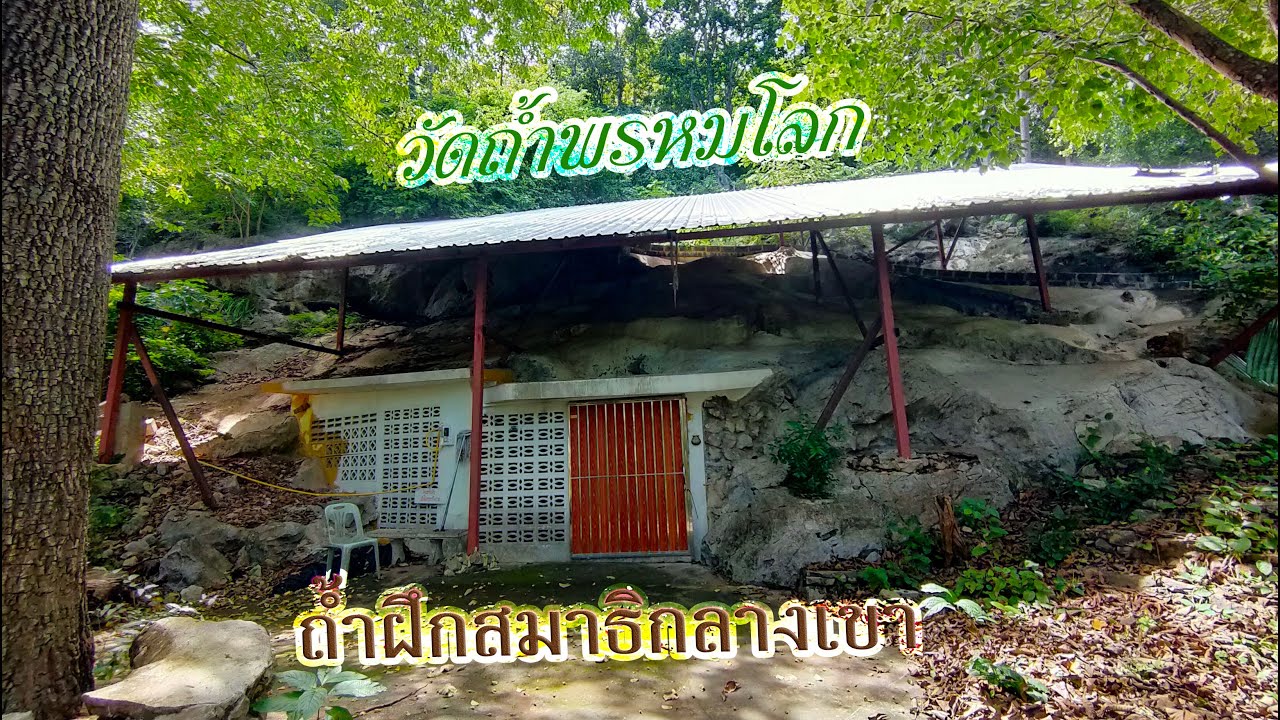
 Click to Access the Navigation Map GPS
Phrommalok Cave Map
Recommend

 Art, Culture and Heritage
 Historical Sites and Monuments(5)
 Landmarks and Memorials(3)
 Royal Palace(1)
 Art, Craft Centres, Tradition(7)
 Museums(11)
 Historic Homes and Cities(1)
 Places of Worship
 Temple(25)
 Other Sacred Sites(3)
 Suburban Living
 Village, Community(4)
 Floating Market(1)
 National Parks and Marine Reserves(2)
 Mountain (Doi)(3)
 Dam, Reservoir, Lake(4)
 Waterfalls(5)
 Hot Springs(1)
Caves(2)
Hot Springs(1)
Caves(2)
 Flower Field(1)
 Entertainment and Agricultural
 Zoos and Aquariums(2)
 Farms, Parks and Ecotourism(4)
 Outdoor and Adventure Activities(1)


