
lovethailand home >Central Travel Attractions >Bangkok Travel Attractions >Suan Luang >Suan Luang > Wat Mahabut
TL;DR: Wat Mahabut is located at Suan Luang Subdistrict, Suan Luang District, Bangkok, open Daily, hours 07.30 – 17.00.
Wat Mahabut
Open Days: Daily
Opening Hours: 07.30 – 17.00
Wat Mahabut, widely known as Wat Mae Nak Phra Khanong, is a local Buddhist temple under the Mahanikaya order. It is located at 749 Soi On Nut 7, Sukhumvit 77 Road, Suan Luang Subdistrict, Suan Luang District, Bangkok 10250. The temple is one of the best-known religious and cultural landmarks in the On Nut and Phra Khanong area. Its importance comes from several layers: a late Ayutthaya-period temple history, the story of Phra Maha But from Wat Liap, the living religious role of a Bangkok community temple, and the famous Mae Nak Phra Khanong legend that has shaped Thai popular culture for generations.
Wat Mahabut is suitable for visitors who want to make merit, pay respect to Buddhist images, visit the shrine of Yaa Nak, and understand how local legend, faith, and urban life coexist in Bangkok. The On Nut area is now a dense residential and commercial district with the BTS Skytrain, local markets, food streets, housing estates, condominiums, and old canal communities. Yet within the temple compound, visitors can still find a strong sense of local devotion. A meaningful visit usually begins with worship in the main temple areas before continuing to the Yaa Nak Shrine at the rear of the temple.
The temple is traditionally believed to have been founded around 1762, during the late Ayutthaya period. According to local history, Phra Maha But from Wat Liap, now known as Wat Ratchaburana, travelled to visit his supporters around Khlong Phra Khanong. Local residents invited him to stay and lead the building or restoration of a Buddhist temple. The temple was then named Wat Mahabut after him. This story connects the temple with monks, canal-side communities, and the collective faith of local people in the period before On Nut became part of modern Bangkok.
Another strand of local memory refers to the temple as having once been associated with the name Wat Sam But. This reflects older community narratives before the temple became known by its present name. These layered accounts do not reduce the temple’s value. Instead, they show that Wat Mahabut has lived in local memory across many periods: as an old temple beside Khlong Phra Khanong, as a community temple in On Nut, and as the place most strongly associated with the Mae Nak Phra Khanong legend.
Wat Mahabut remains a functioning Buddhist temple with monks in residence and continuing religious activities. Important areas include the ordination hall, sermon hall, multipurpose hall, Luang Pho Yim vihara, Yaa Nak Shrine, merit-making areas, temple courtyard, canal-side fish release area, parking area, and spaces for temple ceremonies. The temple is therefore not only a place connected with a famous legend. It is also an active religious institution used by monks, local residents, worshippers, and visitors throughout the year.
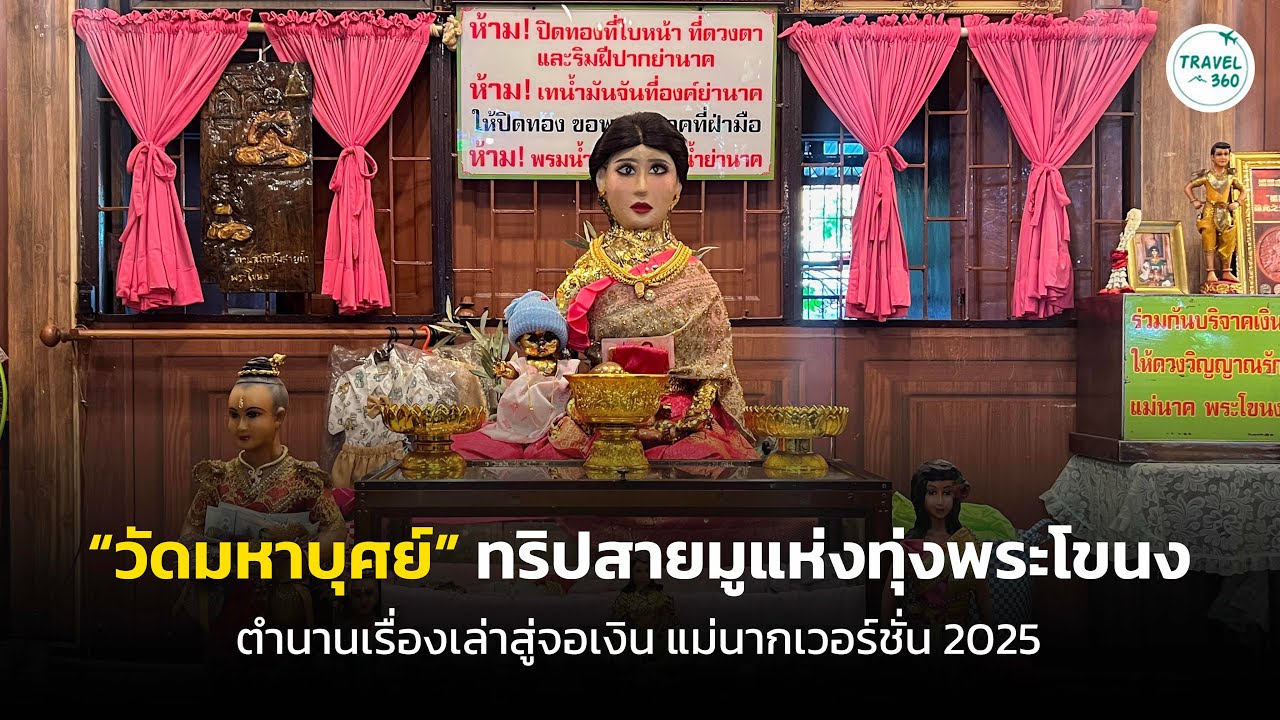
The most famous devotional focus of Wat Mahabut is the Yaa Nak Shrine, also known as the Mae Nak Phra Khanong Shrine. Located toward the rear of the temple, the shrine draws many visitors who come to pray for love, family stability, peace of mind, good fortune, children, and important life matters. The name “Yaa Nak” reflects local respect, treating Mae Nak not merely as a legendary figure but as an elder-like presence associated with compassion, loyalty, and deep emotional connection.
The legend of Mae Nak Phra Khanong is one of Thailand’s most powerful folk narratives. It tells of Nak, a woman from the Phra Khanong area whose husband Mak was called away for military service while she was pregnant. Nak died during childbirth together with her unborn child, but her love and longing kept her waiting for Mak. The story became a deeply familiar Thai tale about love, loyalty, separation, grief, and attachment. Wat Mahabut is the place most closely associated with this legend in the public imagination.
Inside the shrine are statues and images of Yaa Nak, along with many offerings such as Thai dresses, garlands, flowers, children’s toys, model Thai houses, red drinks, and personal items. These offerings reflect vows, gratitude, and devotion from visitors who return after making wishes. People who pray for love often focus on sincerity, loyalty, and mutual respect. Others come for emotional comfort or to make merit in a place that feels personally meaningful.
Visitors should observe the shrine’s customary rules. Offerings commonly include two incense sticks, one candle, flowers, and garlands. Important restrictions include not applying gold leaf to Yaa Nak’s face, eyes, or lips; not pouring sandalwood oil directly onto the statue; and not sprinkling perfume or water onto the image. Following these guidelines helps preserve the shrine and shows respect for a sacred space visited by large numbers of people every day.
Wat Mahabut also has continuing rituals connected with Yaa Nak. On the 20th day of each month, the temple holds a chanting ceremony dedicated to Yaa Nak and her attendants. This monthly observance shows that the shrine is not only a casual wish-making site but also a living ritual space where local belief, Buddhist ceremony, and community devotion meet.
Beyond the Yaa Nak Shrine, visitors can worship at several other important points inside Wat Mahabut. These include the ordination hall, Luang Pho Yim vihara, merit-making halls, canal-side fish feeding or fish release areas, and other devotional points. Recent visitor information also mentions worship points such as Thao Wessuwan, Phra Rahu, and Phra Chao Than Jai. Together, these areas make the temple a multi-stop merit-making route within a single compound.
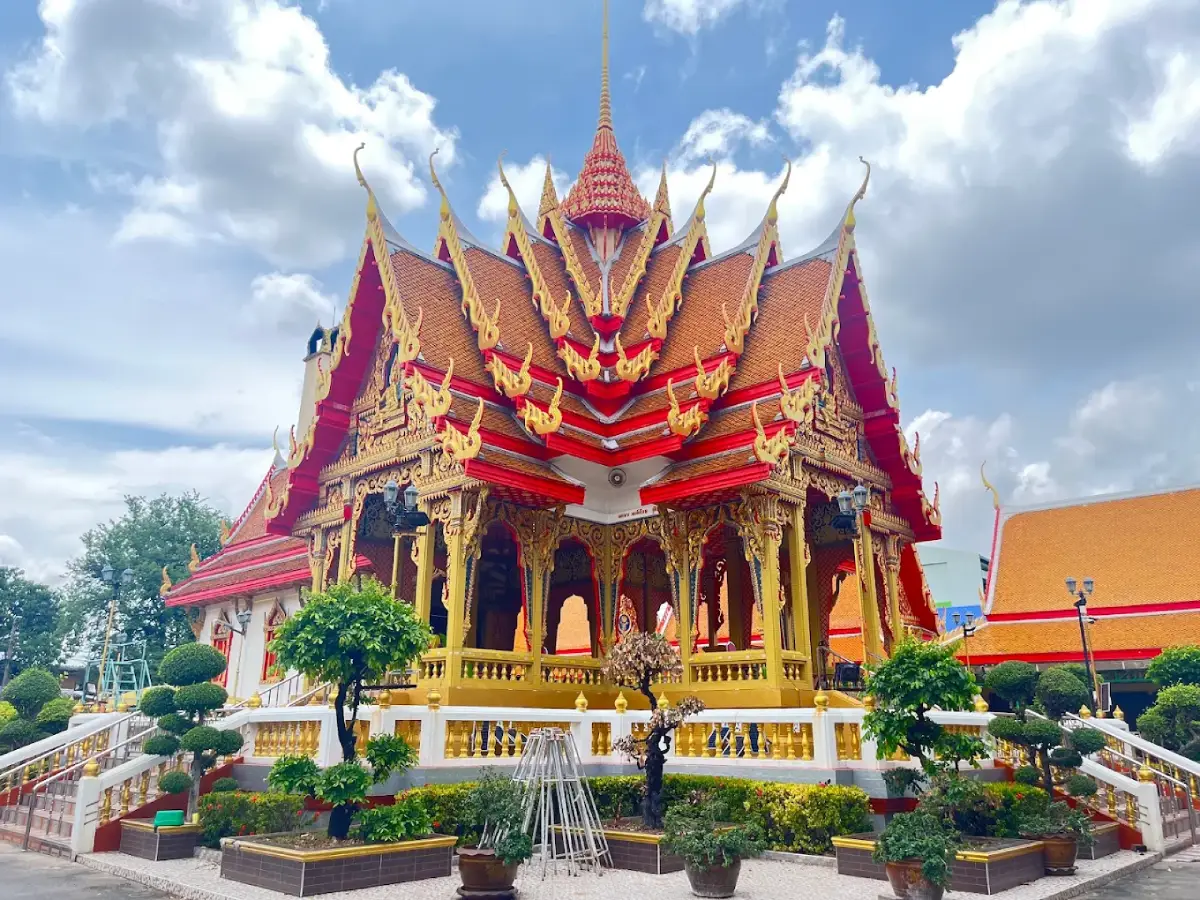
The ordination hall is the main Buddhist ritual space of the temple. Temple history records an ordination hall measuring 20 meters wide and 23 meters long, built in 1927. Its gable decoration includes Thai ornamental motifs with Indra riding the Erawan elephant, a classic image in Thai religious art. Although the temple has changed and developed over time, the ordination hall remains the central ecclesiastical space of the temple and the most appropriate place to begin a respectful visit.
Important sacred objects recorded in temple history include Luang Pho Yuem, a Mara-Vijaya Buddha image with a lap width of 50 centimeters, and a Naga-protected Buddha image. The current temple compound also includes Luang Pho Yim, a Buddha image widely mentioned by visitors. Luang Pho Yim gives a gentle and auspicious impression, and worshippers often pray for calmness, happiness, and a smoother path through daily difficulties.
Education has long been another role of Wat Mahabut. Temple records mention Buddhist scripture education and a primary school established on temple land. This means the temple has served not only ritual needs but also learning and moral formation in the local community. Monks, novices, students, teachers, parents, and residents have all been connected with the temple in different ways.
The presence of Wat Mahabut School nearby reinforces the traditional relationship between home, temple, and school in Thai society. The temple compound therefore remains active on ordinary days, not only during weekends or shrine festivals. It continues to support education, discipline, morality, community identity, and local cultural continuity.
Wat Mahabut remains active today. Recent Kathin information records 40 monks in residence and identifies Phra Khru Wisitkitjarak as the abbot. The temple’s own website continues to publish announcements for activities such as Kathin ceremonies, Mahachat sermons, memorial ceremonies, royal offering ceremonies, and events scheduled across 2025 and 2026. This confirms that the temple is still functioning as an active religious and community site.
Phra Khru Withankitchathon, Prasert Kittisaro Phuengthong, was an important former abbot of Wat Mahabut. His name appears in major temple activities, including royal offering ceremonies. After his passing, the temple held memorial rites attended by monastic leaders, Suan Luang District officials, and local Buddhists. This reflects the temple’s continuing relationship with the surrounding community and local public institutions.
The atmosphere of Wat Mahabut differs from that of a large, formal sightseeing temple. It is a place used throughout the day by worshippers, devotees of Yaa Nak, local residents, families attending rites, students, and visitors exploring the On Nut area. On weekdays, the temple can feel calmer and more suitable for a quiet visit. On weekends, Buddhist holy days, and especially around lottery periods, the Yaa Nak Shrine becomes much busier.
Visitors should be especially respectful at the Yaa Nak Shrine because many people come with personal hopes and emotional concerns. Loud voices, blocking worshippers, touching offerings unnecessarily, or ignoring shrine rules should be avoided. Photography should be done only where permitted and in a way that respects the privacy of other visitors.
Culturally, Wat Mahabut is a strong example of how a Thai folk legend can remain alive in a real place. The story of Mae Nak is not limited to books, films, dramas, or popular media. It is tied to a shrine where people still come to pray, make offerings, and connect the legend with their own lives. The temple is therefore a meeting point of Buddhism, local belief, community memory, and Thai popular culture.
The temple also reflects the transformation of On Nut from a canal-side area into a modern urban district. Khlong Phra Khanong and Khlong Prawet Burirom were once important for travel, settlement, and local life. Today, Sukhumvit 77, the BTS Skytrain, buses, taxis, and motorcycle taxis make the temple easier to reach. Yet the canal-side memory remains visible through the Mae Nak legend, fish release activities, and the temple’s continuing relationship with local waterways.
A well-planned visit should begin at the main Buddhist worship area, then continue to the Yaa Nak Shrine at the rear of the temple, followed by Luang Pho Yim and the canal-side merit-making areas. This route helps visitors understand Wat Mahabut not only as a famous shrine but as a complete temple with Buddhist worship, community life, ritual practice, and a powerful local legend.
Those interested in the Mae Nak legend should approach it as living cultural heritage rather than only as a ghost story. The heart of the legend is love, loyalty, longing, and human attachment. While films and dramas often emphasize fear, many worshippers understand Yaa Nak as a symbol of steadfast love, compassion, and hope for a stable family life. This is why the shrine continues to attract visitors of many backgrounds.
Getting There is convenient via Sukhumvit 77 Road, also known as On Nut Road. Visitors can enter Soi On Nut 7, where temple signage is visible. Public transport users can take the BTS Skytrain to On Nut Station and continue by taxi, motorcycle taxi, songthaew, bus, or a walk depending on preference. The route from the main On Nut road to the temple is not far, but visitors should allow extra time on weekends and busy shrine days.
Visitors arriving by private car can navigate to Wat Mahabut, Soi On Nut 7, Suan Luang District. The lanes around the temple are part of a dense local neighborhood with pedestrians, motorcycles, shops, and local vehicles. After visiting, the temple can be combined with nearby places such as Wat Tai, Wat Yang, Wat Pak Bo, People Park On Nut, Habito Mall, Gateway Ekamai, or the BTS On Nut area.
Appropriate conduct is important throughout the temple. Visitors should dress respectfully, speak quietly, avoid disturbing monks and worshippers, and be careful when ceremonies or funerals are taking place. Photography should not interfere with worship or private rites. Since Wat Mahabut is used by both local residents and visitors, respectful behavior helps preserve the atmosphere of the temple for everyone.
Overall, Wat Mahabut has value on many levels. It is a late Ayutthaya-period temple, a Mahanikaya community temple, a living religious site in On Nut, a place of devotion to Yaa Nak, and a cultural landmark tied to one of Thailand’s most famous legends. It shows that Bangkok’s temples are not valuable only for architecture. They also preserve stories, memories, beliefs, and relationships between temple and community across generations.
For visitors looking for a Bangkok temple with history, faith, cultural meaning, and convenient access, Wat Mahabut is a highly worthwhile stop. Paying respect to the Buddha, visiting the Yaa Nak Shrine, walking through the temple grounds, and experiencing the old canal-side memory of On Nut reveal a deeper side of Bangkok beyond the image of a modern city. Behind the busy roads and dense buildings, old temples, community shrines, and local legends remain alive.
| Name | Wat Mahabut |
| Popular Names | Wat Mae Nak Phra Khanong, Wat Yaa Nak |
| Type | Local Buddhist Temple Under The Mahanikaya Order |
| Location | Suan Luang Subdistrict, Suan Luang District, Bangkok |
| Address | 749 Soi On Nut 7, Sukhumvit 77 Road, Suan Luang, Suan Luang District, Bangkok 10250, Thailand |
| Coordinates | 13.71485, 100.60701 |
| Highlights | Yaa Nak Phra Khanong Shrine, Late Ayutthaya-Period Temple History, Luang Pho Yim Vihara, And A Living Community Temple Atmosphere In On Nut |
| History | Traditionally Founded Around 1762 In The Late Ayutthaya Period, With Phra Maha But From Wat Liap Remembered As The Monk Who Led The Temple’s Establishment And Restoration |
| Name Origin | The Name Wat Mahabut Is Connected With Phra Maha But, The Monk Associated With The Temple’s Establishment And Restoration In Local History |
| Abbot / Caretaker | Phra Khru Wisitkitjarak |
| Important Former Abbot | Phra Khru Withankitchathon (Prasert Kittisaro Phuengthong) |
| Monks In Residence | 40 Monks According To The 2025 Nationwide Kathin Project Information |
| Main Areas / Zones | Ordination Hall, Sermon Hall, Multipurpose Hall, Luang Pho Yim Vihara, Yaa Nak Shrine, Merit-Making Areas, Temple Courtyard, Fish Release Area, Parking Area, And Canal-Side Areas |
| Important Sacred Objects | Yaa Nak Phra Khanong Shrine, Luang Pho Yim, Luang Pho Yuem, Naga-Protected Buddha Image, Thao Wessuwan, Phra Rahu, And Phra Chao Than Jai |
| Related Rituals / Traditions | Yaa Nak Worship, Love And Family Blessing Prayers, Buddhist Holy Day Merit-Making, Kathin Ceremonies, Mahachat Sermons, Monthly Chanting For Yaa Nak On The 20th Day, And Suan Luang Community Buddhist Activities |
| Facilities | Halls, Merit-Making Areas, Toilets, Parking Area, Offering Stalls, Canal-Side Area, And Fish Release Area |
| Travel Information | Accessible From Sukhumvit 77 Road Or On Nut Road Via Soi On Nut 7, Or From BTS On Nut Station With A Taxi, Motorcycle Taxi, Songthaew, Bus, Or Local Transport Connection |
| Current Status | Active Local Buddhist Temple And Important Religious Site For The On Nut-Suan Luang Community, With Monks In Residence And Continuing Buddhist Activities |
| Open Days | Daily |
| Opening Hours | 07.30 – 17.00 |
| Main Contact Numbers | 02-311-3636, 02-311-2183, 080-567-5325 |
| Nearby Tourist Attractions | 1. Wat Tai, About 0.7 Km 2. BTS On Nut Station, About 1.5 Km 3. Wat Yang Luang Pho To, About 2 Km 4. Wat Pak Bo, About 3 Km 5. Habito Mall, About 3 Km 6. People Park On Nut, About 3 Km 7. Wat That Thong, About 4 Km |
| Nearby Restaurants | 1. Duang Old On Nut Market Branch 2, On Nut 7 Wat Mahabut, About 0.2 Km, Tel. 095-164-6364 2. MiSa Suan Luang, About 0.5 Km, Tel. 099-213-0937 3. Blue Mountain Coffee Wat Mahabut, About 0.3 Km, Tel. 098-456-3292 4. Tum Muan Lhay On Nut 7/1, About 1 Km, Tel. 091-655-0969 5. Fu Chai Pork Blood Soup On Nut 15, About 2 Km, Tel. 082-952-2442 6. Steak Friends BTS On Nut Street Food Market, About 2 Km, Tel. 099-184-2506 |
| Nearby Accommodations | 1. The Bedrooms Boutique Hotel, About 2 Km, Tel. 089-485-7048 2. Avani Sukhumvit Bangkok Hotel, About 2 Km, Tel. 02-079-7555 3. Hotel Amber Sukhumvit 85, About 2.5 Km, Tel. 02-311-4444 4. Qiu Sukhumvit Hotel, About 2 Km, Tel. 02-730-3277, 099-108-0777 5. Kokotel Bangkok Sukhumvit 50, About 3 Km, Tel. 02-333-1350, 065-629-5040 |
Frequently Asked Questions (FAQ)
Q: Where Is Wat Mahabut Located?
A: Wat Mahabut is located at 749 Soi On Nut 7, Sukhumvit 77 Road, Suan Luang Subdistrict, Suan Luang District, Bangkok 10250. It is easy to reach from BTS On Nut Station with a local transport connection.
Q: Why Is Wat Mahabut Also Called Wat Mae Nak Phra Khanong?
A: The temple is widely called Wat Mae Nak Phra Khanong because the Yaa Nak Shrine, or Mae Nak Phra Khanong Shrine, is located inside the temple compound.
Q: When Was Wat Mahabut Founded?
A: Wat Mahabut is traditionally believed to have been founded around 1762 in the late Ayutthaya period, with Phra Maha But from Wat Liap remembered as the monk who led the temple’s establishment and restoration.
Q: What Do People Pray For At The Yaa Nak Shrine?
A: Visitors commonly pray for love, family stability, peace of mind, good fortune, children, and important personal matters. Visitors should follow the shrine’s rules and behave respectfully.
Q: What Sacred Objects Can Visitors Worship At Wat Mahabut?
A: Important worship points include the Yaa Nak Phra Khanong Shrine, Luang Pho Yim, Luang Pho Yuem, a Naga-protected Buddha image, Thao Wessuwan, Phra Rahu, and Phra Chao Than Jai.
Q: What Are The Opening Hours Of Wat Mahabut?
A: Wat Mahabut is open daily from 07.30 to 17.00.
Q: Who Is The Current Abbot Or Caretaker Of Wat Mahabut?
A: The current abbot recorded in recent temple information is Phra Khru Wisitkitjarak.
Q: How Can Visitors Get To Wat Mahabut?
A: Visitors can travel via Sukhumvit 77 Road or On Nut Road and enter Soi On Nut 7. Public transport users can take the BTS Skytrain to On Nut Station and continue by taxi, motorcycle taxi, songthaew, bus, or other local transport.
 Category: ●Places of Worship
 Group: ●Temple
Last Update : 2 MonthAgo
 Last Update : 2 MonthAgo
 Click to Access the Navigation Map GPS
Wat Mahabut Map
Recommend

 Phra Nakhon(24)Dusit(17)Khlong San(7)Khlong Toei(3)Jatujak(2)Don Muang(5)Taling Chan(26)Thon Buri(23)Bangkok Noi(31)Bangkok Yai(13)Bang Kapi(5)Bang Kun Tien(15)Bang Khen(3)Bang Kholam(10)Bang Sue(9)Bang Plad(23)Bang Rak(6)Chom Thong(16)Bung Kum(5)Pra Wet(6)Patum Wan(6)Pom Prap Sattru Phai(11)Paya Thai(1)Pra Kanong(4)Pa Sri Charoen(23)Min Buri(7)Yan Na Wa(8)Ratchathewi(4)Rat Burana(6)Lat Krabang(13)Nong Chok(16)Lat Phrao(4)Sathorn(4)Sam Phan Tha Wong(12)Nong Khaem(7)Huai Khwang(3)Suan Luang(7)Din Daeng(2)Lak Si(1)Sai Mai(8)Khan Na Yao(2)Wang Thong Lang(1)Klong Sam Wa(10)Watthana(2)Bang Na(4)Thawi Watthana(3)Bang Khae(5)Thung Khru(4)Bang Bon(3)


