
lovethailand home >Central Travel Attractions >Phranakhon Si Ayutthaya Travel Attractions >Phranakhon Si Ayutthaya >Tha Wasukri > Wat Choeng Tha
TL;DR: Wat Choeng Tha is located at Tha Wasukri Subdistrict, Phra Nakhon Si Ayutthaya District, Phra Nakhon Si Ayutthaya (Northern Ayutthaya Island, along Khlong Mueang /, open Daily, hours 08:00 – 17:30.
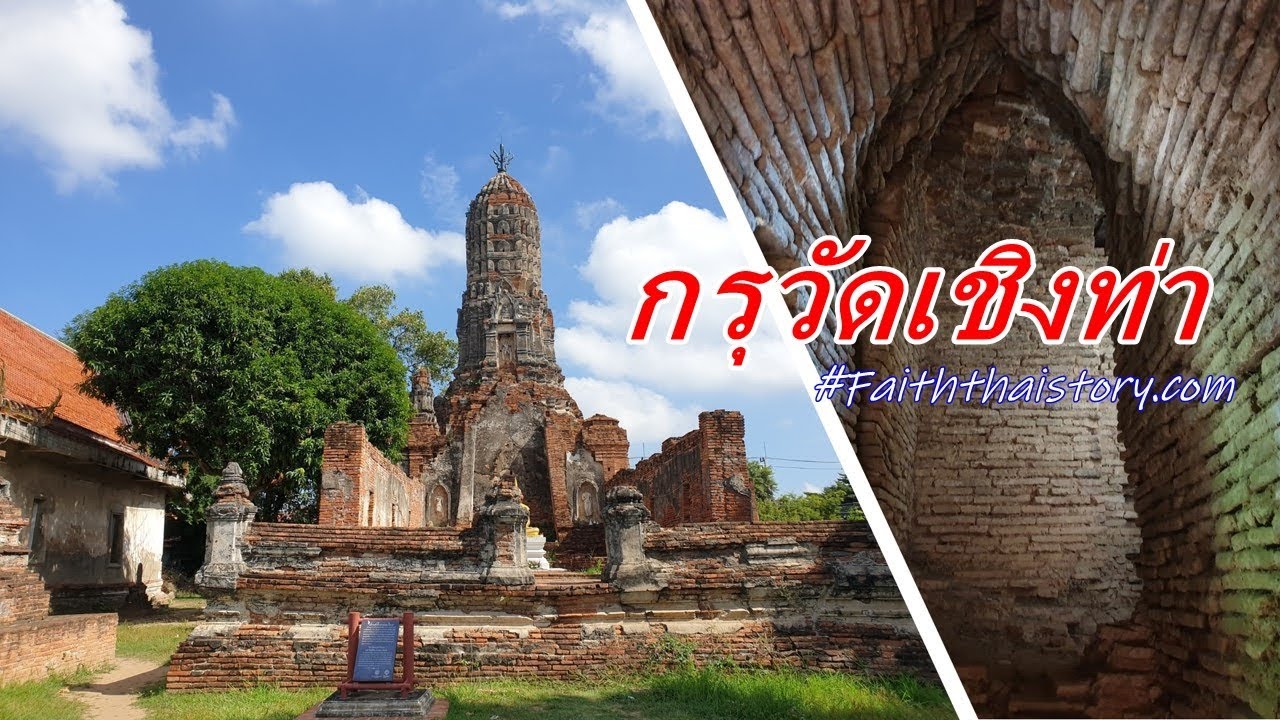
Wat Choeng Tha

Open Days: Daily
Opening Hours: 08:00 – 17:30
Wat Choeng Tha (Wat Kosawas / Wat Khoi Tha / Wat Tin Tha) is an old riverside temple on the left bank of Khlong Mueang (the former Lopburi River), in Tha Wasukri Subdistrict, Phra Nakhon Si Ayutthaya. What makes it quietly special is the way a living, functioning temple and an archaeological site share the same space without feeling forced. If you like Ayutthaya but don’t love weaving through heavy crowds, Wat Choeng Tha often hits the sweet spot: it’s easy to reach and still sits within the island’s main touring area, yet it doesn’t feel like a place designed only for quick photos. You can slow down, read the space, and start to sense that this temple holds more layers of names and time than many people expect.
The temple lies in the northern part of Ayutthaya Island, right along Khlong Mueang—one of the city’s historically important waterways—directly opposite Fort Thaisanom and the Pak Tho canal. Just standing here makes the meaning of the name “Choeng Tha” (by the landing/jetty) feel obvious. Ayutthaya was a city of water, and temples by the riverbank were natural nodes where people passed through, entered and exited the city, stopped to make merit, rested, and exchanged news. Places like this tend to collect stories: names that shift with different eras, and local tales carried forward by the community.
The most distinctive local tale tied to Wat Choeng Tha is the “wedding house legend.” The story says a wealthy man had a beautiful daughter who fell in love with a young man and ran away with him. The father waited for her return and built a bridal house for her, but after many years she never came back. In the end, he built a temple and donated that bridal house to it. This kind of legend isn’t only meant to be touching; it reflects an older Thai way of thinking that often transforms loss into merit-making—giving sorrow a place to settle, and ensuring that what was built would not be wasted. The story is also commonly linked to one of the temple’s older names, “Wat Khoi Tha” (the temple of waiting at the landing), which instantly evokes the feeling of longing and patience. Even if every detail can’t be historically verified, as community memory it gives the temple a personality that is easy to remember and different from temples known only through court-centered history.
This temple has also been known by several names across different periods, including Wat Khoi Tha, Wat Tin Tha, and Wat Khlang. One account associated with the reign of King Narai says that Chao Phraya Kosapan restored the temple and renamed it “Wat Kosawas.” Later, it is said to have been repaired again in the reign of King Borommakot, after which the name “Wat Choeng Tha” became the one commonly used to the present day. These shifting names matter because they hint at how a single temple can reflect political and social currents. In many cases, a temple’s name becomes connected to influential figures, caretakers, or the economic character of a riverside community.
In terms of atmosphere, Wat Choeng Tha is not an over-the-top monumental complex like some of the best-known royal sites, but it has a complete set of key elements and a clear separation between the archaeological zone and the active monastic area. It can feel like two worlds sharing one footprint: one side carries the texture of old Ayutthaya through brick structures and weathered surfaces, while the other side continues everyday religious life with resident monks, routine merit-making, and local visitors. That “still alive” quality is a big part of the charm—it doesn’t feel like a museum set, but a temple that continues to breathe.
A satisfying way to begin is to walk the archaeological area first to collect the overall layout. You may encounter an ubosot, viharn, chedi structures, a bell tower, boundary walls, and other historic remnants in one place. Even if you need time to read each element closely, the mood is unmistakably Ayutthaya: sun-warmed red brick, surfaces that show repairs across different periods, and proportions that reveal how sacred architecture was conceived and maintained through changing times.
Another thread that many visitors enjoy exploring is the temple’s murals and interior art. When you look closely, wall paintings are rarely just “pretty”—they are visual documents of how people lived: clothing, tools, architecture, and everyday beliefs woven into Buddhist storytelling. Wat Choeng Tha works well for travelers who like to slow down and notice these details rather than simply paying respects and leaving. It rewards patient looking, the kind that lets the temple speak through what remains on its surfaces and in the rhythm of its spaces.
The riverside setting is also a major part of the experience. Especially in the early morning or late afternoon, softer light brings out the depth of brick, trees, and the canal-side edge, making the “water city” character of Ayutthaya feel immediate and real. If you enjoy photography, the most evocative shots often come from pairing brick walls and historic textures with the canal backdrop—an image that explains Ayutthaya’s relationship with water without needing captions.
For visitors who enjoy modern cultural connections, Wat Choeng Tha has also been mentioned in “Buppesannivas” location-trail conversations as a temple associated with merit-making scenes and memorable moments, which brought renewed interest during the show’s peak popularity. It’s a sweet reminder that contemporary shared memory can lead people back to historic places. Even so, the temple often keeps a calm, unhurried atmosphere, and on quieter days it can feel like you have enough personal space to absorb the old city properly.
Because Wat Choeng Tha is still an active temple, it’s best visited with the same respect you would bring to any place of worship. Dress modestly, keep your voice down, avoid climbing or touching fragile structures, and if you enter buildings with artworks or murals, avoid flash photography and standing too close to delicate surfaces. On major Buddhist days the temple may be busier, but if you want a truly peaceful walk, early weekday mornings are often the most comfortable time to go.
Getting There If you’re driving, set your map pin to “Wat Choeng Tha” or “วัดเชิงท่า (อยุธยา)”. The temple is in Tha Wasukri Subdistrict, on the northern side of Ayutthaya Island, along Khlong Mueang. You can enter the island area and head toward the northern canal-side zone without much complexity. If you arrive by train, get off at Ayutthaya Railway Station and continue by taxi, local hired transport, or a ride-hailing app into the island area, then onward to the northern canal zone. If you come by van or bus from Bangkok, you can transfer in the city center and continue into the island area by local transport. For an efficient cluster plan, pair Wat Choeng Tha with Wat Na Phra Meru, Chankasem National Museum, and nearby riverside/canal-side spots, since they connect easily by short travel times.
To sum it up without flattening its character: Wat Choeng Tha is a temple you can read through its shifting names, its community legend, and its canal-side setting that keeps Ayutthaya’s water-city identity in plain view. If you want an Ayutthaya stop that isn’t rushed, isn’t overly crowded, and still carries layers worth unpacking, Wat Choeng Tha is a quietly strong choice—especially for travelers who like temples that are still lived-in, not just ruins you walk past.
| Name | Wat Choeng Tha (Wat Kosawas / Wat Khoi Tha) |
| Place Summary | A historic canal-side temple on Ayutthaya Island that blends an archaeological zone with a living, active temple. Known for its multiple names across eras and a local “wedding house” legend, it suits visitors who want a calmer Ayutthaya experience with layered stories and riverside atmosphere. |
| Highlights | Canal-side setting that reflects Ayutthaya’s water-city identity – Multiple historical names (Wat Khoi Tha / Wat Kosawas / Wat Choeng Tha) – Local legend of a wealthy man donating a bridal house – Mix of historic remnants and active worship areas – Mentioned in modern pop-culture travel talk as a filming-related temple stop |
| Period | Believed to date to the Ayutthaya period, with accounts of restorations during King Narai’s reign and later repairs under King Borommakot. |
| Key Evidence | Historic architectural elements within the archaeological zone (such as an ubosot, viharn, chedi structures, bell tower, and boundary walls), alongside ongoing religious use by the local community. |
| Name Origin | Known by multiple names across eras, including “Wat Khoi Tha” linked to a local waiting/bridal-house legend and “Wat Kosawas” associated with a restoration attributed to Chao Phraya Kosapan, before the name “Wat Choeng Tha” became commonly used. |
| Abbot (Latest) | Phra Athikan Songsoem Samo |
| Address | Tha Wasukri Subdistrict, Phra Nakhon Si Ayutthaya District, Phra Nakhon Si Ayutthaya (Northern Ayutthaya Island, along Khlong Mueang / former Lopburi River) |
| Getting There | Drive: set pin to “Wat Choeng Tha” and head to the northern canal-side zone of Ayutthaya Island – Train: arrive at Ayutthaya Station, then take taxi/local transport/ride-hailing into the island area – Bus/Van: transfer in the city center, then continue into the island area by local transport |
| Facilities | Worship areas and merit-making spaces – Open courtyard for walking through historic remnants – Canal-side viewing atmosphere (availability may vary by temple management and timing) |
| Fees | Free entry (donations welcome) |
| Current Status | Open to visitors and operating as an active temple (no indication of permanent closure). |
| Contact Number | 035-328-030, 035-328-031 |
| Nearby Tourist Attractions With Distance | 1) Wat Na Phra Meru Ratchikaram – approx. 1 km 2) Chankasem National Museum – approx. 2 km 3) Chao Sam Phraya National Museum – approx. 3 km 4) Wat Mahathat – approx. 4 km 5) Wat Phra Si Sanphet – approx. 4 km |
| Popular Restaurants Nearby With Distance And Phone | 1) Baan Mai Rim Nam Ayutthaya – approx. 4 km – 035-242-248 2) Pae Krung Kao – approx. 4 km – 035-241-555 3) Baan Pomphet – approx. 5 km – 035-242-242 4) Abideen-Pranom Saima (Roti Sai Mai) – approx. 6 km – 089-005-9948 5) Malakor Kitchen and Cafe – approx. 6 km – 09-1779-6475 |
| Popular Accommodations Nearby With Distance And Phone | 1) Krungsri River Hotel – approx. 5 km – 035-244-333 2) The Avail Hotel Ayutthaya – approx. 5 km – 035-244-456 3) sala ayutthaya – approx. 6 km – 035-242-588 4) Classic Kameo Hotel Ayutthaya – approx. 8 km – 035-212-535 5) Centara Ayutthaya – approx. 10 km – 035-243-555 |
Frequently Asked Questions (FAQ)
Q: Where is Wat Choeng Tha located in Ayutthaya?
A: It is in Tha Wasukri Subdistrict on the northern side of Ayutthaya Island, along Khlong Mueang (the former Lopburi River), near key island-area museums and temples.
Q: What are the opening hours of Wat Choeng Tha?
A: It is generally open daily from 08:00 to 17:30, though times can shift on religious days or due to temple operations.
Q: Is there an entrance fee at Wat Choeng Tha?
A: Entry is generally free, and visitors may donate according to personal faith and tradition.
Q: Why does Wat Choeng Tha have multiple names such as Wat Kosawas and Wat Khoi Tha?
A: The temple is associated with different eras and stories. Some names are linked to local legend (such as the “waiting” tale behind Wat Khoi Tha), while others are tied to accounts of restorations and historical figures (such as Wat Kosawas).
Q: What should visitors wear or be mindful of when visiting Wat Choeng Tha?
A: Dress modestly, keep noise low, avoid touching or climbing fragile structures, and refrain from using flash in areas with artworks or sensitive surfaces to help preserve the site.
 Category: ●Places of Worship
 Group: ●Temple
Last Update : 10 MonthAgo
 Last Update : 10 MonthAgo
 Click to Access the Navigation Map GPS
Wat Choeng Tha Map
Recommend

 Art, Culture and Heritage
 Historical Sites and Monuments(7)
 Landmarks and Memorials(6)
 Royal Palace(4)
 Art, Craft Centres, Tradition(6)
 Museums(9)
 Educational Places
 Museum for Study(1)
 Educational Gardens, Farm(2)
 Training Center(1)
 University
 Autonomous Universities(2)
 Rajamangala University of Technology(2)
 Rajabhat University(1)
Temple(134)
 Church(2)
 Mosque(2)
 Other Sacred Sites(15)
 Research and Development
 Royal Project(4)
 Suburban Living
 Village, Community(10)
 Local Market(7)
 Floating Market(3)
 Nature and Wildlife
 Dam, Reservoir, Lake(1)
 River, Canal(3)
 Islands(2)
 Other natural attractions(1)
 Entertainment and Agricultural
 Animal camps and shows(2)
 Farms, Parks and Ecotourism(4)
 Waterpark(1)
 Travel Articles, Recipes
 Travel Review, Food Review(3)


