
lovethailand home >North Travel Attractions >Tak Travel Attractions >Ban Tak >Thong Fa > Doi Soi Malai
TL;DR: Doi Soi Malai is located at Within Mae Tuen Wildlife Sanctuary, Tak Province, open Prior permission from officials is required before entering the area, hours Please contact officials before traveling.
Doi Soi Malai
Open Days: Prior permission from officials is required before entering the area
Opening Hours: Please contact officials before traveling
Doi Soi Malai in Tak Province is a hidden highland nature destination located within Mae Tuen Wildlife Sanctuary. Rising to about 1,600 meters above mean sea level, the mountain is known for its cool-climate pine forest, morning sea of mist, peaceful camping atmosphere, panoramic views, and rare wildlife such as salamanders, locally known as water geckos. It is a destination for travelers who want to experience a quieter and more conservation-focused side of Tak’s mountain landscape.
Doi Soi Malai is not a typical roadside viewpoint. It is located inside a protected wildlife sanctuary, so visitors must treat the area as a conservation landscape. Travelers should contact officials before entering, especially through Mae Tuen Wildlife Sanctuary or Kio Sam Lo Forest Protection Unit. Permission, current road conditions, camping rules, weather, and safety guidelines should be checked before every trip. This is especially important because the route includes mountain roads, unpaved sections, steep slopes, and areas where phone signal may be limited.
The mountain is part of the broader Mae Tuen forest landscape, an important protected area in Tak Province. The terrain includes high ridges, valleys, pine forest, mixed forest, and small wet habitats that support plants and wildlife adapted to cooler and more humid highland conditions. This makes Doi Soi Malai more than a scenic stop. It is an ecological area with a distinct natural character and should be visited with care and respect.
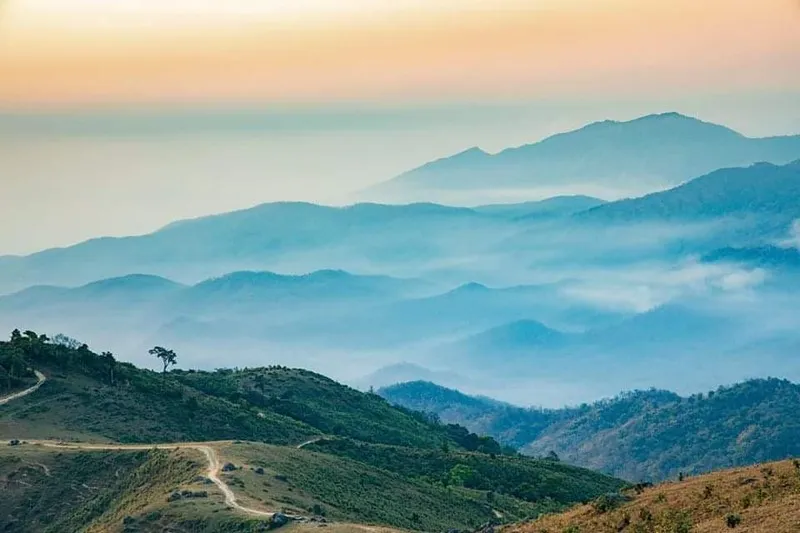
The most memorable experience at Doi Soi Malai is the early morning sea of mist. Before sunrise, mist often floats across the valleys and forested slopes. As the first light touches the ridgelines, the landscape slowly reveals layers of mountains, pine silhouettes, and soft golden light. Travelers who camp overnight in designated areas can enjoy this atmosphere more fully, waking up to cool air, silence, and a wide natural view that feels far removed from busy tourist routes.
The best time to visit is generally from the late rainy season through the cool season, especially from November to January. During this period, the air is cool, the forest remains fresh, and the chance of seeing morning mist is higher. The late rainy season can offer greener forest scenery, while the cool season provides crisp air and better camping conditions. Still, visitors should always check official updates because mountain weather can change quickly, with fog, wind, or rain affecting travel safety.
One of the most distinctive natural highlights of Doi Soi Malai is the salamander, or water gecko. This rare amphibian has a lizard-like appearance and a pale pink body. Its presence indicates a sensitive and healthy highland ecosystem, because salamanders depend on clean, moist, and cool habitats. Visitors should not try to touch, catch, chase, or disturb them. If seen, they should be observed quietly from a safe distance.
For conservation-minded travelers, the salamander is a reminder that Doi Soi Malai is a living habitat rather than a display area. Flash photography at close range, stepping into wet habitats, or disturbing small streams can harm delicate species. Responsible travel means observing nature without changing its condition. The best wildlife experience is one that leaves no trace behind.
The cool-climate pine forest is another defining feature of the mountain. Tall pine trees along the ridges create an open, calm atmosphere, especially in the morning and late afternoon. Light filtering through the pine branches gives the landscape a soft and peaceful quality. Visitors should stay on permitted routes, avoid trampling ground plants, and never light fires outside designated areas. Pine forest ecosystems can be sensitive to fire and human disturbance.
Beyond the pine forest, the surrounding landscape includes mixed deciduous forest and other natural forest zones connected with Mae Tuen Wildlife Sanctuary. This diversity supports birds, insects, reptiles, amphibians, and small mammals. Travelers who walk slowly and quietly may notice bird calls, forest sounds, changes in vegetation, and signs of wildlife along the route. Doi Soi Malai is therefore suitable for nature observation as much as for scenic photography.
On clear days, some viewpoints around Doi Soi Malai allow visitors to see toward Bhumibol Dam reservoir. This view helps connect the mountain landscape with the larger watershed system of Tak Province. The forests of highlands like Doi Soi Malai help protect water sources, stabilize slopes, and maintain ecological balance. The scenery is beautiful, but it also shows the relationship between forest, mountain, water, and local life.
Camping is one of the most popular activities at Doi Soi Malai, but it must be done only in areas designated by officials. Visitors should not camp outside permitted zones, play loud music, leave food scraps, or feed wildlife. Food waste can attract animals and alter their behavior. A good camping experience in a protected area should be quiet, low-impact, and respectful of other visitors and wildlife.
Travelers planning to stay overnight should prepare carefully. Essential items include a tent, sleeping bag, sleeping mat, warm clothing, windbreaker, flashlight or headlamp, power bank, drinking water, food, personal medicine, rain protection, waterproof bags, and a personal trash bag. Even in the cool season, mountain weather can change quickly, so rain protection and warm layers are still important.
Getting There is mainly via Highway 1175 on the Ban Tak – Mae Ramat route. From Tak city, travelers can head toward Ban Tak District and continue onto Highway 1175. From Mae Ramat, the same highway connects toward Ban Tak. The final access route to Doi Soi Malai should follow the route currently permitted by officials. A high-performance vehicle or four-wheel-drive vehicle is recommended because some sections may be unpaved, steep, narrow, or slippery after rain.
Visitors should start the journey in the morning or during daylight hours. This provides enough time to contact officials, check road conditions, drive mountain sections safely, and set up camp before dark. Online maps should not be the only source of navigation because phone signal may be limited and road conditions can change. Local advice from officials or experienced drivers is highly valuable.
Doi Soi Malai is best suited for travelers who value nature, quietness, and conservation rather than convenience. Facilities are limited compared with mainstream tourist destinations. The reward is a more peaceful experience: cold air, pine forest, mist, stars, mountain views, and the feeling of being close to a protected highland ecosystem.
A trip to Doi Soi Malai can be combined with Mae Tuen Wildlife Sanctuary, Doi Khun Mae Tuen, Khun Phawo National Park, Huai Mae Khai Waterfall Forest Park, the Petrified Wood Forest Park area, and Bhumibol Dam. However, distances in this mountain region take longer than they appear on a map, so itineraries should not be too crowded. A 2-day, 1-night trip is more suitable for visitors who want to enjoy sunrise, mist, and camping without rushing.
Restaurants and accommodation near Doi Soi Malai are limited. Most practical food and lodging options are found in Ban Tak or Mae Ramat districts. Travelers should plan meals before going up the mountain and bring only what they can manage responsibly. All trash must be taken back out. Those who prefer more comfort may stay in Ban Tak or Mae Ramat first, then travel toward the mountain on the following morning.
For sunrise and mist viewing, visitors should prepare before dawn. Wear warm clothing, carry a flashlight, and walk only to safe viewpoints permitted by officials. Avoid standing near steep edges or unstable ground, especially when visibility is reduced by mist. Photography should never come before safety.
Good manners in a protected area are essential. Do not use drones without permission, do not play loud music, do not light fires outside designated areas, do not leave cigarette butts, do not collect plants, and do not touch wildlife. Doi Soi Malai is home to many living species. Visitors are temporary guests, and responsible travel should leave the mountain unchanged after departure.
Overall, Doi Soi Malai is one of Tak Province’s most rewarding highland destinations for travelers who appreciate quiet nature, cool pine forest, sea of mist, camping, rare wildlife, and conservation landscapes. With proper preparation, official permission, and respect for the environment, the mountain offers a deep and memorable experience within the Mae Tuen forest ecosystem.
| Name | Doi Soi Malai |
| Location | Within Mae Tuen Wildlife Sanctuary, Tak Province |
| Address | Doi Soi Malai area, Mae Tuen Wildlife Sanctuary, along Highway 1175, Ban Tak – Mae Ramat route, Tak Province |
| Highlights | Cool-climate pine forest, morning sea of mist, cool weather, mountain views, Bhumibol Dam reservoir views, salamanders or water geckos, and camping in a natural highland setting |
| History | An important high peak within Mae Tuen Wildlife Sanctuary, approximately 1,600 meters above mean sea level, and a valuable highland ecosystem in Tak Province |
| Name Origin | Doi Soi Malai is the local name of this high mountain area in the Mae Tuen forest landscape, known for pine forest, viewpoints, and nature routes |
| Distinctive Features | Highland terrain in a protected forest area with cool-climate pine forest, mixed forest, small wet habitats, sea-of-mist viewpoints, and salamander habitat |
| Travel Information | Use Highway 1175 on the Ban Tak – Mae Ramat route, then continue on the access route currently permitted by officials. A high-performance or four-wheel-drive vehicle is recommended |
| Current Status | A nature tourism area within Mae Tuen Wildlife Sanctuary. Prior permission and compliance with official regulations are required before ascending or camping |
| Open Days | Prior permission from officials is required before entering the area |
| Opening Hours | Please contact officials before traveling |
| Facilities | Designated camping areas, viewpoints, nature routes, and official contact points for permission before ascending the mountain |
| Main Areas / Zones | Doi Soi Malai summit area, cool-climate pine forest, sea-of-mist viewpoints, Bhumibol Dam reservoir viewpoints, designated camping areas, and Kio Sam Lo Forest Protection Unit |
| Caretaker | Department of National Parks, Wildlife and Plant Conservation / Mae Tuen Wildlife Sanctuary and Kio Sam Lo Forest Protection Unit |
| Main Contact Number | Mae Tuen Wildlife Sanctuary Tel. 055-519609 / TAT Tak Office Tel. 055-514341 to 3 / Doi Soi Malai-Petrified Wood National Park Tourism Section Tel. 064-0076363 |
| Official Website / Official Page | Mae Tuen Wildlife Sanctuary, Thong Fa Subdistrict Administrative Organization, Doi Soi Malai-Petrified Wood National Park, Tourism Authority of Thailand |
| Nearby Tourist Attractions | 1. Mae Tuen Wildlife Sanctuary, about 20 km 2. Doi Khun Mae Tuen, about 20 km 3. Khun Phawo National Park, about 45 km 4. Huai Mae Khai Waterfall Forest Park, about 50 km 5. Petrified Wood Forest Park / Petrified Wood Museum Area, about 55 km 6. Bhumibol Dam, Sam Ngao District, about 95 km |
| Nearby Restaurants | 1. Local Restaurants in Ban Tak Area, about 45 km 2. Food & Cafe' Klang Tao Manut Hin, about 55 km 3. Yui Ahan Tam Sang, about 50 km, Tel. 089-2725944 4. Caffeine Cafe Ban Tak, about 55 km 5. Bantak Cafe and Wine Garden, about 55 km 6. Local Restaurants in Mae Ramat Area, about 60 km |
| Nearby Accommodations | 1. Doi Soi Malai Designated Camping Area, about 0 km 2. Official Rest / Camping Area in the Doi Soi Malai Area, about 0 km 3. You Dee Resort Ban Tak, about 55 km, Tel. 055-591278 4. Baan Suan Siriwat, about 55 km, Tel. 093-2363971, 064-6982961 5. Ban Tak Homestay, about 56 km, Tel. 096-9392241 6. Romruen Resort, about 56 km, Tel. 055-591495 |
Frequently Asked Questions (FAQ)
Q: Where is Doi Soi Malai located?
A: Doi Soi Malai is located within Mae Tuen Wildlife Sanctuary in Tak Province. It rises to about 1,600 meters above mean sea level and is known for pine forest and morning mist.
Q: Is permission required to visit Doi Soi Malai?
A: Yes. Visitors must contact officials before entering or camping, especially Mae Tuen Wildlife Sanctuary, Kio Sam Lo Forest Protection Unit, or the relevant local authority.
Q: What are the highlights of Doi Soi Malai?
A: The main highlights include morning sea of mist, cool-climate pine forest, cool weather, views toward Bhumibol Dam reservoir, camping, and rare salamanders or water geckos.
Q: When is the best time to visit Doi Soi Malai?
A: The best period is from the late rainy season through the cool season, especially from November to January, when the weather is cool and the chance of seeing morning mist is higher.
Q: What type of vehicle is recommended for Doi Soi Malai?
A: A high-performance vehicle or four-wheel-drive vehicle is recommended because some access sections may be steep, unpaved, narrow, or slippery after rain.
Q: Can visitors camp at Doi Soi Malai?
A: Camping is possible only in designated areas and only with permission from officials. Visitors should confirm conditions before traveling.
Q: How can travelers contact officials for Doi Soi Malai?
A: Travelers can contact Mae Tuen Wildlife Sanctuary at 055-519609, TAT Tak Office at 055-514341 to 3, or Doi Soi Malai-Petrified Wood National Park Tourism Section at 064-0076363.
Tel : 055514341-3
 Tel : 055514341-3
 Category: ●Nature and Wildlife
 Group: ●Mountain (Doi)
Last Update : 4 MonthAgo
 Last Update : 4 MonthAgo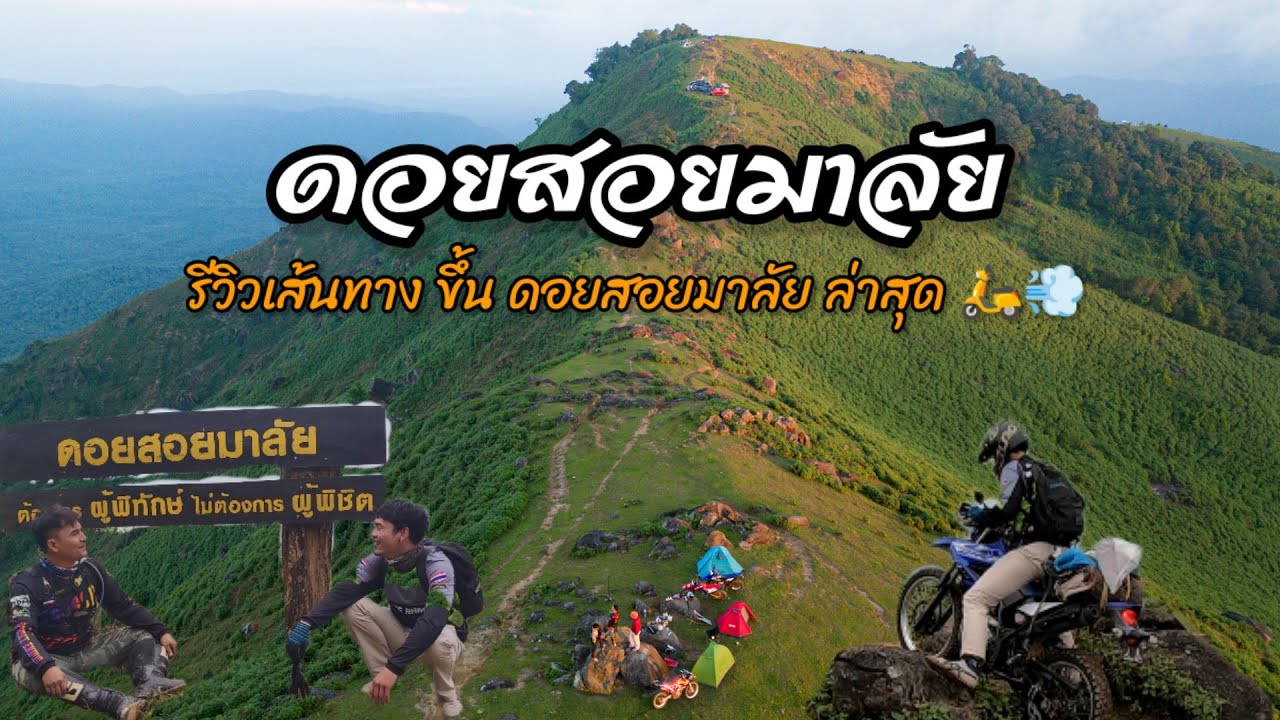
 Click to Access the Navigation Map GPS
Doi Soi Malai Map
Recommend

 Art, Culture and Heritage
 Historical Sites and Monuments(2)
 Landmarks and Memorials(3)
 Art, Craft Centres, Tradition(6)
 Historic Homes and Cities(2)
 Educational Places
 Educational Gardens, Farm(2)
 Places of Worship
 Temple(22)
 Other Sacred Sites(9)
 Suburban Living
 Village, Community(5)
 Local Market(3)
 National Parks and Marine Reserves(9)
Mountain (Doi)(9)
National Parks and Marine Reserves(9)
Mountain (Doi)(9)
 Dam, Reservoir, Lake(14)
 Waterfalls(23)
 Hot Springs(2)
 Caves(6)
 River, Canal(1)
 Bays and Beaches(1)
 Islands(1)
 Other natural attractions(1)
 Entertainment and Agricultural
 Farms, Parks and Ecotourism(5)
 Outdoor and Adventure Activities(4)


