
lovethailand home >North Travel Attractions >Chiang Mai Travel Attractions >Muang Chiang Mai >Si Phum > Chiang Mai City Arts and Cultural Centre (Ho Klang..
TL;DR: Chiang Mai City Arts and Cultural Centre (Ho Klang Wiang) is located at Behind the Three Kings Monument, Within Chiang Mai Old City, Chiang Mai, Thailand, open Wednesday–Sunday, including public holidays that fall on regular opening days, hours 08:30–16:30.

Chiang Mai City Arts and Cultural Centre (Ho Klang Wiang)
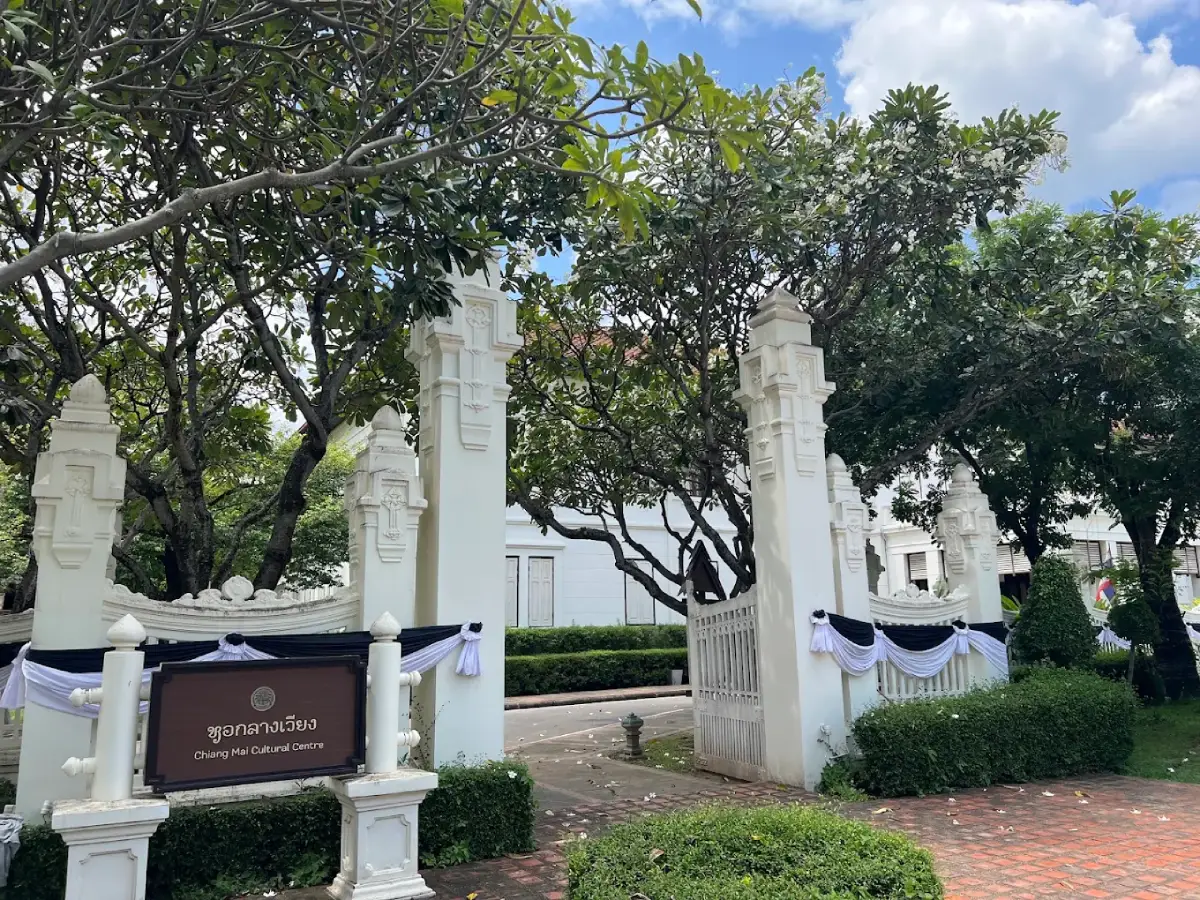
Open Days: Wednesday–Sunday, including public holidays that fall on regular opening days. Closed on Mondays and Tuesdays.
Opening Hours: 08:30–16:30
Chiang Mai City Arts and Cultural Centre (Ho Klang Wiang) is a historical museum and cultural learning centre in the heart of Chiang Mai's Old City. Located on Prapokklao Road, Si Phum, Mueang Chiang Mai District, directly behind the Three Kings Monument, the museum occupies a historic government building that formerly served as the headquarters of Monthon Payap and later as Chiang Mai Provincial Hall. Officially inaugurated as the Chiang Mai City Arts and Cultural Centre on November 5, 2002, it features 15 permanent exhibition themes exploring the region's prehistoric origins, the founding of Lanna, Chiang Mai's political and urban development, Buddhism, traditions, local wisdom, and everyday life. The museum opens Wednesday through Sunday from 8:30 AM to 4:30 PM. Admission costs 20 baht for Thai adults and 10 baht for Thai children, while international visitors pay 90 baht for adults and 40 baht for children.
Chiang Mai City Arts and Cultural Centre (Ho Klang Wiang) is one of the city's most important institutions for understanding the history, cultural identity, and artistic heritage of northern Thailand. Situated in the historic centre of Chiang Mai, it occupies a location closely associated with the founding of the city and the administration of the Lanna Kingdom over more than seven centuries. Its significance extends beyond the historical exhibitions housed inside. The building itself is an architectural landmark that once served as a centre of government administration in northern Thailand, while the surrounding district preserves important connections with Chiang Mai's former rulers and the original urban centre.
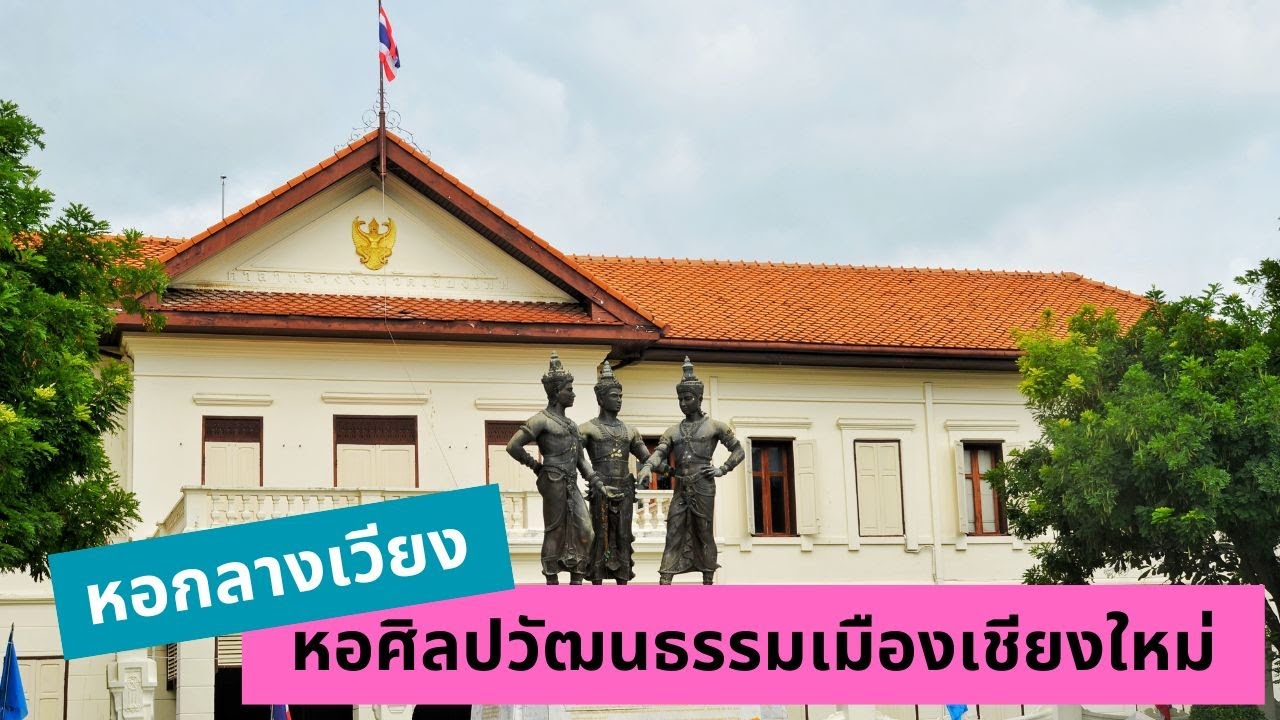
Visitors approaching along Prapokklao Road encounter the Three Kings Monument in a spacious public square at the centre of the Old City. Behind the monument stands an elegant two-storey white building with a red-tiled roof, combining Western architectural influences with features adapted to northern Thailand's climate. This is the Chiang Mai City Arts and Cultural Centre. The building functions both as a physical record of Chiang Mai's transition into the modern administrative era and as a museum presenting the city's development from its earliest beginnings to contemporary society.
The museum occupies a location of exceptional historical significance because it lies in an area traditionally associated with Klang Wiang, or the centre of the city. This district is closely connected with Lanna ideas concerning the symbolic and physical heart of an urban settlement. It was historically associated with royal compounds and important administrative spaces before the region was incorporated into Siam's reformed provincial government system. The transformation of the site from a centre of traditional political authority into a modern government compound, and eventually a public museum, reflects major changes in the political and social history of Chiang Mai.
The Chiang Mai City Arts and Cultural Centre therefore serves several purposes simultaneously. It preserves important local history, protects a historic public building, and communicates Lanna cultural heritage to new generations. Visitors can explore the city's origins through a carefully organized sequence covering geography, early settlement, urban planning, the Mangrai Dynasty, regional relationships, trade, religion, social traditions, and the economic changes that shaped modern Chiang Mai. This comprehensive approach provides context for understanding the temples, monuments, neighborhoods, and cultural practices encountered throughout the Old City.
The Historical Importance of Klang Wiang and the Founding of Chiang Mai begins with King Mangrai's establishment of Chiang Mai in 1296, corresponding to B.E. 1839. The new city became an important political centre of the Lanna Kingdom. Its location reflected the advantages of the Ping River basin, including access to water, agricultural land, transport routes, and regional trade networks. At the same time, the city's design was influenced by beliefs concerning auspicious locations, sacred geography, directional symbolism, and cosmological principles that were deeply embedded in Lanna society.
Chiang Mai was established with defensive walls and a surrounding moat enclosing its principal urban areas. Its plan was broadly rectangular, with spaces allocated for government, religious institutions, residential neighborhoods, markets, and other community functions. These elements formed an organized urban environment reflecting the relationships between religion, political authority, spiritual beliefs, and everyday economic activity. Walking through the Old City today therefore means moving through a landscape that still preserves traces of urban planning decisions made centuries earlier.
The area around the cultural centre also has an important historical association with Wat Inthakhin Sadue Mueang, a temple connected with Chiang Mai's original city pillar. The Inthakhin Pillar was formerly enshrined in the Sadue Mueang area before being relocated to Wat Chedi Luang during the reign of King Kawila. This relocation forms part of Chiang Mai's religious and political history and demonstrates the importance of the city pillar in traditional beliefs concerning the spiritual stability, prosperity, and protection of the community.
The expression Sadue Mueang, meaning the city's navel, reflects a concept in which the city is symbolically compared to a human body with a central point of particular importance. Sacred spaces and ceremonial locations were therefore incorporated into the understanding of how a city should be organized. The Klang Wiang district has maintained a relationship with these beliefs despite centuries of changes in land use and government administration. Its historical significance continues to be reflected in old temples, place names, religious traditions, and surviving elements of the city's spatial organization.
From the Royal Compound to Chiang Mai's Administrative Centre, the site of the present cultural centre is associated with the former Khum Klang Wiang, an important area connected with the rulers of Chiang Mai. In the period of the northern princes, royal residences were not exclusively private homes. They were also associated with political administration, official audiences, communication, and the relationships between rulers and their communities.
The history of the property is connected with the Chiang Mai ruling family, including Prince Inthawichayanon, the seventh ruler of Chiang Mai, and Princess Dara Rasmi, who played an important role in the relationship between the Chiang Mai court and the Siamese royal court during the late nineteenth and early twentieth centuries. Portions of the former royal compound became associated with the establishment of government offices under the changing administrative system. This transformation made the site an important physical record of the transition from traditional Lanna princely government to modern provincial administration.
When Siam introduced the Monthon Thesaphiban administrative reforms, government operations in northern Thailand became increasingly integrated with the central administration. Monthon Payap was an important administrative division covering several northern territories, with Chiang Mai serving as a major regional centre. The establishment of a government headquarters in Klang Wiang reflected the city's continued administrative importance during this period of political reorganization.
The Monthon Payap Government Building, which eventually became today's cultural centre, officially began operating on June 30, 1919, during the reign of King Vajiravudh, Rama VI. At that time, Prince Kaew Nawarat was the ninth ruler of Chiang Mai. The building represented the modern administrative structures emerging as Chiang Mai's political status changed within Siam. Its construction and use marked an important stage in the development of northern Thailand's provincial government institutions.
During its period as the Monthon Payap administrative headquarters, the building accommodated government activities and coordination among different offices. Its layout was designed for substantial public administration functions, incorporating office spaces, connecting corridors, and an internal courtyard that helped introduce daylight and natural ventilation. These architectural decisions reflected the priorities of government buildings of the period, which sought to combine a dignified public appearance with practical working conditions.
Following Siam's political transformation in 1932, the Monthon administrative system was abolished and the organization of provincial government was revised. The building consequently became Chiang Mai Provincial Hall and continued to accommodate provincial government functions for many decades. During this period, Chiang Mai experienced significant growth in population, economic activity, transport infrastructure, and public administration, increasing the demand for government office space and public services.
As Chiang Mai expanded, the original Provincial Hall became increasingly inadequate for the needs of government departments. Plans were therefore developed for a new administrative centre outside the historic urban core. Government offices began relocating from the old building in 1981, and the move was completed in 1996. This transition created an opportunity to conserve the historic building and introduce a new public function appropriate to its heritage significance.
The Conservation and Establishment of the Chiang Mai City Arts and Cultural Centre emerged from the intention to preserve the architectural heritage of the former government building while returning it to meaningful public use. Instead of continuing as an administrative office, the property was transformed into a place where residents and visitors could learn about local history, art, and cultural traditions. This approach suited Chiang Mai's identity as a historic city distinguished by its urban plan, Buddhist temples, language, traditions, craftsmanship, and longstanding cultural institutions.
The project to establish the Chiang Mai City Arts and Cultural Centre received government approval in 1993. Conservation and restoration work followed, preparing the former Provincial Hall to accommodate museum exhibitions while retaining its original architectural character. The restoration emphasized the preservation of the roof, doors, windows, decorative elements, structural features, and internal spatial arrangement. Modern facilities were introduced to support the building's new role as a public museum and educational institution.
In 1999, the restored building received an Outstanding Architectural Conservation Award in the public-building category from the Association of Siamese Architects under Royal Patronage. The recognition acknowledged both the historical significance of the property and the conservation approach used to adapt it for contemporary purposes. The building consequently became an important example of how an architectural landmark can remain useful to society while preserving its historical character.
November 5, 2002, marked a major milestone in the history of the institution. Her Royal Highness Princess Maha Chakri Sirindhorn presided over the official inauguration of the Chiang Mai City Arts and Cultural Centre. From that date, the former Provincial Hall assumed its new role as a public institution dedicated to communicating the history, art, and cultural heritage of Lanna to residents, students, researchers, and travelers.
In 2018, the centre introduced a new permanent exhibition, updating the way Chiang Mai's history and cultural identity were presented to visitors. The redesigned displays combined historical information with photographs, models, videos, and other interpretive media. This development reflected the museum's responsibility to preserve scholarly accuracy while making complex subjects understandable and engaging for a broad audience.
The Architecture of Ho Klang Wiang: A Historic Building Reflecting Chiang Mai's Transformation is one of the centre's most distinctive attractions. The building is a two-storey masonry structure with white exterior walls and a red-tiled roof combining hipped and gabled forms. Its principal facade features a symmetrical composition, a central gable, regularly spaced windows, and restrained decorative details influenced by Western architecture commonly associated with government buildings of the period.
The layout also reflects careful consideration of Chiang Mai's local climate. The building is organized around an internal courtyard that admits natural light and assists air circulation. Corridors and open archways connect different sections of the structure, creating a sequence of shaded transitional spaces. These features demonstrate how architectural ideas associated with Western public buildings were adapted to practical conditions in a tropical environment.
The proportions of the walls, columns, doors, and windows give the building a formal and dignified appearance. Its architectural character depends less on elaborate decoration than on balanced proportions, structural clarity, and functional planning. Visitors interested in historic buildings can examine the roof design, masonry surfaces, archways, courtyard, and circulation spaces to understand the architectural principles that influenced public buildings in northern Thailand during the early twentieth century.
The building's value lies not only in its age but also in the transformation of its purpose. Originally a centre of political authority and government administration, it is now a place where the public can explore the history of the city and the people who shaped it. The museum therefore communicates Chiang Mai's past through both its exhibitions and the building that contains them. Its physical form is itself part of the historical story.
The Three Kings Monument and Chiang Mai City Arts and Cultural Centre form a closely connected historic landmark. The monument stands directly in front of the building and depicts King Mangrai, King Ramkhamhaeng, also known as Phra Ruang, and King Ngam Mueang. All three rulers are associated with the history of Chiang Mai's foundation, particularly the selection of its location and the establishment of the city during the Mangrai Dynasty.
King Mangrai founded Chiang Mai and played a leading role in consolidating the political power of the Lanna Kingdom. King Ramkhamhaeng was a major ruler of Sukhothai, while King Ngam Mueang governed Phayao. Their relationship is remembered in Lanna historical traditions as an example of friendship and cooperation between important regional kingdoms. The Three Kings Monument commemorates these rulers and their association with the origins of Chiang Mai.
The monument was officially inaugurated on January 30, 1984, and has since become one of Chiang Mai's most recognizable landmarks. Its public square provides a prominent view of the historic cultural centre behind it. Together, the monument and museum building form a central part of the Old City's landscape, connecting the memory of the city's founding rulers with the later development of modern government institutions.
Visitors can begin learning about Chiang Mai even before entering the museum. The monument introduces the city's foundation and the relationships between the principal rulers, while the building behind it represents subsequent developments in administration and political organization. Inside, the exhibitions connect these different historical periods and explain how Chiang Mai evolved from the capital of an independent Lanna kingdom into a major city in modern Thailand.
The 15 Permanent Exhibition Themes at Chiang Mai City Arts and Cultural Centre form the core of the museum experience. The exhibitions guide visitors through the history and culture of Chiang Mai in a structured sequence. Rather than concentrating solely on political events or royal biographies, they examine geography, settlement, religious beliefs, economic development, trade, everyday activities, seasonal traditions, and ethnic diversity. These themes collectively explain how Chiang Mai's distinctive identity developed over time.
The exhibition uses a variety of interpretive materials, including historical photographs, explanatory panels, diagrams, models, reconstructed scenes, and audiovisual presentations. This combination makes historical information accessible to visitors with different interests and levels of prior knowledge. Both those already familiar with Lanna history and travelers encountering the subject for the first time can follow the principal themes and explore topics of particular interest in greater detail.
The Chiang Mai Today Exhibition introduces the contemporary city and highlights the relationship between its cultural heritage and modern life. Visitors learn that Chiang Mai is more than a popular tourism destination filled with historic temples. It is a living urban community where residents work, study, create art, maintain traditions, and adapt inherited cultural practices to changing social conditions. Beginning with the present provides an accessible reference point before the exhibition turns toward earlier historical periods.
The Before Chiang Mai Exhibition explores human settlement in northern Thailand before the establishment of Chiang Mai itself. Archaeological discoveries and evidence of prehistoric communities demonstrate that people lived in areas later associated with the Lanna Kingdom thousands of years before the city's foundation. Tools, material remains, and settlement patterns help visitors understand that Chiang Mai emerged from a much longer history of human occupation and cultural development.
The Civilizations of Two River Basins Exhibition examines the historical relationship between the Kok River and Ping River regions. King Mangrai established Chiang Rai within the Kok River basin before expanding southward and taking control of Hariphunchai, a major centre of Mon civilization in the Ping River basin. The political and cultural connections between these regions helped create the foundations of the Lanna Kingdom and the conditions that eventually led to the establishment of Chiang Mai.
The story of these two river basins demonstrates that Lanna civilization did not develop in isolation. Hariphunchai contributed important Buddhist and artistic traditions, while communities in the Kok River region participated in the political networks that shaped the emerging kingdom. The interaction of these areas provided the cultural, administrative, and economic foundations from which Chiang Mai developed as a new capital.
The Founding and Planning of the City Exhibition explains how Chiang Mai was established according to a combination of geographical considerations and traditional beliefs. The choice of location involved access to water, suitable land, transport connections, and auspicious signs. Ceremonies and symbolic interpretations of space were incorporated into the city's foundation. The exhibition helps visitors understand that urban planning in the Lanna period involved religion, political organization, practical geography, and spiritual beliefs rather than physical construction alone.
Chiang Mai's plan was also associated with traditional concepts of directional protection and the symbolic representation of a city as a living body. City gates, walls, the moat, temples, and central ceremonial spaces formed interconnected elements of the urban landscape. Understanding these ideas allows visitors to appreciate the historical significance of surviving landmarks when walking through the Old City, rather than viewing them merely as separate tourist attractions.
The Regional Relationships Exhibition reveals the connections between Chiang Mai and neighboring cities and communities. Trade, political administration, Buddhism, food, language, and dress all contributed to cultural exchange across the region. The movement of people and goods enabled the circulation of artistic styles, technologies, religious knowledge, and social customs. Chiang Mai's cultural identity therefore developed through both local traditions and interaction with surrounding territories.
These relationships remain visible in similarities between architectural forms, religious objects, textiles, food, and linguistic traditions across northern Thailand and nearby regions. Studying these connections helps explain the diversity of Lanna arts and customs. It also reveals Chiang Mai's historical importance as a centre of regional exchange rather than a community separated from neighboring societies.
The A Century of Chiang Mai Exhibition presents the transformations experienced by the city during approximately the last hundred years. It focuses on developments in transport, trade, forestry, government administration, and economic organization. Timber concessions, the growth of commercial activity, and the arrival of the railway strengthened Chiang Mai's connections with other parts of Thailand. These changes transformed how people traveled, transported goods, worked, and organized their everyday lives.
Transport development also influenced the expansion of residential and commercial neighborhoods. Chiang Mai gradually became more closely integrated into the national economy, and new infrastructure encouraged population growth and changes in the urban landscape. The exhibition provides important context for understanding why the city contains historic districts alongside modern commercial areas and transport networks.
The Best of Chiang Mai Exhibition celebrates the cultural achievements preserved through Lanna arts, crafts, architecture, religious ceremonies, and local traditions. These forms of heritage emerged from the accumulated knowledge and creativity of many generations. Woodcarving, textiles, traditional craftsmanship, language, religious art, and community customs demonstrate how cultural knowledge has been developed, adapted, and passed down through families and local institutions.
Chiang Mai's identity is also expressed through the importance attached to religion, family, community relationships, and the natural environment. Handicrafts and artistic objects are not merely decorative products; they represent practical skills and cultural values embedded in everyday life. The exhibition encourages visitors to recognize Lanna heritage as a living tradition that continues to influence contemporary society.
The Building History Exhibition directly connects the museum's historical narrative with the structure in which visitors are standing. It traces the building's use as the Monthon Payap Government Building, its transformation into Chiang Mai Provincial Hall, the relocation of government offices, and its restoration as the Chiang Mai City Arts and Cultural Centre. Visitors gain a clearer understanding of how the physical building relates to major changes in local government and urban development.
The exhibition also illustrates the importance of conserving historic architecture. A building can provide evidence of the past through its layout, materials, construction methods, and decorative features. By adapting the former Provincial Hall into a museum, Chiang Mai preserved these characteristics while making the property accessible to the public. The building itself thus becomes an educational resource alongside the documents and displays presented inside it.
The Chiang Mai Rulers Exhibition explores the administration of the city following King Kawila's role in restoring Chiang Mai after a period of warfare and political upheaval. The revival of the city involved rebuilding communities, organizing settlement, and restoring political stability. The system of princely rule became an important element of Chiang Mai's history before the introduction of modern provincial government structures.
The history of Chiang Mai's rulers reveals their roles in reconstruction, administration, and relations with Siam and other regional political centres. Changes in the position and authority of local rulers also reflect the broader transformation of political institutions as Thailand developed into a modern state. This theme connects directly with the history of Ho Klang Wiang, which later became an important government building under the reformed administrative system.
The Life Along the Ping River Exhibition explores the importance of the Ping River to Lanna society. The river supported agriculture, fishing, transport, trade, and the development of settlements. Homes and farming communities grew along its banks, while boats enabled the movement of people and goods. Riverfront land also provided access to food and other resources essential to daily life.
Life along the Ping River demonstrates the enduring relationship between people and their environment. Farming required knowledge of seasonal water conditions, while trade depended on transport routes and networks of river communities. As Chiang Mai's economy and transportation systems changed, some traditional uses of the river evolved. Nevertheless, the Ping River remains central to the geography, historical development, and cultural identity of the province.
The Life Inside the City Exhibition portrays everyday existence within Chiang Mai's historic walls. The city accommodated people from different occupations and cultural backgrounds, including merchants, craftspeople, service providers, and families engaged in various forms of urban work. Shops, traditional houses, and local markets provided places where residents bought necessities, exchanged products, communicated, and developed community relationships.
Traditional trading practices were closely related to the needs of local neighborhoods. Markets, known in northern Thai as kad, brought together food, household goods, agricultural products, and handmade merchandise. This exhibition helps visitors understand that urban history includes far more than political events. The ordinary activities of residents, traders, and artisans were essential to the development of Chiang Mai throughout its history.
The Buddhism and Chiang Mai Society Exhibition examines the influence of Buddhism on the beliefs, values, and everyday practices of Lanna communities. Temples have traditionally served as places of worship, centres of education, community meeting spaces, and important settings for artistic production. Lanna viharns, Buddha images, mural paintings, and ceremonial objects express both religious meaning and the craftsmanship developed by local artisans over generations.
Buddhism has also influenced social organization and the annual rhythm of community activities. Buddhist observance days, temple festivals, merit-making ceremonies, and rituals associated with major life events have long been connected with religious institutions. Understanding these relationships helps visitors interpret the architecture, artwork, and ceremonial practices they encounter when visiting Chiang Mai's historic temples.
The Traditions of the Twelve Months Exhibition presents the ceremonies and cultural practices that form part of the Lanna annual calendar. These traditions include Buddhist celebrations, ancestral remembrance, beliefs involving protective spirits, rituals intended to bring prosperity, and practices that have been adapted to contemporary conditions. The exhibition demonstrates how cultural customs are closely connected with seasonal changes and the social calendar of local communities.
Important Chiang Mai traditions include the northern Thai New Year during Songkran, the Inthakhin city pillar ceremony, the Yi Peng lantern festival, and Buddhist merit-making observances. Each tradition has a distinct cultural meaning. Some strengthen family and community relationships, others focus on blessings and spiritual protection, while certain ceremonies reflect the relationship between human life and the natural environment. Learning their historical background provides a deeper understanding than simply observing the festivals as public entertainment.
The Agricultural Society Exhibition explains how communities in Lanna's river valleys and plains organized their livelihoods around farming and natural resources. Chiang Mai's geography includes fertile lowlands, river basins, hills, and high mountain ranges. These varied conditions encouraged the development of different agricultural techniques and methods of managing land and water. Rice cultivation and other farming activities formed essential foundations of the region's economy and social organization.
One of the most significant examples of local agricultural knowledge is the mueang fai irrigation system, which uses channels, weirs, and community agreements to distribute water for cultivation. The system demonstrates an understanding of landscape, water movement, and cooperation among farmers. Its significance lies not only in the physical structures but also in the collective rules and responsibilities that allowed communities to share resources over time.
The People of the Mountains Exhibition introduces the ethnic diversity of communities living in the mountains and valleys of northern Thailand. Different groups maintain their own languages, clothing, belief systems, cultural practices, and bodies of traditional knowledge shaped by their historical experiences and environments. Exploring these communities broadens the understanding of Chiang Mai beyond the walled city and the settlements of the Ping River plain.
Ethnic diversity contributes significantly to the province's cultural richness, particularly through textiles, agriculture, craftsmanship, traditional dress, and the transmission of knowledge within families and communities. Relationships between upland and lowland populations have also involved commerce, exchange, and the use of natural resources. The exhibition presents Lanna as a region shaped by multiple communities rather than a culturally uniform society.
Models and Educational Media at Chiang Mai City Arts and Cultural Centre help make complex historical subjects easier to understand. Models of settlements and urban environments illustrate relationships between landscape and human habitation, while diagrams and photographs allow visitors to compare the city at different stages of development. These visual materials complement written explanations and make historical changes more tangible.
Audiovisual presentations support the exhibition's storytelling by combining images, sound, and chronological sequences. Visitors unfamiliar with Lanna history can first gain an overall understanding before exploring specific subjects. The variety of presentation methods also makes the museum suitable for families and educational groups whose members may have different interests and levels of historical knowledge.
The strength of the exhibition lies in the way it connects regional history with individual lives. Stories concerning kingdoms, administration, and urban planning explain broad social structures, while displays about markets, riverside communities, ceremonies, and traditional skills demonstrate how historical change affected everyday existence. By linking these two levels, the museum presents modern Chiang Mai as the result of social, political, and cultural developments accumulated over many centuries.
Temporary Exhibitions and Cultural Activity Spaces give the institution functions extending beyond its permanent historical displays. These areas can accommodate art exhibitions, academic activities, educational projects, and events related to local cultural heritage. Temporary programming enables the museum to connect historical knowledge with contemporary artistic production and community interests.
Examples of exhibitions held in 2026 included presentations concerning Lanna blacksmithing traditions, traditional knife-making craftsmanship, and the Human Trace exhibition. These projects illustrate the range of subjects that the institution can accommodate, from historical technology and local artisanal knowledge to contemporary artistic expression. Such exhibitions reinforce the museum's role as a place where the past and present can be explored together.
Temporary exhibitions also create opportunities for artists, academics, craftspeople, and cultural organizations to share their knowledge and work. By introducing topics outside the permanent exhibition, these programs encourage discussion and provide visitors with additional perspectives on local heritage. Individual exhibition schedules vary, but the use of the space for changing cultural activities demonstrates the institution's continuing educational and community role.
The Role of Chiang Mai City Arts and Cultural Centre in Preserving Lanna Heritage is especially important because Chiang Mai has experienced centuries of cultural and social change. A museum presenting the broader history of the city enables residents and visitors to understand how significant places, traditions, everyday practices, and historical events are related. This knowledge contributes to an appreciation of the city's distinctive cultural identity.
Cultural conservation involves more than protecting historic buildings or preserving old objects. It also includes the transmission of knowledge and skills such as craftsmanship, language, literature, ceremonies, and community traditions. These practices are connected with the lives of local people and may change as society evolves. Museums help communicate their origins, explain their meanings, and encourage recognition of their continued relevance.
For schoolchildren and university students, the centre provides opportunities to connect classroom learning with the physical environment. Lessons about urban planning can be compared with Chiang Mai's walls and moat. Historical discussions of Buddhism can be related to temples in the Old City, while subjects involving trade and transportation can be explored through the development of markets and modern infrastructure. Seeing these relationships in a real location helps transform abstract historical knowledge into a more meaningful understanding of the city.
For residents of Chiang Mai, the museum contributes to awareness of local roots and community identity. The city's history is not exclusively the story of rulers and government officials. It also includes merchants, artisans, farmers, Buddhist monks, ethnic communities, and the many individuals whose work supported the development of Lanna society. Presenting a broad range of experiences recognizes these different groups as essential participants in the region's history.
The Inthakhin Festival and the Historical Centre of Chiang Mai have a particularly close relationship. Although the principal ceremonies are now held at Wat Chedi Luang, the Klang Wiang area and Wat Inthakhin Sadue Mueang are associated with the original location of Chiang Mai's city pillar. Understanding the history of this district therefore helps explain the religious and symbolic significance of the Inthakhin tradition.
The Inthakhin Festival is an important annual ceremony observed according to the traditional northern Thai calendar. It is generally associated with the transition from the eighth to the ninth northern lunar month, usually falling around May or June. The festival centres on venerating the city pillar and expressing wishes for the well-being, prosperity, and spiritual protection of Chiang Mai and its residents. Buddhist ceremonies and inherited local practices form part of the observance.
One of the significant elements of the festival involves the ceremonial procession and bathing of Phra Chao Fon Saen Ha, a revered Buddha image associated with traditional beliefs concerning rainfall. The city pillar rituals themselves are connected with ideas of urban stability and agricultural prosperity. These practices show how Lanna religious traditions developed in relation to the hopes and practical needs of the community, including peaceful living, fertile land, and continuity between generations.
The Inthakhin tradition also illustrates the interaction between older beliefs concerning guardian spirits and the protection of the city and Buddhist religious practices. This combination is characteristic of many Lanna traditions. Learning about these beliefs at the museum and visiting nearby historical locations helps visitors understand how Chiang Mai's sacred geography and public ceremonies have remained meaningful despite changes in political administration and urban life.
Chiang Mai City Arts and Cultural Centre and the City Heritage Museum Complex are closely connected with other educational institutions within the same historic district. Chiang Mai Municipality has developed the Klang Wiang area as a centre for learning about the city's history and cultural heritage. The group includes the Chiang Mai City Arts and Cultural Centre, Lanna Folklife Museum, Chiang Mai Historical Centre, and associated community learning and cultural activity spaces.
Lanna Folklife Museum occupies the former Chiang Mai City Court building near the Three Kings Monument. Its exhibitions focus on daily life, religious art, local beliefs, traditional craftsmanship, and the cultural heritage of Lanna communities. The museum complements Ho Klang Wiang by exploring specific aspects of life and cultural expression, while the Chiang Mai City Arts and Cultural Centre provides a broader historical overview of the city and its development.
Chiang Mai Historical Centre is situated behind the Chiang Mai City Arts and Cultural Centre and forms another part of the City Heritage Centre complex. Its subject matter concerns the historical development of Chiang Mai and includes an area associated with archaeological evidence from the Old City. However, the Chiang Mai Historical Centre is temporarily closed for renovation. Its visitor status is therefore different from that of Ho Klang Wiang, which continues to welcome visitors during its regular opening days and hours.
The distinctions between these institutions are important when planning a cultural visit. The Chiang Mai City Arts and Cultural Centre introduces the city's history and broader cultural identity. The Lanna Folklife Museum explores the artistic traditions, beliefs, and everyday lives of local communities. The Chiang Mai Historical Centre focuses on historical developments and relevant evidence from the area. Their proximity makes the Klang Wiang district an important centre for understanding Chiang Mai's urban and cultural heritage.
The Visitor Experience at Chiang Mai City Arts and Cultural Centre differs from exploring temples or commercial streets. The museum offers an organized indoor environment where the city's history is presented through thematic exhibitions. Visitors experience the atmosphere of a restored government building while studying displays explaining the development of Chiang Mai. Corridors connect different exhibition spaces, and the internal courtyard remains an important feature of the original architectural design.
The centre is particularly suitable for travelers interested in history, art, and culture, as well as first-time visitors to Chiang Mai. It provides a historical introduction that makes later visits to temples, monuments, and traditional neighborhoods more meaningful. Learning about the Mangrai Dynasty, the city's walls and moat, the Inthakhin tradition, and the importance of Buddhism in Lanna society enables visitors to recognize the significance of landmarks throughout the Old City.
Families visiting with children can use the museum's visual displays and models as starting points for discussing history. Topics such as city building, rivers, markets, and seasonal festivals can be connected with familiar activities and places. Exploring these subjects together encourages conversation between family members and creates opportunities to learn about northern Thailand in an accessible setting.
Architecture enthusiasts will also find the historic building rewarding. Its two-storey construction, courtyard plan, roof forms, openings, and Western-influenced details reflect the development of government architecture during a period of administrative reform. Examining these features helps explain how buildings can communicate information about political change, social priorities, and the practical needs of their original occupants.
Photographers can appreciate the building from the Three Kings Monument square, where the symmetrical facade is clearly visible. The composition of the three royal figures in the foreground and the white building with its red roof behind them is among the most recognizable historic views in Chiang Mai. Photography inside the museum should follow staff instructions and any restrictions applying to particular displays, including rules concerning flash and photographic equipment.
How Much Time Should Visitors Spend at Chiang Mai City Arts and Cultural Centre? A visit to the principal exhibitions generally takes approximately one to two hours, depending on individual interest. Those wishing to read interpretive panels carefully, examine models, and watch several audiovisual presentations may prefer a longer visit. Allowing sufficient time makes it possible to appreciate the connections between historical periods and cultural themes without rushing through the museum.
A morning visit works well as the beginning of an Old City sightseeing itinerary. Visitors can first establish an understanding of Chiang Mai's history and then explore nearby temples and historical sites. An afternoon visit can provide a comfortable cultural activity during warmer weather. The indoor exhibitions are also useful for travelers seeking an alternative to extended outdoor sightseeing.
During Chiang Mai's rainy season, the museum can be incorporated into an itinerary because its principal exhibition areas are inside the historic building. However, walking between the museum and nearby attractions still involves outdoor sections, so visitors should prepare for changing weather. In the cooler season, the centre can be combined with longer walks around temples, historic streets, and other landmarks in the Old City.
Opening Days, Opening Hours, and Admission Fees are straightforward. Chiang Mai City Arts and Cultural Centre opens Wednesday through Sunday from 8:30 AM to 4:30 PM, including public holidays that fall on its normal opening days. The museum is closed on Mondays and Tuesdays. Admission costs 20 baht for Thai adults and 10 baht for Thai children. International visitors pay 90 baht for adults and 40 baht for children.
Families and groups can organize their visit around the museum's opening schedule, especially when planning to see several historic locations on the same day. The Three Kings Monument and its surrounding public square can be viewed outside the museum, while access to Ho Klang Wiang's indoor exhibitions is governed by the institution's operating hours and admission fees.
Facilities at Chiang Mai City Arts and Cultural Centre include a visitor information and ticketing area, permanent exhibition rooms, cultural activity and exhibition spaces, internal walkways, and restrooms. Parts of the building provide wheelchair-accessible entrances and facilities, although the historic two-storey structure retains architectural features that may affect access to certain areas.
The wider City Heritage Centre complex also provides spaces associated with visitor services, rest areas, and amenities such as souvenir retail and refreshments according to the facilities operating within the property. Visitors traveling in organized groups or seeking information about accessibility and museum services can contact the Chiang Mai City Heritage Centre at +66 53 217 793.
Getting to Chiang Mai City Arts and Cultural Centre by Car involves entering the Old City within Chiang Mai's moat and following Prapokklao Road toward the Three Kings Monument. The museum is located directly behind the monument's square. Visitors approaching from outside the moat can use the main roads leading into the historic district, choosing the route most suitable for their starting point.
From Chiang Mai International Airport, travelers can reach the Old City by taxi or other local transport services, giving the Three Kings Monument as their destination. Travel time depends on traffic and the route selected. Those driving their own vehicles should take account of parking limitations in the historic centre, where temples, commercial establishments, government buildings, and visitor attractions occupy a relatively compact area.
Getting There by Public Transportation is convenient using Chiang Mai's red shared taxis, locally known as songthaews, regular taxis, or ride-hailing services. The Three Kings Monument is a widely recognized landmark, making it an effective destination to give to a driver. From the square, the entrance to the museum can be reached on foot. These options are particularly useful for visitors staying outside the Old City who prefer not to drive through the historic centre.
Travelers staying within Chiang Mai's moat can often reach the museum on foot. Prapokklao Road and Ratchadamnoen Road connect several of the Old City's principal historical attractions. Walking allows visitors to observe temples, traditional shops, older buildings, and local neighborhoods along the way. The journey therefore becomes part of the cultural experience rather than simply transportation between destinations.
Nearby Attractions Around Chiang Mai City Arts and Cultural Centre include several of the Old City's most significant historical and religious sites. The Three Kings Monument stands immediately outside the museum, while Wat Inthakhin Sadue Mueang is associated with the original city pillar. Lanna Folklife Museum provides additional cultural exhibitions, and Wat Chedi Luang and Wat Phra Singh are major Buddhist landmarks. Their proximity makes it possible to organize a walking itinerary that connects historical interpretation with surviving buildings and sacred places.
Wat Inthakhin Sadue Mueang has a direct historical relationship with the Klang Wiang district and Chiang Mai's original city pillar. The temple is associated with the city's spiritual centre and the beliefs surrounding the Inthakhin tradition. Visiting the temple provides an opportunity to understand the meaning of Sadue Mueang and the relationship between sacred sites and the historical organization of the Lanna capital.
Wat Chedi Luang Worawihan is closely linked with several themes presented in the museum. The temple contains Chiang Mai's present city pillar shrine and a monumental historic chedi that represents an important part of Lanna Buddhist architecture. Walking from Ho Klang Wiang to Wat Chedi Luang allows visitors to connect the museum's explanations of urban planning, belief systems, and religion with an actual historic religious complex.
Wat Phra Singh Woramahawihan is another major religious landmark celebrated for its Lanna Buddhist art. The temple includes Viharn Lai Kham and the revered Phra Phuttha Sihing Buddha image. It is particularly rewarding for visitors interested in religious architecture, sacred images, and the artistic traditions of northern Thailand. After studying Buddhism and local culture at the museum, travelers can observe important examples of these traditions within the temple grounds.
Wat Chiang Man is among Chiang Mai's oldest temples and is closely associated with the city's earliest history under King Mangrai. Its structures and sacred images preserve important aspects of Lanna religion and architecture. The temple is an excellent destination for visitors wishing to explore the founding period of Chiang Mai and compare the museum's historical narrative with surviving religious sites in the northern part of the Old City.
Visitors seeking a broader cultural experience can also explore Lanna Folklife Museum, situated nearby and operating according to the City Heritage Centre's visitor schedule. Its exhibitions provide additional information about traditional life, religious beliefs, regional art, and local knowledge. Visiting both museums offers complementary perspectives on the history of Chiang Mai and the cultural practices of communities throughout Lanna.
Restaurants Near Chiang Mai City Arts and Cultural Centre range from casual local eateries to traditional northern Thai restaurants and garden cafés. Huen Phen on Ratchamankha Road is a well-known option for local dishes such as khao soi, sai ua northern Thai sausage, nam phrik num chili dip, and other regional specialties. Visitors especially interested in Chiang Mai's signature curry noodles can also visit Khao Soi Khun Yai near Sri Phum Soi 8.
For breakfast or lunch, Kiat Ocha near the Three Kings Monument is a long-established restaurant specializing in Hainanese-style chicken rice and pork satay. SP Chicken on Sam Lan Road is another popular choice, known for grilled chicken and Thai dishes served with sticky rice. Fern Forest Café on Singharat Road offers a more leisurely setting for coffee, desserts, and meals surrounded by garden greenery.
Accommodation Near Chiang Mai City Arts and Cultural Centre is available throughout the Old City, including boutique hotels and properties inspired by traditional Lanna design. Hotels along Ratchadamnoen Road, Ratchapakhinai Road, Inthawarorot Road, and the streets surrounding Wat Phra Singh provide convenient access to temples, museums, restaurants, and the Sunday Walking Street. This location is particularly suitable for visitors who want to explore Chiang Mai's historic centre largely on foot.
Nearby accommodation options include U Chiang Mai on Ratchadamnoen Road, Thai Akara Lanna Boutique Hotel on Ratchapakhinai Road, Tamarind Village, De Lanna Hotel on Inthawarorot Road, and Phra Singh Village. Staying in this part of the city reduces travel time between historic attractions and allows visitors to experience the Old City at different times of day. Contact details and approximate distances are provided in the summary table below.
A One-Day Historical and Cultural Walking Itinerary in Chiang Mai can begin at the Three Kings Monument in the morning. Visitors can see the statues of the three rulers and appreciate the architecture of Ho Klang Wiang before entering Chiang Mai City Arts and Cultural Centre. Exploring the museum first provides a useful historical foundation for the remainder of the day, covering the city's prehistoric origins, the Lanna Kingdom, its traditions, and its development into a modern provincial centre.
After visiting the museum, travelers can continue to Wat Inthakhin Sadue Mueang to learn about the original city pillar location. Wat Chedi Luang is another natural stop, where visitors can see the monumental chedi and the present Inthakhin shrine. Lunch can be enjoyed at a northern Thai restaurant around Ratchamankha Road before continuing to Wat Phra Singh to explore Lanna religious architecture and sacred art.
If time allows, the afternoon can include Lanna Folklife Museum or a walk through Chiang Mai's historic streets, where temples, older buildings, and local businesses stand close together. On Sundays, Ratchadamnoen Road also becomes the setting for the Sunday Walking Street market in the evening. Visitors can combine the daytime cultural itinerary with the market, taking into account the temporary road closures and changes in vehicle access associated with the event.
The Importance of Chiang Mai City Arts and Cultural Centre for Cultural Tourism lies in its ability to explain the relationships between the city's principal historic places. Visitors who initially recognize only the names of famous temples and monuments can discover how these landmarks connect with larger historical developments: the Three Kings Monument and Chiang Mai's foundation, Wat Inthakhin and the original sacred centre, Wat Chedi Luang and the city pillar, and the Buddhist artistic traditions represented by numerous temples throughout the Old City.
Local history also reveals the continuing life of the city. Historic roads, trading districts, markets, neighborhoods, and religious traditions remain part of present-day Chiang Mai. The coexistence of conservation areas and modern economic activity demonstrates how the city has developed over time. Understanding this history encourages visitors to appreciate architectural details and everyday cultural practices rather than concentrating exclusively on the visual appearance of famous landmarks.
The museum also represents a successful approach to conserving a historic public building through adaptive reuse. A structure that once functioned as the government headquarters of Monthon Payap and Chiang Mai Province has become an educational institution accessible to the public. This transformation preserves architecture, historical memory, and the identity of an important urban site while providing the building with an active and socially valuable contemporary purpose.
For anyone wishing to understand Lanna in depth, Ho Klang Wiang brings together many essential subjects: the relationship between geography and settlement, the rise of the Lanna Kingdom, changes in political administration, trade and transport, Buddhist traditions, craftsmanship, seasonal rituals, and the diversity of northern Thailand's communities. These subjects demonstrate that Chiang Mai's identity cannot be explained through a single monument, ruler, or cultural practice. It is the outcome of historical developments accumulated and transformed across many centuries.
Chiang Mai City Arts and Cultural Centre (Ho Klang Wiang) is therefore an important city museum, a conserved architectural landmark, and a centre for learning about Lanna cultural heritage. Its outstanding features include its location behind the Three Kings Monument, its history as a former government building, and its 15 permanent exhibition themes covering Chiang Mai from prehistoric times to the modern era. Visiting the centre offers an opportunity to understand the city through both carefully interpreted historical exhibits and an authentic historic setting, providing a meaningful introduction to the temples, monuments, traditions, and local communities that continue to define Chiang Mai today.
| Name | Chiang Mai City Arts and Cultural Centre (Ho Klang Wiang) |
| Type of Attraction | City History Museum, Lanna Arts and Cultural Learning Centre, and Conserved Historic Public Building |
| Location | Behind the Three Kings Monument, Within Chiang Mai Old City, Chiang Mai, Thailand |
| Address | Former Chiang Mai Provincial Hall, Prapokklao Road, Si Phum, Mueang Chiang Mai District, Chiang Mai 50200, Thailand |
| Coordinates | 18.79025, 98.98692 |
| History | The site was historically associated with the central royal compound of Chiang Mai. It later became the headquarters of Monthon Payap and Chiang Mai Provincial Hall before being restored and converted into the Chiang Mai City Arts and Cultural Centre. |
| Important Dates | 1919: Monthon Payap Government Building Opened 1993: Cultural Centre Project Received Approval 1996: Government Offices Completed Relocation 1999: Outstanding Architectural Conservation Award 2002: Cultural Centre Officially Opened 2018: New Permanent Exhibition Opened |
| Official Museum Opening Date | November 5, 2002 |
| Management | Chiang Mai Municipality, Through the Chiang Mai City Heritage Centre |
| Historical Significance | A Major Centre for Understanding Lanna History and a Historic Government Building Reflecting Chiang Mai's Transition from the Monthon Administrative System to Modern Provincial Government |
| Architecture | Two-Storey Masonry Building with a Hipped-and-Gabled Roof, Internal Courtyard, Connecting Corridors, and Western-Influenced Architectural Details |
| Highlights | Historic Provincial Hall Building, 15 Permanent Exhibition Themes, Models and Educational Media, and a Central Old City Location Behind the Three Kings Monument |
| Permanent Exhibition Themes | 1. Chiang Mai Today 2. Before Chiang Mai 3. Civilizations of Two River Basins 4. Founding and Planning the City 5. Regional Relationships 6. A Century of Chiang Mai 7. The Best of Chiang Mai 8. Building History 9. Chiang Mai Rulers 10. Life Along the Ping River 11. Life Inside the City 12. Buddhism and Chiang Mai Society 13. Traditions of the Twelve Months 14. Agricultural Society 15. People of the Mountains |
| Main Areas and Zones | Permanent Exhibition Rooms, Temporary Exhibition Areas, Cultural Activity Spaces, and Historic Internal Courtyard |
| Architectural Award | Outstanding Architectural Conservation Award, Public Building Category, Association of Siamese Architects Under Royal Patronage, 1999 |
| Related Cultural Tradition | The Inthakhin Festival, Historically Connected with the Original City Pillar Location at Wat Inthakhin Sadue Mueang. The Main Ceremonies Are Now Held at Wat Chedi Luang. |
| Current Status | Chiang Mai City Arts and Cultural Centre (Ho Klang Wiang) Is Open to Visitors. The Separate Chiang Mai Historical Centre Behind It Is Temporarily Closed for Renovation. |
| Open Days | Wednesday–Sunday, Including Public Holidays on Regular Opening Days. Closed Mondays and Tuesdays. |
| Opening Hours | 08:30–16:30 |
| Admission Fees for Thai Nationals | Adults: 20 THB Children: 10 THB |
| Admission Fees for International Visitors | Adults: 90 THB Children: 40 THB |
| Suggested Visit Duration | Approximately 1–2 Hours, Depending on Individual Interest and the Level of Detail Explored |
| Facilities | Ticketing Area, Restrooms, Indoor Exhibition Rooms, Visitor Walkways, Seating Areas, and Wheelchair-Accessible Entrances and Restrooms in Parts of the Property |
| Getting There by Car | Enter Chiang Mai Old City and Follow Prapokklao Road Toward the Three Kings Monument. The Museum Is Behind the Square. |
| Getting There by Public Transport | Take a Red Songthaew, Taxi, or Ride-Hailing Service to the Three Kings Monument, Then Walk to the Museum Behind the Square. |
| Walking Access | Accessible on Foot from Ratchadamnoen Road, Wat Inthakhin Sadue Mueang, Wat Chedi Luang, and Other Chiang Mai Old City Landmarks |
| Contact Number | +66 53 217 793 |
| Official Website | https://cmocity.com/chiang-mai-art-cultural-centre/ |
| Nearby Tourist Attractions | 1. Three Kings Monument, Approximately 0.1 km 2. Lanna Folklife Museum, Approximately 0.2 km, Tel. +66 53 217 793 3. Wat Inthakhin Sadue Mueang, Approximately 0.3 km 4. Wat Chedi Luang Worawihan, Approximately 0.7 km 5. Wat Chiang Man, Approximately 0.9 km 6. Wat Phra Singh Woramahawihan, Approximately 1 km |
| Nearby Restaurants | 1. Kiat Ocha Restaurant, Approximately 0.2 km, Tel. +66 53 327 263 2. Huen Phen Restaurant, Approximately 0.9 km, Tel. +66 86 911 2882 3. Fern Forest Café, Approximately 0.9 km, Tel. +66 84 616 1144 4. SP Chicken, Approximately 1 km, Tel. +66 80 500 5035 5. Khao Soi Khun Yai, Approximately 1.2 km, Tel. +66 90 651 7088 |
| Nearby Accommodations | 1. U Chiang Mai, Approximately 0.5 km, Tel. +66 53 327 000 2. Thai Akara Lanna Boutique Hotel, Approximately 0.6 km, Tel. +66 53 215 995 3. Tamarind Village, Approximately 0.8 km, Tel. +66 53 418 896 4. De Lanna Hotel, Approximately 0.8 km, Tel. +66 53 326 266 5. Phra Singh Village, Approximately 1.3 km, Tel. +66 53 272 480 |
Frequently Asked Questions (FAQ)
Q: Where is Chiang Mai City Arts and Cultural Centre (Ho Klang Wiang) located?
A: The museum occupies the former Chiang Mai Provincial Hall on Prapokklao Road, Si Phum, Mueang Chiang Mai District, Chiang Mai 50200, Thailand. It is directly behind the Three Kings Monument within Chiang Mai Old City.
Q: What are the opening days and hours of Chiang Mai City Arts and Cultural Centre?
A: The museum opens Wednesday through Sunday from 8:30 AM to 4:30 PM, including public holidays that fall on normal opening days. It is closed on Mondays and Tuesdays.
Q: How much is admission to Chiang Mai City Arts and Cultural Centre?
A: Admission for Thai nationals costs 20 baht for adults and 10 baht for children. International visitors pay 90 baht for adults and 40 baht for children.
Q: What are the main attractions inside Chiang Mai City Arts and Cultural Centre?
A: The main highlights are the historic former Provincial Hall building and 15 permanent exhibition themes covering Chiang Mai's history, the founding of Lanna, political development, everyday life, Buddhism, regional traditions, and local knowledge.
Q: Are Chiang Mai City Arts and Cultural Centre and Chiang Mai Historical Centre the same museum?
A: No. They are separate buildings within the Chiang Mai City Heritage Centre complex. Ho Klang Wiang is located behind the Three Kings Monument and is open during its regular operating hours. Chiang Mai Historical Centre is situated behind Ho Klang Wiang and is temporarily closed for renovation.
Q: When was Chiang Mai City Arts and Cultural Centre established?
A: The historic building began operating as the Monthon Payap Government headquarters on June 30, 1919. It later served as Chiang Mai Provincial Hall. After government offices moved elsewhere, the building was restored and officially inaugurated as Chiang Mai City Arts and Cultural Centre on November 5, 2002.
Q: How can visitors get to Chiang Mai City Arts and Cultural Centre?
A: Visitors can travel by private car, red songthaew, or taxi to the Three Kings Monument on Prapokklao Road. The museum is immediately behind the monument square. Travelers staying within Chiang Mai Old City can also reach it on foot.
Q: What attractions can be visited together with Chiang Mai City Arts and Cultural Centre?
A: Nearby attractions include the Three Kings Monument, Lanna Folklife Museum, Wat Inthakhin Sadue Mueang, Wat Chedi Luang, Wat Chiang Man, and Wat Phra Singh. These sites are within Chiang Mai Old City and can be combined into a historical and cultural sightseeing itinerary.
 Category: ●Art, Culture and Heritage
 Group: ●Art, Craft Centres, Tradition
Last Update : 1 WeekAgo
 Last Update : 1 WeekAgo
 Click to Access the Navigation Map GPS
Chiang Mai City Arts and Cultural Centre (Ho Klang Wiang) Map
Recommend

 Historical Sites and Monuments(8)
 Landmarks and Memorials(5)
 Royal Palace(2)
Art, Craft Centres, Tradition(44)
 Museums(26)
 Educational Places
 Museum for Study(2)
 Educational Gardens, Farm(5)
 Training Center(1)
 University
 Public university(3)
 Autonomous Universities(3)
 Rajamangala University of Technology(1)
 Rajabhat University(1)
 Private University(5)
 Places of Worship
 Temple(79)
 Mosque(2)
 Other Sacred Sites(18)
 Research and Development
 Royal Project(45)
 Suburban Living
 Village, Community(43)
 Local Market(15)
 Nature and Wildlife
 National Parks and Marine Reserves(18)
 Mountain (Doi)(22)
 Dam, Reservoir, Lake(26)
 Waterfalls(45)
 Hot Springs(12)
 Caves(11)
 River, Canal(6)
 Other natural attractions(14)
 Entertainment and Agricultural
 Zoos and Aquariums(3)
 Animal camps and shows(4)
 Stadium(1)
 Farms, Parks and Ecotourism(19)
 Waterpark(2)
 Theater(1)
 Outdoor and Adventure Activities(10)
 Shopping
 Shopping and Night Market(6)
 Department Store(5)
 Restaurant
 Michelin Star(1)
 Michelin Guide(23)
 Call Customer Service in Tourism
 Call Customer Service in Tourism(1)
 Travel Articles, Recipes
 Travel Review, Food Review(27)
 Food Menu, North Recipes(30)
 Thai Desserts, North Recipes(17)


