
lovethailand home >North Travel Attractions >Chiang Mai Travel Attractions >Hot >Bo Sali > Wat Bo Sali
TL;DR: Wat Bo Sali is located at Ban Bo Sali, Moo 6, Bo Sali Subdistrict, Hot District, Chiang Mai Province, open Daily, hours 08.00 – 17.00.

Wat Bo Sali
Open Days: Daily
Opening Hours: 08.00 – 17.00
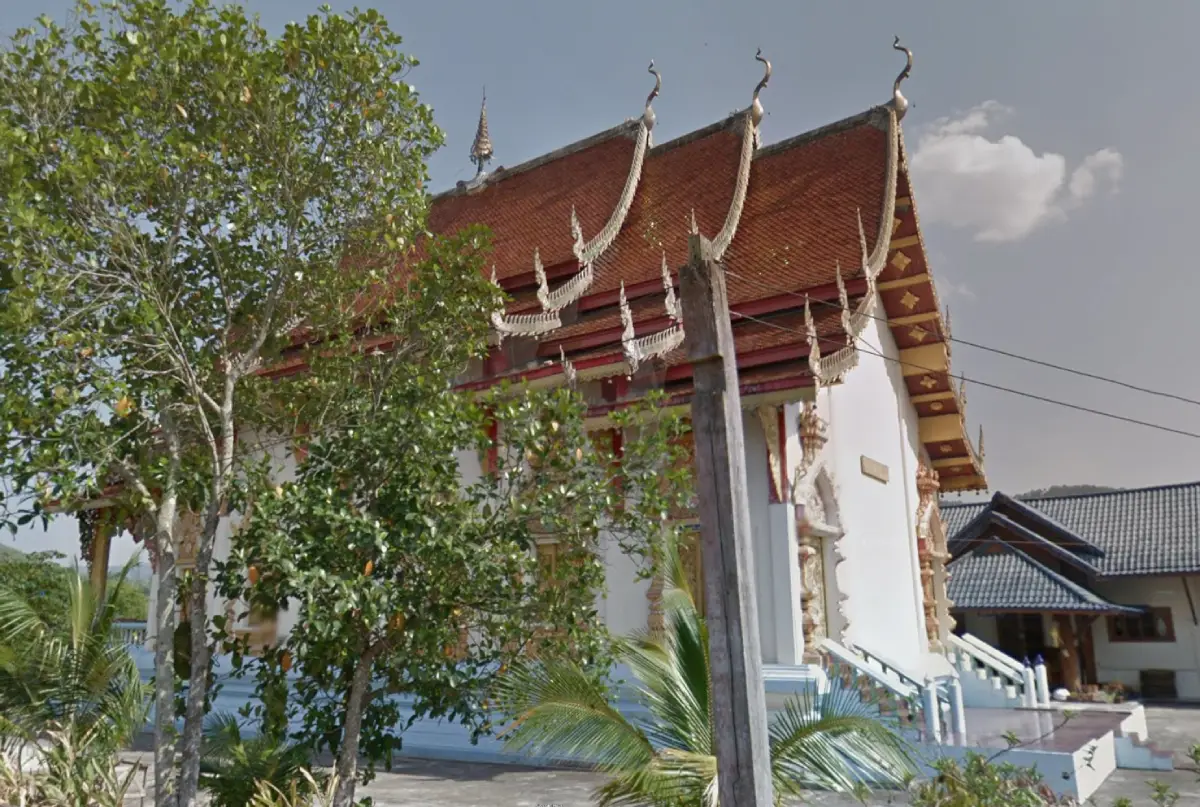
Wat Bo Sali is located in Ban Bo Sali, Moo 6, Bo Sali Subdistrict, Hot District, Chiang Mai Province. It is a local Buddhist temple under the Mahanikaya order and was officially established in 1937. The temple is important because it stands in the village that gives Bo Sali Subdistrict its name, making it both a religious site and a meaningful landmark in local community history.
Wat Bo Sali is not a large commercial tourist temple. Its value lies in its community role, peaceful setting, and connection with the origin story of Bo Sali. Visitors who come here will experience a quiet village temple in the highland area of Hot District, where Buddhism remains closely connected with local life, village identity, and Lanna cultural traditions.
Ban Bo Sali, Moo 6, is a key village in Bo Sali Subdistrict. The name Bo Sali is associated with a water source that emerged beneath a Bodhi tree, locally called a sali tree, in Ban Bo Sali. Villagers used this water source in daily life. This local story gives the village and the subdistrict a strong sense of place, and Wat Bo Sali stands within this meaningful cultural landscape.
The temple’s official establishment in 1937 shows that Wat Bo Sali has served the community for many decades. In a highland village far from Chiang Mai city, a temple was essential as a place for worship, merit-making, Buddhist ceremonies, moral guidance, and community gathering. Wat Bo Sali therefore represents more than a religious building; it is part of the social foundation of Ban Bo Sali.
Bo Sali Subdistrict has a mountainous landscape with valleys, forests, streams, and agricultural areas. Local water sources include small streams such as Huai Mae Tho, Huai Mae Loi, Huai Om Long, Huai Kung Kang, and Huai Mae Tian. This natural setting shapes the way people live and work. Wat Bo Sali belongs to a landscape where Buddhism, agriculture, forests, water, and village memory are closely connected.
Bo Sali became a separate subdistrict after local leaders, elders, and residents agreed to separate the area from Bo Luang Subdistrict in 1975. The name Bo Sali was chosen because of the water source beneath the sali tree in Ban Bo Sali, Moo 6. This background makes Wat Bo Sali especially significant, as it is located in the village most closely linked with the identity of the subdistrict.
As a local Buddhist temple under the Mahanikaya order, Wat Bo Sali supports the religious life of Ban Bo Sali and nearby communities. Villagers use the temple for Buddhist holy days, food offerings to monks, sermons, Kathin, Pha Pa offerings, and other community religious activities. In rural northern Thailand, temples of this kind remain essential social and spiritual centers.
Confirmed public information about specific buildings inside Wat Bo Sali, such as the ubosot, viharn, chedi, principal Buddha image, bell tower, or sermon hall, is limited. For this reason, the temple should be understood mainly as a historic community temple of Ban Bo Sali. What can be clearly stated is that the temple is a recognized Buddhist temple and continues to serve the local community as a place of worship and merit-making.
The distinctive value of Wat Bo Sali is its location in the village that gives the subdistrict its name. This makes the temple meaningful not only in religious terms but also in local geography and community memory. Travelers who want to understand the cultural identity of Bo Sali should see the temple as part of a wider story about water, settlement, Buddhist faith, and highland village life.
The temple atmosphere is quiet and simple. Visitors should come with respect, walk slowly, pay homage, and observe the surrounding village environment. Wat Bo Sali does not compete through grandeur or scale. Its importance comes from being a functioning community temple that has supported Buddhist life in the village for generations.
Wat Bo Sali is suitable for travelers who want to explore Hot District beyond the usual roadside attractions. The district is often known for forests, mountain routes, and natural attractions, but local temples such as Wat Bo Sali show another side of the area: the spiritual and cultural life of its villages.
The temple plays an important community role. Buddhist holy days, Buddhist Lent, the end of Buddhist Lent, Kathin, and Pha Pa events bring villagers together to support the temple, listen to sermons, and make merit. These activities keep the temple alive as a social and religious space, not merely a name in a temple register.
Wat Bo Sali also reflects Lanna Buddhist culture. In northern Thai villages, temples are often maintained by both monks and laypeople. Local residents help with ceremonies, prepare food, clean temple grounds, and support temple activities. Wat Bo Sali continues this pattern as part of the religious landscape of Bo Sali Subdistrict.
Visitors should pay attention to the overall relationship between the temple and the village. The most meaningful experience here is not dramatic architecture but the sense of continuity: a village temple, a community name rooted in a water source, and a Buddhist space that still supports local life. This makes Wat Bo Sali valuable for cultural travelers who prefer authentic community places.
Visitors should dress modestly, speak quietly, avoid entering monks’ private areas without permission, and keep the temple grounds clean. Photography should be done respectfully, especially during ceremonies or when local residents are present. Since this is a working village temple, respectful conduct toward monks and villagers is essential.
Getting There from Chiang Mai city, take Highway 108 toward Hot District, then continue into Bo Sali Subdistrict and Ban Bo Sali, Moo 6. Bo Sali Subdistrict is about 160 km from Chiang Mai city and about 55 km from central Hot District. The route includes mountain and local road sections, so travelers should allow enough time and check vehicle condition before departure.
Travelers using public transport should first reach Hot District and then arrange local transport to Bo Sali Subdistrict. Since the temple is located within a village rather than on a major tourist road, a private car or local hired vehicle is the most convenient option, especially for visitors who plan to continue to Doi Mae Tho, Wat Thung Luang, Bo Kaeo Pine Garden, or Doi Bo Luang Forest Park.
A suitable travel route is to combine Wat Bo Sali with cultural and natural attractions in Hot District. Visitors can start from central Hot, prepare food and water, continue to Bo Sali for a temple visit, and then travel to Doi Mae Tho or Wat Thung Luang. If time allows, the route can extend to Bo Kaeo Pine Garden and Doi Bo Luang Forest Park.
Doi Mae Tho is a natural attraction that pairs well with Wat Bo Sali because it belongs to the same highland context of Bo Sali and Hot District. It is known for mountain views, open grassland, and cool highland scenery. Combining a village temple with a mountain viewpoint gives travelers both cultural and natural perspectives of the area.
Nearby temples that can be included in the route include Wat Thung Luang, Wat Thung Son, and Wat Mae Tho. These temples show how Buddhist sacred spaces are distributed across village communities in Bo Sali Subdistrict and nearby areas. Each temple serves its own local community and contributes to the religious landscape of Hot District.
Wat Bo Sali is suitable for cultural travelers, visitors interested in local Buddhist temples, people researching community history, and travelers who want a quieter side of Chiang Mai. Its value lies in its role as a community temple, its connection with the origin of the name Bo Sali, and its continuing place in village life.
In summary, Wat Bo Sali is an important community temple in Ban Bo Sali, Moo 6, Bo Sali Subdistrict, Hot District, Chiang Mai Province. Established in 1937, the temple is meaningful because it stands in the village linked to the origin of the subdistrict’s name. For travelers seeking a calm, culturally grounded, and locally meaningful route through Hot District, Wat Bo Sali is a worthwhile stop.
| Name | Wat Bo Sali |
| Location | Ban Bo Sali, Moo 6, Bo Sali Subdistrict, Hot District, Chiang Mai Province |
| Address | Moo 6, Ban Bo Sali, Bo Sali Subdistrict, Hot District, Chiang Mai 50240, Thailand |
| Temple Type | Local Buddhist temple under the Mahanikaya order |
| Highlights | Community temple of Ban Bo Sali, located in the village connected with the origin of the name Bo Sali Subdistrict |
| History | Officially established as a Buddhist temple in 1937 |
| Name Origin | Named after Ban Bo Sali, Moo 6, associated with a water source beneath a Bodhi or sali tree that gave the subdistrict its name |
| Distinctive Features | Quiet Lanna community temple suitable for worship, merit-making, and learning about Bo Sali local history |
| Community Role | Religious and community space for Buddhist holy days, Kathin, Pha Pa, and local merit-making activities |
| Travel Information | Take Highway 108 from Chiang Mai toward Hot District, then continue into Bo Sali Subdistrict and Ban Bo Sali, Moo 6 |
| Current Status | Open as a community Buddhist temple and religious site of Ban Bo Sali |
| Open Days | Daily |
| Opening Hours | 08.00 – 17.00 |
| Local Administrative Contact | Bo Sali Subdistrict Administrative Organization, Tel. 053-106065 |
| Nearby Tourist Attractions | 1. Doi Mae Tho, about 15 km 2. Wat Thung Luang, about 12 km 3. Wat Mae Tho, about 18 km 4. Bo Kaeo Pine Garden, about 45 km 5. Doi Bo Luang Forest Park, about 50 km |
| Nearby Restaurants | 1. Rabeang Son Cafe, about 45 km, Tel. 062-079-9411 2. Suanson Coffee&rest, about 45 km 3. Good Morning Hod, about 55 km, Tel. 091-853-7308 4. Denchai Hod Fresh Coffee, about 55 km, Tel. 083-301-2565 5. Moo Inter Hod, about 55 km, Tel. 061-271-8118 |
| Nearby Accommodations | 1. Doi Bo Luang Forest Park by the Forest Industry Organization, about 50 km, Tel. 092-586-9215 2. Tiw Son Resort Hot, about 50 km, Tel. 080-845-1167 3. Huen Hug Hod The Resort, about 55 km, Tel. 085-030-7356 4. Kiss Hod Resort, about 55 km, Tel. 080-135-2992 5. Gardum House, about 57 km, Tel. 063-119-4959 |
Frequently Asked Questions (FAQ)
Q: Where is Wat Bo Sali located?
A: Wat Bo Sali is located in Ban Bo Sali, Moo 6, Bo Sali Subdistrict, Hot District, Chiang Mai Province 50240.
Q: What is the history of Wat Bo Sali?
A: Wat Bo Sali is a local Buddhist temple under the Mahanikaya order and was officially established in 1937.
Q: What is the origin of the name Bo Sali?
A: The name Bo Sali is linked with a water source beneath a Bodhi or sali tree in Ban Bo Sali, Moo 6, which villagers used in daily life.
Q: What are the opening hours of Wat Bo Sali?
A: The temple is open daily from 08.00 to 17.00.
Q: How can travelers get to Wat Bo Sali?
A: Travelers can take Highway 108 from Chiang Mai toward Hot District, then continue into Bo Sali Subdistrict and Ban Bo Sali, Moo 6. A private car is the most convenient option.
Q: What type of traveler is Wat Bo Sali suitable for?
A: It is suitable for cultural travelers, visitors interested in Lanna community temples, local history, and quiet community-based travel in Hot District.
Q: What nearby attractions can be visited with Wat Bo Sali?
A: Nearby places include Doi Mae Tho, Wat Thung Luang, Wat Mae Tho, Bo Kaeo Pine Garden, and Doi Bo Luang Forest Park.
 Category: ●Places of Worship
 Group: ●Temple
Last Update : 2 MonthAgo
 Last Update : 2 MonthAgo
 Click to Access the Navigation Map GPS

 Muang Chiang Mai(121)Chom Thong(47)Mae Chaem(25)Chiang Dao(33)Doi Saket(68)Mae Taeng(85)Mae Rim(69)Samoeng(29)Fang(71)Mae Ai(59)Phrao(70)San Pa Tong(103)San Kamphaeng(66)San Sai(73)Hang Dong(73)Hot(32)Doi Tao(22)Omkoi(11)Saraphi(74)Wiang Haeng(15)Chai Prakan(28)Mae Wang(32)Mae On(22)Doi Lo(33)Galyani Vadhana(1)


