
lovethailand home >North Travel Attractions >Chiang Mai Travel Attractions >Saraphi >Don Kaeo > Wat Don Kaew (Saraphi)
TL;DR: Wat Don Kaew (Saraphi) is located at Ban Don Kaew, Village No. 5, Don Kaew Subdistrict, Saraphi District, Chiang Mai Province, open Daily, hours 08.00 – 17.00.

Wat Don Kaew (Saraphi)
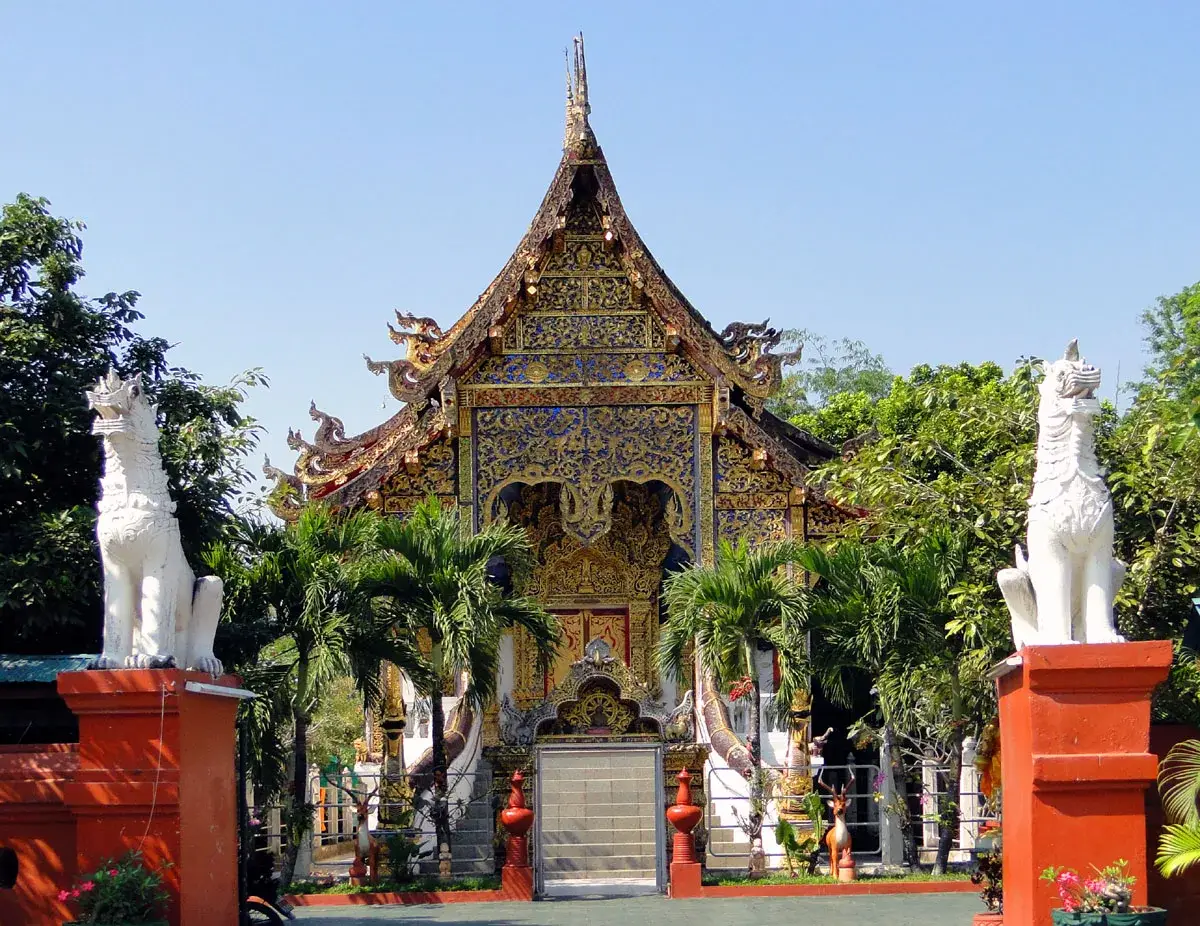
Open Days: Daily
Opening Hours: 08.00 – 17.00
Wat Don Kaew (Saraphi) is located at No. 1, Village No. 5, Ban Don Kaew, Don Kaew Subdistrict, Saraphi District, Chiang Mai Province 50140. It is a local Buddhist temple under the Mahanikaya sect and an important religious center of Ban Don Kaew. Officially established in B.E. 2410, the temple continues to serve as a spiritual center for the local community, supporting merit-making, Buddhist observances, village ceremonies, and local traditions in Don Kaew Subdistrict.
The name Wat Don Kaew reflects both landscape and faith. The word “don” refers to slightly raised land, while “kaew” carries meanings of value, purity, and auspiciousness in Thai and Lanna culture. The temple name therefore connects the physical character of the place with a sense of sacred value. This makes Wat Don Kaew a meaningful community temple whose name is closely tied to the identity of Ban Don Kaew.
Local history of Ban Don Kaew explains that the area was once raised land with woodland and was used as a place for keeping elephants by wealthy owners. Villagers also told stories of seeing light in the area on important lunar days. At a time when local people valued sacred objects and auspicious signs, a milky-white gem was said to have been found beneath a don kaew tree, also understood locally as a pikul tree. The gem was taken to the abbot of Wat San Ton Kok Nuea, who regarded it as a protective gem of the village and had it placed back in its original location before the temple was built.
This local story gives Wat Don Kaew a deeper meaning than that of an ordinary village temple. It connects the temple with a sacred landscape, village protection, and community memory. For visitors, the temple is best understood as a living religious site that preserves both Buddhist faith and local storytelling.
Don Kaew Subdistrict covers about 6.92 square kilometers, or approximately 4,325 rai. Its landscape is generally lowland, suitable for agriculture and settlement. The area is connected with irrigation channels, a main irrigation canal, and the Ping River. Wat Don Kaew therefore stands within a community landscape shaped by water, farming, roads, and residential areas. Its religious role is closely linked with the everyday life of local residents.
Don Kaew Subdistrict consists of 7 villages: Ban Tamnak Nuea, Ban Tamnak Tai, Ban San Ton Kok, Ban Don Kaew Village No. 4, Ban Don Kaew Village No. 5, Ban Nam Cho, and Ban San Klang. Wat Don Kaew is located in Village No. 5 and is one of the important Buddhist sites of the subdistrict, together with Wat Tamnak, Wat San Ton Kok, Wat Nam Cho, and Wat San Klang. This reflects the traditional Lanna pattern in which each village has a temple as its spiritual and social center.
Wat Don Kaew was officially established in B.E. 2410, giving it more than 150 years of history. Although Don Kaew today is more connected with greater Chiang Mai and modern transportation, the temple continues to preserve the older roots of the community. Its importance lies in its role as a place of worship, a center for merit-making, and a symbol of the village’s sacred history.
As a local Mahanikaya temple, Wat Don Kaew supports Buddhist practice for monks and laypeople in Ban Don Kaew. Community temples of this type are essential in northern Thai village life. They support Buddhist holy days, sermons, merit-making, family ceremonies, ordination-related occasions, Kathin, robe-offering events, and memorial rituals. The temple therefore links daily life with spiritual practice.
The latest temple activity listing identifies the abbot of Wat Don Kaew as Phra Khru Baidika Methee Thitamedho. Earlier temple information lists Phra Khru Phaisan Sutakhom Uttamo. This article uses the more recent activity-based listing for the current abbot. In a village temple, the abbot plays an important role in guiding Buddhist practice, conducting ceremonies, coordinating with residents, and maintaining the temple’s connection with the community.
The atmosphere of Wat Don Kaew is calm, modest, and community-oriented. It is not a large commercial tourist temple. Its value lies in its identity as a living Lanna village temple where local residents continue to make merit, attend ceremonies, and use the temple as a shared spiritual space. Visitors can experience a quieter side of Chiang Mai that is rooted in local community life rather than major tourist routes.
Visitors should appreciate Wat Don Kaew through its overall village temple atmosphere, temple grounds, merit-making areas, and relationship with the surrounding community. The temple is suitable for a peaceful visit, respectful worship, and learning about the history of Ban Don Kaew. Its main appeal is not monumental architecture but the continuity of faith, the local legend of the auspicious gem, and the temple’s continuing community role.
Wat Don Kaew is suitable for travelers interested in local temples in Saraphi, old temples in Chiang Mai, Lanna community culture, and cultural routes outside the main old-city temple circuit. Visitors who prefer quieter, less commercial destinations will appreciate the temple’s connection with village history, agriculture, and local Buddhist life.
The temple remains important because most residents in Don Kaew Subdistrict are Buddhist, and temples continue to support local customs and annual traditions. Local traditions in the subdistrict include Fon Phi Meng, the Song Satong ritual during the Northern Thai New Year period, the fourth lunar month Peng merit-making tradition for new rice, the ninth lunar month northern tradition, candle processions for Buddhist Lent, and Loy Krathong. These traditions show how Buddhist temples and local culture remain closely connected.
In Lanna culture, a village temple is more than a religious compound. It is a place where people learn generosity, cooperation, social manners, and community memory. Wat Don Kaew fulfills this role through Buddhist ceremonies, village gatherings, food offerings, community participation, and the passing of local customs from elders to younger generations.
A cultural route in Don Kaew Subdistrict can begin at Wat Don Kaew and continue to Wat Nam Cho, Wat San Klang, Wat San Ton Kok, and Wat Tamnak. Wat Nam Cho is promoted by the local municipality for its temple art and its Buddha image known as Phra Kaew Maha Chakkraphat Maha Setthi Than Chai. Visiting these temples together gives travelers a broader view of the temple network within Don Kaew Subdistrict.
Wat Tamnak is another nearby cultural stop with local historical associations, while Wat San Ton Kok and Wat San Klang show the role of community temples in neighboring villages. Together, these temples help travelers understand that Don Kaew is not a single-point destination but a subdistrict with several connected Buddhist communities.
Travelers who want to extend the route can continue to Wiang Kum Kam, one of the most important historic sites in the Chiang Mai area, or to the Chiang Mai–Lamphun rubber tree road in Saraphi. A route combining Wat Don Kaew, nearby local temples, Wiang Kum Kam, and the tree-lined road gives a balanced view of village Buddhism, local agriculture, and Lanna history.
Getting There is easiest by private car, rental car, motorbike, taxi, or ride-hailing service from Chiang Mai city. Travel south toward Saraphi District, enter Don Kaew Subdistrict, and continue to Ban Don Kaew, Village No. 5. The temple is located within a community area, so visitors without their own vehicle should arrange a return trip or hire a vehicle for several hours if they plan to visit nearby temples, restaurants, and accommodations.
The best time to visit is in the morning or late afternoon when the weather is more comfortable and the temple atmosphere is peaceful. During Buddhist festivals such as Kathin, robe-offering events, Buddhist Lent, and local annual traditions, the temple may become livelier with community participation. Visitors seeking a quiet visit should choose a weekday outside major ceremonies.
Visitors should follow standard Thai temple etiquette: dress modestly, speak softly, remove shoes where required, avoid entering private monastic areas, do not disturb ceremonies, and ask permission before taking close-up photos of people or religious activities. Respectful behavior is especially important because this is an active village temple and a living religious space for the local community.
In summary, Wat Don Kaew (Saraphi) is a historic village temple in Ban Don Kaew, Don Kaew Subdistrict, Saraphi District, Chiang Mai. Officially established in B.E. 2410, it preserves a local story of an auspicious village gem, remains an important Buddhist site of Village No. 5, and continues to serve as a spiritual center for the community. It is a meaningful stop for travelers who want to understand local Lanna Buddhism, village culture, and the quieter cultural side of Saraphi.
| Name | Wat Don Kaew (Saraphi) |
| Location | Ban Don Kaew, Village No. 5, Don Kaew Subdistrict, Saraphi District, Chiang Mai Province |
| Address | No. 1, Village No. 5, Ban Don Kaew, Don Kaew Subdistrict, Saraphi District, Chiang Mai 50140, Thailand |
| Temple Type | Local Buddhist temple under the Mahanikaya sect |
| Temple Code | 03501909004 |
| Highlights | Historic community temple of Ban Don Kaew, established in B.E. 2410 and connected with a local story about an auspicious village gem beneath a don kaew tree |
| History | Officially established as a temple in B.E. 2410 |
| Community Context | Located in Ban Don Kaew, Village No. 5, one of the 7 villages of Don Kaew Subdistrict, a lowland area associated with agriculture and settlement |
| Name Origin | Connected with raised land and the local story of an auspicious gem found beneath a don kaew or pikul tree |
| Distinctive Features | A local Lanna village temple linking Buddhist faith, village identity, auspicious belief, and the community life of Ban Don Kaew |
| Travel Information | Accessible from Chiang Mai city toward Saraphi District, then Don Kaew Subdistrict and Ban Don Kaew; best reached by private car, rental car, motorbike, taxi, or ride-hailing service |
| Current Status | Open as an active community temple used for Buddhist ceremonies, merit-making, and local village activities |
| Open Days | Daily |
| Opening Hours | 08.00 – 17.00 |
| Abbot / Caretaker | Phra Khru Baidika Methee Thitamedho |
| Resident Monks | 5 monks |
| Nearby Tourist Attractions | 1. Wat Nam Cho, about 2 km 2. Wat San Klang, about 3 km 3. Wat San Ton Kok, about 4 km 4. Wat Tamnak, about 5 km 5. Wiang Kum Kam, about 9 km 6. Chiang Mai–Lamphun Rubber Tree Road, about 10 km |
| Nearby Restaurants | 1. Wae Nae Saraphi Don Kaew, about 1 km, Tel. 093-442-8253 2. BBQ Na 7 Don Kaew Saraphi, about 1 km, Tel. 092-329-4508 3. Larb Ubon Don Kaew, about 2 km, Tel. 088-251-8742, 089-997-2073, 095-453-6800 4. Tree of Life Cafe Saraphi, about 5 km, Tel. 096-325-9954 5. Five Star Saraphi, about 7 km, Tel. 097-937-8355, 062-387-5535 |
| Nearby Accommodations | 1. Parichai Home Stay, about 2 km, Tel. 081-602-4425 2. Chiang Mai Garden Bungalows, about 2 km, Tel. 083-272-6681 3. Lang Suan Resort Saraphi, about 2 km, Tel. 093-469-3555 4. Patarada Boutique House, about 3 km, Tel. 081-885-2513 5. Relax Garden House, about 4 km, Tel. 090-326-6108 |
Frequently Asked Questions (FAQ)
Q: Where is Wat Don Kaew (Saraphi) located?
A: Wat Don Kaew is located at No. 1, Village No. 5, Ban Don Kaew, Don Kaew Subdistrict, Saraphi District, Chiang Mai Province 50140.
Q: What are the opening days and hours of Wat Don Kaew?
A: The temple is open daily from 08.00 to 17.00.
Q: Why is Wat Don Kaew historically important?
A: Wat Don Kaew was officially established in B.E. 2410 and remains an important community temple of Ban Don Kaew, with a local story about an auspicious village gem.
Q: What does the name Don Kaew mean?
A: The name connects raised land with the idea of an auspicious gem, reflecting both local geography and the community’s sacred story.
Q: What is the main highlight of Wat Don Kaew?
A: Its highlight is its identity as an old Lanna village temple tied to Ban Don Kaew, local belief, and the spiritual life of the community.
Q: Who is the current abbot or caretaker of Wat Don Kaew?
A: The latest temple activity listing identifies Phra Khru Baidika Methee Thitamedho as the abbot or caretaker of Wat Don Kaew.
Q: How can travelers get to Wat Don Kaew?
A: The easiest way is to travel from Chiang Mai city toward Saraphi District, then continue into Don Kaew Subdistrict and Ban Don Kaew by private car, rental car, motorbike, taxi, or ride-hailing service.
Q: What nearby places can be visited with Wat Don Kaew?
A: Nearby places include Wat Nam Cho, Wat San Klang, Wat San Ton Kok, Wat Tamnak, Wiang Kum Kam, and the Chiang Mai–Lamphun rubber tree road.
 Category: ●Places of Worship
 Group: ●Temple
Last Update : 2 MonthAgo
 Last Update : 2 MonthAgo
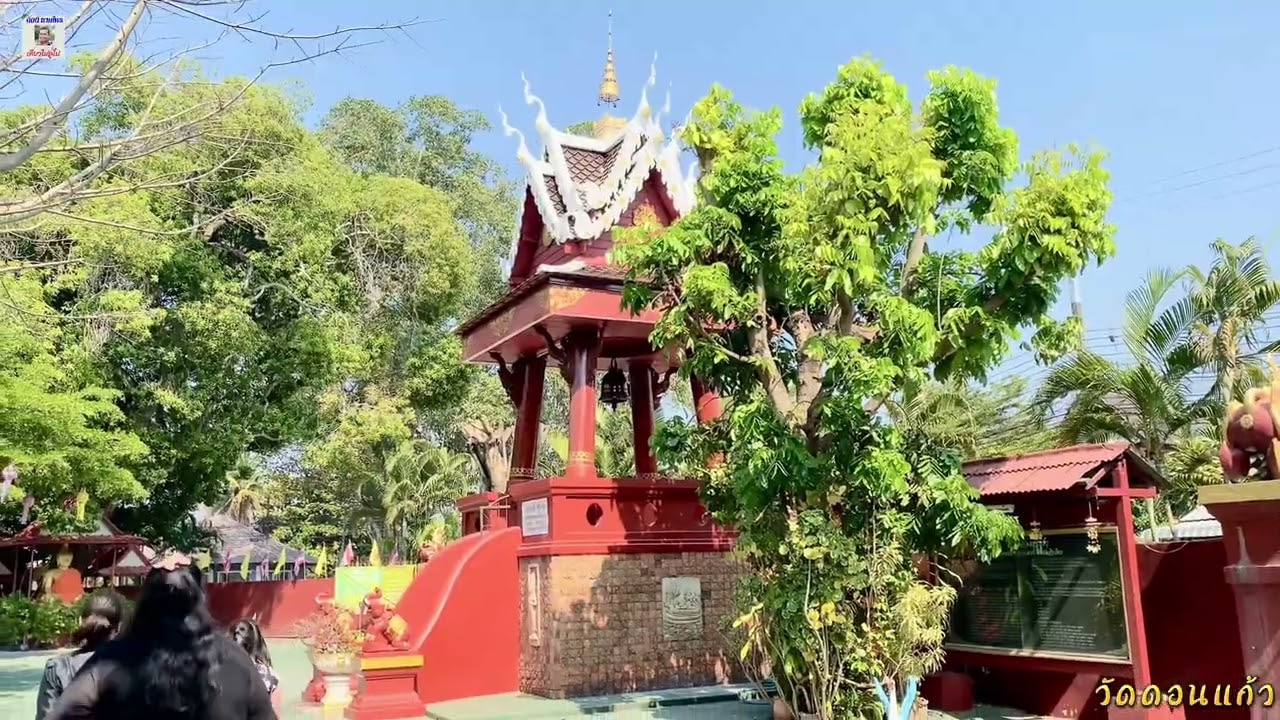
 Click to Access the Navigation Map GPS
Wat Don Kaew (Saraphi) Map
Recommend

 Muang Chiang Mai(121)Chom Thong(47)Mae Chaem(25)Chiang Dao(33)Doi Saket(68)Mae Taeng(85)Mae Rim(69)Samoeng(29)Fang(71)Mae Ai(59)Phrao(70)San Pa Tong(103)San Kamphaeng(66)San Sai(73)Hang Dong(73)Hot(32)Doi Tao(22)Omkoi(11)Saraphi(74)Wiang Haeng(15)Chai Prakan(28)Mae Wang(32)Mae On(22)Doi Lo(33)Galyani Vadhana(1)


