
lovethailand home >North Travel Attractions >Chiang Mai Travel Attractions >San Kamphaeng >San Klang > Wat Ban Mon
TL;DR: Wat Ban Mon is located at Moo 1, San Klang Subdistrict, San Kamphaeng District, Chiang Mai Province. Highlights include The sacred twin Bodhi tree, a major spiritual symbol of Wat Ban Mon and the San Klang community.

Wat Ban Mon
Operating day: Daily
Operating time: 08.00 - 17.00
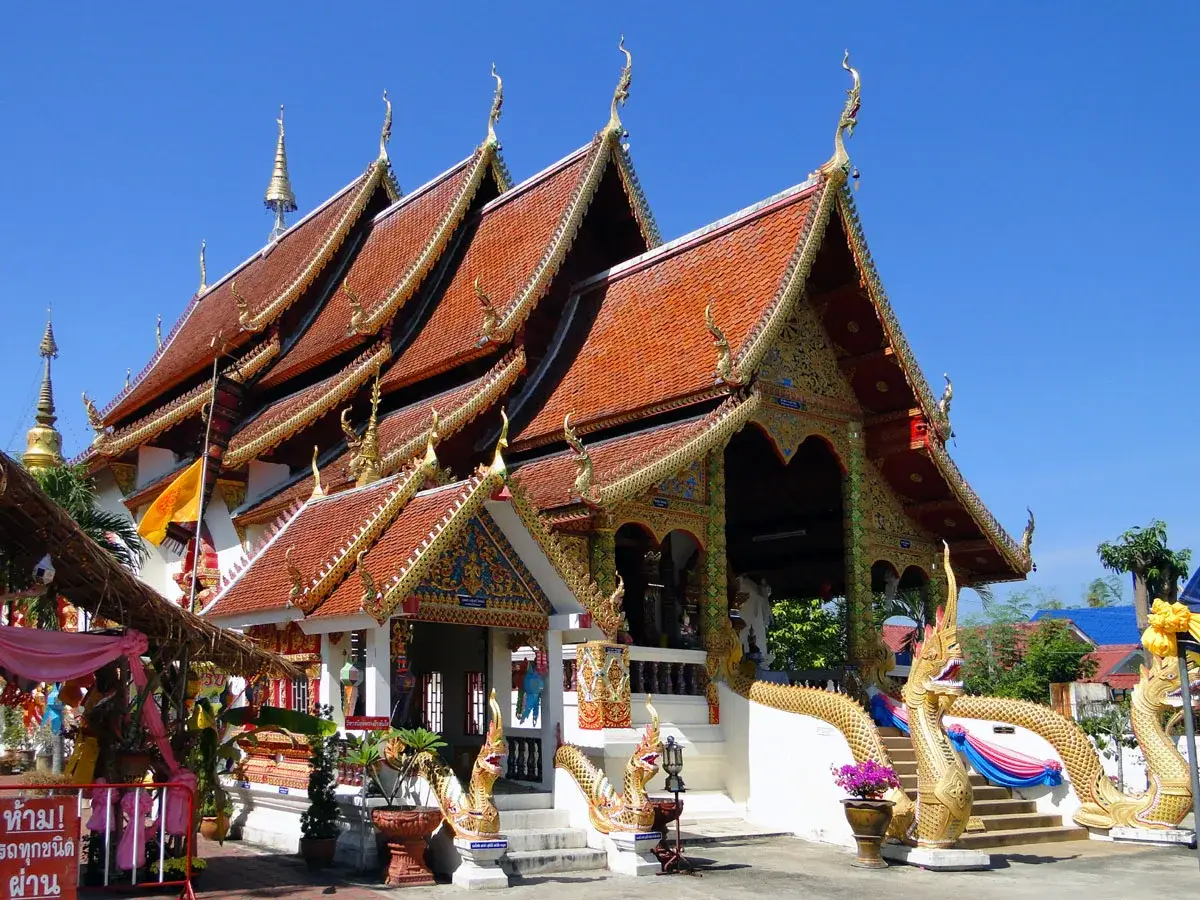
Wat Ban Mon, also known as Wat Ban Mon Ton Pho Faet, is located at 93 Moo 1, San Klang Subdistrict, San Kamphaeng District, Chiang Mai Province. It is a private Buddhist temple under the Mahanikaya order and covers about 2 rai, 2 ngan, and 96 square wah of land. The temple is one of the most meaningful community temples in San Klang because it combines local Buddhist faith, Ban Mon cultural identity, and the famous sacred twin Bodhi tree that has become the temple’s main spiritual landmark.
Wat Ban Mon was officially established as a temple in 1797, received its royal Wisungkhamsima in 1997, and was later recognized as a model developed temple in 2010. These milestones show that the temple has a history of more than 200 years and still remains active in local religious and cultural life. The history of the temple is closely connected with the settlement of Ban Mon, a community known for its cultural roots, local traditions, and relationship with Tai Khun and Lanna ways of life in San Kamphaeng.
Ban Mon in San Klang Subdistrict is known as a cultural community with local crafts, community markets, traditional events, and creative cultural tourism. Wat Ban Mon stands at the center of this setting. It is not only a place for merit-making and Buddhist ceremonies but also a key site for understanding the identity of Ban Mon. Visitors who want to learn about the community will find that the temple connects religion, local memory, sacred trees, community events, and cultural tourism in one place.
The sacred twin Bodhi tree is the most important highlight of Wat Ban Mon. The large Bodhi tree has a distinctive base with an opening that people can walk through. Local belief connects the tree with blessings, merit, protection, and good fortune. Many visitors come to pay respect, make wishes, and walk beneath the twin Bodhi tree with a respectful mind. Because of this unusual form and strong local faith, the tree has become one of the most recognized spiritual landmarks in San Kamphaeng and is often associated with unseen attractions in Chiang Mai.
The meaning of the twin Bodhi tree goes beyond its physical appearance. In Buddhist culture, the Bodhi tree is deeply connected with enlightenment, wisdom, and peace. At Wat Ban Mon, the twin Bodhi tree has become a living symbol of faith for the community. It links generations of local residents with Buddhist belief and village identity. Visitors should treat the area with respect, avoid damaging the tree, avoid climbing or touching it carelessly, and keep the atmosphere calm around the sacred space.
Inside Wat Ban Mon, several religious and historical elements reflect the temple’s long presence in the community. These include the viharn, the scripture hall, old brick walls around the Bodhi courtyard, the sacred twin Bodhi tree area, and the temple courtyard used for community activities. The viharn serves as the main space for ceremonies, chanting, merit-making, and Dhamma activities. The scripture hall reflects the temple’s role in preserving Buddhist knowledge. The old brick elements around the Bodhi courtyard add a sense of historical depth to the site.
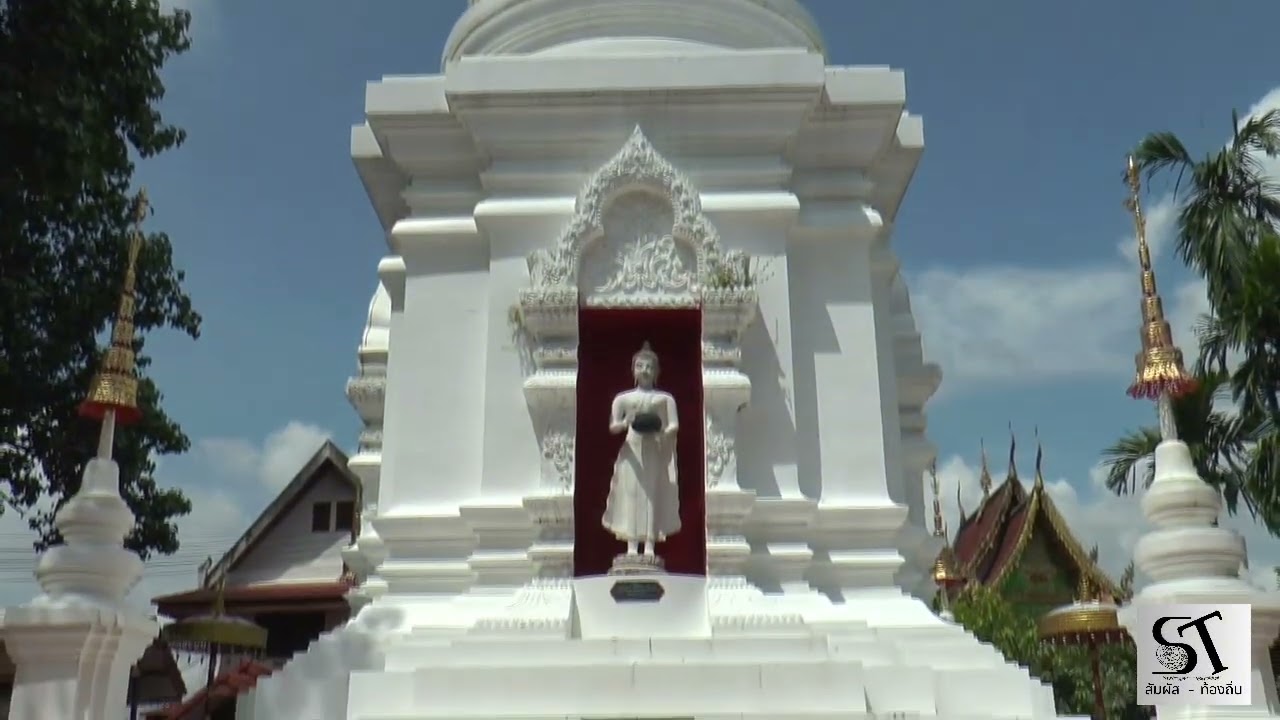
The temple is also known for Buddha images associated with birth days, allowing visitors to pay respect according to their personal devotional practice. This makes the visit more intimate for Thai Buddhist visitors and culturally meaningful for travelers who want to understand local religious customs. The atmosphere of Wat Ban Mon is calm, shaded, and rooted in village life rather than mass tourism. It is suitable for those who want to explore a quieter side of Chiang Mai’s temple culture.
The current abbot associated with Wat Ban Mon in recent public records is Phra Khru Sangkhapharawimon, also known as Rattipong Mahakhampirawangso. The temple continues to appear in recent religious and cultural activities, confirming its active role in the community. In a community temple like Wat Ban Mon, the abbot’s role includes caring for the monastic community, maintaining religious spaces, guiding merit-making activities, and working with local residents and public organizations to support temple and community events.
Wat Ban Mon has also been recognized through the Wat Pracha Rat Sang Suk initiative, which encourages temples and communities to create clean, orderly, peaceful, and well-managed temple environments through the 5S approach. This recognition reflects the cooperation between the temple, monks, residents, and local authorities. It shows that Wat Ban Mon is not only a historic temple but also a community space that continues to develop its physical environment, public usefulness, and spiritual atmosphere.
One of the most important cultural events connected with Wat Ban Mon is the “Suep Heet San Hoi Withi Thin Tai Khun Ban Mon Ton Pho Faet” festival. The event celebrates Tai Khun cultural heritage, Ban Mon identity, and devotion to the sacred twin Bodhi tree. It brings together local dress, food, performances, rituals, community participation, and cultural tourism. This event helps strengthen community pride, supports local livelihoods, and makes Ban Mon better known as a cultural destination in San Kamphaeng.
Besides the Tai Khun cultural event, Wat Ban Mon is also connected with regular Buddhist merit-making activities such as Kathin, robe offerings, Buddhist Lent, Buddhist holy days, Songkran-related merit-making, and community ceremonies. These activities keep the temple alive as a social and spiritual center. Elderly residents, families, children, monks, and local organizations all meet through temple life, making Wat Ban Mon a place where faith and community continuity are maintained together.
The role of Wat Ban Mon can be understood in several layers. Religiously, it is a place for worship, merit-making, Dhamma practice, and Buddhist ceremonies. Culturally, it preserves Ban Mon and Tai Khun identity. Socially, it serves as a gathering place for local residents. As a travel destination, it connects visitors with community markets, craft areas, cultural routes, and nearby attractions in San Kamphaeng. This makes Wat Ban Mon an important gateway to understanding the living culture of eastern Chiang Mai.
Visitors should observe proper temple etiquette. Dress modestly, speak quietly, avoid disturbing monks or local residents, and take photographs respectfully. Around the sacred twin Bodhi tree, visitors should behave with extra care because the tree is both a religious symbol and a treasured community landmark. Walking beneath the tree should be done calmly and respectfully. Visitors should avoid actions that could harm the roots, bark, branches, or sacred setting of the area.
Getting There is convenient by private car, rental car, or hired transport from Chiang Mai city. Take the Chiang Mai–San Kamphaeng route toward San Klang Subdistrict and continue to Ban Mon in Moo 1. Travelers using a navigation app should search for “Wat Ban Mon Ton Pho Faet” or “Wat Ban Mon San Klang” to reach the correct temple. The temple can be included in a half-day or full-day route with Wat Simaram, Wat San Klang Nuea, Long Him Kao Market, Bo Sang Umbrella Village, and other community attractions in San Kamphaeng.
Wat Ban Mon is suitable for travelers who want more than a quick temple stop. It offers local history, Buddhist devotion, a sacred natural landmark, Tai Khun cultural identity, and a strong connection with community life. The temple helps explain why San Kamphaeng is not only a craft and shopping destination but also a district with deep religious and cultural roots. For visitors interested in meaningful local travel, Wat Ban Mon is one of the most valuable cultural temple stops in the area.
| Name | Wat Ban Mon, also known as Wat Ban Mon Ton Pho Faet |
| Location | Moo 1, San Klang Subdistrict, San Kamphaeng District, Chiang Mai Province |
| Address | 93 Moo 1, San Klang Subdistrict, San Kamphaeng District, Chiang Mai 50130, Thailand |
| Highlights | The sacred twin Bodhi tree, a major spiritual symbol of Wat Ban Mon and the San Klang community |
| History | Officially established as a temple in 1797, received royal Wisungkhamsima in 1997, and was recognized as a model developed temple in 2010 |
| Distinctive Features | An old community temple connected with the sacred twin Bodhi tree, Ban Mon identity, and Tai Khun cultural heritage in San Kamphaeng |
| Travel Information | Travel from Chiang Mai city via the Chiang Mai–San Kamphaeng route, then continue to San Klang Subdistrict and Ban Mon. Search for “Wat Ban Mon Ton Pho Faet” or “Wat Ban Mon San Klang” in navigation apps. |
| Current Status | Active community Buddhist temple and cultural activity space in Ban Mon, San Klang Subdistrict |
| Temple Type | Private Buddhist temple under the Mahanikaya order |
| Temple Area | 2 rai, 2 ngan, and 96 square wah |
| Abbot / Caretaker | Phra Khru Sangkhapharawimon, also known as Rattipong Mahakhampirawangso |
| Main Contact Number | 087-576-5492 |
| Main Areas / Structures | Viharn, scripture hall, old brick wall, Bodhi courtyard, sacred twin Bodhi tree, and community activity space |
| Related Traditions / Activities | Suep Heet San Hoi Withi Thin Tai Khun Ban Mon Ton Pho Faet festival, Kathin, robe offerings, Buddhist Lent, and local merit-making events |
| Nearby Tourist Attractions | 1. Wat Simaram, about 1 km 2. Wat San Klang Nuea, about 2 km 3. Long Him Kao Market, about 2 km 4. Bo Sang Umbrella Village, about 5 km 5. Wat San Klang Tai, about 5 km |
| Nearby Restaurants | 1. S.P. Suki Ban Mon, about 1 km, Tel. 085-106-3939 2. The Garden Cafe Bar and Restaurant, about 1 km, Tel. 096-312-7030 3. Tam Saderd @ Baan Mon, about 2 km, Tel. 065-992-5939 4. Brooklyn Cafe, about 1 km, Tel. 089-117-2811 5. Mahalap Farm Country Home Coffee & Bakery, about 7 km, Tel. 080-129-7878, 092-951-5156 |
| Nearby Accommodations | 1. Fai Kham Boutique, about 4 km, Tel. 053-960-887 2. The Vet Boutique Hotel, about 5 km, Tel. 091-852-5507 3. LPL Resort, about 9 km, Tel. 089-999-7771 4. Sanaepatan Home Resort, about 11 km, Tel. 092-815-5029 5. Baanpong Lodge, about 16 km, Tel. 083-969-6555 |
Frequently Asked Questions (FAQ)
Q: Where is Wat Ban Mon located?
A: Wat Ban Mon is located at 93 Moo 1, San Klang Subdistrict, San Kamphaeng District, Chiang Mai 50130, Thailand.
Q: What is Wat Ban Mon famous for?
A: Wat Ban Mon is famous for its sacred twin Bodhi tree, a major spiritual landmark of the temple and the Ban Mon community.
Q: How old is Wat Ban Mon?
A: Wat Ban Mon was officially established in 1797, received royal Wisungkhamsima in 1997, and was recognized as a model developed temple in 2010.
Q: Who is the abbot of Wat Ban Mon?
A: The abbot is Phra Khru Sangkhapharawimon, also known as Rattipong Mahakhampirawangso.
Q: What is the belief connected with the twin Bodhi tree?
A: Visitors believe that paying respect and walking under the twin Bodhi tree with a respectful mind brings blessings, merit, and encouragement in life.
Q: Is Wat Ban Mon suitable for cultural travelers?
A: Yes. It is suitable for visitors interested in Buddhist temples, local faith, Ban Mon culture, Tai Khun heritage, and community-based travel in San Kamphaeng.
Q: What important cultural event is connected with Wat Ban Mon?
A: The temple is connected with the Suep Heet San Hoi Withi Thin Tai Khun Ban Mon Ton Pho Faet festival, along with Kathin, robe offerings, Buddhist Lent, and local merit-making events.
Q: What nearby places can visitors combine with Wat Ban Mon?
A: Visitors can combine the trip with Wat Simaram, Wat San Klang Nuea, Long Him Kao Market, Bo Sang Umbrella Village, and Wat San Klang Tai.
 Category: ●Places of Worship
 Group: ●Temple
Last Update : 2 MonthAgo
 Last Update : 2 MonthAgo
 Click to Access the Navigation Map GPS
Wat Ban Mon Map
Recommend

 Muang Chiang Mai(121)Chom Thong(47)Mae Chaem(25)Chiang Dao(33)Doi Saket(68)Mae Taeng(85)Mae Rim(69)Samoeng(29)Fang(71)Mae Ai(59)Phrao(70)San Pa Tong(103)San Kamphaeng(66)San Sai(73)Hang Dong(73)Hot(32)Doi Tao(22)Omkoi(11)Saraphi(74)Wiang Haeng(15)Chai Prakan(28)Mae Wang(32)Mae On(22)Doi Lo(33)Galyani Vadhana(1)


