
lovethailand home >North Travel Attractions >Chiang Mai Travel Attractions >Mae Wang >Thung Pi > Wat Tha Chang
TL;DR: Wat Tha Chang is located at Moo 5, Ban Thung Pi, Thung Pi Subdistrict, Mae Wang District, Chiang Mai 50360, open Daily, hours 09.00 – 17.00.

Wat Tha Chang
Open Days: Daily
Opening Hours: 09.00 – 17.00
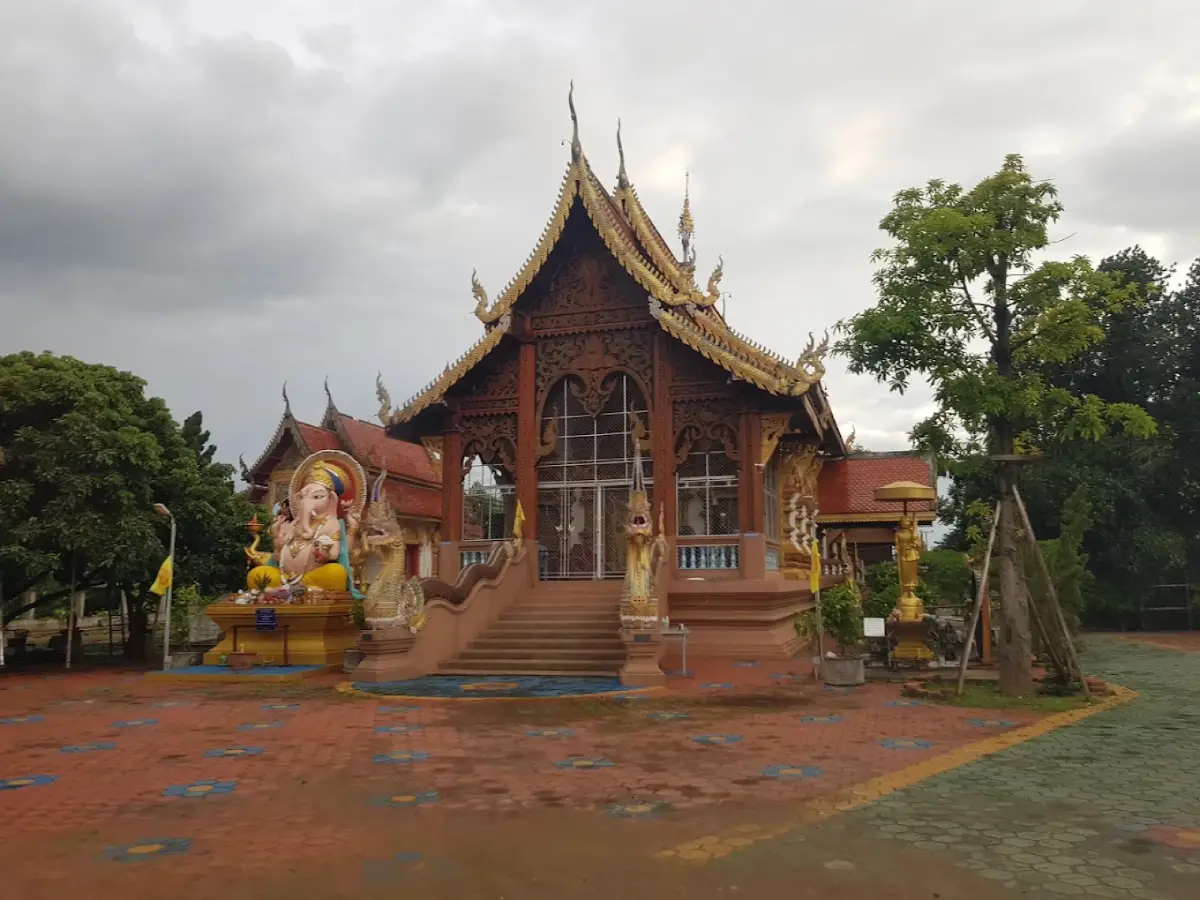
Wat Tha Chang is located in Moo 5, Ban Thung Pi, Thung Pi Subdistrict, Mae Wang District, Chiang Mai Province 50360. It is a local Buddhist temple under the Mahanikaya order. The temple was officially permitted to be established in 1927 and received its royal consecrated boundary in 1932. For travelers, Wat Tha Chang is not a large commercial tourist temple, but a quiet community temple that reflects the living relationship between Buddhism, local agriculture, and Lanna village life in Mae Wang.
The value of Wat Tha Chang lies in its role as a village temple. It serves as a spiritual center for Ban Thung Pi and the surrounding community, supporting merit-making, Buddhist ceremonies, local festivals, and community gatherings. Visitors who come here will experience a calm rural temple atmosphere rather than a crowded sightseeing attraction. This makes the temple suitable for travelers who want to understand Chiang Mai beyond the old city, famous mountain temples, and mainstream tourist routes.
Historically, Wat Tha Chang has two important dates. The temple was officially established in 1927, and in 1932 it received its Wisungkhamsima, the consecrated boundary used for important monastic ceremonies. This status strengthened the temple’s role as a religious center for the local Buddhist community. In Thai Buddhist tradition, such a boundary is especially important because it allows formal Sangha activities to be performed properly within the temple grounds.
Wat Tha Chang is closely connected with Thung Pi Subdistrict, an agricultural area of Mae Wang. The subdistrict has upland plains, village settlements, agricultural land, and the Mae Wang River running through several communities. In this landscape, temples function not only as places of worship but also as community anchors. They are where villagers gather for Buddhist holy days, merit-making, seasonal ceremonies, and important family or community events.
Unlike major tourist temples in central Chiang Mai, Wat Tha Chang does not rely on monumental architecture to define its identity. Its importance comes from continuity, local faith, and its everyday role in village life. The temple represents the kind of rural Lanna Buddhist culture that remains active in many communities of Chiang Mai Province. Travelers who visit with patience and respect can see how religion, community, and local customs remain connected.
The atmosphere at Wat Tha Chang is quiet and modest. Visitors can stop for merit-making, pay respect to the Buddha, observe the temple grounds, and take time to appreciate the slower rhythm of a local temple. Since this is an active religious space, visitors should dress politely, speak softly, keep the temple clean, and avoid disturbing monks or local residents who come for religious activities.
Wat Tha Chang can also be included in a local temple route within Thung Pi Subdistrict. Nearby temples include Wat Don Kaeo, Wat Bun Yuen, Wat Phan Ton, Wat Chom Chaeng, and Wat Ma Kap Tong Luang. A route like this is suitable for travelers interested in community temples, village history, and the religious geography of Mae Wang. It offers a different perspective from the more familiar temple routes in Chiang Mai city.
The temple is also a useful cultural stop before continuing to Mae Wang’s natural attractions. Travelers can combine Wat Tha Chang with bamboo rafting on the Mae Wang River, Mae Wang elephant activity areas, Wat Luang Khun Win, or Pha Chor in Mae Wang National Park. This creates a balanced one-day route that includes Buddhism, village culture, riverside dining, and natural scenery.
Annual and seasonal Buddhist activities around Wat Tha Chang generally follow the Buddhist calendar and the customs of the local community. These include Buddhist holy days, Songkran, Ok Phansa, Kathin, and Pha Pa merit-making. These ceremonies are part of the living culture of Thung Pi and Mae Wang, where temples continue to bring people together through shared faith and community participation.
For travelers interested in local culture, Wat Tha Chang offers a meaningful glimpse into Lanna village life. The surrounding community still carries local traditions, uses Northern Thai cultural expressions, and maintains a close relationship with agriculture and temple-based activities. The temple is therefore best appreciated not as an isolated attraction, but as part of a wider cultural landscape shaped by villages, water sources, farms, and Buddhist practice.
Getting There is easiest by private car. From Chiang Mai city, take the Chiang Mai–Hot road through Hang Dong and San Pa Tong, then turn toward Mae Wang on Highway 1013. Continue toward Thung Pi Subdistrict and Moo 5, Ban Thung Pi. The route passes through local communities and agricultural areas, so drivers should proceed carefully, especially near village roads, schools, markets, and small intersections. If using local transport or a hired vehicle, clearly give the destination as Wat Tha Chang, Moo 5, Thung Pi Subdistrict, Mae Wang District, Chiang Mai Province, because there are other temples with the same name in Thailand.
The best time to visit Wat Tha Chang is in the morning or early afternoon, when the weather is more comfortable and the temple atmosphere is peaceful. Visitors who plan to continue to Mae Wang’s rafting area or natural attractions should allow extra travel time, as some destinations are in different parts of the district. A slow itinerary works best for this area because it allows time for both cultural stops and nature-based activities.
A good cultural route starts at Wat Tha Chang and continues to nearby community temples in Thung Pi. A broader Mae Wang route can connect the temple with bamboo rafting, riverside restaurants, Wat Luang Khun Win, and Pha Chor in Mae Wang National Park. The first route is best for travelers interested in temples and village culture, while the second route suits visitors who want a fuller day trip combining faith, local food, and outdoor scenery.
In summary, Wat Tha Chang is a meaningful local Buddhist temple in Mae Wang District. It may not be a large landmark temple, but its long history, official establishment in 1927, consecrated boundary in 1932, and ongoing community role make it worth visiting for travelers who want to understand rural Chiang Mai in a deeper and quieter way.
| Name | Wat Tha Chang |
| Location | Moo 5, Ban Thung Pi, Thung Pi Subdistrict, Mae Wang District, Chiang Mai 50360 |
| Place Type | Local Buddhist temple under the Mahanikaya order |
| History | Officially established in 1927 and granted its royal consecrated boundary in 1932 |
| Highlights | A quiet village temple in Ban Thung Pi, suitable for merit-making, respectful temple visits, and learning about local Buddhist life in Mae Wang |
| Distinctive Features | Peaceful rural atmosphere, local Lanna community setting, and strong connection with village traditions |
| Community Role | A spiritual center for local Buddhist ceremonies, merit-making, and community gatherings |
| Local Traditions | Buddhist holy days, Songkran, Loy Krathong, Ok Phansa, Kathin, and Pha Pa merit-making within the local community calendar |
| Travel Information | From Chiang Mai city, take the Chiang Mai–Hot road through Hang Dong and San Pa Tong, then turn onto Highway 1013 toward Mae Wang and continue to Thung Pi Subdistrict, Moo 5 |
| Current Status | Open as an active community temple and listed in current temple databases |
| Open Days | Daily |
| Opening Hours | 09.00 – 17.00 |
| Facilities | Restrooms |
| Main Contact Number | 081-162-5756 |
| Nearby Tourist Attractions | 1. Wat Don Kaeo, Thung Pi Subdistrict, about 2 km 2. Wat Bun Yuen, Thung Pi Subdistrict, about 3 km 3. Wat Phan Ton, Thung Pi Subdistrict, about 4 km 4. Wat Chom Chaeng, Thung Pi Subdistrict, about 4 km 5. Wat Ma Kap Tong Luang, Thung Pi Subdistrict, about 6 km 6. Mae Wang Bamboo Rafting Area, about 17 km 7. Pha Chor, Mae Wang National Park, about 24 km |
| Nearby Restaurants | 1. Isan Food Khon Kalasin, about 8 km, Tel. 097-030-5407 2. Five Star PTT Mae Wang, about 10 km, Tel. 088-762-8346 3. Pa Tae Mae Wang Restaurant, about 17 km, Tel. 090-434-5918, 081-028-0224 4. Sap Sopha Restaurant, about 17 km, Tel. 089-854-8478, 080-500-1697 5. The Kerchor River Cafe, about 20 km, Tel. 093-135-7705 |
| Nearby Accommodations | 1. Mae Wang Apartment, about 10 km, Tel. 065-487-8580 2. Chan Chai Bed&Restaurant, about 12 km, Tel. 097-462-3923 3. Khum Khun Wang Resort, about 15 km 4. Sainamwang Lodge, about 22 km, Tel. 080-491-6899 5. Maewin Resort, about 25 km, Tel. 089-982-0716 |
Frequently Asked Questions (FAQ)
Q: Where is Wat Tha Chang located?
A: Wat Tha Chang is located in Moo 5, Ban Thung Pi, Thung Pi Subdistrict, Mae Wang District, Chiang Mai Province 50360.
Q: What type of temple is Wat Tha Chang?
A: Wat Tha Chang is a local Buddhist temple under the Mahanikaya order and serves as a village temple for Ban Thung Pi.
Q: What is the history of Wat Tha Chang?
A: The temple was officially established in 1927 and received its royal consecrated boundary in 1932.
Q: What are the opening hours of Wat Tha Chang?
A: Wat Tha Chang is open daily from 09.00 to 17.00.
Q: Who should visit Wat Tha Chang?
A: It is suitable for travelers who want to make merit, visit a quiet rural temple, and learn about local Lanna Buddhist life in Mae Wang.
Q: What places can be visited together with Wat Tha Chang?
A: Nearby options include Wat Don Kaeo, Wat Bun Yuen, Wat Phan Ton, Wat Chom Chaeng, Wat Ma Kap Tong Luang, Mae Wang bamboo rafting area, and Pha Chor in Mae Wang National Park.
Q: What should visitors wear when visiting Wat Tha Chang?
A: Visitors should dress modestly, speak quietly, keep the temple clean, and respect the religious activities of monks and local residents.
 Category: ●Places of Worship
 Group: ●Temple
Last Update : 2 MonthAgo
 Last Update : 2 MonthAgo
 Click to Access the Navigation Map GPS

 Muang Chiang Mai(121)Chom Thong(47)Mae Chaem(25)Chiang Dao(33)Doi Saket(68)Mae Taeng(85)Mae Rim(69)Samoeng(29)Fang(71)Mae Ai(59)Phrao(70)San Pa Tong(103)San Kamphaeng(66)San Sai(73)Hang Dong(73)Hot(32)Doi Tao(22)Omkoi(11)Saraphi(74)Wiang Haeng(15)Chai Prakan(28)Mae Wang(32)Mae On(22)Doi Lo(33)Galyani Vadhana(1)


