
lovethailand home >North Travel Attractions >Chiang Mai Travel Attractions >Mae Rim >Mueang Kaeo > Wat Weluwan (Mueang Kaeo)
TL;DR: Wat Weluwan (Mueang Kaeo) is located at Moo 3, Mueang Kaeo Subdistrict, Mae Rim District, Chiang Mai Province, open Daily, hours 08.00 – 17.00.

Wat Weluwan (Mueang Kaeo)
Open Days: Daily
Opening Hours: 08.00 – 17.00
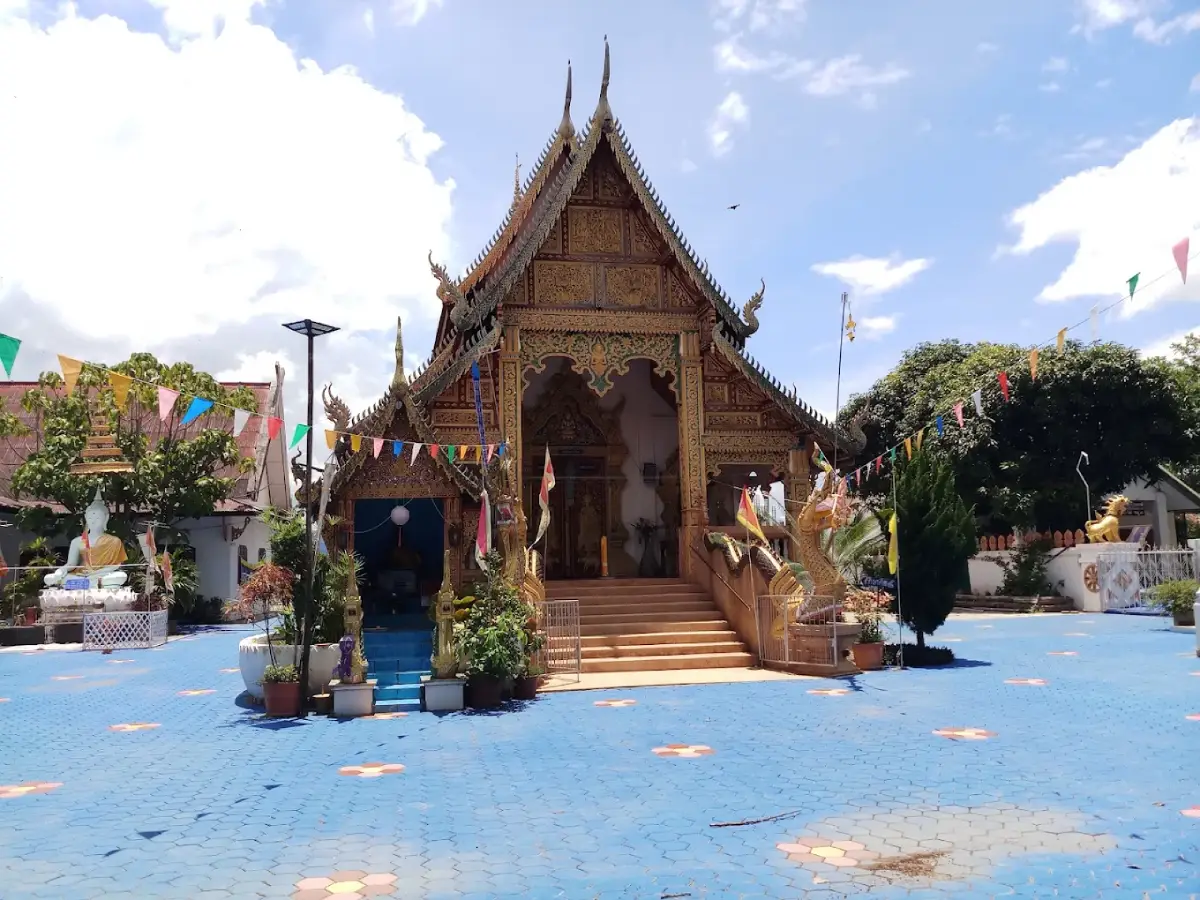
Wat Weluwan (Mueang Kaeo) is located in Moo 3, Mueang Kaeo Subdistrict, Mae Rim District, Chiang Mai Province. It is a local Buddhist temple under the Mahanikaya order and one of the long-standing community temples in Mueang Kaeo. The temple was officially permitted to be established in 1807, making it more than 200 years old as of 2026. Wat Weluwan is a quiet temple for merit-making, local worship, and cultural travel in the Mae Rim area.
The importance of Wat Weluwan lies in its role as a living community temple. It is not a large commercial tourist attraction, but a temple that continues to serve local Buddhist life in Mueang Kaeo. Visitors who want to understand Mae Rim beyond cafés, resorts, and nature attractions can use Wat Weluwan as a meaningful cultural stop. The temple is also suitable for travelers who prefer quiet temple visits and community-based routes.
The temple’s official establishment in 1807 shows its long connection with the local community. Village temples in northern Thailand were usually created through the faith and cooperation of local residents who needed a place for worship, merit-making, Buddhist teachings, and ceremonies throughout the year. Wat Weluwan therefore represents both religious history and community history in Mueang Kaeo.
Mueang Kaeo Subdistrict is an important part of Mae Rim District. It is close to Chiang Mai city, yet still retains local villages, agricultural areas, flower gardens, restaurants, cafés, accommodations, and several community temples. Wat Weluwan is located in Moo 3 and forms part of a wider network of local temples, including Wat Phrom Pradit, Wat Si Ping Chai, Wat Wichit Waree, Wat Don Tan, Wat Nantawat, and Wat Chomphunut.
The name Weluwan is associated with bamboo groves in Buddhist cultural language. It suggests shade, calmness, and a place suitable for reflection and religious practice. In Buddhist tradition, the name Veluvana is also familiar from the early history of Buddhism. For a community temple in northern Thailand, this name gives the temple a peaceful and auspicious character.
Wat Weluwan is a rat temple, meaning a community-supported temple rather than a royal monastery. This type of temple is closely connected with local residents. Villagers support the temple through offerings, merit-making, maintenance, Kathin, robe-offering ceremonies, Buddhist holy days, and seasonal religious activities. In return, the temple provides a sacred place for worship, chanting, moral guidance, and community gathering.
Phra Maha Wirot Paphassaro is the abbot of Wat Weluwan according to the temple information found in current sources. In a local temple, the abbot plays an important role in caring for monastic affairs, maintaining temple order, coordinating with lay supporters, and continuing the temple’s religious role in the community. Wat Weluwan should therefore be understood as a living religious institution, not only as a physical site.
The atmosphere of Wat Weluwan is calm, modest, and local. It is suitable for visitors who want to pay respect, make merit, and experience a quieter side of Mae Rim. The temple is not defined by spectacle or crowded tourism. Its value lies in its continuity, its relationship with the surrounding community, and its role in preserving local Buddhist life.
Visitors should focus on the temple grounds, worship areas, and the peaceful atmosphere of a village temple. Wat Weluwan offers a different kind of cultural experience from the famous landmark temples of central Chiang Mai. It allows visitors to see how a Buddhist temple continues to function within daily community life.
As a community temple, Wat Weluwan supports Buddhist activities according to the religious calendar. These typically include Buddhist holy days, merit-making ceremonies, Kathin, robe-offering ceremonies, Buddhist Lent, the end of Buddhist Lent, and community religious gatherings. While a specific public annual festival schedule is not available for the temple, its role as a local temple makes it an important place for preserving Buddhist customs in Mueang Kaeo.
The community role of Wat Weluwan can be understood in several layers. Spiritually, it is a place for worship, merit-making, chanting, and listening to Buddhist teachings. Culturally, it helps preserve Buddhist traditions and Lanna customs within Mueang Kaeo. Socially, it provides a gathering place for villagers during merit-making events and important religious occasions.
Wat Weluwan can be included in a wider Mueang Kaeo temple route. Visitors can begin at Wat Weluwan, then continue to Wat Phrom Pradit, Wat Si Ping Chai, Wat Wichit Waree, Wat Don Tan, Wat Nantawat, and Wat Chomphunut. This route is suitable for travelers who want to understand the network of local temples within one subdistrict rather than visiting only one famous temple.
The temple also fits well into a broader Mae Rim itinerary. After visiting Wat Weluwan, travelers can continue to flower gardens in Mueang Kaeo, nearby restaurants or cafés, and then onward to Mae Rim attractions such as Mae Sa Waterfall, Queen Sirikit Botanic Garden, or routes toward Mae Rim and Mae Taeng. This creates a balanced trip combining temple culture, local food, community scenery, and nature.
Wat Weluwan is suitable for several types of visitors: people who want to make merit quietly, cultural travelers interested in old community temples, writers researching Buddhist sites in Mae Rim, travelers exploring Mueang Kaeo, and visitors who prefer peaceful places with local meaning. Its strength lies in its simplicity, long history, and living role within the community.
Visitors should dress respectfully, speak quietly, and remember that Wat Weluwan is an active religious place for the local community. Photography should be done with care, especially around monks, worshippers, and sacred areas. Visitors should avoid entering monastic or private areas without permission. A respectful visit helps preserve the peaceful atmosphere of the temple for both local residents and future visitors.
Getting There is most convenient by private car. From Chiang Mai city, travel toward Mae Rim District, then continue into Mueang Kaeo Subdistrict and Moo 3. The temple is suitable for a short cultural visit, a half-day local route, or a calm stop before continuing to other attractions in Mae Rim. Morning and late afternoon are good times to visit for a quieter atmosphere and more comfortable weather.
In summary, Wat Weluwan (Mueang Kaeo) is a historic community temple in Mae Rim. Its significance lies in its establishment in 1807, its status as a Mahanikaya rat temple, its role in the Buddhist life of Mueang Kaeo, and its quiet local atmosphere. For travelers who want to understand Mae Rim beyond mainstream attractions, Wat Weluwan offers a calm and meaningful cultural stop.
| Name | Wat Weluwan (Mueang Kaeo) |
| Related Name | Wat Weluwan (Pa Phai) |
| Location | Moo 3, Mueang Kaeo Subdistrict, Mae Rim District, Chiang Mai Province |
| Address | Moo 3, Mueang Kaeo Subdistrict, Mae Rim District, Chiang Mai 50180, Thailand |
| Buddhist Order | Mahanikaya |
| Temple Type | Rat Temple / Community Temple |
| Temple Code | 350071106 |
| Highlights | Historic community temple in Mueang Kaeo, officially established in 1807 and connected with local Buddhist life in Mae Rim |
| History | Officially permitted to be established as a temple in 1807 |
| Abbot / Caretaker | Phra Maha Wirot Paphassaro |
| Distinctive Features | Quiet Lanna community temple closely connected with village Buddhist life in Mueang Kaeo |
| Community Role | A spiritual center for merit-making, Buddhist observances, Kathin, robe-offering ceremonies, Buddhist holy days, and community religious activities |
| Open Days | Daily |
| Opening Hours | 08.00 – 17.00 |
| Current Status | Listed in current temple, tourism, place, and religious-site sources for Mueang Kaeo Subdistrict, Mae Rim District, Chiang Mai Province |
| Travel Information | Travel by private car from Chiang Mai city toward Mae Rim District, then continue to Mueang Kaeo Subdistrict and Moo 3 |
| Nearby Tourist Attractions | 1. Wat Phrom Pradit, about 2 km 2. Mueang Kaeo Flower Gardens, about 2 km 3. Wat Si Ping Chai, about 2 km 4. Wat Wichit Waree, about 4 km 5. Wat Don Tan, about 4 km 6. Wat Nantawat, about 4 km 7. Wat Chomphunut, about 5 km |
| Nearby Restaurants | 1. Din Na Cafe Mae Rim, about 2 km, Tel. 088-251-9191 2. My Backyard Garden, about 3 km, Tel. 062-389-4962 3. Racing Kingdom, about 4 km, Tel. 082-598-7147 4. Toonaroy Noodles And Thai Food, about 5 km, Tel. 080-630-4295 5. R&M Ahan Tam Sang, about 5 km, Tel. 080-123-8331 6. Kumo Coffee Mueang Kaeo, about 6 km, Tel. 080-672-6959 |
| Nearby Accommodations | 1. Akaliko House, about 3 km, Tel. 063-189-6373 2. The Woodshed Village, about 3 km, Tel. 080-237-5302 3. Naturetalk, about 4 km, Tel. 088-696-5467 4. Naturetalk Homestay, about 4 km, Tel. 080-450-3399 5. Country Retreat, about 11 km, Tel. 094-740-1590 6. Fueng Fah Riverside Gardens Resort, about 12 km |
Frequently Asked Questions (FAQ)
Q: Where is Wat Weluwan (Mueang Kaeo) located?
A: Wat Weluwan (Mueang Kaeo) is located in Moo 3, Mueang Kaeo Subdistrict, Mae Rim District, Chiang Mai Province.
Q: When was Wat Weluwan officially established?
A: Wat Weluwan was officially permitted to be established as a temple in 1807.
Q: Which Buddhist order does Wat Weluwan belong to?
A: Wat Weluwan is a Mahanikaya community temple.
Q: Who is the abbot of Wat Weluwan?
A: The abbot of Wat Weluwan is Phra Maha Wirot Paphassaro.
Q: What is the main highlight of Wat Weluwan?
A: Its main highlight is its long history since 1807, its quiet Lanna village-temple atmosphere, and its role as a spiritual center for the local community in Mueang Kaeo.
Q: What are the opening hours of Wat Weluwan?
A: Wat Weluwan is open daily from 08.00 to 17.00.
Q: What nearby places can be visited with Wat Weluwan?
A: Nearby places include Wat Phrom Pradit, Mueang Kaeo flower gardens, Wat Si Ping Chai, Wat Wichit Waree, Wat Don Tan, Wat Nantawat, and Wat Chomphunut.
 Category: ●Places of Worship
 Group: ●Temple
Last Update : 2 MonthAgo
 Last Update : 2 MonthAgo
 Click to Access the Navigation Map GPS
Wat Weluwan (Mueang Kaeo) Map
Recommend

 Muang Chiang Mai(121)Chom Thong(47)Mae Chaem(25)Chiang Dao(33)Doi Saket(68)Mae Taeng(85)Mae Rim(69)Samoeng(29)Fang(71)Mae Ai(59)Phrao(70)San Pa Tong(103)San Kamphaeng(66)San Sai(73)Hang Dong(73)Hot(32)Doi Tao(22)Omkoi(11)Saraphi(74)Wiang Haeng(15)Chai Prakan(28)Mae Wang(32)Mae On(22)Doi Lo(33)Galyani Vadhana(1)


