
lovethailand home >North Travel Attractions >Chiang Mai Travel Attractions >Mae Rim >Mueang Kaeo > Wat Chomphunut
TL;DR: Wat Chomphunut is located at Moo 6, Mueang Kaeo Subdistrict, Mae Rim District, Chiang Mai Province, open Daily, hours 08.00 – 17.00. Highlights include Historic community temple in Mueang Kaeo, officially established in 1776 and connected with Ban Wang Pong.

Wat Chomphunut
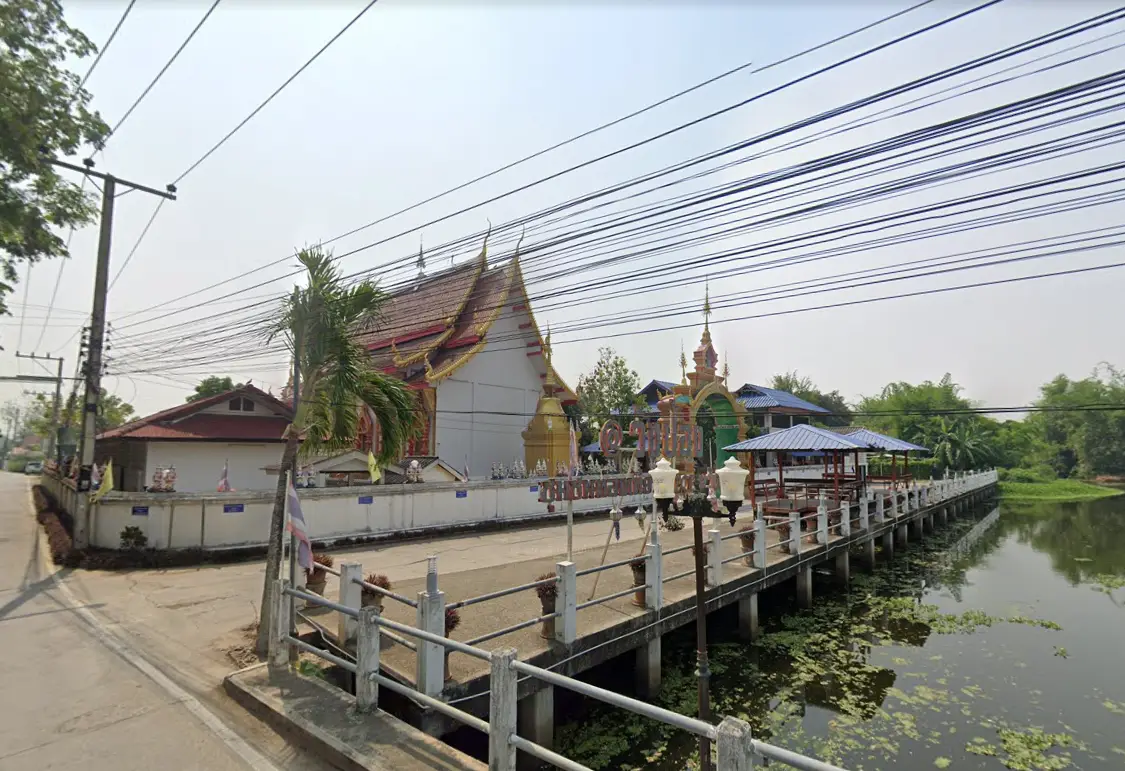
Open Days: Daily
Opening Hours: 08.00 – 17.00
Wat Chomphunut is located in Moo 6, Mueang Kaeo Subdistrict, Mae Rim District, Chiang Mai Province. It is a local Buddhist temple under the Mahanikaya order and is closely associated with Ban Wang Pong, a village community in Mueang Kaeo. The temple was officially permitted to be established in 1776, making it one of the long-standing community temples in the Mae Rim area. Wat Chomphunut is best suited for travelers who want a quiet temple visit, a local merit-making experience, and a deeper understanding of village-based Buddhism in northern Thailand.
The most important historical feature of Wat Chomphunut is its age. Since the temple was officially established in 1776, it has stood for more than 250 years as of 2026. This long history places the temple within the deeper cultural landscape of Mae Rim, beyond the district’s better-known nature attractions, cafés, flower gardens, and resorts. Wat Chomphunut represents the kind of village temple that has quietly supported local Buddhist life across generations.
Mueang Kaeo Subdistrict is an important area of Mae Rim District, positioned between Chiang Mai city and the more rural landscapes of Mae Rim. The subdistrict contains several villages, local temples, agricultural areas, and community spaces. Wat Chomphunut is located in Moo 6, which is connected with Ban Wang Pong. For this reason, the temple is also found on some maps as Wat Chomphunut (Wang Pong). This name helps visitors understand the temple in relation to the village community around it.
Wat Chomphunut is a rat temple, meaning a temple supported by the local community rather than a royal monastery. This type of temple is central to daily Buddhist life in Thailand. Local residents support the temple through merit-making, offerings, festivals, maintenance, and religious activities. In return, the temple serves as a place for worship, ceremonies, moral guidance, and community gathering. This close relationship between monks, laypeople, and village life is one of the defining characteristics of local Lanna temples.
The temple’s establishment in 1776 is especially meaningful because it shows that Wat Chomphunut has been part of the local Buddhist landscape for a very long time. Over the centuries, the surrounding community has changed through shifts in administration, transportation, settlement, agriculture, and urban expansion from Chiang Mai. Through these changes, the temple has remained a stable religious and cultural landmark for the people of Ban Wang Pong and Mueang Kaeo.
The name Chomphunut has a refined and auspicious tone in Thai. Although currently available public sources do not provide a detailed origin story for the temple’s name, the name conveys beauty, value, and dignity. As a temple name, it fits a place devoted to merit-making, calmness, and Buddhist practice. For travelers, the name also distinguishes Wat Chomphunut from other temples in Mueang Kaeo and Mae Rim.
Phra Khru Natthawut Thanawaro is the abbot of Wat Chomphunut according to the temple information found in current sources. In a community temple, the abbot plays an important role in maintaining monastic discipline, caring for temple affairs, guiding religious activities, and working with local residents. The continuity of a village temple depends on the cooperation of monks, temple committees, and lay supporters. Wat Chomphunut should therefore be understood not only as a physical site, but as a living religious institution within its community.
Detailed public information about individual buildings inside Wat Chomphunut is limited, so the temple is best described through its confirmed role as an active local Buddhist temple. Visitors should focus on the temple’s quiet atmosphere, sacred areas for worship, and its relationship with Ban Wang Pong. Unlike large landmark temples designed for heavy tourism, Wat Chomphunut offers a more grounded experience of local Buddhist life in Mae Rim.
The atmosphere at Wat Chomphunut is calm and simple. It is suitable for travelers who prefer a quieter cultural stop rather than a crowded attraction. The surrounding Mueang Kaeo area includes villages, gardens, agricultural land, waterways, and routes connecting toward Mae Rim and neighboring districts. Visiting the temple gives travelers a chance to see another side of Mae Rim: not only scenic viewpoints and leisure attractions, but also old village temples that continue to serve local Buddhist communities.
The main appeal of Wat Chomphunut lies in its history, its role as a Mahanikaya community temple, and its connection with Ban Wang Pong. Visitors can pay respect, make merit, observe the peaceful surroundings, and reflect on how temples function within Thai village life. The temple is particularly suitable for cultural travelers, Buddhist visitors, writers, photographers interested in local atmosphere, and anyone studying the network of temples in Mueang Kaeo Subdistrict.
As a village temple, Wat Chomphunut supports Buddhist activities according to the religious calendar. These typically include Buddhist holy days, merit-making ceremonies, Buddhist Lent, the end of Buddhist Lent, Kathin, robe-offering ceremonies, and community religious gatherings. While currently verified sources do not provide a specific annual festival schedule for Wat Chomphunut, its role as a community temple makes it an important space for local Buddhist practice and social connection.
The temple’s community role can be understood on three levels. Spiritually, it is a place where villagers and visitors make merit, pay respect, and listen to Buddhist teachings. Culturally, it helps preserve Lanna Buddhist customs and seasonal ceremonies. Socially, it functions as a gathering place for people in the village during important religious occasions. These roles make Wat Chomphunut valuable beyond its age and location.
Wat Chomphunut can be combined with other places in and around Mueang Kaeo. Nearby sites include Ban Wang Pong, Wat Thung Muen Noi, Wat Naboon Thammaram, flower gardens in Mueang Kaeo, Wat Don Tan, Wat Nantawat, and Wat Weluwan. This route is suitable for travelers who want to explore a cluster of local temples and community sites rather than focusing only on major tourist attractions.
The temple also fits well into a wider Mae Rim itinerary. Visitors can begin with Wat Chomphunut, continue to flower gardens or cafés in Mueang Kaeo, and then travel onward to Mae Sa Waterfall, Queen Sirikit Botanic Garden, or other Mae Rim attractions if time allows. This creates a balanced route combining a local temple, community scenery, food stops, and nature-based attractions.
Visitors should dress respectfully, speak quietly, and remember that Wat Chomphunut is an active religious site for the local community. Photography should be done with care, especially around monks, worshippers, and sacred areas. A good visit to a village temple is not only about taking photos, but also about respecting the place and understanding its meaning for local people.
Getting There is most convenient by private car. From Chiang Mai city, travel toward Mae Rim District, then continue into Mueang Kaeo Subdistrict and Moo 6, Ban Wang Pong. The temple is suitable for a short cultural visit, a half-day local route, or a calm stop before continuing to other attractions in Mae Rim. Morning and late afternoon are good times to visit for a quieter atmosphere and more comfortable weather.
In summary, Wat Chomphunut is a historic community temple in Mueang Kaeo, Mae Rim. Its importance lies in its establishment in 1776, its status as a Mahanikaya rat temple, its connection with Ban Wang Pong, and its continuing role in local Buddhist life. For travelers who want to understand Mae Rim beyond the main tourist routes, Wat Chomphunut offers a meaningful and peaceful cultural stop.
| Name | Wat Chomphunut |
| Map Name | Wat Chomphunut (Wang Pong) |
| Location | Moo 6, Mueang Kaeo Subdistrict, Mae Rim District, Chiang Mai Province |
| Address | Moo 6, Mueang Kaeo Subdistrict, Mae Rim District, Chiang Mai 50180, Thailand |
| Buddhist Order | Mahanikaya |
| Temple Type | Rat Temple / Community Temple |
| Highlights | Historic community temple in Mueang Kaeo, officially established in 1776 and connected with Ban Wang Pong |
| History | Officially permitted to be established as a temple in 1776 |
| Abbot / Caretaker | Phra Khru Natthawut Thanawaro |
| Distinctive Features | Quiet Lanna village temple closely connected with local Buddhist life in Mueang Kaeo |
| Community Role | A spiritual center for merit-making, Buddhist observances, local gatherings, and community religious activities in Ban Wang Pong and Mueang Kaeo |
| Open Days | Daily |
| Opening Hours | 08.00 – 17.00 |
| Current Status | Listed in current temple, map, and place-related sources for Mueang Kaeo Subdistrict, Mae Rim District, Chiang Mai Province |
| Travel Information | Travel by private car from Chiang Mai city toward Mae Rim District, then continue to Mueang Kaeo Subdistrict and Moo 6, Ban Wang Pong |
| Nearby Tourist Attractions | 1. Ban Wang Pong, about 1 km 2. Wat Thung Muen Noi, about 1 km 3. Wat Naboon Thammaram, about 2 km 4. Mueang Kaeo Flower Gardens, about 4 km 5. Wat Don Tan, about 5 km 6. Wat Nantawat, about 5 km 7. Wat Weluwan (Mueang Kaeo), about 6 km |
| Nearby Restaurants | 1. R&M Ahan Tam Sang, about 3 km, Tel. 080-123-8331 2. Pizza Station Mueang Kaeo, about 4 km, Tel. 094-916-4595 3. Kuai Tiao Nai Soi Mueang Kaeo, about 4 km, Tel. 085-710-3390 4. Bluish by Linnil, about 5 km, Tel. 088-459-9155 5. Keng Khao Man Kai, about 5 km, Tel. 098-630-4031 6. Kumo Coffee Mueang Kaeo, about 5 km, Tel. 080-672-6959 |
| Nearby Accommodations | 1. The Woodshed Village, about 4 km, Tel. 080-237-5302 2. Akaliko House, about 4 km, Tel. 063-189-6373 3. Naturetalk, about 5 km, Tel. 088-696-5467 4. Naturetalk Homestay, about 5 km, Tel. 080-450-3399 5. Prickhom Homestay, about 5 km, Tel. 061-356-0418 6. Country Retreat, about 11 km, Tel. 094-740-1590 |
Frequently Asked Questions (FAQ)
Q: Where is Wat Chomphunut located?
A: Wat Chomphunut is located in Moo 6, Mueang Kaeo Subdistrict, Mae Rim District, Chiang Mai Province, in the area associated with Ban Wang Pong.
Q: What is the history of Wat Chomphunut?
A: Wat Chomphunut was officially permitted to be established as a temple in 1776. It is a Mahanikaya community temple in Mueang Kaeo.
Q: Who is the abbot of Wat Chomphunut?
A: The abbot of Wat Chomphunut is Phra Khru Natthawut Thanawaro.
Q: What kind of travelers is Wat Chomphunut suitable for?
A: It is suitable for travelers who enjoy quiet temple visits, merit-making, local Buddhist culture, and community-based travel in Mae Rim.
Q: What are the opening hours of Wat Chomphunut?
A: Wat Chomphunut is open daily from 08.00 to 17.00.
Q: What nearby places can be visited with Wat Chomphunut?
A: Nearby places include Ban Wang Pong, Wat Thung Muen Noi, Wat Naboon Thammaram, Mueang Kaeo flower gardens, Wat Don Tan, Wat Nantawat, and Wat Weluwan.
Q: How can visitors get to Wat Chomphunut?
A: The most convenient way is by private car from Chiang Mai city toward Mae Rim District, then into Mueang Kaeo Subdistrict and Moo 6, Ban Wang Pong.
 Category: ●Places of Worship
 Group: ●Temple
Last Update : 3 DayAgo
 Last Update : 3 DayAgo
 Click to Access the Navigation Map GPS
 Muang Chiang Mai(121)Chom Thong(47)Mae Chaem(25)Chiang Dao(33)Doi Saket(68)Mae Taeng(85)Mae Rim(69)Samoeng(29)Fang(71)Mae Ai(59)Phrao(70)San Pa Tong(105)San Kamphaeng(66)San Sai(73)Hang Dong(74)Hot(32)Doi Tao(22)Omkoi(11)Saraphi(74)Wiang Haeng(15)Chai Prakan(28)Mae Wang(32)Mae On(22)Doi Lo(34)Galyani Vadhana(1)


