
lovethailand home >North Travel Attractions >Chiang Mai Travel Attractions >Phrao >San Sai > Wat San Pong
TL;DR: Wat San Pong is located at Village No. 5, San Sai Subdistrict, Phrao District, Chiang Mai Province, open Daily, hours 08.00 – 17.00.

Wat San Pong
Open Days: Daily
Opening Hours: 08.00 – 17.00
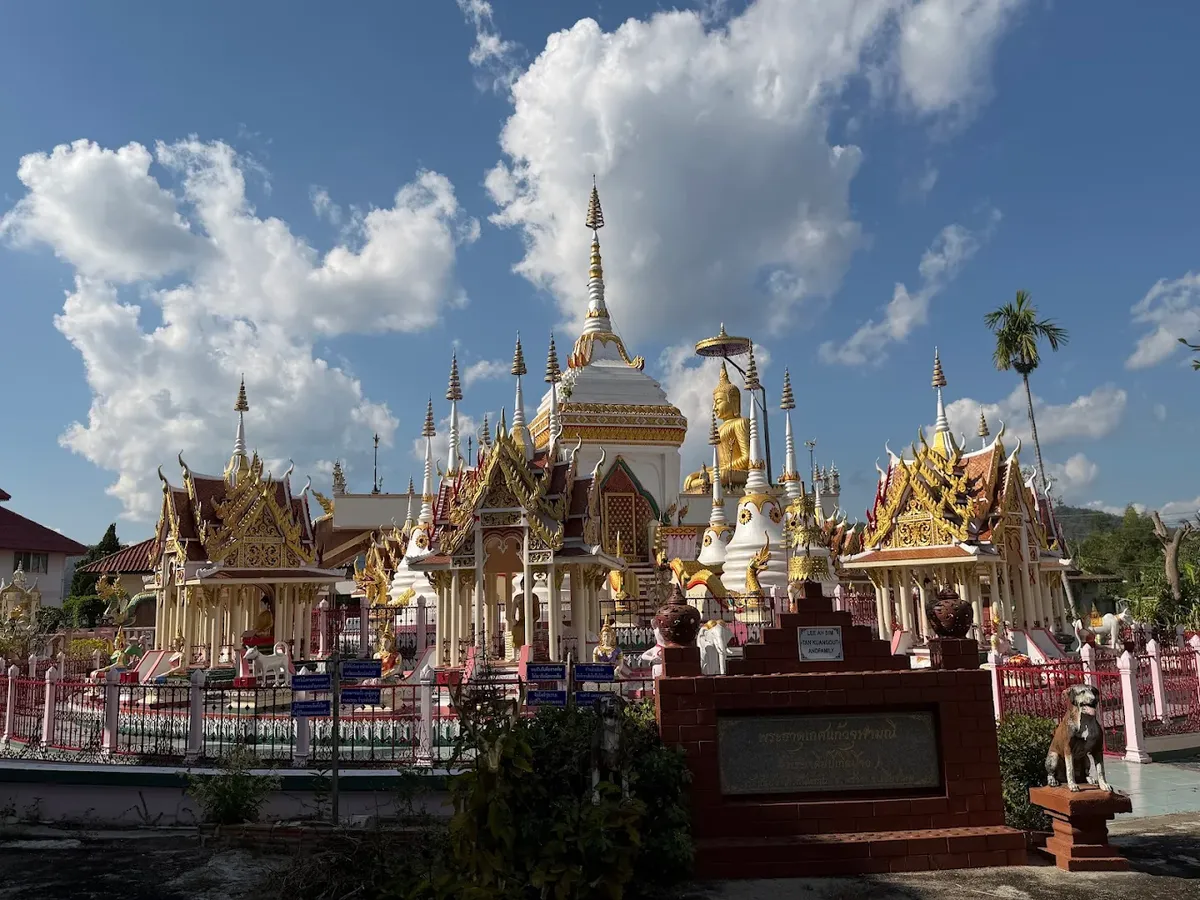
Wat San Pong is located in Village No. 5, San Sai Subdistrict, Phrao District, Chiang Mai Province. It is a local Buddhist temple under the Maha Nikaya tradition and an important spiritual center for Ban San Pong and the surrounding community. The temple received its royal consecrated boundary in 1880, making it an officially recognized place for important monastic ceremonies.
Wat San Pong is best understood as a living village temple rather than a mainstream tourist attraction. Its value lies in its role as a community religious center where local people make merit, listen to Dhamma, join seasonal Buddhist ceremonies, and maintain the connection between Buddhism and rural Lanna life. The temple offers travelers a quieter and more local view of Chiang Mai beyond the well-known temples in the city center.
The history of Wat San Pong is closely connected with Ban San Pong and San Sai Subdistrict. Phrao District is a rural area surrounded by mountains, agricultural communities, and long-established village temples. In this context, a temple is not only a place of worship. It is also a shared social space, a place of moral learning, a ceremonial center, and a cultural anchor for the community.
The temple’s royal consecrated boundary, granted in 1880, is historically significant. In Thai Buddhism, a consecrated boundary is required for certain formal monastic acts such as ordination and major Sangha ceremonies. This detail shows that Wat San Pong has long held an important religious function within the local Buddhist community.
The name “San Pong” is tied to the village and its local landscape. In northern Thai place names, words connected with raised ground, ridges, and settlement geography often appear in community names. The temple name therefore preserves the memory of Ban San Pong and reflects the relationship between landscape, settlement, and Buddhist life in Phrao.
The recorded abbot of Wat San Pong is Phra Khru Sophit Mantaphon Mantasiri. In a village temple, the abbot plays a central role not only in monastic administration but also in guiding religious life, maintaining the temple, leading ceremonies, and supporting the continuity of local Buddhist traditions.
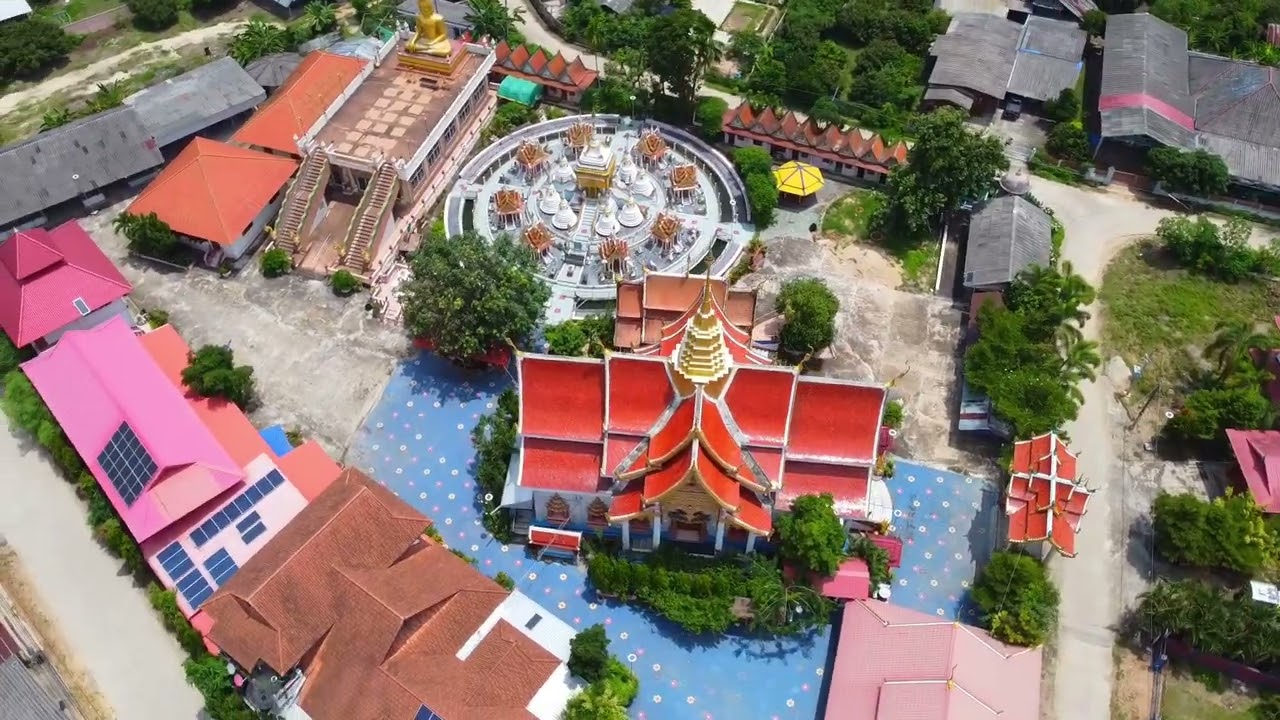
Visitors to Wat San Pong should come with the right expectation. This is not a temple built around spectacle or large-scale tourism. It is a peaceful community temple suitable for merit-making, quiet worship, and cultural observation. Travelers can appreciate the temple grounds, the religious area, the community merit-making spaces, and the calm atmosphere of a rural Lanna Buddhist site.
The most important area of the temple is the religious and ceremonial space connected with its consecrated boundary. Because Wat San Pong received its royal boundary in 1880, the temple has a formal role in monastic acts and Buddhist ceremonies. Visitors should respect these sacred areas and avoid entering restricted spaces or interrupting ongoing ceremonies.
As a community temple, Wat San Pong is associated with regular Buddhist activities such as merit-making on Buddhist holy days, Dhamma listening, Buddhist Lent, the end of Buddhist Lent, Kathin, robe-offering ceremonies, and village merit-making occasions. During these periods, the temple becomes a gathering place where local people prepare offerings, join ceremonies, and maintain social ties through Buddhist practice.
Wat San Pong is also valuable for travelers who want to understand the cultural landscape of Phrao District. Nearby temples such as Wat Kham Sum Pa, Wat Phra That Klang Chai Mueang, Wat San Sai, and Wat Bo Tao can be included in the same local temple route. These sites together reveal the density of Buddhist life in San Sai Subdistrict and show how temples are woven into the everyday geography of villages.
For a broader religious route, visitors can continue to Wat Doi Mae Pang, one of Phrao’s important temples associated with Luang Pu Waen Sujinno. This route helps travelers see the contrast between a quiet village temple and a better-known Buddhist destination, giving a fuller view of Phrao’s spiritual heritage.
Travelers who enjoy nature can also connect Wat San Pong with Bua Tong Waterfall and the Seven Colors Spring. The Chiang Mai–Phrao route offers a good combination of temples, countryside, local restaurants, cafés, and natural attractions. Wat San Pong can therefore be included in either a day trip from Chiang Mai or a slower overnight trip in Phrao.
Visitors should dress modestly, cover shoulders and knees, speak quietly, and avoid close photography of monks or ceremonies without permission. Since Wat San Pong remains an active place of worship for the local community, respectful conduct is more important than sightseeing convenience.
Getting There from Chiang Mai city is most convenient by private car or rental car. Take the Chiang Mai–Phrao route toward Phrao District, then continue into San Sai Subdistrict and Village No. 5, Ban San Pong. Public transport to Phrao may be available, but onward local transport should be arranged in advance. A private vehicle is recommended for travelers who want to combine the temple with nearby attractions, restaurants, and accommodations.
The best time to visit is in the morning or late afternoon, when the weather is more comfortable and the temple atmosphere is calm. Travelers planning to visit multiple temples in San Sai Subdistrict should start early to allow enough time for Wat San Pong, nearby temples, meals, and the return journey to Chiang Mai.
In summary, Wat San Pong is a meaningful local temple for travelers interested in rural Lanna culture, community Buddhism, and the quieter side of Chiang Mai. Its key value lies in its role as the spiritual center of Ban San Pong, its royal consecrated boundary granted in 1880, and its continued place in the religious life of San Sai Subdistrict.
| Name | Wat San Pong |
| Location | Village No. 5, San Sai Subdistrict, Phrao District, Chiang Mai Province |
| Address | Village No. 5, San Sai Subdistrict, Phrao District, Chiang Mai 50190, Thailand |
| Highlights | A local Maha Nikaya Buddhist temple of Ban San Pong, serving as a spiritual center of the community and known for receiving its royal consecrated boundary in 1880 |
| History | Received its royal consecrated boundary in 1880, reflecting its role as an important Buddhist temple in Ban San Pong |
| Name Origin | The name is linked to Ban San Pong, Village No. 5, San Sai Subdistrict, and the local identity of Phrao District |
| Distinctive Features | Peaceful Lanna village-temple atmosphere, suitable for merit-making, worship, and learning about local Buddhist culture |
| Travel Information | From Chiang Mai city, take the Chiang Mai–Phrao route toward Phrao District, then continue to San Sai Subdistrict and Village No. 5; private car or rental car is recommended |
| Current Status | Open for visits and religious activities |
| Open Days | Daily |
| Opening Hours | 08.00 – 17.00 |
| Main Areas / Zones | Religious area, consecrated ceremonial area, temple courtyard, and community merit-making spaces |
| Abbot / Caretaker | Phra Khru Sophit Mantaphon Mantasiri |
| Main Contact Number | 081-992-0027 |
| Nearby Tourist Attractions | 1. Wat Kham Sum Pa, about 1 km 2. Wat Phra That Klang Chai Mueang, about 5 km 3. Wat San Sai, about 5 km 4. Wat Bo Tao, about 6 km 5. Wat Doi Mae Pang, about 25 km 6. Bua Tong Waterfall and Seven Colors Spring, about 35 km |
| Nearby Restaurants | 1. Jin Jum And Made-To-Order Restaurant, about 5 km, Tel. 053-475-209 2. Phrao Proud, about 7 km, Tel. 095-675-6509 3. Rain Tree Cafe, about 12 km, Tel. 093-131-0928 4. Rain Tree Cafe / Chamchuri Cafe, about 12 km, Tel. 087-660-0933 5. Kaprao Thad Maejo, about 52 km, Tel. 053-498-894, 084-612-7442 |
| Nearby Accommodations | 1. Phrao Place & Market, about 6 km, Tel. 086-301-3004 2. Phrao Boutique Hotel, about 9 km, Tel. 098-280-7099 3. Baan Suan Naam Lom Homestay, about 11 km, Tel. 082-866-6456 4. Phrao Camping Village, about 12 km, Tel. 061-279-9015 5. Om Doi Resort, about 18 km, Tel. 081-925-5855 |
Frequently Asked Questions (FAQ)
Q: Where is Wat San Pong located?
A: Wat San Pong is located in Village No. 5, San Sai Subdistrict, Phrao District, Chiang Mai Province.
Q: What are the opening days and hours of Wat San Pong?
A: Wat San Pong is open daily from 08.00 to 17.00.
Q: Why is Wat San Pong historically important?
A: Wat San Pong is a local Maha Nikaya temple that received its royal consecrated boundary in 1880.
Q: Who is the abbot of Wat San Pong?
A: The abbot is Phra Khru Sophit Mantaphon Mantasiri.
Q: What type of traveler is Wat San Pong suitable for?
A: It is suitable for travelers interested in local temples, merit-making, village life, and Lanna culture in Phrao District.
Q: What nearby places can be visited with Wat San Pong?
A: Nearby places include Wat Kham Sum Pa, Wat Phra That Klang Chai Mueang, Wat San Sai, Wat Doi Mae Pang, and Bua Tong Waterfall with the Seven Colors Spring.
Q: How do travelers get to Wat San Pong?
A: From Chiang Mai city, take the Chiang Mai–Phrao route toward Phrao District, then continue to San Sai Subdistrict and Village No. 5. A private car or rental car is recommended.
 Category: ●Places of Worship
 Group: ●Temple
Last Update : 2 MonthAgo
 Last Update : 2 MonthAgo
 Click to Access the Navigation Map GPS
Wat San Pong Map
Recommend

 Muang Chiang Mai(121)Chom Thong(47)Mae Chaem(25)Chiang Dao(33)Doi Saket(68)Mae Taeng(85)Mae Rim(69)Samoeng(29)Fang(71)Mae Ai(59)Phrao(70)San Pa Tong(103)San Kamphaeng(66)San Sai(73)Hang Dong(73)Hot(32)Doi Tao(22)Omkoi(11)Saraphi(74)Wiang Haeng(15)Chai Prakan(28)Mae Wang(32)Mae On(22)Doi Lo(33)Galyani Vadhana(1)


