
lovethailand home >North Travel Attractions >Chiang Mai Travel Attractions >Doi Tao >Doi Tao > Wat Pakthang Samakkhi
TL;DR: Wat Pakthang Samakkhi is located at Moo 9, Doi Lo Subdistrict, Doi Lo District, Chiang Mai Province 50160, Thailand, open Daily, hours 08:00 – 17:00.

Wat Pakthang Samakkhi
Open Days: Daily
Opening Hours: 08:00 – 17:00
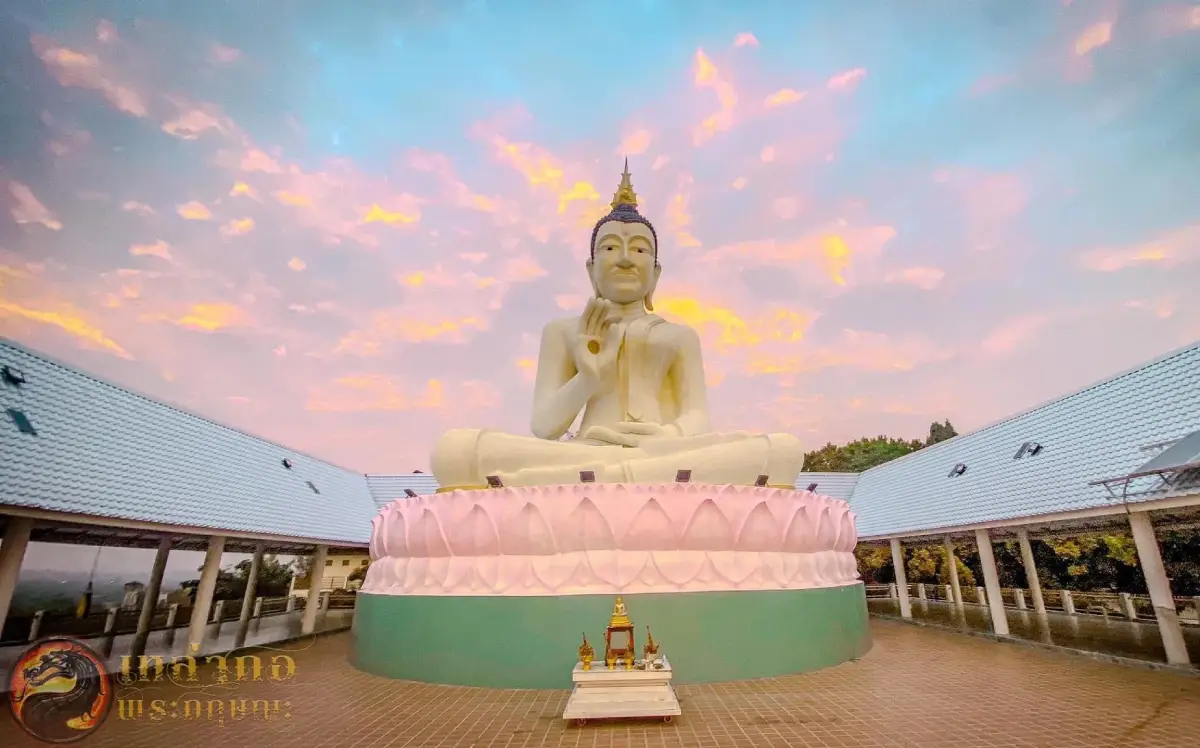
Wat Pakthang Samakkhi (Mon Rue Si) is located in Moo 9, Doi Lo Subdistrict, Doi Lo District, Chiang Mai Province 50160. It is a local Buddhist temple under the Maha Nikaya order, with the temple code 350240103. The temple was built on December 25, 1982, during the celebration of the 200th anniversary of Rattanakosin. Phra Thep Sitthachan, also known as Luang Pho Thong Sirimangkalo, supported the establishment of the temple, while Phra Jamnian Suphathaso of Wat Tapotharam in Chiang Mai served as acting abbot in the early period. Wat Pakthang Samakkhi is therefore a modern community temple with a strong identity in Buddhist practice, meditation training, and local faith.
The name Pakthang Samakkhi reflects both place and community. Pakthang means a gateway or entrance point, while Samakkhi means unity. The name suggests a temple built through the shared effort of local devotees and positioned at an important community point in Doi Lo. Unlike ancient temples that date back many centuries, this temple was founded in a clearly recorded modern context and developed into a place of Buddhist practice, training, and monastic discipline.
The temple is also known as Mon Rue Si. In northern Thai usage, mon often refers to a hill or raised ground, while rue si evokes the image of an ascetic or spiritual practitioner. This name fits the temple’s atmosphere as a place of calmness, discipline, and mental cultivation. Visitors can experience it both as a community temple and as a meditation-oriented site.
Phra Thep Sitthachan, or Luang Pho Thong Sirimangkalo, played an important role as the temple’s patron. His support connected the temple with respected Lanna Buddhist leadership and helped establish it as a serious place of practice. The fact that the temple was built during the Rattanakosin bicentennial gives it a wider historical meaning: it was a religious contribution made during a national commemorative period.
Phra Jamnian Suphathaso, from Wat Tapotharam in Chiang Mai, served as acting abbot during the early period and trained local devotees in Vipassana meditation. This early emphasis shaped the temple’s identity. Wat Pakthang Samakkhi was not only a ritual temple but also a place where laypeople could learn meditation, mindfulness, and practical Buddhist discipline.
In 1986, the temple began organizing a summer novice ordination program during the April school break. Around 250 to 300 boys joined each year. The program continued until 1990 and became an important youth activity in the community. Summer ordination helped young people learn discipline, gratitude, Buddhist practice, and moral conduct. It also showed the temple’s capacity to support large-scale religious education and youth development.
After the passing of Phra Jamnian Suphathaso, Phra Niwat Sumethaso was appointed as the next abbot. During this period, the temple shifted from summer novice ordination toward an annual Parivasa Kamma practice program, beginning in 1991. This became one of the temple’s most important religious activities. Monks from all 77 provinces of Thailand, as well as monks from neighboring countries such as Myanmar, Cambodia, and Malaysia, came to join the practice.
The Parivasa Kamma program made Wat Pakthang Samakkhi an important monastic practice site. In some years, more than 400 monks joined the annual practice. Such a large gathering requires strong organization, support from monks and laypeople, accommodation, food, water, restrooms, and a disciplined religious environment. The temple therefore became a major center of collective Buddhist effort in Doi Lo.
The temple covers about 45 rai. Important structures and areas include 15 monks’ residences, Phra Chao Tanjai, a sermon hall, an ubosot, a chedi, a multipurpose hall, a bell tower, a Guanyin shrine, 5 nuns’ residences, and 125 restroom units. This scale makes the temple more prepared than a small village temple, especially for meditation, Parivasa Kamma, merit-making events, and large gatherings of monks and lay devotees.
Phra Chao Tanjai is one of the important worship points of the temple. Devotees also pay respect at the ubosot, the chedi, and the Guanyin shrine. The presence of Guanyin reflects the variety of devotional expressions often found in northern Thai temple culture, where Buddhist worship and compassion-based devotional practice coexist within the same sacred space.
The sermon hall and multipurpose hall support Dhamma listening, community events, meditation activities, and large religious gatherings. The ubosot is central to formal monastic acts, while the bell tower marks the soundscape of temple life. Together, these structures show that the temple was developed to support worship, meditation, and large-scale Buddhist activities.
The 15 monks’ residences and 5 nuns’ residences show the temple’s emphasis on staying for practice rather than only visiting briefly. The 125 restroom units also show the temple’s readiness to receive large numbers of monks, nuns, and lay visitors during Parivasa Kamma and other religious events. This practical infrastructure is part of the temple’s identity as a large practice-oriented temple.
Doi Lo Subdistrict is a religiously active area. It has 15 temples, 3 monastic residences, and 1 church. Wat Pakthang Samakkhi therefore stands within a dense network of local religious institutions. Nearby temples include Wat Phra That Doi Noi, Wat Phra That Doi Lo, Wat Doi Lo, Wat Fah Lang, Wat Mon Huai Kaew, and Wat Siri Mangkhalachan. This makes the temple easy to combine with other faith-based stops in Doi Lo.
Wat Phra That Doi Noi is one of the most important nearby sites. It is an old hilltop temple connected with the legend of Queen Chama Thewi and is known for its relic shrine, ancient remains, and naga staircase. Visiting Wat Pakthang Samakkhi together with Wat Phra That Doi Noi gives travelers a meaningful contrast between a modern meditation temple and an ancient sacred hill temple. Pha Chor, a natural cliff formation in Mae Wang National Park within Doi Lo, adds a landscape dimension to the same route.
The key appeal of Wat Pakthang Samakkhi is its modern religious history: it was founded during a national commemorative year, supported by a respected monk, shaped by Vipassana training, involved in youth novice ordination, and became known for Parivasa Kamma practice. It is suitable for visitors interested in Buddhist practice, local monastic culture, Doi Lo temples, and quiet faith-based travel in southern Chiang Mai.
A meaningful visit should begin with paying respect to Phra Chao Tanjai, then visiting the chedi, ubosot, sermon hall, bell tower, Guanyin shrine, and practice areas. If religious activities are taking place, visitors should move quietly and allow monks, nuns, and practitioners to continue their practice. The temple is best approached as a place of calm respect rather than a quick sightseeing stop.
Getting There is most convenient by private car, rental car, or local hired transport. From Chiang Mai city, take Highway 108 south toward San Pa Tong, Chom Thong, and Doi Lo. Once in Doi Lo Subdistrict, use the names Wat Pakthang Samakkhi or Mon Rue Si, Moo 9, Doi Lo Subdistrict, Doi Lo District for navigation. From the temple, visitors can continue easily to Wat Phra That Doi Noi, Pha Chor, and other attractions in Doi Lo.
A recommended route begins at Wat Pakthang Samakkhi for worship and meditation history, then continues to Wat Phra That Doi Noi for relic worship and hilltop views. Travelers can then visit Wat Phra That Doi Lo or Wat Doi Lo, and continue to Pha Chor for its dramatic eroded cliff landscape. This route works well as a half-day or full-day trip combining temples, faith, and natural scenery.
Visitors should dress modestly, keep noise low, and respect monks, nuns, and practitioners. If Parivasa Kamma or another religious event is taking place, local participants and monastics should be given priority. Photography should be done respectfully, especially around the ubosot, chedi, Phra Chao Tanjai, monastic residences, and practice areas. A calm and respectful visit allows the temple’s spiritual character to be experienced more clearly.
Overall, Wat Pakthang Samakkhi (Mon Rue Si) is a Maha Nikaya local temple in Moo 9, Doi Lo Subdistrict, Doi Lo District, Chiang Mai Province. Built on December 25, 1982 during the Rattanakosin bicentennial and supported by Phra Thep Sitthachan, or Luang Pho Thong Sirimangkalo, the temple developed into a center of Vipassana training, summer novice ordination, and Parivasa Kamma practice. With Phra Chao Tanjai, an ubosot, chedi, sermon hall, multipurpose hall, bell tower, Guanyin shrine, monks’ and nuns’ residences, and extensive facilities for practitioners, it is one of Doi Lo’s meaningful temples for travelers seeking a quiet Buddhist practice site in southern Chiang Mai.
| Name | Wat Pakthang Samakkhi (Mon Rue Si) |
| Type | Local Buddhist Temple, Maha Nikaya Order, And Meditation Site |
| Location | Moo 9, Doi Lo Subdistrict, Doi Lo District, Chiang Mai Province 50160, Thailand |
| Temple Code | 350240103 |
| Navigation Code | FQ4C+GPC, Doi Lo, Doi Lo District, Chiang Mai 50160 |
| Open Days And Hours | Daily, 08:00 – 17:00 |
| Temple Area | About 45 Rai |
| History | Built on December 25, 1982 during the celebration of the 200th anniversary of Rattanakosin, with Phra Thep Sitthachan, or Luang Pho Thong Sirimangkalo, as patron. |
| Important Historical Figures | Phra Thep Sitthachan (Luang Pho Thong Sirimangkalo), Phra Jamnian Suphathaso, And Phra Niwat Sumethaso |
| Important Structures | 15 Monks’ Residences, Sermon Hall, Ubosot, Chedi, Multipurpose Hall, Bell Tower, 5 Nuns’ Residences, And 125 Restroom Units |
| Important Worship Points | Phra Chao Tanjai, Chedi, Ubosot, And Guanyin Shrine |
| Main Activities | Vipassana Meditation, Former Summer Novice Ordination Program, And Parivasa Kamma Practice Beginning In 1991 |
| Community Role | Spiritual center of the Pakthang Samakkhi community, used for Buddhist practice, merit-making, Parivasa Kamma, and youth Buddhist training |
| Area Context | Doi Lo Subdistrict has 15 temples, 3 monastic residences, and 1 church, forming a dense religious landscape in Doi Lo District. |
| Travel Information | From Chiang Mai city, take Highway 108 south toward Doi Lo, then use Wat Pakthang Samakkhi or Mon Rue Si, Moo 9, Doi Lo Subdistrict, as the navigation point. |
| Current Status | Active local Buddhist temple listed in temple databases of Doi Lo Subdistrict, Doi Lo District, Chiang Mai Province |
| Facilities | Temple grounds, courtyard, sermon hall, multipurpose hall, monks’ residences, nuns’ residences, restrooms, and practice areas |
| Nearby Tourist Attractions | 1. Wat Doi Lo, about 3 km 2. Wat Phra That Doi Lo, about 4 km 3. Wat Phra That Doi Noi, about 7 km 4. Wat Siri Mangkhalachan, about 8 km 5. Pha Chor, Mae Wang National Park, about 22 km 6. Wiang Tha Kan, about 25 km |
| Nearby Restaurants | 1. Suan Ahan Khrua Doi Lo, about 3 km, Tel. 081-026-4699 2. Tatonyon Eatery & Café, about 3 km, Tel. 052-000-566 3. Jungle Cafe Doi Lo Market Branch, about 3 km, Tel. 094-836-9497 4. Yum Poo Ma Jet Yod Doi Lo, about 3 km, Tel. 080-778-6808 5. Mae Pai Grilled Sticky Rice, about 4 km, Tel. 081-162-2334 |
| Nearby Accommodations | 1. De Aerng Boutique, about 5 km, Tel. 061-316-0822 2. Baan Rim Ping Inthanon, about 10 km, Tel. 089-894-9172 3. Doi Lo Riverside, about 8 km, Tel. 085-712-7111, 092-978-7332 4. Pha-Chor Hill Resort, about 18 km, Tel. 087-178-0054 5. Baan Din Sor Resort, about 14 km, Tel. 053-360-189 |
Frequently Asked Questions (FAQ)
Q: Where Is Wat Pakthang Samakkhi Located?
A: Wat Pakthang Samakkhi is located in Moo 9, Doi Lo Subdistrict, Doi Lo District, Chiang Mai Province 50160, Thailand.
Q: When Was Wat Pakthang Samakkhi Built?
A: The temple was built on December 25, 1982 during the celebration of the 200th anniversary of Rattanakosin.
Q: Who Supported The Establishment Of Wat Pakthang Samakkhi?
A: Phra Thep Sitthachan, also known as Luang Pho Thong Sirimangkalo, supported the establishment of the temple.
Q: What Makes Wat Pakthang Samakkhi Special?
A: Its value lies in its identity as a meditation-oriented temple, its Vipassana training history, former summer novice ordination program, and Parivasa Kamma practice joined by many monks.
Q: What Important Structures Are Found At Wat Pakthang Samakkhi?
A: Important structures include Phra Chao Tanjai, a sermon hall, ubosot, chedi, multipurpose hall, bell tower, Guanyin shrine, monks’ residences, nuns’ residences, and large restroom facilities for practitioners.
Q: Who Is Wat Pakthang Samakkhi Suitable For?
A: It is suitable for visitors who want to worship, make merit, meditate, learn about Parivasa Kamma practice, and explore the temple route of Doi Lo.
Q: What Nearby Places Can Be Visited With Wat Pakthang Samakkhi?
A: Nearby places include Wat Phra That Doi Noi, Wat Phra That Doi Lo, Wat Doi Lo, Wat Siri Mangkhalachan, Pha Chor, and Wiang Tha Kan.
 Category: ●Places of Worship
 Group: ●Temple
Last Update : 1 MonthAgo
 Last Update : 1 MonthAgo
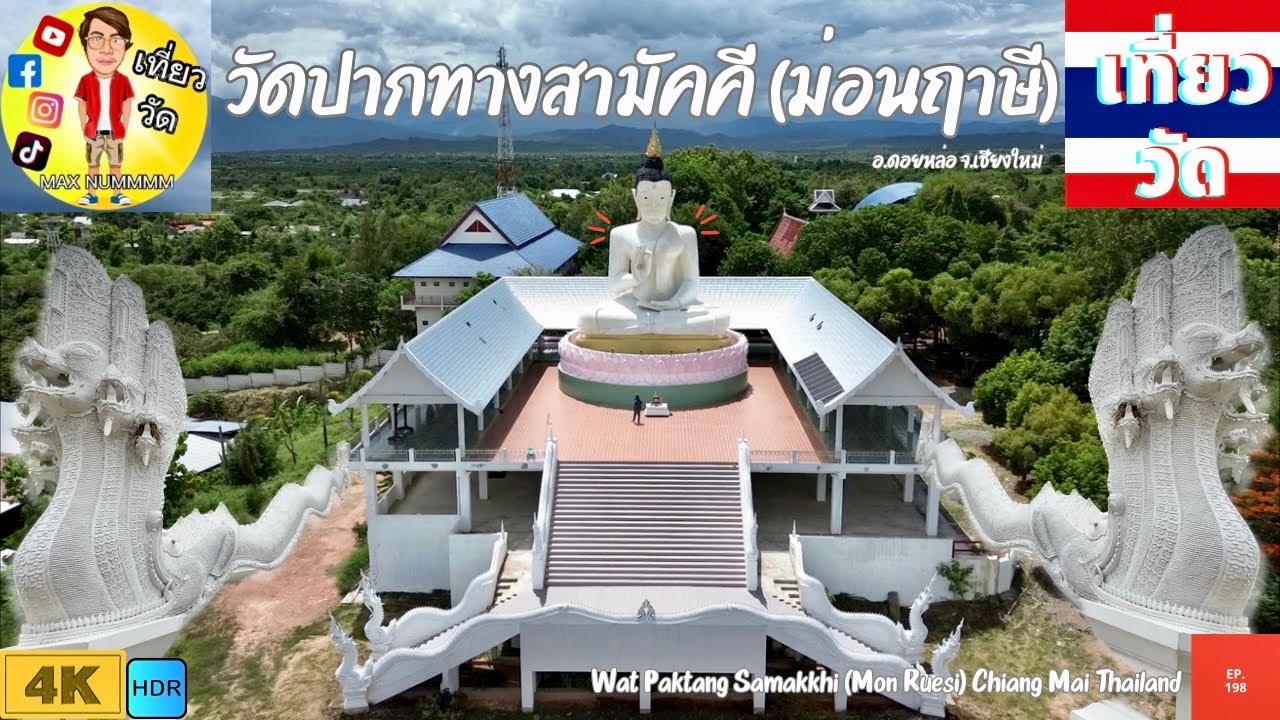
 Click to Access the Navigation Map GPS
Wat Pakthang Samakkhi Map
Recommend

 Muang Chiang Mai(121)Chom Thong(47)Mae Chaem(25)Chiang Dao(33)Doi Saket(68)Mae Taeng(85)Mae Rim(69)Samoeng(29)Fang(71)Mae Ai(59)Phrao(70)San Pa Tong(103)San Kamphaeng(66)San Sai(73)Hang Dong(73)Hot(32)Doi Tao(22)Omkoi(11)Saraphi(74)Wiang Haeng(15)Chai Prakan(28)Mae Wang(32)Mae On(22)Doi Lo(33)Galyani Vadhana(1)


