
lovethailand home >North Travel Attractions >Chiang Mai Travel Attractions >Fang >San Sai > Wat Sotayaram
TL;DR: Wat Sotayaram is located at Ban Huai Ngu Ngok, Moo 4, Tambon San Sai, Fang District, Chiang Mai Province, open Daily, hours Daytime Visits Are Recommended.

Wat Sotayaram
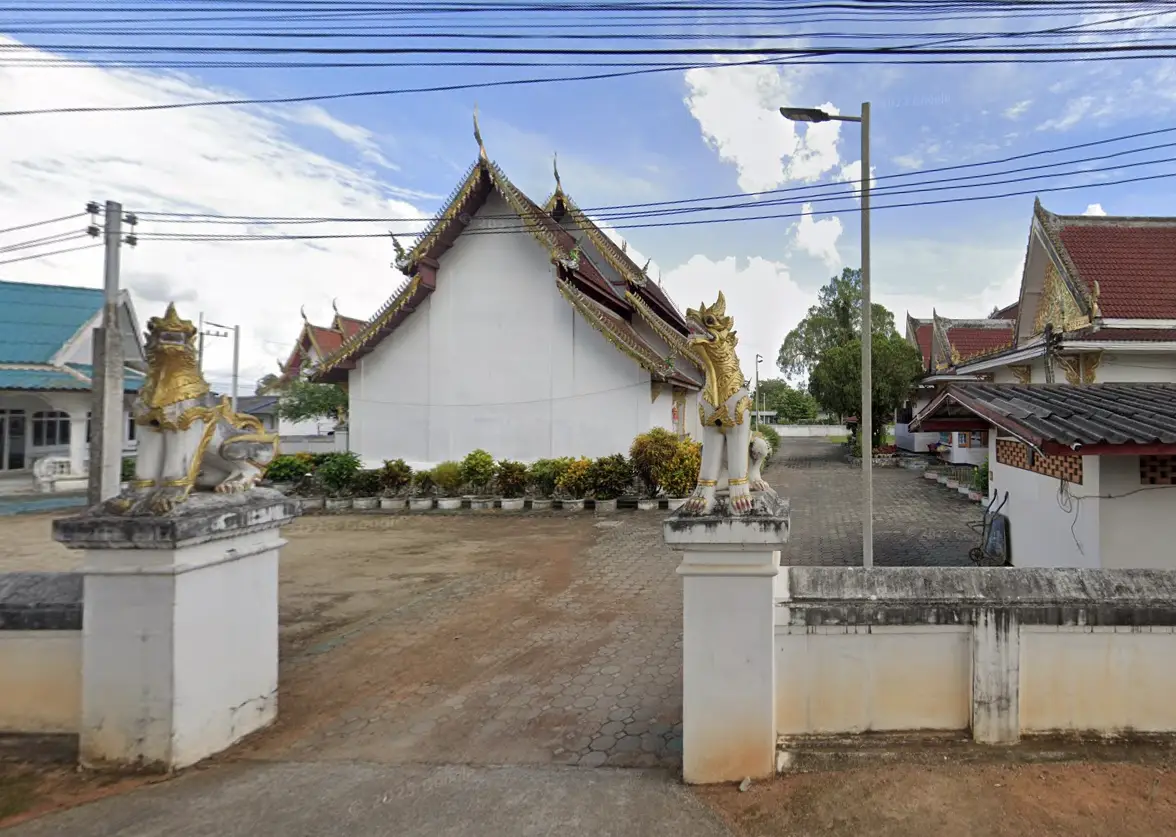
Open Days: Daily
Opening Hours: Daytime Visits Are Recommended
Wat Sotayaram in Ban Huai Ngu Ngok, Tambon San Sai, Fang District, Chiang Mai Province, is a local Buddhist temple under the Maha Nikaya order. The temple was founded around 1899 and was originally known as Wat Huai Ngu Pa Taeng. It began through the collective faith of local villagers who cleared forest land and built the first monastic facilities for their community. Later, villagers invited Khruba Inta from Mueang Chiang Mai District to serve as abbot, and the temple became known as Wat Sotayaram.
Wat Sotayaram is a meaningful community temple for travelers who want to make merit, visit a historic village temple, and understand the relationship between Buddhism and Lanna community life in Fang District. Its significance comes from its long history, its connection with Ban Huai Ngu Ngok, its former name Wat Huai Ngu Pa Taeng, its Wisungkham Sima granted in 1933, and its social role as a place for Buddhist learning, reading, elder craft activities, and a community rice bank.
The temple is located in Ban Huai Ngu Ngok, Moo 4, Tambon San Sai, Fang District, Chiang Mai 50110. Temple registry data lists Wat Sotayaram under temple code 350090608, affiliated with the Maha Nikaya order, and located in Moo 4 of San Sai Subdistrict. It is one of several community temples in San Sai, alongside Wat Nantararam, Wat Si Thoi, Wat Si Bun Rueang, Wat San Ton Du, Wat Sunthararam, and Wat Sophanaram.
The temple land covers 3 rai under title deed number 2777. Its boundaries are described as follows: to the north, about 3 sen adjoining a public road; to the south, about 1 sen adjoining private land; to the east, about 1 sen adjoining a public road; and to the west, about 1 sen adjoining a public road. The temple also has one plot of Sangha land covering 3 ngan and 26 square wah under title deed number 3778. These land details show the temple’s established status as a religious and community site.
The founding of Wat Sotayaram began with the faith of villagers from Huai Ngu Pa Taeng, who worked together to clear forest land and build monastic facilities. The first name, Wat Huai Ngu Pa Taeng, preserves the memory of the old community name and local landscape. In Lanna village culture, temples often emerged because villagers needed a nearby place for merit-making, sermons, Buddhist rites, and social gathering. Wat Sotayaram reflects this village-based origin clearly.
Wat Sotayaram received Wisungkham Sima on 16 February 1933. The consecrated boundary measures 15 meters wide and 29 meters long. Wisungkham Sima is essential for formal Sangha acts, and receiving it confirmed that the temple had developed into a fully functioning Buddhist institution. This milestone makes Wat Sotayaram one of the long-established local temples of San Sai Subdistrict.
The known line of abbots includes Khruba Pinta Sujitto, Khruba Khuna Kunatharo, Phra Sriwan Suwannana-kho, Phra Kham Pan Panyathano, Phra Boonchum Chittapalo, Phra Boonchum Chantasuwanno, Phra Athikan Boonmee Phothisampanno, Phra Athikan Un Ruean Khantitharo, Chao Athikan Si Nuan Analayo, and Phra Khru Waranuwat Chinnawaro. This succession reflects the continuity of temple leadership and the long-term care that has kept the temple active for the local community.
Phra Khru Waranuwat Chinnawaro appears in recent Chiang Mai Sangha information as associated with Wat Sotayaram, San Sai Subdistrict, Fang District. In a community temple, the abbot plays an important role as spiritual leader, caretaker of the temple compound, coordinator with lay supporters, and guardian of local Buddhist ceremonies. This relationship between monks and villagers is central to the temple’s continuing role.
Important areas and community functions at Wat Sotayaram include the religious activity areas, the consecrated boundary area, the temple courtyard, worship areas, a former Buddhist Sunday School, a village newspaper reading area, a basketry center for the elderly group, and a community paddy rice bank. Even where detailed architectural descriptions of the viharn, ubosot, pagoda, or sermon hall are not widely available, the temple’s role as a shared public and religious space is clear.
The Buddhist Sunday School at Wat Sotayaram opened in 1983 and is currently temporarily inactive. This role is important because it shows that the temple was not limited to rituals. It also served as a learning space for children, youth, and residents. Buddhist Sunday Schools connect home, temple, and school, allowing young people to learn ethics, Buddhist teachings, and religious manners within their own community.
The village newspaper reading area reflects the temple’s social function as a place for receiving information. Before digital media became dominant, temples in many communities acted as public information points and gathering spaces. The reading area at Wat Sotayaram therefore adds an important social dimension to the temple’s role.
The basketry center of the elderly group shows the connection between the temple and local wisdom. Basketry is a traditional craft associated with Lanna rural life and agricultural communities. Having a craft center in the temple compound allowed elders to gather, share skills, and preserve local knowledge. This makes Wat Sotayaram a place where religion, culture, and community support meet.
The community paddy rice bank located on temple land is another meaningful feature. A rice bank helps agricultural communities store grain and support households when needed. Placing it within the temple compound shows the trust villagers place in the temple as a neutral and shared community space. Wat Sotayaram therefore served not only spiritual life but also practical community resilience.
The main value of Wat Sotayaram is not architectural grandeur but living community significance. The temple links forest-clearing origins, the old name Wat Huai Ngu Pa Taeng, Ban Huai Ngu Ngok, a long-established consecrated boundary, Buddhist education, community reading, elder basketry activities, and the village rice bank. Visitors should see it as a living Lanna community temple rather than a conventional tourist attraction.
Visitors should pay attention to the quiet village-temple atmosphere, the temple courtyard, worship areas, and community activity spaces. A visit should be respectful and unhurried. Dress modestly, speak quietly, avoid disturbing monks or villagers, and do not enter monks’ residences or restricted areas without permission. If a ceremony is taking place, visitors should give space to local participants.
Religious activities associated with Wat Sotayaram include Kathin after Buddhist Lent, forest robe offerings, Buddhist holy day observances, alms-giving, and regular merit-making activities. Kathin is especially important because it allows lay supporters to offer robes and requisites to monks after the rains retreat. Such events help sustain the bond between the temple and the surrounding community.
Wat Sotayaram is suitable for travelers interested in local temples, Buddhist culture, village history, elderly community activities, and Lanna rural life. Its calm atmosphere and community roots make it a meaningful stop in a cultural route around Fang District. It is especially suitable for visitors who want to understand how temples function in everyday village life.
Within San Sai Subdistrict, Wat Sotayaram is part of a wider network of community temples. Nearby temples include Wat Sunthararam, Wat San Ton Du, Wat Si Bun Rueang, Wat Si Thoi, and Wat Nantararam. Visiting these temples together allows travelers to understand the Buddhist landscape of San Sai more deeply, as each temple has its own local history and community role.
Getting There is convenient by road. From Chiang Mai city, take Highway 107 through Mae Rim, Mae Taeng, Chiang Dao, and Chai Prakan toward Fang District. From Fang town, continue to Tambon San Sai and Ban Huai Ngu Ngok. The temple is best reached by private car, rental car, or local transport from Fang town. Travelers unfamiliar with the route should use the temple name together with Ban Huai Ngu Ngok when navigating.
A practical cultural route can begin at Wat Sotayaram in the morning, then continue to Wat Sunthararam, Wat San Ton Du, Wat Si Bun Rueang, Wat Si Thoi, and Wat Nantararam. Travelers with more time can extend the itinerary to Wat Chedi Ngam or Fang Hot Spring. This route combines village temples, local food, accommodation in Fang, and northern Chiang Mai nature.
Wat Sotayaram is therefore worth including in a Fang cultural itinerary. Founded around 1899, granted Wisungkham Sima in 1933, and still connected with Ban Huai Ngu Ngok, the temple represents the living relationship between Buddhism, community learning, elder wisdom, and agricultural cooperation in San Sai Subdistrict.
| Name | Wat Sotayaram |
| Location | Ban Huai Ngu Ngok, Moo 4, Tambon San Sai, Fang District, Chiang Mai Province |
| Address | Ban Huai Ngu Ngok, Moo 4, Tambon San Sai, Fang District, Chiang Mai 50110, Thailand |
| Temple Type | Community Temple Under The Maha Nikaya Order |
| Temple Code | 350090608 |
| Temple Area | 3 Rai |
| Sangha Land | 1 Plot, 3 Ngan And 26 Square Wah, Title Deed No. 3778 |
| History | Founded Around 1899, Formerly Known As Wat Huai Ngu Pa Taeng, Established By Local Devotees Who Cleared Forest Land And Built The First Monastic Facilities. The Temple Received Wisungkham Sima On 16 February 1933 |
| Wisungkham Sima Area | 15 Meters Wide And 29 Meters Long |
| Name Origin | The Temple Was Originally Called Wat Huai Ngu Pa Taeng After The Local Community; Villagers Later Called It Wat Sotayaram |
| Temple Boundaries | North: Public Road, About 3 Sen South: Private Land, About 1 Sen East: Public Road, About 1 Sen West: Public Road, About 1 Sen |
| Highlights | A Historic Community Temple Of Ban Huai Ngu Ngok, Founded Through Local Faith, With A Former Buddhist Sunday School, Village Reading Area, Elder Basketry Center, And Community Paddy Rice Bank |
| Distinctive Features | A Lanna Community Temple Combining Buddhism, Village Learning, Elder Wisdom, Local Craft, And Agricultural Cooperation |
| Travel Information | Travel From Chiang Mai To Fang Via Highway 107, Then Continue To Tambon San Sai And Ban Huai Ngu Ngok. Best Reached By Private Car, Rental Car, Or Local Transport From Fang Town |
| Current Status | Active Community Temple Used For Buddhist Worship, Merit-Making, And Local Community Activities |
| Open Days | Daily |
| Opening Hours | Daytime Visits Are Recommended |
| Main Areas / Zones | Religious Activity Area, Consecrated Boundary Area, Temple Courtyard, Worship Area, Community Activity Area, Village Reading Area, Elder Basketry Center, And Community Paddy Rice Bank |
| Abbot / Caretaker | Phra Khru Waranuwat Chinnawaro |
| Main Contact / Coordination Number | 06 1304 4500 |
| Related Religious Events | Kathin After Buddhist Lent, Forest Robe Offerings, Buddhist Holy Day Activities, Alms-Giving, And Regular Merit-Making Events |
| Nearby Tourist Attractions | 1. Wat Sunthararam, About 2 Km 2. Wat San Ton Du, About 4 Km 3. Wat Si Bun Rueang, About 5 Km 4. Wat Si Thoi, About 6 Km 5. Wat Nantararam, About 7 Km 6. Fang Hot Spring, About 15 Km |
| Nearby Restaurants | 1. Khao Soi Parichat Fang, About 6 Km, Tel. 053-451-164 2. PunThai Coffee Makro Fang, About 6 Km, Tel. 062-197-0983 3. Oliang Roasted Duck Fang, About 7 Km, Tel. 064-520-0241, 082-993-8124 4. Fang Cafe, About 7 Km, Tel. 086-191-2101 5. Ban Rim Nam Garden Restaurant Fang, About 9 Km, Tel. 053-382-174 |
| Nearby Accommodations | 1. Tangerine Ville Hotel, About 5 Km, Tel. 053-452-114 2. Fang Modern Hotel, About 6 Km, Tel. 086-439-1843 3. Khunyuw Place Fang, About 8 Km, Tel. 053-453-319 4. Phumanee Lahu Home Hotel, About 9 Km, Tel. 086-431-3564 5. Fang Villa Hotel, About 9 Km, Tel. 086-451-7682, 053-452-448 |
Frequently Asked Questions (FAQ)
Q: Where Is Wat Sotayaram Located?
A: Wat Sotayaram is located in Ban Huai Ngu Ngok, Moo 4, Tambon San Sai, Fang District, Chiang Mai 50110, Thailand.
Q: What Is The History Of Wat Sotayaram?
A: Wat Sotayaram was founded around 1899. It was originally known as Wat Huai Ngu Pa Taeng and was established by local devotees who cleared forest land and built the first monastic facilities.
Q: When Did Wat Sotayaram Receive Wisungkham Sima?
A: The temple received Wisungkham Sima on 16 February 1933. The consecrated boundary is 15 meters wide and 29 meters long.
Q: Who Is The Abbot Of Wat Sotayaram?
A: The abbot is Phra Khru Waranuwat Chinnawaro.
Q: Is There A Contact Number For Wat Sotayaram?
A: The listed contact or coordination number is 06 1304 4500.
Q: What Role Does Wat Sotayaram Play In The Community?
A: The temple serves as a spiritual center for Ban Huai Ngu Ngok and has been associated with Buddhist learning, a village reading area, an elder basketry center, and a community paddy rice bank.
Q: Who Should Visit Wat Sotayaram?
A: It is suitable for travelers who want to make merit, visit local Lanna temples, learn about village Buddhist culture, and explore community temples in Fang District.
Q: What Nearby Places Can Be Visited With Wat Sotayaram?
A: Nearby places include Wat Sunthararam, Wat San Ton Du, Wat Si Bun Rueang, Wat Si Thoi, Wat Nantararam, and Fang Hot Spring.
 Category: ●Places of Worship
 Group: ●Temple
Last Update : 1 MonthAgo
 Last Update : 1 MonthAgo
 Click to Access the Navigation Map GPS

 Muang Chiang Mai(121)Chom Thong(47)Mae Chaem(25)Chiang Dao(33)Doi Saket(68)Mae Taeng(85)Mae Rim(69)Samoeng(29)Fang(71)Mae Ai(59)Phrao(70)San Pa Tong(103)San Kamphaeng(66)San Sai(73)Hang Dong(73)Hot(32)Doi Tao(22)Omkoi(11)Saraphi(74)Wiang Haeng(15)Chai Prakan(28)Mae Wang(32)Mae On(22)Doi Lo(33)Galyani Vadhana(1)


