
lovethailand home >North Travel Attractions >Chiang Mai Travel Attractions >Doi Saket >Mae Pong > Wat Mae Hong Khrai
TL;DR: Wat Mae Hong Khrai is located at Mae Hong Khrai Village, Moo 8, Mae Pong Subdistrict, Doi Saket District, Chiang Mai Province, open Daily, hours 08.00 – 17.00.
Wat Mae Hong Khrai
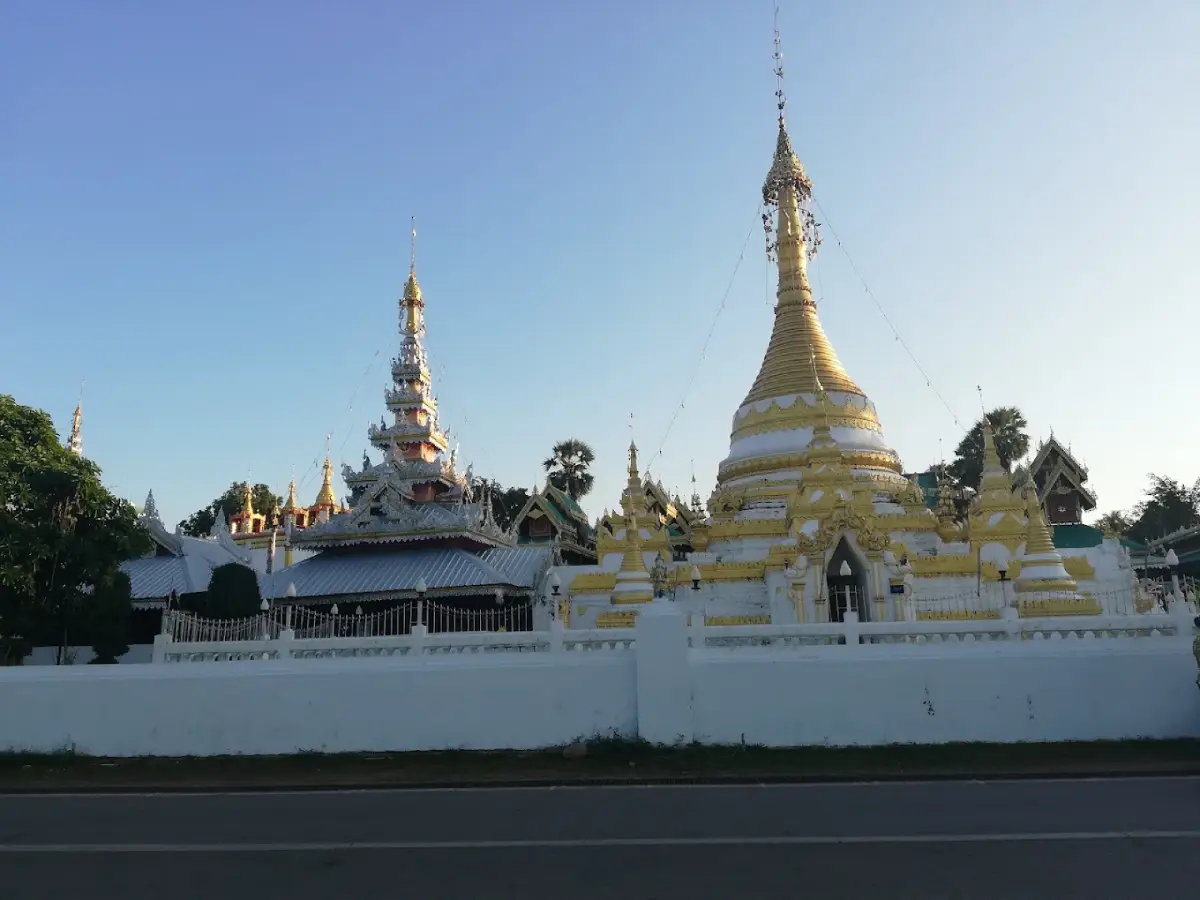
Open Days: Daily
Opening Hours: 08.00 – 17.00
Wat Mae Hong Khrai is a local Buddhist temple in Mae Hong Khrai Village, Moo 8, Mae Pong Subdistrict, Doi Saket District, Chiang Mai Province. It belongs to the Mahanikaya order and functions as a spiritual center for the surrounding village community. Unlike large, highly touristic temples in Chiang Mai, Wat Mae Hong Khrai offers a quieter and more local experience. It is best suited for travelers who want to understand village temples, Buddhist community life, and the cultural landscape of Doi Saket beyond the better-known attractions.
The most important fact about Wat Mae Hong Khrai is its transition from an abandoned temple to an active monastic temple. It was officially recognized as a temple with resident monks on 21 January 1974. This history gives the temple a strong local meaning. It represents the revival of Buddhist faith at village level, where community support helped restore a sacred place and return it to religious use. For visitors interested in the social role of temples in northern Thailand, Wat Mae Hong Khrai is a useful example of how a temple can remain closely tied to local identity.
The temple covers an area of 3 rai, 2 ngan and 37 square wah. Its northern boundary is adjacent to Mae Pong Creek, while its western and southern sides are connected to local roads. This location reflects a common pattern among Lanna village temples: the temple stands near houses, roads, and a natural watercourse, allowing it to serve both religious and community functions. The presence of Mae Pong Creek also connects the temple to the broader landscape of Doi Saket, where streams, farmland, forested hills, and village settlements form part of everyday life.
Mae Hong Khrai Village is part of Mae Pong Subdistrict in Doi Saket District. The area has a calm rural atmosphere and lies near Huai Hong Khrai Royal Development Study Centre, an important learning site for forest restoration, watershed management, agriculture, and sustainable rural development. This makes Wat Mae Hong Khrai a good stop for travelers planning a cultural and nature-focused route. A visit can be combined with local temples, the royal development study centre, hot springs, and other attractions in Doi Saket.
The name of the temple is closely connected to the name of Mae Hong Khrai Village. In northern Thai place names, the word “Mae” is often associated with waterways, while “Hong” can refer to a channel or small watercourse. The name therefore evokes a landscape shaped by water, village settlement, and natural surroundings. Wat Mae Hong Khrai is not separate from this local identity; it is part of the same cultural geography that gives the village its name and meaning.
The first abbot of Wat Mae Hong Khrai was Phra Athikan Boonyang Dhammarato, who served from 1975 to 1980. After his passing, Phra Prasit Kalyanadhammo served as acting abbot. Later, Phra Khru Chonthan Phithak became abbot from 1983 onward. This succession is important because it marks the development of the temple after its official revival. The abbots helped maintain the temple’s religious role, support community activities, and preserve the temple as a village spiritual center.
Wat Mae Hong Khrai is modest in scale, but that is part of its value. It is not a temple designed around spectacle. Its significance lies in its role as a living village temple where local people make merit, attend Buddhist ceremonies, listen to sermons, and gather for community events. For foreign travelers, this kind of temple offers a different perspective from the famous landmark temples of Chiang Mai. It shows how Buddhism is woven into daily life in rural northern Thailand.
Visitors should appreciate Wat Mae Hong Khrai through its quiet atmosphere, its community setting, and its historical background. The temple’s value is not based on grand architecture alone, but on its connection to Mae Hong Khrai Village. It is a place for merit-making, respectful observation, and cultural learning. Travelers who enjoy slow travel, local communities, and lesser-known Buddhist sites will find the temple meaningful as part of a Doi Saket itinerary.
As a Buddhist place of worship, Wat Mae Hong Khrai supports regular religious life in the community. Activities associated with temples of this type include merit-making on Buddhist holy days, offerings to monks, Kathin ceremonies, forest robe offerings, and other seasonal merit-making events. These practices are central to Lanna Buddhist culture. The temple functions not only as a religious site, but also as a social space where villagers maintain relationships, share responsibilities, and preserve local traditions.
The temple is also connected to the natural and cultural setting of Mae Pong. Its position near Mae Pong Creek and local roads makes it easy to access by car. For travelers, the temple can be included in a half-day or full-day route from Chiang Mai city. A practical route can begin with Wat Mae Hong Khrai, continue to Huai Hong Khrai Royal Development Study Centre, and then include Doi Saket Hot Springs or Wat Phra That Doi Saket. This route combines Buddhism, rural culture, natural scenery, and local learning in one trip.
Getting There is easiest by private car or rental vehicle. From Chiang Mai city, travel toward Doi Saket District, enter Mae Pong Subdistrict, and continue to Mae Hong Khrai Village, Moo 8. The temple is located within the local community and is accessible by ordinary vehicles. Public transport options are limited, so independent transport is recommended for travelers who want to combine the temple with nearby attractions.
Visitors should dress respectfully when visiting Wat Mae Hong Khrai. Shoulders and knees should be covered, shoes should be removed where required, and noise should be kept low. Photography should be done with discretion, especially when monks or local residents are conducting religious activities. The best way to experience this temple is to visit calmly, respect the sacred space, and observe how a local Lanna temple continues to serve its community.
Overall, Wat Mae Hong Khrai is a meaningful local temple in Doi Saket, Chiang Mai. Its history as a former abandoned temple that became an active monastic temple in 1974 gives it a distinct community story. Its setting beside Mae Pong Creek and within Mae Hong Khrai Village adds to its local character. For travelers seeking a quiet temple, a cultural stop in Mae Pong, or a deeper view of village Buddhism in northern Thailand, Wat Mae Hong Khrai is worth including in a thoughtful Doi Saket travel route.
| Name | Wat Mae Hong Khrai |
| Thai Name | วัดแม่ฮ่องไคร้ |
| Location | Mae Hong Khrai Village, Moo 8, Mae Pong Subdistrict, Doi Saket District, Chiang Mai Province |
| Address | No. 9, Moo 8, Mae Pong Subdistrict, Doi Saket District, Chiang Mai 50220, Thailand |
| Coordinates | 18.83197, 99.20739 |
| Temple Type | Local Buddhist temple under the Mahanikaya order |
| Highlights | A quiet village temple in Mae Pong with a history of revival from an abandoned temple to an active monastic temple on 21 January 1974 |
| History | Formerly an abandoned temple; officially recognized as a temple with resident monks on 21 January 1974 |
| Temple Area | 3 rai, 2 ngan and 37 square wah |
| Important Boundaries | North side adjacent to Mae Pong Creek; west and south sides adjacent to local roads |
| Abbot / Caretaker | Phra Khru Chonthan Phithak |
| Important Abbot Succession | 1. Phra Athikan Boonyang Dhammarato, 1975–1980 2. Phra Prasit Kalyanadhammo, acting abbot 3. Phra Khru Chonthan Phithak, from 1983 onward |
| Distinctive Features | A peaceful village temple near Mae Pong Creek, suitable for merit-making, respectful visits, and learning about local Buddhist life in Doi Saket |
| Traditions / Merit-Making | Buddhist holy day merit-making, seasonal temple activities, Kathin ceremonies, forest robe offerings, and community religious events |
| Community Role | A spiritual center for Mae Hong Khrai Village and a community space for Buddhist ceremonies and local gatherings |
| Travel Information | Travel from Chiang Mai city toward Doi Saket District, enter Mae Pong Subdistrict, and continue to Mae Hong Khrai Village, Moo 8. The temple is accessible by ordinary vehicles. |
| Current Status | An active Buddhist temple in Mae Pong Subdistrict, Doi Saket District, Chiang Mai Province |
| Open Days | Daily |
| Opening Hours | 08.00 – 17.00 |
| Facilities | Temple grounds for merit-making, worship, and quiet visits |
| Main Areas / Zones | Sacred temple area, temple courtyard, and community activity space |
| Nearby Tourist Attractions | 1. Huai Hong Khrai Royal Development Study Centre, about 4 km 2. Wat Doi Chom Chaeng, about 2 km 3. Wat Chom Chaeng, about 3 km 4. Doi Saket Hot Springs, about 7 km 5. Wat Phra That Doi Saket, about 12 km |
| Nearby Restaurants | 1. Peppercorns Restaurant, about 2 km, Tel. 087-460-0451 2. Huen Nom Ka Fae, about 4 km, Tel. 084-612-2477 3. C.O. Cocoa, about 4 km, Tel. 064-335-4566, 095-450-7219 4. Dek Doi Cottage, about 4 km, Tel. 098-374-5598 5. Tara Restaurant at Papai Country Lodge, about 3 km, Tel. 081-882-7100 |
| Nearby Accommodations | 1. Papai Country Lodge, about 3 km, Tel. 081-882-7100 2. Pan's Farm, about 3 km, Tel. 089-326-3629 3. Sippa Hotspring Resort, about 7 km, Tel. 094-925-4628 4. North Pine Forest Homestay, about 5 km, Tel. 095-459-7978 5. CAMP Ta Torn Yorn, about 5 km |
Frequently Asked Questions (FAQ)
Q: Where is Wat Mae Hong Khrai located?
A: Wat Mae Hong Khrai is located in Mae Hong Khrai Village, Moo 8, Mae Pong Subdistrict, Doi Saket District, Chiang Mai Province.
Q: What is the historical importance of Wat Mae Hong Khrai?
A: The temple was formerly abandoned and was officially recognized as a temple with resident monks on 21 January 1974.
Q: Is Wat Mae Hong Khrai suitable for foreign travelers?
A: Yes. It is suitable for travelers who want to visit a quiet local temple and learn about village Buddhism in northern Thailand.
Q: What attractions can be combined with Wat Mae Hong Khrai?
A: Nearby places include Huai Hong Khrai Royal Development Study Centre, Doi Saket Hot Springs, Wat Doi Chom Chaeng, Wat Chom Chaeng, and Wat Phra That Doi Saket.
Q: What are the opening days and hours of Wat Mae Hong Khrai?
A: The temple is listed as open daily from 08.00 to 17.00.
Q: Is there an admission fee for Wat Mae Hong Khrai?
A: No confirmed admission fee information is available. Visitors may enter respectfully and make merit according to their faith.
Q: How should visitors behave at Wat Mae Hong Khrai?
A: Visitors should dress modestly, keep noise low, remove shoes where required, and respect monks and local residents using the temple for religious activities.
 Category: ●Places of Worship
 Group: ●Temple
Last Update : 1 WeekAgo
 Last Update : 1 WeekAgo
 Click to Access the Navigation Map GPS
 Muang Chiang Mai(121)Chom Thong(47)Mae Chaem(25)Chiang Dao(33)Doi Saket(68)Mae Taeng(85)Mae Rim(69)Samoeng(29)Fang(71)Mae Ai(59)Phrao(70)San Pa Tong(103)San Kamphaeng(66)San Sai(73)Hang Dong(73)Hot(32)Doi Tao(22)Omkoi(11)Saraphi(74)Wiang Haeng(15)Chai Prakan(28)Mae Wang(32)Mae On(22)Doi Lo(34)Galyani Vadhana(1)


