
lovethailand home >North Travel Attractions >Chiang Mai Travel Attractions >Doi Saket >Talat Yai > Wat Si Don Du
TL;DR: Wat Si Don Du is located at Ban Mae Ka, Doi Saket-Bo Sang Road, Moo 2, Talat Yai Subdistrict, Doi Saket District, Chiang Mai Province, open Contact The Temple Directly Before Visiting, hours Contact The Temple Directly Before Visiting.

Wat Si Don Du
Open Days: Contact The Temple Directly Before Visiting
Opening Hours: Contact The Temple Directly Before Visiting
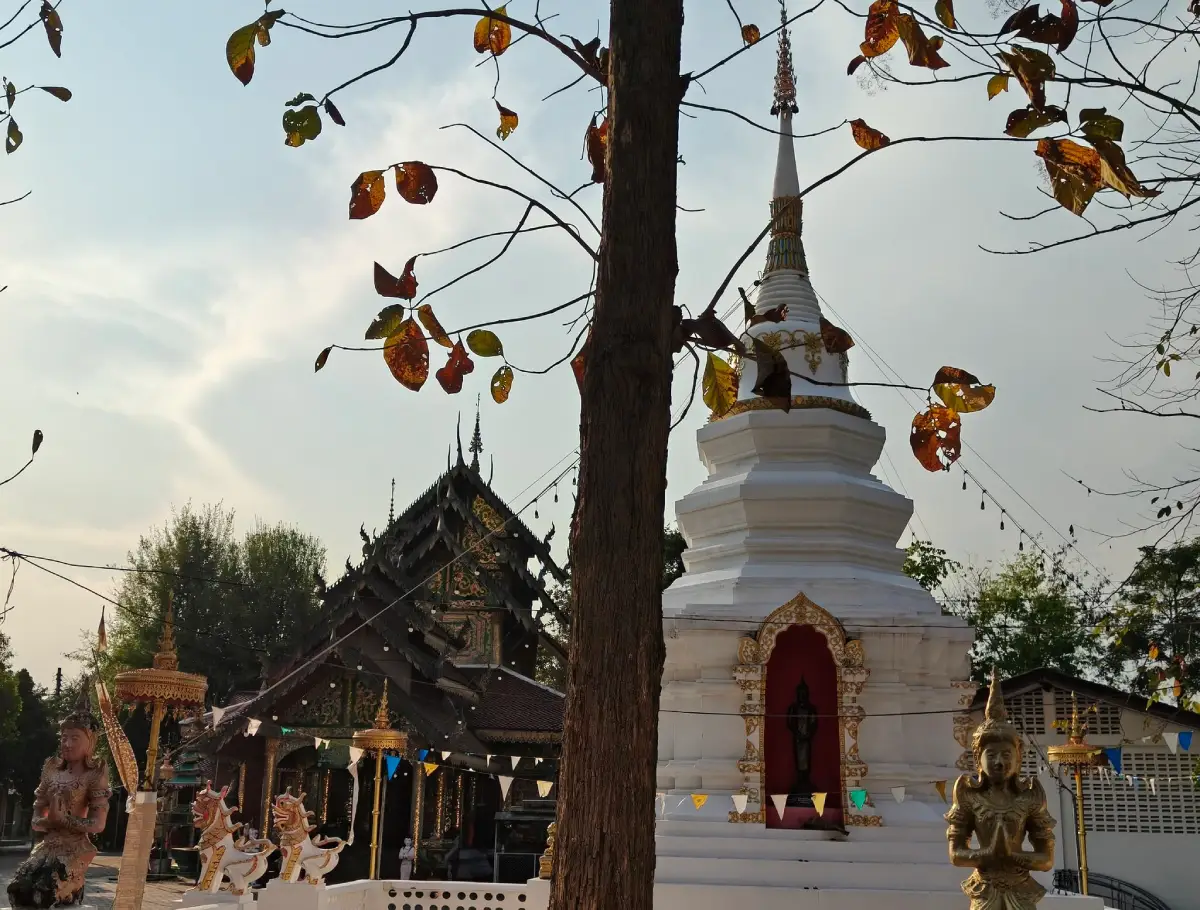
Wat Si Don Du is a private Buddhist temple under the Mahanikaya order, located in Ban Mae Ka, on the Doi Saket-Bo Sang road, Moo 2, Talat Yai Subdistrict, Doi Saket District, Chiang Mai Province. The temple was officially established in 1920 and has a strong historical connection with Shan traders who lived and worked in the Mae Ka community. It is one of the local temples in Talat Yai that reflects the relationship between Buddhism, trade, settlement, and community life in Doi Saket.
Wat Si Don Du is not a large mainstream tourist temple. Its importance lies in its local history, calm atmosphere, and continued role as a community religious site. Visitors will see a temple that functions as a place for merit-making, worship, ceremonies, sermons, and local gatherings. For travelers interested in Thai culture and northern Buddhist communities, Wat Si Don Du offers a deeper view of Chiang Mai beyond famous city temples and popular photo spots.
The name Wat Si Don Du is meaningful in both linguistic and local landscape terms. “Si” is an auspicious Thai word often associated with prosperity, grace, and good fortune. “Don” often refers to raised ground or a slightly elevated area, while “Du” refers to a tree name in Thai. Together, the name suggests an auspicious temple connected with the physical character and memory of the local community. This makes the temple name part of both Buddhist identity and local geography.
The recorded history of Wat Si Don Du states that the temple was built in 1920 by Shan people who worked as traders. The Shan community has long played an important role in northern Thailand, especially along trading routes and cultural corridors linking Lanna, Myanmar, and nearby regions. The founding of the temple by Shan traders shows that Wat Si Don Du was created not only from religious devotion but also from the collective effort of a community that wanted a spiritual center of its own.
Several respected elders were involved in raising funds to buy the land for the temple. The recorded names include Pho Thao Puen Ya, Pho Thao Yot Kham, Pho Thao Loi Yot, and Pho Thao Mo U. These figures represent the local leadership and faith that shaped the temple’s early years. The land was later purchased from Chao Phraya Thanasarn and developed into a Buddhist temple that has continued to serve the community. This origin story gives Wat Si Don Du a strong community-based identity.
The temple land covers 3 rai and 29 square wah. Its boundaries were historically surrounded by privately owned rice fields, showing the close relationship between the temple and the agricultural landscape of old Doi Saket. Wat Si Don Du was not built apart from village life. It stood among homes, farmland, routes, and daily work. That setting remains important for understanding the temple as a living local religious site rather than a tourism-oriented landmark.
Talat Yai Subdistrict in Doi Saket District is a culturally interesting area. Ban Mae Ka and nearby communities developed through movement, trade, farming, and settlement by different groups of people. This background gave the area a layered cultural identity shaped by Lanna, Shan, and wider regional Buddhist influences. Wat Si Don Du should therefore be read as part of this historical context, not merely as a registered temple name on a local list.
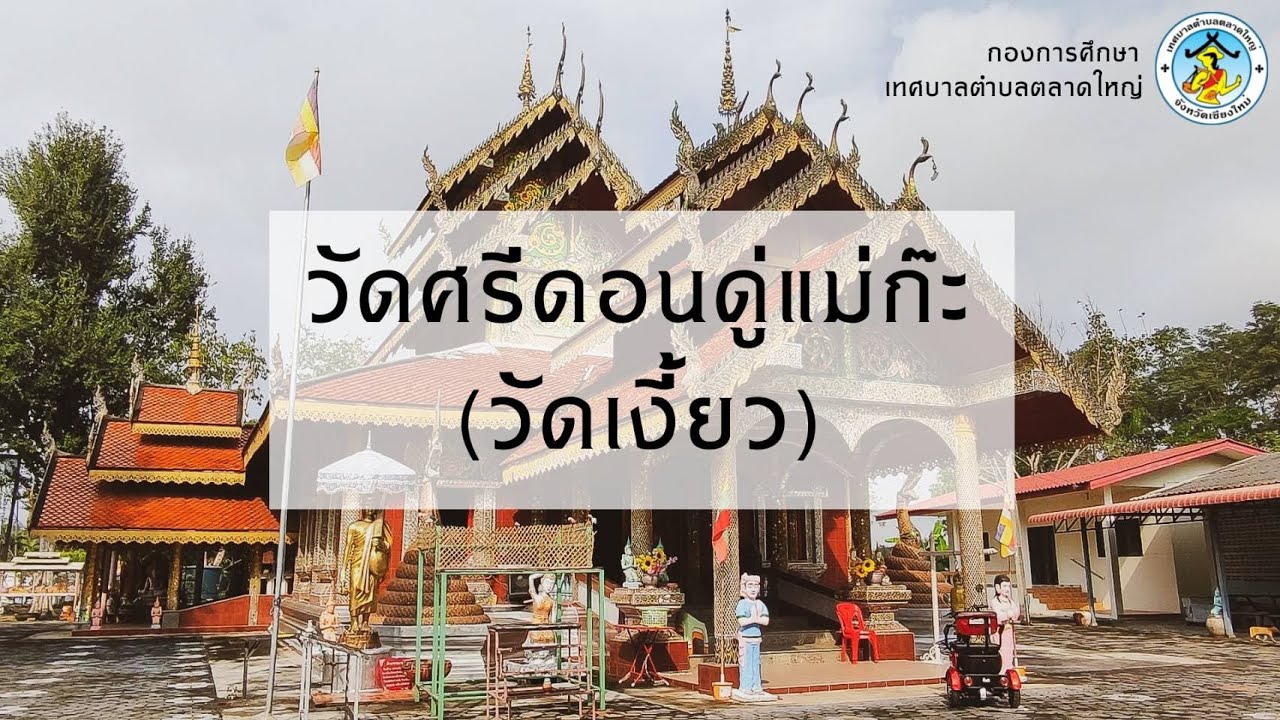
The temple’s monastic structures include a viharn, monks’ residences, a multi-purpose pavilion, and a small pavilion. These buildings support the daily religious and community functions of a local temple. The viharn is used for worship and religious ceremonies. The monks’ residences support monastic life. The multi-purpose pavilion can serve merit-making events, community gatherings, and ceremonial functions, while the smaller pavilion supports more modest activities. Together, these structures show that Wat Si Don Du works as a complete community temple.
The sacred objects of Wat Si Don Du are especially important. The temple is recorded as having wooden Buddha images, woven wooden Buddha images coated with lacquer and gold leaf, a Burmese-style Bua Khem Buddha image made with pollen material, a Burmese-style marble Buddha image, brick-and-plaster Buddha images, and metal Buddha images in different postures. These details give Wat Si Don Du a strong cultural identity connected with Shan and Burmese Buddhist art as well as northern Thai religious craftsmanship.
The wooden Buddha images and woven wooden Buddha images coated with lacquer and gold leaf are significant because wood has long been associated with northern Thai religious craftsmanship. Many Lanna temples have wooden Buddha images, carved wooden sacred objects, and local craft traditions using materials available in the region. Lacquer and gilding transform simple materials into sacred devotional objects. In this sense, the sacred objects at Wat Si Don Du reflect both faith and local skill.
The Burmese-style Bua Khem image and Burmese-style marble Buddha image make Wat Si Don Du especially interesting for visitors who study Buddhist art in northern Thailand. Shan and Burmese Buddhist traditions often have distinct visual details in Buddha images, materials, decorative forms, and devotional practices. The presence of these objects at Wat Si Don Du reflects the temple’s founding community and the wider cultural connections that shaped Buddhism in this part of Chiang Mai.
The temple has a recorded line of former abbots, beginning with Phra Usunanta from 1920 to 1931, followed by several monks whose names reflect Shan or Burmese cultural connections. The listed abbots include Phra Asu Ching Ta, Phra U Ketaya, Phra U Ya Seng Ta, Phra Hong Kosalo, Phra Sawang Banyathiko, Phra U Yana, Phra U Puen Ya, Phra U Ya Neng Ta, and Phra Champuang Chotiko. This succession shows the continuity of temple leadership and preserves a memory of the people who maintained the temple through different periods.
Based on the information provided for this article, the current abbot of Wat Si Don Du is Phra Somchai Pannawachiro. In a local temple, the abbot plays an essential role as the temple’s caretaker, spiritual leader, and coordinator between the monastic community and local residents. Private temples in Thai communities often depend on cooperation between monks, lay supporters, elders, and residents. Including the abbot’s name helps complete the temple’s identity as a living religious institution.
As a Mahanikaya Buddhist temple, Wat Si Don Du supports common Buddhist activities and community ceremonies such as Buddhist holy day merit-making, chanting, sermons, robe offerings, Kathin ceremonies, ordination-related activities, funeral rites, and ceremonies during major Buddhist days such as Makha Bucha, Visakha Bucha, Asalha Bucha, Buddhist Lent, and the end of Buddhist Lent. Annual schedules should be checked directly with the temple, but culturally the temple remains part of the religious life of the Mae Ka and Talat Yai community.
Wat Si Don Du is valuable for cultural travel because it has more detail than many small community temples. Its history includes the Shan trading community, the elders who raised funds to buy land, the size of the temple grounds, its monastic buildings, its Burmese and Shan-influenced sacred objects, and its line of former abbots. These details allow visitors to understand the temple as a place of community history, not only as a place to pay respect to Buddha images.
Visitors should approach Wat Si Don Du respectfully. This is an active local temple, not a commercial attraction. Modest clothing is recommended. Shoulders and knees should be covered. Shoes should be removed before entering sacred buildings. Visitors should keep their voices low, avoid entering monastic areas without permission, and ask before photographing monks, novices, local residents, or ceremonies. Respectful behavior helps protect the dignity of the temple and the daily life of the community.
For photography, Wat Si Don Du is best suited to slow observation of a local temple atmosphere, monastic buildings, and community surroundings. Visitors should avoid taking intrusive photographs during merit-making, funeral rites, or private ceremonies. Sacred objects inside buildings should be photographed only when appropriate and permitted. A calm and considerate visit is the best way to appreciate the temple’s cultural and religious value.
Getting There is most convenient by private car, rental car, or hired vehicle. From Chiang Mai city, travel east toward Doi Saket District, then continue to Talat Yai Subdistrict and Ban Mae Ka. The temple is located around the Doi Saket-Bo Sang road area. Visitors using a map application should search for “Wat Si Don Du, Talat Yai, Doi Saket” and confirm that the location is in Moo 2, Ban Mae Ka, to avoid confusion with temples of similar names in other provinces.
Travelers using public transportation can first reach Doi Saket from Chiang Mai city, then continue by local transport, taxi, or ride-hailing service to Talat Yai Subdistrict and Ban Mae Ka. This option requires more time and planning. For travelers who want to visit several places in the same day, a private vehicle or hired driver is the most practical choice because it allows an easy route combining Wat Si Don Du with nearby temples, reservoirs, and nature attractions.
A suitable half-day or full-day route can begin at Wat Si Don Du for merit-making and local history, continue to Wat Phra That Doi Saket for a major hilltop temple experience, then proceed to Mae Kuang Udom Thara Dam or the nearby suspension bridge for scenery. Travelers with more time can continue to Huai Hong Khrai Royal Development Study Centre to learn about forest, water, soil, agriculture, and sustainable development. This route combines Buddhism, local community history, and nature within Doi Saket District.
The best time to visit Wat Si Don Du is in the morning or late afternoon when the weather is more comfortable. Morning is suitable for merit-making and quiet worship, while afternoon works well for travelers combining the temple with nearby attractions. Visitors who want to join a specific Buddhist activity or ceremony should contact the temple in advance, because community religious schedules may differ from general visitor hours.
Wat Si Don Du has several details that many short online listings do not cover fully. These include its Shan trader origins, the named elders who gathered funds for the temple land, the size of the temple property, the Burmese-style sacred objects, and the recorded line of abbots. These details make the temple suitable for a deeper cultural article rather than a brief location listing. It is a useful destination for readers interested in Chiang Mai temples, Shan heritage, Buddhist art, and the history of local communities.
For visitors planning a Doi Saket trip, Wat Si Don Du adds cultural depth to the route. Doi Saket is not only about cafés, reservoirs, and nature. It also has old community temples that tell stories of migration, trade, faith, and village life. Wat Si Don Du is a good stop for travelers who want a quieter experience and a stronger understanding of the local roots of Buddhism in eastern Chiang Mai.
In summary, Wat Si Don Du is a private Mahanikaya temple in Moo 2, Talat Yai Subdistrict, Doi Saket District, Chiang Mai Province. It was officially established in 1920 by Shan traders and has sacred objects that reflect both Burmese and Lanna Buddhist influences. The temple is suitable for worship, merit-making, local history study, and cultural travel in Doi Saket. It can be combined with nearby attractions such as Wat Phra That Doi Saket, Mae Kuang Udom Thara Dam, the suspension bridge near the dam, Huai Hong Khrai Royal Development Study Centre, and Doi Saket Hot Spring.
| Name | Wat Si Don Du |
| Place Type | Private Buddhist Temple Under The Mahanikaya Order |
| Location | Ban Mae Ka, Doi Saket-Bo Sang Road, Moo 2, Talat Yai Subdistrict, Doi Saket District, Chiang Mai Province |
| Address | Moo 2, Talat Yai Subdistrict, Doi Saket District, Chiang Mai Province, Thailand |
| Highlights | Historic community temple founded by Shan traders, with Burmese and Lanna Buddhist sacred objects and a strong connection to Ban Mae Ka |
| History | Officially established in 1920 by Shan traders who raised funds to buy land and build the temple |
| Key Founding Supporters | Pho Thao Puen Ya, Pho Thao Yot Kham, Pho Thao Loi Yot, and Pho Thao Mo U raised funds for the temple land |
| Temple Area | 3 rai and 29 square wah |
| Name Origin | “Si” suggests auspicious prosperity, “Don” refers to raised ground, and “Du” is a tree name, linking the temple name with both faith and local landscape |
| Distinctive Features | A quiet community temple with Shan, Burmese, and Lanna cultural connections, suitable for merit-making and local history study |
| Main Buildings | Viharn, monks’ residences, multi-purpose pavilion, and small pavilion |
| Important Sacred Objects | Wooden Buddha images, woven wooden Buddha images coated with lacquer and gold leaf, Burmese-style Bua Khem image, Burmese-style marble Buddha image, brick-and-plaster Buddha images, and metal Buddha images in various postures |
| Travel Information | From Chiang Mai city, travel toward Doi Saket District, then continue to Talat Yai Subdistrict and Ban Mae Ka. Search for “Wat Si Don Du, Talat Yai, Doi Saket” and confirm the location in Moo 2 |
| Current Status | Listed as a Mahanikaya temple in Talat Yai Subdistrict, Doi Saket District, Chiang Mai Province |
| Open Days | Contact The Temple Directly Before Visiting |
| Opening Hours | Contact The Temple Directly Before Visiting |
| Abbot / Caretaker | Phra Somchai Pannawachiro |
| Nearby Tourist Attractions | 1. Wat Phra That Doi Saket, about 9 km 2. Mae Kuang Udom Thara Dam, about 15 km 3. Suspension Bridge Near Mae Kuang Dam, about 16 km 4. Huai Hong Khrai Royal Development Study Centre, about 20 km 5. Doi Saket Hot Spring, about 24 km |
| Nearby Restaurants | 1. Mae Ka Coffee, about 2 km, Tel. 084-611-8766 2. COCOA DOI, about 10 km, Tel. 088-310-9894 3. The LemonTree Garden & Restaurant, about 10 km, Tel. 093-415-0544 4. 882kitchen, about 10 km, Tel. 063-412-5683 5. Ban Ton Palm Restaurant, about 12 km |
| Nearby Accommodations | 1. Him Doi House @ Doisaket, about 10 km, Tel. 089-656-4959 2. Chiang Mai Skyline Resort, about 13 km, Tel. 053-868-891 3. Is Am O Chiangmai Resort, about 15 km, Tel. 053-867-284, 083-885-4747, 083-885-5757 4. Secret Garden Chiang Mai, about 16 km, Tel. 053-339-502 5. Monn Phu Phrai Resort, about 30 km, Tel. 053-389-036 |
Frequently Asked Questions (FAQ)
Q: Where is Wat Si Don Du located?
A: Wat Si Don Du is located in Ban Mae Ka, on the Doi Saket-Bo Sang road, Moo 2, Talat Yai Subdistrict, Doi Saket District, Chiang Mai Province.
Q: What is the history of Wat Si Don Du?
A: Wat Si Don Du was officially established in 1920 by Shan traders who raised funds to buy land and build the temple for the local community.
Q: What makes Wat Si Don Du special?
A: The temple is notable for its Shan origins, community-based history, and sacred objects influenced by Burmese and Lanna Buddhist art.
Q: Who is the abbot of Wat Si Don Du?
A: The abbot of Wat Si Don Du is Phra Somchai Pannawachiro.
Q: How can visitors get to Wat Si Don Du from Chiang Mai city?
A: Visitors can travel from Chiang Mai city toward Doi Saket District, then continue to Talat Yai Subdistrict and Ban Mae Ka. A private car, rental car, or hired vehicle is the most convenient option.
Q: What nearby attractions can be combined with Wat Si Don Du?
A: Nearby attractions include Wat Phra That Doi Saket, Mae Kuang Udom Thara Dam, the suspension bridge near the dam, Huai Hong Khrai Royal Development Study Centre, and Doi Saket Hot Spring.
Q: What should visitors wear when visiting Wat Si Don Du?
A: Visitors should dress modestly, cover shoulders and knees, remove shoes before entering sacred buildings, and keep quiet inside the temple area.
 Category: ●Places of Worship
 Group: ●Temple
Last Update : 1 MonthAgo
 Last Update : 1 MonthAgo
 Click to Access the Navigation Map GPS
Wat Si Don Du Map
Recommend

 Muang Chiang Mai(121)Chom Thong(47)Mae Chaem(25)Chiang Dao(33)Doi Saket(68)Mae Taeng(85)Mae Rim(69)Samoeng(29)Fang(71)Mae Ai(59)Phrao(70)San Pa Tong(103)San Kamphaeng(66)San Sai(73)Hang Dong(73)Hot(32)Doi Tao(22)Omkoi(11)Saraphi(74)Wiang Haeng(15)Chai Prakan(28)Mae Wang(32)Mae On(22)Doi Lo(33)Galyani Vadhana(1)


