
lovethailand home >North Travel Attractions >Chiang Mai Travel Attractions >Doi Tao >Tha Duea > Wat Ban Chang
TL;DR: Wat Ban Chang is located at Moo 2, Tha Duea Subdistrict, Doi Tao District, Chiang Mai Province 50260, Thailand. Highlights include Old community temple connected with Ban Chang, Ban Chang Plot 8, old Ping River settlements, and local Doi Tao heritage.

Wat Ban Chang
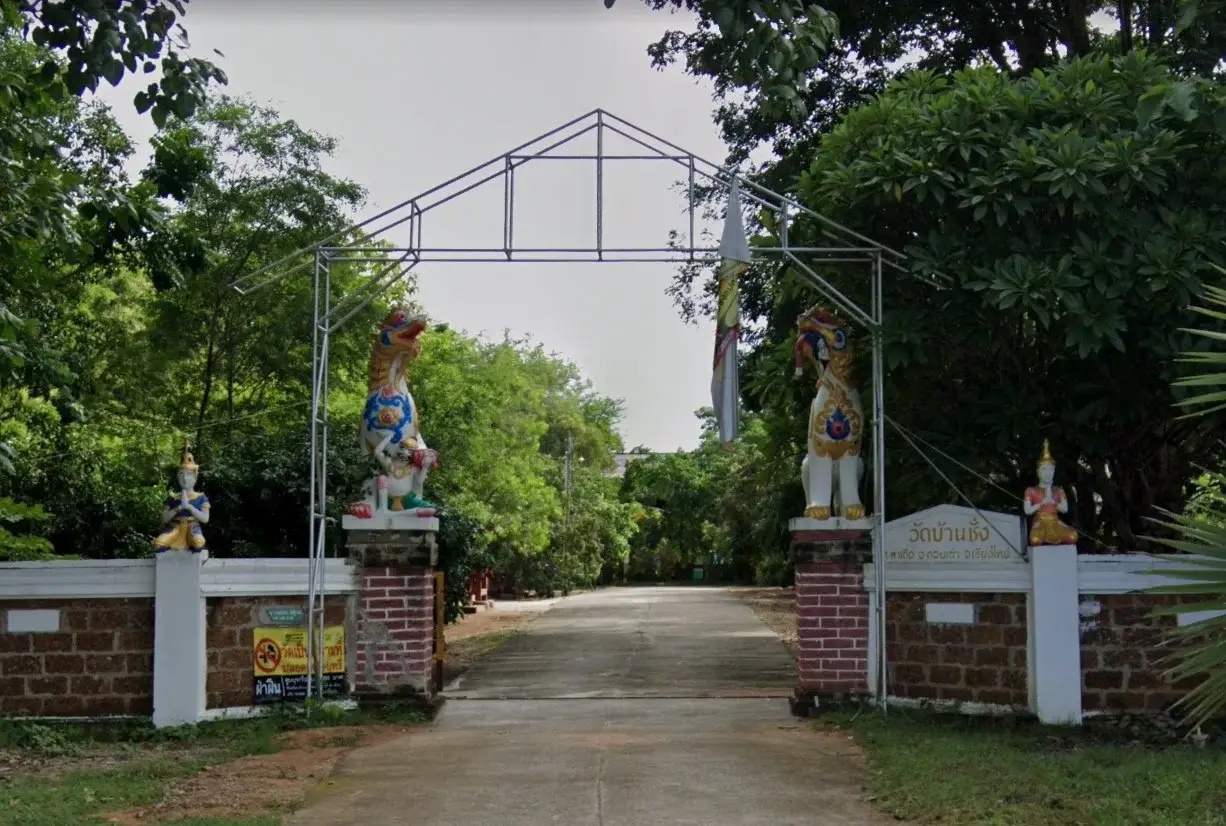
Operating day: Daily
Operating time: 08.00 - 17.00
Wat Ban Chang is located in Moo 2, Tha Duea Subdistrict, Doi Tao District, Chiang Mai Province. It is a local Buddhist temple under the Maha Nikaya order. The temple was officially permitted to become a temple in 1907 and received its royal grant of Wisungkhamasima in 1955. Wat Ban Chang is closely connected with Ban Chang, also known in the local context as Ban Chang Plot 8, a community shaped by old Ping River settlements, local Buddhist faith, and the relocation of people after parts of Doi Tao were affected by the Bhumibol Dam reservoir. For travelers who want to understand Doi Tao beyond its lake scenery, this temple offers an important window into community memory and Lanna Buddhist life.
The temple’s official record identifies it as a Maha Nikaya local temple in Moo 2, Tha Duea Subdistrict, Doi Tao District, Chiang Mai Province. Its establishment in 1907 and the royal grant of Wisungkhamasima in 1955 give the temple a firm place in the Buddhist administration of northern Thailand. A Wisungkhamasima boundary is important because it marks a consecrated area for formal monastic acts. This status shows that Wat Ban Chang has long served not only as a village temple but also as a recognized religious institution for the local community.
The surrounding area of Ban Chang and Tha Duea has a deeper historical background than a normal rural roadside community. This part of Doi Tao is connected with old settlements along the Ping River, traditional village life, and the major landscape change caused by the Bhumibol Dam. Many older communities once lived along the river, relying on water, agriculture, fishing, and village temples. When the reservoir changed the old landscape, people moved to new settlement areas. Temples such as Wat Ban Chang became anchors of continuity, allowing the community to preserve faith, identity, and memory in a new location.
Local history remembers Ban Chang as an old community. The former Ban Chang area was located on the eastern side of the Ping River, opposite Phra Borommathat Doi Koeng, one of the most important sacred sites in Doi Tao District. Local accounts describe Wat Ban Chang as an old temple, while the surrounding Ban Chang area also had traces of abandoned temples such as Wat Kat, Wat Mai Sam Hong, and Wat Pa Cha. These traces suggest that Ban Chang was once a religiously and culturally active settlement, not merely a recently formed village.
The year 1907 should therefore be understood as the temple’s official establishment in the recorded Buddhist system, while the local memory of the place may reach further back. In many northern Thai communities, official temple records and local stories exist together. A temple may be registered in one period while the sacred landscape around it preserves memories of older religious sites, old settlements, or abandoned temple foundations. Wat Ban Chang is meaningful because it holds both layers: a clear official record and a deeper community memory.
Ban Chang Plot 8 is associated with the resettlement process of Doi Tao communities after the Bhumibol Dam changed the riverine landscape. Villagers from old riverside areas moved into designated settlement plots and rebuilt their lives in new places. Ban Chang Plot 8 became one of these living communities, where people maintained village identity, kinship, local occupations, and Buddhist faith. Wat Ban Chang stands at the center of this process as a spiritual and social anchor for the community.
The role of Wat Ban Chang extends beyond ordinary temple ceremonies. It is connected with community identity, local culture, and the heritage of Ban Chang Plot 8. The area is known for local weaving, especially Ban Chang Plot 8 woven textiles, which reflect craft knowledge, local aesthetics, and the transmission of skills across generations. The temple and the craft community therefore form a cultural pair: the temple holds spiritual life, while weaving expresses the community’s artistic and economic identity.
One significant religious figure associated with Wat Ban Chang in local memory is Phra Khru Adunyanasunthon, known locally as Tu Chan of Wat Ban Chang Plot 8. His name appears in the history of Wat Tha Duea as a former ecclesiastical leader of Doi Tao District and as a monk involved in religious development in the area. This connection shows that Wat Ban Chang was not only a village temple but also part of the wider Buddhist network of Doi Tao District.
Wat Ban Chang is also linked with the collective faith of the Ban Chang Plot 8 community. Local learning materials mention villagers from Ban Chang Plot 8, Ban Plot 3, Ban Dong Mana, and Ban Mae Thok working together to develop Wat Ban Chang Plot 8 as a place for worship and Buddhist merit-making. This community effort is important because it shows that the temple was built and sustained through local participation rather than being a purely administrative religious site.
Inside the temple, the most firmly confirmed details are its status as a Maha Nikaya temple, its Wisungkhamasima, and its role as a place for Buddhist worship and community ceremonies. Publicly verifiable information on specific structures such as the viharn, ubosot, chedi, principal Buddha image, bell tower, sermon hall, and monks’ residences is limited. For accuracy, this article focuses on the temple’s verified history, community role, and cultural context rather than adding architectural details that cannot be confirmed.
The main appeal of Wat Ban Chang lies in its identity as an old community temple of Doi Tao. It is not a large commercial tourist attraction like the famous temples in central Chiang Mai. Instead, it offers something quieter and more grounded: the atmosphere of a living village temple, a community that rebuilt itself after a major environmental change, and a Buddhist space that continues to hold local memory. Visitors who appreciate slow cultural travel will find this temple more meaningful than a quick sightseeing stop.
In terms of traditions and religious activities, Wat Ban Chang should be understood through the life of a local northern Thai temple. Activities commonly associated with such temples include Buddhist holy days, Buddhist Lent, the end of Lent, Kathin, robe-offering ceremonies, memorial merit-making, and community religious gatherings. The wider Ban Chang Plot 8 area is also connected with Lanna cultural practices such as traditional music, sung poetry, and woven textile heritage. This makes the temple part of a wider cultural landscape rather than a stand-alone religious site.
For travelers, Wat Ban Chang is best suited to those who want to understand local community life. Visitors interested in Doi Tao history, the old Ping River settlements, relocation after the Bhumibol Dam, and Ban Chang Plot 8 culture will gain the most from visiting this temple. It helps explain Doi Tao at a human scale: how communities moved, how they preserved faith, and how Buddhist temples helped people maintain identity after leaving old riverside homes.
Visitors should approach Wat Ban Chang respectfully. Modest dress, quiet behavior, and sensitivity toward monks and local residents are important. The temple is a living religious site, not a staged attraction. Photography should be done carefully, especially during ceremonies or merit-making activities. The best way to experience the temple is to pay respect, observe the atmosphere, and understand the relationship between the temple and the village.
Getting There is easiest by private car, rental car, or local hired transport. From Chiang Mai city, travel south toward Hot District, then continue to Doi Tao District. The main route through the area is Highway 1103, the Hot – Doi Tao – Mae Tuen road, which connects to Tha Duea and the surrounding communities. Once in Tha Duea Subdistrict, continue toward Moo 2, Ban Chang Plot 8. Because the temple is located in a local village area, using a navigation app with both the temple name and village name is recommended.
A good cultural route can combine Wat Ban Chang with Phra Borommathat Doi Koeng, Wat Tha Duea, Doi Tao Lake, and the Ban Chang Plot 8 weaving learning area. Travelers with half a day can visit the temple, continue to Doi Koeng for its sacred significance, and then enjoy the lakeside area. A full-day route can add Wat Doi Tao, Wat Ban Rai, or nearby Hot District temples for a broader view of the religious and cultural geography of southern Chiang Mai.
Wat Ban Chang is also suitable for pairing with local textile learning. Ban Chang Plot 8 is known for woven textiles and traditional craft knowledge. Visiting the temple and the weaving community together provides a fuller picture of local life: faith at the temple, daily life in the village, and cultural identity in handmade textiles. This combination makes Wat Ban Chang a meaningful destination for travelers interested in community-based cultural tourism.
Overall, Wat Ban Chang is valuable for its official establishment in 1907, its Wisungkhamasima in 1955, its connection with the old Ban Chang community, and its continuing role in Ban Chang Plot 8. It is a quiet but historically rich temple that helps visitors understand Doi Tao through faith, relocation, community resilience, and Lanna cultural continuity. For travelers seeking an authentic local Buddhist temple in Chiang Mai’s southern district, Wat Ban Chang is a worthwhile cultural stop.
| Name | Wat Ban Chang |
| Type | Local Buddhist Temple, Maha Nikaya Order |
| Location | Moo 2, Tha Duea Subdistrict, Doi Tao District, Chiang Mai Province 50260, Thailand |
| Related Community | Ban Chang / Ban Chang Plot 8, Tha Duea-Mued Ka area, Doi Tao District |
| Highlights | Old community temple connected with Ban Chang, Ban Chang Plot 8, old Ping River settlements, and local Doi Tao heritage |
| History | Officially permitted as a temple in 1907 and granted Wisungkhamasima in 1955 |
| Local Significance | Spiritual center of Ban Chang and part of the Doi Tao cultural landscape shaped by the Ping River, Doi Tao Lake, and community relocation after the Bhumibol Dam |
| Name Origin | The name is connected with Ban Chang, the Moo 2 community where the temple is located, and with Ban Chang Plot 8 in local Doi Tao context. |
| Distinctive Features | Peaceful community temple suitable for worship, learning about Doi Tao history, and connecting with Doi Koeng, Doi Tao Lake, and Ban Chang Plot 8 weaving culture |
| Community Role | Place for Buddhist ceremonies, merit-making, community gatherings, and the preservation of local faith after community resettlement |
| Travel Information | From Chiang Mai city, travel toward Hot District, then continue to Doi Tao District via Highway 1103, the Hot – Doi Tao – Mae Tuen route, and proceed to Moo 2, Tha Duea Subdistrict. |
| Current Status | Active local Buddhist temple in Tha Duea Subdistrict, Doi Tao District, Chiang Mai Province |
| Facilities | Temple grounds, open courtyard, and spaces for Buddhist activities |
| Nearby Tourist Attractions | 1. Ban Chang Plot 8 Weaving Learning Area, about 1 km 2. Phra Borommathat Doi Koeng, about 8 km 3. Doi Tao Lake, about 10 km 4. Wat Tha Duea, about 12 km 5. Wat Doi Tao, about 14 km |
| Nearby Restaurants | 1. Bandin in the Doi, about 3 km, Tel. 087-951-6778, 084-810-5058 2. Check In Doi Tao Cafe’ and Resort, about 10 km, Tel. 062-969-8264 3. Krua Than Thip And Ruean Pha Than Thip, about 12 km, Tel. 091-026-4970 4. Ruean Pha Luk Mae Ping, about 12 km, Tel. 081-993-4162, 081-724-5470 5. Ruean Pha Doi Tao Rim Ping, about 12 km, Tel. 081-961-1854, 084-885-5982 |
| Nearby Accommodations | 1. Check In Doi Tao Cafe’ and Resort, about 10 km, Tel. 062-969-8264 2. Ruean Pha Than Thip, about 12 km, Tel. 091-026-4970 3. Ruean Pha Luk Mae Ping, about 12 km, Tel. 081-993-4162, 081-724-5470 4. Ruean Pha Doi Tao Rim Ping, about 12 km, Tel. 081-961-1854, 084-885-5982 5. The Creek Resort, about 20 km, Tel. 097-282-8982 |
Frequently Asked Questions (FAQ)
Q: Where is Wat Ban Chang located?
A: Wat Ban Chang is located in Moo 2, Tha Duea Subdistrict, Doi Tao District, Chiang Mai Province 50260, Thailand.
Q: When was Wat Ban Chang officially established?
A: Wat Ban Chang was officially permitted as a temple in 1907 and received its Wisungkhamasima in 1955.
Q: Why is Wat Ban Chang important to the local community?
A: It is a spiritual center for Ban Chang and Ban Chang Plot 8, connected with old Ping River settlements, community relocation after the Bhumibol Dam, and Doi Tao local identity.
Q: What is special about Wat Ban Chang?
A: Its value lies in its old community history, its connection with Ban Chang Plot 8, local weaving culture, and the wider cultural landscape of Doi Tao.
Q: How do travelers get to Wat Ban Chang?
A: From Chiang Mai city, travel south toward Hot District, continue to Doi Tao District via Highway 1103, then proceed to Moo 2, Tha Duea Subdistrict.
Q: Who should visit Wat Ban Chang?
A: The temple is suitable for travelers interested in local Buddhist temples, Doi Tao history, Lanna village culture, Ping River communities, and community-based cultural travel.
Q: What nearby places can be visited with Wat Ban Chang?
A: Nearby places include Phra Borommathat Doi Koeng, Doi Tao Lake, Wat Tha Duea, Wat Doi Tao, and the Ban Chang Plot 8 weaving learning area.
 Category: ●Places of Worship
 Group: ●Temple
Last Update : 1 MonthAgo
 Last Update : 1 MonthAgo
 Click to Access the Navigation Map GPS

 Muang Chiang Mai(121)Chom Thong(47)Mae Chaem(25)Chiang Dao(33)Doi Saket(68)Mae Taeng(85)Mae Rim(69)Samoeng(29)Fang(71)Mae Ai(59)Phrao(70)San Pa Tong(103)San Kamphaeng(66)San Sai(73)Hang Dong(73)Hot(32)Doi Tao(22)Omkoi(11)Saraphi(74)Wiang Haeng(15)Chai Prakan(28)Mae Wang(32)Mae On(22)Doi Lo(33)Galyani Vadhana(1)


