
lovethailand home >South Travel Attractions >Surat Thani Travel Attractions >Koh Pha Ngan >Koh Tao > Underwater Coral Reefs
TL;DR: Underwater Coral Reefs, Surat Thani attractions : Entertainment and Agricultural, Outdoor and Adventure Activities.

Underwater Coral Reefs
Open Days: Accessible year-round, subject to sea conditions, weather, ferry schedules, and snorkeling or diving operators
Opening Hours: No fixed gate hours; snorkeling, diving, and boat trips should be done during daylight hours according to operator schedules
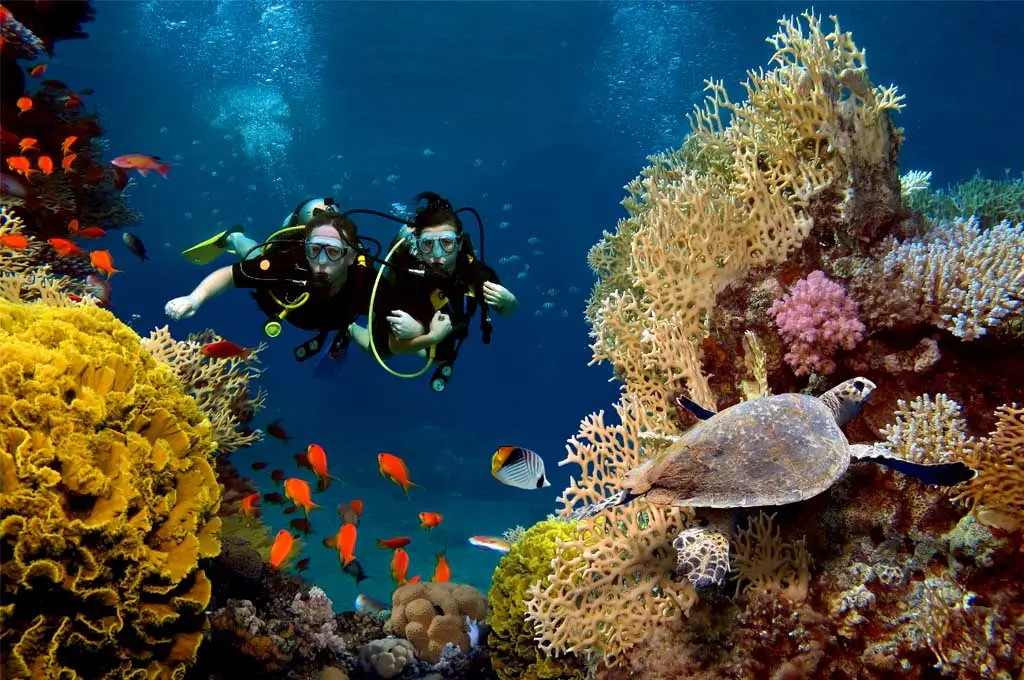
The Underwater Coral Reefs of Surat Thani are among the most remarkable marine attractions in the Gulf of Thailand. The most prominent reef areas are found around Koh Tao, Koh Nang Yuan, Kong Sai Daeng, and several bays surrounding Koh Tao. This part of Surat Thani is known for clean sandy beaches, calm tropical scenery, clear blue water, shallow and deep coral reefs, colorful reef fish, and a lively underwater ecosystem. It is suitable for travelers who want to relax by the sea, snorkel, learn scuba diving, photograph marine life, or experience Thailand’s underwater world in a responsible way.
When travelers search for coral reefs in Surat Thani, Koh Tao is the key destination. The island is part of Ko Pha-ngan District, Surat Thani Province, but geographically it lies closer to the Chumphon coast than to the Surat Thani mainland. This gives visitors several access routes, including ferries from Chumphon, Surat Thani, Koh Samui, and Koh Phangan. Koh Tao has become one of Thailand’s best-known diving destinations because the island offers sheltered bays for beginners, shallow reefs for snorkelers, training areas for new divers, and deeper underwater rock formations for certified scuba divers.
The appeal of Surat Thani’s underwater coral reefs is not limited to the beauty of the reefs themselves. The coastline around Koh Tao includes beaches, bays, headlands, granite boulders, shallow reef flats, and underwater pinnacles. Some areas are ideal for a relaxed beach holiday, while others are better suited to snorkeling or scuba training. This variety makes Koh Tao and its surrounding waters useful for many kinds of travelers, from first-time snorkelers to experienced divers seeking more advanced dive sites.
Aow Leuk is one of the most popular snorkeling and diving areas on Koh Tao. The bay has clear water, a quiet coastal setting, coral formations, reef fish, and underwater scenery that is accessible without traveling far offshore. Its name refers to the deep, curved character of the bay. From the beach, travelers see blue water framed by rocks and pale sand; beneath the surface, the bay has hard corals, reef fish, and small marine life living among the coral structures and rocky areas. Aow Leuk is especially suitable for travelers who want a balance of beach scenery and accessible underwater exploration.
Hin Wong Bay is another important reef area on Koh Tao’s eastern side. It is known for clear water, rocky coastal scenery, coral formations, and a quieter atmosphere than the busier western beaches. The underwater landscape is different from a simple sandy beach because the beauty lies in the boulders, reef structures, and marine life living around them. Travelers who prefer a calmer snorkeling or diving experience often include Hin Wong Bay in their route when sea conditions are favorable and visibility is good.
Sairee Beach is the longest and most active beach area on Koh Tao. It is well known for white sand, sunset views, restaurants, cafes, resorts, dive schools, and convenient travel services. In some areas, shallow coral reefs run parallel to the beach, making Sairee a useful base for travelers who want easy access to accommodation and food while still staying close to the marine environment. For many visitors, Sairee is the practical starting point for boat trips, diving courses, and island exploration.
Chalok Baan Kao Bay and Thian Og Bay on the southern side of Koh Tao offer a quieter atmosphere than Mae Haad and Sairee. This part of the island is suitable for travelers who want a more relaxed coastal setting while staying close to beaches and snorkeling areas. The south of Koh Tao is often chosen by visitors who want to combine reef exploration with peaceful accommodation, scenic bays, and slower travel. It is also a convenient zone for reaching Aow Leuk, Sai Daeng, and other southern or eastern snorkeling spots.
Koh Nang Yuan is a small island group near Koh Tao and one of the most recognizable marine landscapes in Surat Thani. Its sandbar, clear water, and viewpoint make it popular for day trips from Koh Tao. The island is often included in snorkeling tours because it is close to Koh Tao by long-tail boat and offers beautiful coastal scenery together with underwater life near the shore. Access depends on area rules, boat conditions, and the operating terms of local boat services.
Kong Sai Daeng is another significant snorkeling and diving area in the Koh Tao marine zone. Its rocky and reef environment provides habitat for reef fish and other marine life. The site may be included in snorkeling or diving routes when sea conditions allow. For scuba divers, trips should be arranged through certified operators with proper safety procedures, equipment standards, and local knowledge of currents, depth, and entry conditions.
The value of Koh Tao’s reef system is supported by environmental monitoring and conservation work. Surveys by Thailand’s Department of Marine and Coastal Resources have recorded coral reef sites around Koh Tao and nearby areas, including Mae Haad Bay, Sairee Beach, Aow Leuk, Hin Wong Bay, Tanote Bay, Laem Thian, Chalok Baan Kao, Koh Nang Yuan, and Kong Sai Daeng. Dominant coral groups reported in these reef environments include Porites, Acropora, Pocillopora, Diploastrea, Pavona, and mushroom corals, together with marine animals such as sea urchins, sea cucumbers, wrasses, parrotfish, butterflyfish, and damselfish.
For visitors, the underwater coral reefs of Surat Thani can be experienced in several ways. Snorkeling is suitable for travelers who can swim and want to observe coral and fish near the surface. It should be done with a life jacket when needed, properly fitted mask and snorkel, and guidance from local operators. Scuba diving requires training, equipment knowledge, buoyancy control, underwater communication, and safety procedures. Koh Tao is particularly well known for dive schools, making it a practical destination for beginners who want to learn before joining open-water dives.
The best time to visit depends on weather, waves, and underwater visibility. Although natural reef areas do not have gates or fixed opening hours, marine activities depend on safety conditions. Visitors should check weather forecasts, ferry schedules, and advice from snorkeling or diving operators before traveling. On days with strong waves, heavy rain, or marine warnings, operators may postpone or cancel trips. This is normal for responsible marine tourism and helps protect both visitors and the environment.
Getting There is possible by ferry to Mae Haad Pier on Koh Tao from Chumphon, Surat Thani, Koh Samui, or Koh Phangan. Chumphon is often the shorter mainland route because Koh Tao lies closer to the Chumphon coast, while Surat Thani is useful for travelers combining Koh Tao with Koh Samui or Koh Phangan. Mae Haad Pier is the main arrival point on Koh Tao. From there, travelers can continue by local taxi, accommodation transfer, rental vehicle, or boat tour to beaches and bays around the island. Booking ferry tickets in advance is recommended during high season and long holidays.
Travel around Koh Tao should be planned carefully because some bays are reached by steep roads and others are easier by boat. Travelers staying in Mae Haad or Sairee will have easy access to piers, restaurants, dive schools, and transport services. Those heading to Aow Leuk, Hin Wong Bay, Tanote Bay, or Laem Thian should check road and sea access in advance. Visitors who are not used to driving on island roads should use local transfers or boat trips instead of riding a motorbike. A boat trip is often the most convenient way to visit several snorkeling spots in one day.
Coral reefs are not only beautiful; they are living habitats. They provide shelter, feeding grounds, and nursery areas for marine life. Many small fish use coral reefs as protection before becoming part of the wider marine food web. Protecting reefs therefore protects the sea itself, local fisheries, tourism businesses, and the visitor experience. A damaged reef affects far more than a single snorkeling site, so responsible behavior by every traveler matters.
Good reef etiquette is essential. Visitors should not stand on coral, touch coral, collect shells or marine animals, feed fish, chase marine life for photos, or leave waste in the sea. Reef-safe sun protection, reusable bottles, dry bags, and responsible tour operators all help reduce pressure on the marine environment. Underwater photography should be done with good buoyancy and enough distance from coral, because accidental fin kicks can damage slow-growing coral colonies.
Families should choose snorkeling areas according to swimming ability, water depth, current, and comfort level. Calm bays with local supervision are more suitable for beginners than offshore rock formations. Travelers who want to learn scuba diving should choose a school with qualified instructors, clear briefings, well-maintained equipment, and safety procedures. The underwater world is most enjoyable when visitors understand their limits, listen to local guidance, and avoid entering the sea when tired, unwell, or uncertain.
The atmosphere of Surat Thani’s coral reef destinations is different from a beach-only holiday. On land, travelers find white sand, viewpoints, quiet bays, island communities, seafood restaurants, dive schools, and small-scale tourism services. Underwater, they discover reef structures, fish movement, coral textures, and the calm rhythm of the sea. For many visitors, snorkeling or diving around Koh Tao turns a normal beach trip into a deeper understanding of the marine environment.
Koh Tao also plays an important role in responsible tourism. Local organizations, tourism businesses, conservation networks, and government agencies have worked to promote sustainability, waste reduction, marine protection, and environmental awareness. The island continues to develop its image not only as a beautiful diving destination, but also as a learning space for responsible diving and sustainable island tourism.
In 2026, Thailand’s Department of Marine and Coastal Resources reported a new artificial reef and dive site initiative in Koh Tao. Artificial reefs can help distribute visitor pressure away from natural reef areas, create additional habitat for marine life, and support marine education when managed properly. Combined with responsible tourism practices, these efforts help strengthen Koh Tao’s role as both a diving destination and a conservation-focused marine area.
Travelers who want a complete experience should plan at least 2–3 days on Koh Tao. A short trip can include snorkeling around the island and relaxing on the beach, while a longer stay allows time for a diving course, multiple reef sites, sunset viewpoints, and slower exploration. Mae Haad and Sairee are practical bases for convenience, while Chalok, Thian Og, and eastern or southern coastal areas are suitable for quieter stays. A well-paced itinerary is better than a rushed one, especially because marine travel depends on boats, weather, and outdoor activity conditions.
Useful items include swimwear, a rash guard, quick-dry towel, dry bag, secure sandals, drinking water, and personal medication. A personal snorkel mask can improve comfort, but rental equipment is widely available through tours and dive operators. The most important preparation is to listen to the safety briefing, stay within marked areas, avoid drifting away from the group, and leave the water when feeling tired, cold, or uncomfortable.
The underwater coral reefs of Surat Thani are more than a scenic attraction. They combine clean beaches, quiet bays, living coral ecosystems, marine biodiversity, island communities, and conservation learning in one destination. Whether travelers come for a gentle snorkeling trip, a scuba diving course, underwater photography, or a peaceful island escape, Koh Tao and its surrounding reef areas remain one of the most meaningful marine destinations in the Gulf of Thailand when visited with care and respect for nature.
| Name | Underwater Coral Reefs of Surat Thani |
| Location | Gulf of Thailand, Surat Thani Province, especially around Koh Tao, Koh Nang Yuan, and Kong Sai Daeng, Ko Tao Subdistrict, Ko Pha-ngan District, Surat Thani Province |
| Address | Ko Tao Subdistrict, Ko Pha-ngan District, Surat Thani 84360, Thailand |
| Coordinates | Approximate Koh Tao coordinates: 10.091656, 99.837742 |
| Highlights | Shallow and deep coral reefs, clean sandy beaches, clear water, peaceful bays, colorful reef fish, and diverse marine life |
| Distinctive Features | A mix of bays, beaches, underwater rock formations, and coral reef zones suitable for snorkeling, scuba training, and responsible marine tourism |
| Main Areas / Zones | Mae Haad Bay, Sairee Beach, Chalok Baan Kao Bay, Thian Og Bay, Tanote Bay, Aow Leuk, Hin Wong Bay, Laem Thian, Koh Nang Yuan, and Kong Sai Daeng |
| Marine Life And Coral | Porites, Acropora, Pocillopora, Diploastrea, Pavona, mushroom corals, damselfish, wrasses, parrotfish, butterflyfish, sea urchins, and sea cucumbers |
| Recommended Activities | Snorkeling, scuba diving, diving courses, underwater photography, bay-hopping by boat, beach relaxation, and conservation-focused travel |
| Travel Information | Travel by ferry to Mae Haad Pier on Koh Tao from Chumphon, Surat Thani, Koh Samui, or Koh Phangan, then continue by local taxi, accommodation transfer, rental vehicle, or boat tour to bays and reef areas |
| Current Status | An active marine tourism and diving area of Surat Thani Province, accessible according to weather, sea conditions, and boat or dive operator schedules |
| Open Days | Accessible year-round, subject to sea conditions, weather, ferry schedules, and snorkeling or diving operators |
| Opening Hours | No fixed gate hours; snorkeling, diving, and boat trips should be done during daylight hours according to operator schedules |
| Fees | No single site entrance fee applies to the general marine area; costs depend on ferries, snorkeling tours, diving equipment, dive instructors, and individual operator terms |
| Facilities | Mae Haad Pier, ferry services, snorkeling boats, dive schools, accommodation, restaurants, cafes, dive equipment rental, local taxis, and hotel transfer services |
| Caretaker / Tourist Information | Koh Tao Tourism Association Tel. 080-466-6441, Tourist Assistance Center Koh Tao Tel. 077-456979, TAT Koh Samui Office Tel. 077-420504 |
| Official Website / Official Page | visitkohtao.org, tourismthailand.org |
| Nearby Tourist Attractions | 1. Sairee Beach, about 2 km from Mae Haad Pier 2. Aow Leuk, about 4 km from Mae Haad Pier 3. Hin Wong Bay, about 5 km from Mae Haad Pier 4. Tanote Bay, about 4 km from Mae Haad Pier 5. Koh Nang Yuan, about 3 km by boat from Koh Tao 6. Chalok Baan Kao Bay, about 3 km from Mae Haad Pier |
| Nearby Restaurants | 1. Breeze Koh Tao, about 1 km from Mae Haad Pier 2. Barracuda Rooftop Restaurant & Bar, about 2 km from Mae Haad Pier 3. Whitening Sairee, about 3 km from Mae Haad Pier, Tel. 083-941-4199 4. Lung Pae Restaurant, about 3 km from Mae Haad Pier, Tel. 086-287-1039 5. Barracuda on the Beach, about 4 km from Mae Haad Pier |
| Nearby Accommodations | 1. Sensi Paradise Beach Resort, about 1 km from Mae Haad Pier 2. Koh Tao Cabana, about 3 km from Mae Haad Pier, Tel. 081-814-2269, 077-456504-5 3. Haadtien Beach Resort, about 4 km from Mae Haad Pier, Tel. 077-456580 4. Jamahkiri Dive Resort & Spa, about 4 km from Mae Haad Pier, Tel. 080-077-5353 5. Haadtien Beach Club, about 4 km from Mae Haad Pier, Tel. 077-456580 |
Frequently Asked Questions (FAQ)
Q: Where are the main underwater coral reefs in Surat Thani?
A: The main reef areas are around Koh Tao, Koh Nang Yuan, and Kong Sai Daeng in Ko Tao Subdistrict, Ko Pha-ngan District, Surat Thani Province. Important areas include Aow Leuk, Hin Wong Bay, Sairee Beach, Tanote Bay, Chalok Baan Kao Bay, and Laem Thian.
Q: Are the coral reefs of Surat Thani suitable for snorkeling or scuba diving?
A: They are suitable for both. Shallow bays are good for snorkeling and beginners, while deeper dive sites and underwater rock formations are suitable for certified scuba divers or students learning with qualified instructors.
Q: Is there an entrance fee for the underwater coral reef areas?
A: There is no single entrance fee for the general marine area. Costs depend on ferry tickets, snorkeling tours, diving equipment, instructors, and the terms of individual operators.
Q: How do travelers get to Koh Tao for snorkeling and diving?
A: Travelers can take a ferry to Mae Haad Pier on Koh Tao from Chumphon, Surat Thani, Koh Samui, or Koh Phangan, then continue by local taxi, hotel transfer, rental vehicle, or boat tour to beaches and reef areas.
Q: When is the best time to snorkel or dive in Surat Thani?
A: The best time is when the sea is calm, visibility is good, and there are no marine weather warnings. Visitors should check forecasts, ferry schedules, and operator advice before traveling.
Q: What are the most popular reef and snorkeling areas around Koh Tao?
A: Popular areas include Aow Leuk, Hin Wong Bay, Sairee Beach, Tanote Bay, Chalok Baan Kao Bay, Laem Thian, Koh Nang Yuan, and Kong Sai Daeng.
Q: How should visitors protect the coral reefs while snorkeling or diving?
A: Visitors should not stand on coral, touch marine life, feed fish, collect shells, leave waste in the sea, or swim too close to reef structures. Good buoyancy, respectful distance, and responsible tour operators help protect the reef.
 Category: ●Entertainment and Agricultural
 Group: ●Outdoor and Adventure Activities
Last Update : 1 MonthAgo
 Last Update : 1 MonthAgo
 Click to Access the Navigation Map GPS
Underwater Coral Reefs Map
Recommend

 Art, Culture and Heritage
 Landmarks and Memorials(1)
 Art, Craft Centres, Tradition(8)
 Museums(5)
 Educational Places
 Educational Gardens, Farm(1)
 Places of Worship
 Temple(32)
 Other Sacred Sites(8)
 Research and Development
 Royal Project(1)
 Suburban Living
 Village, Community(6)
 Local Market(1)
 Nature and Wildlife
 National Parks and Marine Reserves(8)
 Mountain (Doi)(2)
 Dam, Reservoir, Lake(8)
 Waterfalls(34)
 Hot Springs(7)
 Caves(18)
 River, Canal(11)
 Bays and Beaches(30)
 Islands(16)
 Other natural attractions(10)
 Animal camps and shows(6)
 Farms, Parks and Ecotourism(7)
Outdoor and Adventure Activities(2)
Farms, Parks and Ecotourism(7)
Outdoor and Adventure Activities(2)
 Shopping
 Shopping and Night Market(1)
 Travel Articles, Recipes
 Southern Food Menu, Southern Food Recipes(1)


