
lovethailand home >South Travel Attractions >Phuket Travel Attractions >Muang Phuket >Ra Wai > Ko Kaeo Yai
TL;DR: Ko Kaeo Yai is located at Rawai Subdistrict, Mueang Phuket District, Phuket Province, Thailand, open Daily, Except During Rough Sea Conditions Or When Boats Cannot Operate, hours Best Visited During Daylight Hours According To Long-Tail Boat Services From.
Ko Kaeo Yai
Open Days: Daily, Except During Rough Sea Conditions Or When Boats Cannot Operate
Opening Hours: Best Visited During Daylight Hours According To Long-Tail Boat Services From Rawai Beach
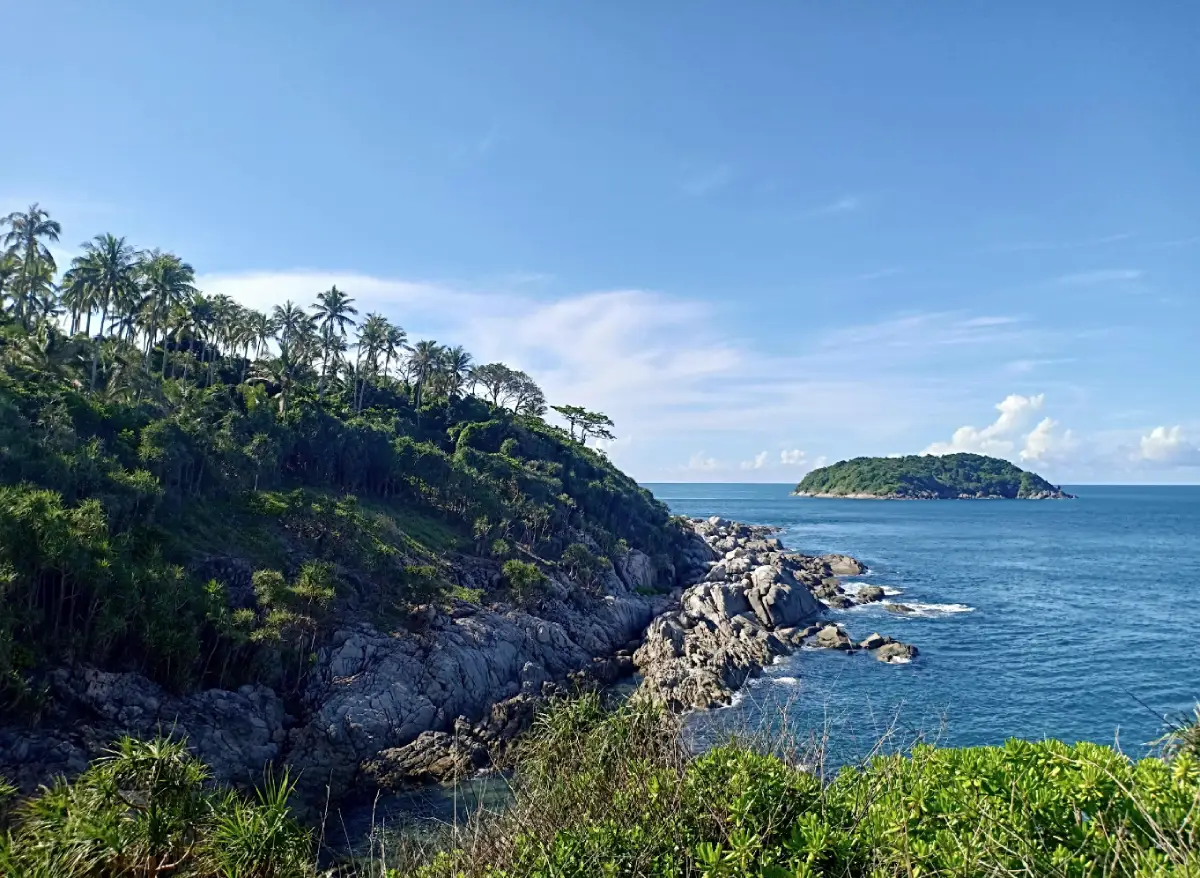
Ko Kaeo Yai, also known as Koh Kaew Phitsadan or Pagoda Island, is a small island south of Phuket near Promthep Cape and Rawai Beach. It is known for Ko Kaew Phitsadan Monastery, the seaside Buddha footprints associated with the fifth sacred footprint tradition, a Buddha image, pagoda structures, rocky shorelines, marine sanctuary areas, and quiet nature. Visitors usually travel by long-tail boat from Rawai Beach, with the crossing taking about 5–15 minutes depending on the departure point and sea conditions.
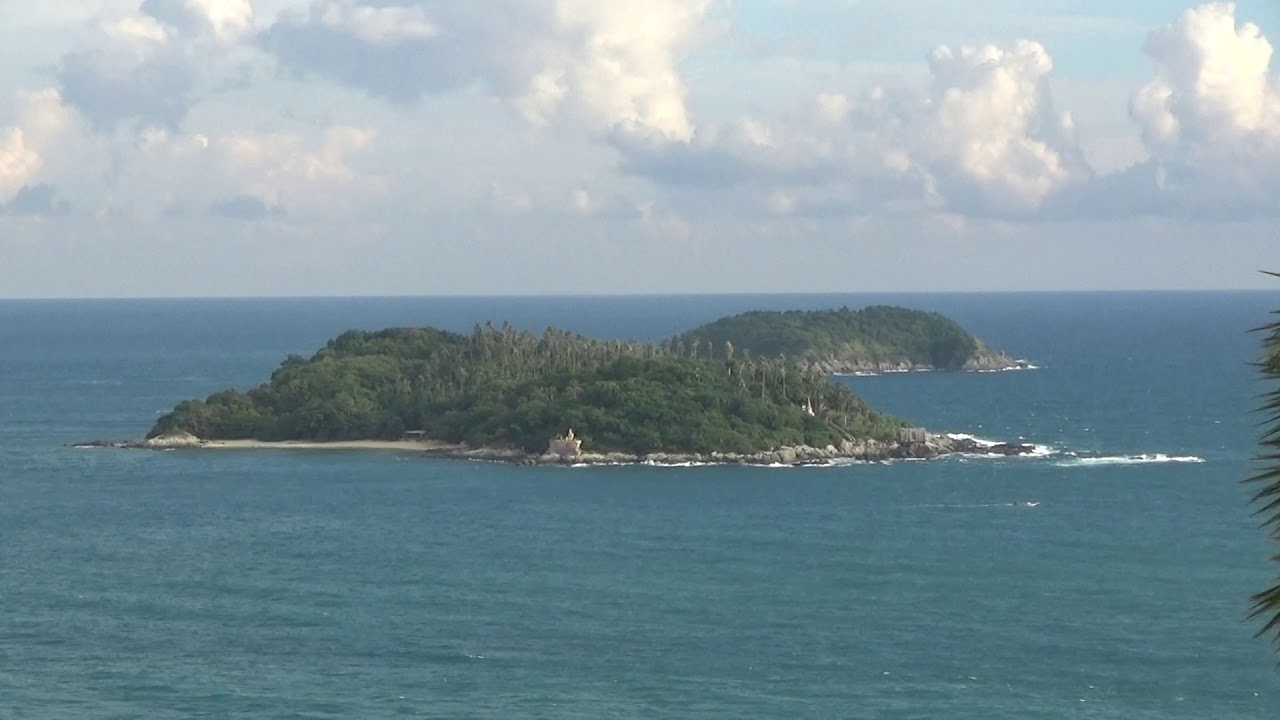
Ko Kaeo Yai, also called Koh Kaew Phitsadan, is a small but culturally significant island off southern Phuket. Located in Rawai Subdistrict, Mueang Phuket District, Phuket Province, the island sits near Rawai Beach and south of Promthep Cape. From the mainland, it appears as a green islet rising from the Andaman Sea, with rocky shores, religious structures, and a quiet atmosphere that separates it from Phuket’s busier beach destinations. For travelers who want a short island crossing with both nature and spiritual meaning, Ko Kaeo Yai is one of the most distinctive places in southern Phuket.
The island is best known in Thai tourism as Koh Kaew Phitsadan, especially when referring to Ko Kaew Phitsadan Monastery and the Buddha footprints on the rocks beside the sea. Unlike larger islands that focus on beach clubs, water sports, shops, or resort stays, this island is primarily a place of faith, quiet scenery, and nature appreciation. Visitors come to pay respect, take in the sea view, observe the shoreline, and experience a small sacred island that can be reached quickly from Rawai.
The most important feature of Koh Kaew Phitsadan is the pair of Buddha footprints located on rocks by the sea. These footprints are associated with the fifth Buddha footprint tradition, known in devotional belief as Nammathanathi. The setting is unusual because the footprints are connected directly with the rhythm of the sea. At low tide, the marks on the rocks are easier to see, while at high tide the area may be covered by seawater. A meaningful visit should therefore be planned with tide levels in mind, especially for travelers whose main purpose is to pay respect to the footprints.
The name Koh Kaew Phitsadan carries a sense of legend and mystery. In Thai cultural imagination, the name evokes stories of a sacred island in the sea, and many visitors associate it with literary and local mythic landscapes. The real journey today is simple, but the feeling of crossing from Rawai Beach to a small island shrine still preserves a strong sense of separation from the mainland. As the long-tail boat moves away from the coast, the island gradually becomes a quiet spiritual destination rather than just another beach stop.
Ko Kaeo Yai also has a memorable visual identity. From Promthep Cape and nearby viewpoints, the island is often described as having a heart-like shape. This view has made it more widely known among travelers looking for lesser-seen angles of Phuket. However, the island should not be treated only as a photo location. It is a religious site and a natural coastal area, so visitors should behave with care, dress respectfully, and avoid disturbing monks, worshippers, wildlife, or the shoreline environment.
The shoreline of Koh Kaew Phitsadan remains one of its most valuable natural features. Rocky edges, clear seawater, small marine habitats, and sanctuary areas support coastal creatures such as local shellfish, small crabs, and other marine life found around the rocks. This makes the island suitable for nature study and quiet observation. Visitors should not collect shells, touch marine animals, feed fish, damage coral or rocks, or leave waste behind. The island’s small size means that careless behavior can have a visible effect on the environment.
Ko Kaew Phitsadan Monastery is the heart of the island visit. The site includes religious points such as the Buddha footprints, Buddha images, pagoda structures, and sacred spaces used for worship. The atmosphere is very different from a large temple on Phuket’s mainland. Here, the sound of waves, sea breeze, shade from island vegetation, and the visual presence of the Andaman Sea create a quiet setting for reflection. Visitors should keep voices low, move respectfully, and avoid entering restricted areas without permission.
The island is best visited as a half-day trip. Its location close to Rawai Beach means travelers do not need to spend a full day at sea. A practical itinerary is to depart from Rawai in the morning or late morning, cross to the island by long-tail boat, pay respect at the monastery, view the Buddha footprints when the tide allows, walk carefully around the main shoreline area, and return to Rawai for seafood or continue to Promthep Cape. This makes Ko Kaeo Yai easy to combine with several major attractions in southern Phuket.
Travel to Koh Kaew Phitsadan is by long-tail boat from Rawai Beach, especially around the Luang Pho Suea pier area or the main boat area in front of Rawai Beach. The crossing usually takes about 5–15 minutes depending on the exact departure point, boat, and sea conditions. Although the distance is short, visitors should still treat it as a sea journey. Wearing a life jacket, boarding carefully, and avoiding travel during rough weather are essential.
Getting There should begin at Rawai Beach in southern Phuket. Travelers coming from Phuket Town can drive or take a taxi toward Rawai via the main southern routes. Those staying in Rawai, Nai Harn, Kata, Karon, or Chalong will have shorter access to the departure area. Before boarding, agree clearly on the return time with the boat operator. This is especially important for travelers who want to wait for low tide to see the Buddha footprints more clearly.
The best time to visit is during calm-sea conditions. In general, November to April is the most suitable period for small-boat travel around Phuket because the Andaman Sea is usually calmer than during the monsoon months. From May to October, boat travel should be considered carefully because wind and waves can affect even short crossings. Visitors should also check the tide because the main religious highlight beside the sea is closely connected with the water level.
Preparation should be simple but practical. Visitors should wear modest clothing suitable for a religious site, bring drinking water, sun protection, sandals or shoes with good grip for rocky ground, a waterproof bag, and a small bag for taking personal waste back to the mainland. Those planning to walk near the rocks should move slowly, as wet rock can be slippery. The island is quiet and limited in facilities, so travelers should not expect a commercial beach setup.
Ko Kaeo Yai is suitable for several types of travelers: Buddhist pilgrims, cultural travelers, photographers, nature lovers, and visitors staying around Rawai or Nai Harn who want a meaningful short island trip. It is less suitable for travelers expecting nightlife, crowded beach services, loud entertainment, or large water-sport activities. The island’s strongest value is its calm spiritual atmosphere and its position as a small sacred place in the sea.
The island’s nature is part of the experience. On clear days, the color of the sea shifts from pale turquoise near the rocks to deeper blue farther out. The combination of stone, water, vegetation, religious structures, and views back toward southern Phuket creates strong visual scenes. These scenes are quieter and more intimate than the famous beaches on the mainland, giving the island a distinct sense of place.
The Buddha footprints should be visited with respect. For many worshippers, this is not simply a scenic rock formation but a deeply meaningful devotional site. Visitors should not stand on sacred areas, climb around for photographs in unsafe spots, touch offerings unnecessarily, or disturb ceremonies. If monks or caretakers provide instructions, those instructions should be followed. The value of the visit comes from respect as much as from sightseeing.
Compared with nearby islands, Ko Kaeo Yai has a clear identity. Koh Bon is better known for casual island dining and a beach stop near Rawai. Coral Island is more activity-focused, with water sports and organized beach services. Maiton Island is known for clear water and a private-island atmosphere. Ko Kaeo Yai stands apart because of its Buddha footprints, monastery, Promthep Cape views, and quiet coastal sanctuary character.
After returning from Koh Kaew Phitsadan, travelers can continue easily around southern Phuket. Rawai Beach is convenient for seafood and local boat scenery. Promthep Cape is a natural continuation for sunset. Ya Nui Beach, Windmill Viewpoint, Nai Harn Beach, and Koh Bon can also fit into the same day if the weather and timing are suitable. A balanced itinerary can start with a morning island visit, continue with lunch in Rawai, and end with sunset at Promthep Cape.
Good manners are essential on Ko Kaeo Yai because it is both a natural island and a religious site. Visitors should dress modestly, keep noise low, avoid smoking or drinking in sacred areas, remove trash, avoid disturbing marine life, and give space to monks or worshippers. A small island can be damaged quickly by careless tourism, so responsible behavior is part of the travel experience.
For photography, strong angles include the long-tail boat crossing, the island from Promthep Cape, the Buddha image by the shore, rocky coastal scenes, the sea around the footprints, and views back toward Phuket. Morning light is usually more comfortable for walking, while late afternoon can work well for combining the trip with Promthep Cape. Safety should always come before photography, especially on wet rocks and exposed shoreline edges.
There is no standard resort-style accommodation on Ko Kaeo Yai for general travelers. The most practical plan is to stay on Phuket’s mainland, especially in Rawai, Nai Harn, Kata, Karon, or Chalong, and visit the island as a short boat trip. Staying in Rawai or Nai Harn is the most convenient choice for travelers who want an early crossing and easy access to southern Phuket attractions.
Overall, Ko Kaeo Yai or Koh Kaew Phitsadan is a compact but meaningful destination. It combines a short boat journey, a sacred island setting, seaside Buddha footprints, quiet coastal nature, and views connected with Promthep Cape and Rawai. Travelers should check sea conditions, plan around tide levels, dress respectfully, and use the island gently. For those who want to experience Phuket beyond beaches and nightlife, this small island offers a calm and memorable spiritual side of the Andaman coast.
| Name | Ko Kaeo Yai / Koh Kaew Phitsadan |
| Thai Name | เกาะแก้วใหญ่ / เกาะแก้วพิสดาร |
| Alternative Names | Koh Kaew Phitsadan / Pagoda Island / Kok Kew Island |
| Location | Rawai Subdistrict, Mueang Phuket District, Phuket Province, Thailand |
| Address | Ko Kaew Phitsadan Monastery, Ko Kaeo Yai, Rawai, Mueang Phuket District, Phuket 83000, Thailand |
| Coordinates | 7.74594, 98.30192 |
| Highlights | Seaside Buddha footprints, Ko Kaew Phitsadan Monastery, Buddha image, pagoda structures, Andaman Sea views, heart-shaped island view from Promthep Cape, and marine sanctuary shoreline |
| History / Importance | A small sacred island near Rawai Beach, known for its seaside Buddha footprints, Nammathanathi devotional belief, natural coastline, and spiritual tourism in southern Phuket |
| Name Origin | The name Koh Kaew Phitsadan is associated with sacred island legends and Thai literary imagination, while Ko Kaeo Yai distinguishes the larger island from nearby Ko Kaeo Noi |
| Distinctive Features | Small offshore island with green vegetation, rocky shoreline, seaside Buddha footprints, monastery area, sacred structures, and quiet nature close to Rawai Beach |
| Travel Information | Travel by long-tail boat from Luang Pho Suea Pier or the boat area in front of Rawai Beach. The crossing takes about 5–15 minutes depending on the departure point and sea conditions. |
| Current Status | Open as a nature and spiritual tourism site. Access depends on sea conditions, long-tail boat services, and seasonal safety conditions. |
| Open Days | Daily, Except During Rough Sea Conditions Or When Boats Cannot Operate |
| Opening Hours | Best Visited During Daylight Hours According To Long-Tail Boat Services From Rawai Beach |
| Facilities | Long-tail boat access from Rawai Beach, monastery area, Buddha footprint worship area, seaside viewpoint, and coastal nature walking areas |
| Main Areas / Zones | Landing area, Ko Kaew Phitsadan Monastery, seaside Buddha footprints, Buddha image, Luang Pu Thuat pagoda area, rocky coastline, marine sanctuary shoreline, and island viewpoints |
| Caretaker / Local Area Contact | Ko Kaew Phitsadan Monastery and Rawai local authorities |
| Rawai Local Contact Number | Rawai Municipality Tel. +66 76 613 801 |
| Nearby Tourist Attractions | 1. Rawai Beach, about 3 km 2. Promthep Cape, about 3 km 3. Ya Nui Beach, about 4 km 4. Windmill Viewpoint, about 5 km 5. Nai Harn Beach, about 6 km 6. Koh Bon, about 6 km 7. Wat Chalong, about 17 km |
| Nearby Restaurants | 1. Nikita’s Beach Restaurant, about 3 km, Tel. +66 76 288 703 2. Baan Rimlay Restaurant, about 3 km, Tel. +66 91 789 3292 3. Salaloy Seafood, about 3 km, Tel. +66 65 395 4253 4. Rawai View, about 5 km, Tel. +66 88 768 3340 5. Promthep Cape Restaurant, about 5 km, Tel. +66 76 288 656 |
| Nearby Accommodations | 1. Rawai Palm Beach Resort, about 4 km, Tel. +66 76 613 509 2. Navatara Phuket Resort, about 4 km, Tel. +66 81 956 8006, +66 76 613 880 3. The Nai Harn Phuket, about 7 km, Tel. +66 76 380 200 4. Sunsuri Phuket, about 7 km, Tel. +66 76 336 400 5. Wyndham Grand Nai Harn Beach Phuket, about 7 km, Tel. +66 76 639 600 |
Frequently Asked Questions (FAQ)
Q: Are Ko Kaeo Yai And Koh Kaew Phitsadan The Same Place?
A: Yes. Ko Kaeo Yai and Koh Kaew Phitsadan refer to the same small island near Rawai Beach and Promthep Cape in southern Phuket. The name Koh Kaew Phitsadan is commonly used when referring to the monastery and Buddha footprints.
Q: Where Is Koh Kaew Phitsadan Located?
A: Koh Kaew Phitsadan is located in Rawai Subdistrict, Mueang Phuket District, Phuket Province, south of Promthep Cape and close to Rawai Beach.
Q: How Do Travelers Get To Koh Kaew Phitsadan?
A: Travelers can take a long-tail boat from Luang Pho Suea Pier or the main boat area in front of Rawai Beach. The crossing takes about 5–15 minutes depending on the departure point and sea conditions.
Q: What Is The Main Highlight Of Koh Kaew Phitsadan?
A: The main highlights are the seaside Buddha footprints associated with the fifth Buddha footprint tradition, Ko Kaew Phitsadan Monastery, Buddha images, pagoda structures, natural rocky shoreline, and views from Promthep Cape.
Q: When Is The Best Time To Visit Koh Kaew Phitsadan?
A: The best time is during daylight hours when the sea is calm. Visitors who want to see the Buddha footprints clearly should plan around low tide. November to April is generally the most suitable period for small-boat travel around Phuket.
Q: Is There An Entrance Fee For Koh Kaew Phitsadan?
A: The main cost is the long-tail boat service from Rawai Beach. Travelers should agree on the boat fare and return time with the boat operator before departure.
Q: Who Should Visit Koh Kaew Phitsadan?
A: The island is best for travelers interested in Buddhist sites, quiet nature, short island trips, photography, and a southern Phuket itinerary that includes Rawai Beach, Promthep Cape, Ya Nui Beach, and Nai Harn Beach.
Q: What Should Travelers Prepare Before Visiting?
A: Travelers should wear modest clothing, bring drinking water, sun protection, shoes suitable for rocky ground, a waterproof bag, and check sea conditions before taking the boat. Visitors should keep the island quiet and clean.
 Category: ●Nature and Wildlife
 Group: ●Islands
Last Update : 3 MonthAgo
 Last Update : 3 MonthAgo
 Click to Access the Navigation Map GPS
Ko Kaeo Yai Map
Recommend

 Art, Culture and Heritage
 Landmarks and Memorials(7)
 Art, Craft Centres, Tradition(5)
 Museums(4)
 Historic Homes and Cities(1)
 Art Gallery(1)
 Educational Places
 Educational Gardens, Farm(2)
 University
 Public university(1)
 Rajabhat University(1)
 Places of Worship
 Temple(14)
 Mosque(47)
 Other Sacred Sites(15)
 Suburban Living
 Village, Community(3)
 Floating Market(1)
 National Parks and Marine Reserves(2)
 Mountain (Doi)(2)
 Dam, Reservoir, Lake(1)
 Waterfalls(4)
 Bays and Beaches(32)
Islands(12)
 Other natural attractions(11)
 Entertainment and Agricultural
 Zoos and Aquariums(3)
 Animal camps and shows(1)
 Stadium(2)
 Farms, Parks and Ecotourism(4)
 Amusement Park(3)
 Waterpark(6)
 Theater(1)
 Outdoor and Adventure Activities(2)
 Shopping
 Shopping and Night Market(2)
 Department Store(17)
 Travel Articles, Recipes
 Travel Review, Food Review(1)
 Southern Food Menu, Southern Food Recipes(5)


