
lovethailand home >Eastern Travel Attractions >Trat Travel Attractions >Koh Chang >Koh Chang > Koh Wai
TL;DR: Koh Wai, Trat attractions : Nature and Wildlife, Islands.
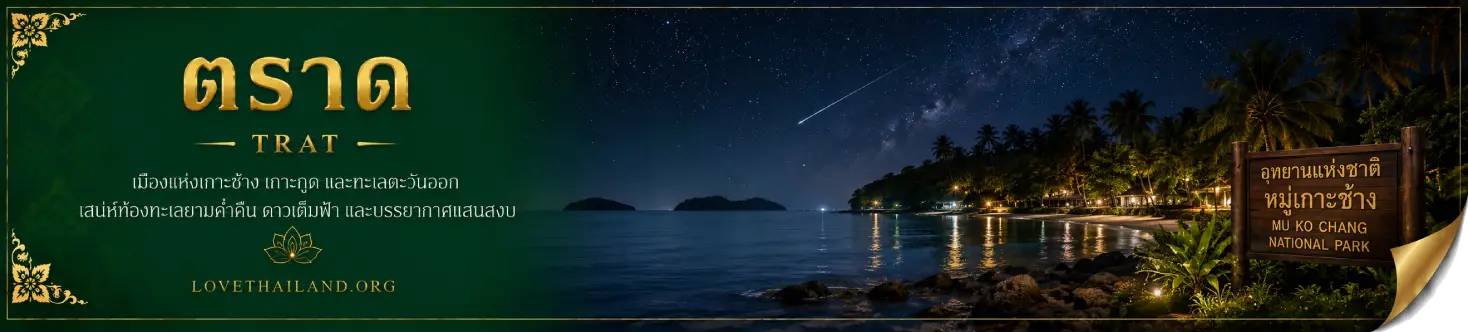
Koh Wai
Open Days: Daily, depending on boat schedules, accommodation services, tour operations, and weather conditions
Opening Hours: There are no fixed gate-style opening hours; daytime travel and advance boat confirmation are recommended
Koh Wai in Trat Province is one of the larger small-island destinations near Koh Chang and Koh Lao Ya, located within Mu Ko Chang National Park in Koh Chang District. The island is known for clear water, quiet beaches, rocky shores, scenic bays, and a large coral reef in front of the island. It also has a pier for visitor access and several simple bungalows and beach accommodations. Koh Wai is ideal for travelers who want to rest on a quiet island, snorkel near shore, swim, walk along the beach, and enjoy a slower island atmosphere away from the busier areas of Koh Chang.
The charm of Koh Wai lies in its natural simplicity. Although the island has accommodation and basic services, it still feels much quieter than larger tourist islands. There are no busy roads, heavy nightlife areas, or large-scale commercial zones. Most visitors come to Koh Wai to slow down, enjoy the sea, stay in simple bungalows, snorkel in clear water, and spend time close to nature. This makes Koh Wai suitable for travelers who prefer quiet beaches and basic island living over luxury resorts or constant entertainment.
Koh Wai is located close to Koh Lao Ya and can be connected with other island routes in Trat, including Koh Klum, Koh Rang, Koh Mak, and Koh Chang. Because of this location, the island works both as an overnight destination and as a stop on boat routes around the southern part of Koh Chang. However, travelers who want to experience Koh Wai properly should consider staying overnight. Morning and evening on the island are quieter and more atmospheric than the short daytime period when boats may arrive.
The traditional boat journey from Laem Ngop to Koh Wai takes about 2 hours and 30 minutes, depending on boat type, departure point, route, sea conditions, and operator schedule. Some travelers may also reach the island via Koh Chang or inter-island boat routes. Since small-island boat services can vary by season and weather, visitors should confirm transfer details directly with their accommodation or boat operator before travel, especially if they need to connect with buses, ferries, or onward transport.
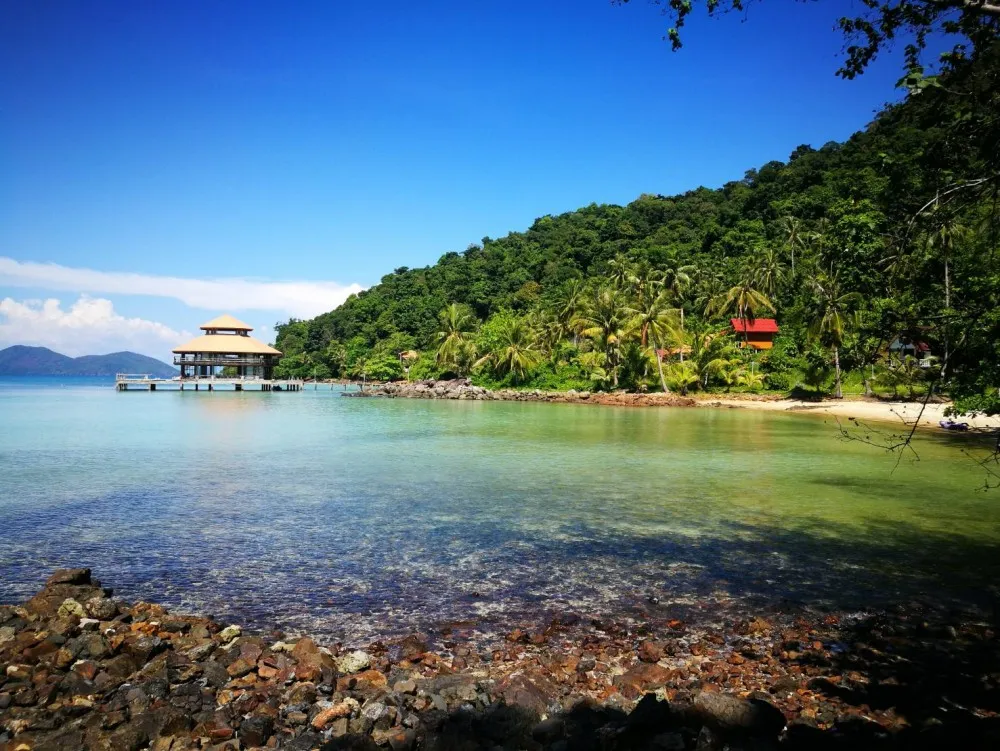
Koh Wai has a varied coastline. Many parts of the shore are rocky, while several bays have beautiful beaches suitable for walking, resting, and swimming when sea conditions are calm. This combination of sand, rocks, and clear water gives the island a natural and less polished character. Visitors should choose swimming areas carefully and follow local advice, because some rocky sections are better for viewing than for entering the water.
The coral reef in front of Koh Wai is one of the island’s most important attractions. In suitable conditions, visitors can snorkel close to the island and see coral, small reef fish, sandy patches, and clear shallow water. One reason Koh Wai is so appealing is that snorkeling does not always require a long boat ride away from the island. In some areas, travelers can start enjoying the underwater scenery near the shore or close to the accommodation area, depending on tide and water clarity.
Snorkeling at Koh Wai is suitable for travelers who want a peaceful and relaxed underwater experience. On calm days, visitors can float on the surface and look down at the reef without going deep. Clear water and good sunlight help reveal the details of the reef and fish below. Weak swimmers should wear life jackets, and all visitors should snorkel only in recommended areas. The reef environment is beautiful but fragile, so visitors must be careful not to damage it.
Responsible travel is especially important on Koh Wai. Coral reefs and small-island ecosystems are easily affected by careless behavior. Visitors should never step on coral, touch marine animals, feed fish, collect shells, or take coral fragments from the sea. Good snorkeling does not require touching anything. It means floating calmly, keeping a safe distance, and allowing the reef to remain undisturbed. This helps preserve Koh Wai for future travelers.
The pier on Koh Wai is an important feature because it allows visitors to board and leave boats more conveniently than on some smaller islands. The pier is also a scenic point where travelers can look at the clear water, photograph boats, and sometimes see fish swimming near the structure. However, visitors should be careful when boarding or leaving boats, especially when the surface is wet or when waves make the boat move. Luggage should be handled carefully to avoid accidents.
Accommodation on Koh Wai is mostly simple and close to nature. The island is known for basic bungalows and beach accommodation rather than full-service hotels. Names commonly associated with the island include Koh Wai Paradise, Good Feeling Koh Wai, Grand Mar Hut, and other accommodation in the area. Travelers should contact properties directly to confirm opening status, prices, meals, electricity, internet, boat transfers, and available facilities. Conditions on small islands can differ greatly from mainland hotels or large resorts.
Staying overnight on Koh Wai is a very different experience from staying on Koh Chang or Koh Kood. At night, the island becomes quiet, with the sound of waves, wind, and nature replacing traffic and entertainment. Many travelers appreciate this simplicity, but visitors expecting 24-hour convenience should prepare in advance. Electricity, communication signal, food options, and comfort level may vary between properties. Koh Wai is best enjoyed by travelers who understand and welcome a slower, simpler style of island life.
Main activities on Koh Wai include relaxing by the sea, snorkeling, swimming, beach walking, photography, paddling on calm days, and watching the sea from the accommodation area. The island does not require a long list of activities to be enjoyable. A typical day may include waking up to the sea, walking along the beach, snorkeling in front of the island, eating a simple meal, and watching the afternoon light change across the water. This slow rhythm is one of the main reasons travelers return to Koh Wai.
The island can be understood through several travel zones. The first is the pier and boat landing area. The second is the beach zone for swimming and relaxing. The third is the coral reef zone in front of the island for snorkeling. The fourth is the accommodation and bungalow zone. The fifth is the large bay and scenic beach area. The sixth is the rocky shoreline zone, better suited to viewing and photography than swimming. Understanding these zones helps visitors choose the right accommodation and activities for their preferences.
The best time to visit Koh Wai is when the sea is calm, the sky is clear, and boat travel is safe. Trat’s sea is generally better for island travel during the dry-season months, when the water is clearer and snorkeling is easier. During monsoon periods or rough-sea days, boat schedules may be reduced, changed, or cancelled. Travelers with accommodation bookings should ask about postponement conditions and boat transfer options in case the weather changes.
Getting There usually begins with travel to Trat Province and then to Laem Ngop or the departure point arranged by the operator. From Laem Ngop, the traditional journey to Koh Wai takes about 2 hours and 30 minutes. Some travelers may also travel from Koh Chang or use inter-island boat routes. If staying overnight, travelers should contact their accommodation for the most suitable boat transfer because the property will usually know the current schedule, baggage conditions, and best arrival time.
Travelers from Bangkok can drive to Trat via Chonburi, Rayong, and Chanthaburi, then continue to the arranged pier. Public transport travelers can take a bus or van to Trat and then connect to Laem Ngop or another boat departure point. For visitors without private transport, booking through the accommodation or choosing a package that includes boat transfer is usually easier, especially when traveling with family or luggage.
Preparation for Koh Wai should reflect the limits of a small island. Visitors should bring swimwear, a towel, sun protection, a hat, sunglasses, waterproof bags, drinking water, personal medication, mosquito repellent, a flashlight or power bank, and essential personal items. If snorkeling is planned, confirm whether masks, life jackets, and snorkeling equipment are available. Bringing some cash is also recommended because payment options may be limited on small islands.
Visitors should be careful around rocky shorelines and coral areas. Some parts of Koh Wai are not suitable for barefoot walking or careless entry into the water. Water shoes or sandals with good grip can be useful. Visitors should not swim far from the recommended areas and should avoid entering the water when waves are strong or visibility is poor. Following the advice of accommodation staff or boat operators is important for safety.
Koh Wai is suitable for couples seeking peace, families wanting a quiet beach stay, small groups interested in snorkeling and photography, travelers who want to stay overnight on a small island, and anyone looking to escape the busier atmosphere of larger islands. It may not be ideal for visitors who require luxury facilities, many restaurants, nightlife, or frequent boat services. The island’s main value is its simplicity, quietness, and natural marine setting.
Nearby places that can be combined with Koh Wai include Koh Lao Ya, Koh Klum, Koh Rang, Koh Mak, Bang Bao Fishing Village, Ao Salak Phet, and Mu Ko Chang National Park. Travelers with more than one night may stay on Koh Wai and join snorkeling or island-hopping trips when the sea is calm. This offers a broader view of Trat’s sea, including quiet islands, reef areas, fishing villages, and different coastal landscapes.
From a conservation perspective, Koh Wai should be visited lightly and respectfully. Its beauty depends on clear water, coral reefs, beaches, and quiet surroundings. Travelers should reduce single-use plastic, bring trash back or dispose of it properly, conserve water and electricity, avoid disturbing marine life, and choose activities that do not damage the reef. Keeping the island clean and peaceful is a shared responsibility for all visitors.
In summary, Koh Wai in Trat Province is a quiet island near Koh Lao Ya and Koh Chang, known for clear water, large coral reefs in front of the island, scenic bays, a pier for boat access, and several simple bungalows. It is best for travelers who want snorkeling, swimming, beach walking, and a slow island stay close to nature. With advance planning, proper boat confirmation, and responsible behavior, Koh Wai can be one of the most peaceful and memorable island experiences in Trat.
| Name | Koh Wai, Trat Province |
| Location | Near Koh Lao Ya, within Mu Ko Chang National Park, Koh Chang Tai Subdistrict, Koh Chang District, Trat Province |
| Area Type | Quiet island near Koh Chang with beaches, rocky shoreline, scenic bays, and a large coral reef in front of the island |
| Highlights | Clear water, coral reef, snorkeling, beach walking, pier access, simple seaside bungalows, and peaceful island atmosphere |
| Main Areas / Zones | 1. Pier and boat landing area 2. Beach zone for swimming and relaxing 3. Coral reef area in front of the island 4. Accommodation and bungalow zone 5. Large bay and scenic beach area 6. Rocky shoreline viewpoint zone |
| Recommended Activities | Relaxing, snorkeling, swimming, beach walking, photography, sea viewing, and overnight island stay |
| Travel Information | Travel to Trat Province, continue to Laem Ngop or the operator’s departure point, then take a boat to Koh Wai. The traditional journey from Laem Ngop takes about 2 hours and 30 minutes |
| Current Status | A marine attraction within Mu Ko Chang National Park with several bungalows and beach accommodations. Access depends on boat schedules, accommodation service, tours, and weather conditions |
| Open Days | Daily, depending on boat schedules, accommodation services, tour operations, and weather conditions |
| Opening Hours | There are no fixed gate-style opening hours; daytime travel and advance boat confirmation are recommended |
| Fees | If activities use areas under Mu Ko Chang National Park, entrance fees apply: Thai adults 40 THB, Thai children 20 THB / foreign adults 200 THB, foreign children 100 THB. Boat, accommodation, and package fees are charged separately by operators |
| Facilities | Pier, bungalows, accommodation restaurants, and basic services are available through operators. Confirm electricity, internet, meals, snorkeling equipment, and boat transfers before departure |
| Caretaker / Local Authority | Located within Mu Ko Chang National Park. For national park area information, contact Mu Ko Chang National Park, Tel. 0 3951 0928 |
| Visitor Guidelines | Confirm boat schedules before travel, do not step on coral, do not touch marine animals, do not leave trash, conserve water and electricity, and wear a life jacket during water activities |
| Nearby Tourist Attractions | 1. Koh Lao Ya, about 10 km 2. Koh Klum, about 7 km 3. Koh Rang, about 12 km 4. Koh Mak, about 18 km 5. Bang Bao Fishing Village, about 22 km 6. Ao Salak Phet, about 24 km 7. Battle of Koh Chang Memorial, about 45 km |
| Nearby Restaurants | 1. Koh Wai Paradise Restaurant, about 0 km, Tel. 081-762-2548 2. Good Feeling Koh Wai Restaurant, about 0 km, Tel. 062-424-9263 3. Grand Mar Hut Koh Wai Restaurant, about 0 km, Tel. 081-841-3011 4. Restaurants In Koh Lao Ya Area, about 10 km 5. Restaurants In Koh Mak Area, about 18 km 6. Restaurants In Bang Bao, Koh Chang, about 22 km |
| Nearby Accommodations | 1. Koh Wai Paradise, about 0 km, Tel. 081-762-2548, 081-268-6157, 039-597-131 2. Good Feeling Koh Wai, about 0 km, Tel. 062-424-9263 3. Grand Mar Hut Koh Wai, about 0 km, Tel. 081-841-3011 4. Laoya Coco Island, Koh Lao Ya, about 10 km, Tel. 064-194-2456 5. Koh Wai Beach Resort, about 0 km 6. Bangbao Beach Resort Koh Chang, about 22 km |
Frequently Asked Questions (FAQ)
Q: Where is Koh Wai located?
A: Koh Wai is located near Koh Lao Ya within Mu Ko Chang National Park, Koh Chang Tai Subdistrict, Koh Chang District, Trat Province.
Q: What kind of travelers is Koh Wai suitable for?
A: Koh Wai is suitable for travelers seeking quiet beach relaxation, snorkeling, swimming, beach walking, photography, and overnight stays on a simple natural island.
Q: Does Koh Wai have coral reefs?
A: Yes. Koh Wai has a large coral reef in front of the island, making it a good place for snorkeling when the sea is calm.
Q: How long does it take to travel from Laem Ngop to Koh Wai?
A: The traditional boat journey from Laem Ngop to Koh Wai takes about 2 hours and 30 minutes, depending on boat type, departure point, and sea conditions.
Q: Is there accommodation on Koh Wai?
A: Yes. There are several bungalows and beach accommodations, including Koh Wai Paradise, Good Feeling Koh Wai, Grand Mar Hut, and other properties. Travelers should contact accommodations directly before travel.
Q: Is there an entrance fee for Koh Wai?
A: If activities use areas under Mu Ko Chang National Park, national park entrance fees may apply. Boat, accommodation, and package fees are charged separately by operators.
Q: Are facilities on Koh Wai convenient?
A: Facilities are basic. The island has accommodation, bungalows, a pier, and accommodation restaurants, but travelers should confirm electricity, internet, meals, and boat transfers before departure.
Q: What should travelers bring to Koh Wai?
A: Bring swimwear, a towel, waterproof bags, drinking water, personal medication, mosquito repellent, cash, and confirm boat transfers, meals, and snorkeling equipment with accommodation before travel.
 Category: ●Nature and Wildlife
 Group: ●Islands
Last Update : 4 MonthAgo
 Last Update : 4 MonthAgo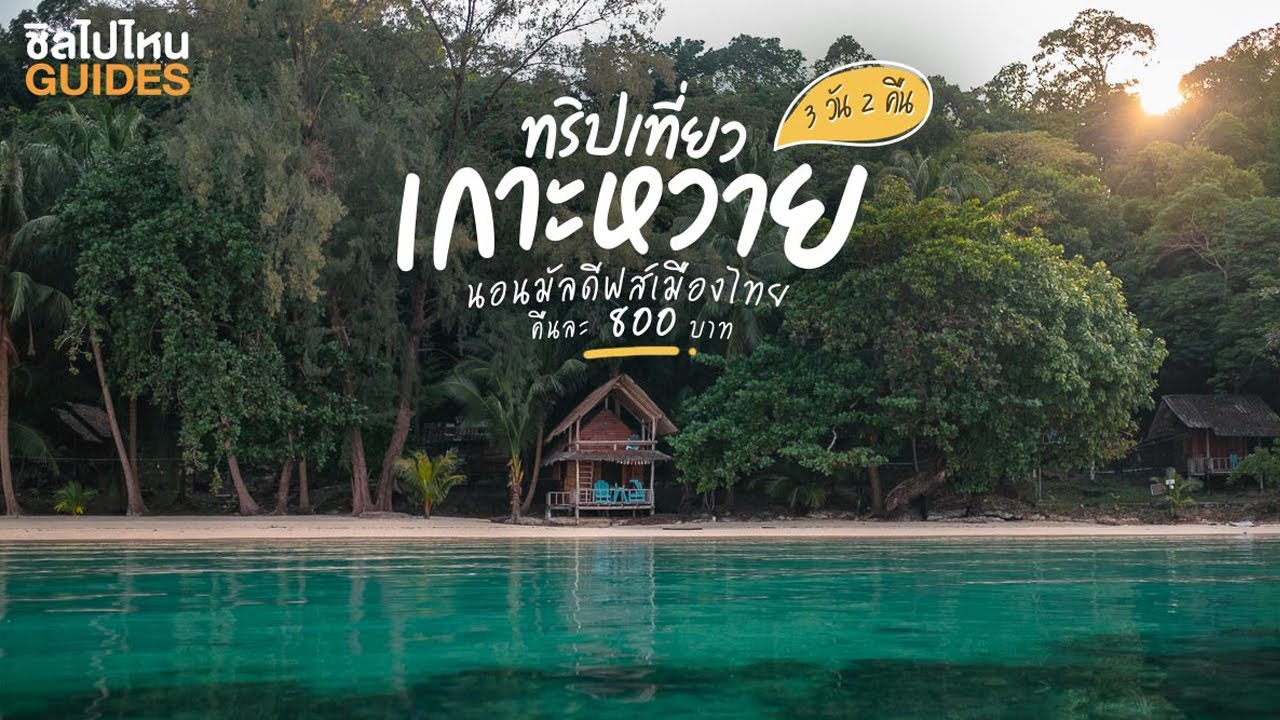
 Click to Access the Navigation Map GPS
Koh Wai Map
Gellery
Recommend

 Art, Culture and Heritage
 Historical Sites and Monuments(1)
 Landmarks and Memorials(1)
 Art, Craft Centres, Tradition(3)
 Museums(2)
 Educational Places
 Museum for Study(1)
 Educational Gardens, Farm(2)
 Places of Worship
 Temple(11)
 Mosque(2)
 Other Sacred Sites(2)
 Suburban Living
 Village, Community(6)
 Local Market(2)
 National Parks and Marine Reserves(2)
 Mountain (Doi)(1)
 Dam, Reservoir, Lake(3)
 Waterfalls(15)
 River, Canal(1)
 Bays and Beaches(21)
Islands(19)
Bays and Beaches(21)
Islands(19)
 Other natural attractions(12)
 Entertainment and Agricultural
 Outdoor and Adventure Activities(1)
 Shopping
 Shopping and Night Market(1)


