
lovethailand home >Eastern Travel Attractions >Chon Buri Travel Attractions >Muang Chon Buri >Ang Sila > Ang Sila Fish Market
TL;DR: Ang Sila Fish Market is located at Bang Saen–Ang Sila Road, Highway 3134, Ang Sila Subdistrict, Mueang Chonburi District, Chonburi Province, Thailand, open Daily, with no regular weekly closing day, hours 6:00 AM – 8:00 PM.

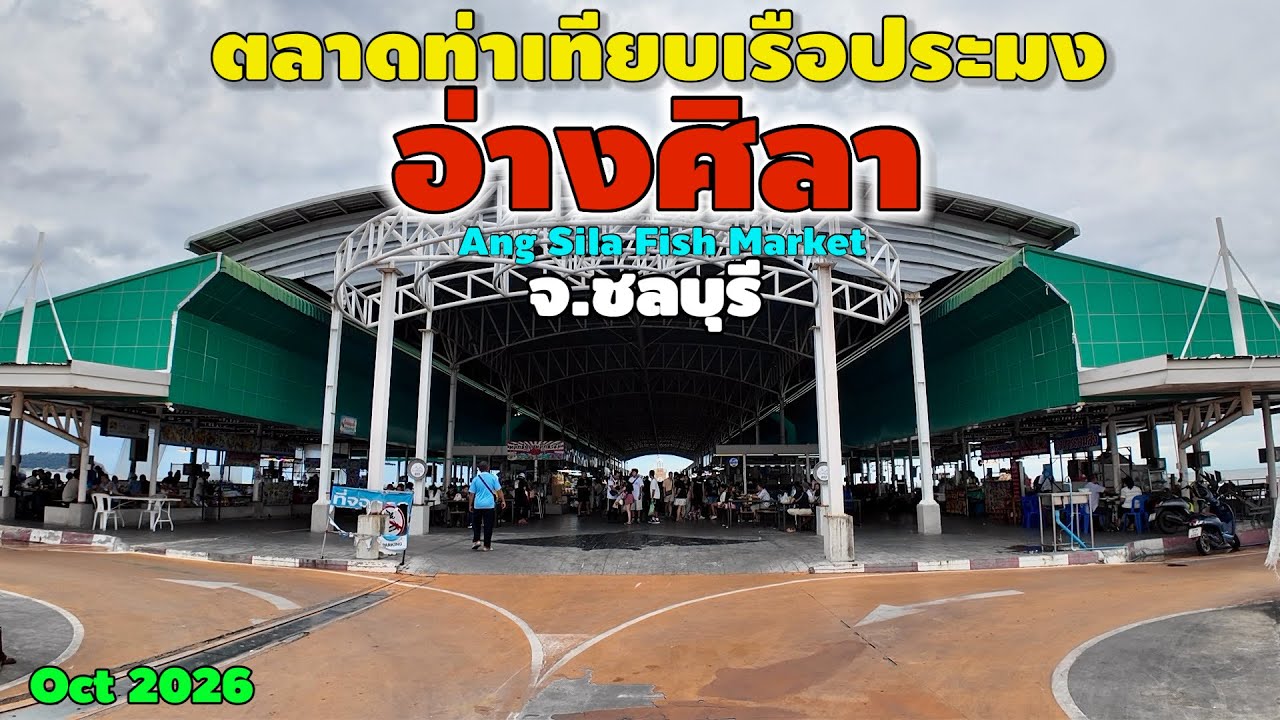
Ang Sila Fish Market
Open Days: Daily, with no regular weekly closing day
Opening Hours: 6:00 AM – 8:00 PM
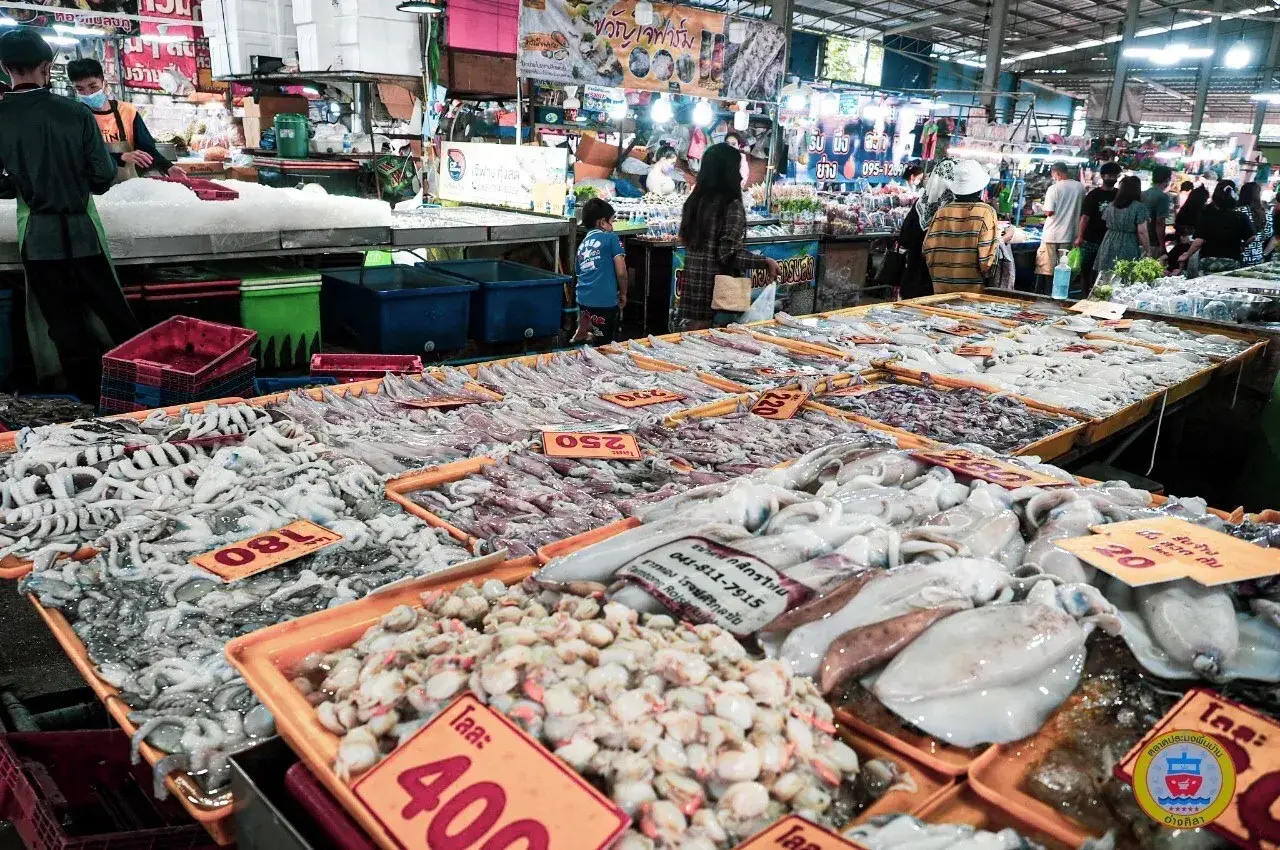
Ang Sila Fish Market, also known as Ang Sila Local Fishery Market, in Chonburi Province, is one of eastern Thailand's well-known seafood markets and coastal community attractions. Located along Bang Saen–Ang Sila Road, Highway 3134, in Ang Sila Subdistrict, Mueang Chonburi District, the market is close to the Ang Sila Fishing Pier and the historic Ang Sila Old Market. It offers an extensive selection of fresh seafood, including prawns, crabs, fish, squid, shellfish, and seasonal marine products, together with dried seafood, processed seafood products, dipping sauces, prepared meals, traditional Thai desserts, and local souvenirs. Facilities include seafood grilling services, a food court, a central weighing station, restrooms, spacious parking, and an information center. Visitors can purchase seafood to take home or have selected ingredients cooked and enjoy a freshly prepared meal during their visit.
Ang Sila Local Fishery Market opens every day from 6:00 AM to 8:00 PM, with no admission fee for residents or tourists. Visitors can browse seafood stalls, compare prices, ask vendors about their products, and enjoy the food services available within the market. Morning is particularly suitable for buying fresh seafood intended for home cooking, while late morning and afternoon provide opportunities to explore the shops, purchase souvenirs, and enjoy prepared dishes. The atmosphere varies throughout the day according to the number of shoppers, the seafood delivered to individual stalls, weather conditions, and the level of activity at different trading times.
What distinguishes Ang Sila Fish Market from an ordinary fresh-food market is its location within a coastal fishing community with longstanding traditions of catching seafood, cultivating shellfish, and trading marine products. Ang Sila is not simply a shopping destination developed for tourists. It is a historic community associated with maritime transportation, fishing, the production of stone mortars and pestles, and commercial exchanges between coastal settlements and inland areas of Chonburi Province. The market brings fishermen, seafood merchants, consumers, and travelers together in an environment where everyday commerce and cultural tourism naturally overlap.
The atmosphere inside the market reflects the lively character of a working seafood trading center. Vendors arrange their products on counters and trays designed for fresh-food sales, while ice is used to help maintain suitable temperatures for chilled seafood. Some stalls display live seafood in appropriate tanks or containers, while others specialize in dried fish, processed products, and packaged goods suitable for taking home. Conversations between buyers and sellers, the preparation of seafood, and the aromas of freshly cooked dishes are all part of the experience. These everyday activities give visitors an immediate impression of life within a traditional Thai coastal market.
For travelers interested in local life, the market provides an excellent introduction to the fishing heritage of Ang Sila. Different seafood products reflect the surrounding marine ecosystem and the livelihoods of people who work along the coast. Fish, prawns, crabs, and squid represent important marine resources, while oysters and mussels are closely associated with coastal aquaculture, one of the area's established economic activities. Walking among the stalls reveals the diversity of seafood products available in the region and demonstrates how local trading practices have developed from traditional fishing activities into the organized market environment seen today.
The history of Ang Sila Fish Market is best understood alongside the history of Ang Sila village and its fishing pier. The present market developed through efforts to reorganize seafood trading areas and improve facilities for vendors and visitors. However, the landing and trading of seafood along this coast began long before the construction of the modern market buildings. Distinguishing between the history of the coastal community, the fishing pier, and the current market is essential to understanding the area's development accurately. The contemporary market should not be confused with the much older settlement and maritime traditions that preceded it.
Ang Sila is one of Chonburi's historic coastal communities. Its original name was Ang Hin, meaning "stone basin," referring to the natural rock formations and depressions that collected rainwater. The village developed along the Gulf of Thailand, where the coastal environment supported fishing and maritime transportation. Residents relied on marine resources for food and trade, bringing their catches ashore for consumption and sale. At the same time, the availability of natural stone encouraged the development of stoneworking and household utensil production. These two resources, the sea and the surrounding stone formations, gradually shaped the distinctive identity of Ang Sila.
The origin of the name Ang Sila is documented in a royal letter written by King Chulalongkorn, Rama V, dated January 9, 1876. The account describes two large natural stone basins capable of collecting and retaining rainwater. These reservoirs were particularly valuable to the local population and people traveling by sea because access to freshwater was essential for daily life in coastal settlements. The ability of the rock formations to hold rainwater made them important features of the surrounding landscape. Their practical value contributed to the development of the community's name, which continues to be used today.
During the reigns of King Rama III and King Rama IV, Ang Sila was a coastal settlement associated with maritime trade and seaside recreation. Before modern road transportation became widespread, boats played a central role in moving people and goods between communities. Trading vessels and other boats could use the coast of Ang Sila for commercial exchanges and transportation. The village developed through activities connected with fishing, shipping, and the movement of locally available products. Its growth was therefore closely linked to the natural geography of the coastline and its accessibility from the sea.
The history of the Ang Sila Fishing Pier can be traced to a stone jetty constructed during the reign of King Mongkut, Rama IV. The structure was intended to facilitate the landing of boats and the unloading of goods along the coast. It became an important part of the community's maritime infrastructure before later developments responded to the increasing scale of fishing activities. Providing a suitable landing place made it easier for fishing boats to unload their catches and for merchants to distribute seafood. Over time, Ang Sila developed into an important point for handling and trading marine products in Chonburi Province.
Construction of the Ang Sila fishing pier began in 1956 to address the need for suitable public docking facilities for fishing boats in Chonburi. At that time, local fishermen lacked adequate facilities where their vessels could berth conveniently. The new pier improved access for fishing boats, facilitated the unloading of marine products, and supported commercial exchanges between fishermen and seafood buyers. As prawns, crabs, fish, shellfish, and squid were regularly brought ashore, the area developed into a significant seafood trading center serving both the local community and merchants supplying other markets.
Seafood trading at the original pier was closely connected with the arrival of fishing vessels. Merchants could purchase marine products near the landing area and transport them to local or regional markets, while ordinary residents could buy fresh seafood directly for home cooking. The pier consequently served more than the fishing industry alone. It became a gathering place for sellers, buyers, and people seeking freshly landed seafood. This daily commercial activity helped establish the foundations of the seafood market that would later become an important destination for both local consumers and visitors.
As the number of vendors and customers increased, improvements to the trading environment became increasingly necessary. Important concerns included cleanliness, stall organization, parking, seafood handling, transportation, and maintaining suitable conditions for perishable goods. The Fish Marketing Organization undertook a redevelopment project for the Ang Sila fishing pier and seafood market to create a more organized trading area. New market facilities were developed, allowing existing vendors to relocate into a space better equipped to accommodate commercial activity and visitors.
The redevelopment project involved improvements to market infrastructure and the allocation of selling spaces. The objective was to provide a more suitable environment for seafood vendors while strengthening hygiene and visitor facilities. New market buildings and supporting areas were developed under a management arrangement involving the Fish Marketing Organization, which oversees the trading premises and its relationship with stall tenants. These developments helped transform the market from informal sales around the older fishing pier into a more clearly organized seafood trading destination with improved access and services.
A major objective of the redevelopment was to improve sanitation and promote fairness in commercial transactions. The organization of stalls, cleaning arrangements, and consumer services supports a more transparent shopping environment. Such improvements are particularly important for seafood, which requires careful attention to temperature, freshness, accurate weighing, and suitable storage. Modernizing the market therefore involved more than improving its appearance. It also meant strengthening the practical conditions necessary for seafood trading and meeting the expectations of contemporary consumers.
The present Ang Sila Local Fishery Market operates within an area managed by Thailand's Fish Marketing Organization, which is responsible for important fishing piers, port-related facilities, and seafood trading premises. The organization works alongside Ang Sila Town Municipality, the Chonburi Provincial Fisheries Office, and relevant public health authorities in activities connected with local fisheries commerce, product quality, and market development. Cooperation among these organizations links infrastructure management with the needs of fishermen, small traders, residents, and visitors.
On January 14, 2022, a ceremony was held at Ang Sila Local Fishery Market to launch a project promoting the distribution of local fishing products to consumers. The initiative was organized through cooperation between the Chonburi Provincial Fisheries Office and Ang Sila Town Municipality. Its objectives included expanding market access for small-scale fisheries, supporting seafood processing, improving product packaging, and making locally produced marine products more accessible to consumers. The event highlighted the market's importance as an economic platform for the fishing community rather than simply a place for tourist shopping.
The market plays a valuable role in supporting the livelihoods of people in Ang Sila. Fishermen can supply their products to commercial channels, while vendors sell fresh seafood, processed foods, prepared meals, and locally made goods. The popularity of the market also supports related activities, including seafood transportation, food preparation, sauce production, packaging, processing, and souvenir sales. This variety of economic activities allows the benefits of seafood trading and tourism to extend beyond the individual stalls, contributing to different types of employment and small businesses in the surrounding community.
The market can be understood through several functional shopping areas: fresh seafood stalls, dried and processed seafood shops, seafood cooking services, prepared-food and dessert vendors, the food court and dining areas, and customer-service facilities. These categories describe the main activities available rather than separate officially numbered sections. Each serves a different purpose, from purchasing ingredients for home cooking to enjoying a meal during a day trip. The diversity of services allows the market to accommodate local residents shopping for everyday food as well as tourists looking for seafood specialties and cultural experiences.
The fresh seafood area is the central attraction, featuring a wide variety of marine products depending on the catches and supplies available on a particular day. Visitors may encounter prawns, swimming crabs, mud crabs, marine fish, squid, oysters, mussels, and other seasonal seafood. The range of products makes the market appealing to shoppers seeking several types of ingredients in one location. Different stalls offer variations in size, preparation, and presentation, allowing consumers to compare products and select those best suited to their intended dishes.
Prawns are among the important products sold at Thai seafood markets, appearing in both chilled and live forms depending on the species and the vendor's storage methods. Different prawns vary in size, texture, and suitability for cooking. Larger varieties are commonly grilled and served with dipping sauce, while medium-sized prawns work well in tom yum soup, stir-fries, garlic dishes, and fried rice. Choosing prawns therefore involves considering how they will be prepared and how many people will be eating them, rather than selecting a particular size solely because it looks impressive.
Crabs are another popular seafood category, particularly blue swimming crabs and mud crabs. These species are often prepared differently because of their characteristics and culinary uses. Blue swimming crabs are commonly steamed or boiled to highlight the natural sweetness of their meat, while mud crabs can be steamed or prepared in dishes such as crab curry powder stir-fry and black pepper crab. When selecting crabs, buyers can examine the condition of the shells, claws, and legs, while considering the species and size needed for their meal. Vendors can also explain the characteristics of different products.
Marine fish are sold in various species and sizes, with different types suited to steaming, frying, grilling, or soup preparation. Asian sea bass is a familiar ingredient for steamed fish with lime and garlic or deep-fried fish with fish sauce. Spanish mackerel is commonly fried or preserved as salted fish, while smaller marine fish are widely used in everyday Thai dishes and traditional preservation methods. Exploring the fish stalls provides an opportunity to understand the diversity of ingredients used in Thai coastal cooking and how different textures and flavors influence the selection of cooking methods.
Squid plays an important role in both fresh and dried seafood sales. Different varieties and sizes may be available depending on the products supplied to individual vendors. Fresh squid can be grilled, steamed with lime, stir-fried with salted egg yolk, or prepared in spicy seafood salads. Dried squid is widely appreciated as a snack, souvenir, and ingredient for certain dishes. The texture of squid depends on its species and how it is cooked, so selecting the right product helps achieve the desired result. The market illustrates how the same marine resource can be enjoyed in several culinary forms.
Shellfish are especially important to the identity of Ang Sila because the area has a longstanding association with oyster and mussel cultivation. Oysters are used in a variety of seafood dishes, while mussels can be steamed, cooked with herbs, or added to stir-fries. Blood cockles and other shellfish may also be available depending on supply. The shellfish trade is closely connected with knowledge of aquaculture, transporting live products, temperature management, and suitable cooking techniques. These products provide a clear example of the relationship between the coastal environment and the food culture of Ang Sila.
Live seafood requires different handling from chilled seafood because the animals must be maintained under appropriate conditions before sale. Consumers can observe the activity of live products and the condition of the containers used by vendors. Chilled seafood, meanwhile, needs consistent temperature control and suitable storage on ice. The freshness of seafood is not determined solely by how close the market is to the sea. It also depends on the handling, storage, and transportation processes that take place between harvesting and purchase. Observing these practices provides a useful insight into seafood quality.
Another important shopping area specializes in dried seafood and processed marine products. Common categories include dried squid, dried fish, salted fish, dried shrimp, and other seafood products processed to improve storage life. These foods are closely associated with traditional preservation techniques developed in fishing communities. When catches exceeded the quantity that could be consumed or sold immediately, drying, salting, and other methods made it possible to preserve products for later use. Seafood processing therefore became an important way to reduce waste, extend shelf life, and add value to marine resources.
Drying seafood is a traditional practice found in many coastal communities across Thailand. Removing moisture through an appropriate preservation process can make certain foods easier to store and transport. Products vary according to preparation methods, salt content, drying duration, and packaging. Salted fish is often fried and served with rice or rice porridge, while dried shrimp is used in chili pastes, salads, and many other Thai dishes. These preserved products demonstrate how seafood processing contributes to the flavors of Thai cuisine while also providing popular souvenirs for travelers.
Dried squid is among the familiar products found in seaside souvenir shops. It can be grilled and served with dipping sauce or used in selected dishes. The appearance, texture, and flavor of dried squid vary according to species, size, and processing methods. Buyers can examine the packaging, the condition of the product, and any storage information supplied by the seller. Products prepared and packed appropriately are particularly convenient for travelers who need to carry souvenirs over longer distances before returning home.
Some processed seafood products are specifically packaged for travelers, with different quantities and formats designed for convenient transportation. Buying dried seafood as a souvenir differs from purchasing raw seafood because not every product requires the same degree of refrigeration. Nevertheless, storage requirements still matter. Products containing more moisture or requiring refrigeration after opening should be handled accordingly. Paying attention to packaging and storage conditions helps preserve food quality and makes seafood souvenirs more practical for visitors traveling beyond Chonburi.
In addition to fresh and preserved seafood, the market contains vendors selling ready-to-eat dishes, fried foods, savory snacks, sweets, and traditional Thai desserts. These products broaden the visitor experience beyond seafood shopping. Travelers do not need to purchase large quantities of seafood to enjoy the market, because prepared meals and individual portions are available from food vendors. This makes the market suitable for families, groups with different food preferences, and visitors who simply wish to stop for refreshments while exploring the coast of Chonburi.
Popular seafood dishes associated with coastal Chonburi include steamed blue swimming crab, grilled prawns, fried sea bass with fish sauce, grilled squid, oysters, tom yum soup, and seafood stir-fries. The appeal of each dish depends on the characteristics of its ingredients and the method of preparation. Some dishes emphasize the natural sweetness of seafood, while others use strongly flavored herbs, spices, and seasonings. Exploring the available food provides an introduction to the diversity of Thai seafood cuisine, from simple local preparations to elaborate dishes featuring larger marine products.
Seafood grilling services are among the most appealing features of Ang Sila Local Fishery Market. Visitors can purchase prawns, crabs, fish, or other suitable marine products and arrange for them to be cooked by participating vendors rather than preparing them at home. This service is especially convenient for travelers on day trips or those without access to cooking equipment. Cooking methods and service charges depend on the individual provider, so the preparation arrangements can be confirmed directly with the relevant stall. The ability to buy ingredients and enjoy a freshly cooked meal in the same location is a major part of the market's appeal.
Grilling is particularly suitable for many seafood products because it highlights their natural flavors without requiring complicated seasonings. Grilled prawns and crabs are commonly served with a tangy, spicy dipping sauce, while grilled fish may be accompanied by vegetables and sauces. The cooking method allows visitors to experience seafood as a freshly prepared meal soon after purchase. By connecting ingredient shopping with cooking services, the market functions as both a trading center and a destination for enjoying Thai coastal food.
Thai seafood dipping sauce is an essential accompaniment to many dishes served in the market. It is commonly prepared from chilies, garlic, lime juice, fish sauce, and other seasonings according to each vendor's recipe. The characteristic combination of sour, spicy, and salty flavors complements steamed and grilled marine products. Vendors offer dipping sauces and related products that allow visitors to select flavors matching their preferences. This combination of fresh seafood and strongly flavored condiments is an important feature of Thai coastal dining culture.
The market's food court and dining areas make it possible for visitors to enjoy meals without immediately traveling to a separate restaurant. These spaces provide opportunities to rest between shopping activities, particularly for families with children or older relatives. The availability of seating supports a more relaxed visit, allowing shoppers to divide their time between browsing stalls, purchasing seafood, and eating. This convenience contributes to the market's dual role as a practical food-shopping destination and a popular coastal stop for visitors.
A central weighing station is another important consumer service. Seafood such as prawns, crabs, and fish is frequently sold by weight, making accurate measurement essential for fair transactions. A central scale gives buyers an additional opportunity to check the quantity of products purchased from individual vendors. This service supports transparency in seafood trading and reflects the market's focus on consumer confidence. The importance of accurate weighing illustrates how market management involves not only maintaining product quality but also ensuring that customers receive the quantities they have paid for.
Buying seafood successfully begins with considering the number of people to be served and the intended cooking method. The same species may be sold in different sizes and at different prices. Whole seafood intended for grilling or steaming may be selected according to serving size, while ingredients for soups and stir-fries can often be divided into portions. Asking for the price per kilogram and understanding how products are weighed makes it easier to compare offerings. This is particularly useful in a market where several vendors may sell similar seafood products.
Seafood prices at Ang Sila are not fixed across all vendors or throughout the year. They vary according to species, size, freshness, available supply, weather conditions, and procurement costs. Larger products or species available in limited quantities may be priced differently from everyday seafood. Many products are also offered in several sizes, allowing consumers to choose according to their budgets. Comparing prices and quality among stalls is therefore more useful than assuming that a price observed on one particular day will remain valid for future visits.
Fish freshness is an important consideration for seafood buyers. Useful external characteristics include the condition of the eyes, gills, skin, smell, and firmness of the flesh. Properly handled fish should remain in suitable cold-storage conditions and should not display abnormal odors or obvious signs of deterioration. Nevertheless, appearance alone cannot guarantee food safety. The handling, storage, and transportation processes are equally important. Observing how vendors maintain their seafood provides a broader indication of product care than relying solely on visual characteristics.
Choosing prawns and crabs involves slightly different considerations. Prawns should have an appropriate appearance and be stored in conditions suited to their freshness and condition. Crabs can be examined for the integrity of their shells, claws, and legs, as well as their species and intended use. Live seafood requires particular care during storage and display. Vendors can provide information about available sizes, species, and suitable preparation methods, helping buyers select ingredients that match their plans for home cooking or market-based grilling services.
Proper storage after purchase is particularly important for travelers returning to Bangkok or other provinces. Fresh seafood should be transported in insulated containers with adequate ice or another suitable cooling system. Raw seafood should be separated from cooked food to reduce the risk of cross-contamination, while frozen products should remain at appropriate temperatures throughout the journey. Preparing suitable packaging before leaving the market helps maintain seafood quality until the products reach their final destination.
Cooler boxes and secure food containers are especially useful for visitors carrying seafood home by car. Leaving raw seafood at high temperatures for prolonged periods can cause its quality to deteriorate rapidly, particularly in Thailand's hot climate. Travelers can bring insulated containers from home or ask vendors about available packaging services. Well-sealed containers also help prevent melted ice from leaking inside vehicles. Proper transportation arrangements are therefore part of preserving the value and safety of fresh seafood purchases.
Cleanliness is a critical consideration in any seafood market because handling fresh marine products involves water, melting ice, and food-preparation waste. Suitable drainage, cleaning procedures, and waste management help protect the trading environment and reduce the impact on surrounding communities. The development of the newer market placed importance on improved facilities and sanitation arrangements. These measures contribute to making the market more appropriate for daily seafood trading while accommodating the larger numbers of consumers and visitors attracted to the area.
Security arrangements and an information center are among the services provided for visitors. These facilities support the management of the trading environment and provide channels for customer feedback. Questions or concerns regarding vendors, product weighing, pricing, or other services can be raised through the market's designated contact arrangements. Consumer-protection measures focusing on price transparency, quality, quantity, and freshness are important parts of maintaining confidence in a busy seafood market. They also reflect the responsibility of market operators to provide a fair and orderly commercial environment.
Ang Sila Local Fishery Market is an important destination for culinary tourism in Chonburi because visitors can experience fresh ingredients, traditional seafood trading, and prepared dishes within one location. Travelers interested in Thai cooking can become familiar with different marine products and their uses by examining ingredients before they are prepared. The lively atmosphere provides a cultural experience distinct from dining in a conventional restaurant or shopping at a modern supermarket. Seafood shopping consequently becomes an opportunity to learn about local food traditions and everyday coastal life.
Ang Sila is particularly associated with oysters and mussels, both of which are important to the area's coastal aquaculture traditions. Shellfish cultivation depends on suitable marine conditions, including salinity, water movement, and natural food availability. Oysters and mussels therefore illustrate how local economic activities are closely linked to the marine environment. Their presence in the market reflects the importance of aquaculture to coastal livelihoods and to the food culture of the community.
Oysters have a prominent place in Chonburi's seafood cuisine and are used in both cooked dishes and preparations involving raw ingredients. Their distinctive flavor and texture make them suitable for various recipes, including the Thai oyster omelet known as or suan. However, bivalve shellfish require particular attention to production areas, handling, refrigeration, and appropriate cooking because they are closely affected by the water environment. Choosing products that have been properly handled and cooking shellfish thoroughly are important considerations for food safety.
Mussels are another familiar seafood product in Thai coastal cuisine. They are commonly steamed with aromatic herbs, cooked in seasoned dishes, or added to stir-fries. Steamed mussels with herbs illustrate a simple but characteristic Thai cooking method that emphasizes fresh ingredients and the fragrance of lemongrass or Thai basil. Such dishes demonstrate how marine products are combined with herbs and seasonings commonly found in Thai kitchens. This relationship between seafood and local ingredients is an important part of the region's culinary identity.
Beyond seafood, Ang Sila is famous for its stone mortars and pestles, a traditional handicraft closely connected with the area's geology. The surrounding region historically provided granite suitable for durable household utensils. Producing stone mortars requires considerable skill in shaping, hollowing, carving, and finishing the stone so that it can withstand repeated use in food preparation. These products became known throughout Thailand and helped establish Ang Sila as a center for traditional stone craftsmanship. The combination of stonework and seafood gives the community a recognizable identity in both household utensils and culinary culture.
The development of Ang Sila's stone mortar industry is associated with Teochew Chinese craftsmen who settled in the area after the Second World War. They applied stoneworking knowledge to create household tools and gradually expanded production into an established local trade. Today, stone from other locations with suitable qualities is also used in some products, but the name Ang Sila stone mortar remains strongly associated with the community's craft heritage. Purchasing these products as souvenirs provides another connection with local history beyond the seafood market itself.
Ang Sila Local Fishery Market is close to Ang Sila Old Market, commonly known as the 133-Year-Old Ang Sila Market. The historic market is a separate cultural attraction with an emphasis on old buildings, religious sites, traditional shops, and community heritage. Its surroundings include Wat Ang Sila, the Maharaj and Rachini historic buildings, Chinese shrines, and local product shops. Visiting both markets provides a broader understanding of Ang Sila by combining seafood commerce with the architectural and cultural history of the coastal settlement.
The historic Ang Sila market area has been developed as a cultural tourism destination with four principal areas of interest. These include the grounds of Wat Ang Sila, the Maharaj residence and museum area, the traditional market and Chinese shrines, and places associated with coastal nature and local activities. Its attractions emphasize history, religious traditions, and community products, while Ang Sila Local Fishery Market primarily serves people shopping for seafood, processed marine products, and prepared meals. The two destinations are related through their shared community heritage but should not be treated as the same market.
Wat Ang Sila is one of the important religious sites near the seafood market. It is known for its old and newer ordination halls, earning it the local description of a temple with two ordination halls. The grounds contain Buddhist artistic features and historic structures associated with the coastal community. A visit adds a religious and architectural dimension to an Ang Sila itinerary, offering insight into the temple's role as a spiritual center for local residents and its connection with the history of the settlement.
The Maharaj and Rachini buildings are distinctive historic landmarks associated with Ang Sila's period as a seaside retreat. Their architectural character differs from ordinary local houses and reflects aspects of the area's connections with royal visits and recreation during the Rattanakosin period. Exploring the historic buildings reveals another side of Ang Sila beyond its fishing boats and seafood stalls. They demonstrate that the community has long been important not only for trade but also as a place associated with coastal leisure and architectural heritage.
The Golden Jubilee Museum, also known as the 72nd Birthday Anniversary Museum, is another cultural attraction located close to the fish market. The museum area is associated with local history and commemorative exhibitions within the historic coastal settlement. Visitors interested in educational tourism can combine the museum with a visit to the seafood market, experiencing both the area's historical background and its contemporary trading activities. Together, these places provide a varied introduction to the culture, architecture, and everyday life of Ang Sila.
Chinese shrines are another important aspect of Ang Sila's cultural landscape. Chinese-Thai communities have contributed significantly to local commerce, maritime activities, and traditional crafts. Shrines dedicated to Pun Thao Kong and Pun Thao Ma within the old community illustrate religious customs that developed alongside Thai coastal traditions. Visiting these places provides an opportunity to appreciate the multicultural character of Ang Sila, where fishing communities, maritime traders, and families of different cultural backgrounds have shaped local life over generations.
Viharn Thep Sathit Phra Kitti Chaloem, widely known as the Naja Chinese Shrine, is one of the most distinctive religious landmarks in the area. Its elaborate Chinese architecture features colorful decorations, multi-tiered roofs, dragon motifs, and richly detailed ornamental elements. The shrine serves as a place of worship within the Chinese religious tradition and is also a notable destination for visitors interested in art and architecture. Its proximity to the fish market makes it convenient to combine a seafood-shopping experience with a visit to a culturally significant religious monument.
Ang Sila Fishing Pier is another attraction directly connected with the history of the seafood market. The pier has served as a landing place for fishing boats and a center for unloading marine products. Its significance lies in its maritime and commercial functions rather than simply its coastal views. Visiting the surrounding area helps travelers understand the relationship between the landing of seafood and its subsequent distribution through the market. These connected activities have played an important role in the local economy for many decades.
The coastal route from Ang Sila toward Khao Sam Muk and Bang Saen is popular because it connects fishing communities, seafood restaurants, Chinese shrines, and scenic viewpoints. Khao Sam Muk is a coastal hill with panoramic views of the shoreline, while Bang Saen is a well-established seaside recreation destination with extensive dining and visitor facilities. Combining these locations creates a varied day trip that includes seafood shopping, cultural sightseeing, coastal scenery, and relaxation by the beach.
Khao Sam Muk is also associated with the local legend of Chao Mae Sam Muk, an important element of Chonburi's coastal folklore. The hill offers attractive viewpoints and places where visitors can enjoy the sea breeze and surrounding landscape. Its activities differ from those at Ang Sila Fish Market. The market focuses on seafood trading and community life, while Khao Sam Muk is better known for its elevated views and cultural associations. Visiting both sites provides complementary perspectives on the geography and traditions of the Chonburi coastline.
Bang Saen Beach is another convenient destination following a visit to the market. Located within Mueang Chonburi District, it is connected to Ang Sila by coastal roads. Bang Saen has the character of an established beach resort town, with restaurants, shops, waterfront promenades, and recreational spaces for families. Travelers who purchase seafood in the morning can spend part of the afternoon exploring Bang Saen, combining food-related activities with seaside relaxation without traveling to another province.
For families, Ang Sila Local Fishery Market offers the convenience of several activities within one location. Some family members can concentrate on buying fresh seafood, while others explore prepared dishes, desserts, or local souvenirs. Dining areas and parking facilities make it easier to organize a visit with people of different ages. The central weighing station and information center are also useful for shoppers unfamiliar with large seafood markets. These facilities make the destination suitable for both tourists and residents who come specifically to purchase ingredients.
Visiting the market with children can provide an educational experience about food and marine resources. Young visitors can see fish, prawns, crabs, and shellfish before they are transformed into cooked dishes. Learning about the characteristics of different animals and their culinary uses helps explain the relationship between the natural environment and human food production. Parents should supervise children closely around wet floors, narrow aisles, and food-preparation areas to ensure that the experience remains comfortable and safe for the whole family.
Older visitors can use the food court and designated seating areas as places to rest while other members of their group shop. The market provides parking and restrooms for visitors. However, as in many fresh seafood markets, some walking surfaces may become damp because of ice, cleaning, and seafood handling. Secure footwear with good traction is therefore useful. Access arrangements are available in parts of the market, although the ease of moving through individual aisles may vary according to stall layouts and visitor numbers.
Ang Sila Fish Market is also appealing to people interested in photographing everyday community life and food culture. Subjects include seafood displays, traditional vendors, market activity, and the surrounding coastal environment. Unlike a staged attraction, the activities take place as part of real daily commercial operations. Visitors can capture the colors and textures of the market while respecting the work of vendors. Permission should be requested before taking close photographs of individuals or entering preparation areas that are not intended for general public access.
Morning is particularly suitable for visitors planning to purchase seafood for home cooking. Vendors prepare their stalls and organize products for the day's customers. The actual selection available at any moment depends on fishing conditions, supplies, and the arrangements of individual sellers. Anyone seeking a particular species can ask vendors about availability, because a market operating daily does not necessarily have every type of marine product in stock throughout the year.
Late morning and afternoon are convenient for travelers combining the market with other attractions. Visitors can purchase souvenirs, enjoy seafood dishes, and then continue to nearby cultural or coastal landmarks. Those planning to have seafood grilled or otherwise prepared should allow additional time for selecting ingredients and cooking, especially during busy holiday periods. A comfortable schedule makes it easier to appreciate the market without rushing and leaves time to explore historical buildings or beaches in the surrounding area.
On weekends, Ang Sila Local Fishery Market attracts families and travelers visiting Chonburi from Bangkok and nearby provinces. Its convenient location close to major roads and Bang Saen makes it a popular stop for purchasing seafood before returning home. Other visitors come specifically to enjoy prepared seafood, buy local products, and experience the trading atmosphere. The presence of shoppers with different purposes contributes to the market's lively character and its popularity as a day-trip destination.
The market is closely connected with a community whose occupations include coastal fishing, shellfish cultivation, seafood trading, food processing, and stone craftsmanship. These activities reflect different uses of local natural resources. The sea provides food and commercial products, while stone has historically supported the manufacture of household utensils. As these trades developed, Ang Sila became recognizable for both seafood and stone mortars. Their continued importance gives the community a distinctive identity within Chonburi Province.
The relationship between fishing and tourism is important to the market's future. Spending by visitors creates additional commercial opportunities, while the popularity of the market makes ongoing attention to cleanliness, seafood quality, and orderly facilities increasingly necessary. Effective management must take into account the needs of fishermen, small-scale traders, and consumers. Maintaining the market as a genuine trading center while improving visitor services allows it to remain relevant to the daily lives of the community rather than becoming exclusively a tourist attraction.
Small-scale coastal fishing differs from large commercial fishing in vessel size, equipment, operating areas, and the relationship with nearby communities. Traditional fisheries are closely connected with coastal settlements and the marine resources surrounding them. Their products can enter local trading channels, supporting household incomes and the livelihoods of fishing families. A well-organized market provides an important outlet for these products and gives consumers access to marine resources associated with the fishing heritage of the area.
Supporting the processing and packaging of local fishery products can add value to marine catches. Fresh seafood has limited storage life and requires careful handling, while suitable processing methods can expand commercial opportunities and reduce losses. Improved packaging also makes selected products easier to transport and distribute to consumers traveling from other provinces. Ang Sila Fish Market therefore connects the practical knowledge of seafood preparation with commercial development and the preservation of local food traditions.
Coastal environmental conservation is directly related to the future of fishing livelihoods in Ang Sila. Water quality influences marine ecosystems, natural seafood habitats, and shellfish cultivation areas. Appropriate management of market waste and wastewater helps reduce environmental impacts, while responsible use of marine resources supports the long-term availability of seafood products. Maintaining a clean market and protecting the surrounding coastline are consequently important not only for tourism but also for the quality of life and economic security of local communities.
Restaurants surrounding the market provide additional dining options for travelers. Tha Ruea Seafood Restaurant is located close to the market and is known for Thai seafood dishes, while Talay Thong Restaurant is another nearby establishment offering a variety of marine products. Visitors planning a larger meal can choose one of these restaurants after exploring the market. Their proximity to the trading area makes it possible to combine seafood shopping with restaurant dining without leaving Ang Sila.
In addition to seafood restaurants, the surrounding area contains cafés, Thai food stalls, and casual eateries. Options include local som tam and grilled chicken vendors, Inthanin Coffee, and other beverage shops near the fishing pier market. This variety is useful for groups whose members have different food preferences. Travelers can take breaks for coffee or snacks between shopping activities and enjoy a broader selection of food without needing to travel far from the market.
Kroque Boutique and Bistro is another establishment in Ang Sila combining restaurant facilities with accommodation. Located near the seafood market and coastline, it offers a different dining atmosphere from the fresh-food stalls, with an emphasis on a designed hospitality environment. Such properties help Ang Sila accommodate visitors who want to stay overnight rather than returning immediately after shopping. The combination of dining and lodging facilities broadens the area's appeal as a coastal tourism destination.
Accommodation near Ang Sila Local Fishery Market includes boutique hotels, small resorts, guesthouses, and other locally operated properties. Kroque Boutique and Bistro, Tamarina Resort, and Bai Bua Beach Resort are examples of accommodation in the surrounding Ang Sila area. Their locations make them convenient for visiting the seafood market and nearby attractions. Staying overnight allows travelers to explore the market in the morning and spend the afternoon visiting Khao Sam Muk, Bang Saen, or the historic buildings of Ang Sila at a more relaxed pace.
Staying in Ang Sila offers a different experience from staying in the main Bang Saen beach area. Ang Sila is characterized by fishing-community life, seafood restaurants, and historic landmarks, while Bang Saen is a larger seaside tourism district with more extensive leisure facilities. Travelers can choose accommodation according to their main interests. A property in Ang Sila is particularly convenient for early seafood shopping and exploring local history, whereas accommodation in Bang Saen may better suit visitors planning to spend most of their time on the beach.
A half-day itinerary in Ang Sila can begin with a morning visit to the local fishery market, allowing time to buy seafood and souvenirs. Travelers can then explore the fishing pier, Wat Ang Sila, and the historic buildings around the old market before enjoying lunch at a nearby seafood restaurant. This schedule combines shopping, community culture, and local history without requiring extensive travel between individual sites. It is well suited to visitors staying in Chonburi or traveling from Bangkok for a relatively short excursion.
For a full-day trip, the itinerary can be expanded to include the Naja Chinese Shrine, Khao Sam Muk, and Bang Saen Beach. Morning can be devoted to the market and the historic community, while the afternoon provides time for Chinese architectural heritage, coastal viewpoints, and beach recreation. The day can conclude with a meal or a relaxing seaside stop. This itinerary is particularly attractive to travelers interested in a combination of food, culture, and natural scenery, because the destinations are connected by roads within Mueang Chonburi District.
Travelers arriving from Bangkok can also include Ang Sila Fish Market as a stop on the way to Bang Saen or Si Racha. Its location along the coastal road makes it convenient to combine with several other attractions in Chonburi Province. However, buying fresh seafood should be planned around the return journey, particularly if several hours of sightseeing remain. Purchasing dried or processed products earlier in the day and selecting fresh seafood closer to departure can help reduce the time that perishable products spend in transit.
Getting There from Bangkok is most convenient by private car. Travelers can use the expressway system or Motorway 7 toward Chonburi Province, then connect with Sukhumvit Road or other principal routes into Mueang Chonburi District. From there, continue toward Ang Sila Subdistrict and enter Highway 3134, the Bang Saen–Ang Sila coastal road. The market is located opposite the older Ang Sila fishing pier area. Entering "Ang Sila Local Fishery Market" into a navigation application provides a convenient way to locate the entrance and parking facilities.
From central Chonburi, travelers can follow connecting roads toward Ang Sila and the coastal highway. The Ang Sila area is approximately 10 kilometers from the city center, depending on the starting point and the route chosen. Traveling by private car is especially convenient for visitors planning to purchase substantial quantities of fresh seafood, because insulated containers can be loaded directly into the vehicle. The local road network also provides convenient access to other coastal attractions, making it easy to combine the market with a wider sightseeing itinerary.
Visitors traveling from Bang Saen can follow the coastal road toward Khao Sam Muk and Ang Sila before arriving at the market area. This route passes several seaside attractions and is particularly convenient for people staying in Bang Saen who wish to buy fresh seafood or local souvenirs before returning home. Navigation applications can help identify the most suitable route for prevailing traffic conditions, especially on weekends and public holidays when coastal roads may be busier than usual.
Public transportation is another option for reaching the area. Travelers can use buses or other services entering Chonburi town or Bang Saen, then continue by local transport or hired vehicle to Ang Sila Fish Market. This approach is most practical for people purchasing smaller quantities or primarily visiting for sightseeing and dining. Those planning to buy large amounts of fresh seafood should consider the additional time involved in transfers and arrange appropriate insulated containers for transporting perishable products safely.
Parking is an important facility for the market because visitors arrive from both local neighborhoods and other provinces. The available parking area helps make seafood shopping and the movement of purchased products more convenient, especially for families and shoppers buying larger quantities. Restrooms, an information center, dining areas, and food services also support longer visits. These facilities contribute to the market's accessibility as a practical destination for daily shopping and coastal tourism.
Most visitors can explore Ang Sila Fish Market in approximately one to two hours when the main activities involve browsing stalls, purchasing seafood, and choosing souvenirs. Additional time may be needed for seafood grilling services or a family meal. A relaxed visit provides opportunities to compare products and appreciate the atmosphere without rushing. Visitors coming for a specific purchase can also move directly to relevant stalls, making the market suitable for both short shopping trips and more leisurely sightseeing.
An important distinction exists between Ang Sila Local Fishery Market and Ang Sila Fishing Pier. The pier is associated with the landing of fishing boats and unloading of marine products, while the market primarily serves consumers purchasing fresh seafood, dried products, prepared meals, and souvenirs. Although their histories are closely connected, the two areas do not serve exactly the same purpose. Using the correct destination name when navigating helps travelers reach the market entrance and visitor parking rather than confusing the trading area with the working pier.
Ang Sila Local Fishery Market also reflects the evolution of community-based tourism in Chonburi. Originally, trading activities in the area were primarily associated with local consumers, seafood merchants, and fishermen. Today, the market also attracts visitors interested in regional food and coastal culture. This development has increased the importance of cleanliness, product standards, and visitor facilities. Preserving the market's role as a genuine commercial environment while accommodating tourists helps maintain its connection with everyday community life.
The market is valuable as a place for understanding the relationship between food producers and consumers. Visitors can observe marine ingredients before they are cooked and appreciate the variety of products that come from coastal environments. Seeing different seafood species provides a more direct understanding of food sources than encountering the same ingredients only as prepared restaurant dishes. Conversations with vendors can also reveal aspects of seafood trading and local livelihoods, making a market visit an informal but meaningful cultural learning experience.
The identity of Ang Sila Fish Market emerges from several connected elements: the history of the coastal community, the development of the fishing pier and modern trading facilities, the variety of fresh seafood, traditional food preservation, cooking services, lively commercial activity, and proximity to other cultural attractions. Together, these features make the market a place where visitors encounter the everyday economy of a genuine fishing community. It is not merely a collection of food stalls created for tourism but a working marketplace rooted in local history and livelihoods.
Shopping for seafood at Ang Sila also provides insight into the importance of local ingredients in Thai cuisine. Different marine products can be prepared through steaming, grilling, boiling, frying, salting, or drying, reflecting techniques that have developed over generations. Seasonings, herbs, and dipping sauces create additional layers of flavor while allowing different characteristics of the seafood to emerge. The relationship between ingredients, cooking techniques, and dining customs is an important reason why the market offers a meaningful culinary experience rather than simply a place to purchase food.
As an attraction within Mueang Chonburi District, Ang Sila Fish Market benefits from its proximity to historic buildings, religious landmarks, coastal viewpoints, and beaches. Visitors can explore the fish market, learn about Ang Sila Old Market, admire the Maharaj and Rachini buildings, visit Wat Ang Sila and the Naja Chinese Shrine, and continue toward Khao Sam Muk or Bang Saen Beach. This variety allows a single journey to include seafood, traditional crafts, architecture, local history, and seaside scenery, creating a well-rounded introduction to the cultural character of Chonburi.
Ang Sila Fish Market in Chonburi Province remains an important seafood trading destination and an engaging reflection of Thailand's coastal community heritage. From the historic fishing village associated with stone basins, maritime transport, and the original pier to the organized seafood market serving today's consumers, Ang Sila continues to connect local livelihoods with marine resources. Fresh seafood, preserved products, cooking services, dining facilities, and convenient visitor amenities make the market accessible to a wide range of travelers. When combined with the area's historic architecture, traditional stone craftsmanship, Chinese and Buddhist religious landmarks, and nearby coastal attractions, a visit provides a memorable understanding of both the culinary traditions and the community life of Chonburi Province.
| Name | Ang Sila Fish Market (Ang Sila Local Fishery Market) |
| Attraction Type | Fresh Seafood Market, Local Fishery Products Market, Dried and Processed Seafood Market, and Coastal Community Attraction |
| Location | Bang Saen–Ang Sila Road, Highway 3134, Ang Sila Subdistrict, Mueang Chonburi District, Chonburi Province, Thailand |
| Navigation Address | 99/8-9 Prachasuntorn Soi 8, Ang Sila Subdistrict, Mueang Chonburi District, Chonburi 20000, Thailand, opposite the former Ang Sila Fishing Pier area |
| Area Coordinates | 13.33829, 100.92426 |
| Highlights | A coastal seafood market with fresh marine products, dried seafood, processed foods, local souvenirs, seafood grilling services, and visitor facilities |
| Community History | Ang Sila was formerly called Ang Hin, a historic fishing village associated with maritime trade, natural rainwater-collecting stone basins, and traditional stone mortars. The name Ang Sila was documented in a royal letter dated 1876. |
| Fishing Pier History | The pier's origins date to a stone jetty built during the reign of King Rama IV. Construction of the modern Ang Sila fishing pier began in 1956. |
| Market Development | Redeveloped into an organized seafood trading area with improved stall arrangements, sanitation facilities, visitor access, and supporting services for local fishery products |
| Market Operator | Fish Marketing Organization, with cooperation from Ang Sila Town Municipality, the Chonburi Provincial Fisheries Office, and related public agencies in supporting local fisheries commerce |
| Main Products | Prawns, blue swimming crabs, mud crabs, marine fish, squid, oysters, mussels, shellfish, dried seafood, salted fish, dried shrimp, dried squid, seafood dipping sauces, prepared meals, and local souvenirs |
| Main Areas and Services | 1. Fresh Seafood Stalls 2. Dried and Processed Seafood Shops 3. Seafood Grilling and Cooking Services 4. Prepared Food and Dessert Stalls 5. Food Court and Dining Areas 6. Central Weighing Station 7. Information and Customer Service Center 8. Parking Area and Restrooms |
| Main Activities | Shopping for fresh seafood, buying processed seafood and souvenirs, using seafood grilling services, dining at the market, and experiencing coastal fishing-community culture |
| Open Days | Daily, with no regular weekly closing day |
| Opening Hours | 6:00 AM – 8:00 PM |
| Admission Fees | Free admission |
| Facilities | Parking, restrooms, food court, dining areas, central weighing station, information center, security arrangements, and food and beverage outlets |
| Recommended Visiting Duration | Approximately 1–2 hours for shopping and browsing, with additional time for cooking services and dining |
| Best Time to Visit | Morning for fresh seafood shopping; late morning and afternoon for souvenirs and dining |
| Getting There | From Bangkok, use Motorway 7 or Sukhumvit Road toward Chonburi, then continue to Ang Sila and Highway 3134, the Bang Saen–Ang Sila coastal road. The market is located opposite the older fishing pier area. |
| Contact Number | +66 33 114 370 |
| Official Contact Page | https://www.facebook.com/fishmarket.angsila/ |
| Current Status | Open and operating as a seafood market serving local residents and tourists during regular market hours |
| Nearby Tourist Attractions | 1. Ang Sila Fishing Pier, approximately 0.1 km 2. Golden Jubilee Museum (72nd Birthday Anniversary Museum), approximately 0.2 km 3. Rachini Historic Building, Ang Sila, approximately 0.3 km 4. Wat Ang Sila, approximately 0.4 km 5. Ang Sila 133-Year-Old Market, approximately 0.4 km 6. Viharn Thep Sathit Phra Kitti Chaloem (Naja Chinese Shrine), approximately 1 km 7. Thousand-Armed and Thousand-Eyed Guanyin Shrine, approximately 1 km 8. Mangrove Nature Study and Conservation Center, approximately 2 km |
| Nearby Restaurants and Cafés | 1. Tha Ruea Seafood Restaurant, approximately 0.1 km, Tel. +66 38 397 365 2. Talay Thong Restaurant, approximately 0.1 km, Tel. +66 81 683 6489 3. Som Tam and Grilled Chicken Bang Saen–Ang Sila, approximately 0.1 km 4. Inthanin Coffee Ang Sila, approximately 0.1 km 5. Khun Lek Restaurant, Ang Sila, approximately 0.2 km 6. Jae Pom Restaurant, Ang Sila, approximately 0.2 km 7. Kroque Boutique and Bistro, approximately 0.5 km, Tel. +66 38 398 100 |
| Nearby Accommodations | 1. Kroque Boutique and Bistro, approximately 0.5 km, Tel. +66 38 398 100 2. Tamarina Resort, approximately 1.3 km, Tel. +66 38 398 218 3. Bai Bua Beach Resort, approximately 1.3 km, Tel. +66 38 398 489 4. Sunya Homestay Chonburi, approximately 1.4 km 5. Rim Thale Ang Sila Guest House, approximately 1.5 km 6. One Beat Vintage and Bistro, approximately 2.1 km 7. Day II Hotel, approximately 2.2 km |
Frequently Asked Questions (FAQ)
Q: Where is Ang Sila Fish Market located?
A: Ang Sila Fish Market, also known as Ang Sila Local Fishery Market, is located along Bang Saen–Ang Sila Road, Highway 3134, in Ang Sila Subdistrict, Mueang Chonburi District, Chonburi Province, Thailand. It is close to the former Ang Sila Fishing Pier and specializes in fresh seafood, processed marine products, and local souvenirs.
Q: What days and hours is Ang Sila Fish Market open?
A: Ang Sila Local Fishery Market is open daily from 6:00 AM to 8:00 PM, with no regular weekly closing day. Morning is particularly suitable for buying fresh seafood, while late morning and afternoon are convenient for souvenir shopping and dining.
Q: Is there an entrance fee at Ang Sila Fish Market?
A: No. Admission to Ang Sila Fish Market is free for both Thai and international visitors. Shoppers pay only for the seafood, prepared food, and additional services they choose to purchase.
Q: What seafood can visitors buy at Ang Sila Fish Market?
A: The market sells a variety of marine products, including prawns, blue swimming crabs, mud crabs, marine fish, squid, oysters, mussels, and other shellfish depending on availability. Dried seafood, salted fish, dried shrimp, dried squid, seafood dipping sauces, prepared dishes, and local souvenirs are also available.
Q: Can visitors have fresh seafood grilled or cooked at the market?
A: Yes. The market offers seafood grilling services and prepared-food stalls. Visitors can buy fresh seafood and ask participating vendors about available cooking methods and service charges. A food court and dining areas are also provided for visitors.
Q: Are Ang Sila Fish Market and Ang Sila 133-Year-Old Market the same place?
A: No. They are separate attractions located near each other. Ang Sila Local Fishery Market focuses on fresh seafood, dried seafood, and prepared dishes. Ang Sila 133-Year-Old Market is a historic and cultural destination featuring old buildings, religious landmarks, traditional shops, and local stone handicrafts.
Q: Does Ang Sila Fish Market have parking, restrooms, and a contact number?
A: Yes. Facilities include parking, restrooms, a food court, a central weighing station, an information center, and security arrangements. The market can be contacted at +66 33 114 370.
Q: What attractions can visitors combine with a trip to Ang Sila Fish Market?
A: Nearby destinations include Ang Sila Fishing Pier, Ang Sila 133-Year-Old Market, Wat Ang Sila, the Golden Jubilee Museum, Naja Chinese Shrine, Khao Sam Muk, and Bang Saen Beach. These attractions can be combined into a half-day or full-day coastal itinerary from Bangkok or nearby areas of Chonburi.
 Category: ●Suburban Living
 Group: ●Local Market
Last Update : 1 WeekAgo
 Last Update : 1 WeekAgo
 Click to Access the Navigation Map GPS
Ang Sila Fish Market Map
Recommend

 Art, Culture and Heritage
 Historical Sites and Monuments(4)
 Landmarks and Memorials(7)
 Royal Palace(1)
 Art, Craft Centres, Tradition(5)
 Museums(11)
 Art Gallery(1)
 Educational Places
 Educational Gardens, Farm(2)
 Training Center(2)
 University
 Public university(3)
 Autonomous Universities(1)
 Rajamangala University of Technology(1)
 Private University(2)
 Places of Worship
 Temple(42)
 Church(1)
 Mosque(2)
 Other Sacred Sites(15)
 Village, Community(5)
Local Market(6)
 Floating Market(1)
 Nature and Wildlife
 National Parks and Marine Reserves(2)
 Mountain (Doi)(3)
 Dam, Reservoir, Lake(4)
 Waterfalls(3)
 Caves(3)
 Bays and Beaches(26)
 Islands(8)
 Other natural attractions(1)
 Entertainment and Agricultural
 Zoos and Aquariums(7)
 Animal camps and shows(4)
 Stadium(9)
 Farms, Parks and Ecotourism(9)
 Amusement Park(3)
 Waterpark(5)
 Theater(5)
 Cinema(1)
 Outdoor and Adventure Activities(4)
 Shopping
 Shopping and Night Market(1)
 Department Store(13)
 Travel Articles, Recipes
 Travel Review, Food Review(3)


