
lovethailand home >Northeastern Travel Attractions >Nong Khai Travel Attractions >Tha Bo >Tha Bo > Vietnamese Rice Paper Village
TL;DR: Vietnamese Rice Paper Village is located at Ban Hua Sai, Phan Phrao Subdistrict, Si Chiang Mai District, Nong Khai Province, connected with the Tha Bo route and Highway 211, open Daily, hours 08.30 – 16.30.
Vietnamese Rice Paper Village
Open Days: Daily
Opening Hours: 08.30 – 16.30
Admission Fee: Free Admission For Community And Public Roadside Areas
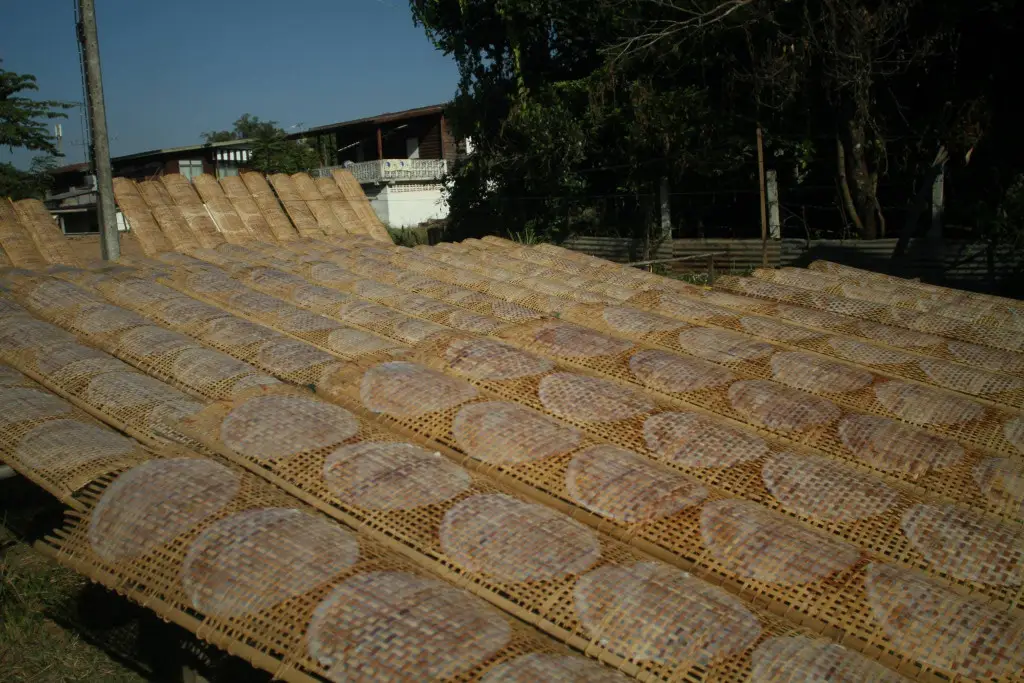
The Vietnamese Rice Paper Village in Nong Khai, locally known as the village that makes phaen krayo, is a distinctive community-based food heritage destination along the route from Nong Song Hong toward Tha Bo District and onward to Si Chiang Mai District in Nong Khai Province. The village is best recognized by the bamboo racks placed along the roadside, where thin white rice-paper sheets are laid out under the sun. These sheets are used in Vietnamese-style dishes such as fresh spring rolls, fried spring rolls, and naem nueang, making the village closely connected with Nong Khai’s well-known Vietnamese food culture.
The charm of this village lies in its living household industry. The rice paper seen on bamboo racks is not a decorative display created only for tourism; it is part of the real production process of local households. The work includes preparing the batter, spreading it into thin sheets, cooking each sheet, lifting it onto bamboo racks, drying it under natural sunlight, and collecting the dried sheets for packing or distribution. Each step requires skill, timing, and practical knowledge of weather, heat, and texture.
Phaen krayo is an important component of Vietnamese cuisine in Nong Khai. The province has a strong food culture shaped by communities along the Mekong River and by the presence of Thai-Vietnamese families who have preserved Vietnamese culinary traditions. In dishes such as naem nueang, the rice paper is more than a wrapper. It holds together vegetables, herbs, noodles, meat, and sauce in a balanced bite. A good sheet must be thin, flexible, smooth, and strong enough to wrap without breaking easily.
The process of making phaen krayo appears simple at first, but it requires careful control. The thickness of the batter, the heat of the cooking surface, the timing of each sheet, and the drying period all affect the final quality. If the sheet is too thick, it becomes heavy and less pleasant to eat. If it is too thin or dried unevenly, it can break. The best sheets are light, even, and suitable for softening before being used with Vietnamese dishes.
The bamboo drying racks are the most recognizable feature of the village. They allow air to move through the sheets while sunlight gradually dries them. The faint bamboo-grid impression left on the rice paper has become part of its visual identity. When many racks are placed together along the roadside, the scene becomes one of the most memorable images of this community. It shows how local food production, household space, and natural sunlight work together in a simple but effective way.
The Ban Hua Sai area and nearby communities along the Tha Bo–Si Chiang Mai route are associated with this household industry. In many small-scale production settings, the home is also the workplace. Family members may divide tasks between preparing batter, cooking sheets, placing them on racks, moving the racks into the sun, and collecting the finished product. This creates a daily rhythm that is visible to visitors passing through the community.
The route from Nong Song Hong toward Tha Bo is a suitable road for travelers who enjoy observing local life. Along the way, visitors can see village houses, roadside food production, small shops, agricultural surroundings, and the quieter atmosphere of the Mekong-side countryside. The repeated sight of bamboo racks drying rice-paper sheets gives the route a special character. It reflects a real working community rather than a staged tourist attraction.
The village has strong value in terms of food culture. Nong Khai is widely associated with Vietnamese food, especially naem nueang, fresh vegetables, dipping sauces, and spring rolls. Visiting the rice paper village allows travelers to understand one of the essential materials behind these dishes. The thin sheets used at the dining table begin as household work in a local community, shaped by skill, labor, and sunlight before they become part of a meal.
Economically, phaen krayo production supports local households and helps maintain a community-based occupation. Some products are supplied to restaurants and local markets, while others reach wider distribution. The fact that Nong Khai rice paper is known beyond the local area shows how a household craft can become a product with broader demand when quality and consistency are maintained.
A visit to the village is suitable for travelers interested in food heritage, household industries, community life, and Mekong-side culture. The production scenes may vary depending on the time of day, weather, and each household’s work schedule. On sunny production days, many racks may be visible. On rainy or humid days, fewer racks may appear. This changing rhythm is part of the character of a real working village.
Photography is one of the reasons many travelers stop along this route. The lines of bamboo, the round white sheets, the sunlight, and the rural roadside setting create strong visual patterns. Photographs taken from public areas can capture the identity of the place well. Since many drying areas belong to local households, visitors should not touch products, move racks, or enter private working spaces without permission.
A good sheet of phaen krayo must be thin and flexible. When used with Vietnamese food, it helps hold the ingredients together without overpowering the flavor of vegetables, herbs, meat, sauce, and noodles. Its value lies in balance and simplicity. The better the sheet, the more naturally it supports the dish. This is why the skill of rice-paper makers remains important to the food culture of Nong Khai.
The village can be combined with other destinations along the Mekong route. Travelers can continue to Tha Bo District, visit Wat Si Chomphu Ong Tue, enjoy riverside food around Ban Tha Mafueang, or continue toward Si Chiang Mai and Nong Khai town. This makes the village a meaningful stop on a day trip that includes local food, community life, Buddhist heritage, and Mekong scenery.
Wat Si Chomphu Ong Tue is one of the most important cultural sites near this route. The temple enshrines Phra Chao Ong Tue, a revered Buddha image respected by people on both the Thai and Lao sides of the Mekong. Combining the rice paper village with this temple gives the trip both culinary and spiritual dimensions, connecting household food heritage with the religious culture of the region.
Ban Tha Mafueang and other riverside areas in Tha Bo District are also suitable stops. Restaurants in this area offer local dishes, grilled fish, northeastern food, and Mekong-side views. A practical route can include the rice paper village during the day and riverside dining in the afternoon or evening. This creates a relaxed journey that combines community production, food culture, and river scenery.
Daytime is the best period to visit because the drying racks and community scenery are clearly visible. Sunlight plays an important role in the drying process, so the morning to afternoon period often provides the best chance of seeing rice-paper production. Weather affects the number of racks visible on any given day. During rainy or humid conditions, drying activity may be reduced or adjusted by each household.
This village is not an enclosed museum or a large demonstration center. It is a community route where production, houses, roads, and daily life exist together. Visitors experience the place by traveling through the area, observing from appropriate public spaces, and engaging respectfully with the community. Its appeal comes from authenticity and everyday continuity.
Travelers who buy phaen krayo from local producers support household income and gain a clearer understanding of where the product comes from. The sheets may vary in size and use, depending on whether they are made for naem nueang, fresh rolls, or fried spring rolls. Because the sheets are thin and dry, they must be stored carefully away from moisture and handled gently to avoid cracking.
Private car, rental car, or local hired transport is the most convenient way to visit. The village is not a single building with one fixed entrance; it is a roadside community area along a wider route. From Nong Khai town, travelers can use Highway 211 toward Tha Bo and continue toward Ban Hua Sai and Si Chiang Mai according to the itinerary. The route can easily connect with riverside restaurants, temples, and other local attractions.
The Ban Hua Sai area belongs to the broader Phan Phrao community in Si Chiang Mai District. Nearby facilities and local points include community roads, schools, local administrative areas, and freshwater fisheries-related places. The area therefore carries several layers of local identity: food production, community life, education, local administration, and Mekong-side travel connections.
The village is most meaningful for travelers who appreciate small details of local life. A thin rice-paper sheet on a bamboo rack represents more than a cooking ingredient. It carries the work of households, the history of Vietnamese food in Nong Khai, the use of sunlight and bamboo, and the continuity of community skill. The beauty of the place lies in these small and repeated actions.
On ordinary weekdays, the area is usually calm and suitable for slow observation. On weekends or during periods with more travelers along the Mekong route, more visitors may stop for photos or local products. Each atmosphere has its own character. The quieter days highlight the working rhythm of the community, while busier days show how local occupations connect with tourism.
Within the wider travel identity of Nong Khai, the Vietnamese Rice Paper Village adds a valuable food-and-community dimension. Nong Khai is known for the Thai–Lao Friendship Bridge, Tha Sadet Market, riverside temples, and the Mekong River, but places like this reveal another layer of the province. They show how food, household labor, local roads, and cross-cultural heritage are part of everyday life along the river.
The Vietnamese Rice Paper Village in Nong Khai is therefore a worthwhile stop for travelers interested in food heritage, local households, Mekong-side communities, and authentic cultural routes. A simple sheet of rice paper becomes a doorway into the story of labor, family knowledge, Vietnamese cuisine, and community identity. The village allows visitors to see how a small ingredient on the dining table begins with skilled hands, bamboo racks, sunlight, and the daily rhythm of a riverside community in Nong Khai Province.
| Name | Vietnamese Rice Paper Village, Nong Khai |
| Location | Ban Hua Sai, Phan Phrao Subdistrict, Si Chiang Mai District, Nong Khai Province, connected with the Tha Bo route and Highway 211 |
| Address | Ban Hua Sai, Phan Phrao Subdistrict, Si Chiang Mai District, Nong Khai Province 43130, along the route from Nong Song Hong to Tha Bo and the Tha Bo–Si Chiang Mai road |
| Coordinates | 17.924750, 102.606936 |
| Highlights | Bamboo racks drying thin rice-paper sheets, household-based food production, and Nong Khai’s Vietnamese food heritage |
| History | A household industry linked with Vietnamese-style food in Nong Khai, producing rice-paper sheets used for spring rolls, naem nueang, and other dishes, with products distributed beyond the local area |
| Name Origin | The name refers to the community’s distinctive occupation of making phaen krayo, thin rice-paper sheets for Vietnamese dishes, often dried on bamboo racks along the roadside |
| Distinctive Features | A living household-industry village where visitors can observe bamboo drying racks, rice-paper sheets, local roads, and the everyday food-production culture of a Mekong-side community |
| Travel Information | From Nong Khai town, follow Highway 211 toward Tha Bo, then continue toward Ban Hua Sai and Si Chiang Mai; private car, rental car, or local hired transport is recommended |
| Current Status | A community-based lifestyle and food-production route accessible via public roads; drying and production scenes depend on household work schedules and weather conditions |
| Open Days | Daily |
| Opening Hours | 08.30 – 16.30 |
| Fees | Free Admission For Community And Public Roadside Areas |
| Facilities | Public road access, scenic community route, roadside stopping points depending on local conditions, nearby restaurants in Tha Bo and Si Chiang Mai, nearby accommodations, and local administrative offices for area information |
| Main Areas / Zones | Nong Song Hong–Tha Bo Route Zone, Ban Hua Sai Community Zone, Bamboo Drying Rack Zone, Household Production Zone, Phan Phrao Community Zone, Tha Bo Restaurant And Attraction Connection Zone |
| Caretaker / Related Authorities | Ban Hua Sai Community, Phaen Krayo Occupational Group, Phan Phrao Subdistrict Administrative Organization, Si Chiang Mai District, Nong Khai Province, and related local agencies |
| Main Contact Number | Phan Phrao Subdistrict Administrative Organization Tel. 042-451-232, 042-451-470; Phaen Krayo Occupational Group, Khru Da Tel. 090-592-9947 |
| Nearby Tourist Attractions | 1. Nong Khai Freshwater Aquaculture Research And Development Center / Ban Hua Sai Area, about 1 km 2. Si Chiang Mai Mekong Riverside Area, about 6 km 3. Wat Si Chomphu Ong Tue, Tha Bo District, about 14 km 4. Ban Tha Mafueang Riverside Area, Tha Bo District, about 16 km 5. Tha Sadet Market And Nong Khai Riverside, about 25 km |
| Nearby Restaurants | 1. Mae Daeng Tam Sang, Ban Hua Sai, about 1 km 2. Berng Khong Restaurant, about 5 km 3. Khrua Aek Pla Phao 2 Ban Tha Mafueang, about 16 km, Tel. 065-275-5097 4. Lae Khong Tha Bo, about 18 km, Tel. 087-799-5862, 086-855-7547 5. Daeng Naem Nueang Nong Khai, about 25 km |
| Nearby Accommodations | 1. Accommodations In Si Chiang Mai District, about 6 km 2. Baan Pak Rim Khong Resort Tha Bo, about 16 km, Tel. 082-737-6171, 081-946-5412 3. Pobruk Resort Tha Bo, about 18 km, Tel. 092-798-2965 4. Punrak Resort Tha Bo, about 18 km, Tel. 095-192-1115 5. Accommodations In Nong Khai Town, about 25 km |
Frequently Asked Questions (FAQ)
Q: Where Is The Vietnamese Rice Paper Village In Nong Khai Located?
A: It is located around Ban Hua Sai, Phan Phrao Subdistrict, Si Chiang Mai District, Nong Khai Province, along the route connected with Nong Song Hong, Tha Bo, and Si Chiang Mai.
Q: What Are The Opening Days And Hours?
A: The community route is open daily from 08.30 to 16.30, with daytime visits offering the clearest view of bamboo drying racks and village scenery.
Q: Is There An Admission Fee?
A: General community and public roadside areas do not charge an admission fee. Entry into private household production spaces depends on the permission of local residents.
Q: What Is Phaen Krayo Used For?
A: Phaen krayo is a thin rice-paper sheet used in Vietnamese-style dishes such as fresh spring rolls, fried spring rolls, naem nueang, and vegetable-wrapped dishes.
Q: What Makes This Village Special?
A: The village is known for bamboo racks drying thin rice-paper sheets along the roadside, household-based production, and its connection with Nong Khai’s Vietnamese food culture.
Q: How Can Travelers Get There?
A: From Nong Khai town, follow Highway 211 toward Tha Bo, then continue toward Ban Hua Sai and Si Chiang Mai. Private car, rental car, or local hired transport is the most convenient option.
Q: What Nearby Places Can Be Visited On The Same Trip?
A: Nearby places include the Ban Hua Sai freshwater aquaculture area, Si Chiang Mai Mekong riverside, Wat Si Chomphu Ong Tue, Ban Tha Mafueang riverside area, Tha Sadet Market, and Nong Khai riverside.
Q: Can Foreign Travelers Visit The Village?
A: Yes. The village is suitable for foreign travelers interested in Vietnamese food culture, household industries, community life, local food production, and Mekong-side travel routes in Nong Khai Province.
 Category: ●Suburban Living
 Group: ●Village, Community
Last Update : 2 MonthAgo
 Last Update : 2 MonthAgo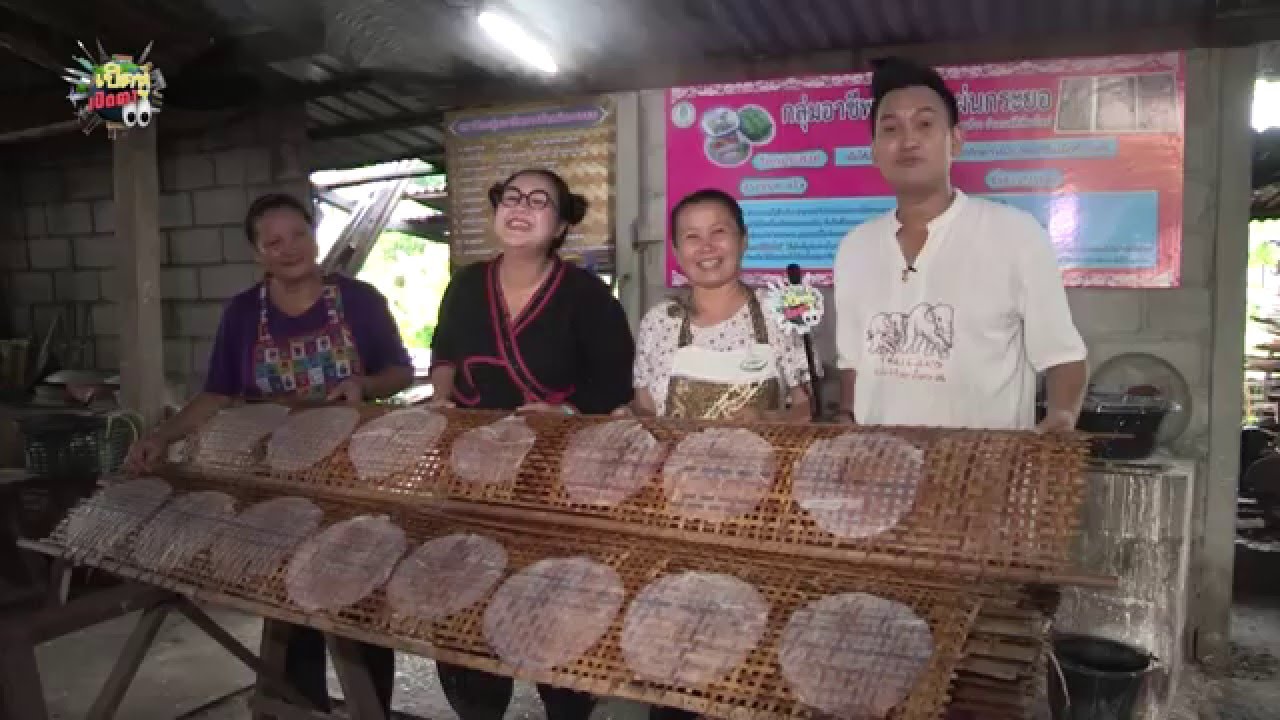
 Click to Access the Navigation Map GPS
Vietnamese Rice Paper Village Map
Recommend

 Art, Culture and Heritage
 Historical Sites and Monuments(1)
 Landmarks and Memorials(2)
 Art, Craft Centres, Tradition(1)
 Educational Places
 Educational Gardens, Farm(1)
 Places of Worship
 Temple(16)
 Mosque(1)
 Other Sacred Sites(8)
Village, Community(3)
Other Sacred Sites(8)
Village, Community(3)
 Local Market(4)
 Nature and Wildlife
 National Parks and Marine Reserves(2)
 Dam, Reservoir, Lake(2)
 Waterfalls(4)
 River, Canal(8)
 Bays and Beaches(1)
 Entertainment and Agricultural
 Farms, Parks and Ecotourism(2)
 Shopping
 Shopping and Night Market(1)


