
lovethailand home >Northeastern Travel Attractions >Nakhon Ratchasima Travel Attractions >Muang Nakhon Ratchasima >Nai Muang > Nakhon Ratchasima Candle Festival
TL;DR: Nakhon Ratchasima Candle Festival, Nakhon Ratchasima attractions : Art, Culture and Heritage, Art, Craft Centres, Tradition.
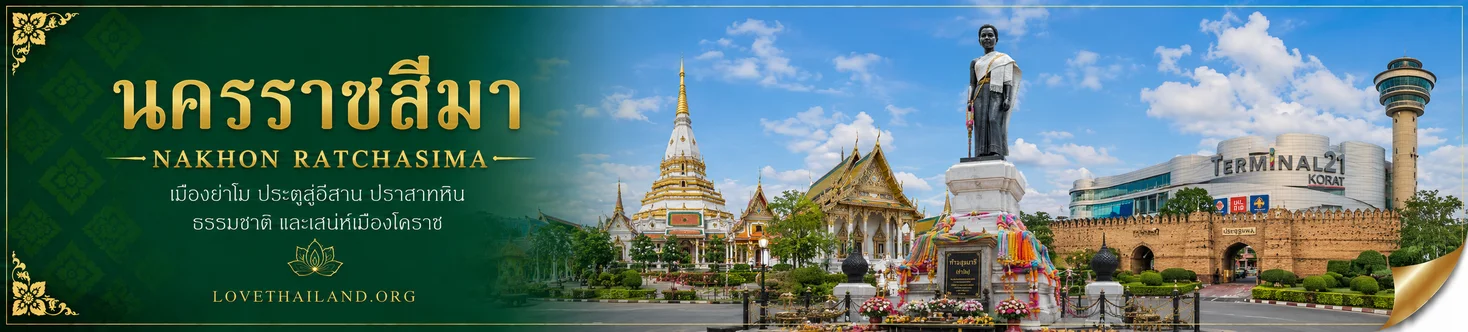
Nakhon Ratchasima Candle Festival
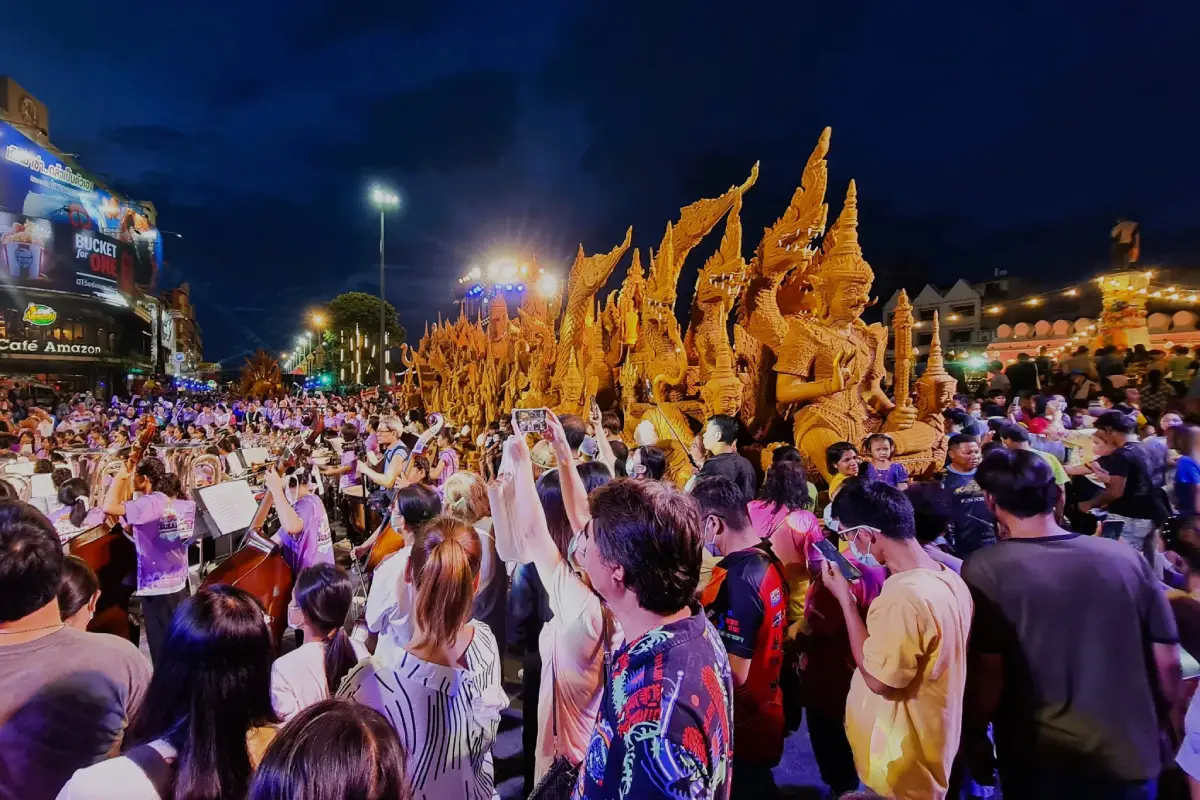
Open Days: Held Annually Around Asalha Bucha Day And Buddhist Lent Day; In 2026, The Main Event Takes Place On July 29 – 30, 2026
Opening Hours: The Main Candle Procession Starts From 09.00 Onward
The Nakhon Ratchasima Candle Festival, also known as the Korat Candle Festival, is one of the most important Buddhist Lent traditions in Nakhon Ratchasima. Held around the Thao Suranari Monument and the surrounding old city area, the festival brings together Buddhist faith, candle-carving craftsmanship, local performing arts, community participation, and the cultural identity of Korat. Every year, temples, communities, schools, artists, and local organizations work together to create large, beautifully carved Lent candles for display, competition, and procession through the city. For foreign visitors, the festival is one of the best opportunities to experience living Thai culture in the heart of Korat.
The festival is especially meaningful because it takes place in the historic center of Nakhon Ratchasima. The Thao Suranari Monument, Chumphon Gate, Chumphon Road, Ratchadamnoen Road, and the old town area form the cultural backdrop of the procession. As a result, the candle parade is not just a religious event. It is a living expression of the city’s identity as the city of Ya Mo, a historic gateway to the northeast, and a provincial center where Buddhism, craftsmanship, public devotion, and urban life meet in one place.
The meaning of the festival comes from the Buddhist tradition of offering candles at the beginning of Buddhist Lent. During the rainy season retreat, monks traditionally stay within their temple grounds to study, meditate, and perform religious duties. In the past, laypeople offered candles to provide light for temples during this period. Over time, this act of merit developed into large ceremonial candles, artistic carving, and public processions. Even though the festival has become visually grand, its core remains the offering of light, faith, and merit to Buddhism.
In Nakhon Ratchasima, the candle tradition has grown into a major provincial cultural event. The candle competition is one of its most important elements. The winners of major categories compete for royal trophies granted by Her Royal Highness Princess Maha Chakri Sirindhorn, which gives the competition great prestige. This honor encourages temples and candle craftsmen to create works of high artistic quality. Each candle requires planning, design, modeling, wax preparation, carving, assembling, and detailed finishing before it can be presented to the public.
Korat candle craftsmen are known for their detail and storytelling ability. Their candles are not only large decorative objects, but sculptural narratives made of wax. Many candles present stories from the life of the Buddha, Jataka tales, Buddhist symbols, mythical beings, naga, garuda, lions, lotus flowers, Bodhi leaves, Thai motifs, and local patterns. Some works also include Korat identity, such as Ya Mo, Chumphon Gate, Korat songs, Pak Thong Chai silk, Dan Kwian pottery, and scenes of local life. This combination makes the Korat Candle Festival visually rich and culturally distinctive.
Creating one large Lent candle requires teamwork. Designers plan the concept and structure. Modelers shape important figures and scenes. Wax workers prepare sheets and decorative parts. Carvers add fine details to surfaces. Temples, communities, and schools provide space, labor, materials, and support. The finished candle is therefore not the work of one artist alone. It is a community artwork created through faith, patience, skill, and cooperation.
When the candles are installed around the Thao Suranari Monument area, the city center becomes a large open-air art gallery. Visitors can walk close to the candles and observe differences in technique, scale, composition, and theme. Some candles are impressive because of their height and dramatic figures. Others are remarkable because of extremely fine carving. Some present a complete Buddhist story, while others combine traditional Buddhist art with contemporary design. This makes the exhibition area rewarding for both casual visitors and serious cultural travelers.
The procession is the most energetic part of the festival. When the candle floats move through the city with dancers, musicians, traditional costumes, and cultural performers, the candles become part of a living performance. Local residents line the streets to watch, while visitors from other provinces and abroad experience the excitement of a Thai festival in a real urban setting. The sound of music, the movement of dancers, the golden color of the wax, and the old-town surroundings create a strong sense of place.
The main venue around the Thao Suranari Monument gives the festival a special Korat character. Visitors can pay respect to Ya Mo, view the historic Chumphon Gate, walk through the old city area, and enjoy the candle displays within one compact route. This makes the festival suitable for a cultural walking itinerary. It is not only a parade to watch; it is a way to understand Nakhon Ratchasima through religion, history, public space, local food, and community identity.
The festival area usually includes several important zones: the candle display zone, candle competition zone, procession route, Buddhist ceremony zone, cultural performance zone, OTOP and local product zone, food zone, and viewing areas around the Ya Mo Monument. Each zone offers a different experience. The candle display zone is best for close observation and photography. The procession route shows the festival in motion. The performance zone adds music and dance. The food and product zones connect the event with local economy and community life.
Food is an important part of the festival experience. Around the Ya Mo Monument and the old town area, visitors can find local dishes, street food, cafes, and restaurants. Recommended Korat flavors include pad mee Korat, chicken rice, roasted pork rice, northeastern Thai dishes, noodles, local snacks, drinks, and modern cafe menus. Watching the candles, walking around Chumphon Gate, and eating near the old city area creates a complete cultural experience that combines sight, sound, faith, and taste.
For photography, the Korat Candle Festival offers many strong viewpoints. Morning is suitable for photographing the procession and candle details in natural light. Afternoon is good for documenting the atmosphere of the crowd and the displays. Evening creates a different feeling when the candles are seen with city lights around the Ya Mo Monument. Visitors should avoid blocking the procession, climbing onto restricted areas, or touching the candles. Many details are made of wax and can be damaged by heat, pressure, or careless contact.
Traveling to the festival is convenient because it is held in central Nakhon Ratchasima. From Bangkok, visitors can take Mittraphap Road into Korat and head to the Thao Suranari Monument area. Travelers arriving by train can get off at Nakhon Ratchasima Railway Station and continue by local transport, taxi, or ride-hailing service. Those driving private cars should allow extra time for traffic and parking because some roads may be closed or adjusted during the procession period.
Visitors who want a comfortable viewing position should arrive at least 1 to 2 hours before the procession begins. Since the festival takes place during the rainy season, it is practical to bring drinking water, a hat, an umbrella, and comfortable walking shoes. The area can become crowded, especially near the Thao Suranari Monument and Chumphon Gate. Staying in a hotel near the old town or using public transport can make the visit easier than trying to park close to the event area.
For families and students, the festival is an excellent cultural learning experience. It shows the relationship between Buddhism, art, community, and local economy. Children can see that a candle float is not created in one day. It requires planning, discipline, artistic knowledge, cooperation, and religious intention. The festival helps younger generations understand how traditions survive when people continue to practice, adapt, and pass them on.
For foreign travelers, the Korat Candle Festival is highly accessible because it is visually impressive and easy to understand. The candles show Buddhist devotion through sculpture and design, while the parade shows how a community expresses faith in public space. Travelers do not need deep prior knowledge of Thai Buddhism to appreciate the artistry, but learning the meaning of Buddhist Lent and candle offerings makes the experience much richer.
Visitors should behave respectfully because the festival is connected with Buddhism and local devotion. They should not touch the candles, climb onto candle floats, interrupt the procession, leave rubbish, or disturb performers. When photographing dancers or participants at close range, visitors should keep a respectful distance, especially when children or student performers are involved. Respectful behavior helps protect both the artwork and the dignity of the tradition.
The festival also supports the local economy. It brings visitors into the city center, benefiting restaurants, hotels, cafes, souvenir shops, local vendors, and small businesses. At the same time, it promotes Nakhon Ratchasima as a cultural destination with strong craftsmanship and a living Buddhist tradition. The event strengthens the image of Korat as more than a gateway city; it is a place with its own cultural confidence and artistic skill.
The beauty of the Korat candles lies in the combination of sacred meaning and creative expression. Some candle floats feel calm and devotional. Others are dramatic and grand, with mythological figures and large sculptural forms. Some shine brightly in golden wax under sunlight, while others reward close observation through tiny carved details. This variety makes the festival worth seeing slowly, not just in one quick glance.
Visitors with extra time should combine the candle festival with nearby attractions such as the Thao Suranari Monument, Chumphon Gate, the Thao Suranari Heroic Deeds Exhibition Building, Wat Phayap, Maha Weerawong National Museum, Nakhon Ratchasima City Pillar Shrine, and Wat Phra Narai Maharat. This route helps visitors connect the festival with the old city and the broader history of Korat. It also explains why the Ya Mo Monument area is such an important public and cultural center of the province.
In summary, the Nakhon Ratchasima Candle Festival is one of the most valuable Buddhist Lent events in northeastern Thailand. It combines faith, craftsmanship, local performance, public celebration, and the historic atmosphere of Korat’s old city. The beauty of the candles comes not only from their size, but from the devotion and effort behind them. When the candle procession, local music, dance, food, and the Ya Mo Monument setting come together, the Korat Candle Festival becomes a powerful expression of Thai culture and a memorable experience for both Thai and international visitors.
| Festival Name | Nakhon Ratchasima Candle Festival / Korat Candle Festival |
| Main Venue | Thao Suranari Monument Area, Ratchadamnoen Road, Chumphon Road, And The Surrounding Old City Area Of Nakhon Ratchasima |
| Address | Thao Suranari Monument Square, Nai Mueang Subdistrict, Mueang Nakhon Ratchasima District, Nakhon Ratchasima 30000, Thailand |
| Highlights | Large Lent candle floats, candle-carving competition, Buddhist wax sculpture, cultural procession, traditional dance, Korat performances, and a historic city-center setting near the Ya Mo Monument |
| Significance | A Buddhist Lent tradition that preserves candle offering, Buddhist devotion, local craftsmanship, and the cultural identity of Nakhon Ratchasima |
| 2026 Schedule | The main event takes place on July 29 – 30, 2026. The main candle procession starts from 09.00 onward around the Thao Suranari Monument area. |
| Annual Event Period | Held annually around Asalha Bucha Day and Buddhist Lent Day. Exact dates vary according to the lunar calendar and the annual municipal announcement. |
| Opening Hours | The main procession starts from 09.00 onward. Candle displays and related activities follow the annual event schedule. |
| Fees | No Admission Fee |
| Organizer / Caretaker | Nakhon Ratchasima Municipality, together with Nakhon Ratchasima Province, Nakhon Ratchasima Provincial Administrative Organization, cultural agencies, temples, communities, educational institutions, and tourism partners |
| Main Contact Number | Nakhon Ratchasima Municipality Tel. 044-234600 |
| Main Areas / Zones | Lent Candle Display Zone Candle Competition Zone Candle Procession Route Buddhist Ceremony Zone Cultural Performance Zone Food And OTOP Product Zone Viewing Areas Around Thao Suranari Monument Walking Connection To Chumphon Gate And The Old City Area |
| Main Activities | Candle procession, Lent candle competition, traditional performances, cultural parade, craft demonstration, local products, food stalls, and tourism-promotion activities |
| Candle Highlights | Buddhist wax sculpture, Thai motifs, local patterns, Buddha stories, Jataka tales, naga, deities, lotus, Bodhi leaves, and Korat symbols |
| Travel Information | From Bangkok, take Mittraphap Road into Nakhon Ratchasima city and head to the Thao Suranari Monument. By train, get off at Nakhon Ratchasima Railway Station and continue by local transport, taxi, or ride-hailing service. |
| Visitor Tips | Arrive 1–2 hours before the procession, bring a hat, umbrella, drinking water, and check municipal traffic announcements for road closures or route adjustments on event days. |
| Nearby Tourist Attractions | 1. Thao Suranari Monument, about 0.1 km 2. Chumphon Gate, about 0.1 km 3. Thao Suranari Heroic Deeds Exhibition Building, about 0.2 km 4. Wat Phayap, about 0.6 km 5. Maha Weerawong National Museum, about 0.7 km 6. Nakhon Ratchasima City Pillar Shrine, about 0.8 km 7. Wat Phra Narai Maharat, about 1 km 8. Terminal 21 Korat, about 1.5 km |
| Nearby Restaurants | 1. Chumphon Chicken Rice, about 0.1 km, Tel. 085-860-7778 2. Jompol Boutique Cafe, about 0.1 km, Tel. 064-462-8787 3. CLASS Cafe' Chalermwattana Ya Mo, about 0.2 km, Tel. 065-240-1811 4. Yim Yim Traditional Oyster Omelet, about 0.2 km, Tel. 064-061-1640 5. Ming Tao Vegetarian Restaurant, about 0.2 km, Tel. 044-241718 |
| Nearby Accommodations | 1. Romyen Garden Place, about 0.8 km, Tel. 098-105-7978 2. Korat Hotel, about 0.8 km, Tel. 044-341-345 3. Urban-Bamboo, about 1 km, Tel. 044-268800, 081-444-4213 4. Sansabai House Hotel, about 1.2 km, Tel. 044-255144, 081-547-3066 5. Fortune Hotel Korat, about 1.5 km, Tel. 044-079-900 |
Frequently Asked Questions (FAQ)
Q: Where is the Nakhon Ratchasima Candle Festival held?
A: The festival is held around the Thao Suranari Monument, Ratchadamnoen Road, Chumphon Road, and the surrounding old city area in central Nakhon Ratchasima.
Q: When is the Korat Candle Festival 2026?
A: The main event in 2026 takes place on July 29 – 30, 2026, with the main procession starting from 09.00 onward.
Q: Is there an admission fee?
A: No. Visitors can watch the candle displays, procession, and cultural activities in the public event area without an admission fee.
Q: What are the main highlights of the festival?
A: The highlights include large carved Lent candles, candle competitions, Buddhist wax sculpture, cultural processions, traditional dance, local performances, and the historic atmosphere around the Ya Mo Monument.
Q: What makes Korat candles special?
A: Korat candles are known for detailed wax carving, Buddhist themes, Thai motifs, local identity, large sculptural forms, and the teamwork of temples, craftsmen, schools, and communities.
Q: How early should visitors arrive before the procession?
A: Visitors should arrive about 1–2 hours before the procession to find a good viewing point, prepare for the weather, and avoid traffic delays.
Q: How can travelers get to the festival area?
A: From Bangkok, take Mittraphap Road into Nakhon Ratchasima city and head to the Thao Suranari Monument. By train, get off at Nakhon Ratchasima Railway Station and continue by local transport, taxi, or ride-hailing service.
Q: What nearby attractions can be visited with the festival?
A: Nearby places include the Thao Suranari Monument, Chumphon Gate, Thao Suranari Heroic Deeds Exhibition Building, Wat Phayap, Maha Weerawong National Museum, Nakhon Ratchasima City Pillar Shrine, and Wat Phra Narai Maharat.
 Category: ●Art, Culture and Heritage
 Group: ●Art, Craft Centres, Tradition
Last Update : 2 MonthAgo
 Last Update : 2 MonthAgo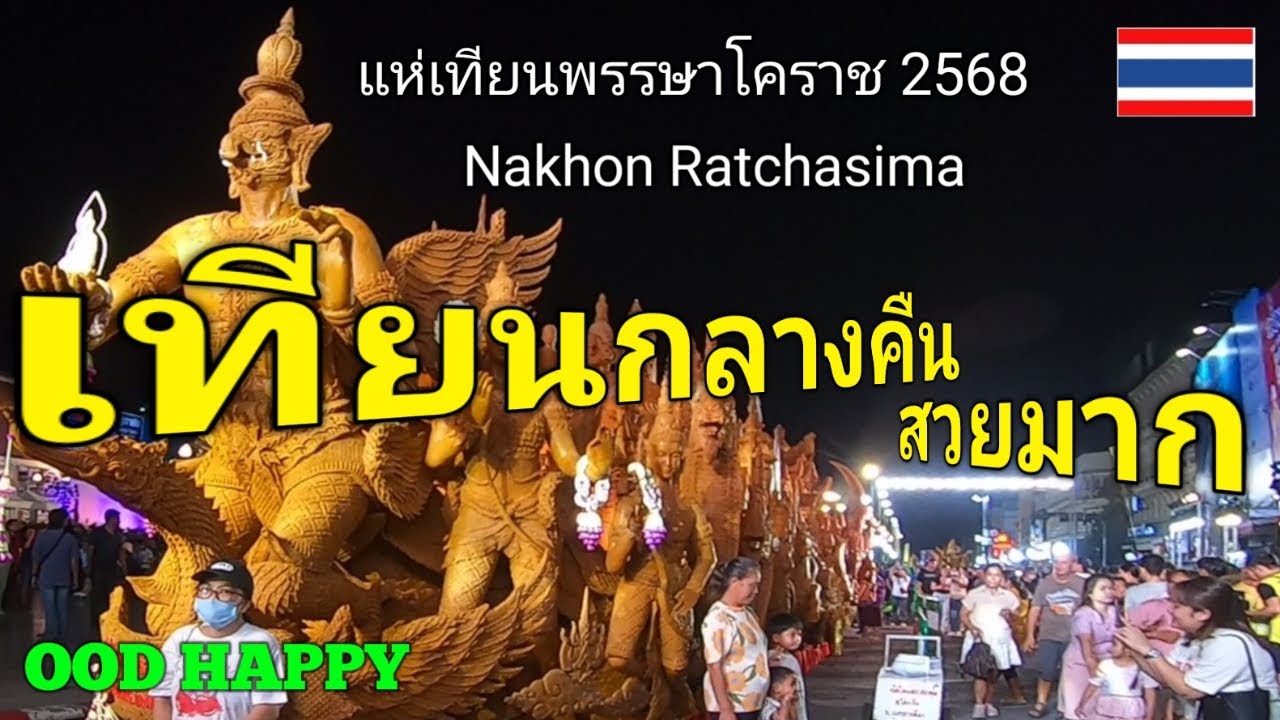

 Historical Sites and Monuments(20)
 Landmarks and Memorials(5)
Art, Craft Centres, Tradition(7)
Landmarks and Memorials(5)
Art, Craft Centres, Tradition(7)
 Museums(6)
 Art Gallery(1)
 Educational Places
 Educational Gardens, Farm(4)
 Places of Worship
 Temple(29)
 Mosque(1)
 Other Sacred Sites(6)
 Research and Development
 Royal Project(3)
 Suburban Living
 Village, Community(6)
 Local Market(4)
 Floating Market(1)
 Nature and Wildlife
 National Parks and Marine Reserves(3)
 Mountain (Doi)(5)
 Dam, Reservoir, Lake(8)
 Waterfalls(9)
 Hot Springs(1)
 Caves(2)
 Flower Field(1)
 River, Canal(8)
 Bays and Beaches(2)
 Other natural attractions(3)
 Entertainment and Agricultural
 Zoos and Aquariums(1)
 Animal camps and shows(1)
 Farms, Parks and Ecotourism(21)
 Waterpark(2)
 Outdoor and Adventure Activities(6)
 Shopping
 Shopping and Night Market(2)
 Travel Articles, Recipes
 Travel Review, Food Review(5)


