
lovethailand home >Northeastern Travel Attractions >Chaiyaphum Travel Attractions >Bamnet Narong >Ban Tan > Bueng Bang Amphun
TL;DR: Bueng Bang Amphun, Chaiyaphum attractions : Nature and Wildlife, River, Canal.

Bueng Bang Amphun
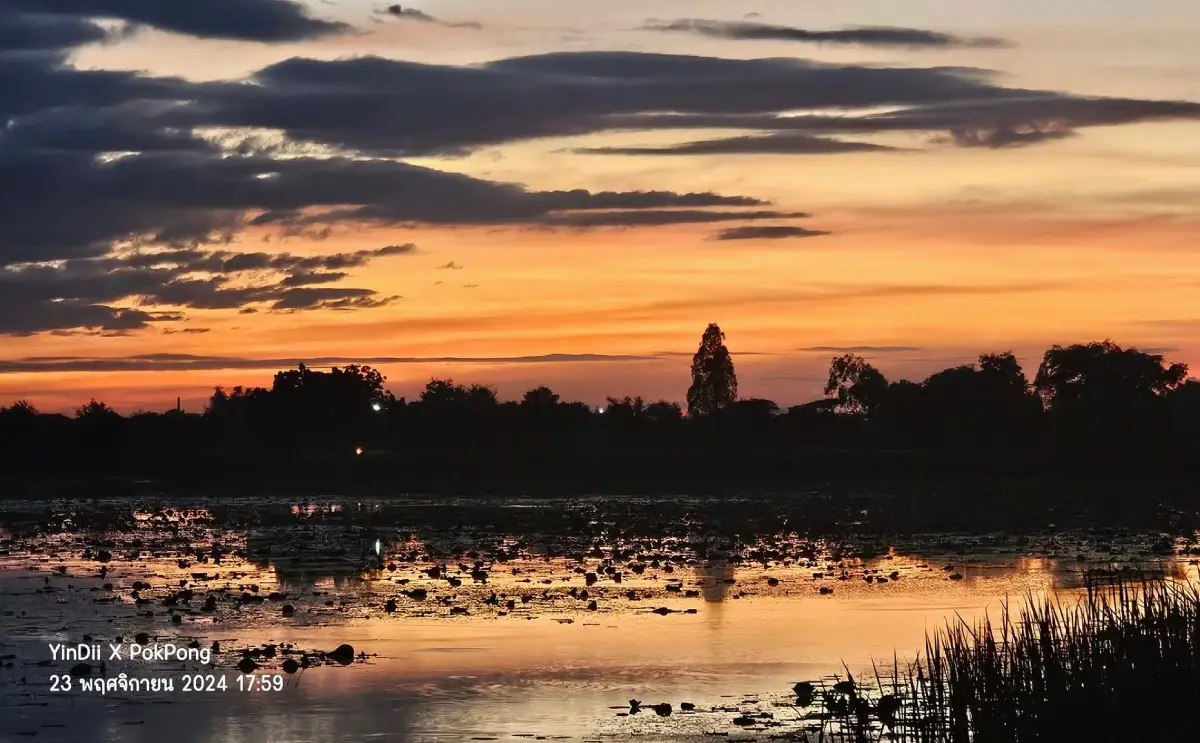
Open Days: Open Natural Community Area With No Specific Closing Days Announced
Opening Hours: No Specific Opening Hours Announced; Daytime Visits Are Recommended
Bueng Bang Amphun, also known as Bueng Amphun, is a small natural pond located at Ban Hua Bueng, Moo 1, Ban Tan Subdistrict, Bamnet Narong District, Chaiyaphum Province. It is a quiet community wetland where visitors can slow down, enjoy a simple rural landscape, watch birds, and experience nature in an unpolished and authentic form. This is not a large commercial tourist attraction with extensive facilities or staged activities. Instead, its charm lies in open water, natural vegetation, local village surroundings, and the calm atmosphere of a real community water source in northeastern Thailand.
For travelers who prefer peaceful places, Bueng Bang Amphun offers a different kind of experience from popular sightseeing spots. The pond is modest in scale, yet it carries strong local value. It is connected with the water resources of Ban Tan Subdistrict and appears in local information as an important water source related to community water use. For local residents, a pond like this is not just scenery. It is part of daily life, agriculture, village identity, ecological balance, and the long relationship between people and water in rural Chaiyaphum.
The landscape around Bueng Bang Amphun is simple but meaningful. Visitors can see the water surface, patches of waterside plants, open rural views, and a natural setting that has not been heavily developed. The place is suitable for sitting quietly, taking photographs, walking gently around suitable areas, or simply observing the changing light over the pond. Its beauty is not dramatic in the conventional tourist sense. It is the beauty of stillness, rural air, local life, and an environment where small details become visible when visitors give themselves enough time to look carefully.
One of the most valuable features of Bueng Bang Amphun is its role as a habitat and resting area for various birds. The combination of water, waterside vegetation, open space, and nearby agricultural surroundings creates favorable conditions for different groups of birds, including water birds, field birds, fish-eating birds, and birds that live around shrubs and trees near wet areas. This makes the pond suitable for beginners who want to learn birdwatching, as well as for families, teachers, students, and young people who are beginning to understand local ecology.
For children and youth, Bueng Bang Amphun can serve as a living outdoor classroom. Instead of learning about ecology only from books, children can observe birds, plants, insects, fish, and the relationship between water and living things in a real setting. They can learn that birds need water, food, shelter, quiet surroundings, and safe habitats. They can also see how a small pond supports many forms of life. This kind of direct experience helps environmental education become clearer, more memorable, and more personal.
Birdwatching at Bueng Bang Amphun does not require expert knowledge. Visitors can start with simple observations: the size of a bird, the shape of its beak, the color of its feathers, the way it flies, the sound it makes, and how it searches for food. Some birds may walk along the water’s edge, some may fly low over the pond, and others may perch quietly on branches or poles while watching for prey. By observing slowly and respectfully, visitors can turn a short visit into a meaningful encounter with local wildlife.
The best times to enjoy the pond are usually in the morning and late afternoon. During these periods, the light is softer, the weather is more comfortable, and birds are often easier to observe. Morning visits are good for listening to bird calls and watching gentle activity around the water. Late afternoon visits are suitable for resting by the pond, seeing the sky change color, and watching birds move across the landscape. Choosing the right time helps visitors enjoy both comfort and better nature observation.
The overall atmosphere of Bueng Bang Amphun is ideal for travelers who want a quiet nature break rather than a busy sightseeing schedule. It is a place for stillness, photography, sketching, field notes, family learning, and soft outdoor recreation. The pond reflects another side of Chaiyaphum beyond mountains, famous flower fields, and major tourist sites. It shows the value of small community wetlands that support both human life and natural life at the same time.
Ecologically, Bueng Bang Amphun represents the importance of small wetlands in rural Thailand. A pond like this stores water, provides habitat, supports birds and aquatic life, and contributes to the comfort and identity of the surrounding community. Small wetlands are often overlooked because they are not as famous as national parks or large lakes, but they are essential ecological stepping stones in landscapes shaped by villages and agriculture. If kept clean and peaceful, they continue to benefit both people and wildlife.
The name Ban Hua Bueng itself suggests a community closely connected with a pond or wetland. The word “bueng” means pond or marsh, and the village name reflects the presence of water as a key part of the local landscape. Even without a detailed official origin story, the name tells travelers something important: this is a place where water has shaped settlement, memory, and daily life. Bueng Bang Amphun is therefore more than a scenic pond. It is part of the community’s local identity.
Ban Tan Subdistrict in Bamnet Narong District has a rural character, with agriculture playing an important role in local livelihoods. Water sources such as Bueng Bang Amphun are deeply connected with this context. When travelers visit the pond, they are not only looking at nature; they are also seeing part of a wider rural system where land, water, farming, village roads, and community life are linked. This makes the pond a useful place for understanding local geography and the practical value of water in northeastern Thailand.
For photographers, Bueng Bang Amphun offers quiet documentary-style scenes. The water surface in the morning, reflections of the sky, grasses and plants along the edge, birds in flight, and the rural setting around the pond all create natural compositions. The strength of this place is that it is not over-designed. Photographs taken here can feel honest and grounded in local reality. Visitors should photograph responsibly by avoiding disturbance to birds, nests, waterside plants, and private village areas.
Responsible birdwatching is essential. Visitors should keep their voices low, observe from a respectful distance, and avoid chasing birds or trying to get too close. If children are visiting, adults should teach them to watch quietly and listen carefully rather than run after wildlife. Good birdwatching is not about getting nearest to the animal; it is about allowing birds to behave naturally while humans observe without causing stress. This approach helps children develop patience, empathy, and respect for living things.
Bueng Bang Amphun is also suitable for small educational activities. Teachers can use the area to introduce students to wetland habitats, bird behavior, food chains, field observation, and environmental responsibility. Parents can turn a family visit into a gentle nature lesson by asking children to notice how many kinds of birds they see, where birds stand, what plants grow near the water, and what might happen if rubbish enters the pond. Simple questions can make the visit more meaningful.
Visitors should prepare for a simple outdoor experience. Useful items include drinking water, a hat or umbrella, comfortable walking shoes, a camera, and binoculars for birdwatching. Clothing in calm or natural colors is suitable because it blends better with the environment and reduces disturbance to birds. Visitors should also bring a bag for their own rubbish and take all waste back with them. Feeding wildlife is not recommended, as it can change natural behavior and harm the ecological balance of the pond.
Cleanliness is especially important around community water sources. Plastic waste, food scraps, and other rubbish can easily enter the water and affect fish, birds, and aquatic life. Every visitor has a role in keeping the area clean. Taking rubbish away, staying on suitable paths, avoiding damage to waterside plants, and respecting the pond’s quiet character all help protect Bueng Bang Amphun as both a community resource and a natural learning site.
In a Chaiyaphum travel route, Bueng Bang Amphun works well as a quiet stop in Bamnet Narong District. Visitors can combine it with Wat Bang Amphun in Ban Hua Bueng, Bueng Chuan Public Park in Bamnet Narong Municipality, and larger natural attractions such as Bueng Lahan in Chatturat District. This kind of route allows travelers to see different scales of water landscapes in Chaiyaphum, from a small community pond to a public park and a major freshwater wetland.
Wat Bang Amphun is one of the closest places to combine with the pond. Located in the same Ban Hua Bueng community area, the temple adds a cultural dimension to a nature-based visit. Travelers can experience both the pond environment and the spiritual life of the local village in one route. Local temples in rural Thailand often reflect daily community life more directly than major tourist temples, making them meaningful stops for travelers interested in culture, faith, and village atmosphere.
Bueng Chuan Public Park is another nearby point in Bamnet Narong District. It is listed as an important place by Bamnet Narong Municipality and offers a more formal public recreation setting. If Bueng Bang Amphun shows the quiet character of a community pond, Bueng Chuan presents another side of local water-based recreation. Visiting both places helps travelers understand how ponds and wetlands serve different roles within the district.
For those who want to continue to a larger wetland, Bueng Lahan in Chatturat District is a strong addition to the itinerary. Bueng Lahan is known for its large freshwater landscape, lotus scenery, local fishing life, and wetland tourism. Starting with Bueng Bang Amphun and then continuing to Bueng Lahan gives travelers a deeper view of Chaiyaphum’s water landscapes, from small community ecosystems to larger wetland environments with more developed tourism features.
Food and accommodation planning is best done around Bamnet Narong District and nearby districts. Local restaurants and cafés in Bamnet Narong can be used as meal stops before or after visiting the pond. Accommodation options include local resorts in Bamnet Narong and hotels or resorts in Chatturat or Chaiyaphum town, depending on the wider travel plan. Travelers who want to stay near the area should choose Bamnet Narong, while those who need more options may prefer Chatturat or Chaiyaphum town.
Getting There is most convenient by private car or rental car. Travelers can head toward Bamnet Narong District in Chaiyaphum Province, continue to Ban Tan Subdistrict, and then follow local roads to Ban Hua Bueng, Moo 1. Highway 205 is one of the important roads serving the wider area, while local village roads connect communities within the subdistrict. Before traveling, visitors should check the route on a map, especially during the rainy season when some local road conditions may change.
From Chaiyaphum town, travelers can drive toward Bamnet Narong District and continue to Ban Tan Subdistrict. The trip is suitable for a half-day or full-day route, especially when combined with nearby temples, cafés, and other natural sites. From Chatturat District or other nearby areas, the pond can also be included in a broader route covering Bueng Lahan and local food stops. Private transport provides the greatest flexibility because public transport in rural areas may be limited.
Visitors should exercise caution around the water. Children should be supervised closely, and visitors should avoid walking too close to slippery or unstable edges. Entering the water is not recommended. If visiting early in the morning or late in the afternoon, be mindful of lower light conditions. Vehicles should be parked without blocking local roads or village access. Because this is a community area, travelers should respect houses, farmland, local traffic, and the privacy of residents.
Bueng Bang Amphun is best appreciated with realistic expectations. It is not a fully developed attraction with extensive tourist facilities. Its value lies in real nature, quiet surroundings, local identity, and ecological learning. For travelers who enjoy simple places, this lack of heavy development is part of the appeal. It allows the pond to remain calm, authentic, and closely connected with the village environment around it.
Future development of the pond should ideally focus on conservation and low-impact learning. If signs, seating areas, or walking points are added, they should blend with the landscape and avoid disturbing birds or waterside habitats. Simple educational signs about birds, wetlands, and waste management would add value without changing the character of the place. Careful development can improve visitor experience while keeping the pond’s natural identity intact.
As a bird-learning site, Bueng Bang Amphun has strong potential for community-based conservation activities. Local groups, schools, or visitors could record bird sightings by season, create basic birdwatching guides, encourage children to observe nature, and promote a no-litter culture around the pond. These activities do not require heavy infrastructure, but they can increase the value of the pond as a natural classroom and a shared community asset.
Travelers who enjoy quiet nature should spend enough time at the pond rather than rushing through it. Nature does not reveal everything at once. A bird may appear only after the area becomes quiet. The surface of the water may change with the wind. The light may shift slowly over the plants. Small sounds become clearer when people lower their own noise. This is the kind of place where observation matters more than speed.
Another important lesson from Bueng Bang Amphun is the value of small community water sources. Large national parks and famous lakes often receive more attention, but small ponds like this support daily life and local biodiversity in essential ways. They provide water, habitat, scenery, education, and emotional rest for nearby communities. Protecting small wetlands is therefore part of protecting the broader environmental health of Thailand.
For families with young children, the visit should be shaped as quiet discovery. Adults can ask children simple questions: What shape is the bird’s beak? Why does the bird stand near the water? Does it fly alone or in a group? What plants grow by the pond? What happens if rubbish enters the water? These questions help children connect what they see with environmental awareness and personal responsibility.
Travelers looking for calm places will appreciate Bueng Bang Amphun because it does not demand attention through crowds, queues, or entertainment. Its impression comes from water, light, wind, bird calls, and the feeling of being close to simple rural nature. It is suitable as a gentle stop between destinations or as a small destination for those who want a slower and quieter side of Chaiyaphum.
Bueng Bang Amphun is therefore both a natural resting place and a local learning site. Its strongest qualities are authenticity, ecological value, bird habitat, and community character. If visitors use the area respectfully, avoid littering, keep noise low, and protect the waterside environment, this small pond will continue to be a valuable place for Ban Hua Bueng, Ban Tan Subdistrict, and Chaiyaphum Province for years to come.
| Name | Bueng Bang Amphun Or Bueng Amphun |
| Location | Ban Hua Bueng, Moo 1, Ban Tan Subdistrict, Bamnet Narong District, Chaiyaphum Province |
| Address | Ban Hua Bueng, Moo 1, Ban Tan Subdistrict, Bamnet Narong District, Chaiyaphum Province 36220, Thailand |
| Highlights | A small natural community pond suitable for quiet relaxation, birdwatching, nature photography, and outdoor learning for children and youth |
| Distinctive Features | A peaceful rural water source with waterside vegetation, bird habitat, and an authentic community atmosphere |
| Local Importance | A community water source in Ban Tan Subdistrict and a natural area connected with local life, relaxation, and environmental learning |
| Name Origin | The name Ban Hua Bueng reflects the community’s connection with ponds and wetlands, while Bueng Amphun appears as a local water source in Ban Tan Subdistrict information |
| Travel Information | Best reached by private car or rental car via Bamnet Narong District, then onward to Ban Tan Subdistrict and Ban Hua Bueng, Moo 1 |
| Current Status | A natural community pond and local water source in Ban Tan Subdistrict |
| Open Days | Open natural community area with no specific closing days announced |
| Opening Hours | No specific opening hours announced; daytime visits are recommended, especially morning and late afternoon for birdwatching |
| Facilities | Suitable for a simple nature visit; visitors should bring drinking water, sun protection, comfortable shoes, and take all rubbish back with them |
| Main Areas / Zones | 1. Pond Water Area 2. Waterside Vegetation Area 3. Resting Area Around The Pond 4. Birdwatching And Nature Observation Area 5. Surrounding Ban Hua Bueng Community Area |
| Caretaker / Local Contact Agency | Ban Tan Subdistrict Administrative Organization, Bamnet Narong District, Chaiyaphum Province |
| Main Contact Number | Ban Tan Subdistrict Administrative Organization, Tel. 044-056023, 081-8769550 |
| Official Website / Official Page | Ban Tan Subdistrict Administrative Organization Website |
| Nearby Tourist Attractions | 1. Wat Bang Amphun, Ban Hua Bueng, about 1 km 2. Bueng Chuan Public Park, Bamnet Narong District, about 15 km 3. Rongmee Cafe’ And Ban Phet Area, Bamnet Narong District, about 14 km 4. Bueng Lahan, Chatturat District, about 35 km 5. Chatturat Municipal Fresh Market, Chatturat District, about 35 km |
| Nearby Restaurants | 1. Rongmee Cafe’, about 14 km, Tel. 095-606-5424, 080-926-4265 2. Ja Chart Korean Barbecue Bamnet Narong, about 15 km 3. Khun Jaew Ban Phet Det Saratee, about 14 km 4. Victory Monument Boat Noodles Chaiyaphum, about 15 km 5. Yen Joy Joy, about 15 km |
| Nearby Accommodations | 1. Jongjaroen Resort, Bamnet Narong District, about 18 km, Tel. 062-9962989, 096-526456 2. Than Thong Resort, Bamnet Narong District, about 16 km, Tel. 044-102211, 061-9544474, 088-0223845 3. Tantong Resort, Bamnet Narong District, about 16 km, Tel. 044-102211, 061-9544474, 088-0223845 4. The Palm Village, Chatturat District, about 35 km 5. Deluxe Hotel Chaiyaphum, Chatturat District, about 38 km |
Frequently Asked Questions (FAQ)
Q: Where is Bueng Bang Amphun located?
A: Bueng Bang Amphun, also known as Bueng Amphun, is located at Ban Hua Bueng, Moo 1, Ban Tan Subdistrict, Bamnet Narong District, Chaiyaphum Province.
Q: What is Bueng Bang Amphun suitable for?
A: It is suitable for quiet relaxation, birdwatching, nature photography, gentle outdoor walks, and learning about birds, wetlands, and community water sources.
Q: What is the best time to visit Bueng Bang Amphun?
A: Morning and late afternoon are the best times because the weather is more comfortable, the light is softer, and birds are usually easier to observe.
Q: Is Bueng Bang Amphun suitable for families with children?
A: Yes. It is suitable for families who want children to learn about birds, water, plants, and local ecology, but children should be supervised closely because it is a waterside area.
Q: What should visitors bring to Bueng Bang Amphun?
A: Visitors should bring drinking water, a hat or umbrella, comfortable shoes, a camera or binoculars for birdwatching, and a bag for taking their rubbish back with them.
Q: How can travelers get to Bueng Bang Amphun?
A: The most convenient way is by private car or rental car. Travel to Bamnet Narong District, continue to Ban Tan Subdistrict, and then follow local roads to Ban Hua Bueng, Moo 1.
Q: What nearby places can be combined with Bueng Bang Amphun?
A: Nearby places include Wat Bang Amphun in Ban Hua Bueng, Bueng Chuan Public Park in Bamnet Narong District, and Bueng Lahan in Chatturat District.
Q: How should visitors behave while birdwatching at Bueng Bang Amphun?
A: Visitors should keep noise low, observe birds from a respectful distance, avoid chasing wildlife, avoid littering, and protect waterside vegetation so the pond remains a safe habitat.
 Category: ●Nature and Wildlife
 Group: ●River, Canal
Last Update : 3 MonthAgo
 Last Update : 3 MonthAgo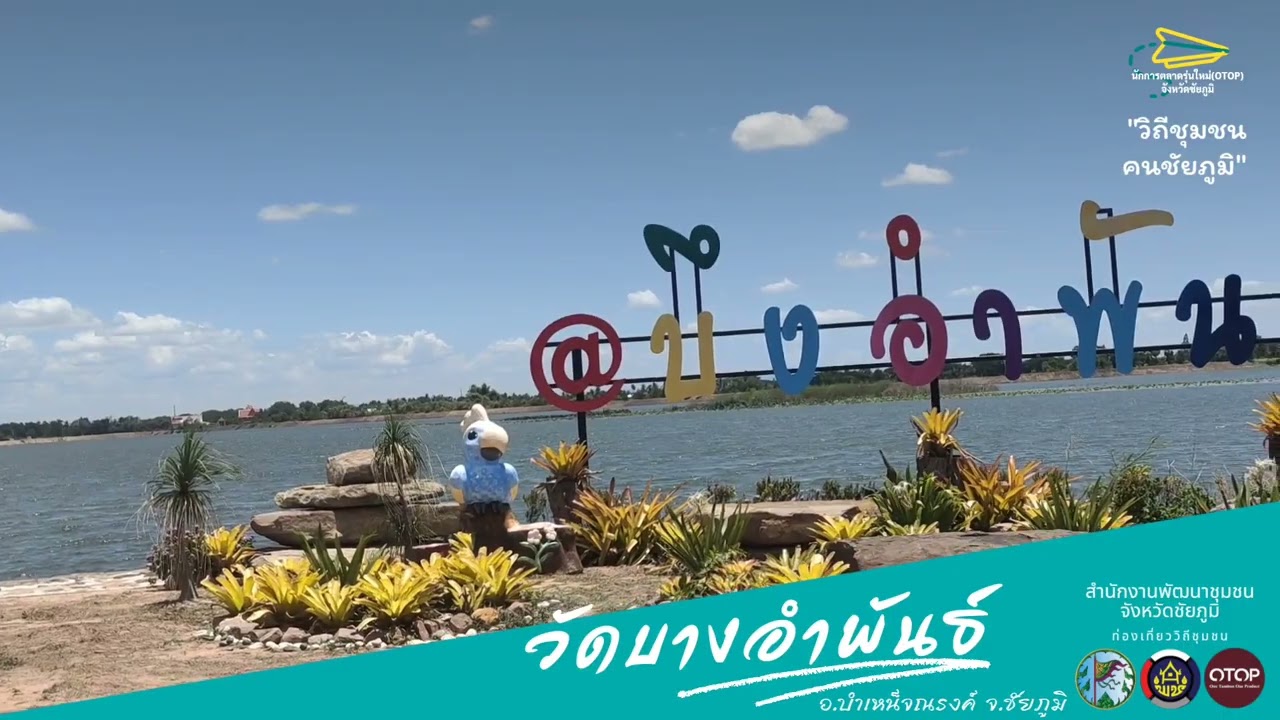
 Click to Access the Navigation Map GPS
Bueng Bang Amphun Map
Recommend

 Art, Culture and Heritage
 Historical Sites and Monuments(1)
 Landmarks and Memorials(3)
 Royal Palace(1)
 Art, Craft Centres, Tradition(3)
 Educational Places
 Educational Gardens, Farm(1)
 Places of Worship
 Temple(141)
 Other Sacred Sites(7)
 Suburban Living
 Village, Community(4)
 National Parks and Marine Reserves(7)
 Mountain (Doi)(5)
 Dam, Reservoir, Lake(10)
 Waterfalls(15)
 Caves(5)
River, Canal(4)
Caves(5)
River, Canal(4)
 Other natural attractions(1)
 Entertainment and Agricultural
 Farms, Parks and Ecotourism(2)


