
lovethailand home >Northeastern Travel Attractions >Chaiyaphum Travel Attractions >Kaset Sombun >Nong Kha > Tham Phra Phu Kratae
TL;DR: Tham Phra Phu Kratae is located at Non Kok Subdistrict, Kaset Sombun District, Chaiyaphum Province 36120, Thailand, open Daily, hours Recommended for daytime visits.
Tham Phra Phu Kratae
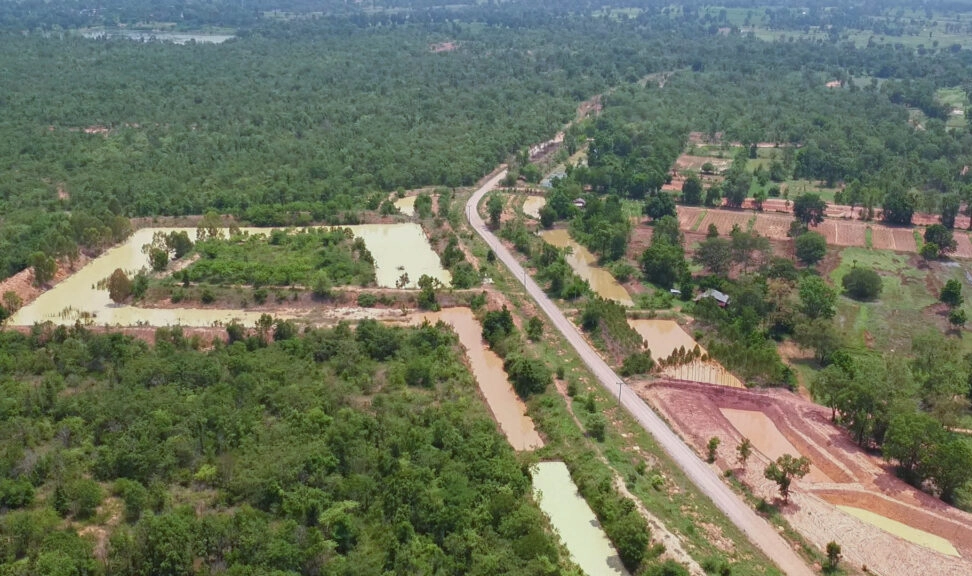
Open Days: Daily
Opening Hours: Recommended for daytime visits
Tham Phra Phu Kratae, also known as Phu Kratae Monastery, is a sacred cave and hillside Buddhist site in Kaset Sombun District, Chaiyaphum Province. It is respected by residents of Nong Kha Subdistrict, Non Kok Subdistrict, Ban Nok Chao, and nearby communities as a place of worship, merit-making, and local spiritual gathering. The site is especially known for its annual Buddha image bathing tradition held on the 15th waxing moon of the 5th lunar month, usually in April, around the Songkran season.
Tham Phra Phu Kratae is not a mainstream tourist attraction designed for mass tourism. Its appeal lies in its quiet religious atmosphere, hillside setting, cave shrine, and strong connection with local community life. Travelers who visit this place will experience a form of Thai cultural tourism that is deeply rooted in faith rather than commercial presentation. The journey to the cave feels like a gradual movement from village life into a peaceful sacred landscape.
The name “Phu Kratae” reflects the natural character of the area. In the northeastern Thai context, the word “phu” means a hill or mountain, while “kratae” refers to a small animal often associated with natural surroundings. The name gives the place a simple but memorable identity, linking it with forests, hills, wildlife, and the rural landscape of Chaiyaphum.
For local people, Tham Phra Phu Kratae is more than a cave. It is a spiritual center where villagers come to pay respect to sacred Buddhist images, make merit, and maintain a tradition passed down through community practice. The cave and hillside area have become part of local memory. Many families know the place through annual merit-making, village gatherings, and the Buddha image bathing ceremony that brings people back together each year.
The annual Buddha image bathing ceremony at Tham Phra Phu Kratae is held on the 15th waxing moon of the 5th lunar month. This timing usually falls in April and is closely associated with the Thai New Year atmosphere of Songkran. The ritual carries the meaning of purification, renewal, blessing, and respect. Villagers prepare clean water, scented water, flowers, offerings, and merit-making items before walking up to the sacred area to bathe the Buddha images and pay homage.
The ceremony is simple, sincere, and strongly community-based. People gather not only to perform a religious act but also to reconnect with relatives, elders, neighbors, and their ancestral place of faith. For visitors, this tradition offers a meaningful opportunity to observe how Buddhism, local identity, and rural community life remain closely connected in northeastern Thailand.
The sacred areas of Tham Phra Phu Kratae include the cave shrine, the walking route up the hill, places for worship, and the site associated with the Five Buddha Images. These elements make the place spiritually important to local residents. The presence of the Five Buddha Images adds symbolic depth to the site and gives visitors a clearer understanding of why the hill and cave are treated with respect.
The surrounding landscape also plays an important role in the experience. The site is located in a rural hillside environment where visitors can feel the quietness of trees, rocks, sunlight, and open air. The ascent toward the cave is part of the experience, especially for those who value slow travel, cultural learning, and Buddhist pilgrimage routes. It is best to wear proper walking shoes, carry drinking water, and visit during daylight hours.
Visitors should approach Tham Phra Phu Kratae with respect. Modest clothing is recommended because the site is a Buddhist religious place. Loud behavior, littering, touching or moving sacred objects, and writing on rocks or surfaces should be avoided. This is a living sacred place for the local community, not merely a scenic stop for photographs.
For cultural travelers, the most meaningful time to visit is during the annual Buddha image bathing ceremony in April. On that day, visitors can see villagers walking to the sacred site, carrying offerings, joining the ritual, and maintaining a tradition that has been part of community life for generations. The ceremony reveals the living role of the site much more clearly than a normal sightseeing visit.
The symbolism of water is especially important in this tradition. In Thai Buddhist and Songkran culture, water represents cleansing, coolness, respect, and blessing. When water is used to bathe Buddha images at a sacred cave on a hill, the ritual becomes more than a seasonal custom. It connects faith, nature, memory, and the hope for peace and well-being in the year ahead.
Tham Phra Phu Kratae is also a useful starting point for understanding local tourism in Kaset Sombun District. The area contains villages, temples, small shrines, natural landscapes, and rural roads that reveal a quieter side of Chaiyaphum Province. Travelers can combine the visit with nearby places such as Phu Kratae Scout Camp, Non Khwa Dam, Wat Phra That Nong Sam Muen, Wat Pa Sukato, Pha Hua Nak Viewpoint, and Mo Hin Khao.
Unlike heavily developed attractions, Tham Phra Phu Kratae retains a modest and local character. Facilities are basic, and travelers should be prepared for a rural religious and natural site. Bringing drinking water, sun protection, personal medicine, and a small bag for carrying trash back out is recommended. Visitors traveling with children or elderly family members should take extra care on uphill or uneven sections.
The site is best experienced slowly. Instead of rushing to take photos and leave, visitors should take time to observe the atmosphere, the way local people use the sacred space, and the relationship between the cave, hill, forest, and Buddhist faith. This slower approach helps foreign travelers understand why small community shrines can be deeply meaningful in Thailand.
The cave and hill also reflect a wider pattern in Thai religious culture. Caves and mountains are often seen as peaceful places suitable for meditation, worship, and spiritual reflection. At Tham Phra Phu Kratae, this meaning is expressed through the simple setting of a forest monastery and the annual ritual that continues to bring villagers together.
Photography is possible, but visitors should be considerate. During ceremonies, avoid standing too close to worshippers or interrupting the ritual. If local residents are praying, preparing offerings, or bathing Buddha images, allow them space. Respectful observation is often the best way to learn from a cultural event.
For families, the site can be a valuable place to introduce children to Thai Buddhist customs, local traditions, and environmental respect. Children can learn that traditions are not only performances but living practices maintained by real communities. This makes Tham Phra Phu Kratae a meaningful educational stop as well as a place for worship.
Foreign travelers should also understand that exact schedules and local arrangements may vary each year according to the lunar calendar and community practice. The key annual date is the 15th waxing moon of the 5th lunar month. Travelers who wish to attend the ceremony should check the Thai lunar calendar and plan to arrive early in the day.
Getting There is most convenient by private car or rental car. From Chaiyaphum town, travel toward Kaset Sombun District, continue to Non Kok Subdistrict and the Ban Nok Chao area, then use the map reference 5WM6+G86 or search for Phu Kratae Monastery. Daytime travel is recommended because the route passes through rural roads and local communities, and some sections may involve uphill access.
When visiting, travelers should drive carefully near villages, avoid blocking local roads, and follow any guidance from community members or monastery caretakers. During the annual ceremony, there may be more people and vehicles than usual, so arriving early helps make the visit smoother and more respectful.
Tham Phra Phu Kratae is suitable for travelers seeking a deeper and quieter side of Chaiyaphum. It is a destination for those interested in Buddhism, rural traditions, sacred landscapes, and community-based travel. The site may appear simple, but its cultural value is strong because it continues to function as a place of worship and annual gathering for local people.
For those who want to understand Thailand beyond famous landmarks, Tham Phra Phu Kratae offers a genuine local experience. Its cave, hill, Buddha images, forest atmosphere, and annual water blessing tradition all combine to create a place where faith, nature, and community memory remain alive. Visiting with respect allows travelers to appreciate not only the scenery but also the meaning that local people have preserved for generations.
| Name | Tham Phra Phu Kratae / Phu Kratae Monastery |
| Location | Non Kok Subdistrict, Kaset Sombun District, Chaiyaphum Province 36120, Thailand |
| Address / Map Reference | 5WM6+G86, Non Kok, Kaset Sombun District, Chaiyaphum 36120, Thailand |
| Highlights | Sacred hillside cave, Buddhist worship site, local spiritual landmark, and annual Buddha image bathing tradition |
| History / Importance | A sacred place where local communities make merit, pay respect to Buddha images, and gather for the annual Buddha image bathing ceremony on the 15th waxing moon of the 5th lunar month |
| Name Origin | “Phu” means hill or mountain in the local northeastern context, while “Kratae” refers to a small animal associated with natural surroundings |
| Distinctive Features | A quiet Buddhist cave and hill shrine with a forest monastery atmosphere, worship areas, hillside walking route, and local religious tradition |
| Annual Tradition | Buddha image bathing ceremony held on the 15th waxing moon of the 5th lunar month, usually in April |
| Main Areas / Zones | 1. Hill entrance and monastery area 2. Walking route to the cave 3. Cave shrine and worship area 4. Five Buddha Images area 5. Forest and natural viewpoint area 6. Area used for the annual Buddha image bathing tradition |
| Caretaker | Phu Kratae Monastery together with Ban Nok Chao and nearby local communities |
| Travel Information | Private car or rental car is the most convenient option. Travel toward Kaset Sombun District, continue to Non Kok Subdistrict and Ban Nok Chao area, and visit during daylight hours |
| Current Status | A community sacred site and forest monastery area used for worship, cultural activities, and nature-based visits in Kaset Sombun District |
| Open Days | Daily |
| Opening Hours | Recommended for daytime visits |
| Facilities | Worship area, monastery area, hillside walking route, and basic natural-site facilities |
| Nearby Tourist Attractions | 1. Phu Kratae Scout Camp, about 4 km 2. Non Khwa Dam, about 11 km 3. Wat Phra That Nong Sam Muen, about 35 km 4. Wat Pa Sukato, about 46 km 5. Pha Hua Nak Viewpoint, about 65 km 6. Mo Hin Khao, about 70 km |
| Nearby Restaurants | 1. Krua Maem Laab Koi, about 7 km 2. Tiwpha Cafe, about 16 km, Tel. 099-292-9898 3. Baan Hao Coffee, about 17 km 4. No Nu Cafe Kaset Sombun, about 18 km, Tel. 086-543-2422 5. Na Hao Cafe, about 18 km, Tel. 096-418-7365 6. Phulan Cafe Ville, about 63 km |
| Nearby Accommodations | 1. Zeya & C Resort, about 4 km, Tel. 061-462-4904 2. Ban Khao Rao Suk Resort, about 7 km, Tel. 089-779-1867 3. Ban Pao Garden Home Resort, about 22 km, Tel. 082-882-6535 4. Namfon Resort, about 25 km 5. Yada Phu View Farmstay, about 40 km, Tel. 099-632-7154 |
Frequently Asked Questions (FAQ)
Q: Where is Tham Phra Phu Kratae located?
A: Tham Phra Phu Kratae, also known as Phu Kratae Monastery, is located in Non Kok Subdistrict, Kaset Sombun District, Chaiyaphum Province, Thailand.
Q: Why is Tham Phra Phu Kratae important?
A: It is a sacred hillside cave and Buddhist worship site respected by nearby communities, especially residents of Nong Kha, Non Kok, and Ban Nok Chao.
Q: When is the annual Buddha image bathing ceremony held?
A: The ceremony is held on the 15th waxing moon of the 5th lunar month, usually in April around the Songkran season.
Q: What should visitors prepare before going?
A: Visitors should wear modest clothing, use proper walking shoes, bring drinking water and sun protection, and visit during daylight hours.
Q: Is Tham Phra Phu Kratae suitable for foreign travelers?
A: Yes. It is suitable for travelers interested in Buddhism, local traditions, sacred landscapes, and quiet rural cultural experiences in Thailand.
Q: What can visitors see at Tham Phra Phu Kratae?
A: Visitors can see the cave shrine, hillside route, worship areas, the Five Buddha Images area, forest scenery, and the annual Buddha image bathing tradition in April.
Q: Is there an admission fee?
A: The site is a monastery and community worship area. Visitors may prepare a voluntary donation for merit-making according to personal faith.
Q: What is the best time to visit?
A: Morning or late afternoon is best for a normal visit. Travelers who want to experience the local tradition should visit on the 15th waxing moon of the 5th lunar month.
 Category: ●Nature and Wildlife
 Group: ●Caves
Last Update : 1 MonthAgo
 Last Update : 1 MonthAgo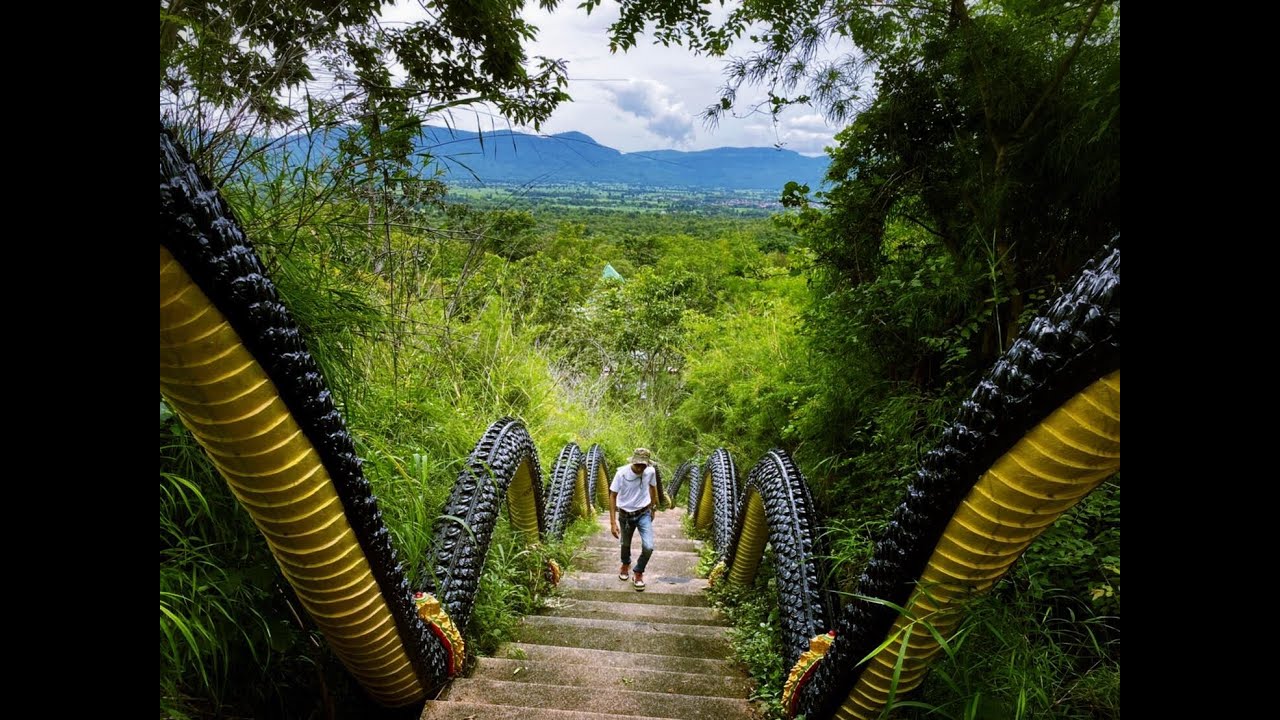
 Click to Access the Navigation Map GPS
Tham Phra Phu Kratae Map
Recommend

 Art, Culture and Heritage
 Historical Sites and Monuments(1)
 Landmarks and Memorials(3)
 Royal Palace(1)
 Art, Craft Centres, Tradition(3)
 Educational Places
 Educational Gardens, Farm(1)
 Places of Worship
 Temple(141)
 Other Sacred Sites(7)
 Suburban Living
 Village, Community(4)
 National Parks and Marine Reserves(7)
 Mountain (Doi)(5)
 Dam, Reservoir, Lake(10)
 Waterfalls(15)
Caves(5)
Waterfalls(15)
Caves(5)
 River, Canal(4)
 Other natural attractions(1)
 Entertainment and Agricultural
 Farms, Parks and Ecotourism(2)


