
lovethailand home >North Travel Attractions >Uthai Thani Travel Attractions >Thap Than >Nong Krathum > Wat Wang Sarika
TL;DR: Wat Wang Sarika is located at Ban Wang Sarika, Nong Krathum Subdistrict, Thap Than District, Uthai Thani Province, open Daily, hours 08.00 – 17.00.
Wat Wang Sarika
Open Days: Daily
Opening Hours: 08.00 – 17.00
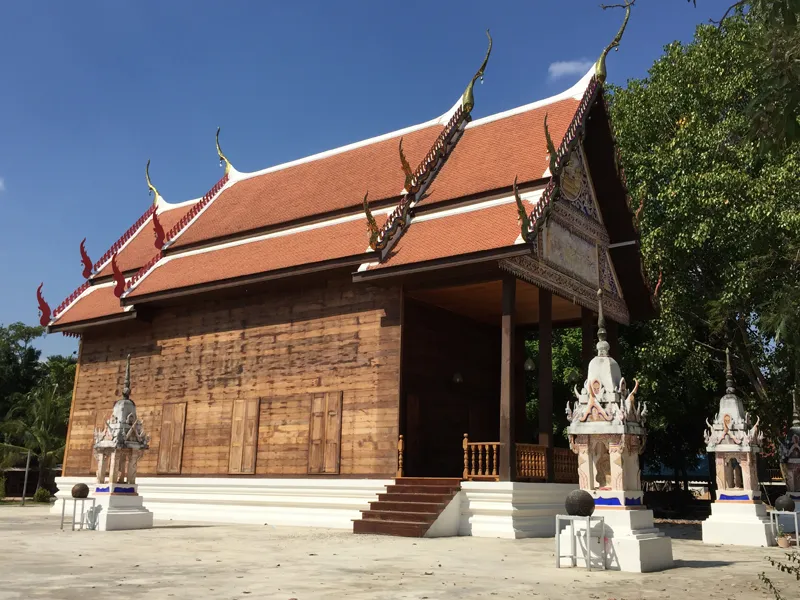
Wat Wang Sarika is an old community temple in Nong Krathum Subdistrict, Thap Than District, Uthai Thani Province. It is especially notable for its wooden ubosot, or ordination hall, which gives the temple a distinctive architectural character rarely seen in many modern Thai temples. Instead of being built mainly with concrete walls, the ubosot preserves wooden wall construction, supported by a lower brick-and-mortar base. This combination gives the building both structural strength and the warm, natural atmosphere of traditional Thai wood architecture.
For international travelers, Wat Wang Sarika offers a meaningful look at a quieter side of Thai temple culture. It is not a large or crowded tourist temple, but it preserves an important example of local craftsmanship, Buddhist architecture, and community faith in rural Uthai Thani. The temple belongs to the Mahanikaya monastic order and has served the surrounding community as a place for worship, merit-making, religious ceremonies, and cultural continuity. Its value lies in details: the wooden ubosot, stucco pediments, Buddha-life imagery, wooden doors and windows, marble boundary stones, and the peaceful atmosphere of a village temple.
The history of Wat Wang Sarika dates back to around 1891. The temple was initiated by Nai Sao Yaep Khettrakorn, whose role in establishing the temple reflects the importance of local faith in building religious institutions. In rural Thai communities, temples were not created merely as buildings. They were founded as spiritual centers where villagers could gather, make merit, receive teachings, hold ceremonies, and pass Buddhist traditions to the next generation. Wat Wang Sarika therefore represents both religious devotion and community identity.
The temple’s most important feature is the wooden ubosot located on the eastern side near the front of the temple. The building has 5 bays, including a front veranda, and measures approximately 7.10 meters wide and 17.30 meters long. Its base is made of brick and mortar combined with reinforced concrete, while the pillars and roof structure are made of hardwood. The roof is covered with unglazed terracotta tiles and decorated with traditional Thai roof ornaments, including chofa, bai raka, and hang hong. These elements create a balanced form that is both modest and elegant.
From the outside, the wooden walls immediately distinguish the ubosot from more common concrete ordination halls. Wood gives the building a warm and calm character. The surface of the wooden walls changes visually with light and shadow throughout the day, creating a natural rhythm that makes the building feel alive. Morning and late afternoon light are especially suitable for appreciating the texture of the wood and the quiet atmosphere around the temple compound.
The front and rear pediments are among the most beautiful details of the ubosot. They are decorated with stucco work, lacquer, and glass inlay, presenting scenes from the life of the Buddha. In Thai temple architecture, the pediment is an important space for religious storytelling and ornamentation. At Wat Wang Sarika, the stucco decoration contrasts beautifully with the wooden walls. The glass inlay catches the light, giving the pediment a sacred brightness while still remaining harmonious with the rural temple setting.
The combination of wood, stucco, lacquer, and glass makes the ubosot especially interesting. The wooden walls express simplicity and closeness to nature, while the decorated pediments express sacred meaning and artistic refinement. This balance is one of the reasons Wat Wang Sarika is worth visiting. The building is not overly grand, yet it is rich in craftsmanship and meaning. It shows how local temples could create beauty through proportion, material, and faith rather than through monumental scale.
Inside the ubosot, the principal Buddha image forms the spiritual center of the building. The wooden interior creates a calm and intimate atmosphere for worship, meditation, and reflection. Compared with many concrete temple buildings, a wooden ubosot offers a different sensory experience. The natural material, subdued light, and quiet interior help create a strong feeling of stillness. Visitors can appreciate how architecture supports spiritual practice through atmosphere as well as form.
The doors and windows are wooden panels that harmonize with the overall structure of the building. Folding doors and carved motifs associated with Himavanta forest creatures reflect Thai artistic imagination. In Thai cosmology and literature, the Himavanta forest is a mythical realm filled with extraordinary beings such as kinnari, nagas, lions, and hybrid animals. When such imagery appears in a sacred building, it creates a symbolic environment that suggests protection, auspiciousness, and a world beyond ordinary human experience.
Himavanta animals in Thai art are not merely decorative. They represent a world where Buddhist belief, literature, and local imagination meet. Some figures symbolize protection, some suggest power and fertility, and others express the beauty of a sacred realm. Their appearance around doorways or sacred architectural elements helps mark the transition from the ordinary outside world into a Buddhist ritual space. Visitors entering the ubosot are therefore invited to behave with respect and mindfulness.
Around the ubosot are marble boundary stones placed in all 8 directions. The boundary stones mark the sacred limits of the ordination hall, where formal monastic ceremonies are performed. Each boundary stone is sheltered by a small busabok-style structure, adding elegance and sacred emphasis to the area around the ubosot. In Thai Buddhism, such markers are essential because they define the proper ritual space for important acts of the Sangha, including ordination.
The wooden ubosot at Wat Wang Sarika has value on several levels. Architecturally, it is an important surviving example of wooden religious construction in Uthai Thani. Artistically, it contains decorated pediments, Buddha-life imagery, glass inlay, wooden doors and windows, and marble boundary stones. Religiously, it remains a sacred place for worship and monastic ceremonies. Socially, it is a heritage building maintained by the faith of the local community.
Wat Wang Sarika also shows the continuing role of Thai temples in rural community life. Local people come to the temple for merit-making, sermons, Buddhist holy days, ceremonies, and community events. The temple is not simply a historic building. It is a living religious space where Buddhism continues to shape social relationships, memory, and local identity. Visitors should therefore approach the temple not only as an architectural attraction, but as an active sacred space.
Because the ubosot is made largely of wood, preservation is especially important. Wood is a natural material affected by moisture, sunlight, rain, insects, and time. The survival of this building shows the importance of local care and respect. Visitors can help preserve it by not touching old surfaces unnecessarily, not scratching or writing on the wood, and not leaning on doors, windows, or decorative elements. Respectful travel helps protect the temple for future generations.
Wat Wang Sarika is suitable for travelers who enjoy slow cultural exploration. Those interested in old temples, wooden architecture, Thai craftsmanship, Buddhist imagery, and rural heritage should allow at least 30 minutes to 1 hour for a visit. The experience is best when visitors take time to observe the overall form of the ubosot, the pediments, wooden walls, doors, windows, boundary stones, and the atmosphere of the temple courtyard.
Getting There is easiest by private car. Visitors should travel to Nong Krathum Subdistrict in Thap Than District, Uthai Thani Province, and continue to Ban Wang Sarika. The surrounding route passes through rural communities and local roads. Travelers without a private car can use a hired vehicle or motorcycle taxi from Thap Than town, and should agree on the return trip in advance to avoid inconvenience.
Wat Wang Sarika can be combined with other cultural sites in Thap Than District, such as Wat Thap Than Watthanaram, Wat Don Wai, Wat Khao Khok Kho, and local cafés or restaurants in Thap Than town. This route is suitable for travelers who want to see Uthai Thani beyond the main city attractions and experience local temples with distinctive craftsmanship.
For photography, the temple offers several strong subjects: the wooden ubosot, stucco pediments, chofa, bai raka, hang hong, wooden side walls, doors, windows, and interior atmosphere. Morning or late afternoon light is best for photographing wood texture and decorative details. Visitors should avoid using flash inside the ubosot and should not disturb monks or local worshippers.
Visitors should dress modestly and behave respectfully. Shoulders and knees should be covered, voices should be kept low, and sacred objects should not be touched without permission. If any area is closed or marked with temple instructions, visitors should follow the guidance carefully. Wat Wang Sarika remains an active Buddhist temple, so respectful behavior is essential.
For foreign travelers, Wat Wang Sarika is a useful example of a rural Thai temple with a wooden ordination hall. It shows that Thai temple architecture is highly diverse. Not every important temple is large, richly gilded, or crowded. Some of the most meaningful places are quiet community temples where craftsmanship, faith, natural materials, and local identity remain closely connected.
In summary, Wat Wang Sarika in Uthai Thani Province is a culturally valuable temple known for its wooden ubosot. The building combines wooden walls, a brick-and-mortar base, hardwood pillars and roof structure, unglazed terracotta roof tiles, stucco pediments with Buddha-life imagery, glass inlay, wooden doors and windows, and marble boundary stones in all 8 directions. For travelers interested in Buddhist architecture, Thai craftsmanship, and peaceful rural temples, Wat Wang Sarika is a worthwhile destination in Thap Than District.
| Name | Wat Wang Sarika |
| Location | Ban Wang Sarika, Nong Krathum Subdistrict, Thap Than District, Uthai Thani Province |
| Address | Nong Krathum Subdistrict, Thap Than District, Uthai Thani Province, Thailand |
| Coordinates | Approximately 15.42, 99.91 |
| Highlights | Wooden Ubosot, Wooden Wall Construction, Brick-And-Mortar Base, Stucco Pediments With Buddha-Life Imagery, Wooden Doors And Windows, And Marble Boundary Stones Around The Ubosot In All 8 Directions |
| History | Established Around 1891 By Nai Sao Yaep Khettrakorn. The Temple Is A Mahanikaya Community Temple And An Important Local Religious Site In Nong Krathum Subdistrict, Thap Than District |
| Name Origin | The Name Is Connected With Ban Wang Sarika, A Local Community In Nong Krathum Subdistrict, Thap Than District |
| Distinctive Features | A Rural Temple With A 5-Bay Wooden Ubosot, Including A Front Veranda, Measuring Approximately 7.10 Meters Wide And 17.30 Meters Long, With A Reinforced Brick-And-Mortar Base, Hardwood Pillars, And A Roof Covered With Unglazed Terracotta Tiles |
| Travel Information | Private Car Is The Most Convenient Option. Travel To Nong Krathum Subdistrict In Thap Than District And Continue To Ban Wang Sarika. Visitors Without A Private Car Can Hire A Local Vehicle Or Motorcycle Taxi From Thap Than Town |
| Current Status | Open To Visitors And Worshippers |
| Open Days | Daily |
| Opening Hours | 08.00 – 17.00 |
| Fees | No Admission Fee |
| Facilities | Worship Area, Wooden Ubosot, Temple Courtyard, Community Activity Area, And Parking Area Within Or Near The Temple |
| Main Areas / Zones | 1. Wooden Ubosot 2. Stucco Pediments With Glass Inlay 3. Wooden Doors And Windows 4. Marble Boundary Stones In 8 Directions 5. Busabok-Style Boundary Stone Shelters 6. Principal Buddha Image Inside The Ubosot 7. Temple Courtyard And Community Religious Activity Area |
| Abbot / Caretaker | Phra Khru Uthet Thammasathit Achito |
| Nearby Tourist Attractions | 1. Wat Thap Than Watthanaram, About 10 km 2. Chao Pho Chao Mae Thap Than Shrine, About 10 km 3. Phra Phuttha Metta Arch, Thap Than, About 11 km 4. Wat Don Wai, About 13 km 5. Wat Khao Khok Kho, About 16 km 6. Wat Sangkat Rattana Khiri And Khao Sakae Krang, About 30 km |
| Nearby Restaurants | 1. Mom’s Secret Garden, About 10 km, Tel. 099-261-9666 2. CLEAN CAFE, About 10 km, Tel. 088-559-3156 3. Kuai Chap Je Ngueng Thap Than, About 10 km 4. Baan Rai Plai Na, About 16 km 5. Brew Cafe, About 18 km |
| Nearby Accommodations | 1. Bunga Resort @ Thap Than, About 10 km, Tel. 081-973-0577 2. Homestay Thap Than, About 10 km, Tel. 088-156-4490 3. 4/7 Resort, About 10 km, Tel. 065-654-5098, 080-115-8845 4. Nam Hom Resort, About 18 km, Tel. 089-035-3637, 086-603-1122 5. C2U Hotel Uthai-Thani, About 28 km |
Frequently Asked Questions (FAQ)
Q: Where Is Wat Wang Sarika Located?
A: Wat Wang Sarika is located in Ban Wang Sarika, Nong Krathum Subdistrict, Thap Than District, Uthai Thani Province.
Q: What Is Wat Wang Sarika Known For?
A: It is known for its wooden ubosot, wooden wall construction, stucco pediments with Buddha-life imagery, wooden doors and windows, and marble boundary stones around the ubosot.
Q: What Makes The Ubosot At Wat Wang Sarika Special?
A: The ubosot is a 5-bay wooden building with a front veranda, wooden walls, a brick-and-mortar reinforced base, hardwood pillars, and a roof covered with unglazed terracotta tiles.
Q: When Was Wat Wang Sarika Established?
A: Wat Wang Sarika was established around 1891 by Nai Sao Yaep Khettrakorn.
Q: Is There An Admission Fee?
A: No. There is no admission fee for visiting the temple.
Q: Who Is The Abbot Of Wat Wang Sarika?
A: The abbot is Phra Khru Uthet Thammasathit Achito.
Q: How Long Should Visitors Spend At Wat Wang Sarika?
A: Around 30 minutes to 1 hour is suitable for paying respect, viewing the wooden ubosot, and observing the artistic details at a relaxed pace.
Q: What Nearby Places Can Visitors Combine With Wat Wang Sarika?
A: Nearby places include Wat Thap Than Watthanaram, Chao Pho Chao Mae Thap Than Shrine, Wat Don Wai, Wat Khao Khok Kho, and Wat Sangkat Rattana Khiri.
 Category: ●Places of Worship
 Group: ●Temple
Last Update : 3 MonthAgo
 Last Update : 3 MonthAgo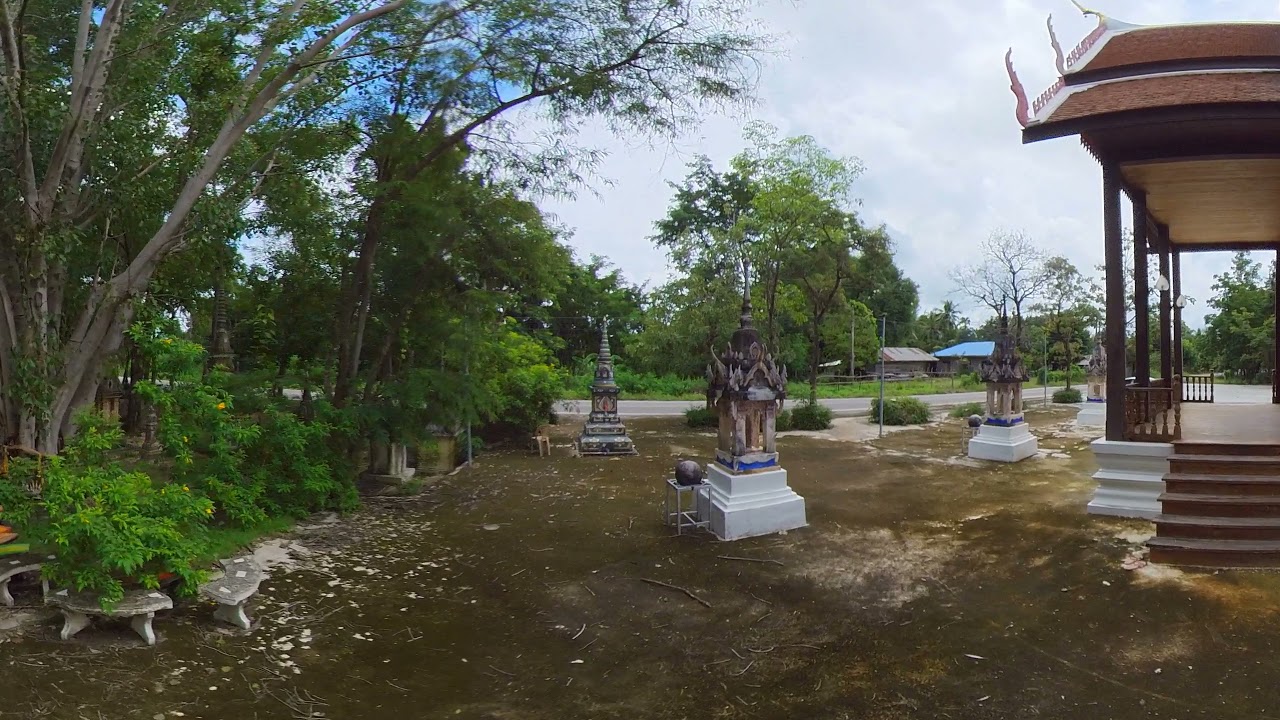
 Click to Access the Navigation Map GPS
Wat Wang Sarika Map
Recommend

 Art, Culture and Heritage
 Historical Sites and Monuments(3)
 Landmarks and Memorials(1)
 Art, Craft Centres, Tradition(5)
 Museums(1)
Temple(31)
Museums(1)
Temple(31)
 Other Sacred Sites(3)
 Suburban Living
 Village, Community(4)
 Local Market(1)
 Nature and Wildlife
 National Parks and Marine Reserves(2)
 Mountain (Doi)(7)
 Dam, Reservoir, Lake(5)
 Waterfalls(5)
 Hot Springs(1)
 Caves(9)
 Flower Field(2)
 River, Canal(2)
 Islands(1)
 Other natural attractions(1)
 Entertainment and Agricultural
 Farms, Parks and Ecotourism(2)
 Shopping
 Shopping and Night Market(1)


