
lovethailand home >North Travel Attractions >Uthai Thani Travel Attractions >Sawang Arom >Phai Khieow > Bueng Khok Chang Ancient Town
TL;DR: Bueng Khok Chang Ancient Town is located at Phai Khiao Subdistrict, Sawang Arom District, Uthai Thani Province, open Open Archaeological Landscape, hours Daytime Visit Recommended.
Bueng Khok Chang Ancient Town
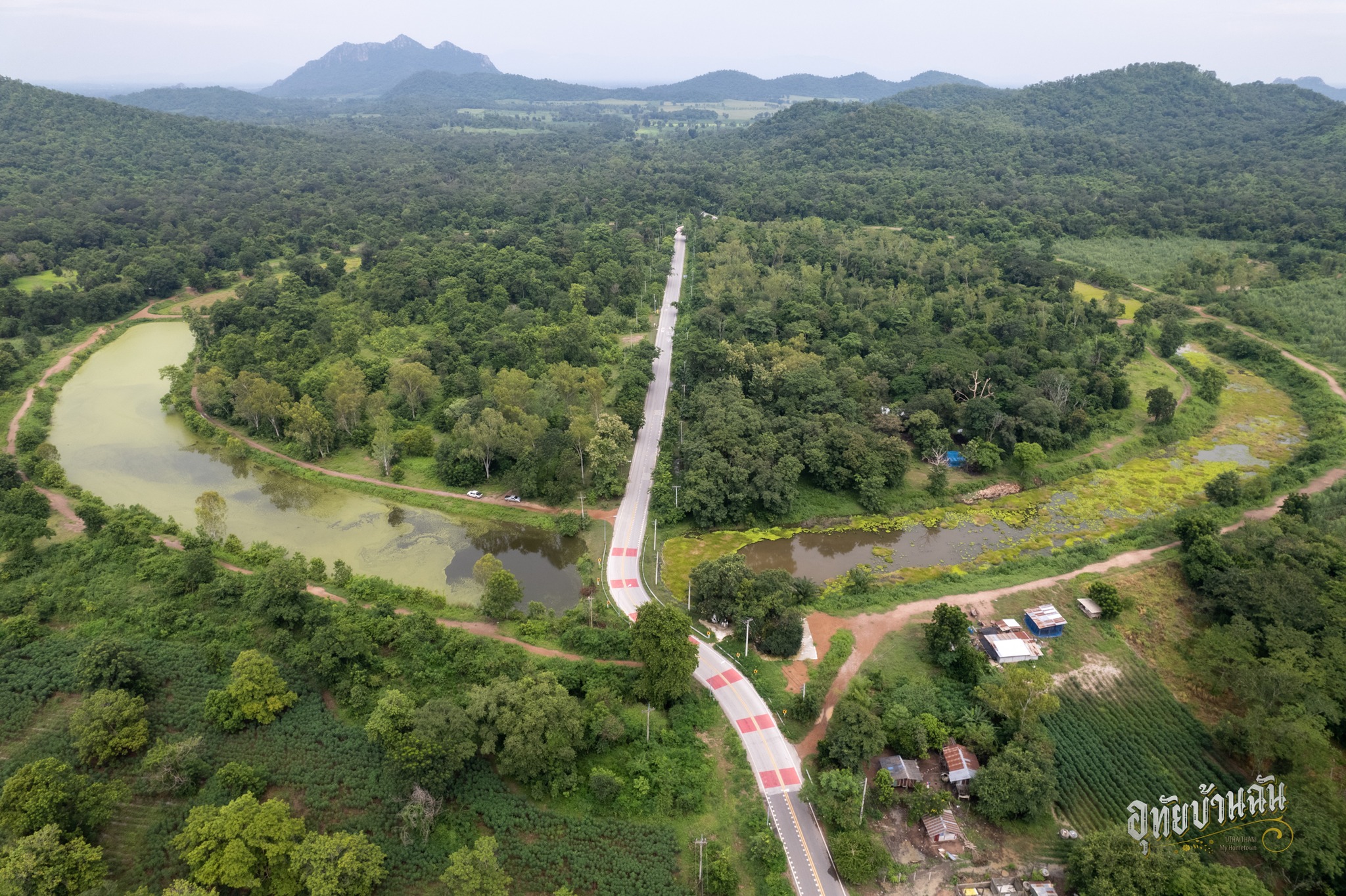
Open Days: Open Archaeological Landscape
Opening Hours: Daytime Visit Recommended
Bueng Khok Chang Ancient Town is located in Phai Khiao Subdistrict, Sawang Arom District, Uthai Thani Province. It is one of the province’s most important archaeological landscapes, offering valuable evidence of an ancient settlement associated with the Dvaravati period. Unlike monumental temple ruins where visitors see large standing structures, this site invites travelers to read the landscape itself: the ancient moat, earthen ramparts, woodland setting, and traces of a once-organized town. For foreign travelers interested in Thai history beyond the major tourist routes, Bueng Khok Chang is a meaningful destination that reveals how early communities in central Thailand planned their settlements, managed water, marked urban boundaries, and developed cultural connections with the wider region.
The main value of Bueng Khok Chang Ancient Town lies in its surviving urban layout. The site has an ancient moat and earthen walls surrounding the town area, features that reflect the planning principles of early historic settlements in Thailand. These landscape features were not simply defensive barriers. They were also part of water management, settlement organization, and symbolic urban boundaries. When seen together, the moat and ramparts show that this was not an ordinary village but a structured ancient community with a clear sense of space, protection, and identity.
Archaeological discoveries from the area include pottery fragments, grinding stones, iron tools, ornaments, beads, and inscriptions. These objects help researchers understand how people lived, worked, traded, and expressed belief systems in the past. Pottery reveals daily life, food storage, cooking, and domestic activity. Grinding stones suggest the preparation of food, medicine, or ritual materials. Iron tools point to technological knowledge, agriculture, hunting, and production. Beads and ornaments reflect social identity, aesthetic taste, trade connections, and cultural interaction. Together, these finds make Bueng Khok Chang one of the most valuable archaeological sites for understanding early communities in Uthai Thani.
Among the most important discoveries connected with Bueng Khok Chang are ancient inscriptions. Inscriptions are especially significant because they provide direct evidence of language, script, religious influence, and cultural transmission. Records from inscription databases identify Bueng Khok Chang inscriptions associated with Pallava script and Old Mon language. This links the site to the wider cultural world of the Dvaravati period and the early spread of Indian-influenced culture in mainland Southeast Asia. For visitors, this means Bueng Khok Chang is not only a local archaeological site but also part of a broader historical network that shaped early Thai civilization.
The site is closely associated with the Dvaravati period, a major cultural phase in early Thai history. Dvaravati settlements are often recognized through moated town plans, religious artifacts, inscriptions, and material culture influenced by Indian traditions. Bueng Khok Chang fits into this wider pattern. Its moat, ramparts, artifacts, and inscriptions show that the area once belonged to a cultural landscape far more complex than its quiet present-day appearance might suggest. The ancient town helps expand the historical understanding of Uthai Thani, showing that the province was connected to early cultural developments long before the better-known historical periods of later Thai kingdoms.
The name “Bueng Khok Chang” is also meaningful. Local accounts describe the area as having earthen embankments surrounding it like an enclosure, with water channels around the site. This landscape-based name reflects how local people understood and remembered the place before systematic archaeological interpretation became more widely known. The name preserves a layer of local memory, while archaeology explains that the visible landforms are part of an ancient urban system. For travelers, this connection between local naming and historical evidence adds depth to the experience of visiting the site.
Today, Bueng Khok Chang has the atmosphere of a quiet woodland archaeological site. Large trees cover parts of the area, and sections of the ancient moat have become shallow over time. The site is not presented as a fully reconstructed attraction, so visitors should not expect elaborate facilities, ticket gates, or a polished museum-style experience on site. Its appeal is more subtle and educational. Travelers come here to understand ancient landforms, imagine the town’s past, and appreciate how historical evidence can remain embedded in the ground, the trees, and the shape of the landscape.
Because the site is an open archaeological landscape, a visit is best made during daylight hours. Comfortable walking shoes, drinking water, sun protection, and careful movement through natural ground conditions are recommended. The experience is most rewarding for travelers who prepare by reading about the site before arrival or who travel with someone familiar with local history. The visible remains may not immediately stand out to casual visitors, but once the purpose of the moat and earthen ramparts is understood, the landscape becomes a historical document in itself.
Bueng Khok Chang is especially suitable for educational travel. Students, researchers, cultural travelers, and history enthusiasts can use the site as an outdoor classroom to understand how ancient towns were organized. Terms such as moat, earthen rampart, Dvaravati, inscription, and material culture become much clearer when seen in a real landscape. The site helps transform historical knowledge from abstract text into physical experience. It also encourages visitors to think about conservation, because archaeological landscapes are fragile and can be damaged easily by digging, land alteration, careless walking, or the removal of artifacts.
One important point for visitors is that archaeological value does not depend only on large visible monuments. At Bueng Khok Chang, the most important evidence includes the shape of the land, the moat, the ramparts, and the archaeological objects once discovered there. Even small pottery fragments or beads can carry major historical meaning when studied in context. Visitors should never remove objects from the site. If anything that appears to be an artifact is found, it should be left in place and reported to relevant local or heritage authorities. The location of an artifact is part of its historical value.
For travelers exploring Uthai Thani, Bueng Khok Chang can be combined with nearby natural and cultural attractions. The province is known for quiet travel experiences, temples, river communities, limestone landscapes, and forested areas. A route through Sawang Arom and Lan Sak districts can combine archaeological learning with nature-based travel, including attractions such as Khao Pla Ra, Hup Pa Tat, Tham Prathun Wildlife Non-Hunting Area, and other cultural sites. This makes Bueng Khok Chang a good stop for travelers who prefer slow travel, local history, and less crowded destinations.
Getting There is most convenient by private car. From Mueang Uthai Thani District, follow Highway 3221 through Thap Than District, then continue on Highway 3013 through Sawang Arom District. From Sawang Arom, take Highway 3456 toward Lan Sak District. The distance from Sawang Arom is about 14 km. Travelers will find the Bueng Khok Chang sign and a stupa on the left-hand side, and the road passes through the old town area. Since this is not a heavily commercialized tourist attraction, checking the route in advance and traveling during the day will make the visit easier and safer.
Bueng Khok Chang Ancient Town is not a destination for visitors seeking entertainment or dramatic architecture. It is a destination for those who want to understand Thailand’s deeper historical layers. The site tells a story of settlement, water management, cultural exchange, language, technology, and memory. Its quiet atmosphere allows travelers to imagine how a once-living ancient town gradually became part of the rural landscape. For foreign visitors who want to see a more scholarly and authentic side of Uthai Thani, Bueng Khok Chang offers an experience that is calm, thoughtful, and historically rich.
Conservation is central to the value of the site. Moated settlements and earthen ramparts are vulnerable because they can be damaged by land development, erosion, or careless use. Unlike stone temples, earthen archaeological features may disappear gradually if not recognized and protected. Responsible visitors can help by walking carefully, avoiding damage to earthen banks, not removing objects, and respecting the site as cultural heritage. Visiting Bueng Khok Chang with this awareness turns a simple trip into a meaningful act of learning and preservation.
In summary, Bueng Khok Chang Ancient Town is one of the most important historical and archaeological places in Uthai Thani Province. Its moat, earthen ramparts, artifacts, and inscriptions connect the area with the Dvaravati period and the early cultural development of Thailand. The site may appear quiet today, but beneath its woodland surface lies a deep historical story. For travelers interested in archaeology, ancient towns, local heritage, and the early history of Thailand, Bueng Khok Chang is a destination worth visiting with time, attention, and respect.
| Name | Bueng Khok Chang Ancient Town |
| Location | Phai Khiao Subdistrict, Sawang Arom District, Uthai Thani Province |
| Address | Bueng Khok Chang Ancient Town Area, Phai Khiao Subdistrict, Sawang Arom District, Uthai Thani 61150, Thailand |
| Highlights | Dvaravati-period ancient town with moat, earthen ramparts, archaeological artifacts, and ancient inscriptions |
| History | Associated with the Dvaravati period and early Indian-influenced cultural development in Uthai Thani |
| Name Origin | The local name is linked to earthen embankments surrounding the area like an enclosure, with water channels around the site |
| Distinctive Features | Ancient moat, earthen ramparts, woodland setting, large trees, and open archaeological landscape |
| Key Evidence | Pottery, grinding stones, stone grinding slabs, iron tools, beads, ornaments, and Bueng Khok Chang inscriptions |
| Travel Information | From Mueang Uthai Thani, take Highway 3221 through Thap Than, continue on Highway 3013 through Sawang Arom, then take Highway 3456 toward Lan Sak. The site is about 14 km from Sawang Arom District. |
| Current Status | Open archaeological landscape with woodland conditions and partially shallow moat remains, suitable for historical and educational visits |
| Open Days | Open Archaeological Landscape |
| Opening Hours | Daytime Visit Recommended |
| Fees | No official admission fee information listed |
| Facilities | The site is an open archaeological area. Visitors should bring drinking water, sun protection, and suitable walking shoes. |
| Main Areas / Zones | Moat and earthen ramparts, inner town area, Khao Khiao woodland area, and the outer stupa area associated with inscription discoveries |
| Caretaker / Information Sources | The site appears in cultural environment records by Thailand’s Office of Natural Resources and Environmental Policy and Planning and in Thailand inscription databases. |
| Nearby Tourist Attractions | 1. Sawang Arom District, about 14 km 2. Khao Pla Ra, about 32 km 3. Hup Pa Tat, about 45 km 4. Tham Prathun Wildlife Non-Hunting Area, about 45 km, Tel. 056-989127 5. Wat Tham Khao Wong, about 82 km |
| Nearby Restaurants | 1. Tu Kab Khao Sawang Arom, about 22 km, Tel. 061-445-5009, 095-009-0410 2. Je Juk Sawang Arom, about 24 km, Tel. 056-599048 3. Jungle Café Sawang Arom, about 23 km, Tel. 063-680-5204 4. Krua Roi Yim Sawang Arom, about 22 km 5. Kuai Tiao Kai Yai Phak, Sawang Arom, about 24 km |
| Nearby Accommodations | 1. Baan Sabai Jai Resort Sawang Arom, about 22 km, Tel. 081-929-7729 2. Homestay Khun Yai Lan Sak, about 45 km, Tel. 086-202-7554 3. Baan Chai Khao Home Stay Lan Sak, about 46 km, Tel. 096-008-9949 4. Khao Nam Na Resort Lan Sak, about 48 km, Tel. 092-257-6030, 097-109-6498 5. Hup Pa Tad Homestay Lan Sak, about 46 km, Tel. 081-886-3841 |
Frequently Asked Questions (FAQ)
Q: Where is Bueng Khok Chang Ancient Town located?
A: Bueng Khok Chang Ancient Town is located in Phai Khiao Subdistrict, Sawang Arom District, Uthai Thani Province, Thailand.
Q: Why is Bueng Khok Chang Ancient Town important?
A: It is important because it preserves evidence of a Dvaravati-period ancient settlement, including a moat, earthen ramparts, artifacts, and ancient inscriptions.
Q: What can visitors see at Bueng Khok Chang Ancient Town?
A: Visitors can see the archaeological landscape, including moat traces, earthen ramparts, woodland areas, and the setting of an ancient town. The site is best understood as a historical landscape rather than a reconstructed monument.
Q: Which historical period is Bueng Khok Chang associated with?
A: The site is associated with the Dvaravati period and early Indian-influenced cultural development in mainland Southeast Asia.
Q: How do travelers get to Bueng Khok Chang Ancient Town?
A: From Mueang Uthai Thani, take Highway 3221 through Thap Than, continue on Highway 3013 through Sawang Arom, and then take Highway 3456 toward Lan Sak. The site is about 14 km from Sawang Arom District.
Q: Who should visit Bueng Khok Chang Ancient Town?
A: The site is suitable for history lovers, archaeology enthusiasts, students, cultural travelers, and visitors who enjoy quiet, educational destinations.
Q: What should visitors prepare before going?
A: Visitors should go during the day, wear comfortable walking shoes, bring drinking water and sun protection, and study basic information about the site before arrival.
 Category: ●Art, Culture and Heritage
 Group: ●Historical Sites and Monuments
Last Update : 4 MonthAgo
 Last Update : 4 MonthAgo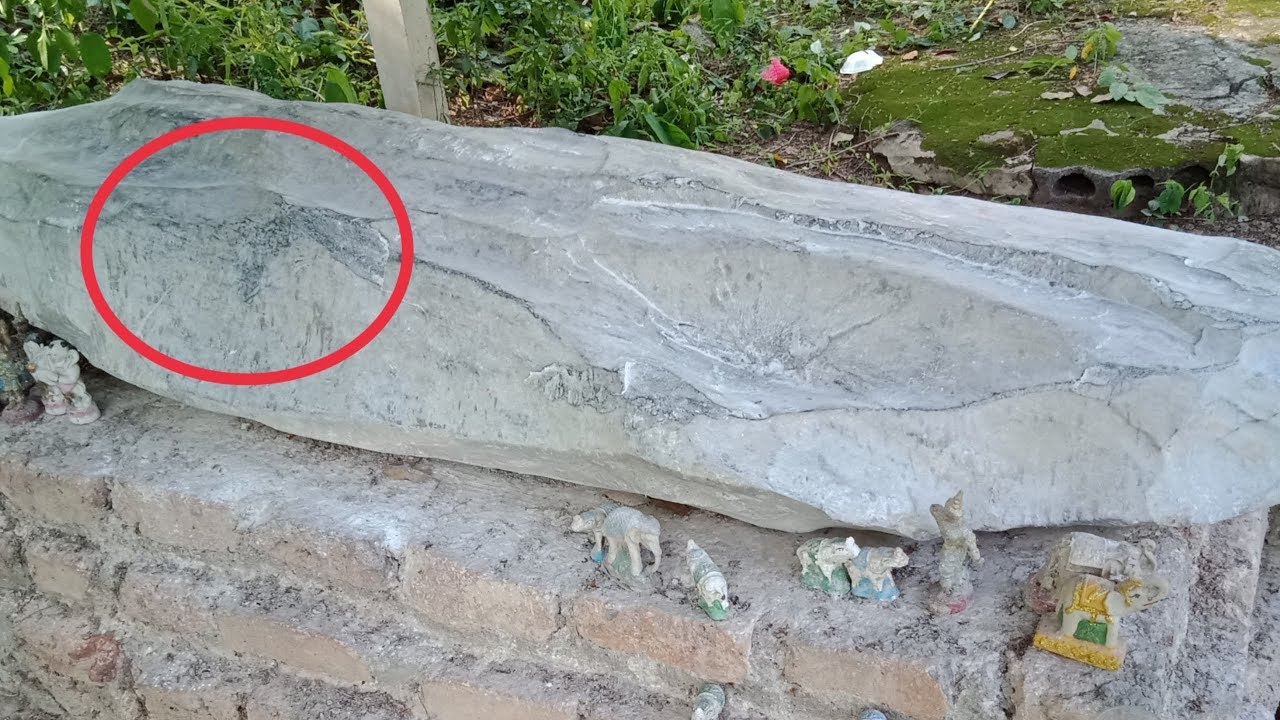
 Click to Access the Navigation Map GPS
Bueng Khok Chang Ancient Town Map
Recommend
 Historical Sites and Monuments(3)
 Landmarks and Memorials(1)
 Art, Craft Centres, Tradition(5)
 Museums(1)
 Places of Worship
 Temple(31)
 Other Sacred Sites(3)
 Suburban Living
 Village, Community(4)
 Local Market(1)
 Nature and Wildlife
 National Parks and Marine Reserves(2)
 Mountain (Doi)(7)
 Dam, Reservoir, Lake(5)
 Waterfalls(5)
 Hot Springs(1)
 Caves(9)
 Flower Field(2)
 River, Canal(2)
 Islands(1)
 Other natural attractions(1)
 Entertainment and Agricultural
 Farms, Parks and Ecotourism(2)
 Shopping
 Shopping and Night Market(1)


