
lovethailand home >Central Travel Attractions >Suphan Buri Travel Attractions >Dan Chang >Dan Chang > Ban Phu Nam Ron Community Museum
TL;DR: Ban Phu Nam Ron Community Museum is located at Ban Phu Nam Ron, Moo 4, Dan Chang Subdistrict, Dan Chang District, Suphan Buri Province, open Advance Contact Recommended Before Visiting, hours Advance Contact Recommended Before Visiting.
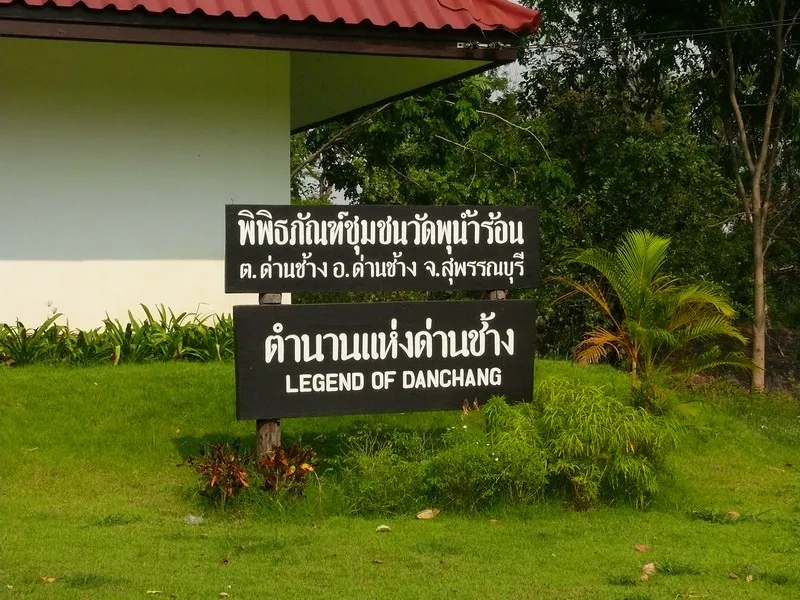
Ban Phu Nam Ron Community Museum
Open Days: Advance Contact Recommended Before Visiting
Opening Hours: Advance Contact Recommended Before Visiting
Ban Phu Nam Ron Community Museum, also known as Wat Phu Nam Ron Community Museum, is located at Ban Phu Nam Ron, Moo 4, Dan Chang Subdistrict, Dan Chang District, Suphan Buri Province. It is one of the most meaningful community-based cultural learning sites in the northwestern part of Suphan Buri. The museum presents the archaeology, ethnic heritage, local history, and community life of Dan Chang District, an area where evidence of human settlement dates back to the Neolithic period, around 4,000 years ago. For international visitors, this small community museum offers a rare opportunity to understand Suphan Buri beyond its better-known temples and city attractions, reaching into prehistoric settlement, ancient technology, ethnic diversity, and community-led heritage preservation.
Dan Chang District has a distinctive geographic setting. It lies on the western and northwestern edge of Suphan Buri Province, near the mountain ranges and border areas connected with Kanchanaburi and Uthai Thani. This landscape contains plains, forested areas, water sources, mineral resources, and natural routes that made it suitable for human occupation in the past. Archaeological surveys have found dense evidence around Ban Phu Nam Ron, Ban Pong Khom, and nearby areas. These discoveries show that Dan Chang was not a remote empty forest, but an important living landscape for ancient communities.
The importance of Ban Phu Nam Ron Community Museum lies in the way it expands the meaning of Dan Chang. Many travelers know the district for mountains, forests, reservoirs, camping areas, and nature tourism. The museum adds another layer by showing that the same landscape also contains deep historical roots. Stone tools, ornaments, pottery, ancient objects, and evidence of metal smelting all suggest that people used this area for settlement, resource use, craft production, ritual activity, and cultural exchange long before the modern district was formed.
The museum grew from the role of Wat Phu Nam Ron as a local center for collecting and preserving ancient objects found in the Dan Chang area. For many years, artifacts and old objects discovered by local people were kept at the temple. Phra Khru Wisit Suwannakhun, also known as Phra Ajarn Saneh, the abbot of Wat Phu Nam Ron, played a central role in caring for these objects and recognizing their cultural value. Later, local authorities, archaeologists, community leaders, and government agencies worked together to develop the collection into a community museum where the objects could be displayed and interpreted more systematically.
The establishment of the museum was the result of cooperation among several groups: Ban Phu Nam Ron community, Wat Phu Nam Ron, Dan Chang Subdistrict Administrative Organization, the community development fund around Dan Chang power plant, the Fine Arts Department, and local leaders. Mr. Paitoon Rakprathet, then Dan Chang District Chief, helped coordinate the collaboration that led to the museum’s establishment. This makes the museum a strong example of local heritage management, where the temple, community, government, and academic sector worked together to protect and present the cultural history of the district.
Ban Phu Nam Ron Community Museum opened to visitors on 19 October 2012. Its main purpose is to serve as a cultural learning center displaying artifacts found in the area and telling the story of Dan Chang people from the Neolithic period to the present. The museum is therefore not only an archaeological display. It connects prehistoric evidence with ethnic communities, local livelihoods, belief systems, resource use, forest conservation, and contemporary community development.
The Neolithic evidence found around Ban Phu Nam Ron and nearby communities is significant because it shows that this area was part of a wider prehistoric network in western central Thailand. Neolithic people knew how to produce and use stone tools, select natural materials such as chert, make ornaments, use pottery, and settle in areas where natural resources were available. Objects such as stone beads, shell bracelets, stone axes, grinding stones, and pottery fragments help visitors imagine the life of people who lived in the area thousands of years ago.
Inside the museum, visitors can see archaeological objects and old items found mainly in Dan Chang District. These include stone tools, stone axes, grinding stones, stone beads, shell bracelets, pottery vessels, bronze axes, and materials related to burial or ritual contexts. These objects are not just ancient items in glass cases. They are evidence of daily life, work, food preparation, craft, personal adornment, ritual practice, and the use of natural resources in the Dan Chang landscape.
Another important theme is ancient metallurgy. Archaeological surveys in Dan Chang have found traces of iron and lead smelting in several areas. This evidence shows that Dan Chang was not only a farming or forest community, but also a place connected with mineral resources and technological activity in the past. Metal smelting evidence helps researchers and visitors understand that even areas far from major ancient cities could play important roles in production, exchange, and resource use.
The museum also reflects the ethnic diversity of Dan Chang District. The area is associated with Karen, Lawa, and Lao Khrang communities. Ban Phu Nam Ron in particular is strongly linked with Lao Khrang identity. Lao Khrang people have distinctive traditions, language, textiles, foodways, rituals, and memories of migration and settlement. By presenting archaeology together with ethnic heritage, the museum offers a fuller understanding of local history. It does not treat the past as a separate ancient world; it connects long-term settlement with living communities.
Wat Phu Nam Ron plays a central role in the community. It is a religious site, a heritage storage place, a learning center, and a starting point for community development. Phra Khru Wisit Suwannakhun has been recognized locally as a development-minded monk who supported forest conservation, community tourism, artifact preservation, and the revival of Lao Khrang textile traditions. His role shows how a temple can function as a center of both spiritual life and local cultural development.
Ban Phu Nam Ron Community Museum is especially suitable for visitors interested in local archaeology, community history, ethnic studies, sustainable community development, and cultural tourism. It shows that history does not exist only in large national museums. It can also be found in temples, village collections, local stories, community memory, and the work of people who preserve objects from their own homeland. This is the charm of a community museum: it may not be large, but it is deeply rooted in place.
Visitors should take time to read the labels, observe the display cases, and connect each object with the landscape of Dan Chang. Stone tools reveal natural resource use. Beads and shell bracelets reveal beauty, social meaning, and exchange. Pottery relates to food, storage, and ritual practice. Metal-smelting evidence reflects technological and economic activity. If local guides or temple representatives are available, their explanations can make the visit much more vivid because they connect the objects with living community memory.
The museum is also closely connected with community-based ecotourism around Huai Kha Khaeng? No, around Hub Khao Wong Reservoir and Ban Phu Nam Ron – Hin Lat Community Forest. This nearby natural area was developed through community forest restoration and local conservation efforts. Travelers can combine a museum visit with a trip to Hub Khao Wong Reservoir, where they can experience forest scenery, water views, camping, raft stays, and simple community-based tourism. This makes Ban Phu Nam Ron a place where archaeology, ethnicity, Buddhism, forest conservation, water resources, and community tourism can be experienced together.
Ban Phu Nam Ron is a strong example of a community that uses both cultural capital and natural capital for local development. Ancient objects tell the story of the past. The community forest protects natural resources. The reservoir supports local tourism. The temple serves as a center of cooperation. The museum gives identity and meaning to the village. A visit here should therefore not be seen only as a short stop to see old objects, but as a chance to understand how a local community preserves its past while developing its future.
Getting There is most convenient by private car or rental vehicle. From Suphan Buri town, travel toward Dan Chang District, then continue to Dan Chang Subdistrict and Ban Phu Nam Ron, Moo 4. Ban Phu Nam Ron is about 20 km from Dan Chang town. Travelers coming from Bangkok can take Highway 340 toward Suphan Buri, continue toward Dan Chang District, and then proceed to Wat Phu Nam Ron. Visitors should contact Wat Phu Nam Ron or Dan Chang Subdistrict Administrative Organization in advance to coordinate the visit and confirm the availability of the exhibition area.
A full-day itinerary can begin with Ban Phu Nam Ron Community Museum in the morning, followed by Hub Khao Wong Reservoir and Ban Phu Nam Ron Community Forest in the afternoon. Travelers can also add Krasiao Dam, Krasiao Dam Beach, Phu Toei National Park, or Karen communities in the highland areas of Dan Chang. With an overnight plan, visitors can stay around Dan Chang or choose community-style accommodation near Hub Khao Wong to experience both cultural heritage and nature-based tourism.
Ban Phu Nam Ron Community Museum deserves to be recognized as one of Suphan Buri’s important cultural learning sites. It proves that the history of Suphan Buri is not limited to ancient cities, major temples, or royal battlefields. It also includes prehistoric communities, ancient metallurgy, ethnic heritage, forest communities, and modern community development. A visit here reveals that Dan Chang’s past still lives in artifacts, stories, temples, forests, and local people who continue to care for the heritage of their homeland.
| Name | Ban Phu Nam Ron Community Museum / Wat Phu Nam Ron Community Museum |
| Location | Ban Phu Nam Ron, Moo 4, Dan Chang Subdistrict, Dan Chang District, Suphan Buri Province |
| Address | Wat Phu Nam Ron, Ban Phu Nam Ron, Moo 4, Dan Chang Subdistrict, Dan Chang District, Suphan Buri 72180, Thailand |
| Highlights | A community museum displaying archaeological objects, stone tools, ancient ornaments, pottery, Neolithic evidence, metal-smelting traces, and ethnic heritage of Dan Chang District |
| History | The area has evidence of human settlement from the Neolithic period around 4,000 years ago and traces of iron and lead smelting in Dan Chang District |
| Key Evidence | Stone tools, stone axes, grinding stones, stone beads, shell bracelets, pottery, bronze axes, and artifacts found around Ban Phu Nam Ron, Ban Pong Khom, and nearby areas |
| Distinctive Features | A community museum connecting archaeology, Lao Khrang, Karen, and Lawa ethnic heritage, Wat Phu Nam Ron, community forest conservation, and nature-based tourism |
| Travel Information | From Suphan Buri town, travel toward Dan Chang District, then continue to Dan Chang Subdistrict and Ban Phu Nam Ron, Moo 4. The village is about 20 km from Dan Chang town. A private car or rental vehicle is recommended. |
| Current Status | A cultural learning site for Ban Phu Nam Ron and Dan Chang District; advance contact is recommended before visiting |
| Open Days | Advance Contact Recommended Before Visiting |
| Opening Hours | Advance Contact Recommended Before Visiting |
| Facilities | Community museum building, artifact display cases, information labels, Wat Phu Nam Ron area, community learning space, and temple parking area |
| Main Areas / Zones | 1. Wat Phu Nam Ron Community Museum Building 2. Neolithic Artifact Zone 3. Stone Tools and Ancient Ornaments Zone 4. Pottery and Burial-Related Objects Zone 5. Iron and Lead Smelting Evidence Zone 6. Ethnic Heritage and Community Life Zone 7. Wat Phu Nam Ron 8. Lao Khrang Textile Learning Area |
| Caretaker / Related Organizations | Wat Phu Nam Ron, Ban Phu Nam Ron Community, Dan Chang Subdistrict Administrative Organization, Fine Arts Department, and related local authorities |
| Abbot of Wat Phu Nam Ron | Phra Khru Wisit Suwannakhun Chanla, also known as Phra Ajarn Saneh Aphinanto |
| Main Contact Number | Dan Chang Subdistrict Administrative Organization Tel. 035-596137, 086-1687574 / Wat Phu Nam Ron Tel. 087-9027308 |
| Nearby Tourist Attractions | 1. Wat Phu Nam Ron, about 0 km 2. Hub Khao Wong Reservoir, Ban Phu Nam Ron – Hin Lat Community Forest, about 8 km 3. Ban Phu Nam Ron Community Forest, about 8 km 4. Krasiao Dam, about 25 km 5. Krasiao Dam Beach, about 27 km 6. Phu Toei National Park, about 40 km 7. Taphoen Khi Karen Village, about 60 km |
| Nearby Restaurants | 1. Local Food Shops in Ban Phu Nam Ron, about 1 km 2. Food Shops Around Hub Khao Wong Reservoir, about 8 km 3. Khrua Dan Chang, about 20 km, Tel. 035-595647 4. Ruean Kha Luang Restaurant, about 22 km, Tel. 035-467502, 087-8450044 5. Restaurants in Dan Chang Market Area, about 20 km 6. Restaurants Around Krasiao Dam, about 25 km |
| Nearby Accommodations | 1. Ban Phu Nam Ron Community Homestay / Hub Khao Wong Reservoir, about 8 km, Tel. 065-012-2240 2. Raft Stays and Camping Area at Hub Khao Wong Reservoir, about 8 km, Tel. 065-012-2240 3. Community Accommodations in Ban Phu Nam Ron, about 1 km 4. Accommodations in Dan Chang District, about 20 km 5. Resorts Around Krasiao Dam, about 25 km 6. Accommodations on the Route to Phu Toei National Park, about 40 km |
Frequently Asked Questions (FAQ)
Q: Where is Ban Phu Nam Ron Community Museum located?
A: It is located at Wat Phu Nam Ron, Ban Phu Nam Ron, Moo 4, Dan Chang Subdistrict, Dan Chang District, Suphan Buri Province.
Q: What does Ban Phu Nam Ron Community Museum display?
A: The museum displays archaeological artifacts, stone tools, pottery, ancient ornaments, metal-smelting evidence, and the history of Dan Chang communities from the Neolithic period to the present.
Q: Why is this museum important?
A: It is important because it shows that Dan Chang District had human settlement from the Neolithic period around 4,000 years ago and also contains evidence of ancient iron and lead smelting.
Q: Who manages Ban Phu Nam Ron Community Museum?
A: The museum is connected with Wat Phu Nam Ron, Ban Phu Nam Ron community, Dan Chang Subdistrict Administrative Organization, the Fine Arts Department, and local authorities, with Phra Khru Wisit Suwannakhun playing an important community leadership role.
Q: Should visitors contact the museum before visiting?
A: Yes. Visitors should contact Wat Phu Nam Ron or Dan Chang Subdistrict Administrative Organization in advance to coordinate the visit and confirm the availability of the exhibition area.
Q: Who should visit Ban Phu Nam Ron Community Museum?
A: It is suitable for students, archaeology enthusiasts, cultural travelers, visitors interested in Lao Khrang heritage, community history, and anyone who wants to understand Dan Chang beyond nature tourism.
Q: What nearby attractions can be visited with the museum?
A: Nearby attractions include Hub Khao Wong Reservoir, Ban Phu Nam Ron Community Forest, Krasiao Dam, Krasiao Dam Beach, Phu Toei National Park, and Taphoen Khi Karen Village.
Q: How can travelers get to Ban Phu Nam Ron Community Museum?
A: From Suphan Buri town, travel toward Dan Chang District and continue to Ban Phu Nam Ron, Moo 4. The village is about 20 km from Dan Chang town, and private car or rental vehicle travel is recommended.
Tel : 035596137
 Tel : 035596137
Mobile : 0861687574, 0879027308
 Mobile : 0861687574, 0879027308
 Category: ●Art, Culture and Heritage
 Group: ●Museums
Last Update : 3 MonthAgo
 Last Update : 3 MonthAgo
 Click to Access the Navigation Map GPS
Ban Phu Nam Ron Community Museum Map
Recommend

 Historical Sites and Monuments(2)
 Landmarks and Memorials(4)
 Art, Craft Centres, Tradition(2)
Museums(5)
Art, Craft Centres, Tradition(2)
Museums(5)
 Educational Places
 Educational Gardens, Farm(4)
 Training Center(2)
 Places of Worship
 Temple(36)
 Other Sacred Sites(4)
 Suburban Living
 Village, Community(6)
 Local Market(7)
 Floating Market(1)
 Nature and Wildlife
 National Parks and Marine Reserves(4)
 Mountain (Doi)(2)
 Dam, Reservoir, Lake(3)
 Caves(1)
 Bays and Beaches(1)
 Entertainment and Agricultural
 Farms, Parks and Ecotourism(6)
 Theater(1)


