
lovethailand home >Central Travel Attractions >Sing Buri Travel Attractions >Intha Buri >Intha Buri > Inburi National Museum
TL;DR: Inburi National Museum is located at Within Wat Bot Royal Temple, In Buri Subdistrict, In Buri District, Sing Buri Province, open Wednesday – Sunday, hours 09.00 – 16.00.
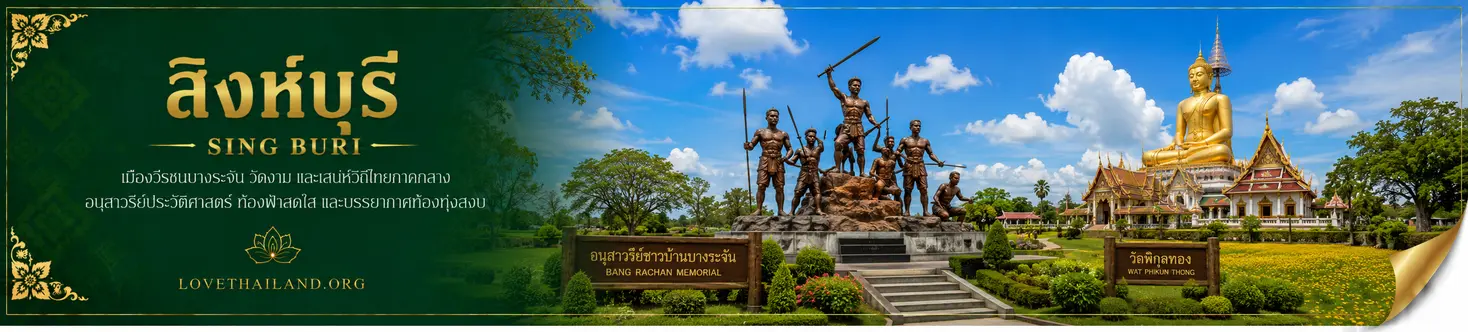
Inburi National Museum
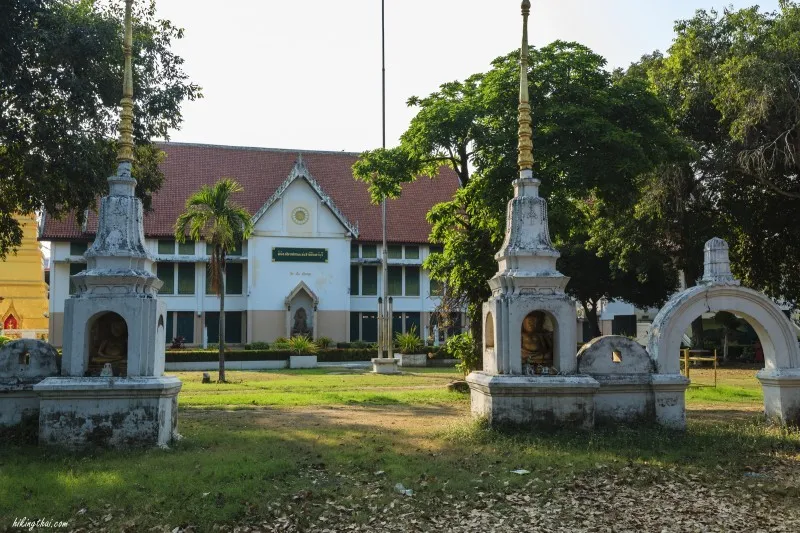
Open Days: Wednesday – Sunday
Opening Hours: 09.00 – 16.00
Inburi National Museum, often called Inburi Museum by travelers, is one of the most meaningful cultural and historical attractions in Sing Buri Province. Located within the grounds of Wat Bot, a royal temple in In Buri District, the museum stands close to the Chao Phraya River and serves as an important gateway to the history of Thailand’s central river basin. It brings together archaeological objects, Buddhist art, religious items, ceramics, musical instruments, traditional tools, fishing equipment, weaving tools, old lamps, and folk toys. For foreign travelers who want to understand Sing Buri beyond a brief stopover, this museum offers a clear and compact introduction to the province’s ancient communities, religious life, local craftsmanship, and riverside way of living.
The museum is especially valuable because it connects objects with their original cultural landscape. Many museums display beautiful old objects, but Inburi National Museum helps visitors understand why those objects matter to the people and places around them. Its exhibitions introduce the geography and natural resources of Sing Buri, the archaeological evidence from Ban Khu Mueang, the Mae Nam Noi kiln site, Buddhist monastic items, central Thai folk wisdom, and traditional children’s games. Together, these displays explain how communities in this part of central Thailand lived, produced, worshipped, traveled, traded, and preserved their knowledge across generations.
The origin of Inburi National Museum is closely connected with Wat Bot and the role of Buddhist temples as cultural custodians. The museum began as a temple museum founded by Phra Thep Sutthimoli, a former abbot of Wat Bot and a senior monk who played an important role in the ecclesiastical administration of Sing Buri and Uthai Thani. He began collecting and preserving antiquities and art objects from around 1940. These objects were kept not only as sacred or beautiful items, but also as evidence of the local past. When the collection became larger and more academically significant, it was later transferred into the care of the Fine Arts Department and developed into a national museum in 1973. This history makes the museum a fine example of how local religious institutions and national heritage agencies can work together to protect cultural memory.
One of the most important exhibition themes is Ban Khu Mueang, an ancient settlement in In Buri District. The site is known for its earthworks, moat, and archaeological remains associated with the Dvaravati period. Objects from Ban Khu Mueang, including Buddhist-related artifacts and ancient fragments, help visitors understand that In Buri was part of a much older cultural landscape long before the modern province of Sing Buri took shape. For travelers interested in archaeology, this section is a useful starting point because it explains how ancient communities in Thailand’s central plains were connected to Buddhism, trade routes, settlement patterns, and water-based geography.
Another essential part of the museum is the story of the Mae Nam Noi kiln site, one of the major ceramic production areas of the Ayutthaya period. Located in present-day Bang Rachan District, the kiln site reflects the economic and technological importance of Sing Buri in the past. Ceramic production was not simply a household activity; it was part of a wider production and distribution system linked to waterways, trade, and the political economy of Ayutthaya. The museum’s displays help visitors see Sing Buri not only as a quiet central Thai province, but also as a place that once contributed to larger networks of craft production and exchange.
The museum also presents Buddhist art and religious objects, including Buddha images from different periods, monastic requisites, ceremonial fans, and items associated with the status and duties of senior monks. These objects reveal the close relationship between Buddhism, artistic expression, community respect, and local social structure. Visitors can observe the forms of Buddha images, the design of religious objects, and the details of ceremonial items to understand how Thai Buddhist art developed through time. For those unfamiliar with Thai religious culture, this section provides a useful and respectful introduction to how temples function as spiritual, social, educational, and artistic centers.
On the lower floor, the atmosphere becomes more closely connected with everyday life. Displays of folk games, fishing tools, weaving equipment, old lamps, and household items reveal how local people lived before modern technologies became common. Fishing tools reflect the importance of rivers and canals. Weaving equipment shows the role of household skill and local production. Old lamps remind visitors of domestic life before electricity became widely available. These simple objects are highly valuable because they make history feel human. They show how ordinary people worked, adapted to their environment, raised families, and created useful objects from local knowledge.
The location of the museum inside Wat Bot gives the visit an additional cultural dimension. Travelers can combine a museum visit with a quiet walk around the temple compound and the riverside environment. Wat Bot is a royal temple with a long connection to the local community, and the current abbot of the temple is Phra Khru Phisan Thammasiri, Chantharangsi. The museum itself is under the care of the Fine Arts Department, Ministry of Culture. This combination of temple setting and national museum management gives the site both a spiritual atmosphere and a reliable heritage framework.
Inburi National Museum is suitable for families, students, cultural travelers, history lovers, and anyone interested in central Thai heritage. It is not a large museum designed for spectacle, but it is rich in substance. Visitors who take time to read the labels and observe the details will gain a much deeper understanding of Sing Buri. The museum is also useful for planning a wider cultural route in the province, especially if combined with Ban Khu Mueang, Wat Sai, Mae Nam Noi Kiln Museum at Wat Phra Prang, and local riverside restaurants known for freshwater fish dishes.
Getting There is straightforward by private car. Travelers can use Highway 311, the old Sing Buri – In Buri route, around kilometer markers 14 – 15. The museum is located in the same compound as Wat Bot. Public transport is also possible via local routes such as the Sing Buri – Chai Nat old-route service or Bangkok – Wat Sing buses from Mo Chit Bus Terminal, followed by local transport to Wat Bot. Travelers should check transport schedules before departure, especially during long holidays or festival periods.
The best way to visit the museum is to move through the exhibitions in sequence, starting with the overview of Sing Buri’s landscape and then continuing to Ban Khu Mueang, the Mae Nam Noi kiln site, Buddhist objects, folk wisdom, and traditional games. This route helps visitors follow the story from ancient settlement and religious culture to craft production and everyday life. If visiting with children or students, encourage them to ask what each object was used for, who might have used it, and what it reveals about life in the past. These questions make the museum more engaging and easier to remember.
Visitors should follow the museum’s rules during the visit. Do not touch displayed objects, avoid using flash photography where restricted, and keep noise levels low. For group visits, contacting the museum in advance is recommended. This helps ensure a smoother experience and allows the staff to prepare for the number of visitors. As many of the displayed objects are fragile cultural materials, careful behavior from visitors helps preserve them for future generations.
Inburi National Museum may be modest in size, but it offers a dense and meaningful portrait of Sing Buri’s past. It allows travelers to understand how archaeology, Buddhism, ceramics, local tools, and riverside life are connected. For anyone seeking a deeper cultural experience in central Thailand, this museum is more than a stop on a map. It is a quiet place where the history of the Chao Phraya River basin can be read through objects, memory, and the enduring role of a temple community.
| Name | Inburi National Museum |
| Location | Within Wat Bot Royal Temple, In Buri Subdistrict, In Buri District, Sing Buri Province |
| Address | Moo 1, Thep Sutthimoli Road, In Buri Subdistrict, In Buri District, Sing Buri 16110, Thailand |
| Highlights | A cultural museum featuring archaeological finds from Ban Khu Mueang, evidence from the Mae Nam Noi kiln site, Buddha images, Thai-Chinese ceramics, monastic objects, folk tools, and traditional games |
| History | Originally a temple museum founded by Phra Thep Sutthimoli, who collected antiquities from around 1940; later developed into a national museum under the Fine Arts Department in 1973 |
| Distinctive Features | The museum explains Sing Buri through archaeology, Buddhist art, ceramics, central Thai folk wisdom, and riverside community life |
| Main Areas / Zones | 1. Natural Resources of Sing Buri 2. Ban Khu Mueang Archaeological Site 3. Mae Nam Noi Kiln Site 4. Buddhist Requisites and Religious Objects 5. Central Thai Folk Wisdom 6. Traditional Folk Games |
| Travel Information | By car, use Highway 311, the old Sing Buri – In Buri route, around kilometer markers 14 – 15. Public transport options include Sing Buri – Chai Nat old-route buses and Bangkok – Wat Sing buses from Mo Chit Bus Terminal, followed by local transport to Wat Bot |
| Current Status | Open |
| Open Days | Wednesday – Sunday |
| Opening Hours | 09.00 – 16.00 |
| Fees | Thai visitors 10 baht; foreign visitors 80 baht; students in uniform, Buddhist monks, novices, and religious clergy are exempt from admission fees |
| Facilities | Parking area; group visits should be arranged in advance |
| Abbot / Caretaker | Abbot of Wat Bot Royal Temple: Phra Khru Phisan Thammasiri, Chantharangsi Museum Authority: Fine Arts Department, Ministry of Culture |
| Main Contact Number | 0 3658 1986 |
| Official Website / Official Page | Fine Arts Department website: finearts.go.th/inburimuseum Facebook: Inburi National Museum |
| Nearby Tourist Attractions | 1. Mae La Maharaj Memorial Park, about 6 km 2. Ban Suan Mae La Ka Rong, about 6 km 3. Ban Khu Mueang Ancient Town, about 8 km 4. Wat Sai, In Buri District, about 11 km 5. Mae Nam Noi Kiln Museum at Wat Phra Prang, about 20 km |
| Nearby Restaurants | 1. Rim Nam Inburi Restaurant, about 1 km, Tel. 036-581390, 098-923-7823 2. Ban Suan Mae La Ka Rong Restaurant, about 6 km, Tel. 036-501047, 092-8024928 3. Inburi Park @ Maethongbai Resort, about 4 km 4. Baan In at Chaisaeng In The Park, about 5 km 5. Song Pla Mae Nam Riverside Restaurant, about 6 km |
| Nearby Accommodations | 1. In In Resort, about 2 km, Tel. 036-694544, 097-1360410 2. Maethongbai Resort, about 4 km, Tel. 098-2807106, 098-2807100 3. Chaisaeng In The Park, about 5 km, Tel. 036-812462 4. Heyday Singburi Hotel, about 7 km, Tel. 084-6544441 5. Chao Phraya Sing Buri Hotel, about 13 km |
Frequently Asked Questions (FAQ)
Q: Where is Inburi National Museum located?
A: Inburi National Museum is located within Wat Bot Royal Temple on Thep Sutthimoli Road, In Buri Subdistrict, In Buri District, Sing Buri Province.
Q: What are the opening days and hours of Inburi National Museum?
A: The museum is open from Wednesday to Sunday, from 09.00 to 16.00.
Q: Is there an admission fee for Inburi National Museum?
A: Yes. Admission is 10 baht for Thai visitors and 80 baht for foreign visitors. Students in uniform, monks, novices, and religious clergy are exempt from admission fees.
Q: What can visitors see inside Inburi National Museum?
A: Visitors can see archaeological objects from Ban Khu Mueang, evidence from the Mae Nam Noi kiln site, Buddha images from different periods, Thai-Chinese ceramics, monastic objects, musical instruments, fishing tools, weaving equipment, old lamps, and traditional folk games.
Q: Who is Inburi National Museum suitable for?
A: It is suitable for cultural travelers, families, students, history enthusiasts, archaeology lovers, and visitors who want to understand central Thai heritage in greater depth.
Q: How can travelers get to Inburi National Museum?
A: Travelers can drive via Highway 311, the old Sing Buri – In Buri route, around kilometer markers 14 – 15. Public transport options include Sing Buri – Chai Nat old-route buses and Bangkok – Wat Sing buses from Mo Chit Bus Terminal, followed by local transport to Wat Bot.
Q: Should group visitors contact the museum in advance?
A: Yes. Group visitors should contact the museum in advance at 0 3658 1986 to arrange a smoother and more organized visit.
Q: What nearby attractions can be combined with a visit to Inburi National Museum?
A: Nearby places include Mae La Maharaj Memorial Park, Ban Suan Mae La Ka Rong, Ban Khu Mueang Ancient Town, Wat Sai, and Mae Nam Noi Kiln Museum at Wat Phra Prang.
Tel : 036581986
 Tel : 036581986
 Category: ●Art, Culture and Heritage
 Group: ●Museums
Last Update : 4 MonthAgo
 Last Update : 4 MonthAgo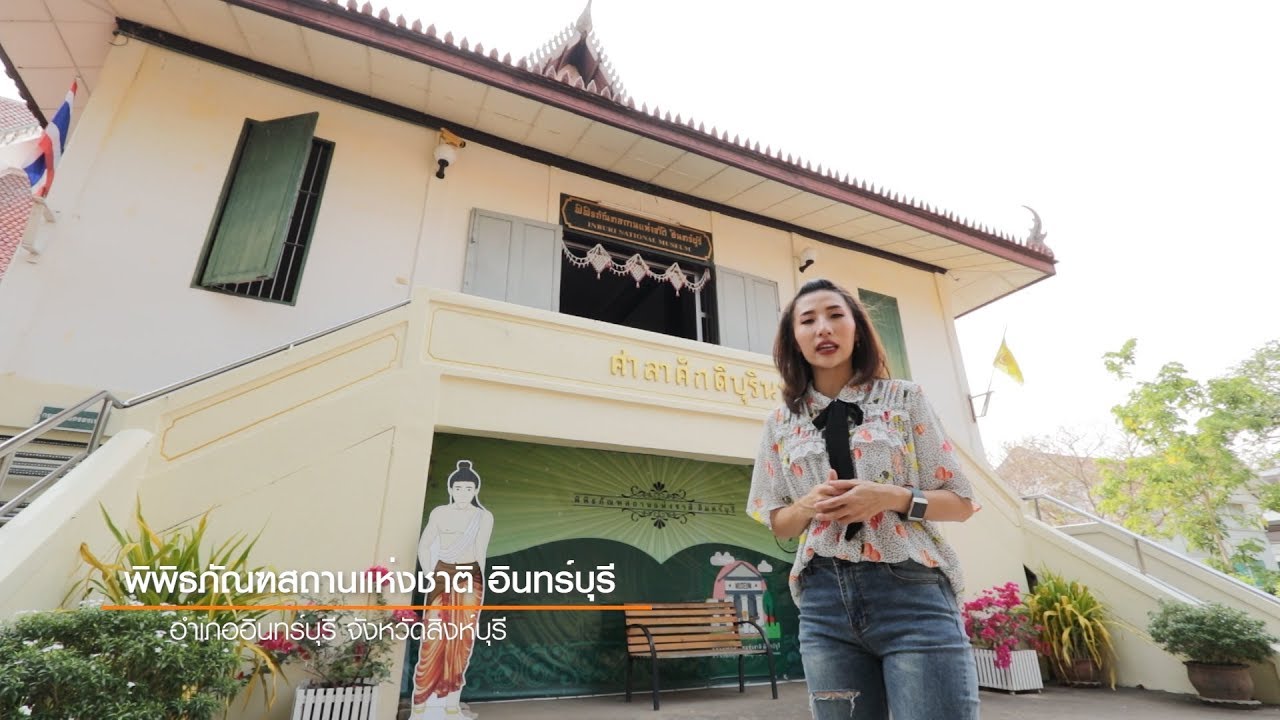
 Click to Access the Navigation Map GPS
Inburi National Museum Map

 Historical Sites and Monuments(4)
 Landmarks and Memorials(3)
 Art, Craft Centres, Tradition(3)
Museums(1)
Art, Craft Centres, Tradition(3)
Museums(1)
 Educational Places
 Library(1)
 Places of Worship
 Temple(42)
 Church(1)
 Other Sacred Sites(2)
 Research and Development
 Royal Project(3)
 Suburban Living
 Village, Community(1)
 Local Market(1)
 Nature and Wildlife
 National Parks and Marine Reserves(1)
 River, Canal(7)
 Bays and Beaches(1)
 Other natural attractions(2)
 Entertainment and Agricultural
 Animal camps and shows(1)
 Farms, Parks and Ecotourism(1)


