
lovethailand home >North Travel Attractions >Sukhothai Travel Attractions >Si Samrong >Wang Yai > Long Drum Tradition
TL;DR: Long Drum Tradition is located at Wang Yai Subdistrict, Si Samrong District, Sukhothai Province, open According To Local Festivals, Merit-Making Ceremonies, Community Events, And, hours According To Each Event Schedule Or Performance Program.
Long Drum Tradition
Open Days: According To Local Festivals, Merit-Making Ceremonies, Community Events, And Organizer Schedules
Opening Hours: According To Each Event Schedule Or Performance Program
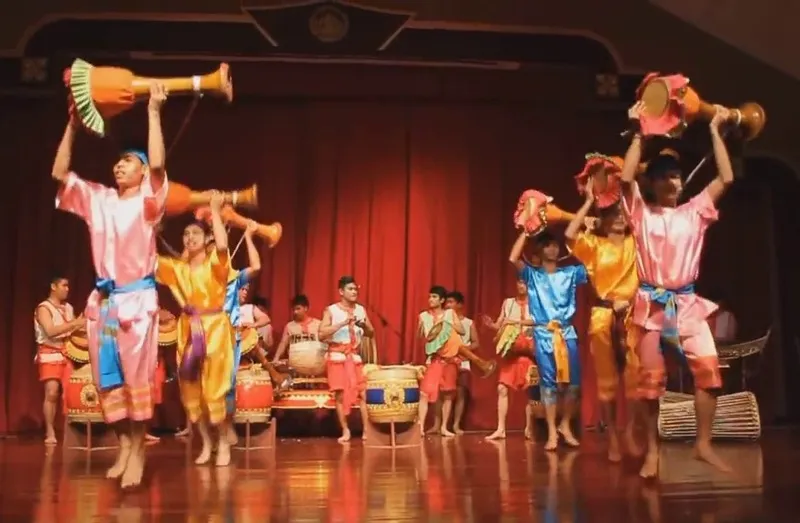
The Long Drum Tradition Of Sukhothai Province is one of Thailand’s lively folk performing arts, expressing joy, rhythm, community spirit, and local pride. In Wang Yai Subdistrict, Si Samrong District, Sukhothai Province, long drum performances remain closely connected to local ceremonies, merit-making events, ordination processions, festivals, and village celebrations. The sound of the long drum, combined with small cymbals, clappers, hand cymbals, leading vocals, and folk dance, creates a warm and energetic atmosphere that immediately brings people together.
The Thai long drum, known in Thai as klong yao, is distinctive for its elongated body and resonant sound. It is usually carried with a shoulder strap and played by hand, allowing the drummer to move with the procession. Unlike instruments performed only on a formal stage, the long drum belongs naturally to open community spaces such as temple grounds, village roads, festival areas, and ceremonial processions. This mobility gives the performance a direct connection with everyday village life.
In Sukhothai, a province internationally known for its historic sites, Buddhist heritage, and strong cultural identity, the long drum plays an important role in keeping local celebrations alive. It is often used in ordination ceremonies, annual merit-making events, kathin and pha pa processions, Songkran celebrations, Loy Krathong festivities, local welcoming ceremonies, and village-level cultural activities. Whenever the drum begins, people understand that a joyful gathering is taking place.
Wang Yai Subdistrict in Si Samrong District is one of the local communities where villagers continue to value this traditional performance. Community members form long drum troupes, practice together, prepare for performances, and pass on their knowledge to younger generations. The troupe is not only a group of performers; it is also a living cultural classroom where elders, local masters, young people, and villagers meet regularly to maintain a shared heritage.
The real value of the Sukhothai long drum tradition lies in its role as a community-binding activity. A single performance requires cooperation from many people. Some play the drums, some keep the rhythm with cymbals and clappers, some sing, some dance, and others help with costumes, procession arrangements, and event preparation. The performance is therefore not only an artistic act but also a visible expression of teamwork and social unity.
During ordination ceremonies, the long drum is often used in the procession that accompanies the novice-to-be. The upbeat rhythm creates a joyful mood for relatives, neighbors, and friends. People may clap, dance, smile, and join the procession as it moves through the village or temple area. In this context, the long drum helps combine Buddhist faith with communal happiness, making the ceremony both sacred and warmly human.
In annual temple fairs and merit-making events, the long drum often marks the beginning of communal celebration. It may accompany processions carrying offerings, robes, or ceremonial items. Its sound announces that an important event is taking place and invites people to participate. The atmosphere extends beyond the temple hall into the surrounding lanes and homes, turning the entire village into a shared cultural space.
The long drum also adds color to Sukhothai’s major festivals. Sukhothai is widely associated with Loy Krathong and historic cultural celebrations, and the presence of folk performance helps visitors experience the living side of the province. While ancient ruins and monuments tell the story of the past, the sound of the long drum shows that local culture is still actively practiced by people today.
A typical long drum performance includes main drummers, rhythm players, singers, and dancers. The drummer must know how to lead the rhythm, accelerate the tempo, slow it down, and signal changes during the procession. Cymbals and clappers help stabilize the beat, while dancers add movement and visual charm. Costumes are usually bright and festive, often including colorful fabrics, waist sashes, headscarves, or local-style clothing suitable for the occasion.
The dance that accompanies the long drum is lively and accessible. It is less formal than classical Thai dance, but it still has its own folk patterns. Dancers may raise their hands, step with the beat, turn gently, move their shoulders, and follow the rhythm of the procession. The beauty of long drum dance lies in its spontaneity, friendliness, and shared enjoyment. It is common for spectators to feel invited into the rhythm, and in many events they may join the dance informally.
Weekly or regular practice is essential for maintaining the quality of the performance. Players learn rhythm control, hand technique, listening skills, procession movement, and coordination with the rest of the group. Practice sessions are also important social moments. Elders and local masters teach through demonstration, young people learn by doing, and the community gains a regular space for cultural exchange.
The role of elders is especially important because much of the knowledge surrounding long drum performance is transmitted orally and practically. Local masters know which rhythm suits which ceremony, how to begin and end a performance, how to move in a procession, and how performers should behave in religious or formal community events. This hands-on transmission keeps the tradition authentic and deeply connected to local life.
For young participants, learning the long drum is more than learning music. It teaches discipline, patience, teamwork, confidence, and respect for elders. A player must listen to others, follow the group, and understand that the strength of the performance comes from unity rather than individual display. This makes the long drum tradition valuable not only as folk art but also as a form of cultural education.
From a cultural tourism perspective, the Long Drum Tradition of Sukhothai offers travelers a meaningful way to understand village life beyond historic monuments. Visitors who encounter a long drum procession during a local event will experience sound, movement, costumes, food, smiles, and community participation all at once. This kind of experience helps foreign travelers see Thai culture as something alive, social, and emotionally engaging.
Travelers who wish to experience this tradition around Wang Yai Subdistrict should plan carefully because long drum performances are not daily shows with fixed schedules. They are normally connected to real community events such as ordinations, merit-making ceremonies, annual temple festivals, Songkran, Loy Krathong, and local cultural programs. It is best to check with local organizers or the Wang Yai Subdistrict Administrative Organization before traveling.
Getting to Wang Yai Subdistrict is most convenient by private car or rental car. Travelers can drive from Sukhothai town or the old city area toward Si Samrong District and continue to Wang Yai. The area can be included in a cultural route that combines Sukhothai Historical Park, major temples, local restaurants, and rural community experiences. Those who prefer a slower journey may stay overnight in Si Samrong or nearby Sukhothai accommodations before continuing to other attractions.
When attending a local long drum event, visitors should respect the community setting. If the performance is part of a merit-making ceremony or religious occasion, modest clothing is recommended. Visitors should avoid blocking the procession, standing too close to performers, or interrupting the rhythm of the event. When taking close-up photographs of children, elders, or performers, asking permission is the most respectful approach.
The Long Drum Tradition of Sukhothai shows that cultural preservation does not happen only in museums. It continues in village practice grounds, temple processions, weekly rehearsals, ordination ceremonies, and the shared memory of local people. Every time the long drum is played, the community renews its connection to the past while giving younger generations a reason to be proud of their cultural roots.
When the long drum echoes through a village, it signals more than celebration. It represents unity, happiness, intergenerational learning, and the enduring strength of Thai folk culture. In Wang Yai and other Sukhothai communities, the long drum remains a living heritage that connects people through rhythm, movement, and shared joy.
| Name | Long Drum Tradition Of Sukhothai Province |
| Location | Wang Yai Subdistrict, Si Samrong District, Sukhothai Province |
| Local Coordination Address | Wang Yai Subdistrict Administrative Organization, Highway No. 1308, Wang Yai Subdistrict, Si Samrong District, Sukhothai 64120, Thailand |
| Highlights | Long drum performance, folk dance, procession music, ordination ceremonies, merit-making events, Loy Krathong, Songkran, and community festivals |
| History / Cultural Character | A Thai folk performing art using long drums, cymbals, clappers, leading vocals, and dance to create joyful rhythm in local ceremonies and festivals |
| Name Origin | The name comes from the long-bodied drum, carried by performers and played during processions and festive events |
| Distinctive Features | Energetic rhythm, colorful folk dance, easy audience participation, and transmission of local knowledge from elders to young people |
| Travel Information | Best reached by private car or rental car from Sukhothai town or the old city area toward Si Samrong District and Wang Yai Subdistrict; check the local event schedule before visiting |
| Current Status | Still practiced as a folk performance in merit-making ceremonies, community events, festivals, and local celebrations in Sukhothai |
| Open Days | According to local festivals, merit-making ceremonies, community events, and organizer schedules |
| Opening Hours | According to each event schedule or performance program |
| Fees | Depends on the event type and organizer; many community merit-making events are joined according to local customs |
| Caretaker / Local Coordination | Wang Yai community and Wang Yai Subdistrict Administrative Organization; Mr. Saensak Ongkhlai is the Chief Executive of the Wang Yai Subdistrict Administrative Organization |
| Main Contact Number | Wang Yai Subdistrict Administrative Organization Tel. 055-912064 / Direct Line Tel. 085-8756048 |
| Official Website / Official Page | Wang Yai Subdistrict Administrative Organization Website And Official Facebook Page |
| Nearby Tourist Attractions | 1. Sukhothai Historical Park, About 30 km 2. Wat Mahathat, Old Sukhothai, About 30 km 3. Ramkhamhaeng National Museum, About 30 km 4. Wat Si Chum, About 32 km 5. Wat Chang Lom, About 28 km 6. Si Samrong Botanical Garden, About 15 km |
| Nearby Restaurants | 1. Sit A Cup, Si Samrong District, About 12 km, Tel. 088-9629191 2. Ordina House, Si Samrong District, About 13 km, Tel. 099-1593957 3. Kor Kai Restaurant, Si Samrong District, About 12 km, Tel. 096-6875874 4. Khlang Mai Slowbar Coffee, Si Samrong District, About 13 km 5. Suksamer Restaurant, Si Samrong District, About 12 km |
| Nearby Accommodations | 1. Sanrak Resort, Si Samrong District, About 12 km, Tel. 081-9719709 2. Shine Villa Sukhothai, Si Samrong District, About 16 km 3. OYO 75596 The Sirisuk House, Si Samrong District, About 12 km 4. Sukhothai Resort, About 20 km 5. Sukhothai Treasure Resort & Spa, About 28 km 6. Blue House Sukhothai, About 24 km |
Frequently Asked Questions (FAQ)
Q: What is the Long Drum Tradition of Sukhothai Province?
A: It is a Thai folk performing art that combines long drums, rhythm instruments, singing, and folk dance to create a joyful atmosphere during ceremonies, festivals, and community events.
Q: Why is the long drum tradition important in Wang Yai Subdistrict?
A: It brings together elders, local masters, young people, and villagers through practice, performance, and cultural transmission, making it an important symbol of community unity.
Q: When is the long drum usually performed?
A: It is commonly performed during ordination processions, annual merit-making ceremonies, temple events, kathin or pha pa processions, Songkran, Loy Krathong, and village celebrations.
Q: Can foreign travelers watch the performance every day?
A: No. It is not a daily tourist show with fixed rounds. Travelers should check local event schedules before visiting Wang Yai or nearby communities.
Q: What makes the Thai long drum performance distinctive?
A: Its lively rhythm, mobile procession style, colorful folk dance, and easy audience participation make it one of the most engaging forms of Thai community performance.
Q: How does the tradition help preserve local culture?
A: Regular practice and community performances allow elders to pass rhythms, dance movements, procession customs, and cultural values to younger generations.
Q: Who should travelers contact for local event information?
A: Travelers may contact the Wang Yai Subdistrict Administrative Organization or local organizers to check event dates, performance opportunities, and community activities.
 Category: ●Art, Culture and Heritage
 Group: ●Art, Craft Centres, Tradition
Last Update : 3 MonthAgo
 Last Update : 3 MonthAgo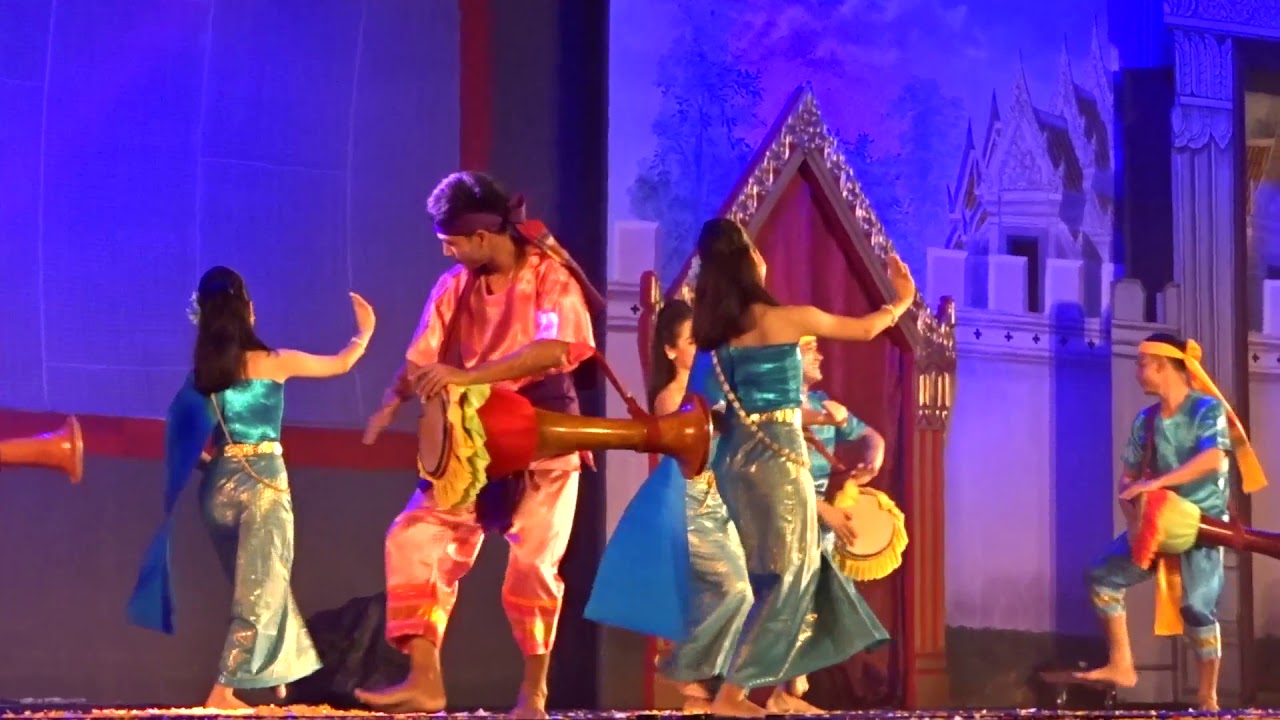

 Historical Sites and Monuments(4)
 Landmarks and Memorials(5)
Art, Craft Centres, Tradition(11)
Landmarks and Memorials(5)
Art, Craft Centres, Tradition(11)
 Museums(5)
 Places of Worship
 Temple(40)
 Other Sacred Sites(10)
 Suburban Living
 Village, Community(3)
 Nature and Wildlife
 National Parks and Marine Reserves(3)
 Mountain (Doi)(2)
 Dam, Reservoir, Lake(4)
 Waterfalls(8)
 Caves(4)
 River, Canal(2)
 Entertainment and Agricultural
 Farms, Parks and Ecotourism(3)


