
lovethailand home >North Travel Attractions >Sukhothai Travel Attractions >Si Sat Chana Lai >Ban Tuek > Ban Na Ton Chan
TL;DR: Ban Na Ton Chan is located at Ban Tuek Subdistrict, Si Satchanalai District, Sukhothai Province, open Daily, hours Daytime.

Ban Na Ton Chan
Open Days: Daily
Opening Hours: Daytime
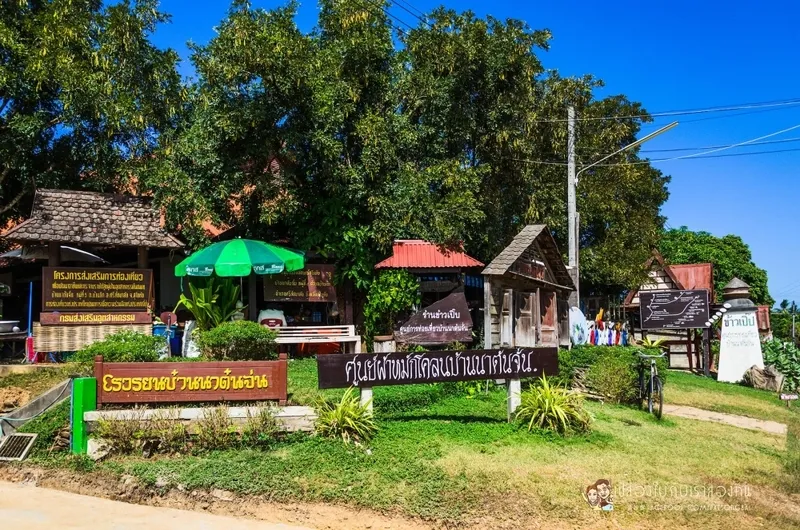
Ban Na Ton Chan in Ban Tuek Subdistrict, Si Satchanalai District, Sukhothai Province, is one of the most meaningful community-based tourism destinations in northern Thailand. This small village is known for its traditional homestays, northern Thai way of life, seasonal agriculture, local crafts, peaceful countryside, and warm community hospitality. A visit to Ban Na Ton Chan is not simply a sightseeing trip. It is an opportunity to live with local people, eat local food, ride through the village on a local farm vehicle, walk through rice fields, learn about mud-fermented textiles, visit viewpoints, and experience how a rural Thai community preserves its culture while welcoming visitors.
In simple terms, Ban Na Ton Chan is a living cultural village in Sukhothai where travelers can stay in local homestays and take part in community activities. The village offers experiences such as riding an e-taek local tractor, cycling along rice fields, visiting Huai Ton Hai Viewpoint, walking on bamboo bridges, learning about mud-fermented cloth, tasting local food such as khao perb, exploring orchards, and buying handmade community products. It is ideal for travelers who want to understand Sukhothai beyond ancient ruins and historical parks.
Ban Na Ton Chan is located in Ban Tuek Subdistrict, Si Satchanalai District, Sukhothai Province. The village is surrounded by rice fields, orchards, mountains, and quiet rural scenery. The atmosphere is peaceful and simple, yet deeply memorable. Unlike a conventional tourist attraction where visitors only stop for photos, Ban Na Ton Chan invites travelers to slow down and become part of the village rhythm, even if only for a short time.
The community has roots connected with northern migration and the old cultural landscape of Laplae and nearby northern areas. Local people have preserved northern Thai speech, food traditions, beliefs, and community values for generations. Visitors may notice the northern character of the village through the way people speak, cook, work, and welcome guests. This cultural continuity gives Ban Na Ton Chan a distinctive identity within Sukhothai Province.
The name Ban Na Ton Chan is associated with the local landscape and the presence of chan trees in the village area. The name connects the village to its natural surroundings and helps preserve the memory of the land itself. The village settlement is close-knit, and the social atmosphere reflects a strong sense of kinship. People know one another, help one another, and work together to manage tourism in a way that benefits the community.
Agriculture remains an important foundation of local life. Many villagers grow rice, cultivate orchards, and produce seasonal fruits such as bananas, durian, langsat, longkong, mango, longan, and other crops suited to the local climate. Visitors can join agricultural learning activities, walk through orchards, taste seasonal fruit, and see how farming connects people with soil, water, weather, and food.
Besides agriculture, Ban Na Ton Chan is also known for local crafts. These include weaving, basketry, wood-root crafts, and especially mud-fermented textiles. Mud-fermented cloth is one of the community’s signature products. The process uses local mud to soften fabric and create a distinctive texture and identity. For foreign travelers, this activity is a clear example of how local natural materials can become part of cultural creativity.
The homestay experience is the heart of Ban Na Ton Chan. Travelers stay in local homes and share part of everyday life with their hosts. This is different from staying in a hotel. Guests may eat home-cooked food, talk with the host family, learn about village life, and take part in activities arranged by the community. The value of the homestay lies not in luxury but in warmth, simplicity, and real human connection.
Homestay houses vary in style. Some offer private rooms, while others arrange shared sleeping areas suitable for groups. Meals often include local dishes made with ingredients from the village or nearby farms. Eating with the host family or in a community dining style helps visitors understand local food culture. It also gives travelers a chance to ask questions and learn stories that cannot be found in guidebooks.
One of the most popular activities is riding an e-taek, a local agricultural vehicle used to tour the village. The ride usually passes homes, rice fields, orchards, craft areas, and scenic spots. Local guides explain the history of the village, the way of life, and the meaning of different places along the route. This experience is simple but very effective because it allows travelers to see the whole village as a living landscape.
Cycling is another excellent way to explore Ban Na Ton Chan. Riding slowly along fields and rural paths allows visitors to notice small details: wooden houses, vegetable plots, fruit trees, craft areas, morning light, and the sound of village life. Cycling is suitable for travelers who enjoy slow tourism and want to feel close to the landscape.
Huai Ton Hai Viewpoint is one of the best-known scenic spots near the village. From the viewpoint, visitors can see a wide 360-degree view of the village, rice fields, hills, and surrounding forest. It is especially beautiful in the early morning, when mist and soft light create a calm atmosphere. The viewpoint helps travelers understand the village’s relationship with its natural setting.
The bamboo bridge through the rice fields is another memorable landmark. It offers a photogenic and peaceful walk through the rural landscape. The bridge also reflects the use of natural materials and local wisdom. Walking through the fields helps visitors feel the agricultural identity of the community more directly than simply viewing it from a distance.
Food is an important part of the Ban Na Ton Chan experience. One of the best-known local dishes is khao perb, a traditional dish associated with the Si Satchanalai area. It is made with thin steamed rice sheets, vegetables, and local ingredients, served with warm soup. Eating khao perb in the village gives travelers a strong sense of place because the dish is connected with local history, community memory, and everyday food culture.
Ban Na Ton Chan also preserves local beliefs related to spirits, ancestors, and protective forces of the village. These beliefs are part of the cultural worldview inherited from earlier generations. They help shape respect for nature, community harmony, and ritual practice. Visitors who learn about these stories gain a deeper understanding of northern Thai rural culture.
The tourism model of Ban Na Ton Chan is based on conservation and participation. The community does not only want visitors to take photos and leave. It encourages travelers to understand local life, respect community rules, support local products, and join activities responsibly. Staying in a homestay, hiring local guides, eating local food, and buying community products all help distribute income directly to local families.
Community products make meaningful souvenirs. Visitors can buy mud-fermented textiles, woven products, wood-root crafts, seasonal fruits, and local snacks. These items are valuable because they are connected to real skills, local materials, and community identity. Buying directly from the village helps support the continuation of local knowledge.
For nature lovers, Ban Na Ton Chan is a peaceful place to relax. The village offers rice fields, hills, orchards, vegetable plots, rural roads, and quiet homestay surroundings. Morning walks are especially rewarding, as visitors can see local life begin slowly and naturally. Evening is also beautiful, with softer light over the fields and a calm village atmosphere.
Getting There is easiest by private car, rental car, or hired local transport. From Sukhothai town, travelers can drive toward Si Satchanalai District and continue to Ban Tuek Subdistrict, where Ban Na Ton Chan is located. Travelers planning to stay overnight or join activities should contact the homestay group in advance so that accommodation, meals, guides, and e-taek tours can be arranged properly.
The best time to visit depends on the experience travelers want. The rainy season to early cool season is ideal for green rice fields and fresh scenery. Fruit lovers should check the fruit season before traveling. Staying at least 1 night is recommended because it allows visitors to experience evening, morning, local meals, homestay life, and community activities more fully than a day trip.
Visitors should remember that Ban Na Ton Chan is a real village. Many homes are private residences as well as homestays. Travelers should ask permission before photographing people or private spaces, avoid loud behavior at night, keep the village clean, and follow the guidance of hosts or local guides. Respectful travel helps protect the community atmosphere that makes the village special.
In summary, Ban Na Ton Chan is a complete community tourism destination in Sukhothai Province. It combines homestay hospitality, northern Thai culture, agriculture, local food, crafts, nature, viewpoints, and conservation-based tourism. Its value lies in the fact that the culture is still alive. Visitors can learn not from displays alone but from people, homes, farms, kitchens, and daily life. For travelers who want a deeper and more meaningful Sukhothai experience, Ban Na Ton Chan is one of the best villages to visit.
| Name | Ban Na Ton Chan |
| Location | Ban Tuek Subdistrict, Si Satchanalai District, Sukhothai Province |
| Highlights | A conservation-based village tourism destination known for homestays, northern Thai village life, seasonal agriculture, mud-fermented textiles, local food, e-taek village tours, and Huai Ton Hai Viewpoint |
| History | A traditional village with cultural roots connected to northern migration and Laplae, preserving northern Thai speech, farming life, local crafts, and community beliefs |
| Name Origin | The name Ban Na Ton Chan is associated with the village landscape and the presence of chan trees in the community area |
| Distinctive Features | Visitors can stay in homestays, share local meals, join village activities, ride an e-taek, visit orchards, learn about mud-fermented cloth, and experience real community life |
| Activities | E-taek village tour, cycling along rice fields, Huai Ton Hai Viewpoint, bamboo bridge walk, seasonal orchard visit, mud-fermented textile learning, local cooking, and community product shopping |
| Community Products | Mud-fermented textiles, woven products, wood-root crafts, local handmade products, seasonal fruits, and local food such as khao perb |
| Travel Information | Travel from Sukhothai town toward Si Satchanalai District and continue to Ban Tuek Subdistrict. Private car, rental car, or hired local transport is recommended. Contact the community in advance for homestay stays and group activities |
| Current Status | An active conservation-based tourism village offering homestays, local activities, community learning, and nature-based experiences |
| Open Days | Daily |
| Opening Hours | Daytime |
| Facilities | Community homestays, local meals, local guides, e-taek village tours, craft learning areas, viewpoint access, local restaurants, and parking areas arranged by the community |
| Caretaker / Related Authority | Ban Na Ton Chan Homestay Group and Ban Na Ton Chan Community, Ban Tuek Subdistrict, Si Satchanalai District, Sukhothai Province |
| Official Website / Official Page | Ban Na Ton Chan Homestay Sukhothai Facebook Page |
| Nearby Tourist Attractions | 1. Ban Na Ton Chan Mud-Fermented Textile Center, about 0 km 2. Huai Ton Hai Viewpoint, about 1 km 3. Khao Huai Ton Hai, about 1 km 4. Wat Phra Si Rattana Mahathat Chaliang / Wat Phra Prang, about 14 km 5. Si Satchanalai Historical Park, about 17 km 6. Sathorn Gold Textile Museum, about 18 km |
| Nearby Restaurants | 1. Khao Perb Lom Yak, about 0 km 2. Phra Ruang Noodle (Khao Perb), about 0 km 3. Coffee Natonchan, about 0 km 4. Na Ton Chan Coffee, about 0 km 5. Khao Perb Yai Khrueng, about 0.3 km 6. Local Meals at Ban Na Ton Chan Homestay, about 0 km |
| Nearby Accommodations | 1. Ban Na Ton Chan Homestay, about 0 km 2. Mae Orathai Homestay, about 0.3 km 3. Ban Na Ton Chan Accommodation, about 0.3 km 4. Achi Homestay, about 0.2 km 5. Rada Organic Farm, about 5 km 6. Chanalai Resort And Hotel, about 11 km |
Frequently Asked Questions (FAQ)
Q: Where is Ban Na Ton Chan located?
A: Ban Na Ton Chan is located in Ban Tuek Subdistrict, Si Satchanalai District, Sukhothai Province. It is a conservation-based village tourism destination known for homestays and local culture.
Q: What is Ban Na Ton Chan famous for?
A: The village is famous for homestays, e-taek village tours, Huai Ton Hai Viewpoint, mud-fermented textiles, local food such as khao perb, seasonal orchards, and northern Thai community life.
Q: Can travelers stay overnight in Ban Na Ton Chan?
A: Yes. Travelers can stay in community homestays. Advance booking is recommended so that accommodation, meals, guides, and activities can be arranged properly.
Q: What type of traveler is Ban Na Ton Chan suitable for?
A: It is suitable for travelers interested in homestays, rural life, slow travel, local food, nature, crafts, photography, agriculture, and community-based tourism.
Q: What are the most popular activities in Ban Na Ton Chan?
A: Popular activities include riding an e-taek through the village, cycling, walking on the bamboo bridge, visiting Huai Ton Hai Viewpoint, tasting khao perb, learning about mud-fermented cloth, and staying in a homestay.
Q: When is the best time to visit Ban Na Ton Chan?
A: The rainy season to early cool season is ideal for green rice fields and fresh scenery. Fruit lovers should check the local fruit season before traveling.
Q: What nearby attractions can travelers visit after Ban Na Ton Chan?
A: Nearby places include the mud-fermented textile center, Huai Ton Hai Viewpoint, Wat Phra Si Rattana Mahathat Chaliang, Si Satchanalai Historical Park, and Sathorn Gold Textile Museum.
Tel : 055677209
 Tel : 055677209
Mobile : 0898851639, 0884957738, 0915598482
 Mobile : 0898851639, 0884957738, 0915598482
 Category: ●Suburban Living
 Group: ●Village, Community
Last Update : 4 MonthAgo
 Last Update : 4 MonthAgo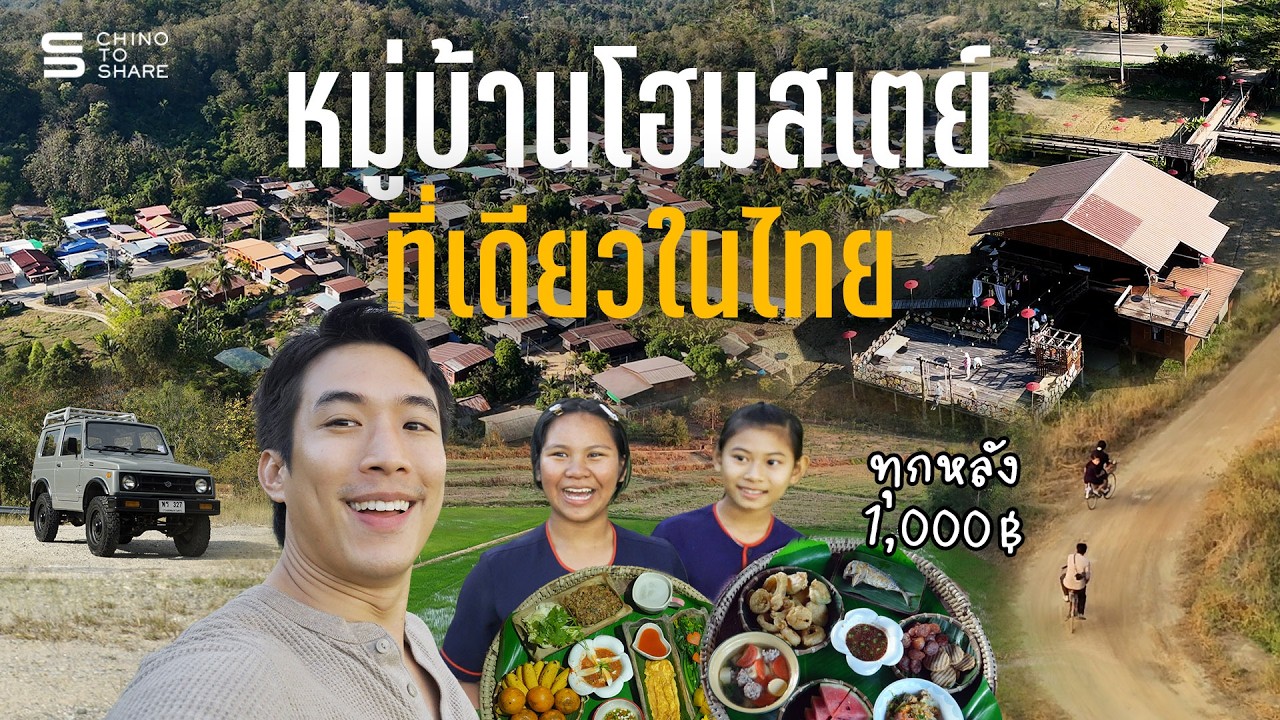
 Click to Access the Navigation Map GPS
Ban Na Ton Chan Map
Gellery
Recommend

 Art, Culture and Heritage
 Historical Sites and Monuments(4)
 Landmarks and Memorials(5)
 Art, Craft Centres, Tradition(11)
 Museums(5)
 Places of Worship
 Temple(40)
 Other Sacred Sites(10)
Village, Community(3)
Other Sacred Sites(10)
Village, Community(3)
 Nature and Wildlife
 National Parks and Marine Reserves(3)
 Mountain (Doi)(2)
 Dam, Reservoir, Lake(4)
 Waterfalls(8)
 Caves(4)
 River, Canal(2)
 Entertainment and Agricultural
 Farms, Parks and Ecotourism(3)
 Travel Articles, Recipes
 Travel Review, Food Review(1)


