
lovethailand home >North Travel Attractions >Nakhon Sawan Travel Attractions >Muang Nakhon Sawan >Nong Krot > Chaopraya University
TL;DR: Chaopraya University, Nakhon Sawan attractions : University, Private University.

Chaopraya University
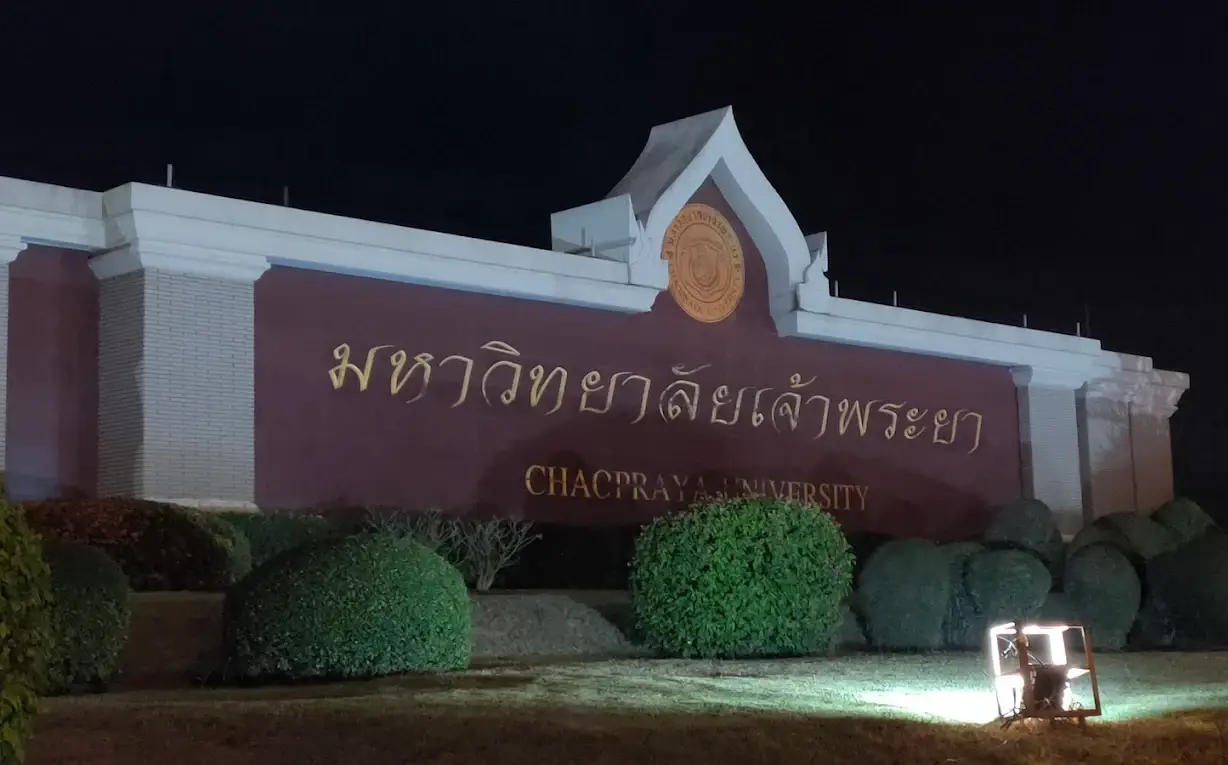
Open Days: Thursday – Monday (as listed under School Hours on the university's official website)
Opening Hours: 08:00 – 16:30 (Office service hours and access to individual facilities may vary)
Chaopraya University (CPU) is a private university located at 13/1 Moo 6, Phahonyothin Road, Nong Krot Subdistrict, Mueang Nakhon Sawan District, Nakhon Sawan Province, Thailand. The university was established to expand access to higher education for young people and working adults in Thailand's lower Northern and upper Central Regions. Its principal founders were Charoon and Hathai Siriviriyakul, who worked with administrators from the Viriyalai educational institutions and representatives of the business community to develop a new center of higher education. The university received authorization for establishment on March 31, 1998, and began offering higher education in the 1998 academic year. Today, Chaopraya University comprises 3 faculties: the Faculty of Administration and Management, Faculty of Science and Technology, and Faculty of Humanities and Social Sciences. It offers bachelor's degrees, graduate diplomas, master's degrees, and doctoral programs. Its educational mission emphasizes practice-oriented learning, industry partnerships, community development research, and the preservation of Thai cultural heritage under the guiding idea of being a regional university that prepares graduates for a global environment.
Chaopraya University is particularly significant as a private higher education institution developed from a foundation of regional education and business networks. Nakhon Sawan Province is a major transportation and economic center connecting Central and Northern Thailand. Its economy encompasses agriculture, manufacturing, commerce, logistics, tourism, and service industries. Higher education development in the province is therefore closely related to the demand for qualified professionals across these sectors. By providing multidisciplinary educational opportunities locally, a private university such as Chaopraya University offers an alternative for secondary school graduates, vocational students, working professionals, and individuals seeking additional qualifications without necessarily relocating to a major metropolitan area.
The origins of Chaopraya University are closely connected to the development of the Viriyalai educational network, particularly Viriyalai Commercial School and Viriyalai Business Technology School in Nakhon Sawan. These institutions provided commercial and vocational education before the expansion into university-level programs. The Viriyalai schools had a history of preparing students for professional careers and diploma-level qualifications, with their combined enrollment exceeding 4,500 students during an earlier period of institutional development. Their achievements and established educational experience provided an important foundation for the founders' ambition to establish a private university offering degree-level education in Nakhon Sawan.
Charoon and Hathai Siriviriyakul played central roles in establishing the university. Their work was connected with the administration of the Viriyalai educational institutions and industrial businesses operating in the region, particularly the sugar industry and the corporate network associated with Kaset Thai International Sugar Corporation Public Company Limited, commonly known as KTIS Group. Cooperation among educational administrators, business executives, and academics became a defining feature of the institution's foundation. This collaborative approach responded to the educational aspirations of parents, Viriyalai alumni, students, and residents who wanted greater access to quality higher education within their own region.
The founders' vision extended beyond simply expanding the existing vocational education network. They believed that university education should provide meaningful opportunities for people living outside Thailand's principal metropolitan centers. The proposed institution was intended to produce graduates who combined professional knowledge, practical ability, ethical values, and a strong sense of social responsibility. Education was understood as a means of enabling individuals to become self-reliant, support their families, and contribute to society. These principles became an important part of the university's educational philosophy and its commitment to producing capable and responsible members of the community.
Chaopraya University received authorization for establishment on March 31, 1998, and began its higher education activities during the same academic year. Its campus in Nong Krot Subdistrict became the center of teaching and institutional development. Business administration and management were among the important fields associated with the university's early academic direction, reflecting both the experience of the Viriyalai educational network and the demand for business professionals in the region. As the institution developed, its academic offerings expanded into science, technology, law, public administration, educational studies, and graduate-level education.
December 16 holds particular significance in the university's institutional traditions because it is associated with anniversary celebrations shared with the Viriyalai educational network. For example, the anniversary ceremony held on December 16, 2024, celebrated Chaopraya University's 27th anniversary alongside the 44th anniversary of Viriyalai Nakhon Sawan Vocational College. Such occasions bring together university administrators, faculty members, staff, students, and alumni to honor the institution's founders and reflect on its development. They also provide opportunities to recognize individuals who have contributed to the university's educational mission and continued growth.
The name Chaopraya University is closely connected with the geography and cultural identity of Nakhon Sawan Province. Nakhon Sawan is widely recognized as the birthplace of the Chao Phraya River, which begins where the Ping and Nan rivers meet at Pak Nam Pho. The Chao Phraya is one of Thailand's most important rivers, flowing southward through the Central Plains toward the Gulf of Thailand. Throughout history, the river system has supported agriculture, transportation, trade, settlement, and cultural exchange. Using the name Chaopraya creates a strong geographical and cultural association between the university and the river that has shaped the historical development of the region.
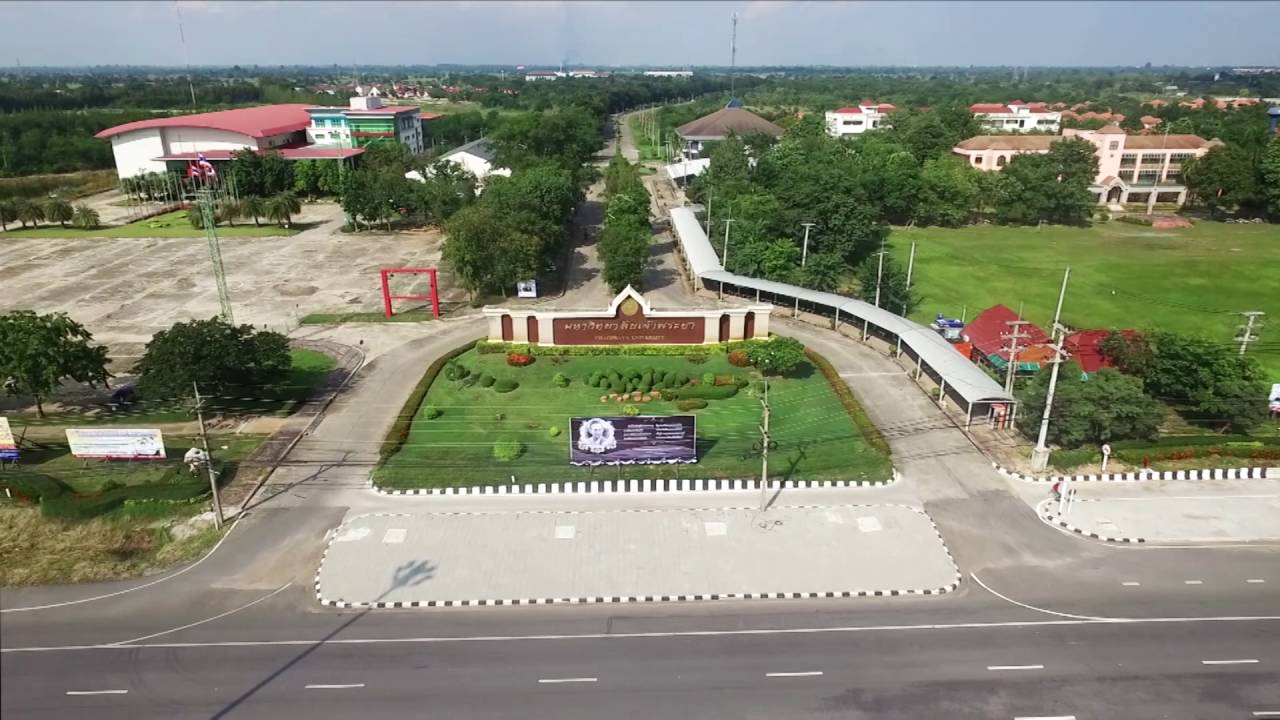
The university campus occupies an educational environment closely associated with the wider Viriyalai network. Its facilities include academic buildings, administrative offices, meeting halls, landscaped gardens, green spaces, and areas for student activities. Photographs published by the university show large educational buildings surrounded by lawns, ornamental gardens, and outdoor gathering areas. These physical features serve both practical and educational purposes, providing spaces for teaching, social interaction, recreation, and student development. The combination of academic infrastructure and landscaped grounds contributes to a campus environment designed to support university life.
As Chaopraya University developed, its educational approach increasingly emphasized the relationship between academic theory and practical professional experience. The institution's connections with commercial and industrial organizations provided an important foundation for workforce-oriented education. This approach is particularly relevant to fields such as business administration, accounting, business computing, and digital technology, where students benefit from understanding both theoretical principles and actual organizational processes. The concept of producing practice-oriented graduates therefore became an important element of the university's educational identity and its efforts to prepare students for employment and professional responsibilities.
Chaopraya University's educational philosophy emphasizes the development of knowledgeable, capable, and ethical individuals who can live productive and fulfilling lives while contributing to their families and society. The university communicates its institutional identity through the phrase "A Regional University Shaping Global Professionals." This reflects its ambition to develop human resources from regional communities while helping graduates acquire the knowledge, professional skills, and perspectives needed to participate effectively in a more interconnected world.
The university's graduate identity emphasizes knowledge, ethical conduct, practical competence, and the ability to integrate different fields of knowledge into innovation. These characteristics demonstrate an educational approach that places importance on more than obtaining a formal degree. Students are encouraged to develop analytical thinking, problem-solving abilities, professional responsibility, adaptability, and cooperation with others. The practice-oriented graduate model thus influences the educational direction of the university's faculties and reflects its commitment to preparing graduates who can apply what they have learned in professional and community settings.
In terms of academic organization, Chaopraya University consists of 3 principal faculties: the Faculty of Administration and Management, Faculty of Science and Technology, and Faculty of Humanities and Social Sciences. Each faculty develops expertise in different disciplines while offering opportunities for interdisciplinary applications. The university's undergraduate and graduate programs serve both students entering higher education directly from secondary or vocational schools and experienced professionals seeking further academic qualifications or career advancement.
The Faculty of Administration and Management is one of the university's important academic units and reflects its educational foundations in commerce and business administration. The faculty offers a Bachelor of Accountancy program and Bachelor of Business Administration programs in Management, Business Computer, Hospitality and Tourism Industry Management, and Trading Innovation Management. It also offers a doctoral program in Organization Development Administration. These academic fields address organizational management, resource allocation, business information systems, accounting and financial processes, and the development of business strategies suited to technological and economic change.
The Bachelor of Accountancy program focuses on knowledge and professional skills related to accounting, financial information, financial reporting, and organizational control systems. The Management program emphasizes planning, organizational operations, human resource management, and the effective use of business resources. Business Computer connects information technology with organizational systems, preparing students to understand how computer-based applications and digital tools can support business processes, communication, and administrative functions.
Hospitality and Tourism Industry Management is associated with hotels, tourism enterprises, service operations, and the administration of hospitality-related organizations. This field is particularly relevant to Thailand's tourism economy and can be connected with the development of cultural and regional tourism in Nakhon Sawan. Trading Innovation Management, meanwhile, addresses modern commerce, evolving business practices, and the application of management knowledge to new retail and trading environments. These disciplines help students understand changes in consumer behavior, service expectations, and technology-driven business operations.
The Faculty of Science and Technology offers undergraduate programs in Computer Science and Computer Multimedia and Animation. Computer Science covers areas such as programming, software development, data structures, system design, and the application of computing to solve problems. Computer Multimedia and Animation combines technology with digital creativity, including the production of multimedia content, visual communication, and animated media. These academic disciplines are relevant to industries seeking professionals who can combine technical expertise with creative thinking and the ability to develop digital solutions.
The university has also publicized plans for additional technology-oriented academic programs, including Electrical Engineering and Automation, Mechanical Engineering and Automation, Drone Engineering, New Energy Vehicle Engineering, and Artificial Intelligence. These proposed fields reflect emerging workforce needs in advanced manufacturing, automation systems, intelligent technologies, and sustainable transportation. The commencement of teaching and admissions for individual new programs depends on their approval status and the university's official announcements. They should therefore be distinguished from programs already listed as operating in the university's current academic structure.
The Faculty of Humanities and Social Sciences provides education in law, public administration, politics, and professional educational development. The Bachelor of Laws program develops understanding of legal principles, the legal system, and the administration of justice. The Bachelor of Public Administration program focuses on public sector management, public policy, government organizations, and services provided to citizens. These fields help prepare graduates for professional opportunities in government agencies, local administrative organizations, private enterprises, and other institutions requiring knowledge of law and public administration.
Graduate-level education within the Faculty of Humanities and Social Sciences includes the Master of Education in Educational Administration, Master of Political Science, and Graduate Diploma in the Teaching Profession. These programs serve individuals seeking more specialized knowledge in school administration, political and governmental studies, or professional teacher preparation. The university organized a graduate student orientation in the 2026 academic year involving students from these programs, demonstrating their continued role within the institution's academic activities.
For graduates holding higher vocational qualifications and for professionals with previous work experience, Chaopraya University also provides credit transfer and experience-based educational pathways in designated programs. Such arrangements can help working adults pursue higher qualifications while building on relevant previous learning. The eligibility requirements, amount of transferable credit, and duration of study depend on the regulations and academic structure of each particular program. Students should therefore examine the specific requirements rather than assuming that identical credit transfer arrangements apply across all fields of study.
Learning at Chaopraya University extends beyond formal classroom teaching through student development activities that emphasize ethics, personal responsibility, teamwork, and participation in society. A student ethics development camp for incoming students was among the activities listed in the university's 2026 academic calendar. Programs of this nature reflect the institution's educational philosophy, which emphasizes both academic competence and moral development. They also give students opportunities to build relationships, understand institutional expectations, and develop personal qualities relevant to their future professional and social lives.
An important university tradition is the annual commemoration of its establishment, closely associated with the Viriyalai educational network. The anniversary celebration held on December 16, 2024, included a ceremony honoring Phra Sri Viriya Phutthangkun, a traditional ceremony dedicated to the naga Sirasa Nakho, and an alms-giving ceremony involving 68 Buddhist monks. The program also included expressions of gratitude and respect toward the founders. These activities illustrate how Thai religious customs, institutional history, and remembrance of important benefactors are incorporated into the cultural life of the university.
Phra Sri Viriya Phutthangkun and the naga Sirasa Nakho are associated with religious and cultural traditions reflected in university ceremonies. Paying respect to Buddhist sacred objects and participating in local ceremonial practices have cultural meanings related to gratitude, auspiciousness, and the continuity of shared values. University anniversary celebrations have also included recognition of outstanding students and staff members and the presentation of scholarships. These elements demonstrate that institutional ceremonies can combine cultural traditions with educational recognition and support for students.
The Chaopraya University Arts and Culture Center is another significant part of the university's institutional identity. The center was formally established in its traditional Thai-style building on December 16, 2001, reflecting the founders' intention to preserve Thai cultural heritage for future generations. Its activities have included the promotion and dissemination of classical Thai dance, Thai music, local wisdom, and information about traditional customs. The presence of a traditional Thai architectural building within the campus creates a physical connection between modern higher education and the country's artistic and cultural heritage.
Historically, the Arts and Culture Center supported Thai classical and contemporary dance performances, musical activities, and the university's student luk thung music ensemble. In 2016, the university reorganized the center's administrative structure, placing it more directly under the academic administration. This development strengthened the connection between cultural preservation, academic activities, student engagement, and community-oriented educational services. Cultural programs provide opportunities for students to experience traditions through active participation rather than relying exclusively on textbooks or classroom instruction.
Within the broader cultural setting of Nakhon Sawan Province, the university's cultural mission is closely connected with the history of Pak Nam Pho, an established commercial community characterized by diverse cultural influences. Thai-Chinese communities have played an important role in shaping the town's traditions, economic development, and cultural identity. The Pak Nam Pho Chinese New Year celebrations, the procession honoring local Chinese deities, traditional food, and historic commercial neighborhoods are examples of cultural resources that can contribute to historical education, tourism development, and creative economic activities.
One particularly important example of Chaopraya University's community-oriented research is its project to develop the historic Pak Nam Pho market through cultural resources and collaborative mechanisms supporting tourism, the local economy, and community identity. The project contributed to the creation of Suchada Street Style, a series of cultural and creative activities organized along Suchada Road in the historic commercial district of Pak Nam Pho. Through cooperation with Nakhon Sawan Municipality, local residents, business operators, and institutional partners, the university helped connect cultural heritage, history, art, and economic development within an active urban setting.
Suchada Street Style activities continued during 2025–2026, using the historic commercial district as a setting for creative cultural markets, performances, local product sales, and public participation. In February 2026, activities were connected with the Pak Nam Pho Chinese New Year traditions and included a local food competition called Rot Sawan Pak Nam Pho. This approach demonstrated how cultural research could support community enterprises, create new opportunities for local businesses, and encourage residents to recognize the economic and cultural value of their heritage.
In March 2026, the university participated in transferring aspects of the Suchada Street Style project to a community network, supporting the capacity of local organizations and entrepreneurs to continue developing the activities. Additional initiatives during July and August 2026 included Suchada Street Style Season 2 and Suchada Everyday. These events incorporated contemporary art, music, craft workshops, Chinese cultural learning, and youth activities into the historic Pak Nam Pho neighborhood. They illustrate the university's role in translating academic research into practical collaboration with communities and local development organizations.
Community-based research projects also expand the meaning of educational tourism. Participants do more than visit old buildings or purchase local goods; they have opportunities to learn about community history, commercial traditions, regional cuisine, and knowledge passed down between generations. For university students, involvement in these projects can provide valuable experience in local economic development, public communication, cultural event management, visitor experience design, and project administration. These experiences connect academic learning with practical activities that have visible significance for the surrounding community.
Chaopraya University also contributes to academic events and technology-related competitions. One significant activity during the 2026 academic year was the Fourth ASEAN Robotics and Esports Competition for Royal Trophies, held from July 10 to 12, 2026, at the Chaopraya University Convention Center. Competitions of this kind encourage systematic thinking, technological ability, creativity, teamwork, and collaborative problem-solving. They also provide opportunities for young people and educational institutions to exchange experience and demonstrate their abilities through practical challenges.
In 2026, students from the Faculty of Science and Technology also received recognition in an ASEAN-level innovation competition involving artificial intelligence and cross-border e-commerce applications. Working with a team from an educational institution in China, the students gained international competition experience and demonstrated the application of technological knowledge to modern commercial challenges. Such achievements illustrate the value of combining academic study with practical opportunities for international collaboration and innovation.
The university has developed academic cooperation with educational institutions and organizations in other countries through various projects and partnerships. These connections support the exchange of knowledge, intercultural experiences, and the development of skills relevant to international professional environments. Higher education therefore involves more than acquiring subject-specific expertise. It also provides opportunities for students to develop broader perspectives, interact with people from different backgrounds, and adapt to changing social and economic conditions.
Among the important university buildings is the Charoon-Hathai Administrative Building, which is associated with institutional administration and academic activities. It contains the Praphansiri Meeting Room, where events including the 2026 graduate student orientation have been held. The building's name reflects the founders' contribution to the institution and serves as a reminder of their role in establishing higher education opportunities in Nakhon Sawan. It is therefore significant not only as an administrative facility but also as part of the university's historical identity.
The Chaopraya University Convention Center and Chaopraya Convention Hall are major facilities for large-scale events, graduation ceremonies, conferences, academic competitions, and institutional gatherings. In March 2026, the university held a degree conferral ceremony for graduates from the 2023 and 2024 academic years at Chaopraya Convention Hall. Such ceremonies create important memories for graduates and their families while demonstrating the university's capacity to host events involving participants from inside and outside the institution.
The university's Pradit Kitchakam Sports and Recreation Building supports physical education, indoor sports, recreation, and student activities. The university provides facilities associated with outdoor sports and indoor activities such as volleyball, basketball, badminton, and futsal. Sports and recreation areas contribute to the development of physical well-being, social relationships, cooperation, and a balanced university experience. They also support activities that bring together students from different academic programs and backgrounds.
Chaopraya University also has library and learning resource facilities that support academic research, access to information, and independent study. Libraries are an important component of university education because they encourage students to develop the ability to locate, evaluate, and apply information beyond the materials presented in lectures. In an environment where knowledge and technology continue to change rapidly, access to appropriate learning resources remains essential for academic development and lifelong learning.
For visitors interested in educational tourism, Chaopraya University offers a campus environment combining modern educational facilities with cultural features, including the traditional Thai-style Arts and Culture Center building, spaces associated with religious traditions, the convention center, and student recreation areas. Individuals wishing to arrange study visits or explore university facilities should contact the responsible departments in advance. Access to academic buildings, laboratories, meeting facilities, and specialized areas may be subject to safety requirements and individual departmental regulations.
Prospective students and their families should consider several factors when selecting an academic program, including personal interests, admissions qualifications, study format, program duration, tuition fees, scholarship opportunities, and potential career pathways. Chaopraya University publishes information about its academic programs, admissions, and academic calendars through its official website. The Office of Registration and Evaluation is responsible for important student services, including admissions processes, registration, academic records, and graduation verification. Applicants should therefore review the most recent announcements relevant to the academic year and program in which they intend to enroll.
Graduate education is particularly important for professionals seeking advanced academic knowledge or preparing for positions requiring specialized expertise. The Master of Education in Educational Administration is relevant to individuals interested in school management and educational systems. The Master of Political Science focuses on political analysis, governance, and public affairs. The Doctor of Philosophy in Organization Development Administration provides opportunities for advanced research concerning organizational development, leadership, and management systems. These programs support the development of professional expertise and research capabilities at higher levels of education.
Getting There to Chaopraya University is convenient by private vehicle via Phahonyothin Road in Nong Krot Subdistrict, Mueang Nakhon Sawan District. The university's address is 13/1 Moo 6, Nong Krot Subdistrict, Mueang Nakhon Sawan District, Nakhon Sawan 60240, Thailand. Travelers from Bangkok can use the Asian Highway or other major highways leading toward Nakhon Sawan before continuing onto Phahonyothin Road in the Nong Krot area. Those using public transportation can first travel to Nakhon Sawan and then continue to the campus by taxi or available local transport services. Travelers should confirm their route and onward transportation arrangements according to the services operating on the day of travel.
Visitors planning to contact university offices should check the relevant department's service schedule before traveling. The official university website displays School Hours of 08:00–16:30, while the Office of Registration and Evaluation also lists service hours of 08:00–16:30. Evening classes, weekend academic activities, special events, and individual departments may operate according to different schedules. Arranging an appointment in advance is advisable for academic inquiries, study visits, and requests to use specific university facilities.
Nong Krot Subdistrict and the wider Mueang Nakhon Sawan area contain several interesting religious and natural attractions. Wat Sri Uthumphon, also known as Wat Luang Pho Choi, is recognized for its decorative Buddhist architecture and artistic details. Wat Tham Bo Ya, also known as Wat Thep Nimit Songtham, is a temple complex associated with limestone hills and a cave setting. These destinations provide opportunities to explore the connections between Buddhist religious traditions, temple architecture, local landscapes, and the cultural heritage of Nakhon Sawan Province.
Travelers continuing into central Nakhon Sawan can also visit Sawan Park, Wat Khiriwong, and Pasan, the architectural landmark marking the beginning of the Chao Phraya River. Together, these destinations represent different aspects of the city's identity, including outdoor recreation, Buddhist religious heritage, and the geographical importance of the river system. Combining a university visit with cultural sightseeing can provide a broader understanding of Pak Nam Pho and its role in the development of Thailand's upper Central Region.
From the commencement of university-level education in 1998 to 2026, Chaopraya University has completed 28 years since its official authorization for establishment. During this period, the institution has developed from its original strengths in commerce and professional education into a multidisciplinary university offering programs in business administration, digital technology, law, public administration, education, and organizational development. It has also established connections with industrial networks and local communities. The university's distinctive contribution lies in its effort to connect higher education, professional practice, industry cooperation, cultural preservation, and community development to expand opportunities for learners and support the continued progress of Nakhon Sawan Province.
| University Name | Chaopraya University (CPU) |
| University Type | Private University |
| Address | 13/1 Moo 6, Phahonyothin Road, Nong Krot Subdistrict, Mueang Nakhon Sawan District, Nakhon Sawan 60240, Thailand |
| Coordinates | 15.72119, 100.05283 |
| First Academic Year | 1998 (B.E. 2541) |
| Official Authorization Date | March 31, 1998 |
| Institutional Age | 28 years from official authorization to 2026 |
| Founders | Charoon and Hathai Siriviriyakul, together with administrators of the Viriyalai educational institutions, business representatives, and academics |
| University President | Dr. Darat Siriviriyakul Vipatakalas (2026) |
| University Council Chairman | Preecha Attavipach (Based on university activities reported in 2026) |
| Institutional Identity | A Regional University Shaping Global Professionals |
| Graduate Identity | Knowledgeable, ethical, practice-oriented graduates capable of integrating knowledge and contributing to innovation |
| Faculties | 1. Faculty of Administration and Management 2. Faculty of Science and Technology 3. Faculty of Humanities and Social Sciences |
| Degree Levels | Bachelor's Degrees, Graduate Diplomas, Master's Degrees, and Doctoral Degrees, depending on the program |
| Academic Strengths | Practice-Oriented Education, Business Administration, Digital Technology, Public Administration, and Industry Partnerships |
| Important Campus Facilities | 1. Charoon-Hathai Administrative Building 2. Chaopraya University Convention Center and Chaopraya Convention Hall 3. Pradit Kitchakam Sports and Recreation Building 4. Library and Learning Resources Center 5. Arts and Culture Center and Traditional Thai-Style Building |
| Important Traditions and Activities | December 16 Anniversary Celebrations, Ceremonies Honoring Phra Sri Viriya Phutthangkun, Graduation Ceremonies, Student Ethics Activities, and Cultural Programs |
| Research and Community Engagement | Pak Nam Pho Historic Market Development and Suchada Street Style, Supporting Creative Economy, Tourism, and Local Cultural Heritage |
| Open Days Published on University Website | Thursday – Monday (School Hours) |
| Published School Hours | 08:00 – 16:30 |
| Campus Visits | Contact the Responsible Department in Advance for Study Tours or Access to Specialized Facilities |
| Getting There | Via Phahonyothin Road to Nong Krot Subdistrict, Mueang Nakhon Sawan District, by Private Car or Local Transportation from Nakhon Sawan City |
| Tourist Attractions in Mueang Nakhon Sawan and Surrounding Areas | 1. Wat Sri Uthumphon (Wat Luang Pho Choi) 2. Wat Tham Bo Ya (Wat Thep Nimit Songtham) 3. Sawan Park (Utthayan Sawan) 4. Wat Khiriwong 5. Pasan, The Landmark at the Beginning of the Chao Phraya River |
| Restaurants in Nong Krot and Surrounding Areas | 1. One-Dish Restaurant by 239 – Tel. +66 80 441 5910 2. Cafe in Farm – Tel. +66 84 197 7931 3. Isan Saep Khak Restaurant – Tel. +66 84 382 3323 4. Krua Kritsanachai – Tel. +66 64 242 7915 5. Je Lek Country Food Restaurant, Ban Thanon Khong – Tel. +66 89 436 9357 |
| Accommodation in Nong Krot and Surrounding Areas | 1. Tawanna Resort – Tel. +66 95 560 6335 2. Kwan Kaew Resort – Tel. +66 56 296 334 3. Chan Chao Resort – Tel. +66 89 706 5038 4. Kalae Resort – Tel. +66 89 866 6405 5. Fantasy Resort – Tel. +66 64 276 5803 |
| University Telephone | +66 56 245501, +66 56 245502 |
| Official Website | https://www.cpu.ac.th |
| Current Status | Operating as a Private University and Providing Higher Education During the 2026 Academic Year |
Academic Programs and Fields of Study at Chaopraya University, Academic Year 2026 (B.E. 2569)
| Faculty / Academic Unit | Degree Programs and Fields of Study |
| Faculty of Administration and Management | Bachelor's Degree Programs 1. Bachelor of Accountancy 2. Bachelor of Business Administration in Management 3. Bachelor of Business Administration in Business Computer 4. Bachelor of Business Administration in Hospitality and Tourism Industry Management 5. Bachelor of Business Administration in Trading Innovation Management Doctoral Degree Program 1. Doctor of Philosophy in Organization Development Administration |
| Faculty of Science and Technology | Bachelor's Degree Programs 1. Bachelor of Science in Computer Science 2. Bachelor of Science in Computer Multimedia and Animation |
| Faculty of Humanities and Social Sciences | Bachelor's Degree Programs 1. Bachelor of Laws in Law 2. Bachelor of Public Administration in Public Administration Graduate Diploma Program 1. Graduate Diploma in the Teaching Profession Master's Degree Programs 1. Master of Education in Educational Administration 2. Master of Political Science |
Frequently Asked Questions (FAQ)
Q: Where is Chaopraya University located?
A: Chaopraya University is located at 13/1 Moo 6, Phahonyothin Road, Nong Krot Subdistrict, Mueang Nakhon Sawan District, Nakhon Sawan 60240, Thailand.
Q: What are the opening days and hours of Chaopraya University?
A: The official university website lists School Hours from Thursday to Monday, 08:00–16:30. The Office of Registration and Evaluation also displays service hours of 08:00–16:30. Visitors should confirm the operating days of the specific department they wish to contact.
Q: When was Chaopraya University established?
A: Chaopraya University received authorization for establishment on March 31, 1998, and began providing university-level education during the 1998 academic year.
Q: Who founded Chaopraya University?
A: The principal founders were Charoon and Hathai Siriviriyakul, working with administrators from the Viriyalai educational institutions, business representatives, and academics.
Q: Is Chaopraya University a public or private university?
A: Chaopraya University is a private university located in Nakhon Sawan Province, Thailand. It offers higher education programs at several academic levels.
Q: How many faculties does Chaopraya University have?
A: Chaopraya University has 3 faculties: the Faculty of Administration and Management, Faculty of Science and Technology, and Faculty of Humanities and Social Sciences.
Q: Does Chaopraya University offer master's and doctoral degree programs?
A: Yes. The university offers master's degrees in Educational Administration and Political Science, a doctoral program in Organization Development Administration, and a Graduate Diploma in the Teaching Profession.
Q: Can members of the public and international visitors arrange a study visit to Chaopraya University?
A: Visitors may contact the university to inquire about educational study tours and visits to campus facilities. Access to academic buildings, cultural facilities, meeting rooms, laboratories, and specialized areas is subject to the regulations of the responsible university departments.
 Category: ●University
 Group: ●Private University
Last Update : 1 WeekAgo
 Last Update : 1 WeekAgo
 Click to Access the Navigation Map GPS
Chaopraya University Map
Recommend

 Art, Culture and Heritage
 Historical Sites and Monuments(3)
 Landmarks and Memorials(4)
 Art, Craft Centres, Tradition(9)
 Museums(3)
 Educational Places
 Museum for Study(1)
 Autonomous Universities(2)
 Rajabhat University(1)
Private University(2)
 Places of Worship
 Temple(34)
 Other Sacred Sites(5)
 Research and Development
 Royal Project(1)
 Suburban Living
 Village, Community(4)
 Local Market(2)
 Floating Market(1)
 Nature and Wildlife
 National Parks and Marine Reserves(3)
 Mountain (Doi)(3)
 Dam, Reservoir, Lake(6)
 Waterfalls(3)
 Caves(8)
 River, Canal(6)
 Other natural attractions(3)
 Entertainment and Agricultural
 Zoos and Aquariums(2)
 Animal camps and shows(1)
 Farms, Parks and Ecotourism(6)
 Accommodation
 Hotel(1)
 Travel Articles, Recipes
 Travel Review, Food Review(3)


