
lovethailand home >North Travel Attractions >Phrae Travel Attractions >Muang Phrae >Rong Fong > Ban Rong Fong
TL;DR: Ban Rong Fong is located at Moo 5, Rong Fong Subdistrict, Mueang Phrae District, Phrae, open Advance contact recommended, hours Depending on community arrangements and workshop schedules.

Ban Rong Fong
Open Days: Advance contact recommended
Opening Hours: Depending on community arrangements and workshop schedules
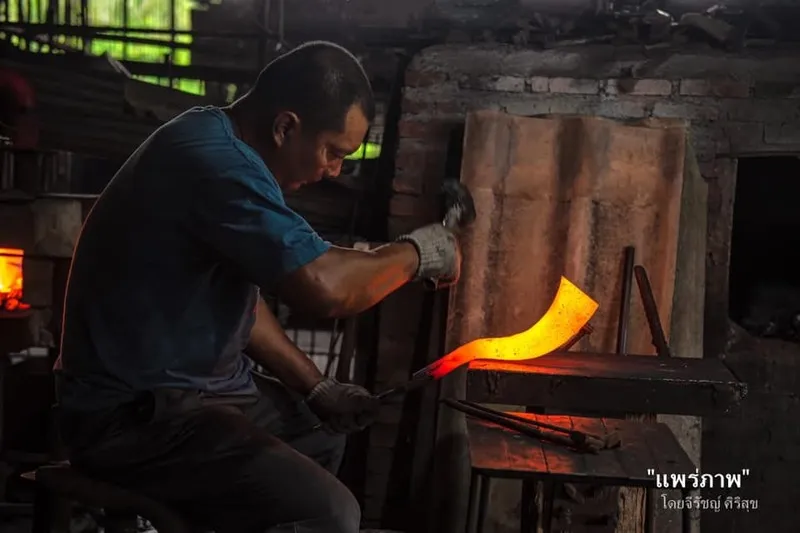
Ban Rong Fong is one of the most interesting cultural villages in Phrae for travelers who want to see living craftsmanship rather than only finished products on display. The village is especially known for making agricultural tools from iron, including hoes, spades, knives, machetes, and sickles. At the same time, it is also recognized for sewing work and products made from umbrella fabric. Because it is located not far from central Phrae, Ban Rong Fong is ideal for a half-day cultural visit or as part of a broader local route through the province.
The strongest identity of Ban Rong Fong comes from its long-standing household industries. Visitors do not come here only to buy local products. They come to observe how people in the community still work with iron, shape tools, sharpen blades, and continue practical village craftsmanship. Alongside the ironwork tradition, the community also developed a clear reputation for sewing and fabric-based products. This is why Ban Rong Fong is often remembered through a simple phrase that reflects its local economic structure: men forge iron, while women sew. That phrase captures the spirit of the village remarkably well.
According to local community history, Ban Rong Fong was originally settled by Tai Yai people who lived along a stream running through the village. The stream was known as “Huai Hong Fong,” a name rooted in local language and observation of nature. During the rainy season, water flowing down from the eastern mountains would hit the rocks in the stream and break into white foam all along the watercourse. Because of this yearly sight, the stream became associated with foam, and the village eventually took its name from that natural feature. The name Ban Rong Fong therefore reflects more than geography. It preserves a local memory tied directly to the landscape.
The village was established around 1858 and was originally part of Thung Hong Subdistrict in Mueang Phrae District. In the early period, the settlement had only a few dozen households, and agriculture was the main occupation. Over time, the community also became known for side professions such as sewing work and wooden cart-wheel making. This early stage is important because it shows that Ban Rong Fong grew from practical household labor and local skill rather than from formal industry alone.
As the local economy expanded and the population increased, Ban Rong Fong gradually shifted from working for outside areas to developing its own production base inside the village. This was a major turning point. Iron forging and sewing no longer remained only small supplementary activities. They became the economic backbone of the community. In earlier times, almost every stage of ironwork relied heavily on human labor, including shaping blades, pumping air into the fire, polishing tools, and preparing charcoal for heat. These labor-intensive processes required real skill, patience, and knowledge passed down through generations, which is part of what makes the village culturally significant today.
The development of Ban Rong Fong also reflects strong local organization and community cooperation. As the village grew, the wider area eventually developed into Rong Fong Subdistrict. Today the local economy is still widely associated with household industry, especially iron forging and sewing, while agriculture continues as a secondary occupation. This gives Rong Fong a distinctive character in the Phrae area and helps explain why Ban Rong Fong remains an important learning destination for visitors interested in local industry, cultural heritage, and community-based livelihoods. :contentReference[oaicite:4]{index=4}
One of the most rewarding aspects of visiting Ban Rong Fong is seeing real work in progress. If you are able to visit a suitable workshop or learning area, you may observe how agricultural tools are forged, shaped, refined, and prepared for use. This is not just an attractive demonstration for visitors. It is still part of the community’s real working life. The sewing side of the village is equally meaningful, especially in how local people have adapted materials and practical design into saleable products, including items made from umbrella fabric. Together, these traditions make Ban Rong Fong a valuable example of how local knowledge can remain active in everyday life.
Ban Rong Fong also benefits from its location. The village is not far from Phrae town, which makes access much easier than to many more remote community attractions. The common route is to follow Highway 101 on the Phrae-Nan road for about 4 kilometers, then turn onto Highway 1101 and continue according to the village sign. Once there, visitors can experience a semi-urban community that still preserves strong local identity and practical household craftsmanship.
Getting There is easiest by private car or rental car. From central Phrae, take Highway 101 on the Phrae-Nan route for around 4 kilometers, then turn onto Highway 1101 and follow the signs to the village. Because Ban Rong Fong is close to other attractions in and around Phrae, it can be combined with places such as Ban Thung Hong, Wat Chom Sawan, Khum Chao Luang, or Wat Phra That Cho Hae. Travelers who want to see real workshop activity should contact the community or the local administrative organization in advance to ask about the best visiting period.
For travelers interested in learning-based tourism, Ban Rong Fong is particularly suitable for small groups, families, students, and anyone curious about local production culture. The village offers a meaningful combination of settlement history, place-name heritage, environmental memory, household economy, craftsmanship, and community cooperation. Rather than being just a quick photo stop, it is a place where visitors can better understand how a community built its identity through skill, labor, and continuity across generations.
Ban Rong Fong therefore represents another important side of Phrae. The province is not defined only by historic mansions or indigo textiles. It also includes artisan villages like this one, where household industries have supported families for generations and continue to shape community pride today. For anyone seeking a deeper cultural understanding of Phrae, Ban Rong Fong is a destination worth adding to the itinerary.
| Name | Ban Rong Fong |
| Location | Moo 5, Rong Fong Subdistrict, Mueang Phrae District, Phrae |
| Address | Ban Rong Fong, Moo 5, Rong Fong, Mueang Phrae, Phrae 54000 |
| Highlights | Live iron-forging demonstrations, handmade agricultural tools, sewing work, and local products made from umbrella fabric |
| History | Established around 1858, originally part of Thung Hong Subdistrict before later developing into the Rong Fong area known for household industry |
| Name Origin | Derived from Huai Rong Fong, a local stream where rainy-season water created foam as it hit rocks along the watercourse |
| Distinctive Features | A village well known for iron forging and sewing, representing one of the important household-industry communities near Phrae town |
| Travel Information | Take Highway 101 on the Phrae-Nan route for about 4 km, then turn onto Highway 1101 and follow the village sign |
| Current Status | An active cultural tourism community and learning destination for iron forging, sewing, and local household-industry traditions |
| Facilities | Community learning points, workshop areas, local products, and nearby accommodation in Rong Fong and Phrae town |
| Main Areas / Zones | Ban Rong Fong community area, iron-forging learning points, sewing-product areas, and Wat Rong Fong |
| Main Contact Number | Rong Fong Subdistrict Administrative Organization: 054-651-654 |
| Official Website / Official Page | Rong Fong SAO, Ban Rong Fong WikiCommunity |
| Nearby Tourist Attractions | 1) Wat Rong Fong – about 1 km 2) Ban Thung Hong – about 5 km 3) Wat Chom Sawan – about 7 km 4) Khum Chao Luang – about 8 km 5) Wat Phra That Cho Hae – about 10 km |
| Nearby Restaurants | 1) Kuay Tiew Pa Yin Rong Fong – about 2 km, Tel. 088-254-6975 2) Apple House Cafe – about 2 km, Tel. 082-932-2021 3) Pork and Beef Noodle Shop opposite 7-Eleven Rong Fong – about 2 km 4) Charlotte Hut Coffee & Tea Bar – about 6 km, Tel. 054-523-367 5) Khanom Jeen Pa Da – about 8 km, Tel. 086-919-0045 |
| Nearby Accommodations | 1) Apple House Cafe – about 2 km, Tel. 082-932-2021 2) Huean Phak Thung Ngern – about 2 km, Tel. 086-330-5984, 095-449-2804 3) Huern Na Na Boutique Hotel Phrae – about 7 km, Tel. 054-524-800 4) Taris Art Hotel Phrae – about 8 km, Tel. 054-511-122, 088-252-3098 5) Phoomthai Garden Hotel – about 8 km, Tel. 054-627-359 |
Frequently Asked Questions (FAQ)
Q: What is Ban Rong Fong best known for?
A: It is best known for iron forging, handmade agricultural tools, sewing work, and products made from umbrella fabric.
Q: Is Ban Rong Fong far from Phrae town?
A: No. It is relatively close to the town and can be visited easily as part of a half-day or one-day cultural route.
Q: What can visitors do at Ban Rong Fong?
A: Visitors can learn about iron forging, observe local craftsmanship, see sewing-related work, and explore nearby attractions in the same route.
Q: Who is Ban Rong Fong suitable for?
A: It is suitable for travelers interested in local wisdom, traditional craft, learning-based tourism, families, and student groups.
Q: Should visitors contact the community in advance?
A: Yes. Advance contact is recommended, especially for group visits or anyone who wants to see live workshop activity.
Q: Is Ban Rong Fong only about iron forging?
A: No. The village is also known for sewing work and community products made from umbrella fabric, which are another important part of its identity.
 Category: ●Suburban Living
 Group: ●Village, Community
Last Update : 6 MonthAgo
 Last Update : 6 MonthAgo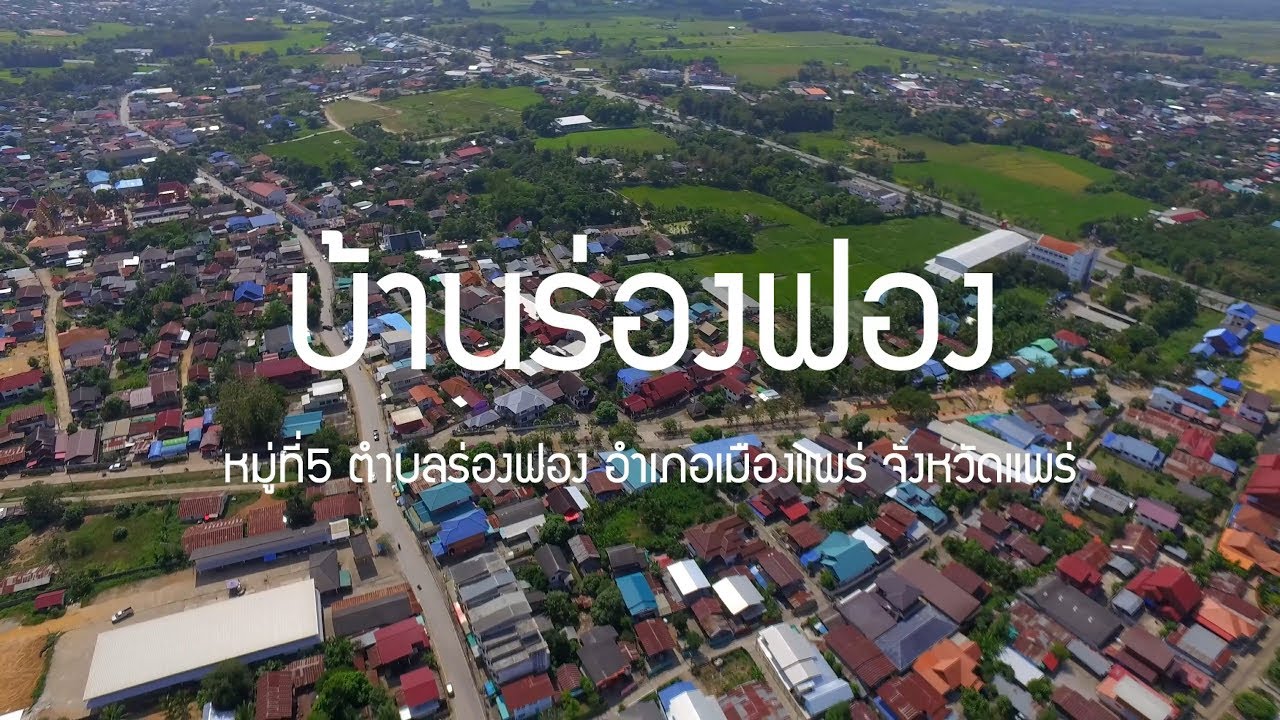
 Click to Access the Navigation Map GPS
Ban Rong Fong Map
Recommend

 Art, Culture and Heritage
 Historical Sites and Monuments(4)
 Landmarks and Memorials(5)
 Art, Craft Centres, Tradition(3)
 Museums(6)
 Historic Homes and Cities(2)
 Educational Places
 Museum for Study(1)
 Educational Gardens, Farm(2)
 Places of Worship
 Temple(31)
 Other Sacred Sites(8)
Village, Community(6)
Other Sacred Sites(8)
Village, Community(6)
 Local Market(1)
 Nature and Wildlife
 National Parks and Marine Reserves(4)
 Dam, Reservoir, Lake(14)
 Waterfalls(6)
 Hot Springs(1)
 Caves(5)
 River, Canal(3)
 Islands(1)
 Other natural attractions(5)
 Entertainment and Agricultural
 Farms, Parks and Ecotourism(5)
 Outdoor and Adventure Activities(1)
 Travel Articles, Recipes
 Travel Review, Food Review(2)


