
lovethailand home >Northeastern Travel Attractions >Bueng Kan Travel Attractions >Mueang Bueng Kan >Wisit > Bueng Kan Walking Street
TL;DR: Bueng Kan Walking Street is located at Mekong Riverfront, Bueng Kan Municipality, Mueang Bueng Kan District, Bueng Kan Province 38000, Thailand, open Friday and Saturday, hours 5:00 PM – 8:00 PM, with some vendors beginning to set up from approximately.

Bueng Kan Walking Street
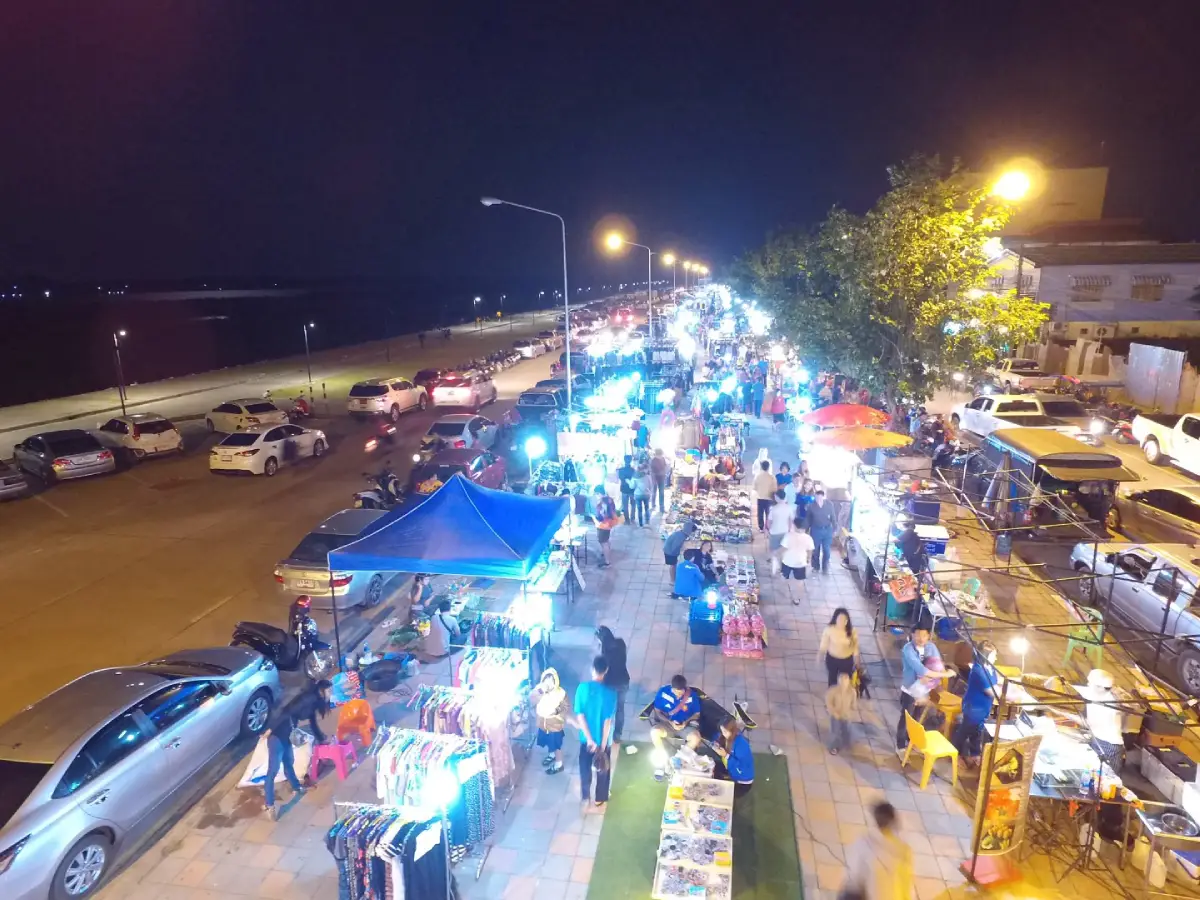
Open Days: Friday and Saturday
Opening Hours: 5:00 PM – 8:00 PM, with some vendors beginning to set up from approximately 4:00 PM.
Bueng Kan Walking Street, also known as Khao Mao Riverside Walking Street, is a lively evening market and community gathering place along the Mekong River in Mueang Bueng Kan District, Bueng Kan Province, northeastern Thailand. The market provides an opportunity for residents and visitors to explore local food, traditional products, clothing, accessories, agricultural goods, and regional souvenirs while enjoying views across the river toward Laos. It is one of the most distinctive places to experience everyday life in Bueng Kan, bringing together the atmosphere of a riverside promenade, a weekend market, and a community space where local culture and commerce naturally meet.
What makes Bueng Kan Walking Street appealing is not simply the selection of goods on sale. Its character comes from its setting beside one of Southeast Asia's most important rivers. The combination of open riverside views, small food stalls, local vendors, evening visitors, and the changing colours of the Mekong creates an atmosphere very different from a large commercial night market. Travelers can enjoy traditional food, watch the activities of a border town, and appreciate the surrounding landscape without leaving the central urban area.
The market is also known locally as Khao Mao Riverside Walking Street, a name associated with the riverside road and one of the principal public activity areas in Bueng Kan. The same location is used for community events and provincial celebrations, giving it a role beyond ordinary weekend shopping. Throughout the year, the riverside serves as a meeting place for local residents, entrepreneurs, government agencies, and visitors attending cultural activities and seasonal festivities.
The history of Bueng Kan Walking Street is closely connected with the province's establishment as Thailand's 77th province on 23 March 2011. Previously part of Nong Khai Province, Bueng Kan became an independent administrative province and subsequently developed its own provincial institutions, tourism identity, and urban activities. The Mekong River, already central to the region's geography and economy, provided a natural setting for public spaces designed to represent the character of the new province.
In 2013, the then Bueng Kan Subdistrict Municipality initiated the walking street project along the Mekong River. The aim was to provide a trading space for local entrepreneurs while creating a relaxing evening destination for residents and tourists. Friday and Saturday evenings were selected as the regular market days. The project introduced a new recreational and commercial function to a riverside area already important to the town's daily life and local identity.
The establishment of the walking street created more than a new place to shop. It offered residents additional opportunities to meet, socialize, and spend time together. Small businesses could sell directly to local customers and visitors from other provinces, while the regular weekend schedule helped generate activity along the riverfront. The market gradually became part of the social rhythm of the town, particularly for people looking for somewhere to relax after work or a week of daily responsibilities.
Bueng Kan's relationship with the Mekong River extends far beyond the history of the walking street. Before the province was established, communities along this section of the river depended on it for transportation, trade, fishing, agriculture, and everyday life. Seasonal changes in water levels influenced the appearance of the riverbanks and shaped local activities. The presence of communities on the Lao side of the Mekong also contributed to a shared regional cultural environment. The walking street therefore occupies a landscape with a much longer history than the modern market itself.
The riverside setting gives the market a spacious atmosphere unlike shopping streets surrounded by dense urban buildings. The Mekong opens an expansive view across the water, particularly attractive in the late afternoon when sunlight softens. Visitors can observe the colours of the river, the opposite bank, and river traffic while walking along the waterfront. The overall experience reflects the unhurried character of a smaller northeastern Thai border town.
The Mekong is one of the major rivers of Southeast Asia, flowing through or along several countries and supporting the lives of millions of people. For Bueng Kan, its importance is cultural and economic as well as geographical. It contributes to the province's culinary traditions, trading activities, natural landscape, and sense of identity. The relationship between the river and the community can be seen in local fish dishes, traditional markets, and the popularity of riverside recreation areas.
The walking street begins to change character in the late afternoon. Vendors gradually prepare their stalls, arrange merchandise, and bring out tables, temporary shelters, and cooking equipment. Food sellers prepare ingredients for the evening, while other merchants organize clothing, household products, and souvenirs. As daylight fades, the market becomes brighter and busier, with visitors moving between stalls, choosing snacks, sharing meals, and enjoying the surrounding atmosphere.
An evening market is particularly well suited to the climate of northeastern Thailand. Daytime temperatures can be high, especially during the hot season, while late afternoon and evening generally provide more comfortable conditions for walking outdoors. The market's schedule also allows residents to visit after work, contributing to its role as a local community space rather than an attraction catering exclusively to tourists.
Food is one of the principal attractions of Bueng Kan Walking Street. The market reflects the diversity of northeastern Thai cuisine and the wider tradition of Thai street food. Its food offerings include prepared dishes, grilled and fried snacks, local sweets, refreshments, and other convenient foods intended for people browsing the stalls. Sampling different small dishes is a practical way to discover regional flavours and learn about the everyday food culture of the area.
Northeastern Thai cuisine, commonly known as Isan food, is an important element of Bueng Kan's regional identity. Its characteristic flavours often combine chilli heat, acidity, saltiness, and aromatic herbs. Sticky rice and fresh vegetables frequently accompany traditional dishes. The popularity of this cuisine is reflected in the wide range of eating establishments in Bueng Kan, from casual takeaway stalls to restaurants serving complete meals for families and groups.
The food culture of the Mekong region is also closely associated with freshwater fish. Restaurants in Bueng Kan serve dishes such as spicy fish soup, minced fish salad, fried fish, and other preparations rooted in the culinary traditions of river communities. These dishes reflect the historical relationship between the local population and aquatic resources, as well as cooking methods and flavours passed down through households and local businesses.
Local desserts and snacks add another dimension to the market experience. Sticky rice, rice-flour sweets, and traditional Thai desserts are associated with the broader food culture of northeastern Thailand and the Mekong basin. Small portions of sweet or savoury snacks are especially suitable for a walking market, allowing visitors to try different foods while continuing to explore the stalls.
Seasonal agricultural products are another category traditionally associated with Bueng Kan Walking Street. Fruits and other farm products vary according to the growing season and the suppliers participating in the market. By selling at community markets, local producers gain opportunities to reach customers directly. Visitors can also gain insight into the agricultural character of the province through the produce available at different times of the year.
Community products and clothing make up another important part of the shopping experience. Traditional textiles, sarongs, footwear, fashion items, household goods, and regional souvenirs are among the categories associated with the walking street. These products reflect both established craft traditions and contemporary consumer preferences, illustrating how community-made goods continue to find a place in modern local markets.
Traditional woven sarongs and textiles hold cultural significance in communities throughout northeastern Thailand and the Mekong region. Patterns, colours, and weaving techniques differ among local traditions and craft groups. Markets provide an accessible way for visitors to encounter these products, while sales help connect traditional craftsmanship with younger buyers and the tourism economy.
Bueng Kan is also an agricultural province with an economy that includes rubber cultivation and other farming activities. The walking street represents a different but complementary part of the local economy, creating opportunities for small food vendors, craft producers, and service providers. Together, these activities reveal a provincial town supported by several economic sectors rather than tourism alone.
One of the walking street's most enjoyable features is the combination of shopping and riverside scenery. Visitors do not have to remain among the stalls for the entire evening. The nearby waterfront offers opportunities to appreciate the river, watch the changing light, and relax between purchases. The wide landscape of the Mekong adds a sense of openness to the market experience.
The river's appearance changes significantly between seasons. During periods of lower water, sandbanks and sections of exposed riverbank become more visible in some places. When water levels rise, the river presents a broader, fuller surface and a different visual character. These variations are part of the natural cycle of the Mekong and contribute to the changing atmosphere of riverside Bueng Kan.
Bueng Kan Walking Street is also well suited to travelers interested in photographing everyday life. Food preparation, colourful goods, illuminated stalls, and people browsing the market all provide subjects for street photography. The river adds a contrasting natural backdrop to the activity of the marketplace. Photographs taken before and after sunset can capture two different sides of the same location.
Arriving before dark allows visitors to enjoy riverside views and photograph the surrounding landscape while natural light remains. As evening approaches, illuminated stalls become the dominant feature and the market takes on a livelier appearance. Experiencing the transition from late afternoon to early evening is one of the simplest ways to appreciate the changing atmosphere of the riverfront.
The walking street's importance to local residents extends beyond commercial transactions. Families come together for meals and walks, friends meet for casual outings, and people of different ages use the waterfront as a shared public space. Such activities contribute to the quality of community life and help establish a familiar gathering place within the city.
For small entrepreneurs, a regular weekend market creates an opportunity to sell directly to consumers. Food vendors and local producers can introduce their products, interact with buyers, and understand customer preferences. This direct relationship between sellers and visitors is an important feature of community markets, where social exchange often takes place alongside buying and selling.
The market also supports other businesses in central Bueng Kan, including restaurants, cafes, guesthouses, hotels, and transport services. Visitors may spend an evening at the walking street before staying overnight and exploring the province's natural attractions the following day. This makes the market part of a wider local tourism network rather than an isolated shopping destination.
Beyond its regular market activities, Khao Mao Riverside Road has become an important location for public events organized by the municipality and provincial authorities. Cultural festivals and tourism celebrations bring additional visitors to the riverfront. The use of this area for public events reinforces its function as one of Bueng Kan's principal civic spaces.
In April 2026, Khao Mao Riverside Road hosted the Bueng Kan Municipality Songkran celebrations. The opening ceremony took place on 13 April 2026 and was attended by the provincial governor, municipal representatives, other local officials, and residents. The event formed part of the effort to preserve Thailand's traditional New Year celebrations while supporting local tourism and economic activity.
The same riverside location has also been used to promote tourism during the end of Buddhist Lent. On 8 October 2026, a provincial tourism promotion press conference was held at Khao Mao Riverside Road in connection with the area's festive tourism activities. The continued use of the location for official events demonstrates its ongoing importance as a public gathering place in Bueng Kan.
The end of Buddhist Lent is culturally significant in communities along the Mekong, where religious observances and local traditions often form an important part of the annual calendar. The conclusion of the monks' rains retreat is marked by merit-making and communal activities in many northeastern communities. In Bueng Kan, celebrations during this period also connect cultural identity, religious traditions, and regional tourism.
Hosting festivals on Khao Mao Riverside Road illustrates the role of the waterfront as a contemporary cultural space. The Mekong carries historical and social meaning for the community, while the walking street and public celebrations represent newer forms of urban activity. The combination gives the location significance in both tourism and the development of public life in the provincial capital.
For first-time visitors, Bueng Kan Walking Street is a convenient introduction to the town. Its riverside location connects naturally with several nearby attractions, including Chao Mae Song Nang Shrine, the Thai-Lao Market, Wat Photharam, and other parts of the waterfront. Starting a visit in this area helps travelers understand the layout of the town and its relationship with the river.
Chao Mae Song Nang Shrine is an important site of local belief in Bueng Kan. Situated within the urban area, it attracts residents and visitors who come to pay their respects and seek blessings. The shrine's traditions are connected with local stories and the spiritual heritage of communities along the Mekong. It can be incorporated into a cultural visit before an evening walk by the river.
The Thai-Lao Market is another distinctive attraction associated with the town's border trading culture. Unlike the evening walking street, it is a traditional market where local goods, agricultural products, food, and everyday necessities are bought and sold. Its trading traditions reflect long-standing commercial connections between communities on the Thai and Lao sides of the river. The market operates primarily on Tuesdays and Fridays and is particularly associated with morning trading activity.
Visiting the Thai-Lao Market and the walking street on the same day offers insight into two different aspects of the local economy. The morning market focuses on everyday trade, household goods, and agricultural products, while the evening walking street emphasizes prepared food, recreational shopping, and a relaxed community atmosphere. Together, they offer a fuller picture of commercial life in a Mekong border town.
Wat Photharam, also known as the temple of Luang Pho Phra Yai, is another important religious destination in Mueang Bueng Kan District. Located around Ban Tha Khrai, the temple houses a highly respected Buddha image and is closely connected with local Buddhist traditions. It is a suitable daytime destination before returning to central Bueng Kan for the evening market.
Nong Kut Thing is an important wetland environment in Bueng Kan Province. It supports a different natural landscape from the Mekong River and is valued for its ecological role. The wetland contributes to habitats for aquatic life and vegetation while remaining connected to the surrounding communities. It provides an additional destination for visitors who wish to explore the area's natural environments as well as its cultural attractions.
Travelers heading farther from the city can visit Wat Ahong Silawat and Kaeng Ahong, another important group of attractions along the Mekong. The area combines distinctive river scenery with local religious beliefs. Kaeng Ahong is particularly associated with stories describing it as the navel of the Mekong, making it a notable destination for those interested in the region's cultural landscape.
Hin Sam Wan, also known as Three Whale Rock, and the surrounding Phu Sing area are among Bueng Kan's best-known natural attractions. The site is famous for three enormous sandstone formations resembling whales and for panoramic views above the forest. Its character is very different from the walking street, making it a suitable daytime excursion before returning to the provincial capital in the evening.
A two-day, one-night visit to Bueng Kan can use the walking street as the main activity on the first evening. Travelers can arrive in town, visit Chao Mae Song Nang Shrine, enjoy the riverfront, and explore the market before staying overnight. The next day can then be devoted to the province's natural attractions or cultural landmarks farther from the urban centre.
For travelers with only one day, the walking street works well as the final activity after sightseeing nearby. Wat Photharam, Chao Mae Song Nang Shrine, and accessible riverside locations can be visited during daylight hours, leaving the evening for food and shopping. This arrangement makes practical use of the market's Friday and Saturday schedule.
The walking street appeals to a wide variety of travelers. Families can enjoy food and casual shopping, couples can walk beside the river, groups of friends can share meals and photographs, and cultural travelers can discover regional products and everyday local activities. The setting does not require specialized equipment or a complicated itinerary, making it accessible to many types of visitors.
The riverfront environment encourages an unhurried style of travel. Visitors can browse a few stalls, stop to enjoy the view, talk with sellers, and continue walking without following a fixed route. Taking time to appreciate the atmosphere often reveals details of local life that are easily missed during a more hurried visit.
The cool season generally offers particularly pleasant weather along the Mekong, especially from late afternoon into the evening. During the rainy season, however, open-air activities may be affected by showers and strong winds. In the hot season, visiting after the strongest afternoon sun has passed offers more comfortable conditions. Seasonal differences influence the atmosphere but do not change the essential character of the market.
During major festivals and public events, Khao Mao Riverside Road can become busier than during an ordinary market evening. Cultural celebrations, performances, and tourism activities change the arrangement and atmosphere of the area. Visitors seeking a lively festival experience may prefer these occasions, while those who enjoy more relaxed shopping can visit during regular weekend market hours.
There is no general admission charge for visiting Bueng Kan Walking Street. The riverside market is a public shopping and recreational area where visitors pay only for the goods, food, drinks, or services they choose to purchase. Individual prices depend on the products and the vendors offering them, making it possible to enjoy the atmosphere without committing to a paid attraction.
Central Bueng Kan has a range of facilities that support visits to the riverfront, including public roads, restaurants, accommodation, local shops, and other urban services. Travelers arriving by car should use permitted roadside or designated parking areas and avoid obstructing building entrances, traffic lanes, or access for local residents. Parking may require additional time during busy weekend evenings.
Visitor safety is important in a market where pedestrian activity can become concentrated. Travelers should remain aware of vehicles on nearby roads, supervise young children, and keep personal belongings secure. These simple precautions are especially relevant when the aisles are crowded and visitors are moving between stalls in both directions.
Keeping the waterfront clean is another important aspect of the market experience. Food containers, drink cups, and packaging can create environmental problems if discarded improperly near the river. Using available waste disposal facilities and reducing unnecessary single-use packaging helps protect the appearance of the public space and the surrounding Mekong environment.
Purchasing locally made products is one way the market supports the surrounding community. Traditional foods, agricultural goods, and handicrafts provide income for local traders and producers. Their presence also helps keep regional skills, recipes, and production traditions visible to new generations and visitors from other parts of Thailand.
The regular weekend market adds variety to the tourism experience in central Bueng Kan. The town offers religious landmarks, natural scenery, riverside recreation, local markets, and cultural activities, allowing visitors to combine several interests within one trip. Khao Mao Riverside Road serves as an evening connection between these different experiences.
Travelers from nearby northeastern provinces such as Nong Khai, Udon Thani, Nakhon Phanom, and Sakon Nakhon can include an overnight stay in Bueng Kan and an evening visit to the market as part of a wider regional journey. Those continuing to Bueng Khong Long, Si Wilai, or the province's more remote natural attractions can use the provincial capital as a convenient overnight base.
Unlike attractions known primarily for monumental architecture or dramatic natural formations, Bueng Kan Walking Street derives its appeal from ordinary human activity within a memorable riverside setting. Sharing food, observing local commerce, walking beside the river, and watching the town settle into evening provide an intimate introduction to the character of Bueng Kan and the life of its residents.
Bueng Kan Walking Street therefore has a meaningful role in preserving and presenting the identity of this Mekong border town. Its history, beginning with the walking street project in 2013, is connected to the development of the provincial capital after Bueng Kan became Thailand's 77th province. Its continued use for public gatherings and cultural events reinforces the importance of the riverfront as a community space.
Getting There Bueng Kan Walking Street is situated on Khao Mao Riverside Road along the Mekong River in Mueang Bueng Kan District, Bueng Kan Province. Travelers arriving by private car can enter central Bueng Kan via Highway 212 and then follow local roads toward the Mekong riverfront and Khao Mao Road. Visitors staying in the central urban area can use local transport or walk from appropriately located accommodation. On Friday and Saturday evenings, allowing extra time for parking is sensible because the riverfront attracts both shoppers and people visiting nearby restaurants.
Bueng Kan Walking Street captures the character of Bueng Kan through a combination of riverside scenery, local food, community products, cultural celebrations, and the everyday activities of a Mekong border town. The opportunity to enjoy both the peaceful river landscape and the lively atmosphere of an evening market makes Khao Mao Riverside Walking Street an important destination for understanding the local culture and social life of northeastern Thailand.
| Name | Bueng Kan Walking Street (Khao Mao Riverside Walking Street) |
| Location | Mekong Riverfront, Bueng Kan Municipality, Mueang Bueng Kan District, Bueng Kan Province 38000, Thailand |
| Address | Khao Mao Riverside Road, central Bueng Kan, overlooking the Mekong River and Laos |
| Attraction Type | Weekend walking street, evening community market, and riverside public activity area |
| History | The walking street project began in 2013 under the then Bueng Kan Subdistrict Municipality, following the establishment of Bueng Kan as Thailand's 77th province on 23 March 2011. |
| Highlights | Evening market beside the Mekong, views toward Laos, local food, community goods, and the relaxed atmosphere of a riverside border town |
| Main Areas / Zones | Food stalls, community product stalls, Mekong riverside promenade, and public event areas used during local celebrations |
| Products | Local dishes, snacks, drinks, agricultural produce, seasonal fruit, clothing, shoes, traditional sarongs, woven fabrics, and community products |
| Open Days | Friday and Saturday |
| Opening Hours | 5:00 PM – 8:00 PM, with some vendors setting up from approximately 4:00 PM |
| Admission Fee | Free admission; visitors pay only for the food, products, and services they purchase |
| Management | Bueng Kan Municipality, in cooperation with local event organizers and participating vendors |
| Contact | Bueng Kan Municipality, Tel. +66 42 490 878 |
| Activities | Riverside walking, food tasting, souvenir shopping, market photography, and participation in scheduled community festivals |
| Related Festivals | Bueng Kan Municipality Songkran celebrations and end-of-Buddhist-Lent tourism promotion events held on Khao Mao Riverside Road in 2026 |
| Getting There | Travel into central Bueng Kan via Highway 212 and continue toward Khao Mao Riverside Road beside the Mekong |
| Current Status | An established weekend market and riverside public event area, used for a provincial tourism event as recently as 8 October 2026 |
| Nearby Tourist Attractions | 1. Chao Mae Song Nang Shrine, approximately 0.9 km 2. Thai-Lao Market, central Bueng Kan 3. Hat Sai Khao, Mekong riverside area 4. Wat Photharam, Ban Tha Khrai, approximately 5.8 km 5. Nong Kut Thing Wetland, approximately 8.4 km 6. Wat Ahong Silawat and Kaeng Ahong, approximately 20.2 km |
| Nearby Restaurants | 1. Krua Savoey, Mee Chai Road near Khao Mao Road, Tel. +66 91 363 1495 2. Tam Yam Yua by Miki, Mekong Riverside Branch, Mee Chai Road, Tel. +66 82 689 1316 3. Krua Por Kaew, Chansin Road, central Bueng Kan 4. Riverside Restaurant & Bar Bungkan, Tel. +66 87 222 9899 5. Noi Som Tam near Bueng Kan Hospital, Tel. +66 81 546 7734 |
| Nearby Accommodations | 1. Khong Sunshine, approximately 0.1 km 2. Baan Ta Thin Bueng Kan, approximately 0.2 km 3. Mae Nam Hotel Bueng Kan, approximately 0.4 km 4. The Wisdom Residence, approximately 1.2 km, Tel. +66 42 086 977 5. The One Hotel Bueng Kan, approximately 1.5 km, Tel. +66 42 492 234 6. BK Place Hotel, approximately 2.2 km, Tel. +66 99 638 0988 |
Frequently Asked Questions (FAQ)
Q: Where is Bueng Kan Walking Street located?
A: Bueng Kan Walking Street is located on Khao Mao Riverside Road along the Mekong River in Mueang Bueng Kan District, Bueng Kan Province, northeastern Thailand.
Q: Which days and hours is Bueng Kan Walking Street open?
A: The market operates on Fridays and Saturdays, with published hours of 5:00 PM to 8:00 PM. Some vendors begin preparing their stalls from approximately 4:00 PM.
Q: Is there an admission fee for Bueng Kan Walking Street?
A: No. Admission is free, and visitors can enjoy the riverfront without purchasing a ticket. They pay only for any food, merchandise, or services they choose.
Q: What can visitors buy at Bueng Kan Walking Street?
A: The market features local food, snacks, drinks, agricultural goods, seasonal fruit, clothing, footwear, traditional sarongs, woven fabrics, and community-made products.
Q: When was Bueng Kan Walking Street established?
A: The walking street project began in 2013 under the then Bueng Kan Subdistrict Municipality as a way to support local trade and tourism along the Mekong River.
Q: What is the best time to visit Bueng Kan Walking Street?
A: The late afternoon and early evening are particularly pleasant for enjoying river views and browsing the stalls. The cool season generally provides more comfortable temperatures for walking outdoors.
Q: Which attractions can be visited together with Bueng Kan Walking Street?
A: Nearby attractions include Chao Mae Song Nang Shrine, the Thai-Lao Market, Wat Photharam, Hat Sai Khao, Nong Kut Thing Wetland, and other places in central Bueng Kan.
Q: Are Bueng Kan Walking Street and the Thai-Lao Market the same place?
A: No. Bueng Kan Walking Street is an evening market focused on food, shopping, and recreation on Fridays and Saturdays. The Thai-Lao Market is a traditional trading market associated with everyday goods, local produce, and border commerce on Tuesdays and Fridays.
 Category: ●Shopping
 Group: ●Shopping and Night Market
Last Update : 2 WeekAgo
 Last Update : 2 WeekAgo
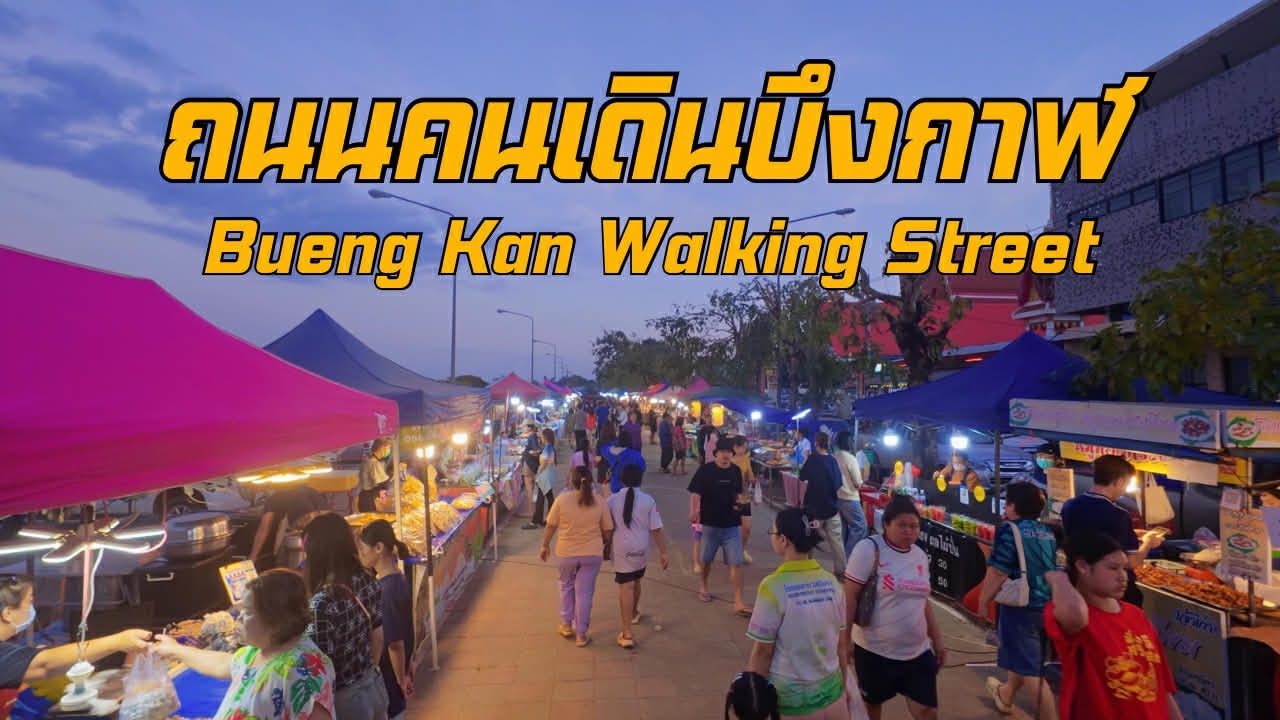
 Click to Access the Navigation Map GPS
Bueng Kan Walking Street Map
Recommend

 Art, Culture and Heritage
 Landmarks and Memorials(1)
 Museums(1)
 Places of Worship
 Temple(12)
 Other Sacred Sites(4)
 Suburban Living
 Local Market(1)
 Nature and Wildlife
 National Parks and Marine Reserves(1)
 Mountain (Doi)(3)
 Waterfalls(5)
 Caves(1)
 River, Canal(4)
 Bays and Beaches(1)
 Islands(1)
 Entertainment and Agricultural
 Waterpark(1)
Shopping and Night Market(1)
 Travel Articles, Recipes
 Travel Review, Food Review(1)


