
lovethailand home >Northeastern Travel Attractions >Bueng Kan Travel Attractions >Mueang Bueng Kan >Bueng Kan > Naka Cave
TL;DR: Naka Cave, Bueng Kan attractions : Nature and Wildlife, Caves.
Naka Cave
Open Days: Daily during the national park's designated visitor season
Opening Hours: 06:00 – 14:00, with all visitors required to descend by 18:00
Naka Cave in Bueng Kan, Thailand, is one of northeastern Thailand's most fascinating natural attractions and spiritual destinations. Located within Phu Langka National Park in Pho Mak Khaeng Subdistrict, Bueng Khong Long District, Bueng Kan Province, it is particularly famous for enormous sandstone formations covered in remarkable patterns resembling the scales of a giant serpent. Created through natural processes of cracking, weathering, and erosion, these unusual rock surfaces have become closely associated with the mythical Naga, a sacred serpent deeply rooted in the religious traditions and folklore of the Mekong River region. Naka Cave brings together geological wonders, forest trekking, Buddhist heritage, and local spiritual beliefs in one memorable destination.
The attraction is much more than a collection of unusual rocks. Reaching Naka Cave requires a genuine mountain trek through forested slopes, stairways, steep sections, and natural terrain. Along the way, visitors experience the changing landscape of Phu Langka before arriving at the extraordinary sandstone formations. The combination of physical adventure, impressive scenery, and centuries-old cultural traditions distinguishes Naka Cave from conventional sightseeing destinations. For nature enthusiasts, the journey offers an opportunity to discover the remarkable geological landscape of northeastern Thailand. For spiritual travelers, it provides a meaningful connection to local Naga legends and sacred places around Bueng Khong Long.
Naka Cave lies within the sandstone mountain landscape of Phu Langka National Park, a protected area extending across parts of Bueng Kan and Nakhon Phanom provinces. Phu Langka is important for its forests, natural water resources, distinctive rock formations, and religious heritage. The mountain has long been associated with Buddhist forest meditation traditions and local stories concerning the Naga. Exploring Naka Cave therefore offers an opportunity to understand the relationship between the natural environment and the cultural identity of communities living near the Mekong River.
The name Naka Cave refers to the serpent-like appearance of the surrounding rock formations. In Thai and regional traditions, the Naga is a powerful mythical serpent associated with water, protection, fertility, and Buddhism. Naga imagery appears throughout the cultural landscapes of Thailand, Laos, Cambodia, and other parts of Southeast Asia. In the Bueng Khong Long area, the unusual stone formations have inspired a particularly strong connection with these beliefs. The rock surfaces feature polygonal patterns that resemble overlapping scales, while certain large boulders display rounded shapes suggestive of a serpent's body or head.
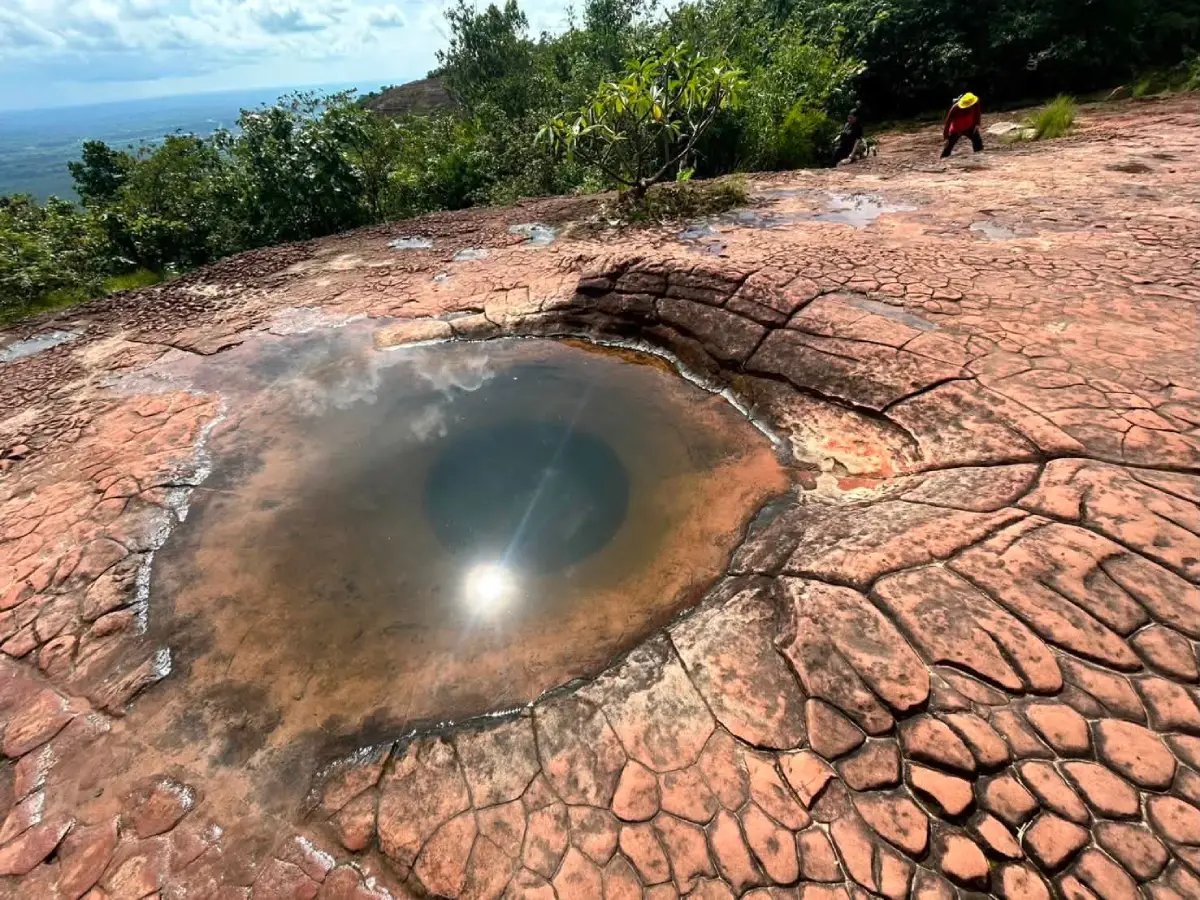
From a geological perspective, the serpent-scale patterns are natural features rather than the fossilized remains of an enormous animal. The rocks have developed distinctive surfaces through cracking, weathering, and erosion over long periods. A process commonly discussed in relation to Naka Cave is known as sun cracking, in which temperature changes contribute to expansion and contraction near exposed rock surfaces. Cracks may develop and become more pronounced as natural weathering continues, gradually producing the intricate patterns visible today.
Once fractures form, rainwater and moisture can penetrate the rock along existing weaknesses. Repeated exposure to water, temperature variations, and other environmental conditions gradually changes the surrounding material. Weathering may deepen the cracks while leaving adjacent sections of sandstone standing out in relief. This creates the remarkable appearance of individual scales arranged across an enormous stone surface. The formations demonstrate how ordinary natural processes can produce extraordinary geological features when acting over extended periods.
The shape of the rocks adds to their visual impact. Rather than appearing only as flat sandstone walls, some formations have broad curves, rounded projections, and contours resembling parts of a giant animal. When these shapes are combined with scale-like patterns, the resemblance to a mythical serpent becomes especially striking. Natural sunlight and shadows further emphasize the depth of the cracks, making the formations appear different depending on the viewing angle and lighting conditions.
Naka Cave is therefore valuable both as a geological attraction and as a place of cultural significance. Scientific explanations describe the natural processes responsible for the rock formations, while folklore reveals how local communities have interpreted the landscape through their beliefs and traditions. These perspectives serve different purposes. Geology explains the physical history of the sandstone, while mythology provides insight into the cultural meaning attached to mountains, caves, and waterways.
One of the most important legends associated with Naka Cave is the story of Chao Pu U Lue, a revered figure connected with the origins of Bueng Khong Long. According to local folklore, the story concerns an ancient ruler, an unsuccessful relationship involving humans and the Naga, and a curse that ultimately brought destruction to a once-prosperous settlement. The landscape was transformed, giving rise to the great body of water now known as Bueng Khong Long. This story forms an important part of the area's cultural heritage and continues to influence the spiritual identity of surrounding communities.
In versions of the legend, Chao Pu U Lue was cursed to become a Naga and remain bound to the area until the conditions of the curse were fulfilled. For devotees, this story connects Naka Cave, Phu Langka Mountain, and Bueng Khong Long Lake through a shared spiritual narrative. A journey to Naka Cave can therefore represent more than an outdoor excursion. Many visitors regard it as an opportunity to express respect for Chao Pu U Lue and reflect on the traditional beliefs associated with the landscape.
Naga legends have been part of the cultural traditions of communities along the Mekong River for generations. The mythical serpent frequently appears in stories about rivers, rainfall, abundance, sacred places, and the protection of Buddhism. Around Bueng Khong Long, these beliefs are reflected not only in Naka Cave but also in local shrines and religious sites. The relationship between natural landscapes and spiritual traditions is particularly visible where mountains, forests, and lakes are regarded as places of cultural and religious importance.
Bueng Khong Long itself is essential to understanding this relationship. The large lake contributes to the local environment and supports communities in the surrounding district. Its shores are associated with daily life, local livelihoods, recreational activities, and tourism. Together, the lake and Phu Langka Mountain create a distinctive landscape of water, forest, sandstone hills, and rural settlements. This combination has helped shape the identities and traditions of local residents.
Naka Cave attracts several types of travelers. Outdoor enthusiasts come for the mountain trek and impressive rock formations. Visitors interested in natural science explore the geological features, while spiritual travelers are drawn to the legends of Chao Pu U Lue and the Naga. This combination has also made the attraction important to the local tourism economy. Accommodation providers, restaurants, guides, and small businesses around Bueng Khong Long benefit from visitors who travel to the area to explore Phu Langka.
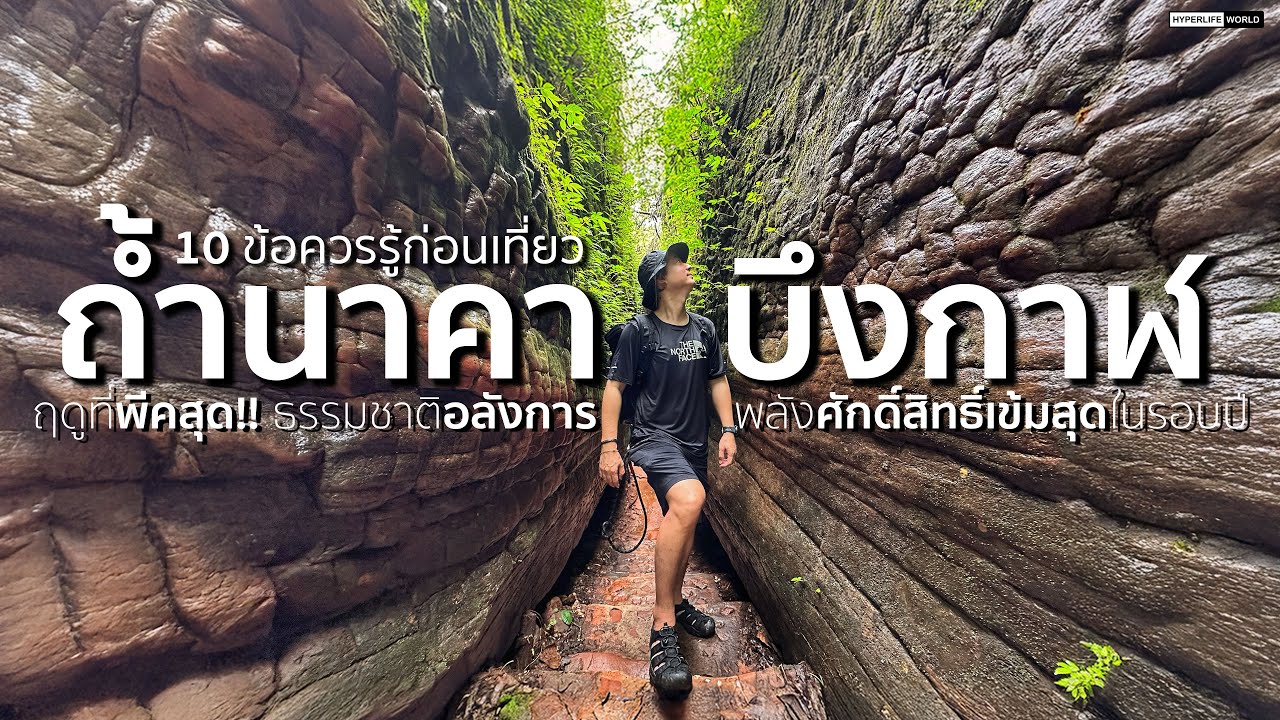
The principal trekking route to Naka Cave begins near Thiti Sararam Monastic Residence, also known as Wat Tat Wimanthip, along the Tat Wimanthip Waterfall route in Pho Mak Khaeng Subdistrict. The uphill journey to the cave area covers approximately 2 kilometers. This is not a flat walking trail. Visitors encounter forest paths, stairs, steep slopes, and sections where ropes are provided to assist with balance and movement. Good physical condition and suitable footwear are essential for completing the ascent safely.
Travelers should plan sufficient time not only for the ascent but also for exploring designated viewpoints and returning to the starting point. Reaching the cave is only part of the journey. Additional time is required for rest stops, photography, and descending the mountain. An early start is particularly useful for those wishing to visit several attractions along the route. Careful time management helps reduce the risk of being caught on difficult terrain late in the day.
Several natural landmarks are found along the trekking route, including Turtle Gate, Boat Head Rock, and the formation known as the Third Naga Head. These features are associated with the recognizable shapes of sandstone boulders and rock surfaces. Together, they add variety to the trek and encourage visitors to observe the mountain's geological landscape rather than focusing exclusively on the final destination.
Turtle Gate illustrates the local tradition of naming natural formations after recognizable shapes. Boat Head Rock is another landmark encountered along the route. Such names make the journey more memorable and provide recognizable reference points within the forest environment. They also reflect how people interpret natural landscapes through familiar images and everyday experiences.
The formations known as the Third Naga Head and First Naga Head are particularly relevant to the area's serpent legends. Their names refer to the resemblance between natural rock shapes and the heads of mythical Nagas. The ability to recognize familiar images within natural forms is a common human experience, but at Phu Langka the interpretation is especially meaningful because of the region's long-standing association with Naga traditions.
The central highlight of the trek is Naka Cave itself, where large sandstone surfaces display the distinctive scale-like patterns that have made the attraction famous. Deep grooves separate raised sections of stone, creating a texture that resembles the skin of an enormous serpent. Natural light reveals different details across the formation, particularly where the cracked sandstone curves beneath overhanging rocks. Visitors can appreciate these features from designated viewing areas without touching the vulnerable surfaces.
Despite its name, Naka Cave should not be confused with a conventional limestone cavern containing extensive underground passages, stalactites, and stalagmites. Its most celebrated features are sandstone formations, rock shelters, and spaces between substantial boulders. The attraction is experienced as part of an outdoor mountain trek rather than an ordinary underground cave tour. Understanding this distinction helps visitors choose appropriate clothing, equipment, and expectations before arriving.
The forest surrounding Naka Cave changes throughout the year. During the rainy season, vegetation becomes lush and the mountain takes on a deep green appearance. Moisture can darken the sandstone surfaces and intensify their colors. However, rainfall also makes paths, roots, steps, and exposed rocks more slippery. During drier periods, some sections of the trek may be easier to negotiate, although heat and physical exertion remain important considerations.
As Naka Cave lies within a protected national park, access is managed through official visitor regulations. Travelers must stay on designated trails, respect safety barriers, and follow instructions from park personnel. Leaving the approved route to reach isolated rock formations or restricted forest areas is not appropriate. These measures help protect both visitors and natural resources, particularly geological surfaces that are vulnerable to damage.
Protecting the scale-like sandstone patterns is especially important. Although these formations developed naturally over immense periods, their surfaces can be damaged by human activity. Scratching, carving, painting, applying powders or oils, and repeated unnecessary contact are incompatible with responsible nature tourism. Visitors should observe and photograph the rocks from permitted locations and avoid removing stones, plants, or other natural materials from the park.
Beyond its geological attractions, Phu Langka also has a significant history connected with Buddhist forest meditation. The mountain is associated with Luang Pu Wang, a respected monk whose life and religious practice form part of the area's heritage. Sites associated with him include Luang Pu Wang Cave and Luang Pu Wang Chedi. These places reveal that Phu Langka has long been appreciated not only for its natural environment but also for its peaceful setting suitable for spiritual practice.
Luang Pu Wang passed away in 1953, corresponding to Buddhist Era 2496. His relics were enshrined in a chedi on Phu Langka Mountain. His legacy remains an important part of the area's Buddhist heritage. Travelers who visit religious landmarks connected with the monk should approach them respectfully, recognizing their significance as places of remembrance and spiritual devotion.
The presence of meditation-related sites on Phu Langka illustrates the historical importance of forest environments within Thai Buddhism. For monks practicing meditation, remote mountains and forests have traditionally provided conditions conducive to solitude, contemplation, and disciplined spiritual training. The relationship between the natural landscape and religious life gives Phu Langka a cultural depth extending beyond its popular association with Naga legends.
Wat Tham Chai Mongkhon, commonly associated with Pu Dam and Ya Kham, is another important religious site in the area. The temple features Naga figures revered locally as Pu Dam and Ya Kham, along with a representation of Luang Pu Wang. Some devotees visit this temple before exploring Phu Langka as an expression of faith and respect. The site reflects the coexistence of Buddhist traditions and local serpent beliefs within the cultural landscape of Bueng Khong Long.
The relationship between Naka Cave, Wat Tham Chai Mongkhon, and the Chao Pu U Lue shrine creates an interconnected route of natural and spiritual attractions. Each location serves a different purpose. Naka Cave is primarily recognized for its sandstone formations and mountain trail. Wat Tham Chai Mongkhon highlights local Buddhist heritage and religious devotion, while the Chao Pu U Lue shrine is associated with the legends of Bueng Khong Long. Exploring these places together provides a broader understanding of regional traditions.
Travelers interested in Naga beliefs should understand that rituals and acts of devotion are matters of personal faith. Individual visitors may follow different religious or cultural practices. Respect for other travelers, protection of the environment, and compliance with park regulations should remain priorities. Spiritual appreciation does not require touching protected rocks, leaving offerings on natural formations, or carrying out activities that could damage the landscape.
Naka Cave also plays an important role in promoting responsible nature tourism. The geological formations that draw visitors to the mountain are the product of long-term natural processes. As visitor numbers increase, careful management becomes essential to prevent cumulative environmental damage. National park authorities, community guides, tourism businesses, and visitors all contribute to maintaining the quality of the destination.
Phu Langka National Park periodically closes the Naka Cave route to allow environmental recovery and carry out maintenance. In 2026, the attraction was closed throughout May before reopening on June 1. Such temporary closures provide opportunities to inspect trails, repair facilities, implement safety improvements, and reduce pressure on the natural environment. These conservation measures are part of the long-term management of the attraction.
The reopening of Naka Cave in June 2026 was accompanied by green tourism activities organized in cooperation with the Tourism Authority of Thailand's Udon Thani Office. The program encouraged visitors to discover the natural beauty of Phu Langka while supporting local communities. Tourism initiatives of this kind demonstrate the relationship between conservation, destination management, and economic opportunities for businesses in Bueng Khong Long.
Naka Cave is administered by Phu Langka National Park under Thailand's Department of National Parks, Wildlife and Plant Conservation. Akson Manawong was identified as the park superintendent in the official announcements concerning the 2026 visitor season. The park's responsibilities include trail management, visitor services, conservation, and safety arrangements. Naka Cave is a natural attraction rather than a monastery and therefore does not have its own Buddhist abbot.
Physical preparation is one of the most important aspects of planning a visit. Travelers must be capable of walking uphill, using stairs, negotiating uneven ground, and maintaining their balance on steep sections. Those unfamiliar with mountain trekking should assess their fitness realistically. Adequate rest the night before and a suitable meal before departure can help reduce fatigue during the climb.
Appropriate footwear is essential. Hiking shoes or supportive sports shoes with reliable grip are preferable to sandals or footwear with slippery soles. Clothing should be breathable and allow unrestricted movement. During wet conditions, a lightweight rain jacket is useful, provided it does not obstruct the hands when using ropes or handrails. Backpacks should contain essential equipment without becoming unnecessarily heavy.
Drinking water should be carried for the entire trek. Walking uphill in a warm, humid environment increases the body's demand for fluids. Small snacks can also be useful during rest stops. Visitors traveling in groups should adjust their pace to the abilities of less experienced members and allow adequate breaks. Completing the trek safely is more important than reaching the top quickly.
Particular caution is necessary on wet rocks, exposed roots, steep pathways, and stairs. Where ropes are provided, visitors should keep their hands available for support and avoid using mobile phones while negotiating difficult sections. Photographs should be taken only from stable positions. Stepping backward without checking the ground or crossing a safety barrier for a better camera angle can create unnecessary risks.
People with heart or respiratory conditions, knee problems, balance difficulties, or other limitations affecting mobility should seek appropriate medical advice and assess whether the route is suitable. Emergency assistance can be more difficult to access in mountain environments than in urban areas. Families with children and older travelers should consider actual walking ability and any visitor restrictions imposed by the park.
Morning is generally the most practical time to begin the trek. Starting early provides more time for rest, photography, and visiting designated landmarks before the required descent. Mountain weather can change quickly, so preparations for rain and humid conditions remain important even when the sky appears clear at the beginning of the day.
Visitor numbers are managed through the national park's admission procedures. Published arrangements have included advance reservations through the QueQ application and a limited allocation for visitors arriving without reservations. The number of available places and applicable entry procedures are determined by the park. Travelers planning a visit during weekends, holidays, or other busy periods should arrange admission in accordance with the rules in effect for their chosen date.
According to the admission information published by the Tourism Authority of Thailand, the charge for visiting Naka Cave is 40 baht per person, including accident insurance, with local guiding services charged separately by agreement. Travelers should also budget for transportation, accommodation where necessary, meals, and drinking water. Having the required arrangements completed before the trekking day helps reduce delays at the starting point.
Visitor facilities along the route include designated paths, stairs, support ropes, direction signs, and park personnel stationed at various points. These facilities assist with navigation and safety but do not eliminate the physical demands of the climb. Visitors must remain attentive throughout the ascent and descent, particularly during adverse weather.
Weather conditions can affect access to Naka Cave. Heavy rain, strong winds, slippery terrain, or other safety concerns may lead park authorities to suspend trekking temporarily. Normal opening schedules do not guarantee access under every condition. Visitors must follow any closures or instructions issued by park personnel, whose decisions are intended to protect both travelers and the natural environment.
For photographers, Naka Cave offers a variety of striking compositions. The patterned sandstone, curved boulders, natural openings, forest vegetation, and changing light create visually distinctive scenes. Close-up photographs emphasize the geometry of the cracks, while wider views reveal the relationship between the rock formations and surrounding landscape. Photography should always take place within permitted areas without climbing onto or touching protected features.
The appearance of Phu Langka varies considerably with the seasons. During the rainy season, lush foliage creates a vibrant mountain environment, while moisture often gives sandstone a darker appearance. Drier conditions may make some parts of the trail less slippery, but heat and exposure remain important considerations. Choosing when to travel should involve balancing personal fitness, preferred scenery, weather forecasts, and national park access arrangements.
For families and travelers arriving from other provinces, staying overnight in Bueng Khong Long can make the visit more comfortable. Accommodation within the district allows an earlier start and avoids combining a long drive with a demanding mountain trek. After descending, visitors can enjoy a meal in town or explore the lakeside attractions, depending on their energy levels and available time.
The Bueng Khong Long area offers local restaurants and lakeside dining options that complement a visit to Naka Cave. Northeastern Thai cuisine is an important part of the regional experience, with dishes such as som tam, laab, spicy soups, and locally prepared specialties commonly associated with Isan food culture. A meal after the trek provides an opportunity to rest while experiencing the hospitality and everyday atmosphere of the surrounding community.
Bueng Khong Long Lake is one of the most rewarding nearby destinations to combine with Naka Cave. Its broad waters and open views contrast with the enclosed forest environment of Phu Langka. Spending the morning on the mountain followed by a more relaxed afternoon beside the lake creates a balanced day of sightseeing. The district's lakeside environment also provides opportunities to experience the landscape that features so prominently in local Naga folklore.
Hat Kham Somboon is a well-known recreational area on the shores of Bueng Khong Long. During periods when the water level is lower, sandy stretches become visible along parts of the shoreline, giving the area an atmosphere reminiscent of a beach. The surrounding scenery changes with seasonal water levels, making the lake an appealing contrast to the sandstone formations and forested slopes of Naka Cave.
The Chao Pu U Lue Nakarat Shrine is another significant attraction for travelers interested in local beliefs. Dedicated to the revered figure associated with the legends of Bueng Khong Long, the shrine is an important spiritual destination in the district. Visiting both the shrine and Naka Cave provides an opportunity to appreciate how the Naga story connects mountain landscapes with the nearby lake and local cultural traditions.
Nakee Cave is another popular destination associated with unusual rocks and Naga folklore. It is located within Phu Langka National Park on the Nakhon Phanom side of the protected area. Naka Cave and Nakee Cave are separate attractions with different access routes. Although their names and cultural associations are similar, travelers should not assume that both can be explored as part of the same short walk. Each requires separate planning and an appropriate allocation of time.
Bueng Kan Province offers additional attractions for travelers planning a longer itinerary. Phu Thok is especially notable for its sandstone mountain and its association with the Buddhist meditation tradition of Luang Pu Juan Kulachettho. Its wooden cliffside walkways create an unusual religious and scenic environment. Other natural destinations in the province include Phu Wua Wildlife Sanctuary, Chet Si Waterfall, and Tham Phra Waterfall. These sites offer different landscapes and experiences, making Bueng Kan suitable for multi-day nature and cultural journeys.
Combining Naka Cave with other places in Bueng Khong Long also benefits the local economy. Staying at locally operated accommodation, dining at neighborhood restaurants, and using authorized guiding services help support employment and small businesses. Responsible travel involves not only spending money within the community but also respecting local customs and minimizing environmental impacts.
Naka Cave is particularly suitable for travelers who enjoy active outdoor experiences. It is not a destination that can be fully appreciated through a brief roadside stop. The mountain trek is an essential part of the visit and requires preparation, time, and physical effort. Travelers who cannot comfortably complete steep climbs may prefer the lake, shrines, and other more accessible attractions around Bueng Khong Long. Those prepared for the trek will find an experience combining natural beauty, cultural interest, and a rewarding sense of exploration.
Respectful visitor behavior is essential throughout the journey. Loud music, littering, damage to rocks, and entering restricted areas are inappropriate within the national park. Visitors should avoid placing objects on protected sandstone formations and remain considerate of people who come for religious purposes or quiet enjoyment of nature. These practices help preserve the peaceful atmosphere and geological value of the area.
The enduring appeal of Naka Cave lies in the way it connects different aspects of northeastern Thailand's heritage. Its sandstone formations reveal the effects of natural processes, while the legend of Chao Pu U Lue reflects the region's spiritual traditions. The Buddhist history of Phu Langka and the livelihoods of communities around Bueng Khong Long add further dimensions to the destination. A visit becomes especially rewarding when these elements are appreciated together rather than treating the cave merely as a location for photographs.
Getting There: Travelers can reach Naka Cave by private car or rental vehicle through Bueng Khong Long District in Bueng Kan Province. From the district center, continue toward Pho Mak Khaeng Subdistrict and the trekking entrance near Thiti Sararam Monastic Residence, also known as Wat Tat Wimanthip. The starting point is approximately 10 kilometers from central Bueng Khong Long. Visitors arriving from other provinces can travel through the regional road network connecting Bueng Kan, Nakhon Phanom, and neighboring districts before following the local access road.
At the trailhead, visitors must complete the national park's admission procedures and follow the designated trekking route. The ascent to the Naka Cave area is approximately 2 kilometers and includes earthen paths, stairs, steep terrain, and rope-assisted sections. Carry sufficient drinking water, wear appropriate footwear, and allow enough time for the return journey. Travelers intending to visit additional landmarks should plan their schedule around the park's official descent requirements.
Naka Cave represents an exceptional combination of natural history and living cultural heritage. Its distinctive sandstone patterns have developed through geological processes over vast periods, while the surrounding legends continue to hold meaning for local communities and visitors. Traveling responsibly, respecting park regulations, and protecting the fragile rock surfaces will help ensure that this remarkable destination remains an important place for nature exploration, cultural understanding, and future generations.
| Name | Naka Cave |
| Location | Phu Langka National Park, Pho Mak Khaeng Subdistrict, Bueng Khong Long District, Bueng Kan Province 38220, Thailand |
| Attraction Type | Mountain-based natural and geological attraction featuring sandstone formations with serpent-scale patterns |
| Highlights | Serpent-scale sandstone, Naga-head-shaped formations, Phu Langka forest trekking, and the legend of Chao Pu U Lue |
| Geological Features | Sandstone surfaces shaped by natural cracking, weathering, and erosion, producing distinctive scale-like patterns |
| Cultural Significance | Associated with Chao Pu U Lue, Naga folklore, and the traditional legends of Bueng Khong Long |
| Responsible Authority | Phu Langka National Park, Department of National Parks, Wildlife and Plant Conservation |
| Park Superintendent | Akson Manawong, as identified in the official 2026 reopening announcement |
| Visitor Status | Reopened on June 1, 2026, following its annual May conservation closure. Access remains subject to park announcements and weather conditions. |
| Open Days | Daily during the designated visitor season |
| Opening Hours | 06:00 – 14:00; visitors must descend by 18:00 |
| Admission Fees | 40 baht per person, including accident insurance, according to the Tourism Authority of Thailand's published information. Guide charges are separate. |
| Reservations | QueQ reservation system and visitor admissions subject to national park capacity regulations |
| Trekking Distance | Approximately 2 km uphill to the cave area, with steep pathways, stairs, and rope-assisted sections |
| Trailhead | Near Thiti Sararam Monastic Residence (Wat Tat Wimanthip), Pho Mak Khaeng Subdistrict |
| Main Areas And Landmarks | Turtle Gate, Boat Head Rock, Third Naga Head, First Naga Head, Naka Cave, Luang Pu Wang Cave, and Luang Pu Wang Chedi, subject to designated route access |
| Facilities | Designated walking paths, stairs, support ropes, directional signs, park personnel, and safety arrangements |
| Travel Information | Travel by private car or rental vehicle to Bueng Khong Long, then continue approximately 10 km from the district center to the trailhead near Wat Tat Wimanthip |
| Visitor Guidelines | Do not touch or damage the sandstone, carve on rocks, leave designated trails, litter, or disregard park instructions |
| Main Contact Number | +66 42 530 766, Phu Langka National Park |
| Nearby And Connected Tourist Attractions | 1. Tat Wimanthip Waterfall – along the Phu Langka trekking route 2. Wat Tham Chai Mongkhon (Pu Dam–Ya Kham) – Pho Mak Khaeng Subdistrict 3. Chao Pu U Lue Nakarat Shrine – Bueng Khong Long District 4. Bueng Khong Long Lake – Bueng Khong Long District 5. Hat Kham Somboon – Bueng Khong Long lakeshore 6. Nakee Cave – Nakhon Phanom side of Phu Langka National Park 7. Phu Thok – Si Wilai District, Bueng Kan Province |
| Restaurants In The Bueng Khong Long Area | 1. GG Jim Jum, Bueng Khong Long Lakeside, Tel. +66 95 662 8910 2. Khun Phet's Kitchen, Bueng Khong Long, Tel. +66 88 518 6586 3. Je Eid Made-to-Order Restaurant, Bueng Khong Long, Tel. +66 62 147 3481 4. Krua King Kong Riverside, Bueng Khong Long |
| Accommodation In The Bueng Khong Long Area | 1. HR Resort Bueng Khong Long, Tel. +66 99 735 8789 2. KP House Homestay, Tel. +66 92 255 9926 3. Ruean Khunluang Homestay, Tel. +66 65 992 6282 4. Lanka Camp Resort & Cafe, Tel. +66 92 835 3956 5. Baan Rai Poonwana, Tel. +66 84 719 8421 6. Baan Chomdao Resort Bueng Khong Long, Tel. +66 98 398 9816 |
Frequently Asked Questions (FAQ)
Q: Where is Naka Cave located?
A: Naka Cave is located within Phu Langka National Park in Pho Mak Khaeng Subdistrict, Bueng Khong Long District, Bueng Kan Province, northeastern Thailand. It is famous for natural sandstone formations resembling Naga scales.
Q: Is Naka Cave really a giant serpent turned into stone?
A: Geologically, the serpent-scale patterns are natural sandstone features formed through cracking, weathering, and erosion. The story of a giant Naga is part of local folklore associated with Chao Pu U Lue and Bueng Khong Long.
Q: What are the opening hours of Naka Cave?
A: The published visitor hours are 06:00 to 14:00, with all visitors required to descend by 18:00. Access is subject to national park regulations, seasonal closures, and weather conditions.
Q: Is there an admission fee for Naka Cave?
A: The Tourism Authority of Thailand publishes a charge of 40 baht per person, including accident insurance. Local guide charges are separate.
Q: How difficult is the hike to Naka Cave?
A: The uphill route is approximately 2 kilometers and includes forest paths, stairs, steep terrain, and some rope-assisted sections. Visitors should be physically prepared for a demanding mountain walk.
Q: Are Naka Cave and Nakee Cave the same place?
A: No. Naka Cave is on the Bueng Kan side of Phu Langka National Park, while Nakee Cave is on the Nakhon Phanom side. They are separate destinations with different access routes.
Q: What is the best time of day to hike to Naka Cave?
A: Morning is generally the most practical time to begin, allowing sufficient daylight for rest stops, sightseeing, and the return descent. Visitors must follow the park's designated entry schedule.
Q: What attractions can visitors combine with Naka Cave?
A: Nearby and connected destinations include Wat Tham Chai Mongkhon, the Chao Pu U Lue Nakarat Shrine, Bueng Khong Long Lake, and Hat Kham Somboon. Longer itineraries may also include Nakee Cave and Phu Thok.
 Category: ●Nature and Wildlife
 Group: ●Caves
Last Update : 2 WeekAgo
 Last Update : 2 WeekAgo
 Click to Access the Navigation Map GPS

 Art, Culture and Heritage
 Landmarks and Memorials(1)
 Museums(1)
 Places of Worship
 Temple(12)
 Other Sacred Sites(4)
 Suburban Living
 Local Market(1)
 National Parks and Marine Reserves(1)
 Mountain (Doi)(3)
 Waterfalls(5)
Caves(1)
 River, Canal(4)
 Bays and Beaches(1)
 Islands(1)
 Entertainment and Agricultural
 Waterpark(1)
 Shopping
 Shopping and Night Market(1)
 Travel Articles, Recipes
 Travel Review, Food Review(1)


