
lovethailand home >South Travel Attractions >Songkhla Travel Attractions >Muang Songkhla >Bo Yang > Phathammarong Museum
TL;DR: Phathammarong Museum is located at 1 Chana Road, Bo Yang Subdistrict, Mueang Songkhla District, Songkhla Province, open Tuesday – Sunday, hours 08.30 – 16.00 / Closed on Monday and public holidays.
Phathammarong Museum
Open Days: Tuesday – Sunday
Opening Hours: 08.30 – 16.00 / Closed on Monday and public holidays
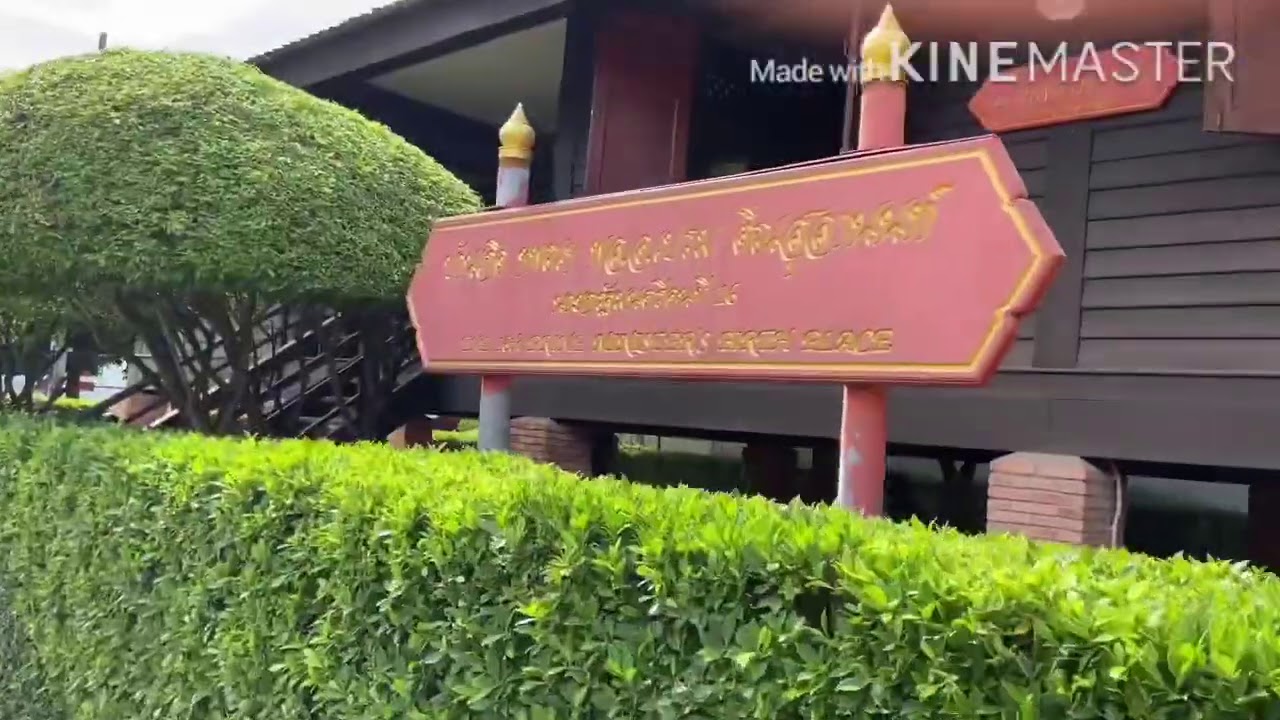
Phathammarong Museum in Songkhla is a compact but highly meaningful historical museum located at 1 Chana Road, Bo Yang Subdistrict, Mueang Songkhla District, Songkhla 90000. It stands close to Songkhla National Museum and Songkhla Old Town. The site is associated with the former residence of Deputy Second Lieutenant Khun Winit Thantakam, also known as Bueng Tinsulanonda, the father of General Prem Tinsulanonda, a former Prime Minister and statesman of Thailand. The present museum was built as a traditional Thai house to recreate the atmosphere of General Prem’s birthplace and family home, using memory, oral accounts, and the story of the original residence as the foundation for its interpretation.
The name “Phathammarong” is central to the identity of the museum. It is not merely a place name. It refers to an old official position in the Thai correctional system, used since the Ayutthaya period alongside the position of prison warden. The position appeared in traditional Thai legal records and continued until the Corrections Act of 1936, after which the title was discontinued. Naming the museum after this old position preserves the memory of Khun Winit Thantakam’s official role and keeps an old administrative term alive in public memory.
The importance of Phathammarong Museum does not come from the size of the building. It comes from its ability to tell the story of a person, a family, and a city through the intimate space of a house. The house is not only a background to biography. It helps visitors understand the family environment of the Tinsulanonda household, the atmosphere of an official residence in old Songkhla, and the way a national figure could emerge from a local community, family discipline, and a modest domestic setting.
General Prem Tinsulanonda was born in Songkhla and became one of the most prominent figures in modern Thai history. He served as a soldier, Prime Minister, statesman, and public figure whose life remains strongly connected with national memory. For this reason, the museum links national history with local history. Visitors entering this raised wooden house do not see only photographs and household objects; they also encounter Songkhla as the hometown and formative landscape of a major Thai statesman.
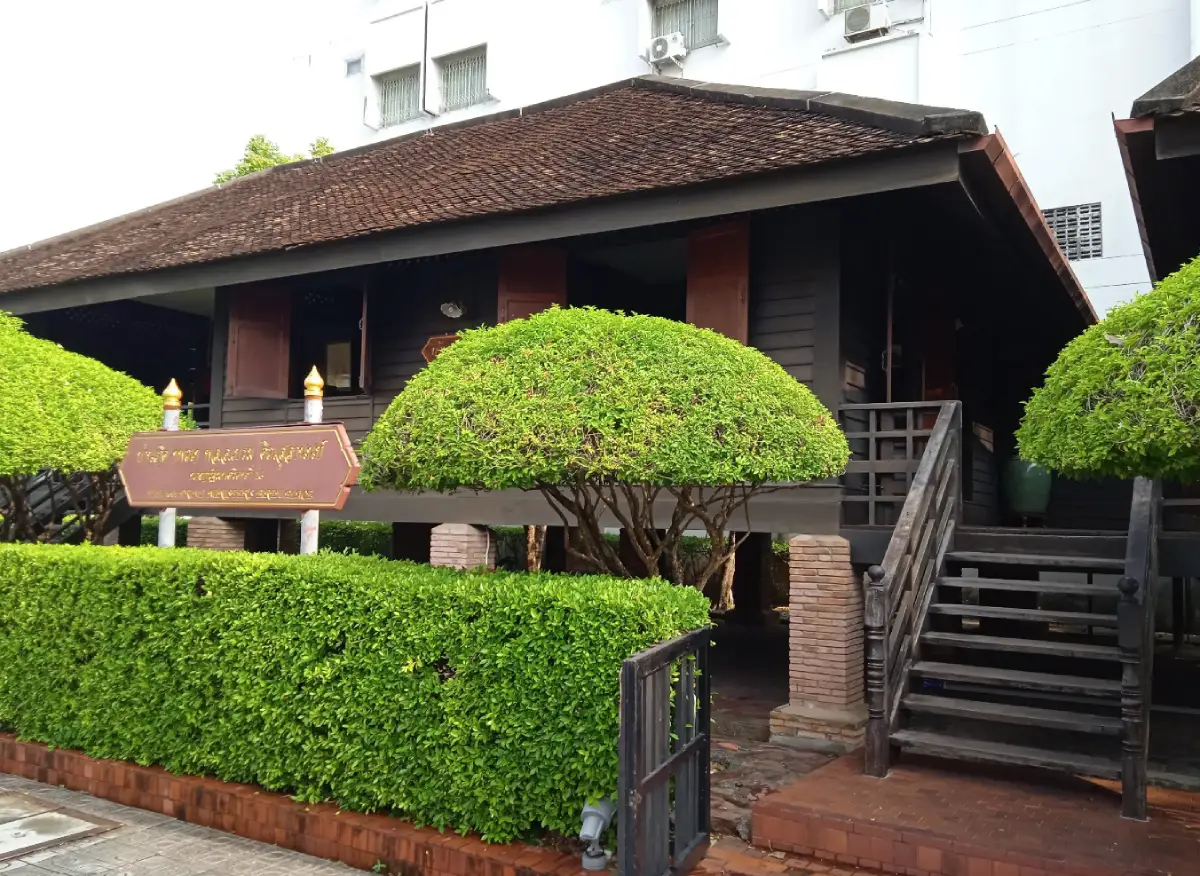
The museum architecture is a one-storey raised Thai wooden house with a pair of hipped roofs and an open veranda connecting the two sections. This form creates the atmosphere of an older southern Thai residence. The raised floor improves ventilation, the hipped roof suits the rainy southern climate, and the open veranda functions as a transitional family space for resting, receiving guests, and moving between rooms. The architecture makes the museum feel less like a formal gallery and more like a lived-in house preserved through memory.
The beauty of the house lies in restraint and proportion. It is not decorated like a palace or mansion. Its character comes from wooden stairs, verandas, shutters, timber walls, roof tiles, and domestic spaces that suggest everyday life. Visitors can sense the warmth of an old family home. This intimate atmosphere allows the museum to communicate history in a quiet and accessible way.
The exhibitions focus on household items of the Tinsulanonda family, family history, photographs, and biographical material related to General Prem. The displays help visitors understand both personal and family contexts. Objects, photographs, documents, and recreated domestic spaces make the story visible. History is not presented only as written text, but through rooms, furniture, household objects, and the physical memory of a home.
The interior is especially suitable for visitors who want to understand the relationship between a person’s early life and later public role. Recreated domestic areas, such as sleeping space, kitchen-related displays, living areas, and the room associated with General Prem’s birthplace, allow visitors to imagine how the family environment shaped everyday life. The museum does not rely on spectacle. It relies on closeness, scale, and atmosphere.
The museum also explains the Tinsulanonda family name. The surname was royally granted by King Vajiravudh, Rama VI, on 14 June 1919. In local explanations, “tin” means grass, “sula” means sharp or pointed, and “non” means delight or satisfaction. Together, Tinsulanonda is interpreted as delight in sharp grass. The explanation gives the surname a symbolic meaning connected with family identity, moral conduct, and the preservation of ancestral honor.
In the historical geography of Songkhla, Phathammarong Museum helps connect Songkhla Old Town with the life of a major national figure. Chana Road and the area near Songkhla National Museum are rich in historical layers, including old houses, Chinese-European shophouses, shrines, temples, museums, food streets, and the old urban grid. The museum adds the dimension of a family home and a public figure to this old-town route.
As a learning site, the museum is useful because it shows how a house can explain a life. A home shapes discipline, values, memory, and responsibility. Phathammarong Museum allows visitors to see that General Prem’s story did not begin with high office or national politics. It began in a family, a house, and a provincial city that formed part of his personal foundation.
The museum is also relevant to those interested in the history of Thai public administration. The word Phathammarong reflects an older correctional title that gradually disappeared as the modern state reformed its legal and prison systems. This makes the museum more than a biographical site. It also preserves a small but important piece of Thai administrative history.
Phathammarong Museum is a strong example of a small house museum. Unlike large museums with extensive collections, a house museum tells history through domestic scale, personal objects, family memory, and place. Visitors can understand the human side of history more clearly because the setting is close, concrete, and personal. This is one of the reasons the museum remains meaningful even though it does not require a long visit.
Important features to observe include the raised wooden structure, the twin hipped roofs, the open veranda, household objects, family photographs, the Tinsulanonda family history, and the recreated areas connected with General Prem’s childhood and birthplace. Taken together, these elements tell several layers of story: family, city, official life, old administrative titles, and Songkhla’s public memory.
The museum is suitable for educational visits by students and young people. It connects history, Thai language, social studies, architecture, and civic values in one place. Students can learn about a national figure, an old administrative title, a local family, traditional house form, and the historical city of Songkhla through direct observation rather than textbook reading alone.
For travelers, Phathammarong Museum should be visited together with Songkhla National Museum, the old city wall, Songkhla City Pillar Shrine, Nang Ngam Road, Nakhon Nai Road, Nakhon Nok Road, Hub Ho Hin Red Rice Mill, Tang Kuan Hill, Laem Son On, and Samila Beach. These sites are close enough to form a compact cultural route through Songkhla Old Town and the lakeside area.
As cultural travel, the museum adds depth to a Songkhla itinerary. The city is known for the sea, Samila Beach, old-town streets, and local food, but this museum introduces the story of a person who grew from the city into national history. Visiting the recreated Tinsulanonda family home helps travelers understand the relationship between place, family, discipline, memory, and public life.
The atmosphere is calm and suited to slow viewing. Visitors can walk through the wooden house, read the information, observe household objects, photograph the exterior respectfully, and connect the museum with the surrounding old-town streets. Most visitors can spend around 30 minutes to 1 hour here. Those combining it with Songkhla National Museum and the old town should allow at least half a day.
Getting There is straightforward. From Songkhla Old Town, travel to Chana Road in Bo Yang Subdistrict near Songkhla National Museum. Visitors staying around Nakhon Nai Road, Nakhon Nok Road, Nang Ngam Road, or the City Pillar Shrine can reach the museum within a short distance. Those coming from Hat Yai can take Kanchanawanit Road to Mueang Songkhla, then continue toward Bo Yang and the old-town area. Private cars, motorcycles, local transport, taxis, and ride-hailing services are convenient options.
Walking is also a good way to experience the area. From the museum, visitors can continue to Songkhla National Museum, the old-town streets, food shops, shrines, and lakeside viewpoints. This route allows travelers to see old houses, historic streets, local restaurants, and the cultural landscape of Songkhla in a connected way rather than as isolated stops.
Visitors should behave respectfully. Keep noise low, avoid touching display objects without permission, do not climb or sit on parts of the wooden structure, and supervise children carefully. Photography should be done politely and avoided in any restricted areas. Respectful conduct helps protect the museum and allows other visitors to appreciate the space properly.
Phathammarong Museum is therefore a meaningful stop for visitors interested in Songkhla history, General Prem Tinsulanonda, traditional Thai houses, and the old town. Although the visit may be short, the museum offers a concentrated story of family, place, public service, old correctional history, and Songkhla’s relationship with national memory. Travelers who want to understand Songkhla beyond beaches and old streets should include this museum in their itinerary.
| Name | Phathammarong Museum |
| Thai Name | พิพิธภัณฑ์พธำมรงค์ / พิพิธภัณฑ์พธำมะรงค์ |
| Category | Historical Museum, Important-Person House Museum, and Songkhla Learning Site |
| Location | 1 Chana Road, Bo Yang Subdistrict, Mueang Songkhla District, Songkhla Province |
| Address | 1 Chana Road, Bo Yang Subdistrict, Mueang Songkhla District, Songkhla 90000, Thailand |
| Coordinates | 7.202231, 100.5884243 |
| Significance | A museum recreating the birthplace and family-home atmosphere of General Prem Tinsulanonda, former Prime Minister and statesman of Thailand |
| Related Historical Figures | General Prem Tinsulanonda and Deputy Second Lieutenant Khun Winit Thantakam, or Bueng Tinsulanonda |
| Name Origin | Phathammarong refers to an old correctional-service position used alongside the prison warden title before being discontinued after the Corrections Act of 1936 |
| Architectural Features | One-storey raised Thai wooden house with twin hipped roofs and an open veranda connecting the two sections |
| Key Displays | Household objects of the Tinsulanonda family, photographs, family history, recreated domestic spaces, and stories about General Prem Tinsulanonda |
| Main Areas / Zones | Raised Thai house, open veranda, Tinsulanonda family-history display area, recreated domestic rooms, photographs and historical-document area |
| Caretaker / Responsible Agency | Songkhla City Municipality |
| Responsible Agency Contact | Songkhla City Municipality, Tel. 0-7431-1015 |
| Tourism Information | Tourism Authority of Thailand, Hat Yai Office, Tel. 074-231055 |
| Open Days | Tuesday – Sunday |
| Opening Hours | 08.30 – 16.00 |
| Closed | Monday and public holidays |
| Admission Fee | Free Admission |
| Getting There | From Songkhla Old Town, head to Chana Road near Songkhla National Museum. From Hat Yai, take Kanchanawanit Road to Mueang Songkhla, then continue toward Bo Yang and the old-town area |
| Facilities | Thai-house exhibition space, tourism information center, open veranda, disabled visitor service point, and ramp |
| Visitor Etiquette | Keep quiet, do not touch display objects, do not climb or sit on parts of the wooden structure, and follow staff instructions |
| Nearby Tourist Attractions | 1. Songkhla National Museum, 0 km, Tel. 074-311728 2. Songkhla Tae Raek Walking Street, 0 km 3. Songkhla Old Town, 1 km 4. Songkhla City Pillar Shrine, 1 km 5. Tang Kuan Hill, 1 km 6. Hub Ho Hin Red Rice Mill, 1 km 7. Laem Son On, 2 km 8. Samila Beach, 2 km |
| Nearby Restaurants | 1. Sabai Dee Restaurant, 0 km, Tel. 087-479-3690 2. Khao Noi Phochana, 1 km, Tel. 081-738-8194 3. Lyn’s The Shanghai Cafe, 1 km, Tel. 083-243-9977 4. Khao Stu Kiat Fang, 1 km, Tel. 074-311-998 5. Teochew Steamed Buns and Dumplings Songkhla, 1 km, Tel. 089-653-6235 6. Hajji Na Restaurant, 3 km, Tel. 081-690-9434 |
| Nearby Accommodations | 1. Songkhla TaeRaek Antique Hotel, 0 km, Tel. 074-322227, 094-3173338 2. Yu Cafe’ and Hostel Songkhla, 1 km, Tel. 083-002-9554 3. A List Hotel Songkhla, 1 km, Tel. 092-740-6600 4. The Singora Hotel, 2 km, Tel. 074-314-555 5. Montana Hotel Songkhla, 2 km, Tel. 074-300-614 6. The Luxury Residence Songkhla, 2 km, Tel. 074-321-977 7. BP Samila Beach Hotel & Resort, 3 km, Tel. 074-440-222 |
Frequently Asked Questions (FAQ)
Q: Where is Phathammarong Museum located?
A: Phathammarong Museum is located at 1 Chana Road, Bo Yang Subdistrict, Mueang Songkhla District, Songkhla 90000, near Songkhla National Museum and Songkhla Old Town.
Q: How is the museum connected with General Prem Tinsulanonda?
A: The museum stands on the site associated with the former residence of Khun Winit Thantakam, or Bueng Tinsulanonda, General Prem’s father. It recreates the atmosphere of General Prem’s birthplace and family home.
Q: What does Phathammarong mean?
A: Phathammarong refers to an old correctional-service position used since the Ayutthaya period. It was used alongside the prison warden title before being discontinued after the Corrections Act of 1936.
Q: What days and hours is Phathammarong Museum open?
A: It is open Tuesday to Sunday from 08.30 to 16.00 and closed on Monday and public holidays.
Q: Is there an admission fee?
A: No. Admission to Phathammarong Museum is free.
Q: What can visitors see inside the museum?
A: Visitors can see household objects of the Tinsulanonda family, photographs, family history, recreated domestic spaces, and information about General Prem Tinsulanonda.
Q: How long should visitors spend at the museum?
A: Most visitors spend about 30 minutes to 1 hour. Those combining the museum with Songkhla National Museum and Songkhla Old Town should allow at least half a day.
Q: Which nearby places pair well with Phathammarong Museum?
A: Nearby places include Songkhla National Museum, Songkhla Tae Raek Walking Street, Songkhla Old Town, Songkhla City Pillar Shrine, Tang Kuan Hill, Hub Ho Hin Red Rice Mill, Laem Son On, and Samila Beach.
 Category: ●Art, Culture and Heritage
 Group: ●Museums
Last Update : 2 MonthAgo
 Last Update : 2 MonthAgo
 Click to Access the Navigation Map GPS
Phathammarong Museum Map
Recommend

 Historical Sites and Monuments(2)
 Landmarks and Memorials(7)
 Royal Palace(1)
 Art, Craft Centres, Tradition(4)
Museums(4)
 Art Gallery(1)
 Educational Places
 Library(1)
 Educational Gardens, Farm(3)
 Places of Worship
 Temple(52)
 Mosque(2)
 Other Sacred Sites(11)
 Suburban Living
 Village, Community(3)
 Local Market(3)
 Floating Market(2)
 Nature and Wildlife
 National Parks and Marine Reserves(5)
 Mountain (Doi)(6)
 Dam, Reservoir, Lake(5)
 Waterfalls(12)
 Caves(4)
 River, Canal(2)
 Bays and Beaches(13)
 Islands(3)
 Other natural attractions(2)
 Entertainment and Agricultural
 Zoos and Aquariums(2)
 Animal camps and shows(1)
 Farms, Parks and Ecotourism(6)
 Waterpark(1)
 Travel Articles, Recipes
 Travel Review, Food Review(1)
 Southern Food Menu, Southern Food Recipes(2)


