
lovethailand home >North Travel Attractions >Phayao Travel Attractions >Muang Phayao >Mae Ka > University of Phayao
TL;DR: University of Phayao is located at Mae Ka Subdistrict, Mueang Phayao District, Phayao Province, Thailand, open Monday–Friday (University administrative offices; excluding public holidays and, hours 08:30 – 16:30.
University of Phayao
Open Days: Monday–Friday (University administrative offices; excluding public holidays and university-declared holidays)
Opening Hours: 08:30 – 16:30
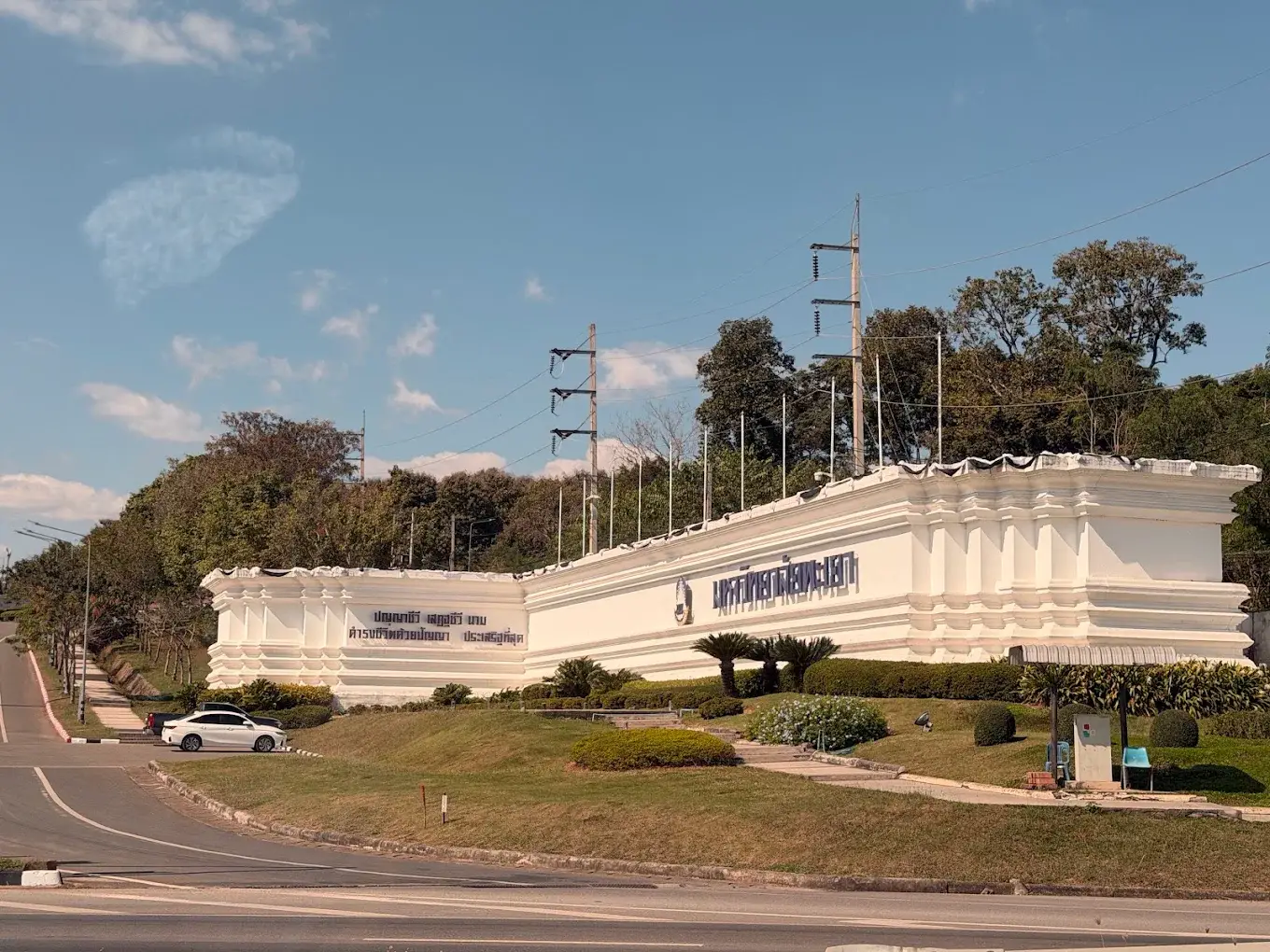
The University of Phayao is an autonomous public university in Mae Ka Subdistrict, Mueang Phayao District, Phayao Province, northern Thailand. Its educational roots date to 1995, when Naresuan University launched a regional higher-education initiative. It became an independent university on 17 July 2010. Set amid hills, green spaces and campus lakes, the university brings together science, technology, health professions, the social sciences, humanities and the arts. Its guiding commitment, “Wisdom for Community Empowerment,” expresses an emphasis on linking education and research with the lives of people in surrounding communities. In 2026, the university marked the sixteenth anniversary of its establishment as an independent institution.
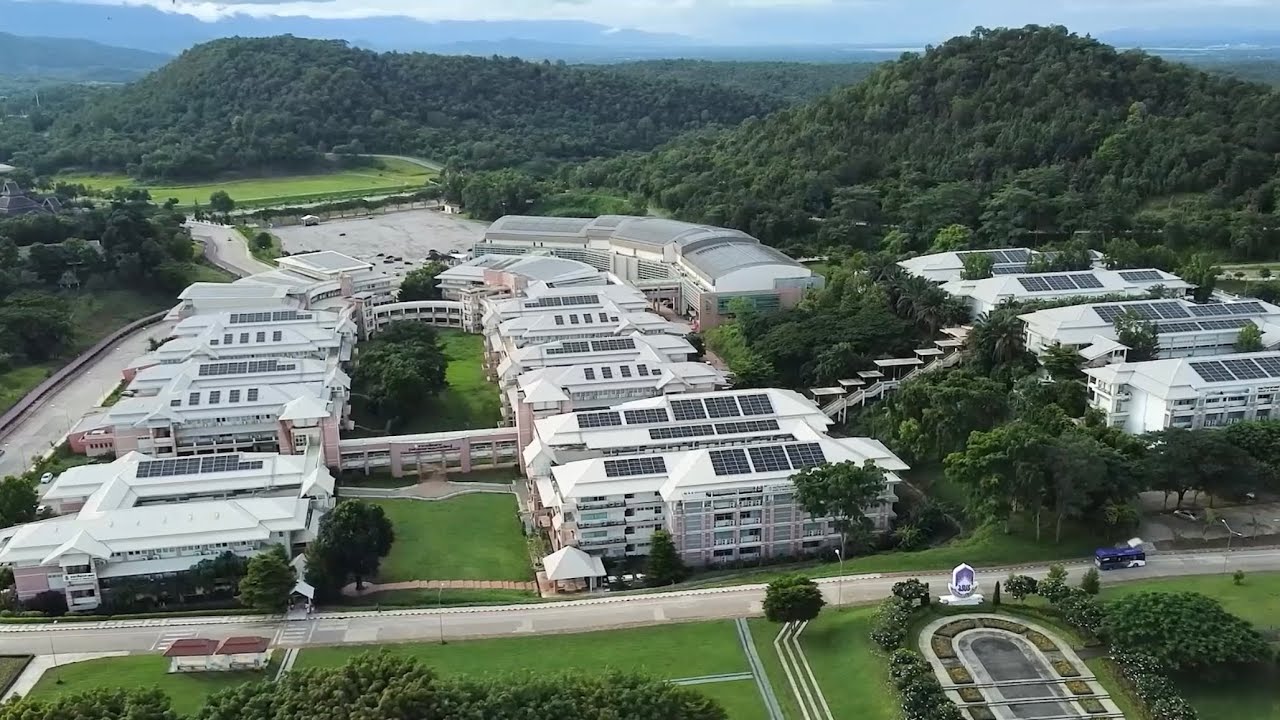
The main campus lies in Mae Ka, south of central Phayao, along the Phahonyothin Road corridor. Its academic buildings, laboratories, administrative offices, assembly halls and student facilities are distributed across a landscape of rolling terrain and greenery. With a site covering roughly 5,700 rai, the university is particularly well placed to connect classroom study with practical learning in agriculture, natural resources, energy and environmental management. Its physical setting is part of its identity, not simply a backdrop to university life.
The institution emerged from a national effort to decentralize access to higher education. On 20 June 1995, the Thai Cabinet endorsed an expansion of higher-education provision to several provinces. Naresuan University responded by organizing an educational project in Phayao. At first, classes were held temporarily in buildings at Phayao Pittayakhom School. Although the arrangement was modest, it was significant for students in Phayao and nearby areas who had previously faced a longer journey to pursue university education. The early project addressed an issue of educational opportunity rather than beginning as a fully established, stand-alone university.
On 8 October 1996, the Cabinet approved the name Naresuan University, Phayao Information Technology Campus. The name reflected both its institutional connection to Naresuan University and the use of information and communications technology in regional education. During the campus's development, teaching was supported by communications links with the parent institution. In 1999, operations moved from temporary classrooms to the permanent site in Mae Ka. This relocation marked a fundamental shift: Phayao was developing not just an outreach programme but its own educational campus and infrastructure.
The university continued to expand its academic offerings, specialized units and teaching facilities. On 21 July 2007, the Naresuan University Council approved the name Naresuan University, Phayao, an important step towards institutional independence. New academic arrangements and administrative capacity were developed as the campus broadened its disciplines and its community networks. Although the name changed, the underlying mission of improving regional access to higher education remained a constant.
A decisive legal change followed with the University of Phayao Act B.E. 2553 (2010), published in the Royal Gazette on 16 July 2010. The university became a separate autonomous public institution on 17 July 2010. It is therefore important to distinguish two dates: 1995 marks the beginning of the original educational project in Phayao, while 2010 marks the creation of the University of Phayao as an independent university. Both dates matter, but they describe different stages of its history.
The University of Phayao was not the creation of a single named founder. It grew out of public policy, Naresuan University's regional programme and the work of the institutions and people involved over several years. Its heritage as a former Naresuan University campus is also reflected in a prominent monument to King Naresuan the Great. The monument depicts the king pouring ceremonial water to declare independence and serves as a focal point during important university commemorations, particularly the anniversary of its establishment.
The name “University of Phayao” identifies an institution rooted in the province it serves. Its significance extends beyond geography, connecting the university to the historical identity of Phayao and to the cultural inheritance of northern Thailand. The story of the province also includes King Ngam Mueang, an important historical ruler whose name appears in the university's main assembly hall. This sense of place helps explain why local history and Lanna culture are visible in the university's symbols and ceremonies.
The university emblem features a white seven-branched ceremonial candle stand, or sattaphan, together with the initials “มพ” rendered in a northern Thai Lanna script style. The composition sits against a purple inscription-shaped background, with the institution's name displayed below on a gold band. In Lanna temple traditions, the sattaphan is associated with a stand for seven devotional candles. Its use in the emblem gives the university a deliberate connection to the region's religious art and craftsmanship. Purple and gold are the official university colours.
The orchid known as fa mui (Vanda coerulea) is the university flower, while kham mok luang (Gardenia sootepensis), a fragrant yellow-flowering tree, is the university tree. The academic gown adds another distinctive cultural element. Its black robe has purple textile panels enriched with gold thread and details inspired by Tai Lue weaving, including the local tam kao pattern. These choices bring textile heritage into the formal ceremony of graduation, allowing an academic tradition to carry the work and identity of local craft communities.
The university's philosophy is expressed in the Pali saying “Paññājīvī Seṭṭhajīvī Nāma,” interpreted as the value of living through wisdom. Its institutional commitment is “Wisdom for Community Empowerment,” and its educational philosophy is “True Wisdom Springs From Lived Experiences.” Together, these ideas connect formal knowledge with practice and public benefit. Fieldwork, internships, professional training and community projects provide ways in which students can apply knowledge rather than treating education as an activity confined to the classroom.
University traditions combine practices familiar across Thai higher education with northern Thai community customs. In June 2026, the university welcomed the sixteenth cohort of students under the symbolic name “Fa Mui, Blossom 16.” A bai si su khwan ceremony incorporated the traditional wrist-tying ritual, offering good wishes to new students and strengthening relationships among newcomers, senior students, teachers and university staff. Its value lies not merely in celebration but in introducing a sense of belonging and mutual responsibility within the university community.
On 2 July 2026, the university held its annual wai khru ceremony at Phaya Ngam Mueang Auditorium, together with an honorary recognition event for outstanding students and staff. Students presented flower and incense arrangements as gestures of respect, took part in a book-blessing rite and recited a pledge concerning their duties as students. The ceremony brings together gratitude to teachers, educational ethics and pride in the contributions of members of the university.
The university celebrated its sixteenth anniversary on 17 July 2026. Events included ceremonies at the King Naresuan Monument, merit-making, commemorative addresses and the singing of the university song “Fa Mui Muang Thong.” An exhibition titled “16 Stories for 16 Years of the University of Phayao” showcased milestones and the achievements of different units. Together, the events illustrated how institutional memory is sustained through the participation of students, staff and the surrounding community.
Among the campus's most significant landmarks is Phra Phuttha Phuchakharak, the university's principal Buddha image. The large Naga-protected Buddha stands on a hill behind Phaya Ngam Mueang Auditorium. At approximately 18.30 metres high, with a lap width of about 9 metres, it is both a religious focus for the university community and a landmark in the surrounding landscape. Its hilltop location brings together Buddhist sculptural tradition and the terrain of northern Thailand. Visitors should dress respectfully and follow any access restrictions in place.
Phaya Ngam Mueang Auditorium hosts major university ceremonies, including student-welcoming events and wai khru. Its name honours Phayao's historical heritage. The Office of the President building and the landscaped area around the university emblem are also visually distinctive features of the campus. However, administrative and ceremonial buildings have operational purposes. Entry and photography inside them may require permission, especially when official functions or teaching activities are taking place.
The Learning Resources and Educational Media Centre developed from the library service established during the university's earliest years. Now operating as the Learning Resources and Learning Centre under the Institute of Learning Innovation, it supports reading, research and information access. The university's published guidance permits members of the public and alumni to use on-site reading and study areas, while borrowing materials requires separate membership. This is an important example of the university extending some of its educational resources beyond enrolled students.
Academically, the University of Phayao encompasses 17 faculties, two colleges and one campus in Chiang Rai. Its science and technology disciplines include agriculture, information and communication technology, natural sciences, engineering, and energy and environmental studies. Health-related disciplines include medicine, dentistry, nursing, pharmacy, public health, allied health sciences and medical sciences. Law, political and social studies, business, communications, languages, architecture, fine arts and teacher education broaden the institution's academic scope.
The College of Management supports graduate and professional development, while the Chiang Rai Campus operates in the Fang Min Government Centre area of Rim Kok Subdistrict, Mueang Chiang Rai District. The campus provides an additional setting for selected graduate programmes and continuing educational opportunities. Individual programmes may be offered at particular teaching locations or in specific academic intakes; the existence of a second campus does not mean that every faculty teaches in both Phayao and Chiang Rai.
The university's educational-services division publishes an institutional total of 121 programmes under its own reporting method: one below bachelor's level, 65 bachelor's, 33 master's and 22 doctoral programmes. It separately reports combinations for double bachelor's degrees and bachelor's-to-master's pathways. The latter represent ways of studying existing degrees together and should not automatically be counted as entirely new, independent degrees. Prospective applicants should consult the 2026 admission and graduate intake announcements to establish which specific programmes are admitting new students in that academic year.
Research and innovation are closely linked to regional challenges. The university works in fields such as agricultural science and distinctive local crops, renewable energy, environmental management, medical and health sciences, and community development. In 2026, the university announced cooperation with provincial organizations and research partners to advance work on local agricultural products and the problem of fine-particle air pollution, PM2.5. Such partnerships demonstrate the role of a university as a meeting point for scientists, public agencies and communities seeking practical solutions.
Community engagement also takes place through internships, work-integrated learning, professional practice and academic outreach. Depending on the subject, partnerships can connect students with food safety, healthcare, local products, digital communication and cultural preservation. Learning in real communities introduces problems and perspectives that may be difficult to encounter in a classroom alone, while local partners can draw on research expertise, technical facilities and networks.
For visitors interested in educational tourism, the campus offers an introduction to northern Thailand's university history, local artistic identity and the relationship between educational buildings and a natural setting. Key points of interest include the university emblem, the King Naresuan Monument, Phra Phuttha Phuchakharak and the Learning Resources and Learning Centre. An official 360-degree virtual campus tour provides an overview before arrival. Access to teaching rooms, laboratories, administrative areas and assembly halls is subject to the activities and regulations of each facility.
Getting There from central Phayao is straightforward by following Phahonyothin Road towards Mae Ka Subdistrict. Drivers can use “University of Phayao, Mae Ka” as a navigation destination, while visitors arriving by intercity transport can first reach Phayao Bus Terminal and continue by locally available transport or hired vehicle. Because the university grounds cover a substantial area, arranging a meeting point and identifying the correct building in advance is especially useful when attending an appointment or event.
The university can also form part of a wider cultural visit to Phayao. The city and the shores of Kwan Phayao are associated with heritage sites including Wat Si Khom Kham, Wat Phra That Chom Thong, the King Ngam Mueang Monument and Wat Tilok Aram. These places provide a complementary perspective on the region's religious traditions, waterside communities and historical memory. Visitors planning a campus stop should check whether the specific university event or facility they wish to visit is open to the public.
From temporary classrooms in 1995 to the independent university established in 2010 and the multidisciplinary institution operating in 2026, the University of Phayao represents the long-term importance of access to higher education in northern Thailand. Its history also illustrates how academic expansion can coexist with respect for Lanna culture and community knowledge. Beyond its size or number of degree programmes, its defining ambition remains the practical use of learning, research and experience in support of stronger communities.
University of Phayao Summary Table
| Name | University of Phayao (มหาวิทยาลัยพะเยา) |
| Type | Autonomous Public University |
| Location | Mae Ka Subdistrict, Mueang Phayao District, Phayao Province, Thailand |
| Address | 19 Moo 2, Mae Ka, Mueang Phayao, Phayao 56000, Thailand |
| Educational Origins | 1995, as part of a Naresuan University regional programme |
| Information Technology Campus Name Approved | 8 October 1996 |
| Move to Permanent Campus | 1999 |
| Renamed Naresuan University, Phayao | 21 July 2007 |
| Independent University Established | 17 July 2010 |
| Institutional Age in 2026 | 31 years since the original 1995 project; 16 years since independence in 2010 |
| Historical Background | Established through Naresuan University’s regional educational expansion before becoming a separate public university under the 2010 Act |
| President | Associate Professor Dr. Supakorn Pongbangpho |
| Philosophy | A Life of Wisdom Is the Most Wondrous of All |
| Institutional Commitment | Wisdom for Community Empowerment |
| University Colours | Purple and Gold |
| University Flower | Fa Mui Orchid (Vanda coerulea) |
| University Tree | Kham Mok Luang (Gardenia sootepensis) |
| Academic Units | 17 Faculties and 2 Colleges (College of Education and College of Management) |
| Campuses | Main Campus in Phayao and Chiang Rai Campus |
| Reported Programme Total | 121 under the Educational Services Division’s methodology: 1 below bachelor’s, 65 bachelor’s, 33 master’s and 22 doctoral programmes; combined-degree pathways reported separately |
| Major Campus Landmarks | King Naresuan Monument, Phra Phuttha Phuchakharak Buddha Image, Phaya Ngam Mueang Auditorium, Learning Resources and Learning Centre, Office of the President |
| Traditions and Events | Founding Anniversary on 17 July, Student Welcoming and Bai Si Su Khwan, Wai Khru, Honorary Recognition Ceremonies |
| Academic Strengths | Multidisciplinary Study; Community-Oriented Research; Health Sciences, Agriculture, Digital Technology, Energy and Environment |
| Administrative Office Days | Monday–Friday, excluding public holidays and university-declared holidays |
| Administrative Office Hours | 08:30 – 16:30 |
| Public Visits | On-site reading and study facilities at the Learning Resources and Learning Centre are available under its rules; teaching spaces and laboratories may have access restrictions |
| Library and Learning Centre Hours | During semesters: Monday–Friday 08:30 – 20:30 and Saturday–Sunday 08:30 – 16:30. During semester breaks: Monday–Friday 08:30 – 16:30, weekends closed. Public and university holidays excluded; extended examination hours may apply. |
| Getting There | Travel along Phahonyothin Road from Central Phayao toward Mae Ka, or continue from Phayao Bus Terminal by locally available transport |
| Main Telephone | +66 54 466 666 |
| Official Website | https://www.up.ac.th/ |
| Admissions and Programmes | https://admission.up.ac.th/ |
| Current Status | Operating and providing academic programmes in academic year 2026 (B.E. 2569) |
| Phayao Attractions | 1. Kwan Phayao (Phayao Lake) 2. King Ngam Mueang Monument 3. Wat Si Khom Kham 4. Wat Phra That Chom Thong 5. Wat Tilok Aram 6. 90th Anniversary Princess Mother Park |
| Mae Ka Restaurants and Cafés | 1. Chuang Chuang Sichuan Hot Pot 2. Krua Siriphat 3. Sukiyahi The University 4. The Osaka Sushi Bar 5. Charin Cafe 6. Yentafo Chiang Kham 2 |
| Accommodation in Mae Ka and Nearby | 1. Pan Cheewa Resort 2. SJ Residence 3. Takeda 4. P M Place Phayao 5. Garden Home Hotel 6. Mon Sam Kian Homestay |
University of Phayao Degree Programmes and Fields, Academic Year 2026 This directory brings together entries published on the university's bachelor's, master's and doctoral programme pages, supplemented by 2026 unit and admissions information. A listed degree is not necessarily recruiting a new cohort in every intake.
| School of Agriculture and Natural Resources | Bachelor's Degree 1. Bachelor of Science – Agriculture 2. Bachelor of Science – Innovative Fisheries Technology 3. Bachelor of Science – Food Safety 4. Bachelor of Science – Food Science and Technology 5. Bachelor of Science – Animal Science 6. Bachelor of Technology – Agricultural Technology Master's Degree1. Master of Science – Biotechnology 2. Master of Science – Food Science and Food Safety Management 3. Master of Science – Fisheries Technology and Innovation 4. Master of Science – Agricultural Science 5. Master of Science – Animal Science Doctoral Degree1. Doctor of Philosophy – Natural Resource Productivity Innovation and Management (Interdisciplinary) |
| School of Dentistry | Bachelor's Level Professional Degree 1. Doctor of Dental Surgery – Dentistry |
| School of Information and Communication Technology | Bachelor's Degree 1. Bachelor of Fine Arts – Computer Graphics and Multimedia 2. Bachelor of Business Administration – Digital Business 3. Bachelor of Science – Information Technology 4. Bachelor of Science – Geographic Information Science 5. Bachelor of Science – Data Science and Applications 6. Bachelor of Science – Computer Science 7. Bachelor of Engineering – Computer Engineering 8. Bachelor of Engineering – Software Engineering Master's Degree1. Master of Science – Applied Geoinformatics 2. Master of Science – Technology and Digital Data Management 3. Master of Engineering – Computer Engineering 4. Master of Science – Spatial Data Science Doctoral Degree1. Doctor of Philosophy – Applied Geoinformatics 2. Doctor of Science – Spatial Data Science 3. Doctor of Philosophy – Computer Engineering |
| School of Law | Bachelor's Degree 1. Bachelor of Laws – Law Master's Degree1. Master of Laws – Law Doctoral Degree1. Doctor of Laws – Law |
| School of Business and Communication Arts | Bachelor's Degree 1. Bachelor of Economics – Economics 2. Bachelor of Communication Arts – Communication Management 3. Bachelor of Communication Arts – New Media Communication 4. Bachelor of Business Administration – Finance and Investment 5. Bachelor of Business Administration – Business Management 6. Bachelor of Business Administration – Digital Marketing 7. Bachelor of Accountancy – Accounting 8. Bachelor of Arts – Tourism and Hospitality Master's Degree1. Master of Business Administration – Business Administration 2. Master of Arts – Tourism and Hospitality Management Doctoral Degree1. Doctor of Philosophy – Tourism and Hotel Management 2. Doctor of Philosophy – Business Administration |
| School of Nursing | Bachelor's Degree 1. Bachelor of Nursing Science – Nursing Science Master's Degree1. Master of Nursing Science – Adult and Gerontological Nursing |
| School of Energy and Environment | Bachelor's Degree 1. Bachelor of Engineering – Environmental Engineering 2. Bachelor of Science – Energy and Environmental Management Master's Degree1. Master of Engineering – Energy Management and Innovation 2. Master of Science – Environmental Technology and Management 3. Master of Engineering – Environmental Engineering Doctoral Degree1. Doctor of Philosophy – Environmental Technology and Management 2. Doctor of Philosophy – Energy Management and Smart Grid Technology 3. Doctor of Philosophy – Energy Management and Innovation |
| School of Medicine | Bachelor's Level and Professional Programmes 1. Doctor of Medicine – Medicine 2. Bachelor of Science – Emergency Medical Operations |
| School of Pharmaceutical Sciences | Bachelor's Level and Professional Programmes 1. Doctor of Pharmacy – Pharmaceutical Care 2. Bachelor of Science – Cosmetic Science Master's Degree1. Master of Science – Pharmaceutical Innovation Doctoral Degree1. Doctor of Philosophy – Pharmaceutical Innovation |
| School of Political and Social Science | Bachelor's Degree 1. Bachelor of Public Administration – Public Innovation Management 2. Bachelor of Political Science – Political Science 3. Bachelor of Arts – Social Development Master's Degree1. Master of Public Administration – Public Policy |
| School of Science | Bachelor's Degree 1. Bachelor of Science – Chemistry 2. Bachelor of Science – Mathematics 3. Bachelor of Science – Biology 4. Bachelor of Science – Physics 5. Bachelor of Science – Exercise and Sports Science 6. Bachelor of Science – Applied Statistics and Data Management Master's Degree1. Master of Science – Mathematics 2. Master of Science – Biology 3. Master of Science – Exercise and Sports Science 4. Master of Science – Applied Chemistry Doctoral Degree1. Doctor of Philosophy – Mathematics 2. Doctor of Philosophy – Applied Science 3. Doctor of Science – Exercise and Sports Science 4. Doctor of Science – Biology |
| School of Engineering | Bachelor's Degree 1. Bachelor of Engineering – Mechanical Engineering 2. Bachelor of Engineering – Civil Engineering 3. Bachelor of Engineering – Electrical Engineering 4. Bachelor of Engineering – Industrial Engineering Master's Degree1. Master of Engineering – Mechanical Engineering 2. Master of Engineering – Civil Engineering 3. Master of Engineering – Electrical Engineering 4. Master of Engineering – Railway Engineering and Technology Doctoral Degree1. Doctor of Philosophy – Electrical Engineering 2. Doctor of Philosophy – Civil Engineering 3. Doctor of Philosophy – Railway Engineering and Technology |
| School of Architecture and Fine Arts | Bachelor's Degree 1. Bachelor of Fine Arts – Music and Performing Arts 2. Bachelor of Fine Arts – Art and Design 3. Bachelor of Architecture – Architecture 4. Bachelor of Architecture – Interior Architecture Master's Degree1. Master of Architecture – Interdisciplinary Creative Architecture |
| School of Allied Health Sciences | Bachelor's Degree 1. Bachelor of Science – Medical Technology 2. Bachelor of Physical Therapy – Physical Therapy |
| School of Public Health | Bachelor's Degree 1. Bachelor of Applied Thai Traditional Medicine – Applied Thai Traditional Medicine 2. Bachelor of Traditional Chinese Medicine – Traditional Chinese Medicine 3. Bachelor of Science – Health Promotion 4. Bachelor of Science – Environmental Health 5. Bachelor of Science – Occupational Health and Safety 6. Bachelor of Public Health – Community Health Master's Degree1. Master of Public Health – Public Health Doctoral Degree1. Doctor of Public Health – Public Health |
| School of Medical Sciences | Bachelor's Degree 1. Bachelor of Science – Nutrition and Dietetics 2. Bachelor of Science – Microbiology 3. Bachelor of Science – Biochemistry |
| School of Liberal Arts | Bachelor's Degree 1. Bachelor of Arts – Thai Language 2. Bachelor of Arts – Chinese Language 3. Bachelor of Arts – Japanese Language 4. Bachelor of Arts – French Language 5. Bachelor of Arts – English Language Master's Degree1. Master of Arts – Thai Language 2. Master of Arts – Applied Linguistics 3. Master of Arts – English Language Doctoral Degree1. Doctor of Philosophy – Thai Language 2. Doctor of Philosophy – Applied Linguistics 3. Doctor of Philosophy – English Language |
| College of Education | Bachelor's Degree 1. Bachelor of Education – Education Master's Degree1. Master of Education – Educational Administration 2. Master of Education – Curriculum and Instruction 3. Master of Education – Educational Innovation 4. Master of Education – STEM Education Doctoral Degree1. Doctor of Philosophy – Educational Administration 2. Doctor of Philosophy – Curriculum and Instruction |
| College of Management | Programme Identified in the 2026 Graduate Admission Notice 1. Master of Education – Educational Administration |
| Chiang Rai Campus | Graduate Fields Listed by the Campus 1. Educational Administration 2. Curriculum and Instruction 3. Tourism and Hospitality Management 4. Applied Geoinformatics 5. Business Administration 6. Technology and Digital Data Management 7. Computer Engineering 8. Doctoral Study in Tourism and Hotel Management |
Below-Bachelor Qualification Noted in 2026 Dental Assistant Certificate (one year) — identified in the Educational Services Division's 2026 fee announcements.
Frequently Asked Questions (FAQ)
Q: Where is the University of Phayao located?
A: The main campus is at 19 Moo 2, Mae Ka Subdistrict, Mueang Phayao District, Phayao Province 56000, Thailand.
Q: When was the University of Phayao founded?
A: Education began in Phayao under Naresuan University in 1995. The institution became an independent university on 17 July 2010.
Q: Who founded the University of Phayao?
A: It grew from a government policy to expand regional higher education and a Naresuan University initiative; it does not have a single individual founder.
Q: How many faculties and colleges does the university have?
A: Its educational-services division reports 17 faculties, two colleges and one Chiang Rai campus.
Q: What degree programmes are available in academic year 2026?
A: The university has below-bachelor, bachelor, master and doctoral programmes, with some combined-degree study pathways. Applicants should verify the intake of their particular programme.
Q: Can members of the public visit the campus?
A: The Learning Resources and Learning Centre permits public on-site reading and study under its rules. Permission may be required for teaching spaces and specialist facilities.
Q: Does the university have a campus in Chiang Rai?
A: Yes. The Chiang Rai Campus is in Rim Kok Subdistrict, Mueang Chiang Rai District and hosts selected graduate-level learning activities.
Q: How do I get to the University of Phayao?
A: Travel along Phahonyothin Road from central Phayao toward Mae Ka, or reach Phayao Bus Terminal and continue by local transport or hired vehicle.
 Category: ●University
 Group: ●Autonomous Universities
Last Update : 1 WeekAgo
 Last Update : 1 WeekAgo
 Click to Access the Navigation Map GPS
University of Phayao Map
Recommend

 Art, Culture and Heritage
 Historical Sites and Monuments(4)
 Landmarks and Memorials(4)
 Art, Craft Centres, Tradition(1)
 Museums(2)
Autonomous Universities(2)
 Places of Worship
 Temple(39)
 Other Sacred Sites(5)
 Research and Development
 Royal Project(1)
 Suburban Living
 Village, Community(2)
 Local Market(4)
 Nature and Wildlife
 National Parks and Marine Reserves(7)
 Mountain (Doi)(2)
 Dam, Reservoir, Lake(11)
 Waterfalls(8)
 Caves(5)
 River, Canal(3)
 Other natural attractions(5)
 Travel Articles, Recipes
 Travel Review, Food Review(1)


