
lovethailand home >South Travel Attractions >Phatthalung Travel Attractions >Muang Phatthalung >Lam Pam > Mu Ko Si Ko Ha
TL;DR: Mu Ko Si Ko Ha is located at Central Songkhla Lake, Ko Mak Subdistrict, Pak Phayun District, Phatthalung Province, open Daily, depending on boat schedules and access conditions, hours 07.00 – 17.00.
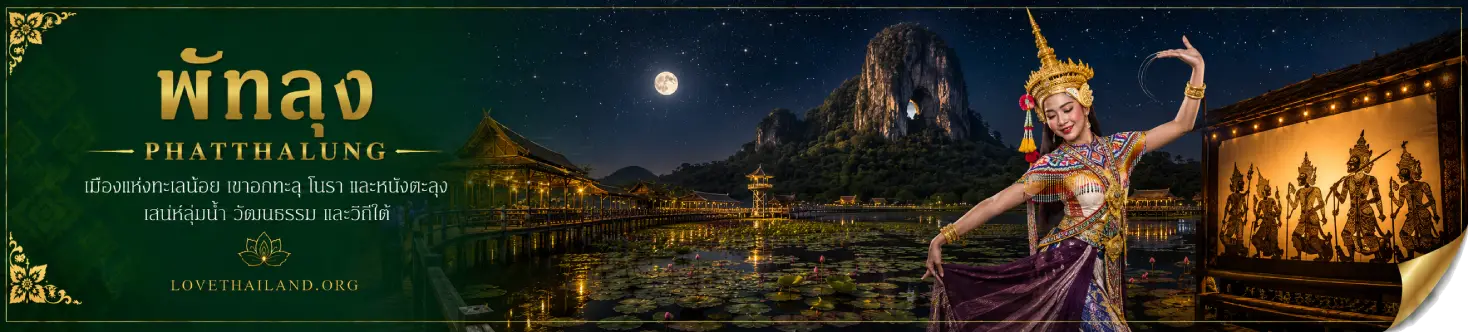
Mu Ko Si Ko Ha
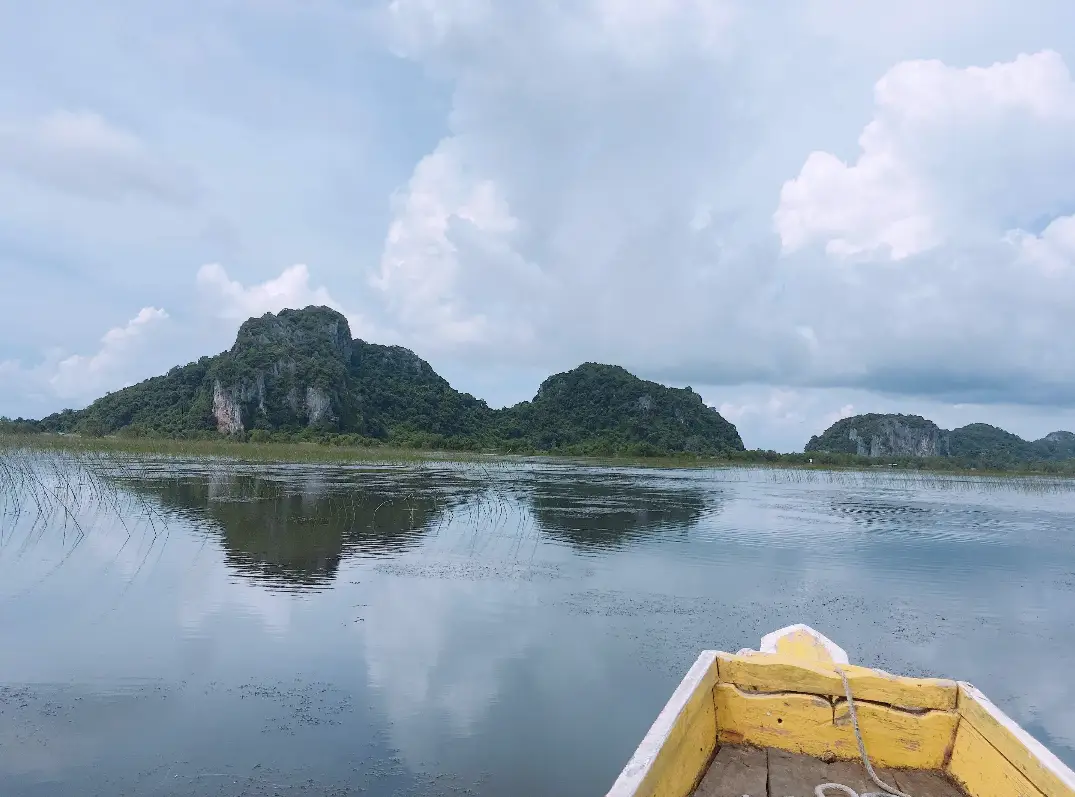
Open Days: Daily, depending on boat schedules and access conditions
Opening Hours: 07.00 – 17.00
Mu Ko Si Ko Ha in Phatthalung Province is a limestone island group in the middle section of Songkhla Lake, within Ko Mak Subdistrict, Pak Phayun District. It is one of the most distinctive natural and historical attractions in the Songkhla Lake basin. Travelers visit this lake archipelago to see limestone cliffs rising above the water, swiftlet nest caves, local fishing life, the mixed freshwater-to-brackish ecosystem, the monument of King Chulalongkorn, and the historic royal initials carved at Ko Na Thevada. This destination is best suited to travelers who want to explore Phatthalung beyond its better-known attractions and experience the province through its lake, local communities, and cultural memory.
The name Mu Ko Si Ko Ha means “Four Islands, Five Islands.” The name comes from the way the islands appear from different directions. From the north or south, the group appears as 4 islands, while from the west, it appears as 5 islands. The name therefore refers to the visual character of the island group rather than to a single island named Ko Si or Ko Ha. The archipelago includes several small and large limestone islands, such as Ko Thai Tham Dam, Ko Ran Kai, Ko Ru Sim, Ko Na Thevada, Ko Muai, and other nearby islets scattered across the lake. Steep rock faces, caves, green vegetation, and narrow channels between the islands create a landscape unlike the usual image of Phatthalung.
Mu Ko Si Ko Ha is located in Songkhla Lake, a large lagoon system of southern Thailand. This lake environment is shaped by freshwater, brackish water, and saltwater influences that shift by season and water flow. The result is a rich ecosystem that supports aquatic life, mangrove vegetation, water birds, and small-scale fisheries. This natural setting has shaped the way of life in Pak Phayun and Ko Mak for generations. Local fishermen continue to use traditional tools such as fish traps, nets, and shrimp-catching equipment, so a boat trip to Mu Ko Si Ko Ha is also a close look at lake-based livelihoods.
Mu Ko Si Ko Ha is also known as the Bird’s Nest Islands because the limestone caves are natural habitats for sea swiftlets. Swiftlet nests from this area have long been associated with the local economy and are regarded as a valuable natural resource. The caves, dark rock chambers, and protected cliff environments make the islands suitable for swiftlets to nest. When traveling around the islands by boat, visitors may see small guard huts or working structures near the cliffs. These features reflect the strict management of parts of the area because some caves are linked to bird’s nest concessions and cannot be freely accessed.
The historical importance of Mu Ko Si Ko Ha makes it more than a scenic boat route. In 1889, King Chulalongkorn, Rama V, visited Pak Phayun and the Phatthalung area. The royal initials “Chor Por Ror” and the year R.S. 108 were carved at a limestone shelter near Tham Thevada. This evidence connects the island group directly with Thai royal history. Today, Ko Na Thevada remains an important stop for visitors who wish to pay respect at the monument of King Chulalongkorn and learn about the royal visit. The combination of cliffs, water, caves, and royal history gives this destination a strong sense of place.
The landscape of Mu Ko Si Ko Ha consists of limestone hills rising from the lake, steep cliffs, caves, rock hollows, and narrow water passages. Some cliffs appear to rise straight from the lake surface, while plants grow from cracks and ledges in the stone. The main experience here is a sightseeing boat trip rather than beach recreation. Travelers should prepare for a lake journey by wearing light clothing, bringing sun protection, drinking water, and a waterproof bag for cameras or phones. A life jacket should be worn throughout the boat ride.
Most trips to Mu Ko Si Ko Ha begin from Pak Phayun or Ko Mak. Visitors can arrange boats from Pak Phayun municipal pier, Chom Dao Lan Yo in Ko Mak, or Ban Chong Fuen fishing community. The route usually includes lake scenery, fishing areas, limestone islands, caves, and historical points. If arranged through a local community group, the trip may also include responsible tourism activities such as learning about the aquatic animal bank, tasting local three-water giant freshwater prawns, seeing traditional fishing tools, or listening to stories about the bird’s nest islands and the royal history of Ko Na Thevada.
Ko Ran Kai is a notable nearby island that is often included in boat trips around Mu Ko Si Ko Ha. This small limestone island has a cave-like form and, in some sections, passages that can be walked through when conditions allow. It is a popular photo stop and a good place to understand how limestone has shaped the islands of Songkhla Lake. The waters around Ko Ran Kai are also linked with local fishing activity, as fishermen use the island as a resting point during the day or as shelter from sun, rain, and wind.
Ko Na Thevada is the key historical point of the route. Visitors who are allowed to approach the area under local guidance can learn about the royal initials and the monument of King Chulalongkorn. This is a place where natural scenery and historical evidence stand together. Visitors should treat the area with respect by not touching or marking historical surfaces, not entering restricted bird’s nest areas, not leaving trash, and following local instructions.
Mu Ko Si Ko Ha is a valuable destination because it brings together several layers of Phatthalung in one trip: limestone karst scenery, a lake ecosystem, bird’s nest caves, local fishing life, and royal history. Compared with many conventional travel spots, it offers a slower and more meaningful experience. It is especially suitable for nature travelers, cultural travelers, photographers, families who enjoy boat trips, and visitors who want to understand the Songkhla Lake basin from the perspective of local communities.
Planning ahead is essential. The trip depends on boat availability, weather, water conditions, and access rules. Some areas are managed because of swiftlet nesting and bird’s nest concessions, so visitors should not attempt to enter restricted areas without local guides or permission. Contacting a community tourism group or boat operator in advance helps travelers confirm the departure point, boat fee, route, safety equipment, and whether the itinerary includes Ko Ran Kai, Ko Kra, Chom Dao Lan Yo, or a local meal.
The best time to visit is from morning to late afternoon, when there is enough light for photography and the boat can return safely before dark. Travelers who want a sunset experience may combine the boat trip with Chom Dao Lan Yo or a lakeside viewpoint in Ko Mak. Late returns after sunset are not recommended for general visitors who are unfamiliar with Songkhla Lake’s water routes.
Getting There is most practical by private car or rental car to Pak Phayun District or Ko Mak Subdistrict. From there, travelers continue by boat from Pak Phayun municipal pier, Chom Dao Lan Yo, or Ban Chong Fuen fishing community. The boat trip from Pak Phayun to the island group takes about 1 hour depending on route and water conditions. Travelers without a private car should first reach Pak Phayun and then arrange a local boat or community tourism service in advance.
Responsible travel is important at Mu Ko Si Ko Ha. Visitors should wear life jackets, avoid restricted areas, keep noise low near caves, avoid disturbing swiftlets, take all trash back to shore, and follow instructions from boat operators or local caretakers. These simple practices help protect the limestone islands, the bird’s nest caves, and the lake-based livelihoods that make this destination unique.
| Name | Mu Ko Si Ko Ha |
| Location | Central Songkhla Lake, Ko Mak Subdistrict, Pak Phayun District, Phatthalung Province |
| Address | Ko Mak Subdistrict, Pak Phayun District, Phatthalung Province, Thailand |
| Coordinates | 7.460354, 100.298283 |
| Highlights | Limestone islands in Songkhla Lake, swiftlet nest caves, the R.S. 108 royal initials, and the King Chulalongkorn monument at Ko Na Thevada |
| History | Associated with King Chulalongkorn’s 1889 visit to Pak Phayun, with the royal initials “Chor Por Ror” and R.S. 108 carved at a limestone shelter near Tham Thevada |
| Name Origin | The islands appear as 4 islands from the north or south, but as 5 islands from the west, giving rise to the name “Four Islands, Five Islands.” |
| Distinctive Features | Limestone cliffs, caves, swiftlet nesting areas, and a freshwater-to-brackish lake ecosystem |
| Travel Information | Travel by car to Pak Phayun or Ko Mak, then continue by boat from Pak Phayun municipal pier, Chom Dao Lan Yo, or Ban Chong Fuen fishing community. The boat trip takes about 1 hour from Pak Phayun. |
| Current Status | Open for boat-based tourism depending on boat schedules and access conditions |
| Open Days | Daily, depending on boat schedules and access conditions |
| Opening Hours | 07.00 – 17.00 |
| Fees | Boat rental fee applies. Ask for the current price at the departure point. |
| Facilities | Restrooms, food, shops, parking, and visitor services are available on shore or near boat departure points before the trip. |
| Main Areas / Zones | Ko Thai Tham Dam, Ko Ran Kai, Ko Ru Sim, Ko Na Thevada, Ko Muai, swiftlet cave areas, King Chulalongkorn monument, and the Chor Por Ror inscription area |
| Caretaker / Tourism Coordinator | Ko Mak community tourism group and local authorities in Ko Mak Subdistrict, Pak Phayun District |
| Main Contact Number | Ko Mak community tourism group: 061-491-9362, 093-674-6786 Ko Mak local office: 074-829781 |
| Nearby Tourist Attractions | 1. Ko Ran Kai, about 3 km from Chom Dao Lan Yo, Ko Mak 2. Chom Dao Lan Yo, Ko Mak, about 12 km by boat and road route 3. Ban Chong Fuen Fishing Community, Ko Mak, about 10 km by boat and road route 4. Ko Kra, about 13 km by sightseeing boat route 5. Ko Khob Peat Swamp Forest, about 16 km by boat and road route 6. Wat Phra Non, Pak Phayun, about 16 km by boat and road route |
| Nearby Restaurants | 1. Chom Dao Lan Yo, Ko Mak, about 12 km by boat and road route, Tel. 061-491-9362 2. Kao Saen Chill Lay Pak Phayun, about 12 km by boat and road route, Tel. 061-182-8447 3. Saendee Homestay Pak Phayun, about 13 km by boat and road route, Tel. 086-291-9416 4. Khun Toi Ahan Tam Sang Pak Phayun, about 13 km by boat and road route, Tel. 096-753-2496 5. Pak Phayun Ahan Kung CP, about 13 km by boat and road route 6. Ice Stone / Han Thao Restaurant, about 28 km by boat and road route, Tel. 087-836-4272 |
| Nearby Accommodations | 1. Baan Suan Kasek Farm Stay Ko Mak Pak Phayun, about 11 km by boat and road route, Tel. 086-541-5463 2. Chong Fuen Resort, Ban Chong Fuen, Ko Mak, about 10 km by boat and road route, Tel. 089-877-9114 3. Le Sam Nam Minihouse Ko Mak, about 12 km by boat and road route, Tel. 081-543-8345 4. Baan Rao Resort Pak Phayun, about 14 km by boat and road route, Tel. 087-888-3462 5. Wang Payoon Hotel, about 13 km by boat and road route, Tel. 090-992-2267 6. Manita Resort Pak Phayun, about 15 km by boat and road route, Tel. 095-895-1649 7. Bed and Boat Ao Payoon Resort, about 14 km by boat and road route, Tel. 091-861-2339 |
Frequently Asked Questions (FAQ)
Q: Where is Mu Ko Si Ko Ha located?
A: Mu Ko Si Ko Ha is located in central Songkhla Lake, within Ko Mak Subdistrict, Pak Phayun District, Phatthalung Province.
Q: Why is it called Mu Ko Si Ko Ha?
A: From the north or south, the islands appear as 4 islands, while from the west they appear as 5 islands. This visual feature gave the island group its name.
Q: What are the main highlights of Mu Ko Si Ko Ha?
A: The highlights include limestone islands, swiftlet nest caves, local fishing life, the King Chulalongkorn monument, and the historic Chor Por Ror inscription from R.S. 108.
Q: Is there an entrance fee?
A: Visitors need to pay for boat rental. The current boat price should be confirmed at the departure point or with a local tourism group before traveling.
Q: How do visitors get to Mu Ko Si Ko Ha?
A: Travel to Pak Phayun District or Ko Mak first, then continue by boat from Pak Phayun municipal pier, Chom Dao Lan Yo, or Ban Chong Fuen fishing community. The boat trip takes about 1 hour from Pak Phayun.
Q: What type of trip is Mu Ko Si Ko Ha best for?
A: It is best for nature, history, community-based tourism, photography, and boat sightseeing. It is not a beach or swimming destination.
Q: Should visitors book a boat in advance?
A: Yes. Advance contact is recommended because the trip depends on boat schedules, weather, water conditions, and access rules for some areas.
Q: What should visitors be careful about?
A: Visitors should wear life jackets, avoid restricted areas, keep away from swiftlet nesting caves, take all trash back to shore, and follow instructions from boat operators or local caretakers.
 Category: ●Nature and Wildlife
 Group: ●Islands
Last Update : 2 MonthAgo
 Last Update : 2 MonthAgo
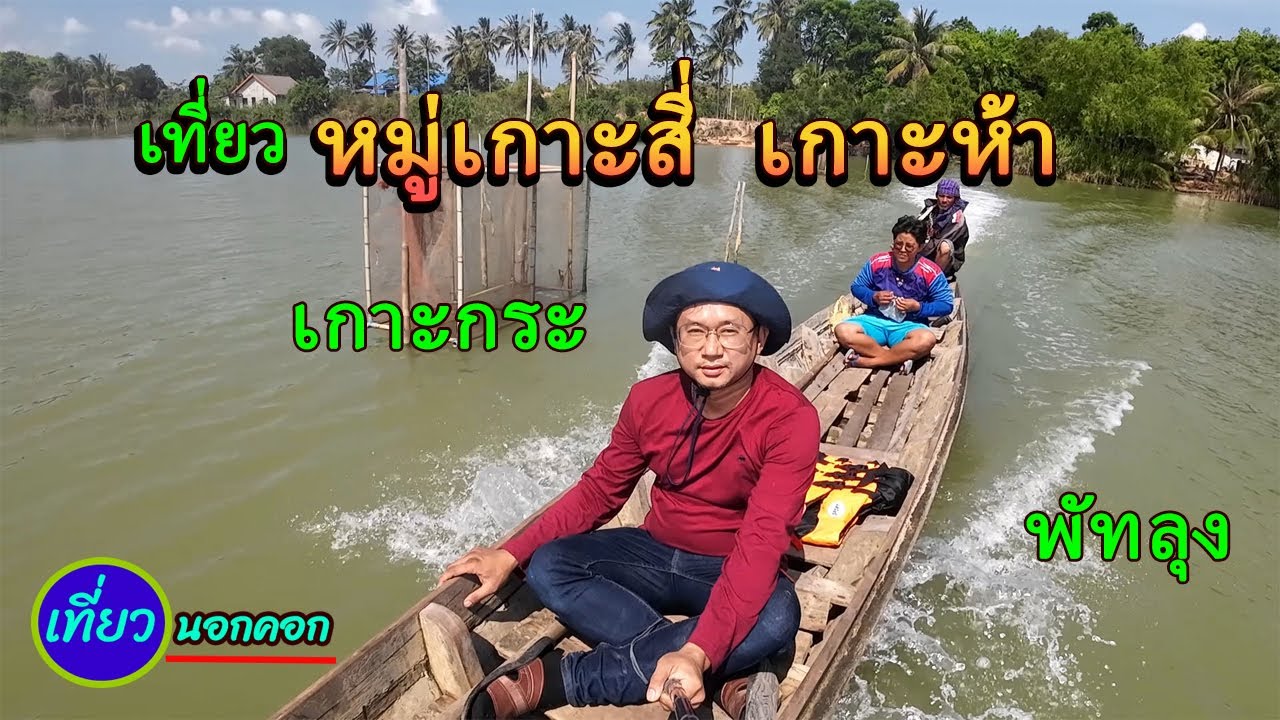
 Click to Access the Navigation Map GPS
Mu Ko Si Ko Ha Map
Recommend

 Art, Culture and Heritage
 Historical Sites and Monuments(1)
 Landmarks and Memorials(1)
 Art, Craft Centres, Tradition(6)
 Historic Homes and Cities(1)
 Educational Places
 Educational Gardens, Farm(1)
 Places of Worship
 Temple(25)
 Other Sacred Sites(4)
 Research and Development
 Royal Project(2)
 Suburban Living
 Village, Community(3)
 National Parks and Marine Reserves(3)
 Mountain (Doi)(4)
 Dam, Reservoir, Lake(7)
 Waterfalls(16)
 Hot Springs(2)
 Caves(12)
 River, Canal(5)
 Bays and Beaches(6)
Islands(2)
 Other natural attractions(4)
 Entertainment and Agricultural
 Farms, Parks and Ecotourism(4)
 Travel Articles, Recipes
 Travel Review, Food Review(1)


