
lovethailand home >South Travel Attractions >Chumphon Travel Attractions >Sawi >Wisai Tai > Chumphon Horticultural Research Centre
TL;DR: Chumphon Horticultural Research Centre is located at 70 Moo 2, Phet Kasem Road, Wisai Tai Subdistrict, Sawi District, Chumphon 86130, Thailand, open Monday – Friday, hours 08.30 – 16.30.
Chumphon Horticultural Research Centre
Open Days: Monday – Friday
Opening Hours: 08.30 – 16.30
Chumphon Horticultural Research Centre is one of the most important agricultural learning and horticultural research sites in Chumphon Province. It is located at 70 Moo 2, Phet Kasem Road, Wisai Tai Subdistrict, Sawi District, Chumphon 86130, along Highway 41 on the main Chumphon – Lang Suan route. The centre is not only a government research unit; it is also an agro-conservation learning destination where farmers, students, researchers, and interested travelers can learn about coconut, robusta coffee, cacao, herbs, local vegetables, orchids, aromatic plants, and horticultural research in the upper southern region of Thailand.
The centre was established in 1960 as Sawi Agricultural Station under the Department of Agriculture’s experimental research system. In 1982, it was upgraded to Chumphon Horticultural Research Centre under the Horticultural Research Institute, Department of Agriculture, Ministry of Agriculture and Cooperatives. After several administrative changes, it returned to the Horticultural Research Institute in 2009 and has continued under the Department of Agriculture. The centre covers about 1,760 rai, allowing it to support research plots, germplasm collections, plant propagation, farmer training, technology transfer, and agricultural learning activities in one large field-based site.
The main value of Chumphon Horticultural Research Centre lies in its role as a practical research base for important southern economic crops. Chumphon is one of Thailand’s key agricultural provinces, and Sawi District is strategically located on the main southern road corridor. At this centre, visitors can see how horticultural crops are studied in real plots rather than only in documents. Crop varieties are selected, planted, compared, monitored, and developed through long-term field research before the knowledge is transferred to farmers.
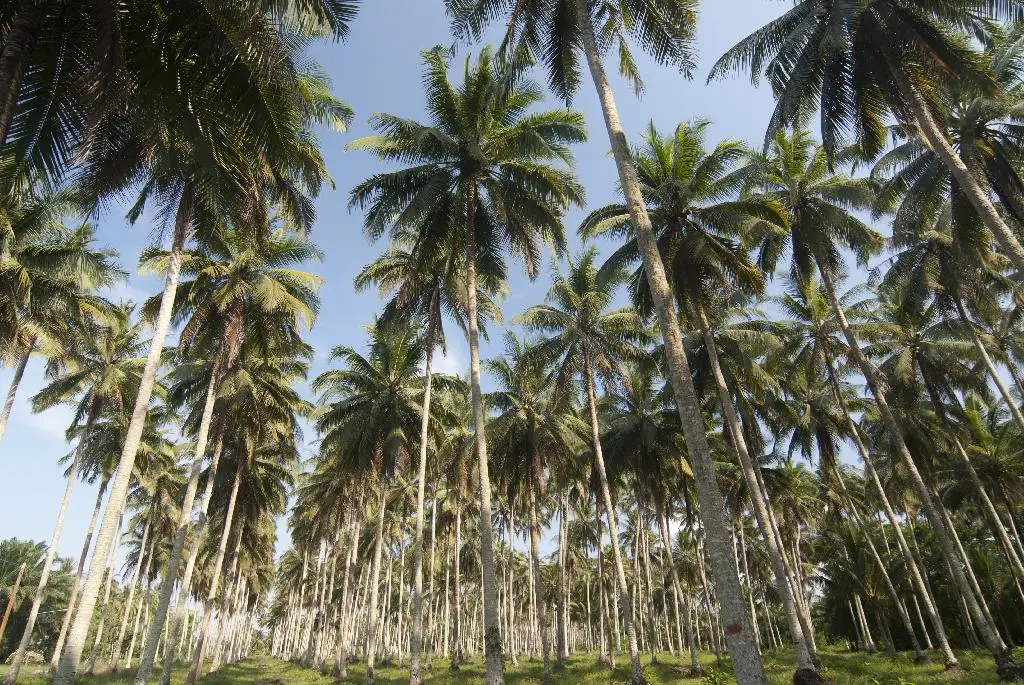
Coconut is the crop most closely associated with the centre. The site collects and studies many coconut varieties from Thailand and abroad, including large-fruited local coconuts, dwarf coconuts, aromatic coconuts, high-yielding coconuts, Thalai Roi, Phuang Roi, and foreign coconut types with different fruit colors and forms. For visitors, the coconut plots provide a clear view of coconut diversity, orchard structure, intercropping systems, and the scientific work behind variety improvement.
Older travel information describes the centre as a trial site for MAWA coconut, a hybrid associated with African and Malaysian parent materials. This makes the centre useful for explaining how coconut improvement is more complex than ordinary planting. Coconut varieties may come from local selections, imported germplasm, or controlled hybridization. A visit to the coconut plots helps visitors understand that a single coconut palm can represent years of research, testing, and adaptation to local growing conditions.
The “Amazing Coconut Varieties” zone is one of the most engaging learning areas. Instead of seeing coconuts only as products in markets, visitors can observe the trees, leaves, bunches, fruit shape, fruit color, and fruiting behavior of different varieties in real growing conditions. This is useful for farmers considering planting material, students studying economic crops, and travelers who want to understand coconut from an agricultural-science perspective.
Robusta coffee is another major topic at the centre. Southern Thailand is an important robusta coffee region, and Chumphon is widely associated with coffee production. The centre contributes to research and knowledge transfer on robusta coffee varieties, cultivation, crop management, production efficiency, and quality improvement. Learning about coffee at the centre is not limited to drinking coffee. It connects the coffee tree, soil, water, sunlight, harvesting, drying, processing, quality standards, and value creation.
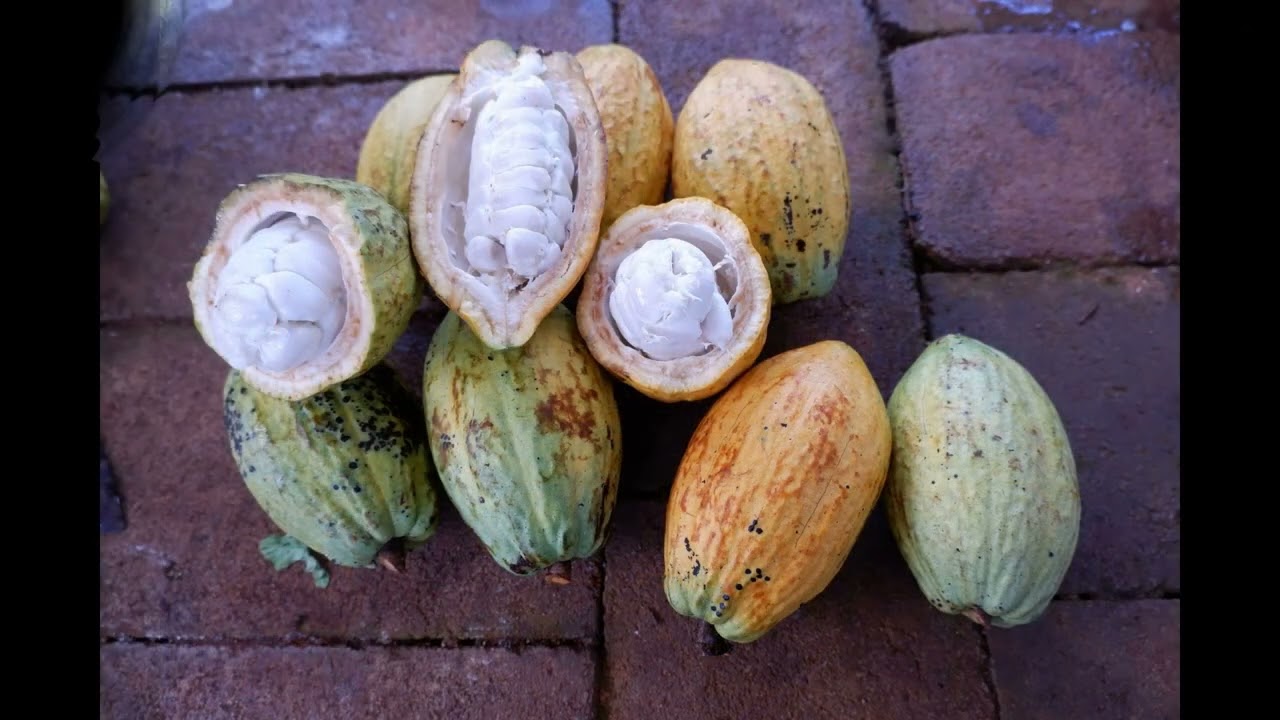
Cacao is also part of the centre’s research and extension work. The centre has been involved in knowledge transfer on cacao cultivation, propagation, processing, and value-chain development. Cacao can be grown as a sole crop or as an intercrop with other crops such as coconut. This makes cacao an interesting option for farmers who want to diversify income. For visitors, cacao adds another layer of learning because it connects field cultivation with processing, chocolate, and value-added agricultural products.
The agro-conservation tourism area of the centre includes several learning points: an exhibition building, the Royal Aromatic Plant Garden, an orchid grove, coffee-field scenery with limestone hills, the Amazing Coconut Varieties zone, and the herb and local-vegetable garden. These areas make the centre more accessible to the public. Visitors can understand agricultural research through visible plots, labeled plants, gardens, and practical field settings rather than through technical reports alone.
The Royal Aromatic Plant Garden is suitable for visitors interested in plant diversity and a calm nature walk. The garden covers more than two rai and contains a nature trail with aromatic plants grouped by type. Plants include gardenia, jasmine, lamduan, manorah, kluai mu sang, bu-nga, bua sawan, kan kruea, and many other aromatic species. The trail also connects toward a lotus pond and nearby plant collections, making it a pleasant stop for learning plant names, plant forms, fragrance, and garden-based conservation.
The herb and local-vegetable garden is one of the most valuable learning zones. It contains more than 1,000 species of herbs and spices with labels showing names, scientific names, alternative names, properties, benefits, and usable plant parts. The local-vegetable plot contains more than 200 species, including plants used in southern Thai cooking. This zone links agriculture with food, local knowledge, medicine, plant use, and biodiversity conservation.
The orchid grove and other plant collections add biological diversity to the learning route. Visitors interested in native orchids and plant conservation can use the area to understand why genetic-resource conservation matters. The centre’s strength lies in presenting many kinds of plants together, from major economic crops such as coconut and coffee to herbs, local vegetables, orchids, and aromatic plants that carry both ecological and cultural value.
The physical environment of the centre is important for understanding agricultural research in real conditions. Much of the land is flat and prone to waterlogging. The soil has relatively low fertility and includes sandy loam and sandy clay loam with poor drainage. In the rainy season, groundwater can be close to the soil surface, while in the dry season the soil may become hard and less permeable. These conditions create real challenges for crop production. Research conducted in such an environment is directly useful for farmers facing similar soil and water-management conditions.
The centre’s water system uses Khlong Wisai and reserve ponds for agricultural water. During the dry season, three ponds support water use. Water for buildings is pumped from Khlong Wisai, filtered, disinfected, and stored in elevated tanks before distribution to laboratories and accommodation buildings. This infrastructure shows that horticultural research depends not only on plants, but also on water, soil, irrigation, buildings, laboratories, and long-term site management.
The front area of the centre has also been described as part of Chumphon’s roadside tourism and rest area. This makes it a useful stop for travelers moving along the main southern highway. However, because this is a working research centre, visitors should not treat all areas as freely accessible tourism zones. Some plots are used for research, plant propagation, or official work. Group visits, study tours, meeting-room use, accommodation, and specialized plot visits should be coordinated with staff in advance.
The centre has facilities for training and overnight stays. It provides a meeting room for approximately 50 to 100 participants with audiovisual equipment. Accommodation includes one guesthouse that can support about 4 to 8 guests and eight dormitory rooms, each supporting about 4 to 6 guests with private bathrooms. Accommodation reservations should be made during official hours and at least seven working days in advance. These facilities make the centre suitable for farmer training, student field trips, agricultural workshops, and professional study visits.
Getting There is convenient by private car. From Bangkok, travel south on Highway 4. At Pathomphon junction, continue onto Highway 41 toward Surat Thani. The distance from Pathomphon junction to the centre is about 23 km. By train, visitors can get off at Chumphon Railway Station and continue by local transport for about 23 km, or get off at Sawi Railway Station and travel back toward Chumphon for about 14 km. Long-distance buses on the Bangkok – Lang Suan route can stop in front of the centre.
Visitors should plan their visit according to the nature of the site. Chumphon Horticultural Research Centre is a government research centre, not a fully open recreational farm. Individual visitors can contact the office during official hours, while study groups should coordinate in advance. This helps ensure that staff, learning areas, research plots, meeting rooms, or accommodation can be arranged properly without interrupting research or plant-production activities.
From a travel perspective, the centre can be combined with other places in Sawi District and nearby areas, such as Khao Thalu, Wat Phra Borommathat Sawi, Wat Phra That Tham Khwan Mueang, Sai Ri Sawi Beach, the Prince of Chumphon shrine at Sai Ri Sawi, and Thong Tom Yai community tourism area. Travelers interested in agriculture can begin at the centre to understand economic crops, then continue to temples, communities, mountains, and coastal landscapes to see how farming, faith, and local life connect in Sawi District.
Overall, Chumphon Horticultural Research Centre is valuable as a research site, agricultural learning destination, and agro-conservation tourism point. Its strengths include a large research area, coconut variety collections, robusta coffee and cacao research, herb gardens, local vegetables, aromatic plants, orchids, exhibition spaces, meeting facilities, and accommodation for coordinated groups. For travelers who want to understand Chumphon through agriculture and plant science, this centre shows that the province’s richness comes not only from nature but also from research, variety improvement, knowledge transfer, and the continuing work of agricultural scientists with local farmers.
| Name | Chumphon Horticultural Research Centre |
| Thai Name | ศูนย์วิจัยพืชสวนชุมพร |
| Place Type | Horticultural Research Centre / Agro-Conservation Learning Site / Southern Economic-Crop Research Area |
| Location | 70 Moo 2, Phet Kasem Road, Wisai Tai Subdistrict, Sawi District, Chumphon 86130, Thailand |
| Navigation Code | 83HR+MX8, Wisai Tai, Sawi District, Chumphon 86130, Thailand |
| Responsible Agency | Horticultural Research Institute, Department Of Agriculture, Ministry Of Agriculture And Cooperatives |
| Latest Director Found In Sources | Ms. Thipphaya Kraithong, Director Of Chumphon Horticultural Research Centre |
| Main Contact Numbers | 077-556191, 077-556073 |
| Fax | 077-556026 |
| chump1@doa.in.th | |
| Open Days | Monday – Friday |
| Opening Hours | 08.30 – 16.30 |
| Group Visits | Advance coordination is recommended for study visits, research-plot access, meeting-room use, or accommodation booking |
| History | Established in 1960 as Sawi Agricultural Station and upgraded to Chumphon Horticultural Research Centre in 1982 |
| Area | About 1,760 Rai |
| Highlights | Coconut variety plots, MAWA coconut, robusta coffee research, cacao research, herb garden, local-vegetable plots, aromatic plants, orchids, and agro-conservation learning routes |
| Main Areas / Zones | Exhibition building, Royal Aromatic Plant Garden, orchid grove, coffee-field and limestone-hill view, Amazing Coconut Varieties zone, herb and local-vegetable garden, plant-production areas, meeting room, guesthouse, and dormitories |
| Facilities | Meeting room for about 50–100 participants, one guesthouse, eight dormitory rooms, private bathrooms, parking area, and meal service by prior coordination |
| On-Site Accommodation | Guesthouse for about 4–8 guests and eight dormitory rooms for about 4–6 guests per room; booking should be made at least seven working days in advance |
| Travel Information | From Pathomphon junction, continue on Highway 41 toward Surat Thani for about 23 km. Bangkok – Lang Suan buses can stop in front of the centre. |
| Nearby Tourist Attractions | 1. Chumphon Roadside Tourism And Rest Area, About 0 km 2. Khao Thalu, About 15 km 3. Wat Phra Borommathat Sawi, About 18 km 4. Wat Phra That Tham Khwan Mueang, About 20 km 5. Sai Ri Sawi Beach, About 35 km 6. Prince Of Chumphon Shrine At Sai Ri Sawi, About 36 km 7. Thong Tom Yai Community Tourism Area, About 45 km |
| Nearby Restaurants | 1. Krua Nong Mai Wisai Tai, About 3 km, Tel. 085-787-6448 2. Sud Wisai Cafe, About 5 km, Tel. 081-597-7491 3. Ban Faifa Sawi, About 12 km, Tel. 062-242-6605 4. Siriwan Restaurant, About 15 km, Tel. 077-531-010 5. Krua Ban Rim Nam Rai Lang City Sawi, About 18 km, Tel. 083-396-1442 |
| Nearby Accommodations | 1. Chumphon Horticultural Research Centre Guesthouse, About 0 km, Tel. 077-556073 2. Chumphon Horticultural Research Centre Dormitory, About 0 km, Tel. 077-556073 3. Phiman Sawi Hotel, About 12 km, Tel. 077-583-444, 086-279-3132 4. Inlef Resort Sawi Chumphon, About 13 km, Tel. 077-531-485 5. Palm View Resort Sawi Chumphon, About 14 km, Tel. 077-531-799 6. Thong Uthai Resort, About 14 km, Tel. 081-078-9102 |
Frequently Asked Questions (FAQ)
Q: Where is Chumphon Horticultural Research Centre located?
A: It is located at 70 Moo 2, Phet Kasem Road, Wisai Tai Subdistrict, Sawi District, Chumphon 86130, along Highway 41 on the Chumphon – Surat Thani route.
Q: What are the opening days and hours?
A: The centre is open Monday to Friday from 08.30 to 16.30. Group visits or study tours should be coordinated with the centre in advance.
Q: What is the main highlight of the centre?
A: The main highlights are coconut variety plots, MAWA coconut, robusta coffee research, cacao research, herb gardens, local vegetables, aromatic plants, orchids, and agro-conservation learning areas.
Q: Can visitors arrange a study visit?
A: Yes. Study visits can be arranged by contacting the centre during official working hours so staff can prepare suitable learning areas, research plots, or a visit schedule.
Q: Does the centre have accommodation or meeting facilities?
A: Yes. The centre has a meeting room for about 50 to 100 participants, one guesthouse, and eight dormitory rooms. Accommodation should be booked at least seven working days in advance.
Q: How can visitors get there?
A: By car, use Highway 41 from Pathomphon junction toward Surat Thani for about 23 km. By train, get off at Chumphon or Sawi Station and continue by local transport. Bangkok – Lang Suan buses can stop in front of the centre.
Q: Who should visit this centre?
A: It is suitable for farmers, students, researchers, agricultural officers, plant-science learners, and travelers interested in coconut, coffee, cacao, herbs, local vegetables, and Chumphon’s agricultural knowledge.
Q: Which nearby places can be visited on the same trip?
A: Nearby places include Khao Thalu, Wat Phra Borommathat Sawi, Wat Phra That Tham Khwan Mueang, Sai Ri Sawi Beach, the Prince of Chumphon Shrine at Sai Ri Sawi, and Thong Tom Yai community tourism area.
Tel : 077556190-1
 Tel : 077556190-1
 Category: ●Educational Places
 Group: ●Educational Gardens, Farm
Last Update : 2 MonthAgo
 Last Update : 2 MonthAgo
 Click to Access the Navigation Map GPS
Chumphon Horticultural Research Centre Map
Recommend

 Art, Culture and Heritage
 Historical Sites and Monuments(1)
 Landmarks and Memorials(2)
 Art, Craft Centres, Tradition(3)
 Museums(2)
Educational Gardens, Farm(1)
 Places of Worship
 Temple(31)
 Other Sacred Sites(10)
 Research and Development
 Royal Project(1)
 Suburban Living
 Village, Community(5)
 Local Market(1)
 Nature and Wildlife
 National Parks and Marine Reserves(7)
 Mountain (Doi)(5)
 Dam, Reservoir, Lake(1)
 Waterfalls(26)
 Hot Springs(1)
 Caves(21)
 River, Canal(7)
 Bays and Beaches(30)
 Islands(13)
 Other natural attractions(7)
 Entertainment and Agricultural
 Farms, Parks and Ecotourism(3)
 Outdoor and Adventure Activities(4)
 Shopping
 Shopping and Night Market(1)
 Travel Articles, Recipes
 Travel Review, Food Review(1)


