
lovethailand home >South Travel Attractions >Chumphon Travel Attractions >Sawi >Khao Thalu > Ko Thalu
TL;DR: Ko Thalu is located at Gulf of Thailand, within Mu Ko Chumphon National Park, Chumphon Province, Thailand, open Daily, except during seasonal marine closures or special closure announcements, hours 08.00 – 16.00.
Ko Thalu
Open Days: Daily, except during seasonal marine closures or special closure announcements by the national park
Opening Hours: 08.00 – 16.00
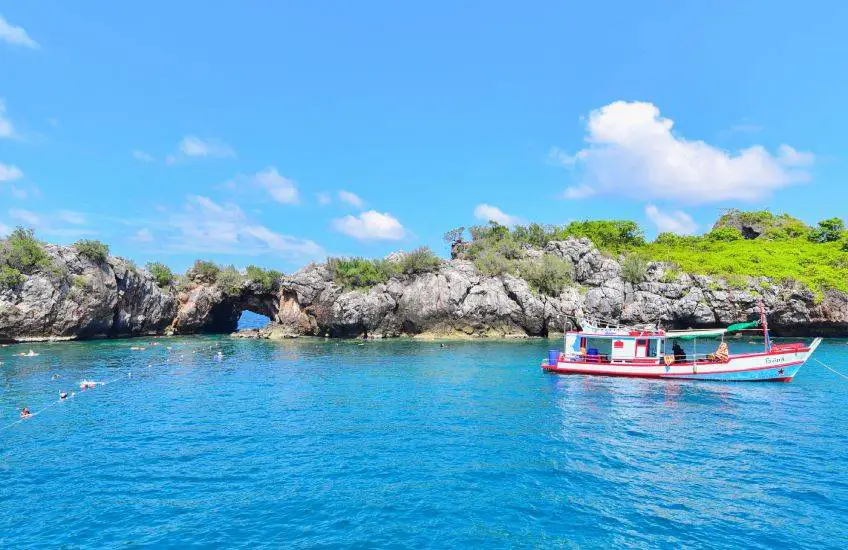
Ko Thalu in Chumphon is a small limestone island within Mu Ko Chumphon National Park. It lies about 13 km from Pak Nam Chumphon and is best known for large sea caves and natural openings that cut through the limestone above the water surface. Visitors can look through the rock openings to the sea on the other side, and when sea conditions are safe, they may swim through the natural passage under supervision. Around the island are coral reefs, sea anemones, reef fish, and clear-water scenery that make Ko Thalu one of the most distinctive marine day-trip destinations in Chumphon.
Ko Thalu is named after its most recognizable feature: a natural opening that passes through the island’s limestone body. From a boat, visitors can see the rock rising from the sea with cave-like openings at and above water level. Some openings frame the sea beyond like a natural stone window, while others create a dramatic passage shaped by waves, wind, and erosion. This makes Ko Thalu visually different from ordinary beach islands and gives it a strong identity among Chumphon’s marine attractions.
Ko Thalu is not a resort island. There is no accommodation, village, shop, or full visitor facility on the island. It is a small limestone islet best visited by boat as part of a half-day or one-day marine trip. The main activities are boat sightseeing, photographing the limestone caves, swimming through the opening when allowed, snorkeling, and combining the trip with nearby islands such as Ko Ngam Yai, Ko Ngam Noi, Ko Kalok, Ko Mattra, and the Hat Paradonphap coastal area.
The island’s geological appeal comes from limestone shaped over time by seawater, wave energy, wind, and natural erosion. These forces formed caves, hollows, and through-openings that make the island memorable. The caves are not only attractive for photography; they also help visitors see how coastal landforms are created by long-term natural processes in the Gulf of Thailand.
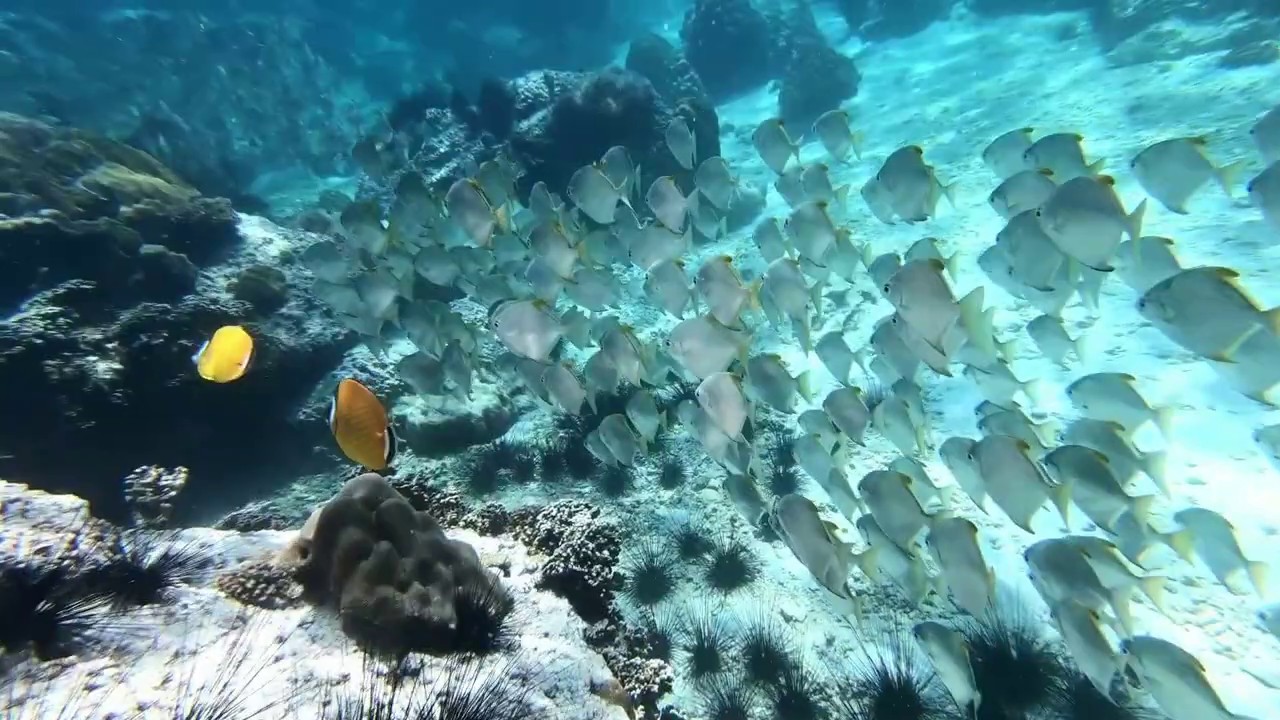
The waters around Ko Thalu are also important. Coral reefs, sea anemones, and marine life surround parts of the island, especially when visibility is good and the sea is calm. Some areas may be suitable for snorkeling, while others require more experienced supervision. Visitors should never enter the water without the approval of the boat crew or guide because limestone cliffs, submerged rocks, currents, and boat movement can create hazards.
Swimming through the limestone passage is one of the most memorable activities at Ko Thalu, but it must be done only when conditions are safe. If waves are strong, the water is unclear, currents are changing, or boats are moving close to the passage, visitors should enjoy the cave from the boat instead. Anyone entering the water should wear a life jacket, stay with the group, and follow the route approved by the trip leader.
From March to April, Ko Thalu has another important natural role as a nesting area for bridled terns. During this period, visitors should be especially careful and follow national park instructions. Do not make loud noise, approach nesting areas, throw objects onto the island, or disturb birds. Ko Thalu should be treated not only as a scenic island, but also as a seasonal wildlife habitat.
Responsible travel is essential at Ko Thalu. Visitors should not step on coral, touch sea anemones, chase fish, feed marine animals, collect shells or coral fragments, leave waste, or climb on limestone surfaces. These rules protect both the underwater ecosystem and the safety of travelers. The island’s beauty depends on the health of its reef, bird habitat, and natural rock formations.
Getting There begins from Chumphon town or Pak Nam Chumphon. Travelers usually continue to a boat departure point such as Hat Paradonphap, Pak Nam Chumphon, Hat Sai Ri, or the operator’s appointed meeting point. Ko Thalu is about 13 km from Pak Nam Chumphon. Travel time depends on the boat type, departure point, itinerary, and sea conditions on the day of travel.
Before booking a boat or tour package, travelers should confirm whether Ko Thalu is included as a main stop, whether swimming or snorkeling is planned, whether life jackets and snorkeling gear are included, whether the national park fee is included, where the departure point is, what time the boat returns, and what happens if the weather becomes unsafe. These details matter because Ko Thalu is a limestone islet in open water, not a beach destination that can be visited independently at any time.
The best time to visit Ko Thalu is during calm sea conditions, clear water, and no strong-wave warning. Morning to early afternoon is usually more practical for boat travel, sightseeing, and snorkeling. During rain, strong wind, rough waves, or poor visibility, the trip should be postponed. Safety must come before the desire to swim through the cave or take photographs.
Mu Ko Chumphon National Park has a seasonal marine closure for marine attractions and islands from 1 November to 15 December each year, with reopening according to park announcements. Travelers should check the latest notice before arranging a boat trip, especially when planning in advance. Marine closure periods are used for visitor safety during seasonal monsoon conditions and for natural resource recovery.
The national park entrance fee for Mu Ko Chumphon National Park follows the Group 2 rate: Thai adults 40 baht, Thai children 20 baht, foreign adults 200 baht, and foreign children 100 baht. Boat fees, snorkeling packages, extra equipment, meals, and guide services are charged separately by operators. Travelers should ask whether the tour price includes the park fee before payment.
There is no accommodation or visitor facility on Ko Thalu. Travelers should stay on the mainland, such as Hat Paradonphap, Hat Sai Ri, Pak Nam Chumphon, Ao Thung Makham Noi, or Chumphon town, then join a half-day or full-day boat trip. Staying on the mainland gives easier access to restaurants, hotels, transport, and boat arrangements.
Useful items for a Ko Thalu trip include quick-dry clothing, towel, dry bag, personal medication, drinking water, hat, sunglasses, secure footwear, and a waterproof camera with a strap. Weak swimmers should inform the trip leader in advance and wear a life jacket at all times. Families with children or older travelers should choose a light program and enter the water only when the operator confirms safety.
The main hazards at Ko Thalu are limestone rocks, cave openings, reflected waves, current, and submerged rock areas. Visitors should not approach the cliffs too closely in rough conditions, climb on the rocks, enter the passage without guidance, or swim for photos when the guide does not allow it. If the operator changes the plan to boat viewing only, travelers should accept the decision.
Ko Thalu is excellent for photography. Good subjects include the limestone opening, tour boats beside the island, emerald water, snorkelers near reef areas, and the cave framing the sea beyond. Morning light often gives clearer water color and more comfortable conditions. Photographs should be taken from safe positions on the boat or from areas approved by the guide.
A Ko Thalu trip can be combined with other Chumphon marine attractions. Snorkeling-focused travelers may connect the route with Ko Ngam Yai, Ko Ngam Noi, Ko Kalok, or Ko Mattra depending on sea conditions. Travelers who want a mainland extension can visit Hat Paradonphap, Hat Sai Ri, the Krom Luang Chumphon Khet Udomsak Shrine, Khao Chao Mueang Viewpoint, or Mu Ko Chumphon National Park’s main visitor area.
Ko Thalu is best for travelers who enjoy natural rock formations, marine scenery, snorkeling, and outdoor activities. It is not suitable for visitors expecting a resort island, beach facilities, or independent exploration. The correct expectation is a boat-based nature trip with strong safety and conservation rules.
In summary, Ko Thalu is one of Chumphon’s most distinctive marine attractions. It has a small limestone island shape, large sea caves above the water, a natural through-opening, coral reefs, sea anemones, and a seasonal bridled tern nesting period from March to April. Although there is no accommodation on the island, a well-planned boat trip with a reliable operator, calm sea conditions, and responsible behavior makes Ko Thalu a memorable Chumphon sea experience.
| Name | Ko Thalu, Chumphon |
| Location | Gulf of Thailand, within Mu Ko Chumphon National Park, Chumphon Province, Thailand |
| Address | Island area within Mu Ko Chumphon National Park, Mueang Chumphon District, Chumphon 86120, Thailand |
| Highlights | Small limestone island about 13 km from Pak Nam Chumphon, with large sea caves, natural through-openings, coral reefs, sea anemones, and supervised swimming or snorkeling opportunities when the sea is safe |
| Distinctive Features | Limestone islet with no accommodation, no village, and no visitor facilities on the island; best for boat-based day trips, cave viewing, photography, and snorkeling |
| Main Areas / Zones | Sea cave openings, limestone through-passage, boat-viewing area, surrounding coral reef and sea anemone areas, and seasonal seabird nesting areas |
| Current Status | Marine attraction within Mu Ko Chumphon National Park; open according to park announcements, weather, and sea conditions, except during seasonal or special closures |
| Open Days | Daily, except during seasonal marine closures or special closure announcements by the national park |
| Opening Hours | 08.00 – 16.00 for boat-based sightseeing and snorkeling activities, depending on boat schedules and sea conditions |
| Fees | National park entrance fee: Thai adults 40 baht, Thai children 20 baht, foreign adults 200 baht, foreign children 100 baht. Boat and snorkeling package costs are charged separately by operators |
| Facilities | No accommodation, shops, or full visitor facilities on the island. Main services are on the mainland around Hat Paradonphap, Pak Nam Chumphon, Hat Sai Ri, Ao Thung Makham Noi, or the national park office area |
| Caretaker | Mu Ko Chumphon National Park, Department of National Parks, Wildlife and Plant Conservation |
| Main Contact Number | Mu Ko Chumphon National Park Tel. 077-558-144, 077-558-145 |
| Official Website / Official Page | Mu Ko Chumphon National Park official page and the Department of National Parks, Wildlife and Plant Conservation website |
| Travel Information | Travel from Chumphon town to Pak Nam Chumphon, Hat Paradonphap, Hat Sai Ri, or a local tour operator’s boat meeting point, then continue by boat to Ko Thalu, about 13 km from Pak Nam Chumphon |
| Important Natural Period | March – April is the bridled tern nesting period. Visitors should avoid disturbing seabirds and follow national park guidance strictly |
| Visitor Guidelines | Check park announcements and weather before departure, wear a life jacket, do not enter the water without supervision, do not climb rocks, do not step on or touch coral, do not disturb seabirds, do not feed fish, and take all waste back to the mainland |
| Nearby Tourist Attractions | 1. Ko Kalok, about 1 km 2. Ko Ngam Noi, about 5 km 3. Ko Ngam Yai, about 6 km 4. Ko Sak, about 7 km 5. Ko Mattra, about 8 km 6. Hat Paradonphap Beach, about 13 km 7. Hat Sai Ri Beach, about 15 km 8. Mu Ko Chumphon National Park, about 16 km |
| Nearby Restaurants | 1. Khrua Je Ang, about 15 km, Tel. 077-521-087, 081-978-0485 2. Mae Mai Seafood, about 15 km, Tel. 077-521-603 3. The Seaside Tha Ruea, about 16 km, Tel. 088-961-7894 4. Baan Khun Ta Restaurant, about 17 km, Tel. 063-251-8239 5. Khrua Suan Ta Jeed, about 18 km, Tel. 081-597-1238 |
| Nearby Accommodations | 1. PB Private Sea Villa @ ThungMakham Beach, about 14 km, Tel. 080-926-4591 2. The Nouveau Chumphon Beach Resort & Golf, about 16 km, Tel. 077-529-529 3. Baan I Talay Chumphon, about 16 km, Tel. 090-708-1538 4. The Mountain View Hat Sai Ri Resort, about 17 km, Tel. 093-692-1603 5. De Sea Almond, about 17 km, Tel. 087-709-5544 |
Frequently Asked Questions (FAQ)
Q: Where is Ko Thalu in Chumphon?
A: Ko Thalu is located within Mu Ko Chumphon National Park in Chumphon Province, about 13 km from Pak Nam Chumphon.
Q: What is Ko Thalu famous for?
A: Ko Thalu is famous for its small limestone island shape, large sea caves, natural through-openings above the water, coral reefs, and sea anemones around the island.
Q: Can visitors swim through the limestone opening at Ko Thalu?
A: Yes, but only when the sea is calm and the guide or boat operator considers it safe. Visitors should wear a life jacket and stay with the group.
Q: Is there accommodation on Ko Thalu?
A: No. Ko Thalu has no accommodation or full visitor facilities. Travelers should stay on the mainland around Hat Paradonphap, Hat Sai Ri, Pak Nam Chumphon, Ao Thung Makham Noi, or Chumphon town.
Q: Where can travelers take a boat to Ko Thalu?
A: Boats and marine tour packages can be arranged from Hat Paradonphap, Pak Nam Chumphon, Hat Sai Ri, or local operators in the Mu Ko Chumphon route area.
Q: How much is the entrance fee for Ko Thalu?
A: The national park entrance fee is 40 baht for Thai adults, 20 baht for Thai children, 200 baht for foreign adults, and 100 baht for foreign children. Boat and snorkeling costs are separate.
Q: When is the best time to visit Ko Thalu?
A: Visit when the sea is calm, the water is clear, and there is no strong-wave warning. Avoid the annual marine closure period from 1 November to 15 December.
Q: What happens at Ko Thalu from March to April?
A: March to April is the period when large numbers of bridled terns nest on the island. Visitors should avoid disturbing the birds and follow national park instructions strictly.
 Category: ●Nature and Wildlife
 Group: ●Islands
Last Update : 2 MonthAgo
 Last Update : 2 MonthAgo
 Click to Access the Navigation Map GPS

 Art, Culture and Heritage
 Historical Sites and Monuments(1)
 Landmarks and Memorials(2)
 Art, Craft Centres, Tradition(3)
 Museums(2)
 Educational Places
 Educational Gardens, Farm(1)
 Places of Worship
 Temple(31)
 Other Sacred Sites(10)
 Research and Development
 Royal Project(1)
 Suburban Living
 Village, Community(5)
 Local Market(1)
 National Parks and Marine Reserves(7)
 Mountain (Doi)(5)
 Dam, Reservoir, Lake(1)
 Waterfalls(26)
 Hot Springs(1)
 Caves(21)
 River, Canal(7)
 Bays and Beaches(30)
Islands(13)
 Other natural attractions(7)
 Entertainment and Agricultural
 Farms, Parks and Ecotourism(3)
 Outdoor and Adventure Activities(4)
 Shopping
 Shopping and Night Market(1)
 Travel Articles, Recipes
 Travel Review, Food Review(1)


