
lovethailand home >North Travel Attractions >Lamphun Travel Attractions >Pa Sang >Ma Kok > Wat Phra Phutthabat Tak Pha
TL;DR: Wat Phra Phutthabat Tak Pha is located at Makok Subdistrict, Pa Sang District, Lamphun Province, open Daily, hours 08:00 – 17:00.
Wat Phra Phutthabat Tak Pha
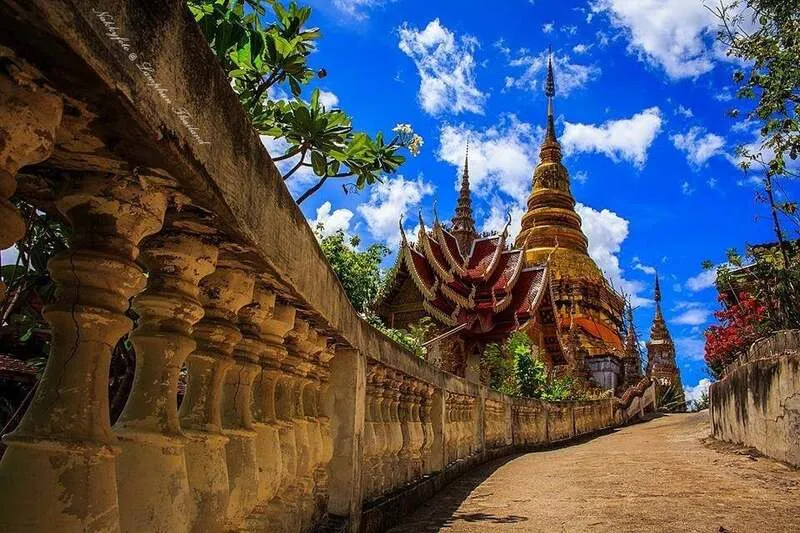
Open Days: Daily
Opening Hours: 08:00 – 17:00
Wat Phra Phutthabat Tak Pha is one of the most important sacred temples in Lamphun Province, located in Makok Subdistrict, Pa Sang District. The temple is widely known for its revered Buddha’s footprint, the legendary robe-drying mark, the hilltop chedi, the 469-step Naga staircase, and the annual water-pouring ceremony held in honor of the Buddha’s relics and sacred sites. It is an ideal destination for visitors seeking to make merit, explore Lanna Buddhist legends, and experience the peaceful atmosphere of a historic temple deeply rooted in local faith and tradition.
The temple is situated along Highway 106 between Lamphun and Pa Sang, around kilometer markers 136–137, with a short access road of approximately 1 kilometer leading into the temple grounds. Wat Phra Phutthabat Tak Pha is uniquely positioned between Doi Mon Chang and Doi Khrua, with its layout divided into two main zones: the lower temple area at the foothill and the upper sacred area on the hilltop. These two areas are connected by a long and symbolic Naga staircase consisting of 469 steps.
The significance of Wat Phra Phutthabat Tak Pha lies in the ancient legend of the Buddha’s footprint and the robe-drying mark. According to local tradition, during the time the Buddha journeyed through Suvarnabhumi, he arrived at a rocky cliff in this area. He is believed to have placed his robe on a rock to dry and later left his sacred footprint at the site as a symbol for future generations to worship. These two sacred elements—his footprint and the robe-drying mark—form the spiritual foundation of the temple’s identity.
The name “Phra Phutthabat Tak Pha” directly reflects this legend. “Phra Phutthabat” refers to the sacred footprint of the Buddha, while “Tak Pha” means drying cloth or robe. Together, the name represents both the physical sacred site and the spiritual story connected to the Buddha’s presence. It also reflects the natural environment of the temple, characterized by rocky terrain and hillside landscapes.
Within the temple grounds, visitors will find several important sacred and cultural structures, including the Buddha’s footprint, the robe-drying mark, relic stupas, a statue of Khruba Phromma, the Four Khruba Chedis, the main viharn, the ordination hall, and the hilltop chedi. These elements combine to create a temple that serves both as a place of worship and a center for learning about Lanna religious culture.
The hilltop chedi is one of the most prominent highlights of Wat Phra Phutthabat Tak Pha. Architecturally, it blends influences from two iconic northern Thai stupas: Wat Phra That Doi Suthep in Chiang Mai and Wat Phra That Hariphunchai in Lamphun. This fusion of styles results in a chedi that reflects both regional identity and broader Lanna artistic traditions. Its elevated position on the hill enhances its visual presence and spiritual significance.
The 469-step Naga staircase is another defining feature of the temple. It connects the lower temple area with the hilltop chedi, offering visitors a gradual and contemplative ascent. Walking up the staircase allows visitors to experience both physical effort and spiritual reflection. Along the way, there are views of the surrounding landscape and temple grounds, making the journey itself part of the experience. For those who prefer convenience, a road is available for vehicles to reach the top.
Wat Phra Phutthabat Tak Pha also plays a central role in local religious festivals, particularly the annual water-pouring ceremony held on Atthami Bucha Day, which falls on the waning 8th day of the 8th lunar month. This day commemorates the cremation of the Buddha. During the ceremony, devotees gather to pour water over the Buddha’s footprint, relics, and sacred stones, creating an atmosphere of deep devotion and cultural continuity.
Another important event is the Tak Bat Devo ceremony during the end of Buddhist Lent (Ok Phansa). One of the most visually striking aspects of this tradition is the alms-giving along the 469-step staircase. Monks descend the staircase while devotees stand along both sides offering food, creating a powerful image of faith, unity, and community participation.
The temple is also associated with Khruba Phromma Phrommachakko, a highly respected Lanna monk. A statue of Khruba Phromma is enshrined within the temple, allowing devotees to pay their respects. His presence adds another dimension of spiritual importance to the temple, connecting it to both historical Buddhist teachings and revered monastic figures.
Architecturally and spatially, the temple reflects a layered spiritual journey. Visitors begin at the foothill temple area, proceed through key worship points, and then ascend to the hilltop chedi. This progression symbolizes both physical movement and spiritual elevation, a concept often found in Lanna temple design.
The surrounding environment of Wat Phra Phutthabat Tak Pha is calm and shaded, making it ideal for quiet reflection. Visitors can start their visit by paying respect to the Buddha’s footprint, then choose whether to climb the staircase or drive up to the chedi. The temple accommodates both those who seek a physically immersive experience and those who prefer a more accessible visit.
Wat Phra Phutthabat Tak Pha is also well connected to other cultural and historical attractions in Lamphun. Nearby destinations include Ban Nong Ngueak, Wat Nong Ngueak, Wat Ko Klang, Ku Chang Ku Ma, and Wat Phra That Hariphunchai. These sites together create a meaningful travel route focused on Lanna heritage, Buddhist temples, and local traditions.
Getting There is straightforward via Highway 106, the main Lamphun–Pa Sang route. At kilometer markers 136–137, turn into the access road and continue for about 1 kilometer to reach the temple. The route is suitable for private cars and motorcycles. Visitors can either park at the lower area and climb the staircase or drive directly to the upper level.
Travel time from Lamphun town is relatively short, making the temple a convenient stop on a one-day trip. Visitors from Chiang Mai can also reach the temple easily by driving toward Lamphun and continuing to Pa Sang District. The temple’s proximity to the main road makes it accessible without requiring long detours.
Visitors are advised to dress respectfully, remain quiet in sacred areas, and follow temple etiquette. Those planning to climb the staircase should wear comfortable shoes and bring water. Elderly visitors or those with mobility concerns may use the road access to the hilltop.
The best time to visit is early morning or late afternoon when temperatures are cooler. Visitors interested in experiencing local culture should consider attending during the Atthami Bucha festival or the Tak Bat Devo ceremony, although these periods are more crowded.
Wat Phra Phutthabat Tak Pha represents a complete combination of legend, sacred architecture, ritual practice, and natural setting. It is a destination where visitors can engage with both tangible and intangible aspects of Lanna Buddhism. A visit here is not only about making merit, but also about understanding the deeper connections between faith, landscape, and community life in northern Thailand.
| Name | Wat Phra Phutthabat Tak Pha |
| Location | Makok Subdistrict, Pa Sang District, Lamphun Province |
| Address | 279 Moo 6, Makok Subdistrict, Pa Sang District, Lamphun 51120, Thailand |
| Highlights | Buddha’s footprint, robe-drying mark, hilltop chedi, 469-step Naga staircase, statue of Khruba Phromma, annual water-pouring ceremony |
| History | An important sacred site of Lamphun associated with the legend of the Buddha’s footprint and robe-drying mark |
| Name Origin | Derived from the legend of the Buddha’s footprint and robe-drying mark on the rock surface |
| Distinctive Features | Hilltop chedi inspired by Doi Suthep and Hariphunchai styles, connected by a 469-step Naga staircase |
| Main Areas / Zones | Buddha’s footprint, robe-drying mark, hilltop chedi, Naga staircase, Khruba Phromma statue, viharn, ordination hall |
| Travel Information | Accessible via Highway 106, turn in at km 136–137 and continue 1 km |
| Current Status | Active royal temple open to visitors and worshippers |
| Open Days | Daily |
| Opening Hours | 08:00 – 17:00 |
| Abbot | Phra Khru Kalyanapariyattikij |
| Main Contact Number | 053-572-961, 053-005-200 |
| Nearby Tourist Attractions | 1. Ban Mon Makok, 1 km 2. Ban Nong Ngueak, 4 km 3. Wat Nong Ngueak, 4 km 4. Wat Ko Klang, 8 km 5. Ku Chang Ku Ma, 17 km 6. Wat Phra That Hariphunchai, 20 km |
| Nearby Restaurants | 1. Sun Sun Cafe, 2 km 2. Lung Thong Cafe & Restaurant, 4 km, Tel. 062-925-2594 3. Suksud Cafe, 4 km, Tel. 085-363-9563 4. Fusion Seafood Lamphun, 4 km 5. Forest Cafe & Pizzeria, 6 km 6. Hey! Fried Banana, 7 km |
| Nearby Accommodations | 1. Ban Mon Makok Resort, 1 km, Tel. 090-953-2532 2. Maneenakasen Resort, 8 km, Tel. 053-521-856 3. Suan Suai Resort, 9 km, Tel. 053-572-652 4. Doi Chang Luang Resort, 25 km, Tel. 081-961-4344 5. Heuan Dala Resort, 28 km, Tel. 081-960-0269 |
Frequently Asked Questions (FAQ)
Q: Where is Wat Phra Phutthabat Tak Pha located?
A: It is located in Makok Subdistrict, Pa Sang District, Lamphun Province, along Highway 106.
Q: What is the highlight of the temple?
A: The highlights include the Buddha’s footprint, robe-drying mark, hilltop chedi, and the 469-step Naga staircase.
Q: How many steps are there on the staircase?
A: The Naga staircase has 469 steps connecting the lower temple to the hilltop chedi.
Q: Can visitors drive to the top?
A: Yes, visitors can drive up to the hilltop area instead of climbing the stairs.
Q: When is the best time to visit?
A: Early morning or late afternoon is recommended due to cooler weather.
Q: What festivals are held here?
A: Important festivals include the Atthami Bucha water-pouring ceremony and the Tak Bat Devo event.
Q: Is this temple suitable for cultural travel?
A: Yes, it is ideal for cultural, religious, and historical exploration in Lamphun.
 Category: ●Places of Worship
 Group: ●Temple
Last Update : 6 MonthAgo
 Last Update : 6 MonthAgo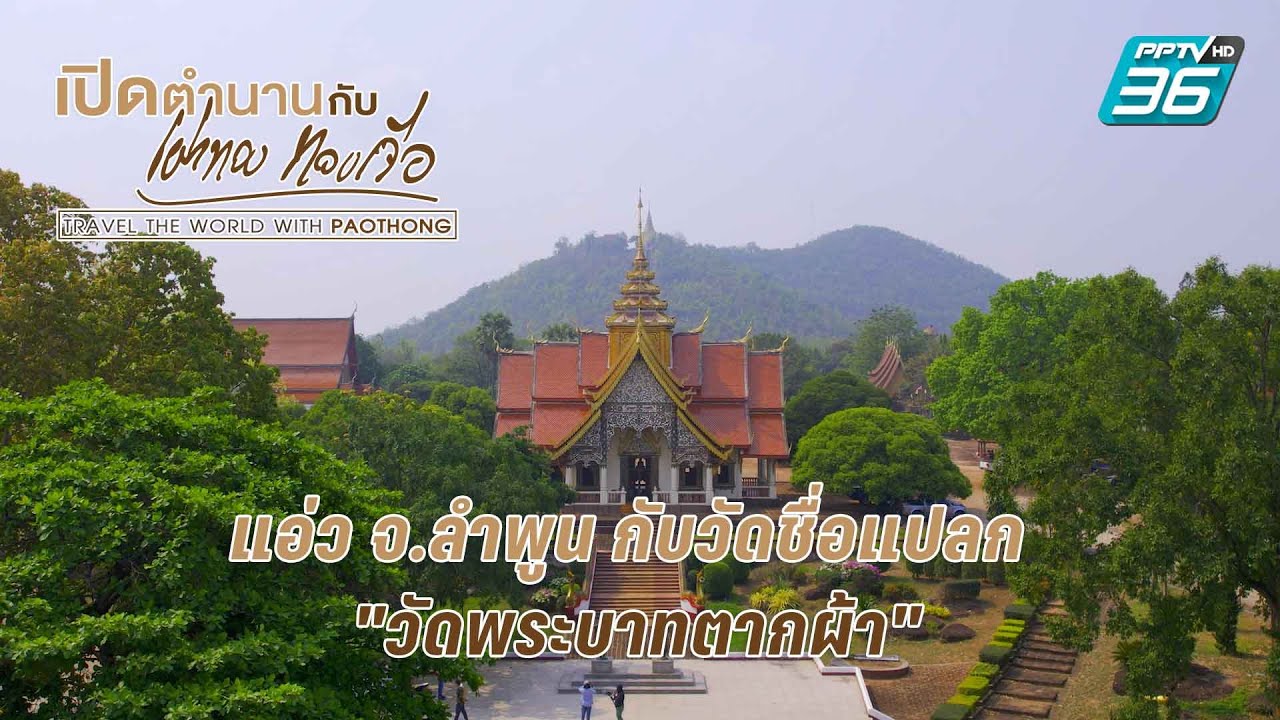
 Click to Access the Navigation Map GPS
Wat Phra Phutthabat Tak Pha Map
Recommend

 Art, Culture and Heritage
 Historical Sites and Monuments(2)
 Landmarks and Memorials(8)
 Art, Craft Centres, Tradition(9)
 Museums(3)
 Historic Homes and Cities(1)
Temple(91)
Historic Homes and Cities(1)
Temple(91)
 Mosque(1)
 Other Sacred Sites(7)
 Research and Development
 Royal Project(1)
 Suburban Living
 Village, Community(13)
 Local Market(3)
 Nature and Wildlife
 National Parks and Marine Reserves(2)
 Mountain (Doi)(1)
 Dam, Reservoir, Lake(13)
 Waterfalls(3)
 Caves(4)
 River, Canal(1)
 Other natural attractions(1)
 Entertainment and Agricultural
 Farms, Parks and Ecotourism(2)
 Waterpark(1)
 Travel Articles, Recipes
 Travel Review, Food Review(1)


