
lovethailand home >Central Travel Attractions >Phranakhon Si Ayutthaya Travel Attractions >Phranakhon Si Ayutthaya >Pratu Chai > Phranakhon Si Ayutthaya Rajabhat University
TL;DR: Phranakhon Si Ayutthaya Rajabhat University. (มหาวิทยาลัยราชภัฏพระนครศรีอยุธยา), commonly abbreviated as ARU, is a public university with more than 121 years of educational history in.
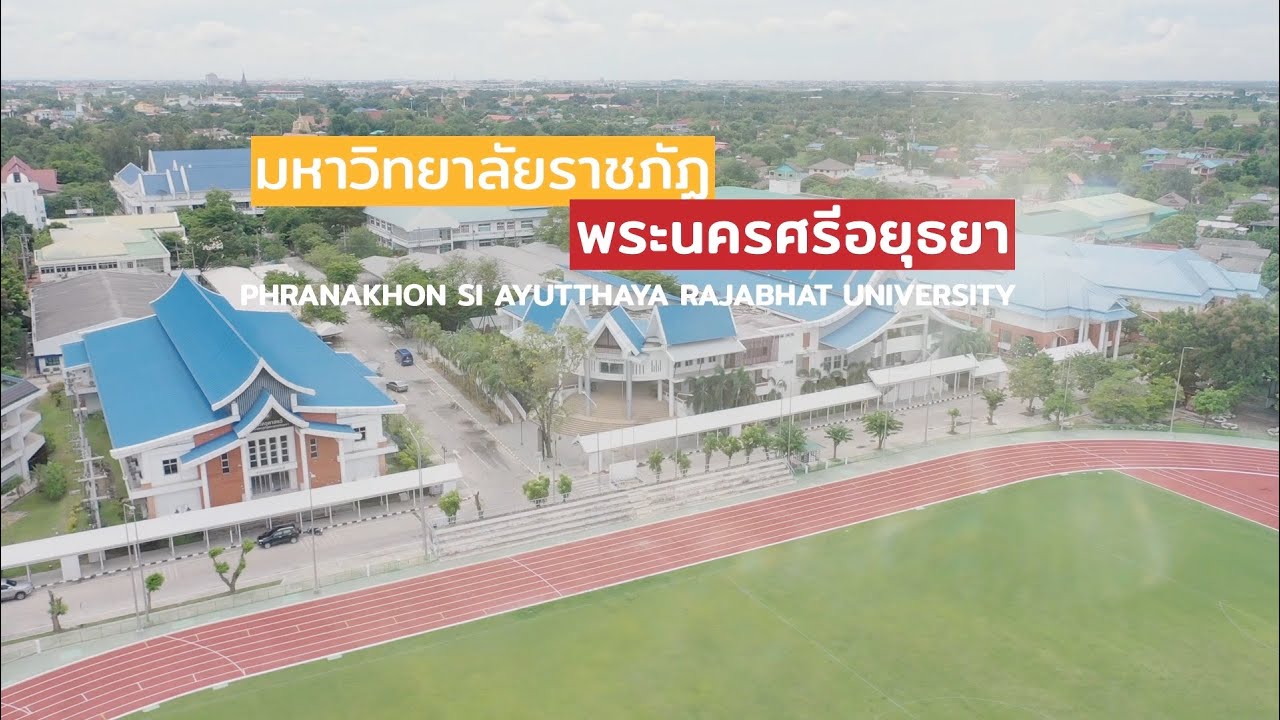
Phranakhon Si Ayutthaya Rajabhat University
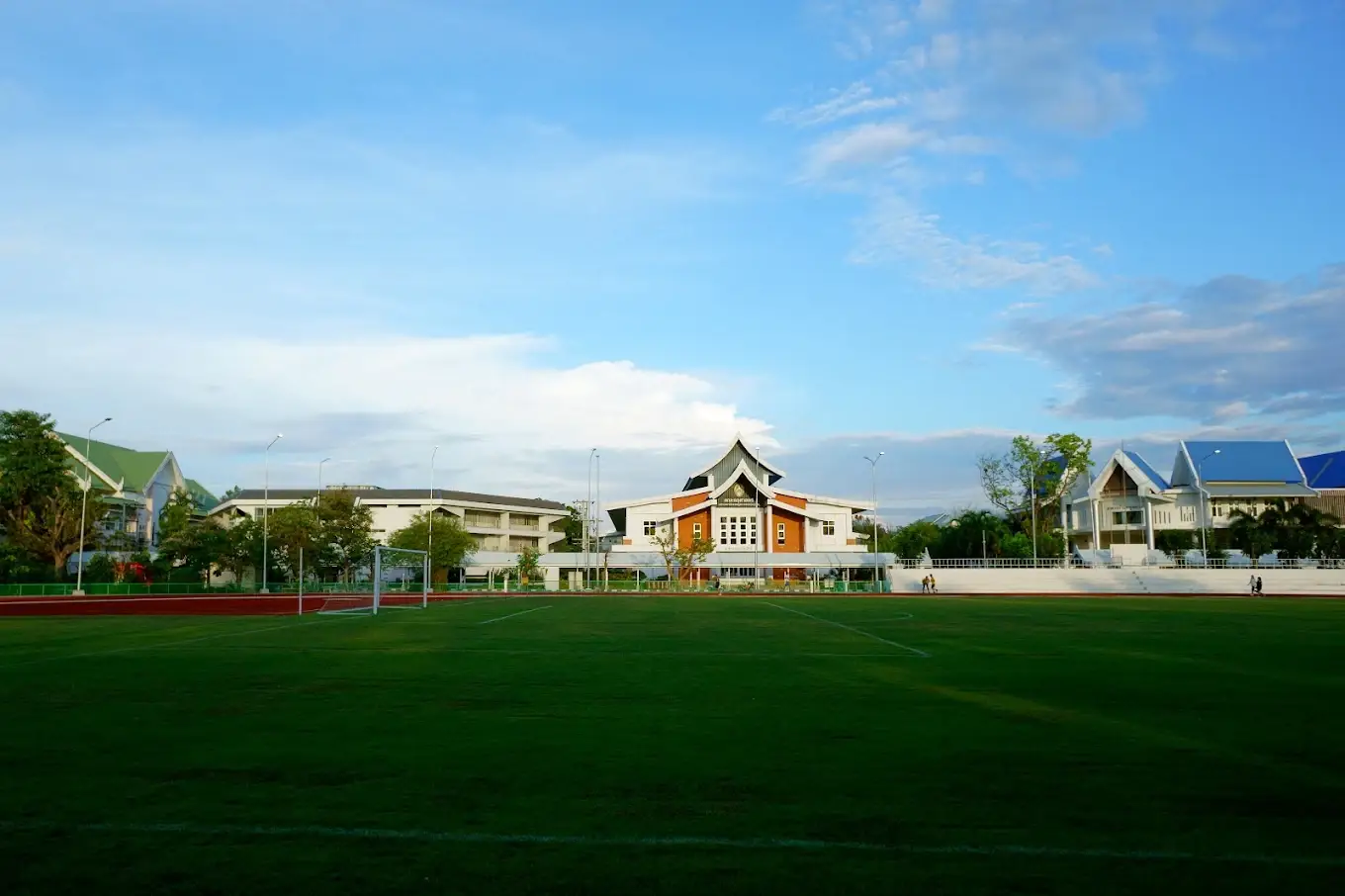
Open Days (Academic Service Division): Monday – Friday
Opening Hours (Academic Service Division): 08:30 – 16:30
Phranakhon Si Ayutthaya Rajabhat University (มหาวิทยาลัยราชภัฏพระนครศรีอยุธยา), commonly abbreviated as ARU, is a public university with more than 121 years of educational history in Phra Nakhon Si Ayutthaya Province, Thailand. Located at 96 Pridi Banomyong Road, Pratu Chai Subdistrict, the university traces its origins to the Krung Kao Teacher Training School, established on July 1, 1905, with financial support granted by King Chulalongkorn, Rama V. The institution subsequently developed into Phra Nakhon Si Ayutthaya Teacher Training School, Phra Nakhon Si Ayutthaya Teachers College, and Phranakhon Si Ayutthaya Rajabhat Institute before receiving university status on June 15, 2004. Today, ARU provides education in Teacher Education, Humanities, Social Sciences, Science, Technology, Management, and graduate studies. Its defining characteristic is its setting within Ayutthaya's historic city, where important archaeological remains from the former Thai capital stand within the university grounds alongside modern academic buildings.
Unlike most universities, Phranakhon Si Ayutthaya Rajabhat University occupies an area containing significant monuments from the Ayutthaya period. These include Wat Borom Phuttharam, Wat Singharam, Wat Suan Luang Khang Khao, Ban Din So Bridge, Thep Mi Gate Bridge, and the memorial to Chao Phraya Bowon Ratchanayok, better known as Sheikh Ahmad. Together, these places connect the university with the religious, political, commercial, and multicultural history of the former capital.
The university is situated on Ayutthaya's historic city island, along Pridi Banomyong Road and near Sri Sanphet Road and U-Thong Road. The surrounding environment includes schools, Buddhist temples, historic monuments, government institutions, traditional neighborhoods, and modern urban facilities. For students, the location provides opportunities to observe how cultural heritage and contemporary city life coexist within a historically important landscape.
Ayutthaya served as the capital of the Ayutthaya Kingdom from 1350 to 1767 and remains one of Thailand's most significant historic cities. The Historic City of Ayutthaya was inscribed on the UNESCO World Heritage List on December 13, 1991. The university's location within this wider heritage setting creates distinctive opportunities to connect higher education with historical research, cultural preservation, community development, and educational tourism.
The university's story began during the reign of King Chulalongkorn, Rama V, who granted 30,000 baht to the Ministry of Education, then known as the Ministry of Dhammakarn, to establish a teacher training school in the area behind Chan Kasem Palace. The school officially began on July 1, 1905, and became the institutional foundation of today's university.
During the late nineteenth and early twentieth centuries, Thailand was undertaking extensive reforms of public administration, education, and provincial governance. The expansion of formal schooling required trained teachers who could provide education to children beyond Bangkok. Establishing teacher training schools in regional centers was therefore an important part of national educational development.
The Krung Kao Teacher Training School helped prepare educational personnel for Ayutthaya and neighboring provinces. Its mission involved more than transmitting academic knowledge; it also emphasized teaching methods, professional conduct, and the responsibilities of teachers within their communities.
In 1924, an additional agricultural teacher training school was established at the Paniat Residence area to provide instruction related to agricultural knowledge. This development reflected an early recognition that education should connect with the economic circumstances of local communities, where agriculture remained a major occupation.
In 1932, the original teacher training school and the agricultural teacher training institution were combined at the Paniat location. Following changes to Thailand's provincial administration, the educational institution's status was adjusted to align with the new system of government and education.
By 1933, the institution functioned as a provincial school providing elementary teacher training and certificate-level teacher education. This development represented the continuation of a structured educational pathway for students preparing to enter the teaching profession.
In 1936, the school moved from the Paniat area to a former military site in Hua Laem. Its operations were divided into two institutions: one for general teacher certificate training and another for women's teacher certificate education. The arrangement reflected the organization of teacher education in Thailand during that period.
In 1941, the general teacher training school relocated to government land near Wat Worapho, associated with the present Pratu Chai School area. The women's teacher training school moved to Ho Rattanachai Subdistrict. These moves formed part of the institution's gradual adjustment of its educational facilities and locations.
In 1948, the institution was renamed Phra Nakhon Si Ayutthaya Teacher Training School. Further national changes followed when the teacher training administration was elevated to the Department of Teacher Training on September 29, 1954. In 1955, the school began producing teachers through the Certificate in Education qualification, commonly known by its Thai abbreviation, Por Kor Sor.
Teacher certification played an important role in standardizing professional preparation. It supported the development of knowledge in subject content, teaching methodology, classroom management, and supervised professional practice.
In 1966, the teacher training school moved to the site occupied by the present university in Pratu Chai Subdistrict and was elevated to Phra Nakhon Si Ayutthaya Teachers College. This was a decisive institutional milestone because the college began developing its permanent academic identity within an area that also contains significant archaeological remains from the Ayutthaya Kingdom.
In 1968, the separate women's teacher training institution was integrated into the Teachers College, bringing its academic operations under a more unified administrative structure. The consolidation supported expansion in student numbers, teaching resources, and the development of academic programs.
In 1974, the college began offering a two-year continuing bachelor's degree route. The academic structure was further developed in 1976 through the Teacher Training Council's curricula, including certificate programs and continuing Bachelor of Education studies.
In 1980, the college introduced a four-year Bachelor of Education program. This was an important achievement because prospective teachers could now pursue a complete undergraduate education within a structured university-level curriculum.
In 1985, Phra Nakhon Si Ayutthaya Teachers College began providing academic programs beyond traditional teacher education. This expansion opened the way for broader study in the Humanities, Social Sciences, Science, and Management, gradually transforming the institution into a more comprehensive regional center of higher education.
On February 14, 1992, King Bhumibol Adulyadej, Rama IX, graciously bestowed the name Rajabhat upon Thailand's teachers colleges and granted a royal emblem to represent the institutions. This became an important milestone in the shared history of the Rajabhat higher education network.
The Rajabhat Institute Act came into effect on January 25, 1995, formally transforming Phra Nakhon Si Ayutthaya Teachers College into Phranakhon Si Ayutthaya Rajabhat Institute. The institution's responsibilities continued to expand, encompassing higher education, research, academic services, cultural preservation, and local development.
The transition to Rajabhat Institute status gave the institution a broader regional mission. It continued to develop teachers and educational personnel while also supporting academic cooperation with schools, government agencies, businesses, and community organizations.
On June 15, 2004, the Rajabhat University Act B.E. 2547 took effect. The former Rajabhat institutes were elevated to university status, and Phranakhon Si Ayutthaya Rajabhat Institute officially became Phranakhon Si Ayutthaya Rajabhat University.
University status marked the institution's development into a center offering undergraduate and graduate education across multiple academic disciplines. The university retained its long-established role in teacher education while strengthening its missions in research, innovation, professional development, and services benefiting local communities.
In 2019, the establishment of Thailand's Ministry of Higher Education, Science, Research and Innovation brought the university under the ministry's higher education administration framework. Its continuing mission remained closely connected with the Rajabhat universities' responsibility to support local development.
On July 1, 2026, the university celebrated its 121st anniversary under the theme “From Krung Kao Teacher Training School to Phranakhon Si Ayutthaya Rajabhat University.” The ceremony took place in the university auditorium and was presided over by the rector, Associate Professor Dr. Chusit Pradubphet, with administrators, faculty, staff, students, and distinguished guests in attendance.
The anniversary celebrations included acts of respect toward the university's sacred symbols, performances of royal compositions and jazz by the ARU Big Band Jazz ensemble, Buddhist merit-making ceremonies honoring the contributions of Kings Rama V and Rama IX, and awards recognizing outstanding researchers, staff, and students.
In 2026, the university marked 121 years since the foundation of its original teacher training school in 1905 and 22 years since becoming a university in 2004. These milestones represent two distinct stages in the institution's history: its original establishment as a regional teacher training school and its later legal recognition as a comprehensive public university.
The rector in 2026 is Associate Professor Dr. Chusit Pradubphet, whose appointment was confirmed in an official announcement dated March 21, 2024. His leadership responsibilities include academic development, institutional administration, research, educational quality, and the university's ongoing mission to serve local communities.
The university's visual identity is connected with the Rajabhat higher education network through its royal emblem. Its official colors are yellow and red, displayed on the university flag with yellow above red and the emblem in the center.
The university's symbolic flower is the Sano flower, and its symbolic tree is the Sano tree, a locally significant flowering plant associated with the former Nong Sano area and the historical landscape near Bueng Phra Ram. Its bright yellow flowers connect the university's identity with the natural and historical surroundings of Ayutthaya.
The university's Pali motto is “Sikkhākāmo Bhavaṃ Hoti,” meaning “One who seeks education prospers.” The institution also emphasizes the development of graduates who are disciplined, eager to learn, and committed to volunteer service. These principles reflect its educational responsibility to prepare graduates who can contribute meaningfully to society.
Phranakhon Si Ayutthaya Rajabhat University has four principal faculties: the Faculty of Education, Faculty of Humanities and Social Sciences, Faculty of Science and Technology, and Faculty of Management Science. The Graduate School administers postgraduate and professional graduate programs. Supporting academic units include the Library and Information Technology Center, Research and Development Institute, Ayutthaya Studies Institute, Academic Service Division, and the university's Demonstration School.
The Faculty of Education carries forward the institution's original mission as a teacher training school. Its academic offerings include Special Education and Thai Language Teaching, Mathematics Education, Science Education, Social Studies Education, Early Childhood Education, Computer Education, Physical Education, Thai Language Teaching, English Language Teaching, and Primary Education.
Modern teacher education requires knowledge of educational psychology, teaching methods, learning assessment, curriculum development, inclusive education, and digital learning technologies. The Faculty of Education contributes to the preparation of teachers capable of responding to the diverse needs of schools and students in Ayutthaya and surrounding provinces.
The Faculty of Humanities and Social Sciences provides education across Languages, History, Arts, Law, Public Administration, Digital Communication, and Community Development. These fields are particularly relevant in Ayutthaya, where historical interpretation, cultural preservation, public services, and community development are closely interconnected.
Thai, English, and Chinese language studies support communication skills for education, business, public service, and tourism. History provides methods for studying evidence and understanding historical change, an especially valuable academic discipline in a UNESCO World Heritage city.
Creative Music, Dance Education, Art Education, and Music Education contribute to the continuation of Thailand's artistic traditions. Public Administration, Local Governance, and Community and Social Development prepare students to understand public institutions, local administration, and social challenges.
The Faculty of Science and Technology offers academic fields covering Chemistry, Computer Science, Information Technology, Microbiology, Home Economics, Food Science and Technology Management, Modern Agricultural Technology, Environmental Technology, Public Health, Science Education, Industrial Technology, and a continuing program in Artificial Intelligence Engineering.
Science and technology education at the university is oriented toward the practical application of knowledge. Information Technology supports digital systems and data management, Food Science contributes to product quality and safety, Agricultural Technology connects scientific methods with production, and Environmental Technology and Public Health address important concerns for communities.
Artificial Intelligence Engineering and Industrial Technology reflect the university's response to technological change. These fields are concerned with automation, intelligent systems, industrial processes, and the use of digital technologies to improve productivity and decision-making.
The Faculty of Management Science provides programs in Business Administration, Management, Logistics and Supply Chain Management, Human Resource Management, Digital Business Computing, Marketing and Events, Modern Trade Business Management, and Tourism and Services.
Tourism and hospitality education is especially relevant to Ayutthaya's economy. The province attracts visitors interested in Buddhist temples, ancient monuments, museums, traditional food, and cultural experiences. Students can therefore connect academic knowledge about tourism services, marketing, and business management with real commercial activities in the surrounding city.
The Graduate School provides a Graduate Diploma in the Teaching Profession and master's degree programs in Educational Administration, Curriculum and Instruction, Business Administration, Public Administration, Criminology, Justice Administration and Society, and Community and Social Development. Its doctoral offerings include Educational Administration, Criminology, Justice Administration and Society, Curriculum and Instruction, and Business Administration.
Graduate studies support the professional development of teachers, administrators, researchers, public sector personnel, and business professionals. They enable students to investigate complex problems, develop research skills, and apply advanced academic knowledge to their workplaces and communities.
Research and innovation are supported through the university's Research and Development Institute. The institution promotes research, academic services, innovation, and the application of knowledge to local development. Research subjects are connected to educational improvement, society, culture, technology, public administration, and the quality of life of local communities.
During 2026, the university continued activities aimed at improving digital competencies and academic quality. These included training in course specification and course reporting, the practical use of artificial intelligence, and the development of staff skills in data analysis and digital tools. Such initiatives reflect the changing demands placed on higher education institutions in a technology-driven society.
The Ayutthaya Studies Institute is one of the university's most distinctive academic and cultural institutions. It is responsible for conserving, studying, promoting, and disseminating knowledge about Ayutthaya's history, art, cultural traditions, and local wisdom. Its traditional Thai-style buildings stand along Pridi Banomyong Road and create a recognizable cultural landmark within the university grounds.
The institute moved into its purpose-built Thai-style complex in 2006. Its ground-floor facilities include offices, meeting rooms, the Ayutthaya Studies Information Center, and spaces for temporary exhibitions. The upper level of the traditional Thai houses contains permanent exhibitions related to the province's history, culture, and traditional knowledge.
For students, researchers, teachers, and visitors, the institute offers opportunities to learn about Ayutthaya beyond its most famous temple ruins. Its subject matter includes local traditions, artistic heritage, historical narratives, community lifestyles, and the continuation of cultural knowledge. The institute also organizes cultural activities and presents artistic works through exhibitions and digital platforms.
Wat Borom Phuttharam is among the most important archaeological monuments within the university. Its history is closely associated with King Phetracha, the first monarch of the Ban Phlu Luang dynasty, who ordered the construction of the temple on land connected with his former residence. The site therefore has significance in both Buddhist religious history and the political history of late Ayutthaya.
The remains of Wat Borom Phuttharam preserve evidence of Ayutthaya-period religious architecture. The surrounding historical landscape, including traces of old waterways, helps visitors understand how temples, settlements, and transportation routes were integrated into the historic capital.
Near Wat Borom Phuttharam is Ban Din So Bridge, also known as Pa Din So Bridge, a historic crossing associated with the old canal network. The bridge forms part of the university's heritage learning route and provides evidence of how movement between communities once depended upon canals, small roads, and crossings within the city.
Wat Singharam is another archaeological site within the university grounds. Its surviving remains contribute to the understanding of Buddhist temple layouts and religious settlements during the Ayutthaya period. The site is important not only as an individual monument but also as part of the broader historical landscape preserved within the campus.
Wat Suan Luang Khang Khao is likewise included among the university's historic monuments. Its name preserves an older local place-name, while its archaeological remains provide evidence of the distribution of Buddhist temples and settlements across this part of Ayutthaya.
Thep Mi Gate Bridge is another historic element of the local landscape. Old bridges are important sources of archaeological information because they reveal how streets, canals, and routes between urban neighborhoods were organized in the former capital.
The memorial to Chao Phraya Bowon Ratchanayok, known historically as Sheikh Ahmad, provides a different perspective on Ayutthaya's past. Sheikh Ahmad was an influential figure of Persian origin associated with the kingdom's cosmopolitan society and is recognized as an ancestor of the Bunnag family. The memorial creates opportunities to study foreign communities, commerce, religion, and multicultural relationships in the historical capital.
Taken together, the university's heritage sites form an unusual educational landscape containing temples, bridges, waterways, and a memorial associated with a prominent historical figure. They demonstrate how the modern campus occupies an area that once belonged to a complex urban environment shaped by Buddhist institutions, trade, transportation, political power, and cultural exchange.
The Library and Information Technology Center supports academic learning through access to books, research materials, digital resources, and information services. Facilities associated with the academic information system include the Bannarat Nakhonrin Building and other library service areas.
The Suan Luang Business Professional Training Center also forms part of the university's practical learning environment. Its functions include activities related to business and hospitality services, meeting facilities, and accommodation services according to its operating arrangements. Such facilities help connect academic learning with professional experience.
The university's Demonstration School is associated with its longstanding mission in teacher education and educational development. Educational institutions within the university network can support links between academic teaching theory, educational practice, and the development of learning at the basic education level.
Traditional ceremonies remain important to university life. On July 9, 2026, the university organized its annual Wai Khru ceremony, known as “Phra Khun Thi Sam,” at the university auditorium. The event provided students with an opportunity to express gratitude toward their teachers and to uphold traditions of respect within Thai education.
Wai Khru is an important part of Thai educational culture because it recognizes that education involves both the transmission of knowledge and the development of personal values. The ceremony encourages respect, responsibility, gratitude, and a sense of belonging within the academic community.
On July 23, 2026, the Dance Education program of the Faculty of Humanities and Social Sciences held a Wai Khru and Khrop Khru ceremony for Thai classical dance at the Ton Mok meeting room. The event preserved a specialized artistic tradition involving respect for teachers and the transmission of knowledge through generations of performers.
The Khrop Khru ceremony is significant in Thai performing arts because it symbolizes the relationship between teachers, students, and the lineage of artistic knowledge. Its continuation within the university demonstrates a commitment to preserving intangible cultural heritage as well as historical buildings and monuments.
The Ayutthaya Studies Institute also contributes to cultural preservation through exhibitions, art activities, research, and programs devoted to local wisdom. These initiatives provide opportunities for students and the public to participate in learning about the province's historical and cultural diversity.
Because the university is situated within a UNESCO World Heritage city, it has special opportunities to connect academic research with local heritage management and sustainable tourism. Students can investigate issues such as monument conservation, visitor management, community economic development, and the balance between urban change and the preservation of historical character.
For visitors interested in educational tourism, Phranakhon Si Ayutthaya Rajabhat University provides an opportunity to study both Thailand's teacher education history and archaeological remains of the Ayutthaya period. It is particularly relevant to school groups, university students, teachers, researchers, and people interested in the relationship between education and cultural heritage.
Academic study visits should be arranged through the appropriate university offices, especially when visiting the Ayutthaya Studies Institute, exhibition spaces, library facilities, classrooms, and restricted academic areas. Visitors exploring archaeological sites should follow conservation requirements, avoid climbing on ruins, and refrain from activities that could damage fragile historical structures.
A heritage-oriented visit can begin with Wat Borom Phuttharam and Ban Din So Bridge, continue to Wat Singharam and Wat Suan Luang Khang Khao, and include the Sheikh Ahmad memorial and the Ayutthaya Studies Institute. Visitors can then explore major attractions elsewhere on the city island, such as the Chao Sam Phraya National Museum, Wat Phra Si Sanphet, Wihan Phra Mongkhon Bophit, and the archaeological monuments of Ayutthaya Historical Park.
Travel within Ayutthaya's historic city island is possible by private vehicle, local transport, or bicycle, depending on the planned itinerary. The city includes main roads, neighborhood streets, and areas where walking is necessary to explore the monuments properly. Planning the route in advance helps visitors manage their time and avoid unnecessary travel between sites.
Getting There: From Bangkok, travelers can take Phahonyothin Road or the Asian Highway toward Ayutthaya Province, then continue into Ayutthaya's historic city island and follow Pridi Banomyong Road to the university at Number 96, Pratu Chai Subdistrict. Drivers should check current road access and traffic conditions because roads in the historic city can become busy on weekends and during major festivals.
Travelers arriving by train can disembark at Ayutthaya Railway Station and continue to the university by local taxi or another available transport service. Those arriving by bus can travel into central Ayutthaya and arrange onward transport to Pridi Banomyong Road.
The Academic Service Division can be contacted regarding admissions and student registration at +66 35 241 196 or +66 35 276 555, extension 1700. Normal weekday contact hours are Monday through Friday, from 08:30 to 16:30. Some admissions periods also include weekend service hours, as specified in their respective announcements.
For general inquiries, the university can be contacted at +66 35 276 555 to +66 35 276 559 or by email at saraban@aru.ac.th. The Ayutthaya Studies Institute can be contacted at +66 35 241 407 for inquiries concerning exhibitions, cultural information, and educational visits.
Phranakhon Si Ayutthaya Rajabhat University occupies a distinctive place in Thailand's educational and cultural history. From its foundation as the Krung Kao Teacher Training School in 1905 to its elevation to university status in 2004 and its activities in 2026, the institution has continued to develop a broad academic mission while retaining its commitment to teacher education and local development. Its special value lies in the combination of a long educational tradition, multidisciplinary higher education, cultural preservation, and remarkable archaeological remains from the Ayutthaya Kingdom within the same university setting.
| University Name | Phranakhon Si Ayutthaya Rajabhat University |
| Thai Name | มหาวิทยาลัยราชภัฏพระนครศรีอยุธยา |
| Abbreviation | ARU / มรภ.พระนครศรีอยุธยา |
| University Type | Public Rajabhat university under the Ministry of Higher Education, Science, Research and Innovation |
| Full Address | 96 Pridi Banomyong Road, Pratu Chai Subdistrict, Phra Nakhon Si Ayutthaya District, Phra Nakhon Si Ayutthaya Province 13000, Thailand |
| Original Foundation Date | July 1, 1905 |
| University Status Granted | June 15, 2004 |
| Institutional Age in 2026 | 121 years since the original foundation and 22 years since university status |
| Former Institution Names | Krung Kao Teacher Training School, Phra Nakhon Si Ayutthaya Teacher Training School, Phra Nakhon Si Ayutthaya Teachers College, and Phranakhon Si Ayutthaya Rajabhat Institute |
| Principal Historical Founder | King Chulalongkorn, Rama V, who provided 30,000 baht for the establishment of the original teacher training school |
| University Rector in 2026 | Associate Professor Dr. Chusit Pradubphet |
| University Colors | Yellow and Red |
| University Flower | Sano Flower |
| University Tree | Sano Tree |
| Pali Motto | Sikkhākāmo Bhavaṃ Hoti — One who seeks education prospers |
| Graduate Attributes | Discipline, eagerness to learn, and commitment to volunteer service |
| Faculties and Academic Units | 1. Faculty of Education 2. Faculty of Humanities and Social Sciences 3. Faculty of Science and Technology 4. Faculty of Management Science 5. Graduate School |
| Academic Strengths | Teacher Education, Humanities, Social Sciences, History, Cultural Heritage, Science, Technology, Business Administration, and Local Development |
| Important Academic Units | Ayutthaya Studies Institute, Research and Development Institute, Library and Information Technology Center, Academic Service Division, and Demonstration School |
| Historical Monuments Within the University | 1. Wat Borom Phuttharam 2. Wat Singharam 3. Wat Suan Luang Khang Khao 4. Ban Din So or Pa Din So Bridge 5. Thep Mi Gate Bridge 6. Chao Phraya Bowon Ratchanayok (Sheikh Ahmad) Memorial |
| Learning and Cultural Facilities | 1. Ayutthaya Studies Institute 2. Library and Information Technology Center 3. Bannarat Nakhonrin Building 4. Suan Luang Business Professional Training Center 5. Phranakhon Si Ayutthaya Rajabhat University Demonstration School |
| Cultural Activities | Phra Khun Thi Sam Wai Khru Ceremony, Thai Dance Wai Khru and Khrop Khru, University Foundation Anniversary, Art Exhibitions, and Community Academic Services |
| Academic Service Division Days | Monday – Friday |
| Academic Service Division Hours | 08:30 – 16:30, normal weekdays |
| Educational Visits | Advance arrangements are recommended for exhibitions, libraries, academic facilities, and organized heritage visits |
| Facilities | Academic Buildings, Laboratories, Library, Auditorium, Business Training Facilities, and Student Activity Areas |
| Getting There | Travel into Ayutthaya's historic city island and follow Pridi Banomyong Road, or take a train to Ayutthaya Railway Station and continue by local transport |
| Nearby Historical Attractions | 1. Chao Sam Phraya National Museum 2. Wat Phra Si Sanphet 3. Wihan Phra Mongkhon Bophit 4. Wat Mahathat 5. Wat Ratchaburana |
| Restaurants in Ayutthaya City | 1. Sukunya Somtum — Tel. +66 89 163 7342 2. Baan PloenView Restaurant — Tel. +66 95 671 0238 3. Civilize Ayutthaya — Tel. +66 98 825 2986 4. River Bar Ayutthaya — Tel. +66 82 463 9442 5. Nigiwai Shabu & Sushi Buffet, Pridi Bridge Branch — Tel. +66 63 593 2262 |
| Accommodation in Ayutthaya City | 1. Suan Luang Business Professional Training Center — Tel. +66 35 245 537 2. Silp-pa Phra Nakhon Si Ayutthaya — Tel. +66 86 005 5005 3. Luang Chumni Village — Tel. +66 35 322 990 4. sala ayutthaya — Tel. +66 35 242 588 5. Q Zone Boutique House — Tel. +66 89 696 4338 |
| University Telephone | +66 35 276 555 to +66 35 276 559 |
| Academic Service Division | +66 35 241 196 or +66 35 276 555, Ext. 1700 |
| Ayutthaya Studies Institute | +66 35 241 407 |
| Graduate School | +66 35 322 083 |
| Official Website | https://www.aru.ac.th |
| Current Status | Active public university providing education, research, and academic services in the 2026 academic year |
Phranakhon Si Ayutthaya Rajabhat University — Academic Programs and Fields of Study, Academic Year 2026
| Faculty / Education Level | Academic Programs and Fields of Study |
| Faculty of Education Bachelor's Degree | Bachelor of Education 1. Special Education and Thai Language Teaching 2. Education — Mathematics Major 3. Education — Science Major 4. Education — Social Studies Major 5. Education — Early Childhood Education Major 6. Education — Computer Education Major 7. Education — Physical Education Major 8. Education — Thai Language Teaching Major 9. Education — English Language Teaching Major 10. Education — Primary Education Major |
| Faculty of Humanities and Social Sciences Bachelor's Degree | Bachelor of Education 1. Thai Classical Dance Education 2. Art Education 3. Music Education Bachelor of Laws4. Law Bachelor of Communication Arts5. Digital Communication Arts Bachelor of Public Administration6. Local Governance 7. Public Administration Bachelor of Fine and Applied Arts8. Creative Music Bachelor of Arts9. English 10. Thai 11. Chinese 12. History 13. Community and Social Development |
| Faculty of Science and Technology Bachelor's Degree | Bachelor of Education 1. Science Education — Physics Track 2. Science Education — Chemistry Track 3. Science Education — Biology Track Bachelor of Technology4. Industrial Technology — Industrial Technology Management Major 5. Industrial Technology — Automated Production Control Technology Major Bachelor of Science6. Chemistry 7. Computer Science 8. Information Technology 9. Microbiology 10. Home Economics 11. Food Science and Technology Management 12. Modern Agricultural Technology 13. Environmental Technology Bachelor of Public Health14. Public Health Bachelor of Engineering15. Artificial Intelligence Engineering (Continuing Program) |
| Faculty of Management Science Bachelor's Degree | Bachelor of Business Administration 1. Business Administration — Management Major 2. Business Administration — Logistics and Supply Chain Management Major 3. Business Administration — Human Resource Management Major 4. Business Administration — Digital Business Computing Major 5. Business Administration — Marketing and Events Major 6. Modern Trade Business Management Bachelor of Arts7. Tourism and Services — Tourism Track 8. Tourism and Services — Services Track |
| Graduate School Graduate Diploma | 1. Graduate Diploma in the Teaching Profession |
| Graduate School Master's Degree | 1. Educational Administration 2. Curriculum and Instruction 3. Business Administration 4. Public Administration 5. Criminology, Justice Administration and Society 6. Community and Social Development |
| Graduate School Doctoral Degree | 1. Educational Administration 2. Criminology, Justice Administration and Society 3. Curriculum and Instruction 4. Business Administration |
Frequently Asked Questions (FAQ)
Q: Where is Phranakhon Si Ayutthaya Rajabhat University located?
A: The university is located at 96 Pridi Banomyong Road, Pratu Chai Subdistrict, Phra Nakhon Si Ayutthaya District, Phra Nakhon Si Ayutthaya Province 13000, Thailand, on Ayutthaya's historic city island.
Q: What are the opening days and hours of Phranakhon Si Ayutthaya Rajabhat University?
A: The Academic Service Division provides normal weekday services Monday through Friday, from 08:30 to 16:30. Weekend admission services and access to individual university facilities depend on separate announcements and departmental schedules.
Q: When was Phranakhon Si Ayutthaya Rajabhat University established?
A: The university traces its origins to the Krung Kao Teacher Training School, founded on July 1, 1905. It received university status on June 15, 2004.
Q: Who played a major role in founding Phranakhon Si Ayutthaya Rajabhat University?
A: King Chulalongkorn, Rama V, granted 30,000 baht to establish the original teacher training school, which later developed into the present university.
Q: How many faculties does Phranakhon Si Ayutthaya Rajabhat University have?
A: The university has four principal faculties: Education, Humanities and Social Sciences, Science and Technology, and Management Science, together with a Graduate School.
Q: What academic programs are offered at the university in 2026?
A: Published programs cover Teacher Education, Languages, History, Arts, Law, Public Administration, Science, Technology, Computer Science, Public Health, Artificial Intelligence Engineering, Business Administration, Tourism, and graduate-level studies. Admission availability depends on the requirements of each program and recruitment period.
Q: What historical monuments are located within Phranakhon Si Ayutthaya Rajabhat University?
A: Important monuments include Wat Borom Phuttharam, Wat Singharam, Wat Suan Luang Khang Khao, Ban Din So Bridge, Thep Mi Gate Bridge, and the memorial to Chao Phraya Bowon Ratchanayok, also known as Sheikh Ahmad.
Q: Why is Wat Borom Phuttharam historically significant?
A: The temple is associated with King Phetracha, who ordered its construction in an area connected with his former residence. It is an important monument from the late Ayutthaya period.
Q: Can members of the public arrange educational visits to the university?
A: Educational visits may be arranged through the relevant university departments, particularly the Ayutthaya Studies Institute and other cultural or academic facilities. Visitors should follow institutional and archaeological conservation regulations.
Q: How can visitors get to Phranakhon Si Ayutthaya Rajabhat University?
A: From Bangkok, travel into Ayutthaya's historic city island and follow Pridi Banomyong Road. Alternatively, take a train to Ayutthaya Railway Station and continue to the university by local taxi or another available transport service.
 Category: ●University
 Group: ●Rajabhat University
Last Update : 4 DayAgo
 Last Update : 4 DayAgo
 Click to Access the Navigation Map GPS
Phranakhon Si Ayutthaya Rajabhat University Map
Recommend

 Art, Culture and Heritage
 Historical Sites and Monuments(7)
 Landmarks and Memorials(6)
 Royal Palace(4)
 Art, Craft Centres, Tradition(6)
 Museums(9)
 Educational Places
 Museum for Study(1)
 Educational Gardens, Farm(2)
 Training Center(1)
 Autonomous Universities(2)
 Rajamangala University of Technology(2)
Rajabhat University(1)
 Places of Worship
 Temple(133)
 Church(2)
 Mosque(2)
 Other Sacred Sites(15)
 Research and Development
 Royal Project(4)
 Suburban Living
 Village, Community(10)
 Local Market(7)
 Floating Market(3)
 Nature and Wildlife
 Dam, Reservoir, Lake(1)
 River, Canal(3)
 Islands(2)
 Other natural attractions(1)
 Entertainment and Agricultural
 Animal camps and shows(2)
 Farms, Parks and Ecotourism(4)
 Waterpark(1)
 Travel Articles, Recipes
 Travel Review, Food Review(2)


