
lovethailand home >North Travel Attractions >Phrae Travel Attractions >Song >Saiap > Akha Hill Tribe Village
TL;DR: Akha Hill Tribe Village is located at Moo 7, Na Poon Subdistrict, Wang Chin District, Phrae, open Advance contact recommended, hours Depending on community arrangements and festival schedules.
Akha Hill Tribe Village
Open Days: Advance contact recommended
Opening Hours: Depending on community arrangements and festival schedules
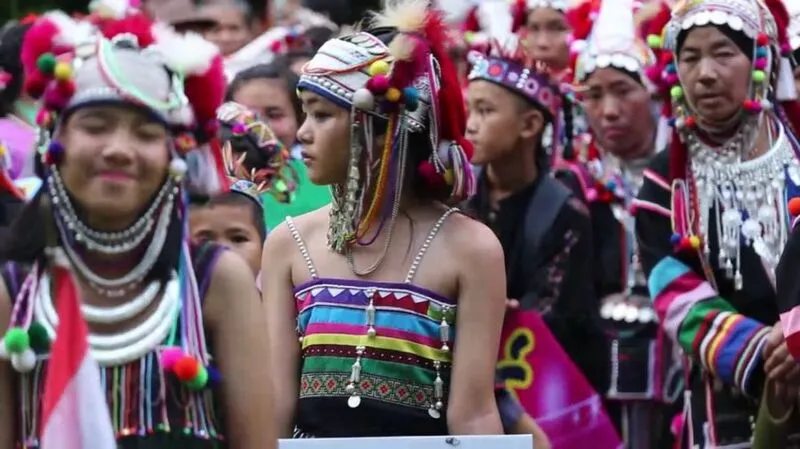
The Akha Hill Tribe Village in Phrae is one of the province’s most meaningful cultural destinations for travelers who want to experience living ethnic heritage rather than only mainstream sightseeing. What makes this place special is not just its mountain-community atmosphere, but the fact that the Akha people here still preserve important elements of their traditional way of life, including ceremony, dress, hospitality, community rituals, and seasonal cultural events. It offers a very different perspective on Phrae, revealing that the province is not defined only by old town architecture, temples, or indigo textiles, but also by its ethnic diversity and living cultural communities.
Based on current local and provincial information, the best-matched Akha cultural community in Phrae is located in Moo 7, Na Poon Subdistrict, Wang Chin District. Older sources refer to it simply as “Ban Akha,” while more recent local references identify the area as Ban Dong Yang Akha or Ban Pao Pom Dong Yang within the same village zone. What remains consistent across sources is that this is an active Akha community in Wang Chin and that it continues to host cultural activities in the present day, making it an appropriate destination for cultural learning travel.
The appeal of the village lies in its cultural continuity. The Akha are one of the hill tribe groups of northern Thailand with a strong sense of identity expressed through language, ritual, dress, and community structure. A visit here is not only about seeing a different way of life. It is about understanding how a small mountain community maintains its traditions while continuing to adapt to changing social and economic conditions. This makes the village particularly valuable for travelers who want a more thoughtful cultural experience.
The household scale described in your source, around 50 families, aligns with earlier local reporting about the Akha community in Na Poon. That community-based scale is important because it gives the village a close-knit atmosphere. Visitors can more easily sense the rhythm of everyday life, whether through agricultural work, household activity, local foods, or shared ceremonies. This is one reason the village feels more personal and more immersive than larger, more commercialized tourism sites.
One of the strongest reasons to visit is the preservation of Akha traditions. The best-known example is the Akha Swing Festival, a celebration connected with gratitude, abundance, and community identity. There is also the Akha New Year, which remains a very important moment in the ritual calendar, as well as traditional egg-related activities remembered locally through festive customs such as red-dyed eggs and communal games. These events are more than performances for visitors. They are part of the community’s own cultural life, which is what gives them meaning.
Recent provincial information shows that Na Poon Subdistrict still hosts official cultural events centered on Akha heritage. In late 2024, a cultural preservation event was organized at the Akha cultural ground in the village, featuring New Year blessing rituals, traditional hospitality, youth performances, spinning-top competitions, local food demonstrations, and booths displaying village life and products. This confirms that the community remains active as a cultural learning destination and not merely as a historical reference.
For travelers, the village is especially suitable for slow, respectful cultural tourism. It is not a destination built around flashy attractions or large-scale facilities. Its real value comes from spending time in the community, learning about customs, observing traditional dress, understanding ritual practice, and listening to local stories. It is ideal for visitors who prefer depth over speed and cultural understanding over checklist-style tourism.
The Akha community in Wang Chin also reflects local wisdom beyond festivals alone. Community education sources mention cultural transmission, traditional food activities, herbal egg products, and small local skill groups, showing that village life includes practical knowledge as well as ceremonial heritage. This makes the visit more meaningful because the community is not only preserving the past. It is also sustaining forms of local livelihood in the present.
Geographically, the village lies in the Wang Chin area, where mountain landscapes, forest edges, and rural roads shape the setting. This gives the community a distinctly different atmosphere from lowland town destinations. The surrounding environment adds to the feeling of visiting a real upland cultural settlement rather than a staged attraction, and that environmental context helps explain why the Akha way of life remains closely tied to land, water, and seasonal rhythms.
Getting There is easiest by private car, using Na Poon Subdistrict in Wang Chin District as the main destination point. If you hope to see cultural activity or festival traditions, it is best to contact the Na Poon Subdistrict Administrative Organization or local community representatives in advance. Some experiences are strongest during community festival periods rather than on ordinary days, especially around the end of the year when New Year-related events are more likely to take place.
For anyone who wants to understand Phrae more deeply, this Akha village is worth including in the itinerary. It reveals a side of the province that many travelers overlook: one shaped by ethnic history, cultural resilience, and living community traditions. Visiting here is not simply about seeing something different. It is about meeting a community that continues to carry its own meanings, beliefs, and way of life into the present with dignity and strength.
| Name | Akha Hill Tribe Village |
| Location | Moo 7, Na Poon Subdistrict, Wang Chin District, Phrae |
| Address | Akha Community, Ban Dong Yang Akha / Ban Akha, Moo 7, Na Poon, Wang Chin, Phrae 54160 |
| Highlights | Learn about Akha community life, traditional ceremonies, the Swing Festival, Akha New Year, and egg-related festive customs |
| History | Local information confirms a long-established Akha community in Wang Chin, while comparative community history in Phrae records Akha migration and settlement in upland areas from the late 20th century onward |
| Distinctive Features | An ethnic Akha community with distinctive dress, ritual life, New Year ceremonies, cultural performances, and local food traditions |
| Travel Information | Best reached by private car via Na Poon Subdistrict, Wang Chin District, with advance coordination recommended for cultural visits or festival periods |
| Current Status | Still an active Akha cultural community with ongoing heritage events and learning activities in Na Poon Subdistrict |
| Facilities | Community cultural ground, educational center, and village event space |
| Main Areas / Zones | Akha cultural ground, Ban Dong Yang Akha learning area, and community activity space in Moo 7, Na Poon |
| Main Contact Number | Na Poon Subdistrict Administrative Organization: 054-520-895 |
| Official Website / Official Page | Na Poon SAO, Phrae Provincial PR, Ban Dong Yang Akha learning page |
| Nearby Tourist Attractions | 1) Mon Sao Hin Pitsawong – about 18 km 2) Mae Chok Hot Spring – about 20 km 3) Mae Koeng Luang Waterfall – about 24 km 4) Mae Ang Reservoir – about 17 km 5) Wiang Kosai National Park – about 26 km |
| Nearby Restaurants | 1) Wang Fin Cafe' Wang Chin – about 15 km, Tel. 097-920-4636, 088-269-1406 2) Krua Rap Rong ณ Wang Chin – about 15 km, Tel. 097-975-6149 3) Coffee House Wangchin – about 16 km, Tel. 080-678-7850 4) Moo Inter Wang Chin – about 16 km, Tel. 065-925-3614 5) Khang Ban Cafe – about 18 km, Tel. 095-140-3632 |
| Nearby Accommodations | 1) Wang Thong Resort – about 16 km, Tel. 054-588-025 2) Phuphakin Wangchin Resort & Camping – about 17 km, Tel. 065-926-8558 3) The Nanda Resort – about 17 km, Tel. 089-555-3422, 095-162-9594 4) Omay 168 Resort – about 16 km, Tel. 096-093-0574 5) Accommodation in Wang Chin town area – about 15 km |
Frequently Asked Questions (FAQ)
Q: Where is the Akha hill tribe village in Phrae?
A: The best-matched current cultural community is in Moo 7, Na Poon Subdistrict, Wang Chin District, Phrae.
Q: What traditions can visitors learn about here?
A: Visitors can learn about Akha traditions such as the Swing Festival, Akha New Year, and egg-related festive customs preserved by the community.
Q: Is the Akha community still active today?
A: Yes. Local sources confirm that cultural preservation events and Akha community activities are still being organized in Na Poon.
Q: Who would enjoy visiting this village?
A: It is ideal for cultural travelers, students, researchers, and anyone interested in ethnic communities and living traditions in northern Thailand.
Q: When is the best time to visit?
A: Festival periods, especially around the end of the year, are the best time to experience Akha New Year atmosphere and community cultural events.
Q: Should I contact the community before visiting?
A: Yes. Advance contact with Na Poon SAO or local community representatives is recommended, especially if you want to attend a cultural event.
 Category: ●Suburban Living
 Group: ●Village, Community
Last Update : 6 MonthAgo
 Last Update : 6 MonthAgo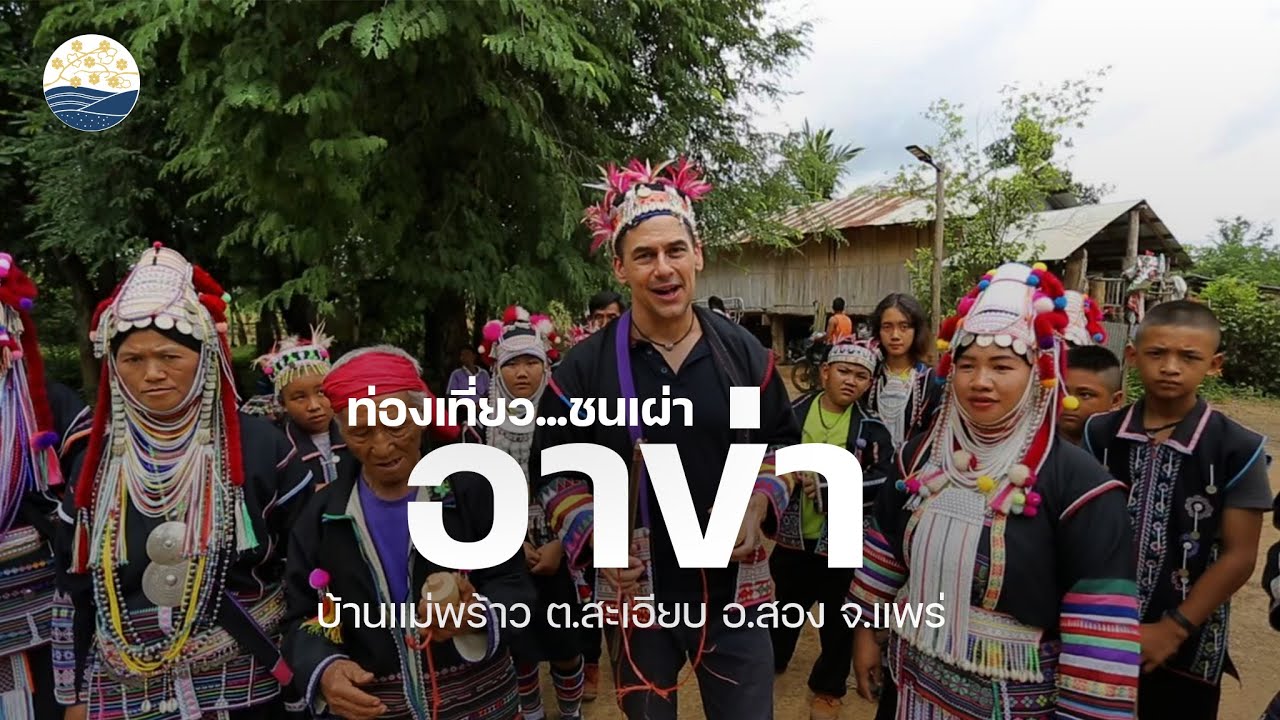
 Click to Access the Navigation Map GPS
Akha Hill Tribe Village Map
Recommend

 Art, Culture and Heritage
 Historical Sites and Monuments(4)
 Landmarks and Memorials(5)
 Art, Craft Centres, Tradition(3)
 Museums(6)
 Historic Homes and Cities(2)
 Educational Places
 Museum for Study(1)
 Educational Gardens, Farm(2)
 Places of Worship
 Temple(31)
 Other Sacred Sites(8)
Village, Community(6)
Other Sacred Sites(8)
Village, Community(6)
 Local Market(1)
 Nature and Wildlife
 National Parks and Marine Reserves(4)
 Dam, Reservoir, Lake(14)
 Waterfalls(6)
 Hot Springs(1)
 Caves(5)
 River, Canal(3)
 Islands(1)
 Other natural attractions(5)
 Entertainment and Agricultural
 Farms, Parks and Ecotourism(5)
 Outdoor and Adventure Activities(1)
 Travel Articles, Recipes
 Travel Review, Food Review(2)


